Bach Akademie Australia: The Brandenburg Concertos

The Brandenburg Concertos

The Brandenburg Concertos Rating

Click if you liked this article

About 25.3 billion kilometres from Earth, travelling at 61,000 km per hour, Voyager 1 contains a gold record that includes recordings of Barnumbirr (Morning Star) and Moikoi Song played by Tom Djäwa, Mudpo, and Waliparu, Johnny B. Goode by Chuck Berry, and Johann Sebastian Bach’s Brandenburg Concerto No. 2 in F Major.

When asked what message humans should send to alien civilisations, the biologist Lewis Thomas replied: “I would send the complete works of Johann Sebastian Bach… but that would be boasting.”

The Brandenburg Concertos are exquisite, like gems, cut precisely and polished so they sparkle.

Imagine you are 36 years old. Your wife had died, you have four children and you need a better paying job. In 1721, Johann Sebastian Bach wrote six concertos in an attempt to convince the Margrave of Brandenburg-Schwedt to hire him. It didn’t work. The manuscript was discovered, tucked away in a library cupboard, in 1849. It appears that the Margrave never saw them.

Miraculously, the original manuscript survived the bombing of the train they were being carried on during World War II. A librarian, transporting the manuscript, fled the train, running out into a forest with Bach’s concertos hidden under his coat.

Madeleine Easton, the artistic director of Bach Akademie Australia, was captivated by the concertos when she first heard them as a child. The music “bubbled” joyfully. She was transfixed and determined that one day she would learn to play them herself.

Easton has more than realised that artistic dream. She is one of Australia’s most celebrated violinists, performing to acclaim internationally, and leading the Bach Akademie Australia.


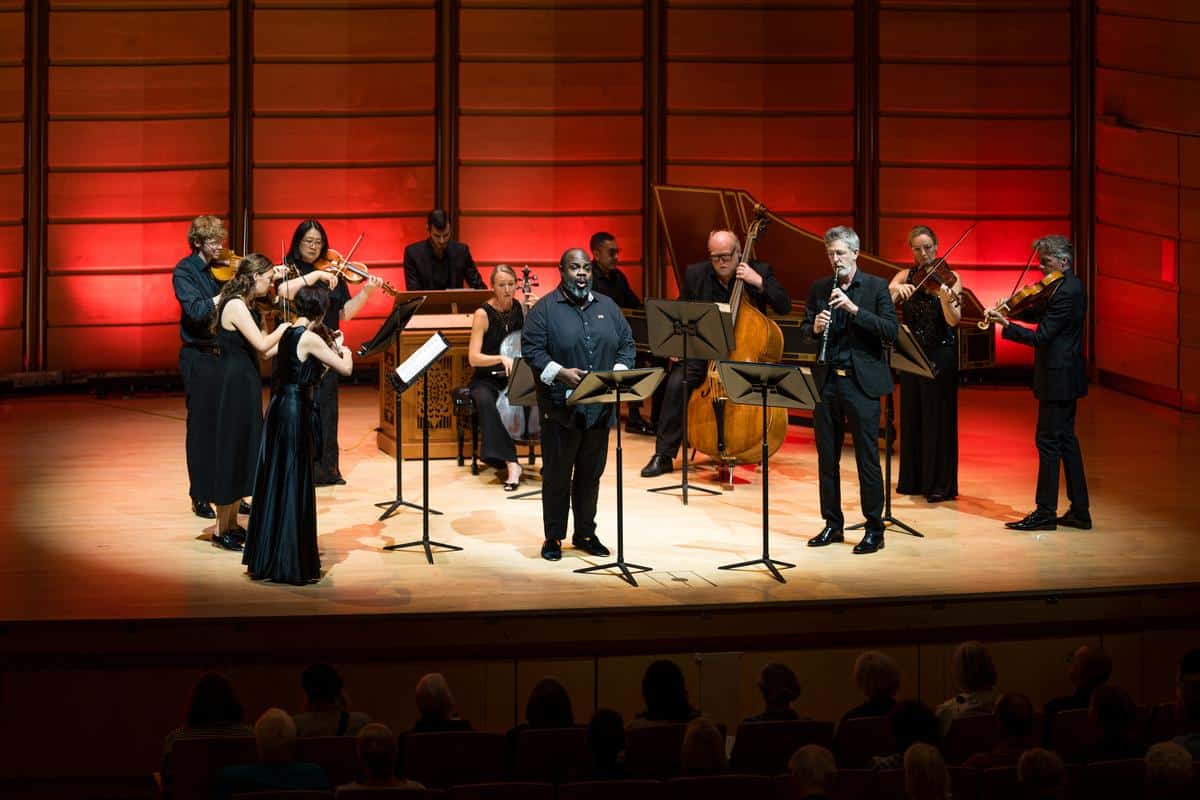
Bach Akademie Australia are a remarkable group. The promo spoke of “unbridled joy”, a promise kept in the performance of the Brandenburg Concertos tonight. Technical skill is present in abundance in this group of accomplished musicians, but it is the balance of that skill with the dynamic interpretations and the sheer joy of performing that makes Bach Akademie’s music memorable.

It is delightful to see the communication between the musicians as they play: a glance here, the synchronised breathing, the physical uplift of the body to initialise the tempo, or a call and response between instruments in the concerto. The travelling solo in Brandenburg Concerto number three was a pleasurable highlight.

I found odd moments of real magic, not just during the performances but during the interval, when Nathan Cox tuned the harpsichord.

To a certain extent recordings have spoiled us. There is an unspoked expectation of perfection that can only be achieved by editing and the best of hi-fi equipment. With this in mind, there is a wonderment in hearing original and acoustic instruments without amplification, especially in a chamber music setting.

Madeleine Easton plays a 1682 Giovanni Grancino violin, an instrument with a wealth of experience in its wood. Her colleagues are similarly equipped, and we the audience benefit greatly from the wood, the breath, the brass, the experience and the joy.

To book tickets to The Brandenburg Concertos, please visit https://www.bachakademieaustralia.com.au/events.

Spread the word on your favourite platform!

The Art of Violin

The Art of Violin

The Art of Violin Rating

Click if you liked this article

2

The Sydney Opera House is always a breathtaking setting for live performance, but tonight’s concert in the intimate Utzon Room was something truly special. Making their debut in this iconic venue, Bach Akademie Australia delivered a spellbinding program that not only showcased the ensemble’s exceptional musicianship but also celebrated the rich legacy of the violin concerto.

Close your eyes, and you could almost believe you’d been swept back to the golden age of the violin. Picture yourself in late 17th-century Italy: candlelit salons, the gentle hum of anticipation, and the first brilliant notes of a new form capturing the public’s imagination—the violin concerto. With master luthiers like Stradivari perfecting the instrument’s design, and composers elevating it to virtuosic heights, the violin became the soul of the Baroque era. It sang with fire and finesse, captivating audiences and rivalling even the grandeur of opera in popularity.

Tonight, under the inspired direction of Artistic Director Madeleine Easton, that golden age was vividly reborn with clarity and passion by Bach Akademie Australia under the artistic direction of Madeleine Easton. Her insightful commentary guided the audience through the historical and musical evolution of the violin, framing each work with warmth and erudition. What followed was a program of extraordinary variety and cohesion, featuring works by Vivaldi, Leclair, Handel, Telemann, and Bach.


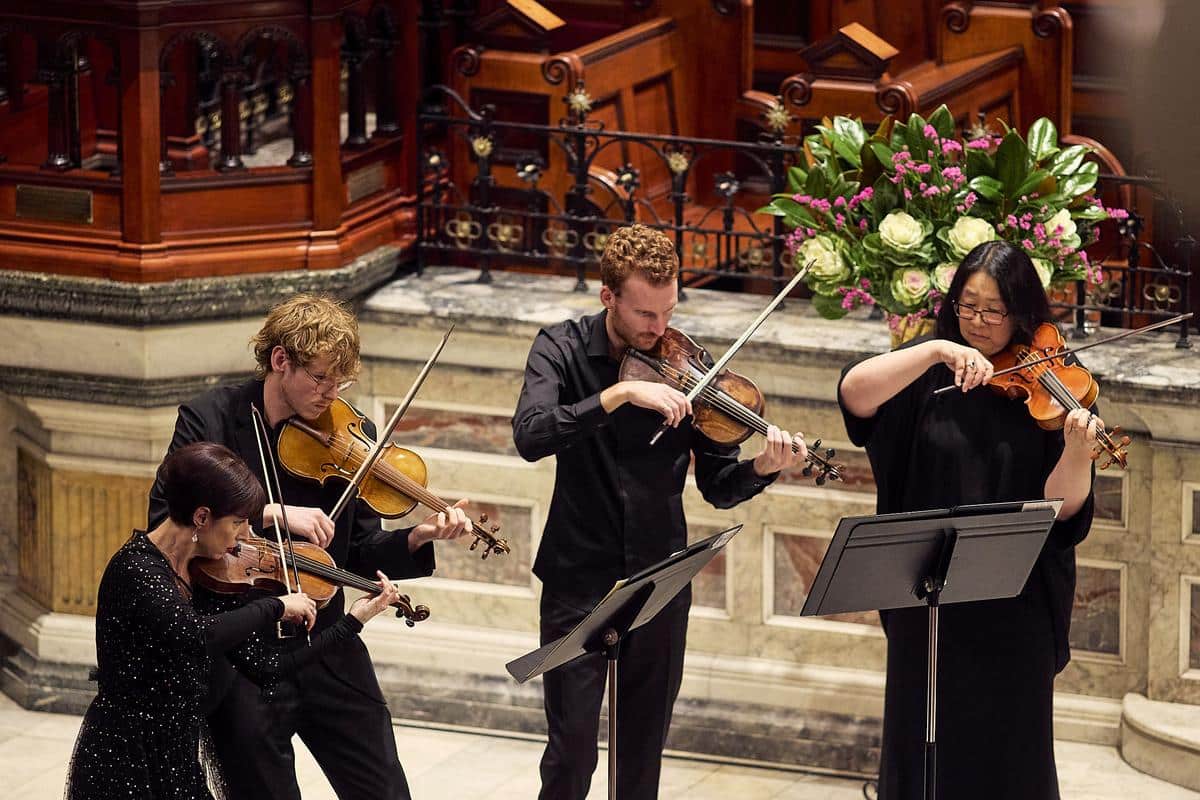
The ensemble performed with remarkable finesse and stylistic authenticity. The blend of violin, viola, cello, double bass, theorbo, and harpsichord created a rich and resonant Baroque sound world that felt both timeless and immediate. Each piece was delivered with a sense of joy and reverence, perfectly suited to the acoustics and intimacy of the Utzon Room.

Three violin soloists took turns at centre stage, each offering a unique voice. Rafael Font’s interpretation of Leclair’s Violin Concerto in D minor, Op. 7 No. 1 was luminous—technically agile and emotionally captivating, while Simone Slattery brought a poetic intensity to Telemann’s Violin Concerto in A minor, TWV 51:a1, illuminating its lyrical elegance and rhythmic drive.

As evening fell over Sydney Harbour, the music seemed to shimmer in response. Bach Akademie Australia did more than perform—they conjured a world, an era, and a spirit. The Art of Violin was not only a triumph of musicianship but a moving tribute to the enduring beauty of the instrument.

To book tickets to The Art of Violin, please visit https://www.bachakademieaustralia.com.au/events/the-art-of-violin-concert-1.

Spread the word on your favourite platform!

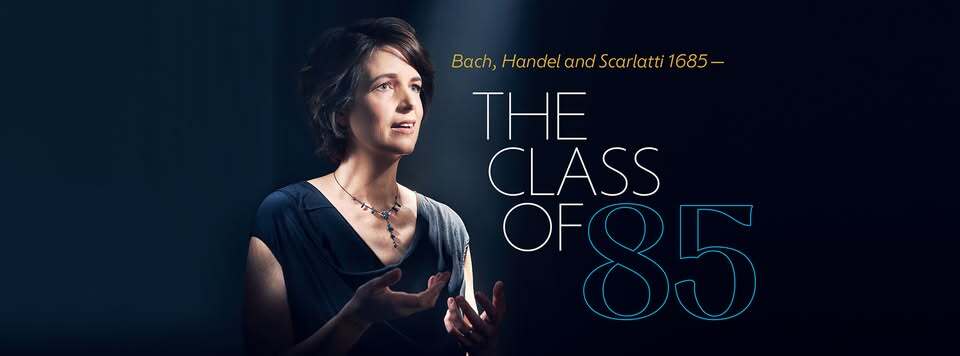
The Class Of 85 – Bach Akademie Australia

The Class Of 85

The Class Of 85 Rating

Click if you liked this article

1

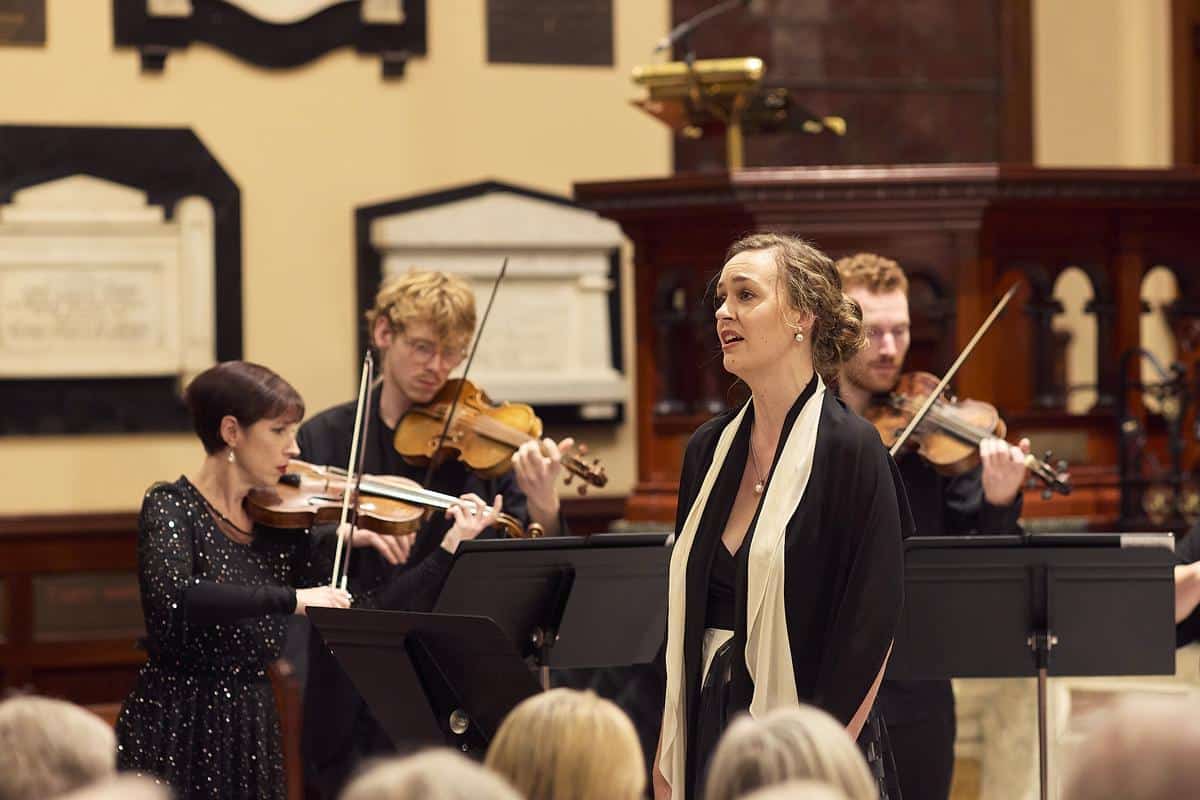
Last night I experienced something absolutely incredible: “The Class of ’85” by the Bach Akademie Australia featuring the divine voices of mezzo-soprano Hannah Fraser and soprano Susannah Lawergren.

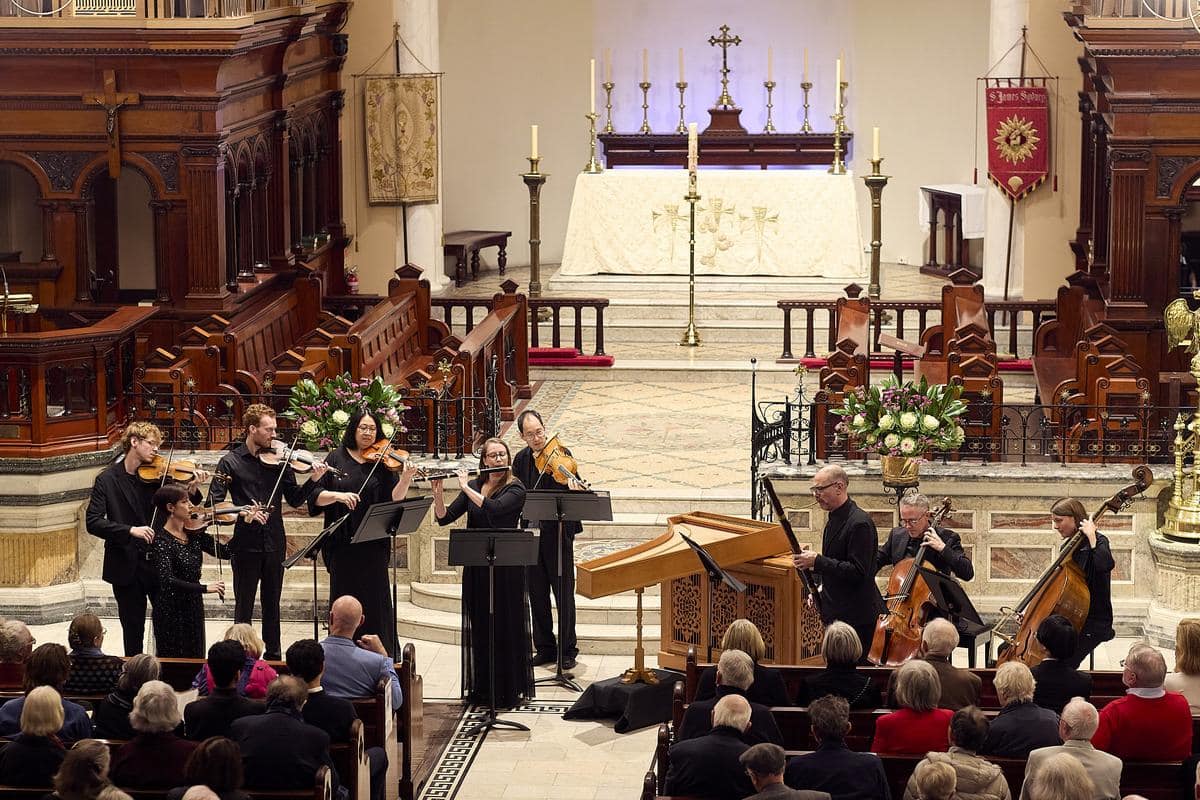
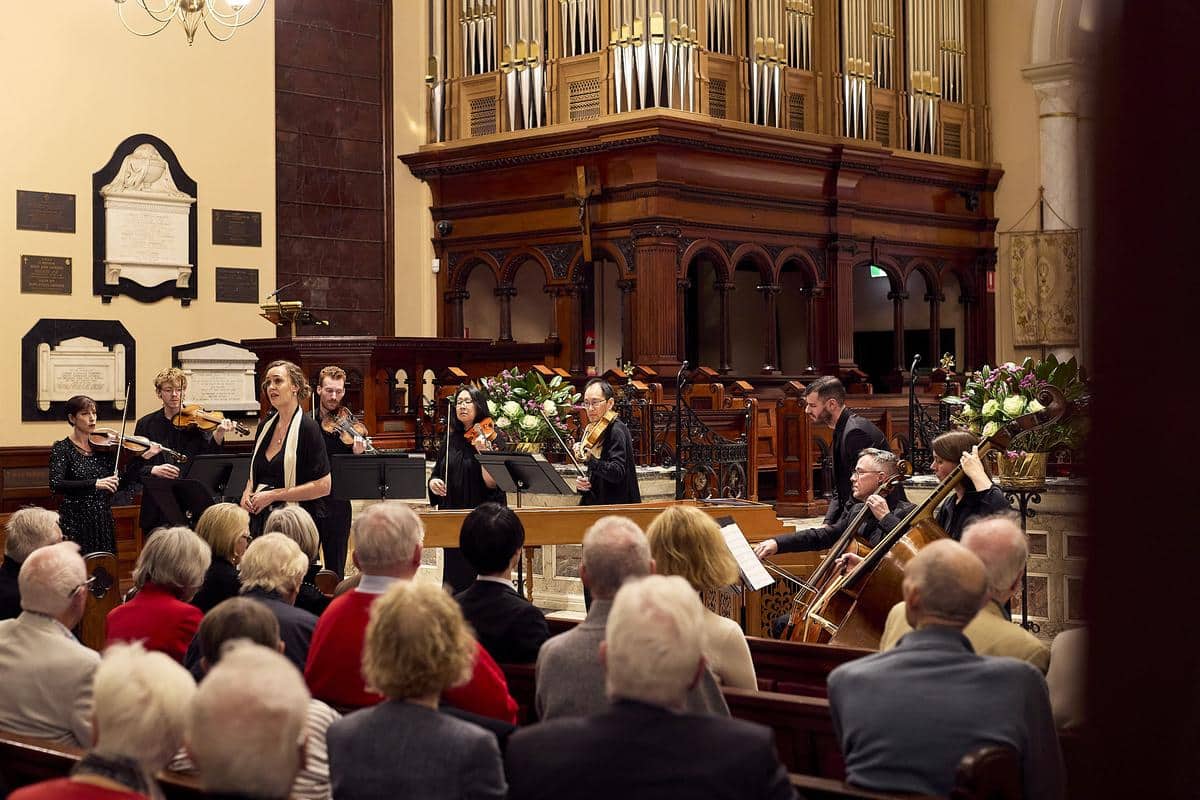
The remarkable performance was held within the exquisite grandeur of St James’ Anglican Church Sydney, which was consecrated in February 1824 and named in honour of St James the Great. It is the oldest standing church in Sydney and reminiscent of a bygone era. The walls are adorned with plaques in memory of people from hundreds of years ago. I felt engulfed in the memories and rich history and I couldn’t resist pondering on all the events that might have taken place in the majestic building.

Initially, I was longing for the pipe organs standing before me to come to life but I was quickly comforted by the rare sound of a live harpsichord accompanying the orchestral melodies played by ten immensely talented musicians. One of the amazing violinists, Madeleine Easton, is the Artistic Director and founder of Bach Akademie Australia, she has graced international stages and was even invited to perform at King Charles’ coronation, performing on her 1682 Giovanni Grancino violin.

“The Class of ’85” is a tribute and exploration of four of the world’s most significant composers- Bach and his contemporaries Handel, Rameau, and Scarlatti. It is almost unfathomable that Domenico Scarlatti, George Frideric Handel and Johann Sebastian Bach were all born in the same year-1685 and only within a few hundred kilometres of each other. These remarkable musicians have continued to shape the world hundreds of years later with their incredible compositions.

But how did three such remarkable musicians, all born in the same year, become so noted in the same Baroque period? Was it that they influenced each other, or urged the other to succeed, or was it a simultaneous opportunity seized to create in the same musical movement? Either way, they are still impacting the world hundreds of years later and their influence on music and the arts has remained overwhelmingly steadfast. They have left behind a legacy that will surely live on indefinitely.

The vocal performances of Hannah Fraser and Susannah Lawergren were absolutely spellbinding. The perfect resonating acoustics in the church added to what I felt was an ethereal experience. My feelings were obviously shared by the entire audience whose chins were arched and heads visibly swaying, rendered overcome with emotion. So much so, that there was a compelling desire to close your eyes as to absorb the music in its entirety.

The entire church was engulfed by the beauty and spectacular experience. A pin drop could be heard. Not a soul spoke or whispered; it was as if a spell had been cast upon the room and only broken by intermittent applause.

I feel so humbled and honoured to have been invited to review this incredible performance: a cultural experience that has surely marked myself and other audience members for life. Thankyou from the bottom of my heart for allowing me to experience your excellence and witness a musical performance of the highest imaginable calibre.

To learn more about the Bach Akademie Australia, please visit https://www.bachakademieaustralia.com.au/.

Photographer: Keith Saunders

Spread the word on your favourite platform!

The Countertenor – Bach’s Holy Spirit

The Countertenor - Bach's Holy Spirit

The Countertenor – Bach’s Holy Spirit Rating

Click if you liked this article

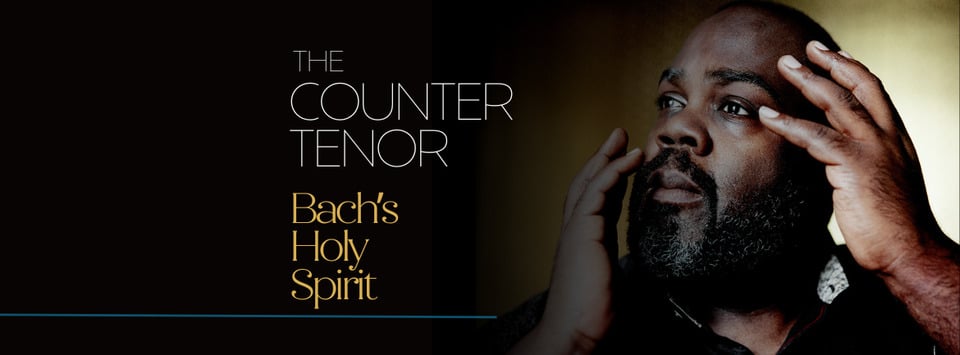
For a one-night-only performance on Wednesday, April 9, 2025, I had the opportunity to enjoy the presentation of The Countertenor—Bach’s Holy Spirit in the sacred surroundings of the Cathedral of St Stephen.

By going along to witness this performance of The Countertenor, I also discovered that a Countertenor is the male equivalent of a female alto singer. The Cathedral of St Stephen in Elizabeth Street is a very beautiful place to set a show featuring mainly Johann Sebastian Bach’s Baroque music. The venue’s reverent atmosphere and remarkable acoustics made it the perfect setting for a program steeped in spiritual and musical traditions.

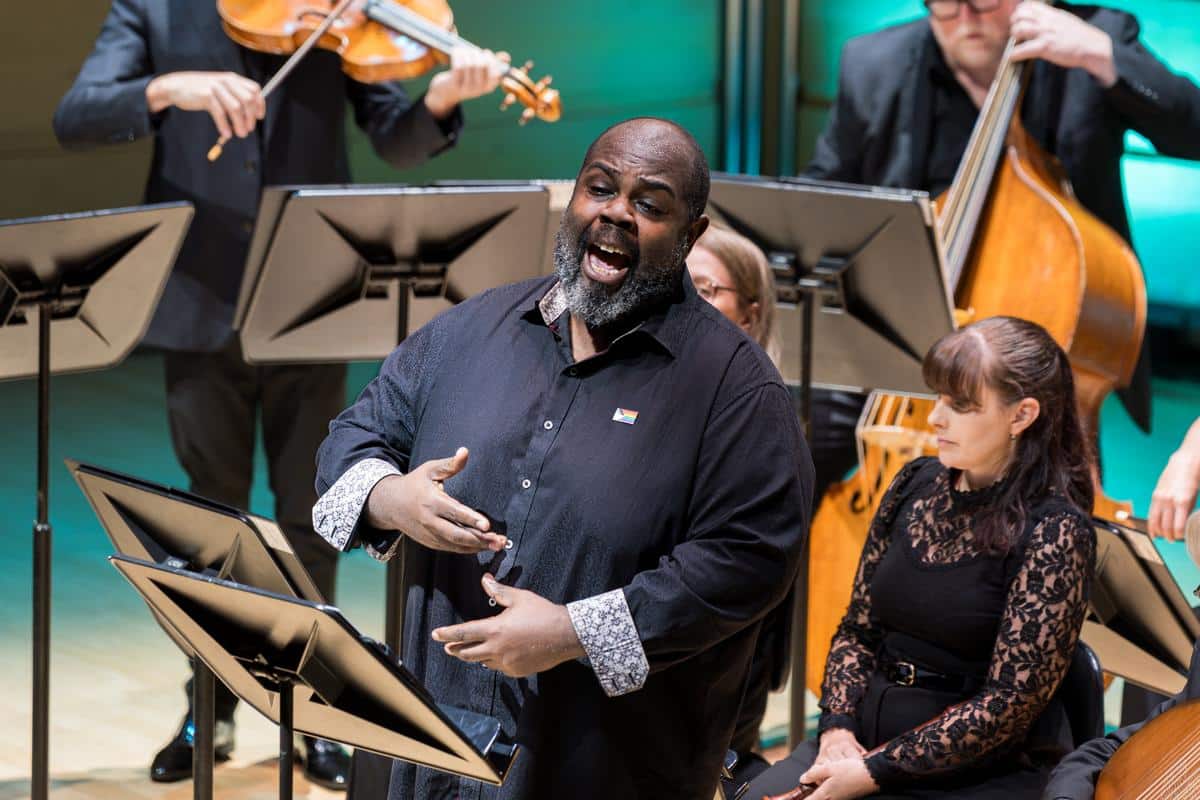
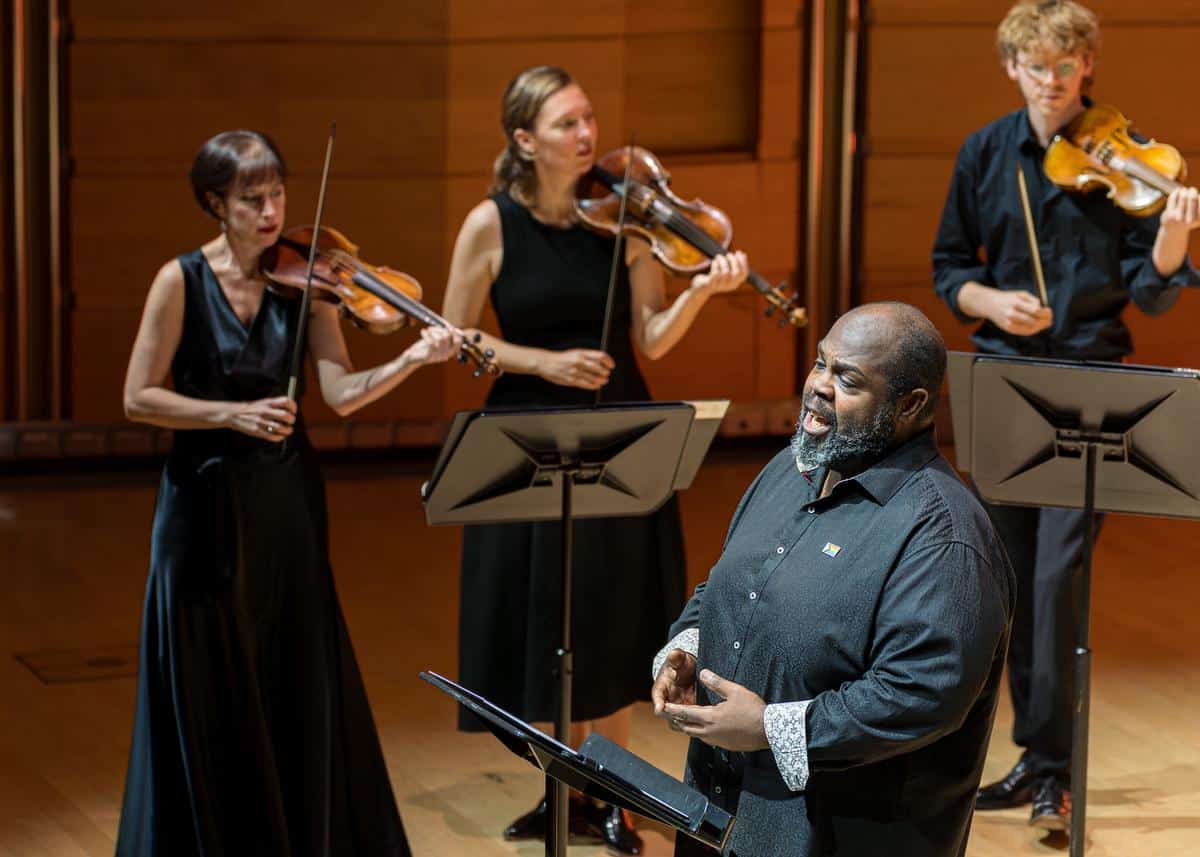
Madeleine Easton is the Artistic Director of Bach Akadamie Australia and an extremely talented violinist. She has brought Reginald Mobley, an American Counter Tenor, on a tour of Australia, along with several other talented musicians: Simone Slattery (violin), Heather Lloyd (viola), Anthea Cottee (Cello), and Neal Peres Da Costa.

Together, they breathed life into J.S. Bach’s most religious works, some of which are universally considered to be among the greatest works the world has ever heard. Along with Bach’s existential works, Indigenous Australian composer Troy Russell was commissioned to write a piece inspired by Bach, which was also performed on the night.

The program title references the Lutheran theological belief that the alto voice represents the Holy Ghost—a voice that Bach reserved for some of his most heartfelt and moving compositions. The evening’s performance featured a selection of these sacred pieces, showcasing the purity and emotional resonance of Reginald Mobley’s voice, whose background also includes gospel and jazz.

The lyrics were all in German, but if you wanted to know what the words meant, they were written in English alongside the German in the programme. Madeleine Easton has done a wonderful job of arranging the music to suit the ensemble she presented. Classical music lovers filled the space, enraptured by the performance, and gave them a well-deserved standing ovation at the end of the evening.

The evening’s repertoire included:

  • Cantata BWV 170, aria 1: ‘Vergnügte ruh’
  • Obbligato Sonata No. 2 in A Major, BWV 1015
  • Cantata BWV 82, aria 3: ‘Schlummert ein’
  • Largo and Allegro Assai from Sonata no. 3 in C major, BWV 1005
  • Agnus Dei from Mass in B minor, BWV 232
  • Aria from BWV 201: ‘Aufgeblasne Hitze’
  • ‘Clans’ by Troy Russell, arranged for solo violin by Madelaine Easton
  • Cantata BWV 54: ‘Widerstehe doch der Sünde’

Photographer: Stephen Blake, Blake Photographic

Spread the word on your favourite platform!