Too Much Light Makes The Baby Go Blind

30 Neo-Futurist Plays From Too Much Light Makes The Baby Go Blind (30 Plays In 60 Minutes)

30 Neo-Futurist Plays From Too Much Light Makes The Baby Go Blind (30 Plays In 60 Minutes) Rating

★★★★★

Click if you liked this article

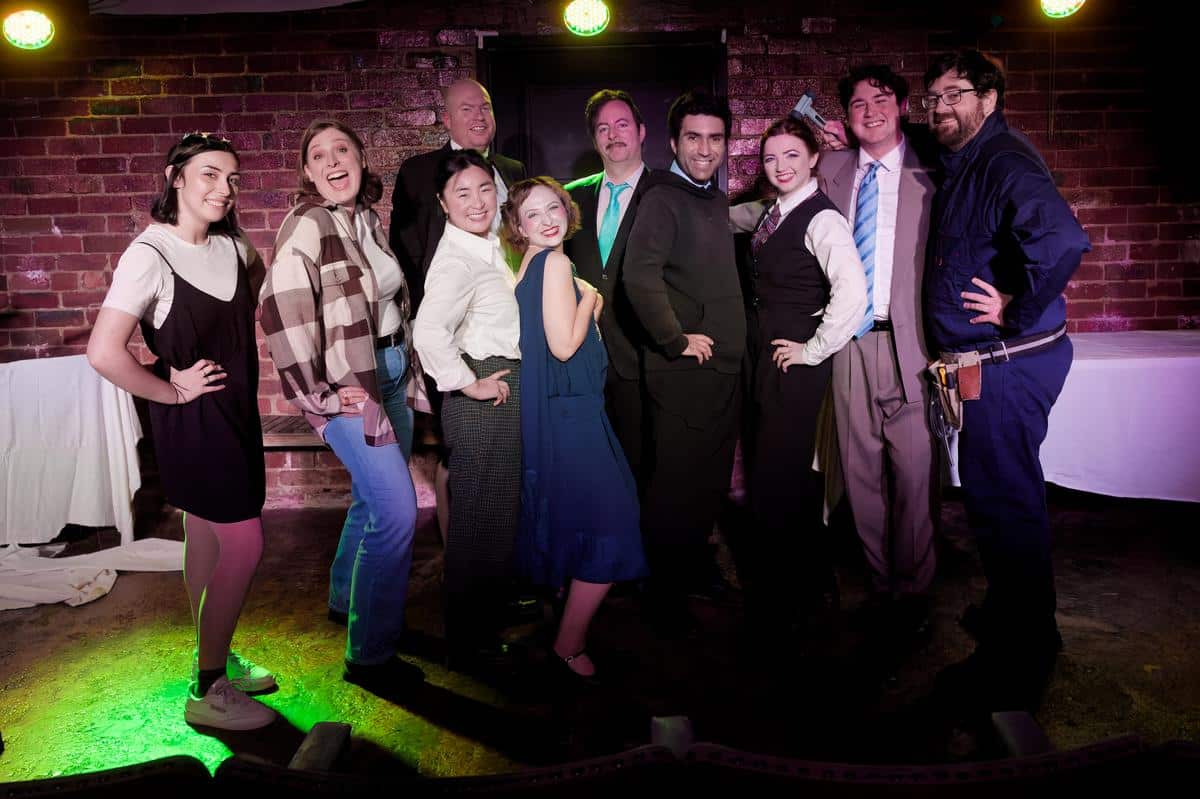
As soon as we walk in, the game begins. The Lost Theatre Co. cast members mill about the theatre and greet us, wearing black T-shirts emblazoned with their (real) first names - Joshua, Lilian, Jacob, Kaia, Noah and Lisa. We each receive a lanyard with a red/green card and a ‘menu’ of thirty short play titles to choose from. The house lights stay up as they get our attention and begin. We have a role, a responsibility and an immediate sense of comradery.

Too Much Light Makes The Baby Go Blind is a proudly absurd meta theatre game. The aim is to perform all thirty plays on the menu within an hour – once the hour is up, that’s all we get; they’ll stop mid-scene if they must. Audience members call out a number to indicate what play we want to see, it’s performed, then it’s on to the next one. It’s the epitome of controlled chaos.

The ensemble’s confidence, chemistry and enthusiasm absolutely carry the show. Even though all the shows are obviously scripted, there’s a constant feeling of spontaneity, like we’ve walked in on actors messing around while on break. This makes it easy to forgive some weaker performances during the micro-plays themselves, though it would’ve been nice to see more range in the genres and characters within the shows. Still, with thirty distinct plays, it’s almost guaranteed nobody will click with everything, and there were definitely more hits than misses.
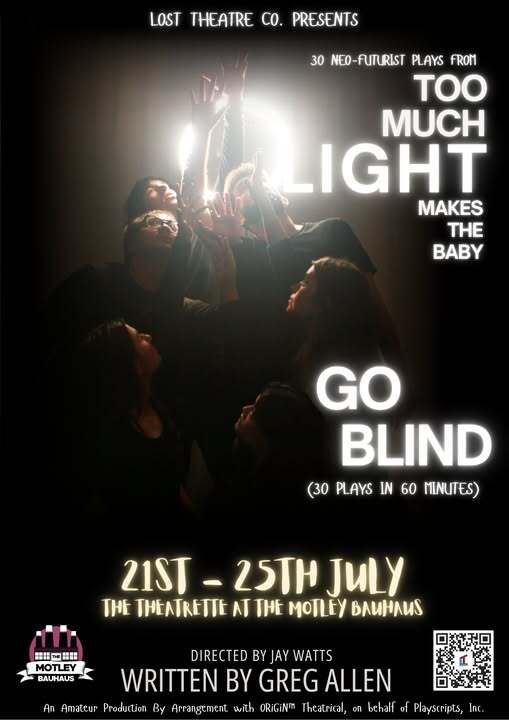
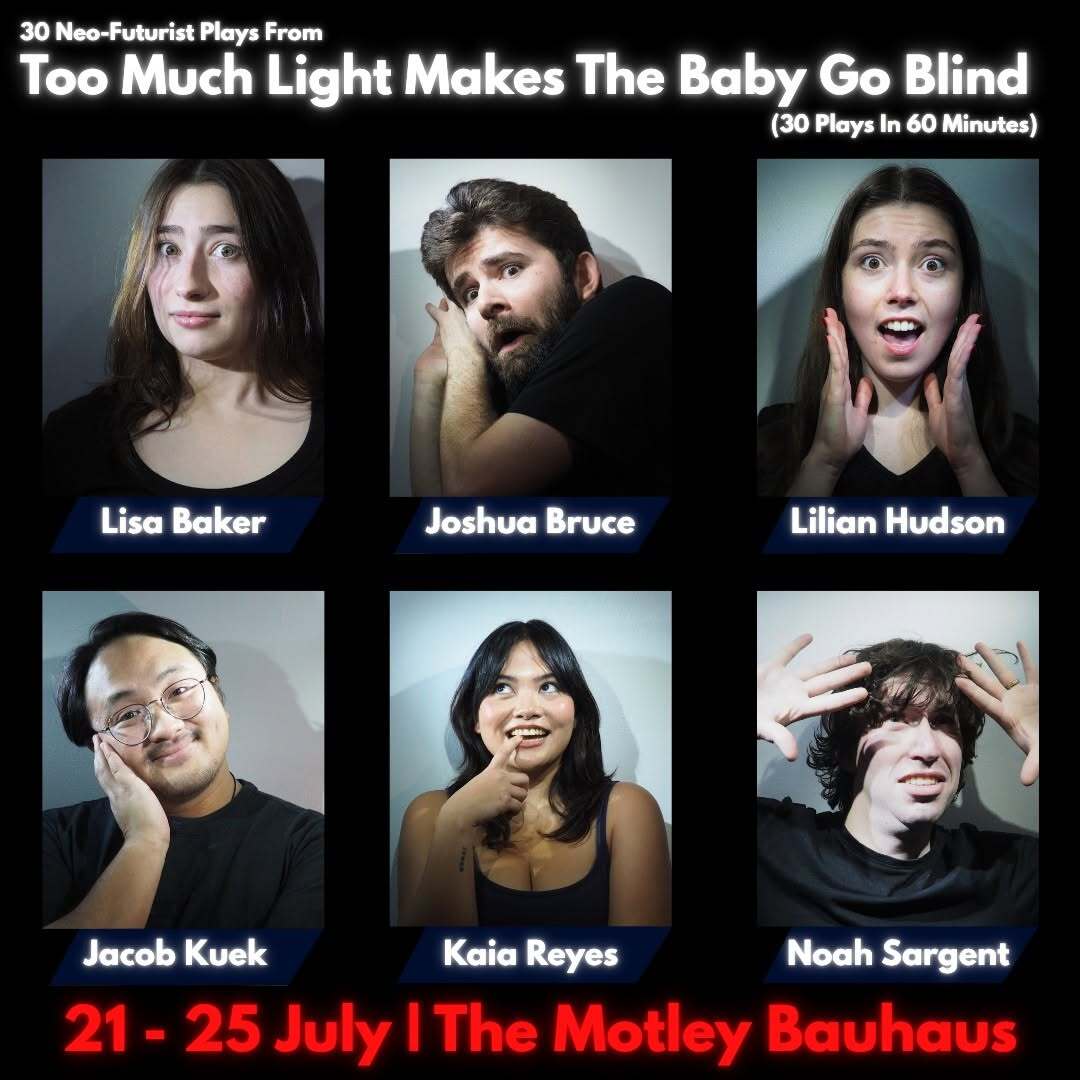


It’s difficult to comment on the show’s writing. The plays move so fast and there’s so many of them that to single out anything feels like either nitpicking or a matter of personal taste. Plus, the tone is so silly that deeper analysis of themes almost feels like missing the point. Even so, the whole premise raises interesting questions about what ‘counts’ as theatre and how much or little time you need to tell a story. These ideas are highlighted in how the actors use the set. The lack of costumes, the simple props and set pieces strewn around seemingly at random and the constant timer on the wall counting down the hour deliberately make it difficult to fully focus on the plays. This could be a drawback for some, but I like that Jay Watts’ direction kept us focused on the gamification of it all, constantly drawing attention to how we as an audience had a huge part to play in the fun.

Consent and safety were clearly priorities for the troupe, and it was impressive how seamlessly they incorporated these essentials into the show. The lanyards we were given let us show either a green or red card to indicate if we wanted to be interacted with, and we were assured we could flip the card at any time, even while the actors were speaking to us. This did happen once or twice, and they kept their word, stopping immediately and moving on to somebody else. There were content warnings on the menu, but on the other side from the titles so we could be surprised if we wanted to. The instructions they gave to participants were snappy and clear, and they rolled equally well with awkwardness and enthusiasm from the audience. Overall, it’s probably the best handling of audience interaction that I’ve ever seen; whether your card’s green or red, it’s so fun to watch and play along.

Although we didn’t win the game (we got close but had to stop in the middle of the thirtieth play), there wasn’t any sense of disappointment or missing out. If anything, the lack of closure felt appropriate. If you enjoy the fresh frenetic energy of improv, theatre about theatre and/or being involved in the unfolding action, this is definitely the show for you. And if anything about the audience participation seems daunting, don’t worry. You’re in good hands and no matter which plays you do or don’t see, you’re in for a great time.

To book tickets to 30 Neo-Futurist Plays From Too Much Light Makes The Baby Go Blind (30 Plays In 60 Minutes), please visit https://www.losttheatreco.com/.
Spread the word on your favourite platform!

A Twist Of Fate - Season 5

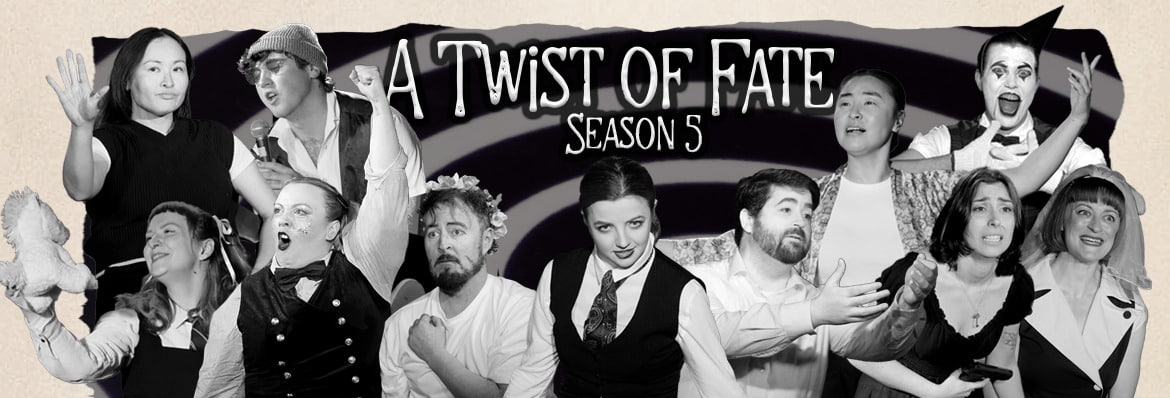
A Twist Of Fate Season 5

A Twist Of Fate Season 5 Rating

★★★★★

Click if you liked this article

3

I’ve now seen three iterations of Scary Goats Theatre’s A Twist Of Fate series. The conceit – short Twilight Zone-esque plays, each built around a game-changing plot twist – is reliably entertaining and capacious. Every season I’ve seen has had a different tone and a wide range of premises and themes in the showcased plays. And yet, season 5 started with a delightful surprise that nobody in the audience could have expected: a short film.

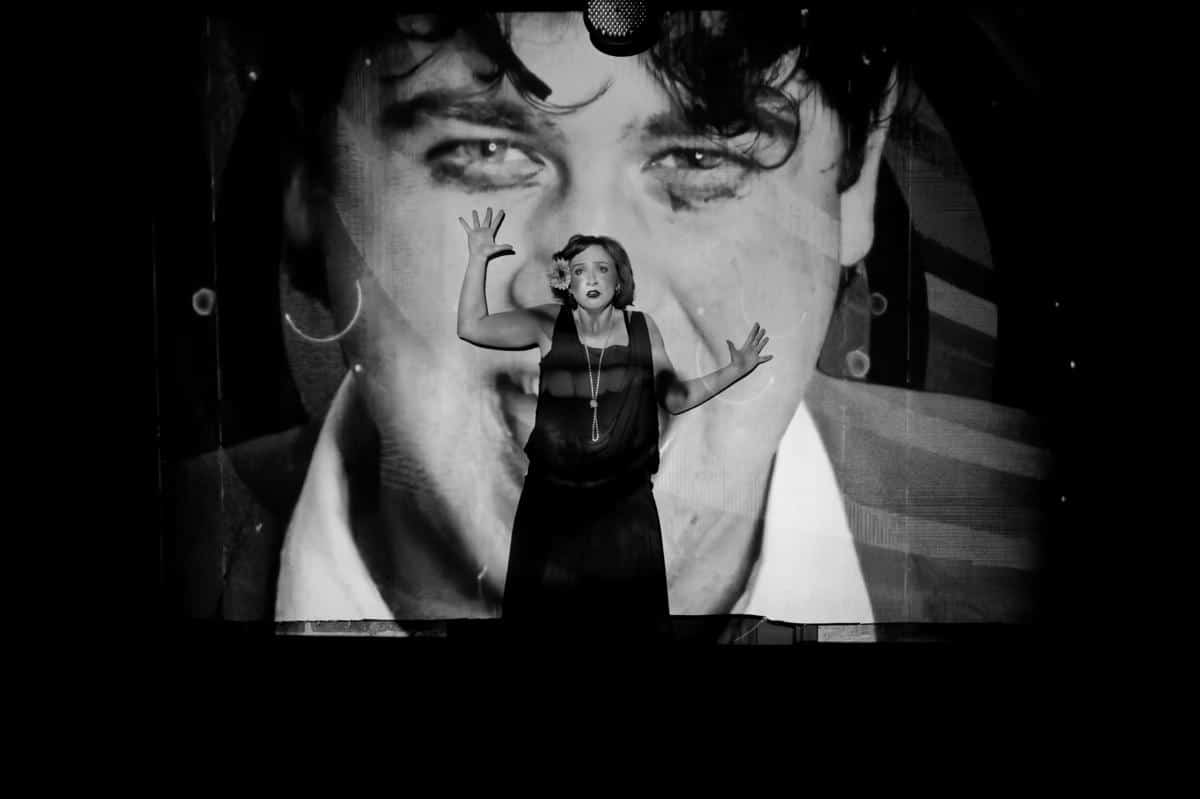
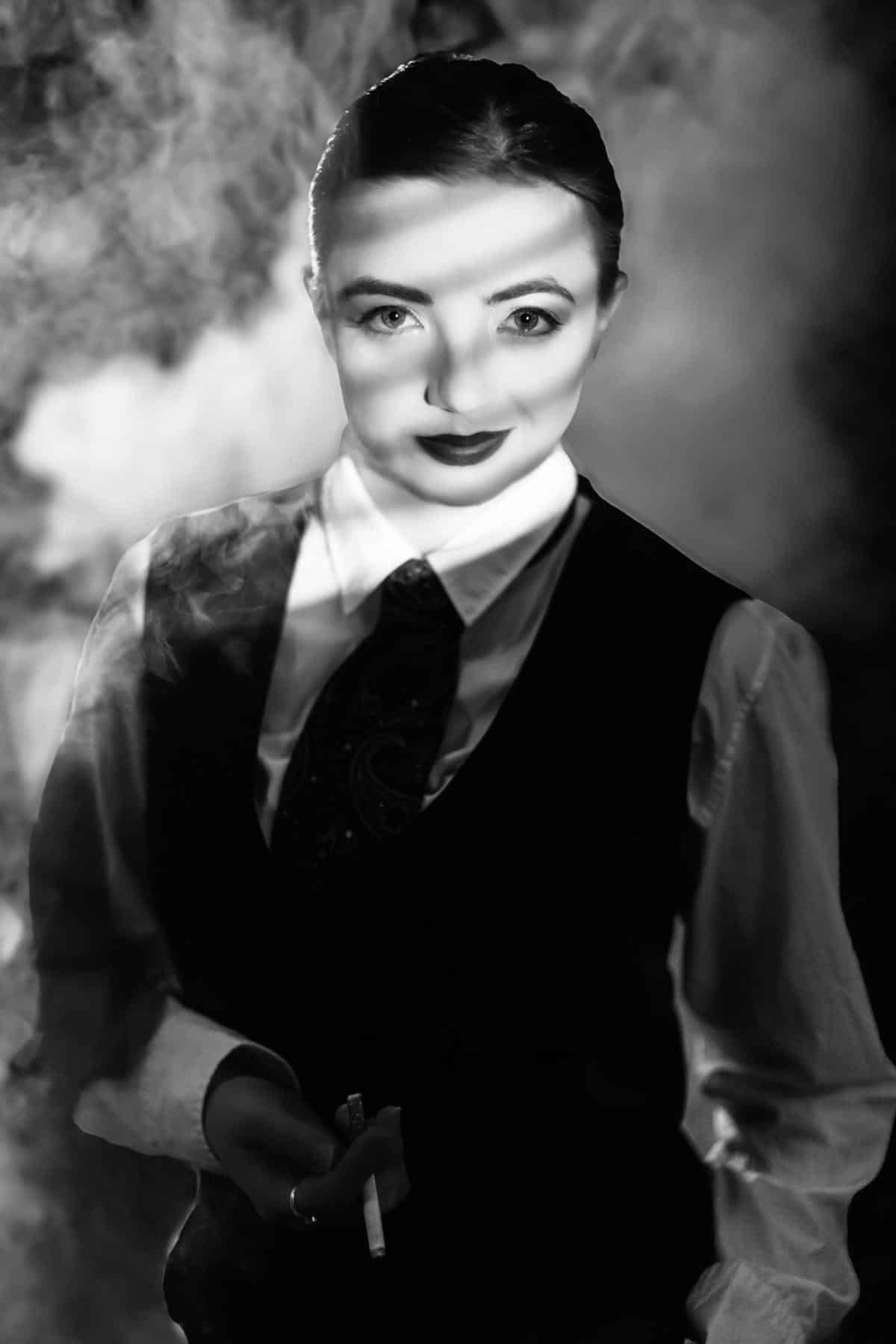
Not So Black And White is a mixed media pastiche of black-and-white silent films. You’ve seen or are at least aware of the kinds of characters featured. Nelle Nilson is a clever young woman, dainty and desired by her fiancée Steadfast Sam. Her father is a renowned physicist and the villain, Hardluck Harry, hatches a plan to get close to Nelle and steal her father’s work. Stereotypical shenanigans ensue…until they don’t. The slapstick and physicality are comedically stilted in exactly the way you’d expect from silent films, and while the jokes clearly send up the genre, they don’t feel like retreads of other parodies. There are multiple twists in the plot and character arcs, and they each feel jarring in an arresting and calculated way. Chloe Towan wrote, directed, choreographed, shot and edited this show, and she along with the cast have created a fantastic vehicle to show the beauty and flaws in these kinds of stories.

Riding on the high of the first show is We Live To Serve, written by Charlie Simmons. In a future where the earth is near uninhabitable due to extreme heat, two workers - a butler named Calvin and a custodial worker named Alvin - are desperate to get hired on one of the spacecraft leaving the planet. The poor job interviewer has no idea how far the duo’s desperation will push them. The performances from Patrick Slee, Richard Mealiey and Corey M. Glamuzina are great; their characters are loveable, mischievous and easy to empathize with. I also appreciated the commentary on technological dependence and the concept of disposability, as some lines felt downright chilling in the context of the world’s increasing reliance on generative AI. I think this script would have benefitted from a longer runtime, since the context and exposition felt jam-packed and hard to follow at first. Still, it was an enjoyable show with engaging characters and a sweet, hopeful ending.


The third show, Muffin Day by Richard Mealey, presents a nightmarish Groundhog Day scenario. Ronnie is stuck reliving the worst moment of their life: their death. Over and over, they come into their work at a bank, chat with their bubbly colleague Chris, and get shot by an intruder named Lou looking for revenge. It takes a lot of energy and planning to craft a script like this, where information is slowly drip-fed and elements have to be repeated without getting tedious. Mealey pulls it off perfectly, creating a constant sense of progression and perfectly balancing comedy and tragedy. Developing Chris and Lou more as side characters is a simple yet effective way to subvert this kind of story and foreshadow the twist that comes later. Even if you guess what’s coming, the acting and tone of the payoff makes it both satisfying and harrowing.

The final show, Two Characters In Search Of A Story, is about exactly what is written on the tin. Two characters wake up in a locked room with numerous concealed objects, having no memory of who they are. While transitioning into this show, Towan mentioned that her script was originally going to be saved for a season next year and to be honest, I wonder if that might have been for the better. The two lead performances are strong and full of chemistry, and the way that set pieces were revealed and recontextualized over time was really clever. However, I feel like the title set us up for a more ‘meta’ revelation than the twist turned out to be, and overall, the pacing felt uneven and the emotional arc of the characters didn’t quite sit right with me. Still, many audience members seemed to find it moving, and it was definitely an interesting watch.

A running theme in this season of A Twist Of Fate is breaking expectations. Comedic settings are more multi-dimensional than expected, the assumptions underpinning a familiar premise are knocked out from under it, and characters seek to find their place in their own story. If this reflects what Scary Goats Theatre seeks to do with their work going forward, then I’m sure they are more than capable of rising to the challenges they set themselves. If you haven’t already, definitely come and see at least one season of this show. Whether you guess what’s coming or have your mind blown, you’ll still have a great time with some thoughtful, diverse and entertaining theatre.

To book tickets to A Twist Of Fate Season 5, please visit https://www.eventfinda.com.au/2026/a-twist-of-fate-season-5/melbourne/carlton.

Photographer: Kieran McNamara

Spread the word on your favourite platform!

Cast Announced For How To Succeed In Business Without Really Trying At Hayes Theatre

How To Succeed In Business

The multiple award-winning producer LPD Productions is delighted to announce the cast for its upcoming production of How to Succeed in Business Without Really Trying, opening at the Hayes Theatre on 28 August. Tickets are on sale now at hayestheatre.com.au.

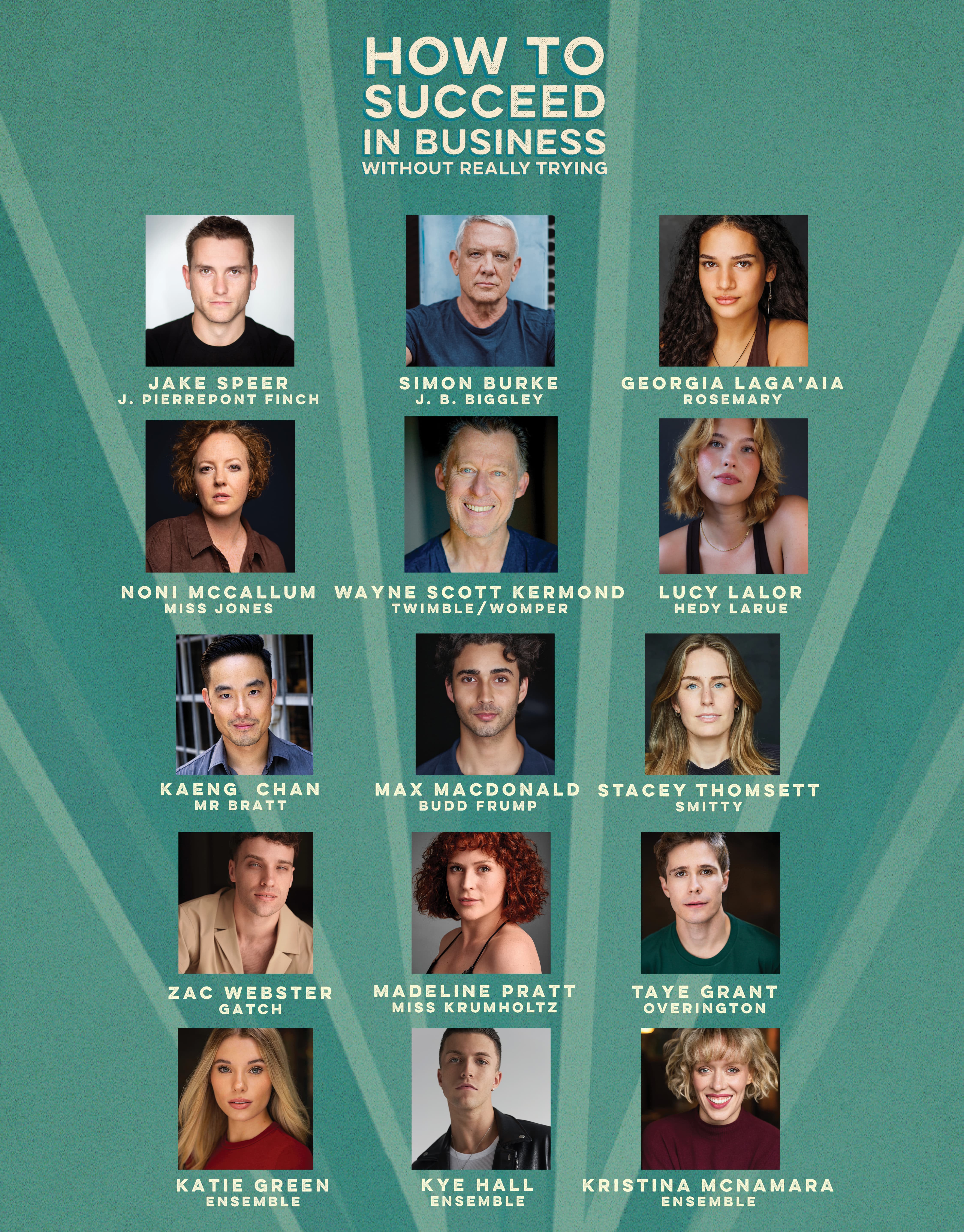
Award-winning director Cameron Mitchell reunites the leading men from his production of Catch Me If You Can. Leading the company is Jake Speer as the ambitious and resourceful J. Pierrepont Finch, opposite Simon Burke as company president J.B. Biggley. They are joined by Georgia Laga'aia as Rosemary Pilkington and Lucy Lalor as Hedy LaRue.

Supporting cast includes Wayne Scott Kermond (Mr. Twimble/Mr. Womper), Max Macdonald (Budd Frump), Stacey Thomsett (Smitty), Noni McCallum (Miss Jones), Kaeng Chan (Mr. Bratt), Madeline Pratt (Miss Krumholtz), Taye Grant (Mr. Overington), and Zachary Webster (Mr. Gatch; also Assistant Choreographer). Ensemble members are Katie Green, Kye Hall and Kristina McNamara (also Assistant Director).

HTS - Cast Tiles.jpg

How to Succeed in Business Without Really Trying follows the rise of J. Pierrepont Finch from window washer to executive and features classic songs including I Believe in You, Brotherhood of Man and The Company Way. Score by Frank Loesser; book by Abe Burrows, Jack Weinstock and Willie Gilbert.

Creative team: Producer LPD Productions; Director and Choreographer Cameron Mitchell; Musical Supervisor Damon Wade; Musical Director Kimberley Gilbert; Set Designer Domonic Foffani; Costume Designer Christine Mutton; Lighting Designer Peter Rubie; Associate Producer Kelsi Boyden; Assistant Director Kristina McNamara; Assistant Choreographer Zachary Webster.

Season details: Hayes Theatre Co, 19 Greenknowe Ave, Potts Point. Season runs 28 August to 27 September. Times: Wed–Sat 7.30pm; Thurs 1pm; Sat 1.30pm; Sun 2pm. Prices: Previews from $75; In season Adult from $84; Concession from $75. Bookings: www.hayestheatre.com.au | (02) 8065 7337.

Spread the word on your favourite platform!

Monkey Baa wonders: "Where is the Green Sheep?"

Where is the Green Sheep?

Where is the Green Sheep? Rating

★★★★★

Click if you liked this article

1

Making brilliant live theatre for small children is tricky, but Monkey Baa make it look easy.

A review of “Where is the Green Sheep?” at The Coliseum Theatre, Rooty Hill.

Small children are the best audiences in the world but also toughest. They don’t clap politely. They don’t pretend to enjoy themselves if they’re not having fun. They will just get up and wander off if they are bored. There was no danger of that during Monkey Baa’s Where is the Green Sheep?

"Where is the Green Sheep?" is a beloved picture book, a modern classic created by Mem Fox and Judy Horacek.

So, how do you adapt a treasured children’s picture book into an immersive visual theatre experience?

You’ve got to think about the size of the stage and the size of your audience. The Coliseum is a very big stage, and the stalls were crowded with hundreds of tiny children, slightly bigger children, and their grown-ups. That means you’ve got to fill that space with wonders. Think big!

You’ve also got to work out how you’re going to make the audio work. Monkey Baa wisely decided not to mic up any of their performers. Each of the three performers got to focus on puppeteering, dancing, movement and miming. The audio throughout is a bouncy mix of sparkly original music and lines read aloud by children from Bankstown West Public School.

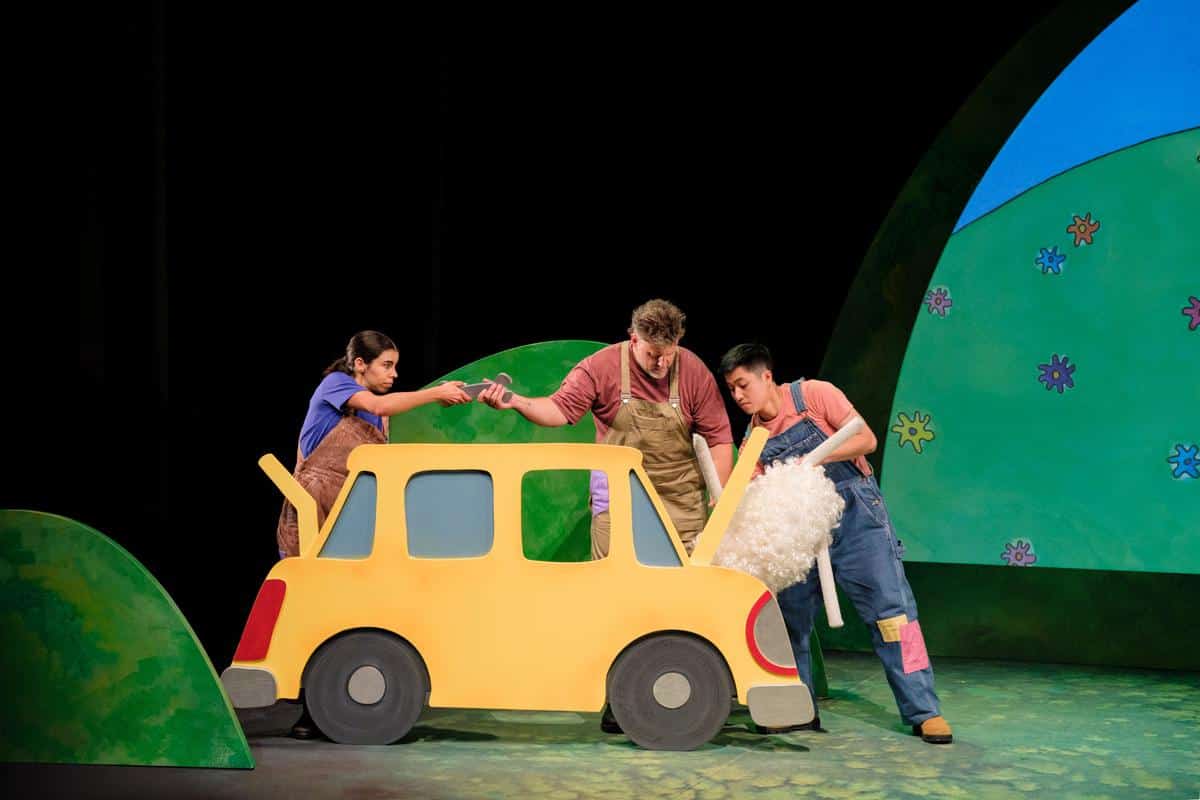
The stage is a lovely green field with round hills and a big arched screen in a hill for projected animations. Colourful props are carried or rolled on and off stage throughout the show.

The big projection screen is a mixed blessing. Sometimes the interaction of the screen and puppets works brilliantly, for example with animated splashes for water for the Bath Sheep.


But it was interesting to watch and listen to the reactions of the children in the audience. Their response switched dramatically between animations projected on the screen and live puppetry on the stage. An animated sheep flying across the screen was watched, like it was a movie in the cinema or an animated show on the TV or a phone. No interaction. Just consuming it like filmed media. The reaction to the real live puppet sheep and live performers was completely different. Happy shouts and interaction, clapping and giggling. The difference was obvious from my seat in the audience.

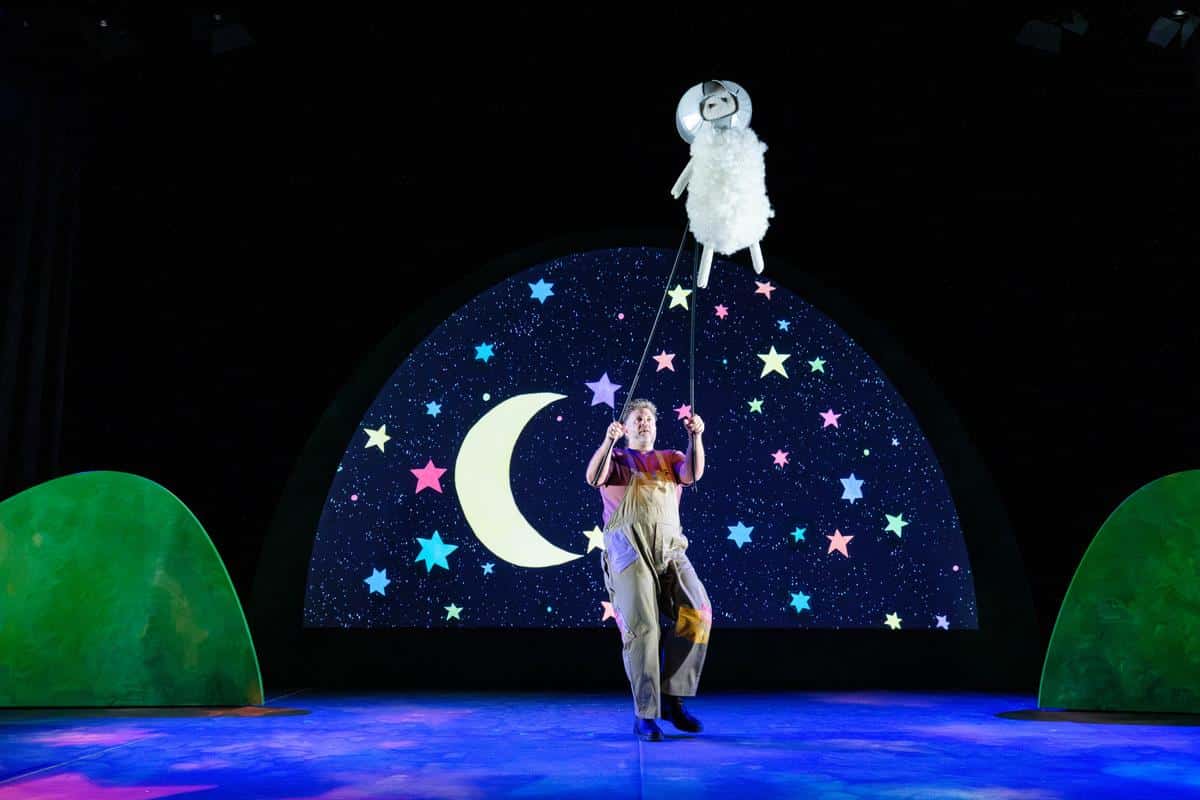
The animated projections added something beautiful when they enhanced the live puppetry. A live sheep puppet flying a kite on screen. The moon and starry night sky. Rain falling. The interior of the circus tent. This brought the scenery alive. But an animation of a sheep? It’s no longer alive and real.

This was most striking with the Near Sheep and the Far Sheep. The Near Sheep was fully projected on screen, duplicating the pages of the picture book, but with the book, when the Near Sheep fills the page, it does look like that sheep is near to the reader. On the big screen on stage that sheep became the Gigantic Sheep, scaling up bigger and bigger until it filled the whole screen, looming over the three performers like Sheep-zilla.

In comparison the simple effect of the Far Sheep being taken off stage by a puppeteer and up the aisles to the back of the audience in the stalls brought whoops of laughter and instant understanding. The Far Sheep was far away from the people on the stage.

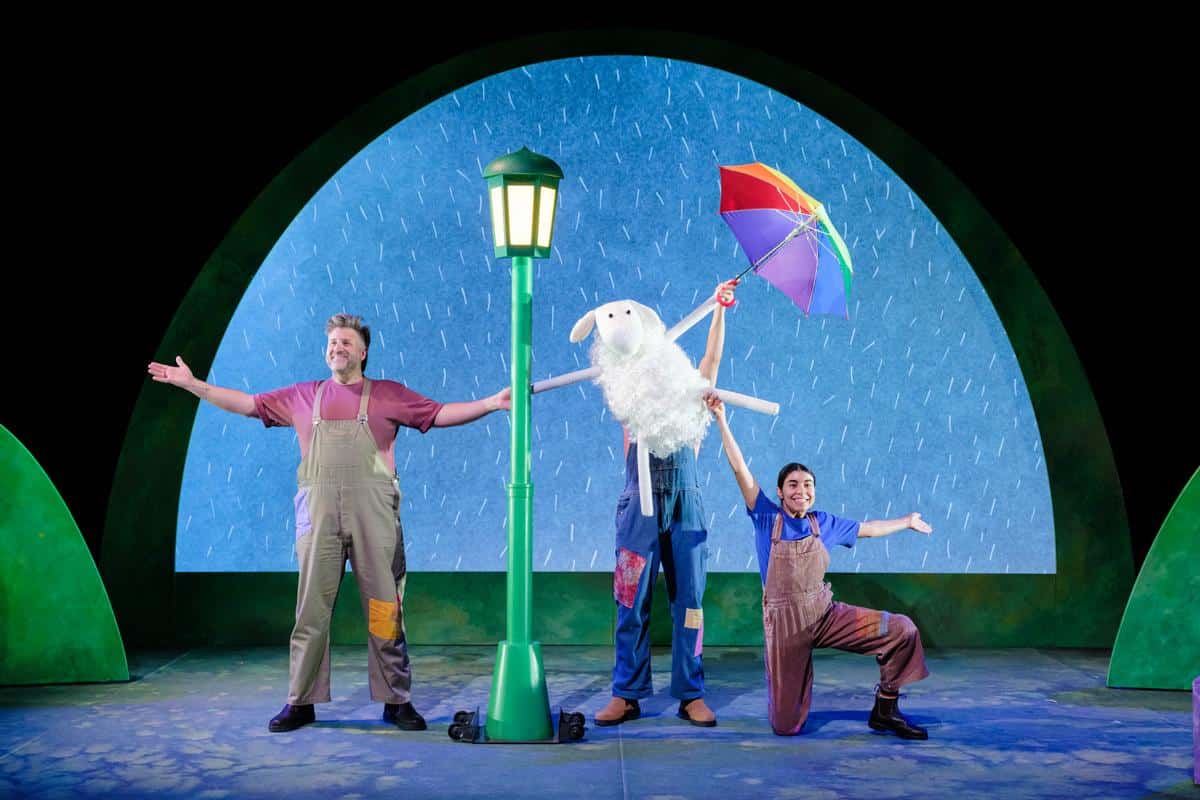
The sheep puppets, made by Kay Yasugi, are fabulous. Big, soft and squishy with some sparkles in their wool that catch the light. The three performers, Ebony Tucker, Michael Ho and Paul Grabovac, are absolutely world class.

Highlights? The Bath Sheep, the Rain Sheep and the Far Sheep.

The simplicity of a performer blowing bubbles was met with a huge cheer of ‘bubbles!’ from everyone and the Bath Sheep, splashing and being dried with a towel had the audience in stitches.

The Rain Sheep is beautiful and colourful, dancing around a lamppost and opening an umbrella, in a woolly tribute to Gene Kelly in "Singing in the Rain."

Knitted hats off to everyone at Monkey Baa, with special mentions to director and writer for the stage Eva Di Cesare, and puppetry director Kailah Cabanas.

Monkey Baa’s adaptation of "Where is the Green Sheep?" is an absolute delight that everyone will love.

Monkey Baa’s "Where is the Green Sheep?" is touring New South Wales, Tasmania and the ACT.
https://www.monkeybaa.com.au/shows/where-is-the-green-sheep

To book tickets to Where is the Green Sheep?, please visit http://www.monkeybaa.com.au/shows/where-is-the-green-sheep.

Photographer: Robert Catto

Spread the word on your favourite platform!

Subscribe to What's The Show

Reviews, show news and what is on, straight to your inbox.