Dying To Live: Harlots At The Old Fitz

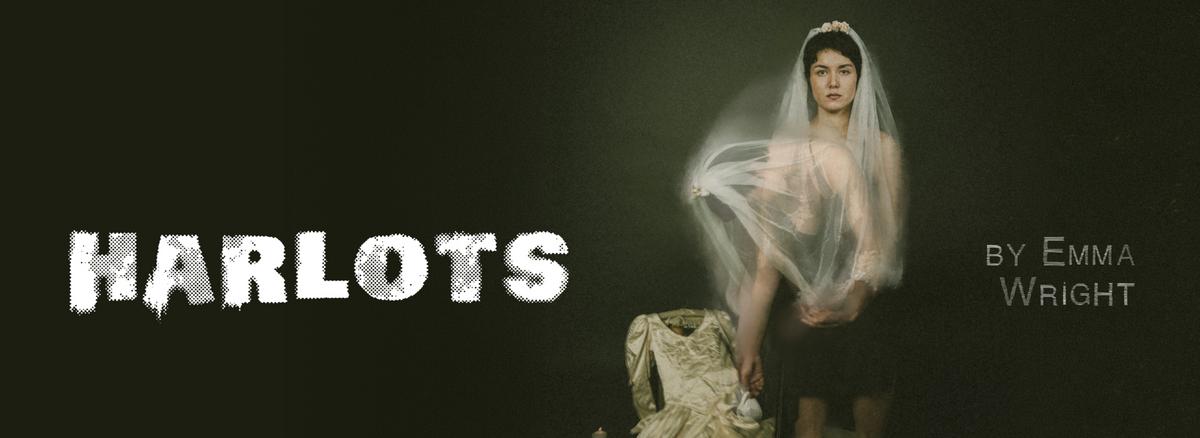
Harlots

Harlots Rating

Click if you liked this article

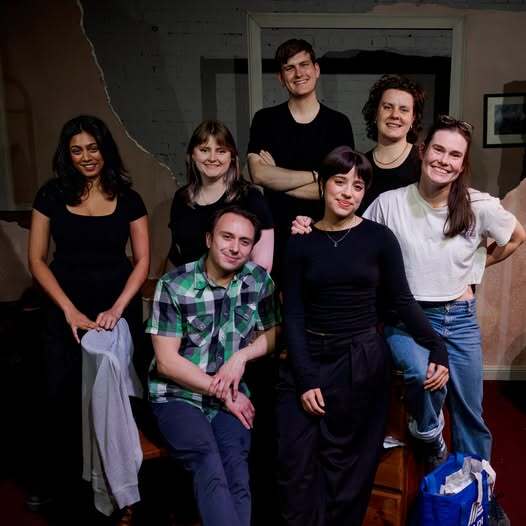
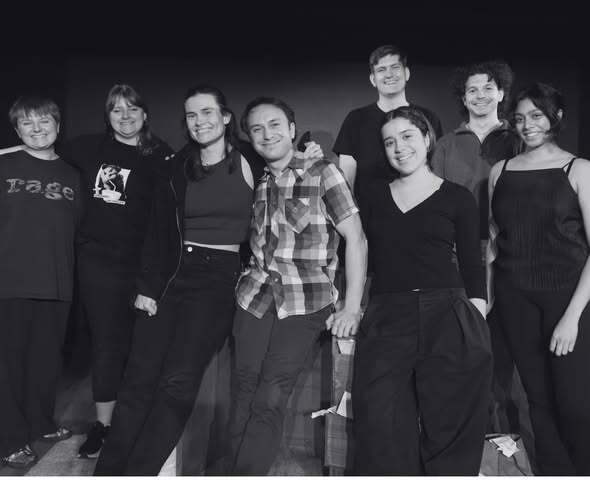
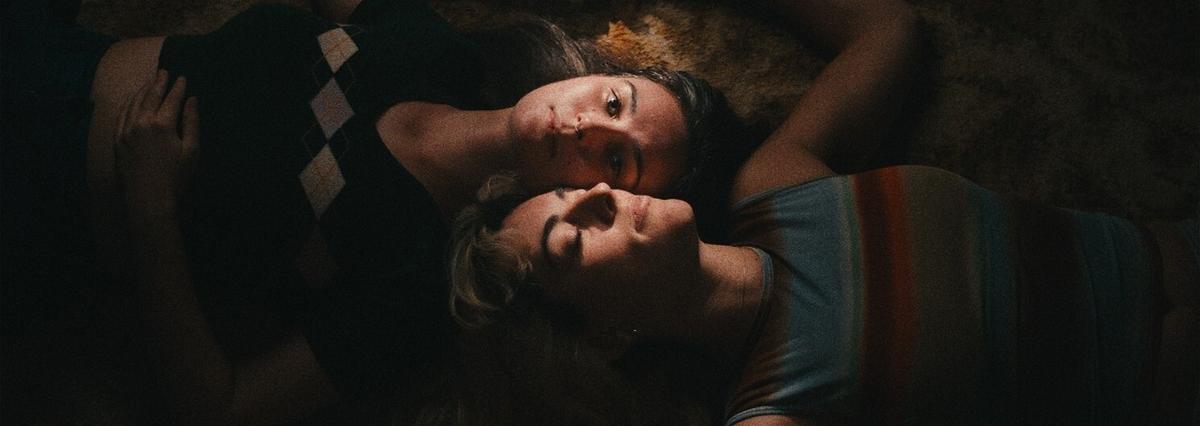
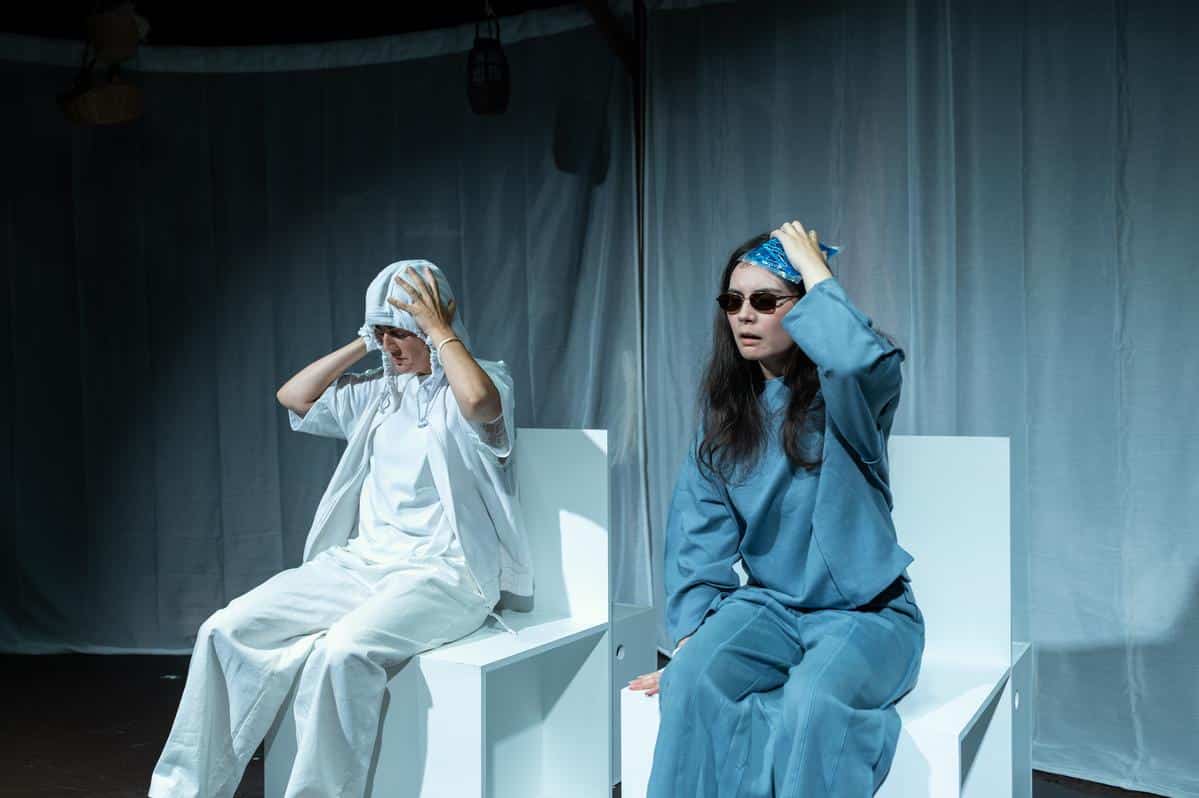
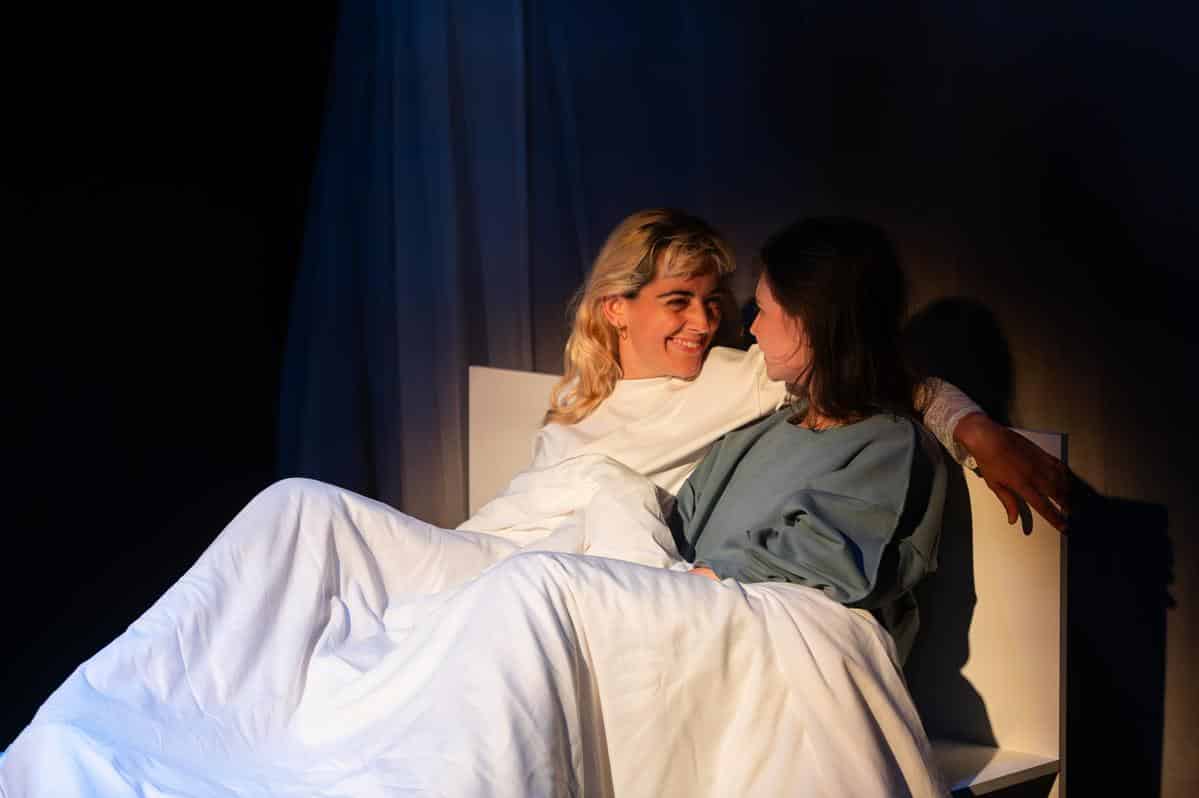
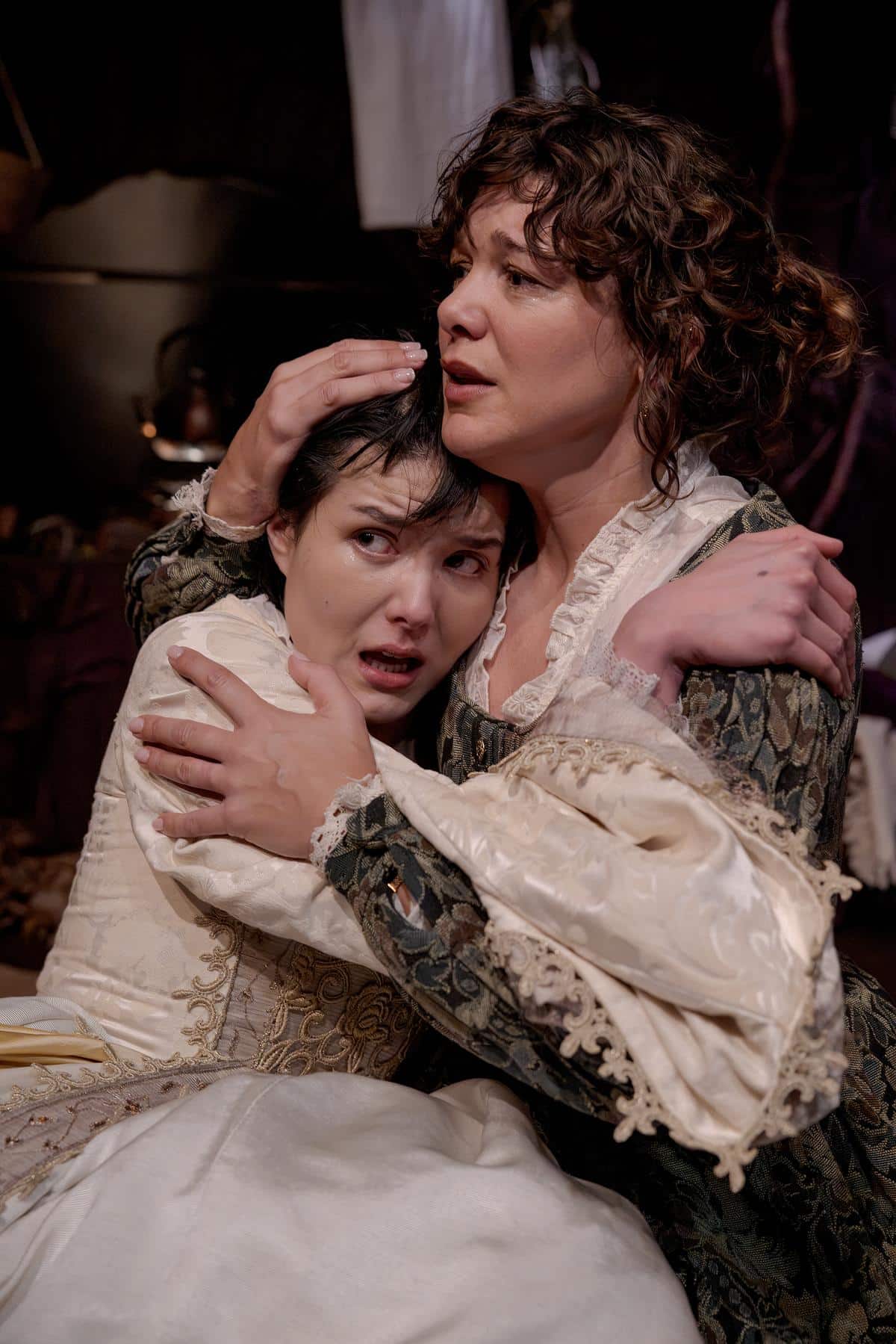
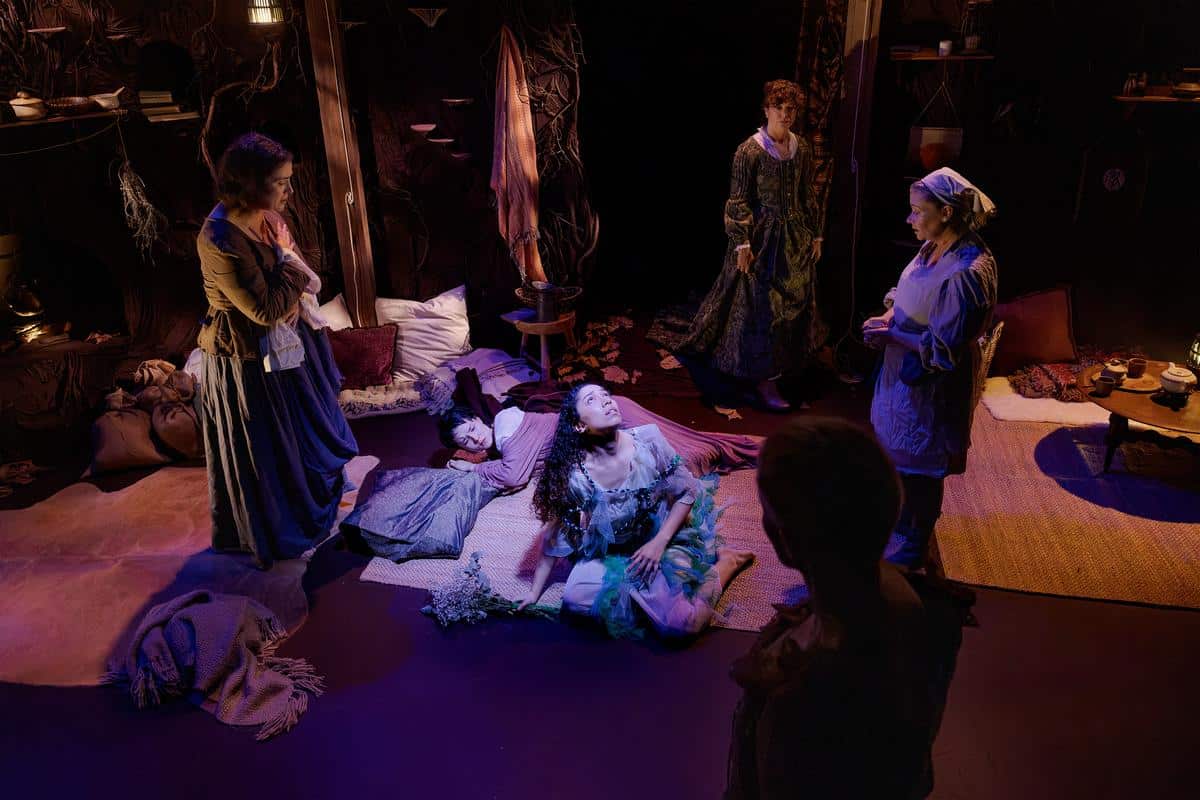
Last night I had the pleasure of witnessing Harlots by the New Ghosts Theatre Company at the intimate Old Fitz Theatre in Woolloomooloo. It was a fantastic production by an all-female and non-binary team and cast. The show was an immersive experience, taking place in and around the audience, with the stage utilised to its maximum capacity. Directed by Janine Watson, the play sucked me into its world and spat me out again 90 minutes later.

The denigrating term ‘harlots’ has been reclaimed by writer and producer Emma Wright in this critique and love letter to Shakespeare. Having studied one Shakespeare play per year throughout my six years of high school, I was excited to see the women from his work get more time in the spotlight. The work explores what happened in the time between his female characters faking their deaths and re-emerging with their names cleared (Hermione in The Winter’s Tale and Hero in Much Ado About Nothing)… The play depicts freedom in the form of an underground society of women whose values were love and healing. How ironic that these women had to “die to live” and a hole in the ground provided more freedom than society’s shackles. The characters explore the healing powers of psychedelics and working through trauma in a supported environment. Madness and the role of violence in society are called into question, can these things be escaped or are they inherent?

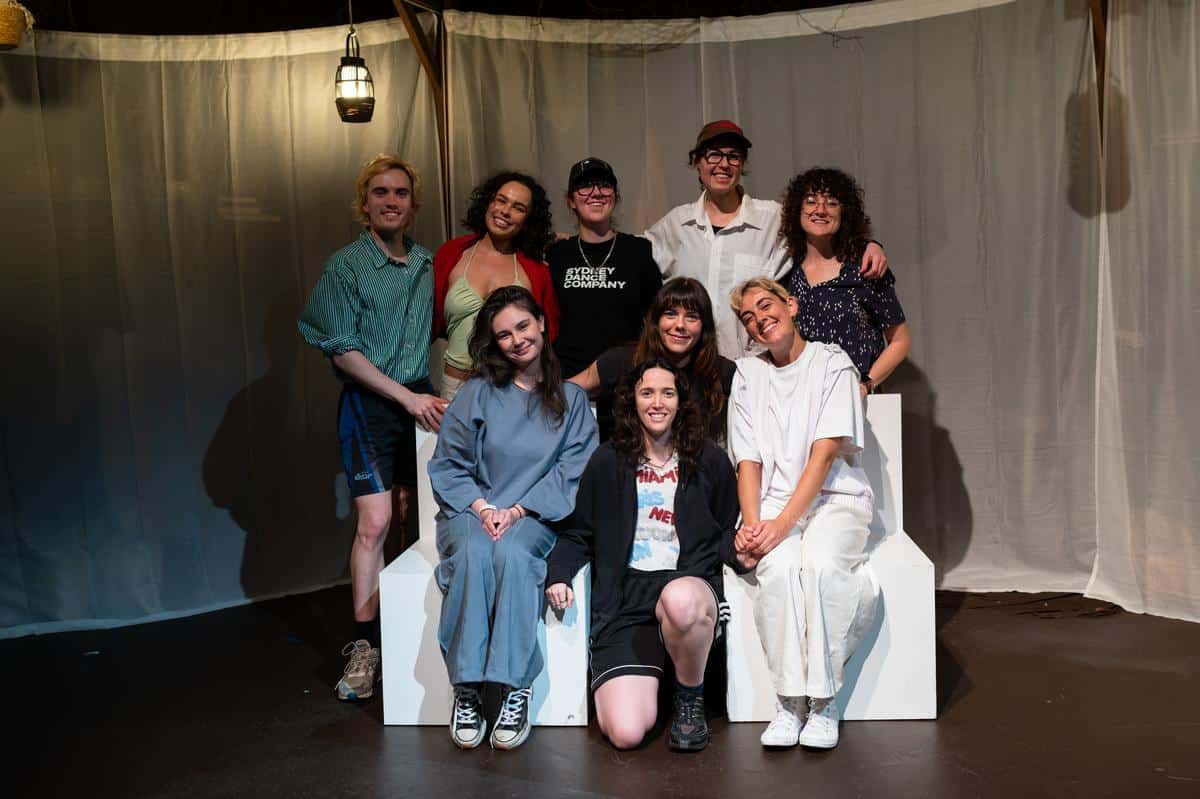
Each and every one of the cast played their role sublimely. They were all equally impressive and distinct. Jo Downing’s portrayal of Beatrice was a marvel. Ella Prince was a powerful Helena; I loved their abrasive mannerisms that boycotted the idea of traditional femininity. Hannah Waterman and Megan O’Connell had incredibly complex chemistry on stage as Paulina and Hermione. ‘Ana Ika was a dreamy Ophelia and Madeleine Li’s monologue at the end of the play as Hero will be something that stays with me for a long time.


The set design (by Kate Beere) was simple yet effective, inviting us into the women’s underground world of mushrooms and rest. The costumes (by Aloma Barnes Siraswar) were beautiful and thoughtful. I loved the attention to detail of the mushrooms growing on Hero and Hermione’s dresses for their underground lives. The lighting (designed by Luna Yuet Yee Ng) and music (composed by Clare Hennessy) helped indicate villainy and different states of consciousness.

Being a Shakespeare inspired work, I was worried that I would find it hard to follow (especially after a day at work). However, the script was intelligent and engaging without being too much hard work for our 21st century technology addled brains. True to form, the script dipped between verse and prose, masterfully using iambic pentameter to challenge status. I loved the references to other canonic literature and the idea that the women that Shakespeare wrote would be well-read and learned.

The audience was captivated, with the occasional giggle at a provocative line and well-deserved, sustained applause resonating long after the cast had left the stage. I highly recommend seeing Harlots, it was an entertaining, provocative and thought-provoking exploration of some of Shakespeare’s lesser known heroines. Showing until 6 September in Sydney.

To book tickets to Harlots, please visit https://www.oldfitztheatre.com.au/.

Photographer: Phil Erbacher

Spread the word on your favourite platform!

Dealing with Clair

Dealing with Clair

Dealing with Clair Rating

Click if you liked this article

5

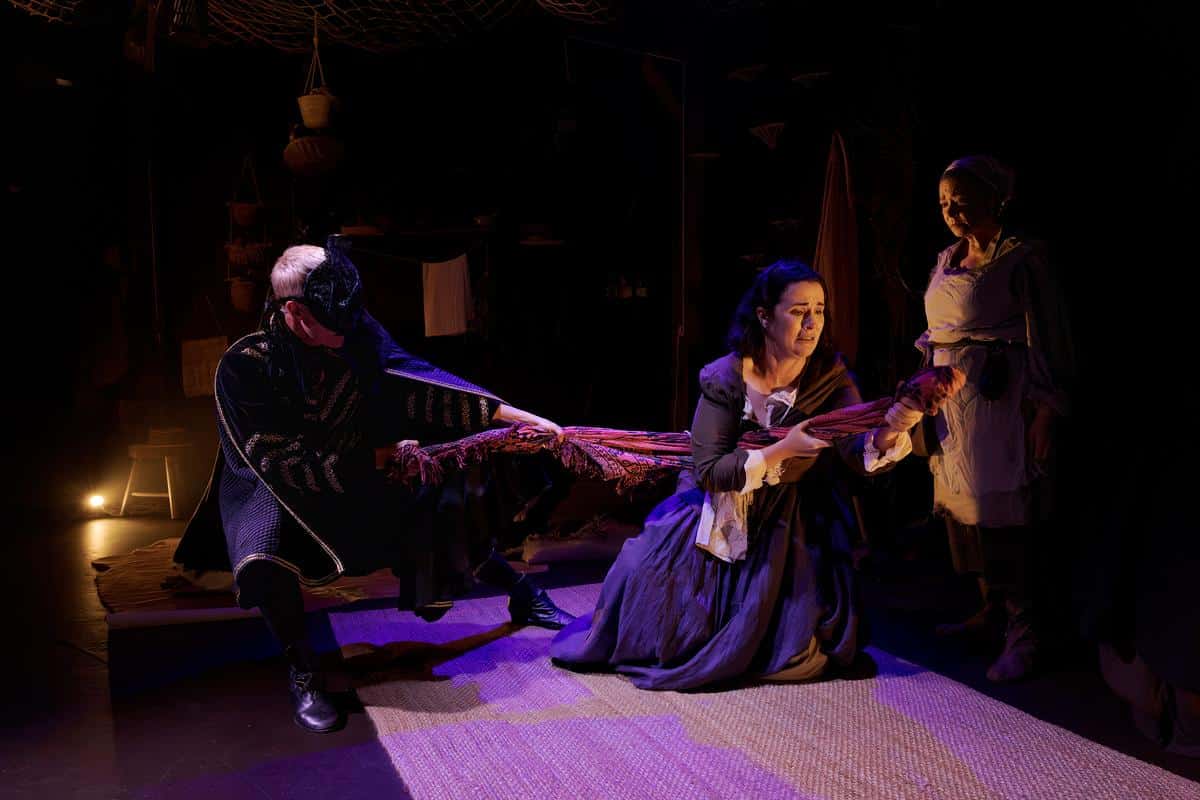
There is a distinct, intoxicating magic to discovering a razor-sharp, chillingly prophetic revival in an intimate local space, and Sydney is incredibly fortunate to have venues like the historic Old Fitzroy Theatre—a charming, subterranean pocket where the audience is pulled so close to the stage that they can feel the moral atmosphere shift in real-time. This extreme physical proximity acts as the perfect, claustrophobic incubator for the tension of Martin Crimp’s psychological thriller, “Dealing with Clair”. First performed in 1988, Crimp’s play is heavily inspired by a haunting, real-world tragedy: the unsolved 1986 disappearance of London real estate agent Suzy Lamplugh, who vanished into thin air after leaving her office to show a house to a mysterious client. This unsettling historical anchor hangs like a heavy, cold fog over the entire production, transforming what could be a simple, sharp satire of a booming property market into an agonizingly tense, slow-burning exploration of vulnerability, predation, and systemic greed.


The narrative centers on Clair, played with exquisite nuance by Olivia Hall-Smith, an ambitious young estate agent who believes she can safely navigate the cutthroat, transactional waters of London’s real estate boom through sheer professional charm and quiet determination. Hall-Smith beautifully captures the delicate friction between Clair’s eager-to-please, professional armor and the profound, isolated vulnerability that slowly begins to leak through as the pressure mounts. As the transaction unfolds, we watch the veneer of polite, middle-class respectability slide away from homeowners Liz and Mike, portrayed with a delightful, superficial hypocrisy by Talia Benatar and Arkia Ashraf. Though they initially boast of their unwavering moral integrity—vowing to act honorably and avoid dirty gazumping tactics—their principles instantly dissolve when a mysterious cash buyer named James, played with a magnetically sinister composure by Daniel Fletcher, offers to outbid their original buyers. Fletcher’s performance is chillingly effective, wrapping predatory intentions in a smooth, highly articulate warmth that keeps the audience in a state of constant, low-humming anxiety.

What begins as a mundane, polite negotiation quickly spirals into an unsettling examination of how easily human empathy is traded for financial gain, as Clair’s sharpest instincts quietly scream that something is deeply wrong with James, yet her ambition and professional duty force her to ignore the warning signs. The supporting cast is uniformly brilliant in fleshing out this dark, morally compromised ecosystem. Jade Fuda is profoundly affecting as Anna, the young Italian nanny virtually imprisoned in a windowless room by her self-congratulating employers, showcasing a quiet, isolated parallel to Clair’s own entrapment. Meanwhile, Bayley Prendergast displays dazzling versatility, shifting seamlessly between a rugged, earthy tradesman and a slick, rival real estate agent. Ultimately, under the sharp direction of this production, the play builds a suffocating momentum that refuses to offer easy resolution or comfortable answers, leaving the audience to reckon with the horrifying realization of what—and who—we are willing to sacrifice in the pursuit of personal security and material success. It is a masterful, deeply unsettling theatrical experience that lingers in the mind long after the basement lights of the Old Fitzroy have faded to black.

To book tickets to Dealing with Clair , please visit https://www.oldfitztheatre.com.au/dealing-with-clair.

Photographer: Robert Miniter

Spread the word on your favourite platform!

Subscribe to What's The Show

Reviews, show news and what is on, straight to your inbox.