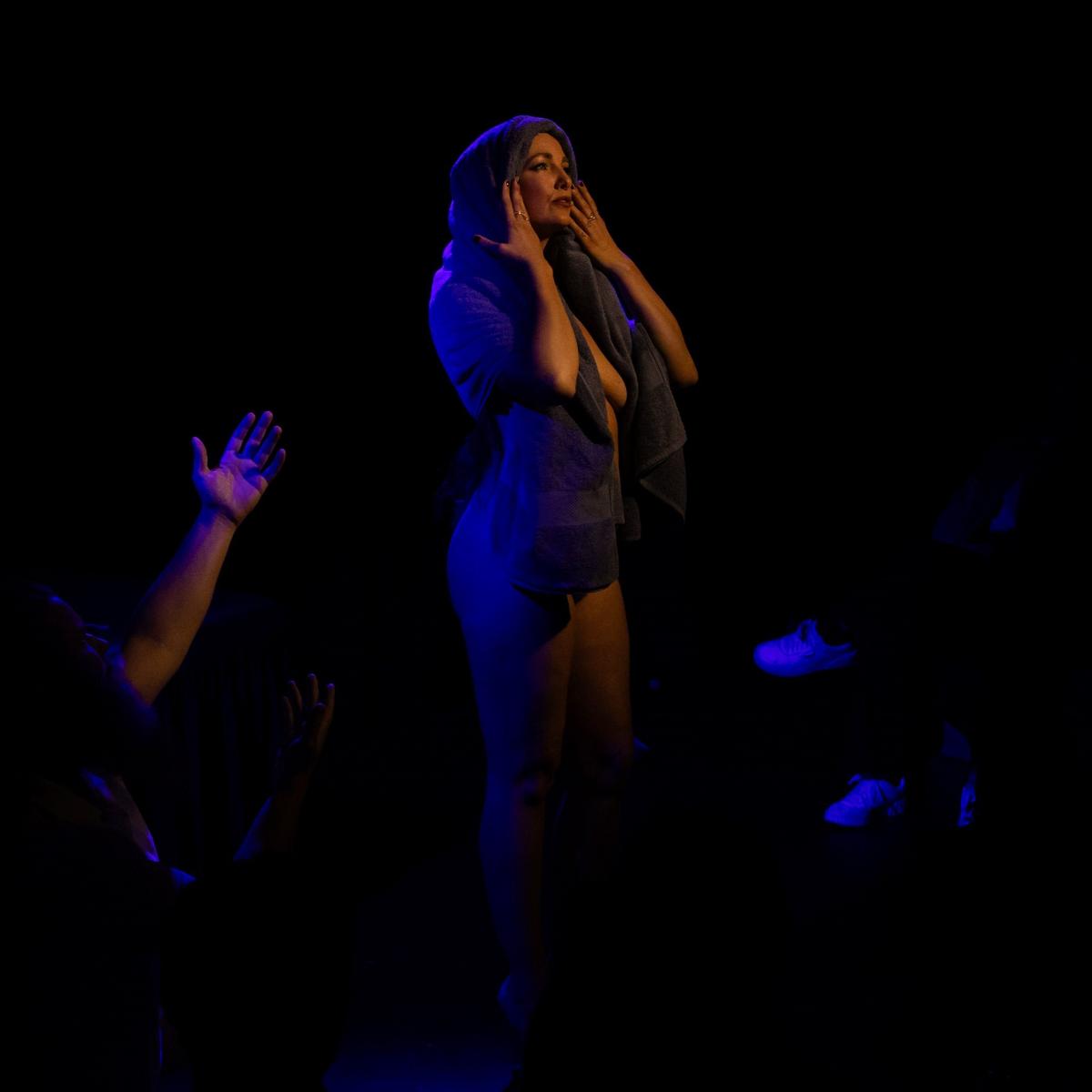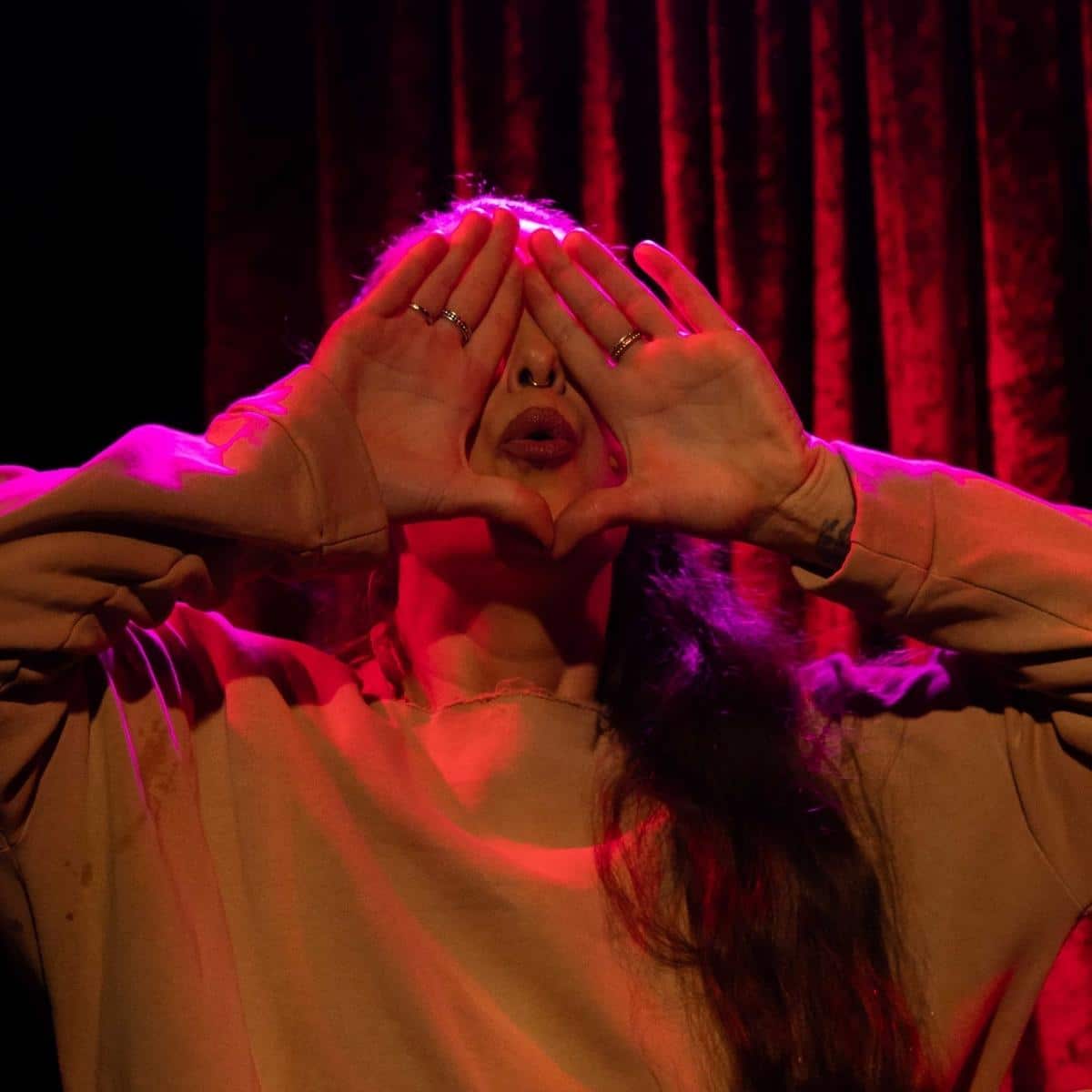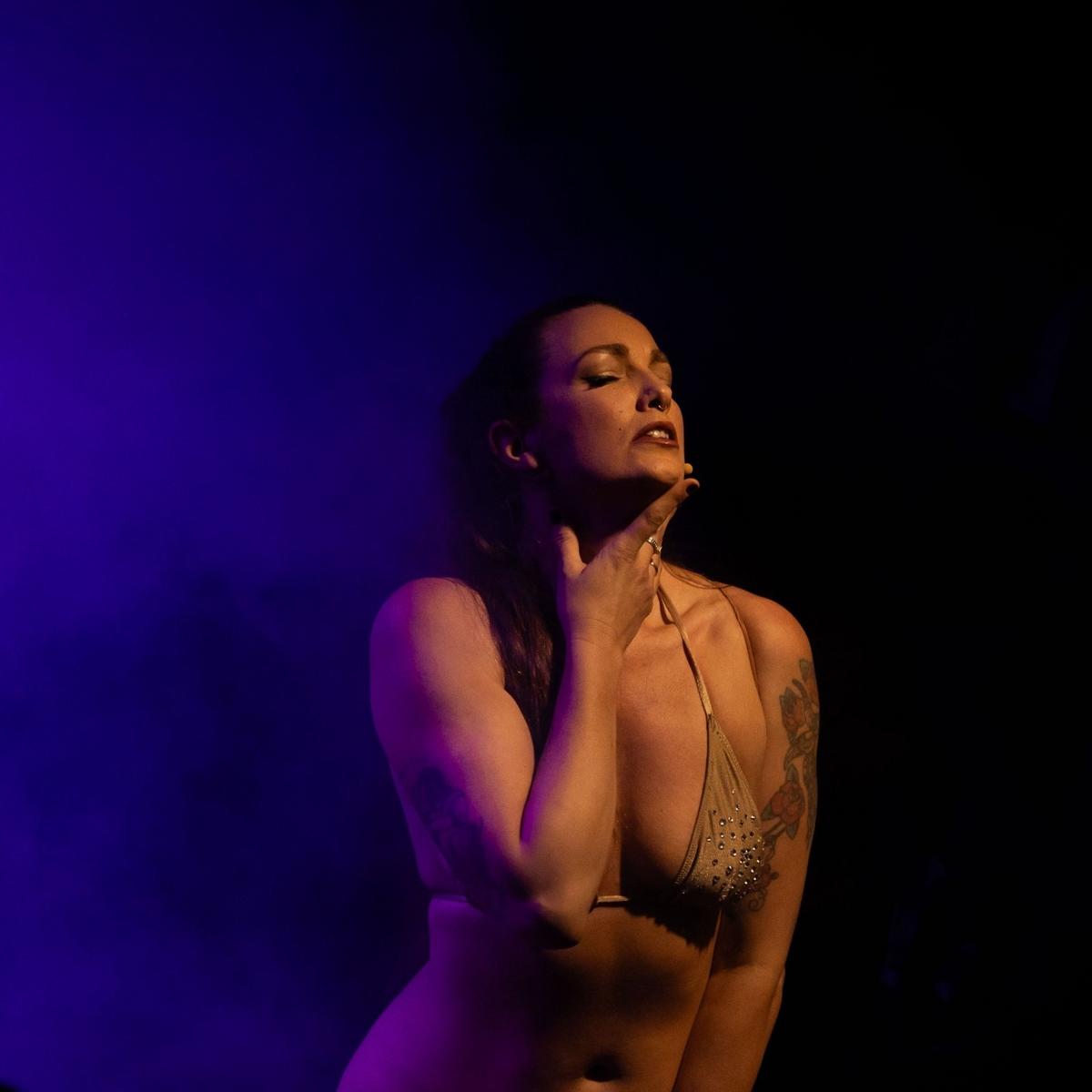
Written and directed by James WF Roberts, Hot White Kiss is an hour-long play focusing on five individuals, all sporadically linked through polyamorous & bisexual relationships with each other. Yet sparking and fuelling their individual flames isn’t oxygen, but the dangerous elements of addiction, abuse, trauma, and self-destruction.
The story, stemming from a poem Roberts previously wrote, is no stranger to The Butterfly Club. It now returns almost a year later as part of the Midsumma Festival and with a larger cast. Sticking with its previous venue proves to be an asset, as Hot White Kiss’ gritty themes fit perfectly with the grungy, basement-esque setting of the Club.
The show follows Leena, a heroin addict who cannot see the harm she’s inflicting on herself and others, and John, a wannabe poet trying to get out of the harmful addictions he’s found himself dealing with, including Leena. Surrounding them is Cilla, a drug-dealer who is obsessed with controlling Leena’s life, and a married polyamorous couple (Bill & Taylah), who see the harm from a far but do little to help.
Savier D’Arsie-Marquez (John) and Olivia Buckton Smith (Leena) stand out as the two main characters, who appear to have no positive reason to stay together. Not that it would stop them. They both portray a great amount of hurt and panic through their deliveries and expressions, that had them feeling like genuine people.
Most of the audience stayed wide-eyed and quiet throughout the performance of emotions on stage – but the few large laughs that broke through came from D’Arsie-Marquez’s ability to have fun with the dialogue in well-timed moments that made his character shine.
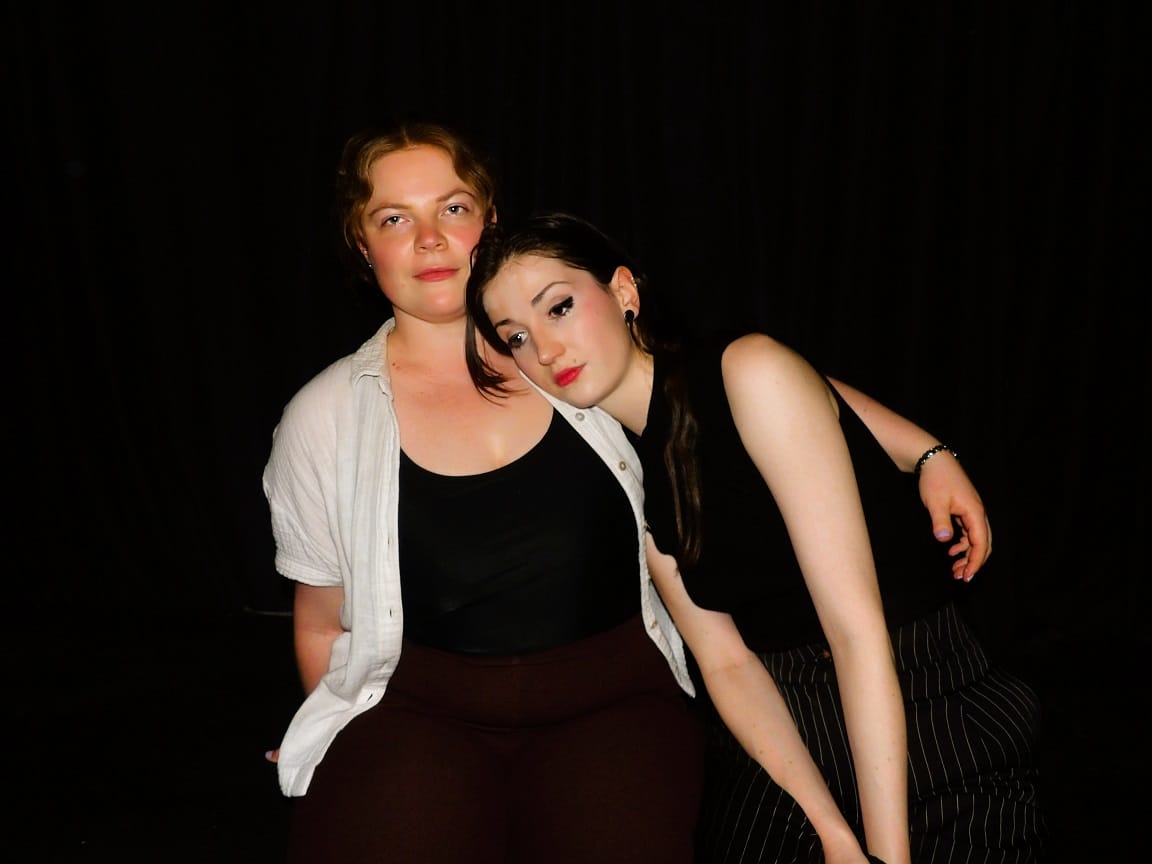
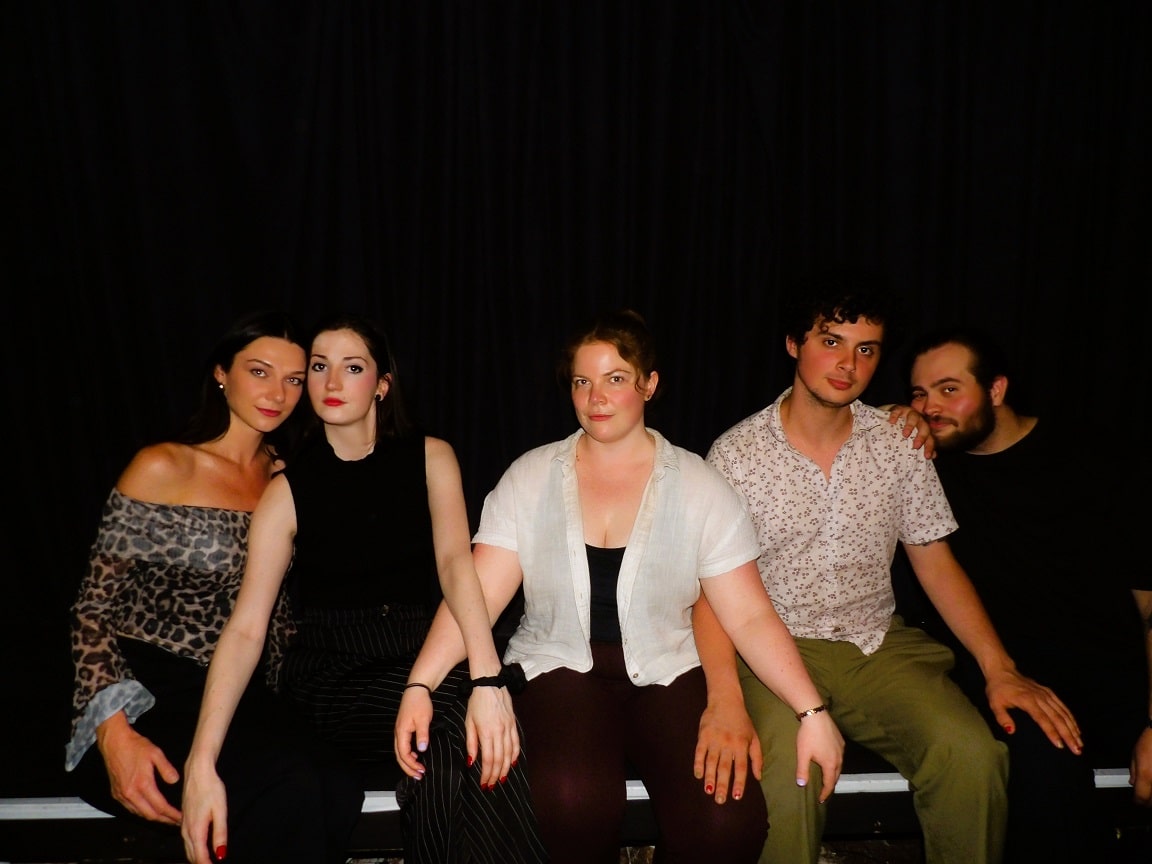
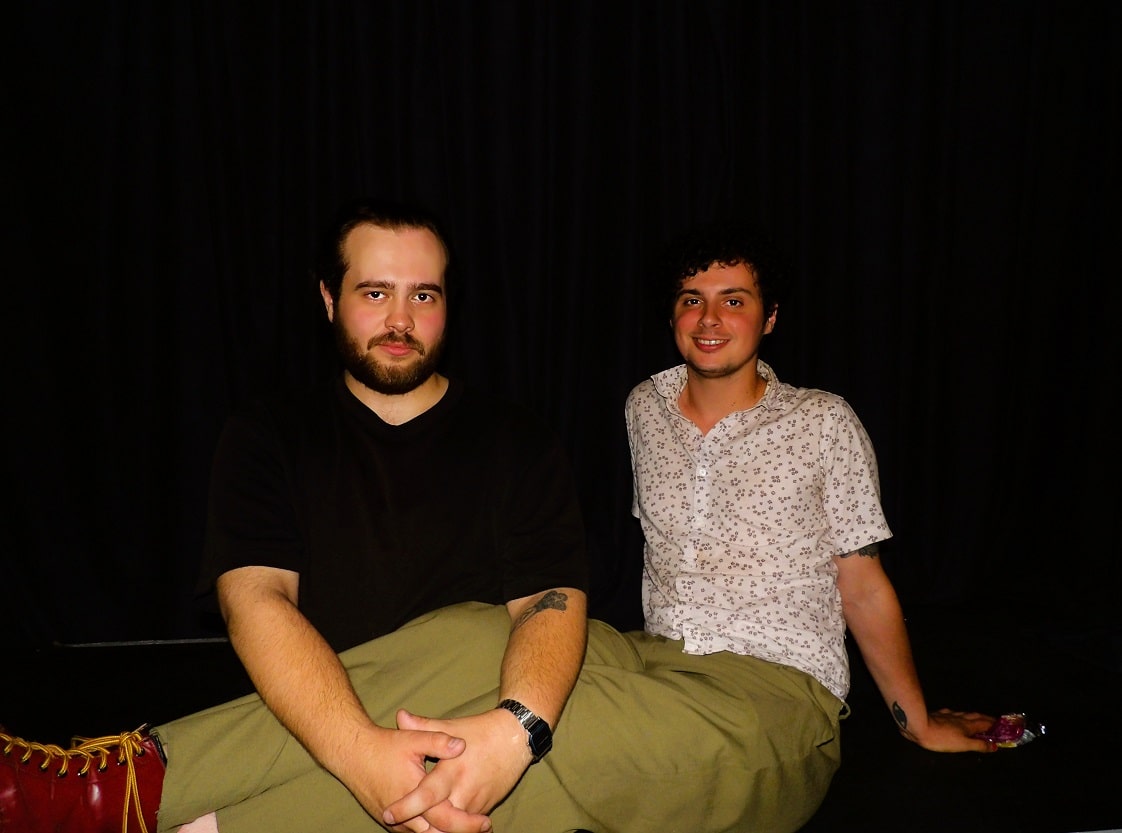
Considering the topics of the show, it felt there shouldn’t be a personified villain to the story. Yet Cilla’s (Bridgette Kucher) Joker-like smirk and constant manipulation of Leena often evoked that anger. There weren’t many redeeming parts that made us understand why Lenna stays with her, well portraying the abusive relationships you sometimes question from the outside.
The interpersonal relationships between each of the characters are constantly calamitous. All of them using the other people as person-shaped climbing block to get higher and leaving the other bleeding down below. But no one truly ends up on top.
However, a lot of the romances between characters felt slightly fabricated. It would have been enjoyable to see there be a bit more of a connection or backstory between the two leads. One of their most interesting scenes when reminiscing their past together was more like a tease of a flame that left you wanting to understand more of their relationship.
An unfortunate and constant jarring of the show came from the music played between scenes and set-ups. The audio’s sudden slice through the tension and emitting from the back of the theatre gave an illusion of a phone going off in the seats. By the time the understanding came that it wasn’t that, the emotional tether had already been cut. If it could fade in/out or come from behind the curtain instead, it would help keep the tension high.
Overall, the show was strong in the moments it felt grounded and real between characters. And though confrontations ended with not a lot of pay off and a few things left unanswered – it felt supportive of the less than comforting ending you often get when involved with addiction and toxic relationships like these.
And if they were hoping to raise addiction awareness additionally – one man leaving the theatre who noted, “Well…I’m never going to do heroin” certainly got the message.
To book tickets to Hot White Kiss, please visit https://thebutterflyclub.com/