Cantos Sagrados

Cantos Sagrados

Cantos Sagrados Rating

★★★★★

Click if you liked this article

5

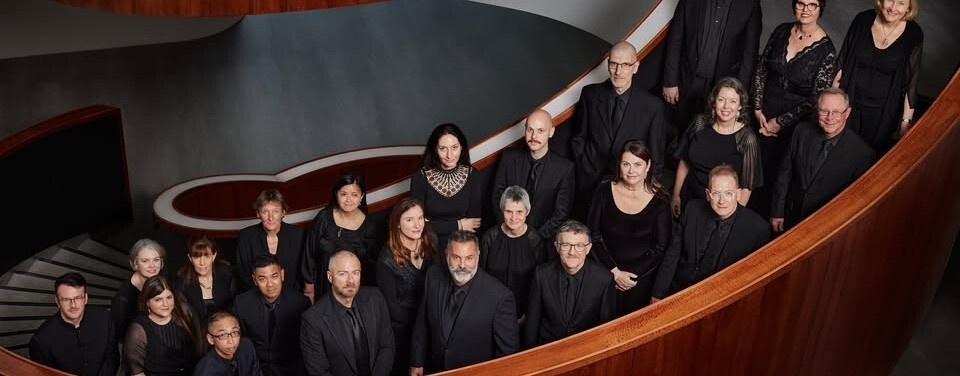
Presented by the Sydney Chamber Choir at the historic St James' Church on King Street, 'Cantos Sagrados' was a mesmerising and deeply evocative programme exploring the human and the divine through poetry, faith, and song. Featuring three remarkable works—'Five Mystical Songs' by Ralph Vaughan Williams (1911), 'Cantos Sagrados (Sacred Songs)' by James MacMillan (1990), and 'Rejoice in the Lamb' by Benjamin Britten (1943)—this eclectic combination of repertoire captured the audience's attention from the very first note.

What made the programme especially compelling was the richness of the literary and poetic texts behind each score.

Vaughan Williams’ 'Five Mystical Songs' gave radiant musical voice to the 17th-century poetry of George Herbert, pairing harmonies and soaring melodies with the warm, expressive artistry of acclaimed baritone David Greco. It was easy to see or rather hear why he is an ARIA-nominated and internationally recognised as one of Australia's leading vocals.

Scottish composer James MacMillan’s 'Cantos Sagrados' took a starkly powerful turn, interweaving traditional Latin liturgical texts with contemporary Latin American poetry confronting oppression and injustice.

Completing the trio, Britten’s 'Rejoice in the Lamb' set the visionary verses of Christopher Smart—written while the poet was confined in an asylum—capturing struggle, wit, and wonder in a warm and tender hug of the music score.
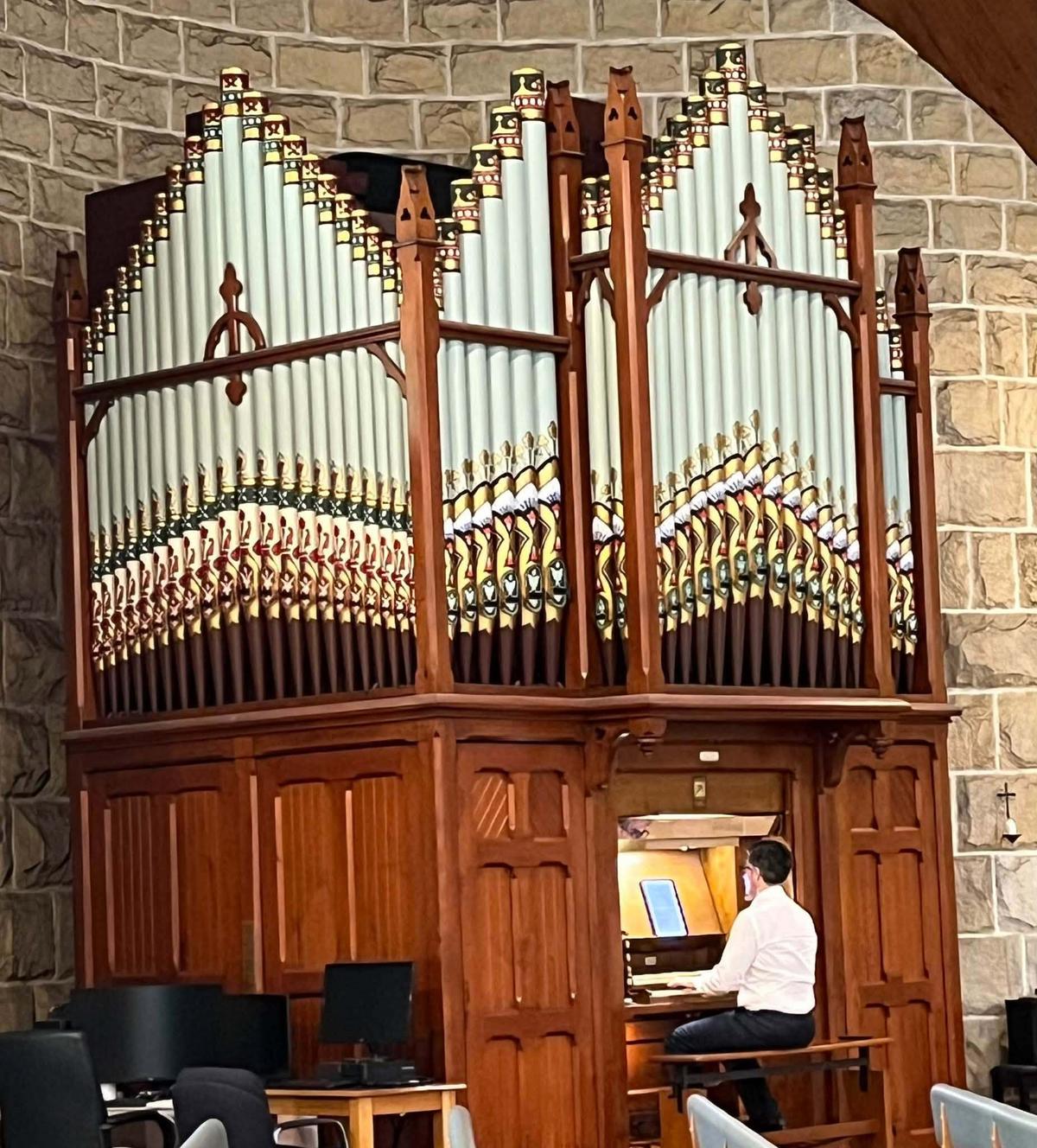
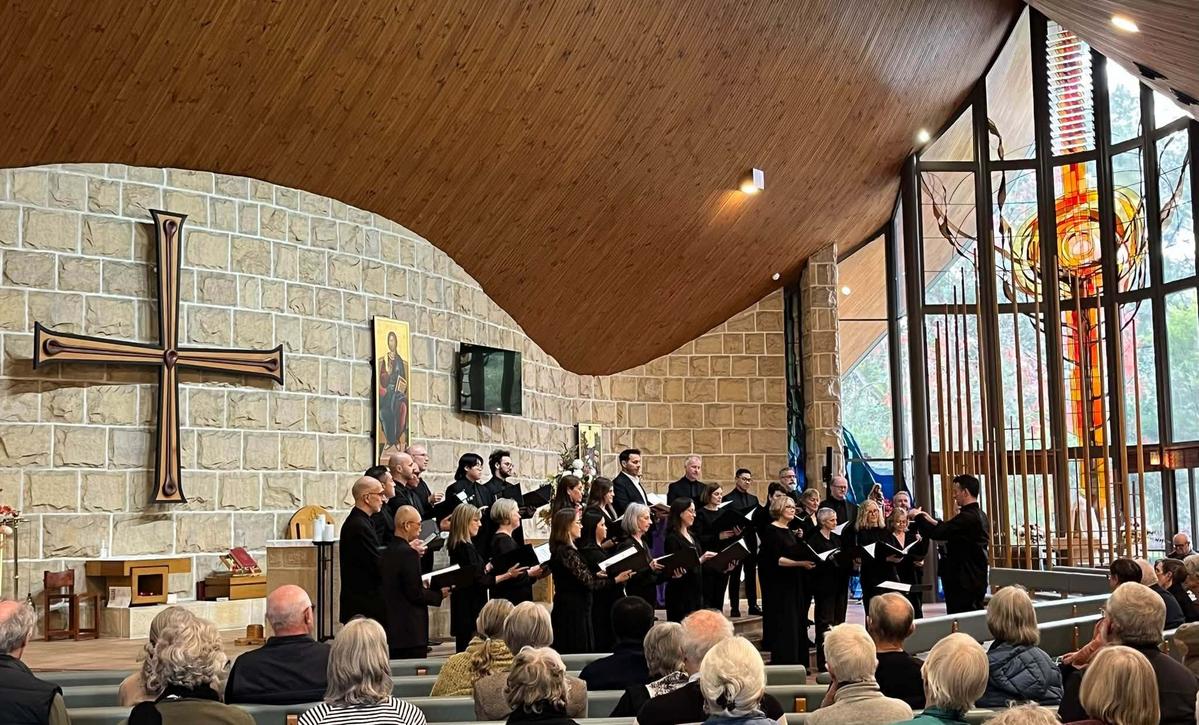
 

The combination of the Sydney Chamber Choir's magnificent voices and master organist Thomas Wilson's playing produced what could only be described as pure musical and vocal adrenaline. The richness and professionalism of the choir's performance, together with the delicate yet powerful interplay of the organ, created moments of extraordinary musical intensity. There was a wonderful balance between the choir's expressive vocal textures and the organ's subtle nuances, leaving the audience spellbound.

Choir music has a special ability to reach beyond the immediate moment—carrying echoes of the past while speaking directly to the present, inviting reflection and contemplation. This programme demonstrated that beautifully, moving seamlessly between different musical languages and spiritual perspectives while maintaining a compelling sense of unity.

Conductor Sam Allchurch deserves particular recognition. His engaging introductory commentary and the stories connecting the three works provided valuable insight, especially for audience members less familiar with the repertoire. His explanations illuminated not only the poetic and historical roots of each composition, but also the sequence and flow of this thoughtfully constructed programme.

St James' Church proved to be the ideal setting for this exceptional musical experience. Its sacred architecture, intimate atmosphere, and natural acoustics seemed tailor-made for works rooted in liturgical tradition and spiritual reflection, allowing the choir’s harmonies and the organ’s resonant swell to envelop the space and add an unforgettable dimension to the beauty of the performance.

To book tickets to Cantos Sagrados, please visit https://www.sydneychamberchoir.org/cantos-sagrados.
Spread the word on your favourite platform!

A Well Deserved Standing Ovation

Sydney Harbour Ensemble presents: Beethoven's Emperor

Sydney Harbour Ensemble presents: Beethoven's Emperor Rating

★★★★★

Click if you liked this article

3

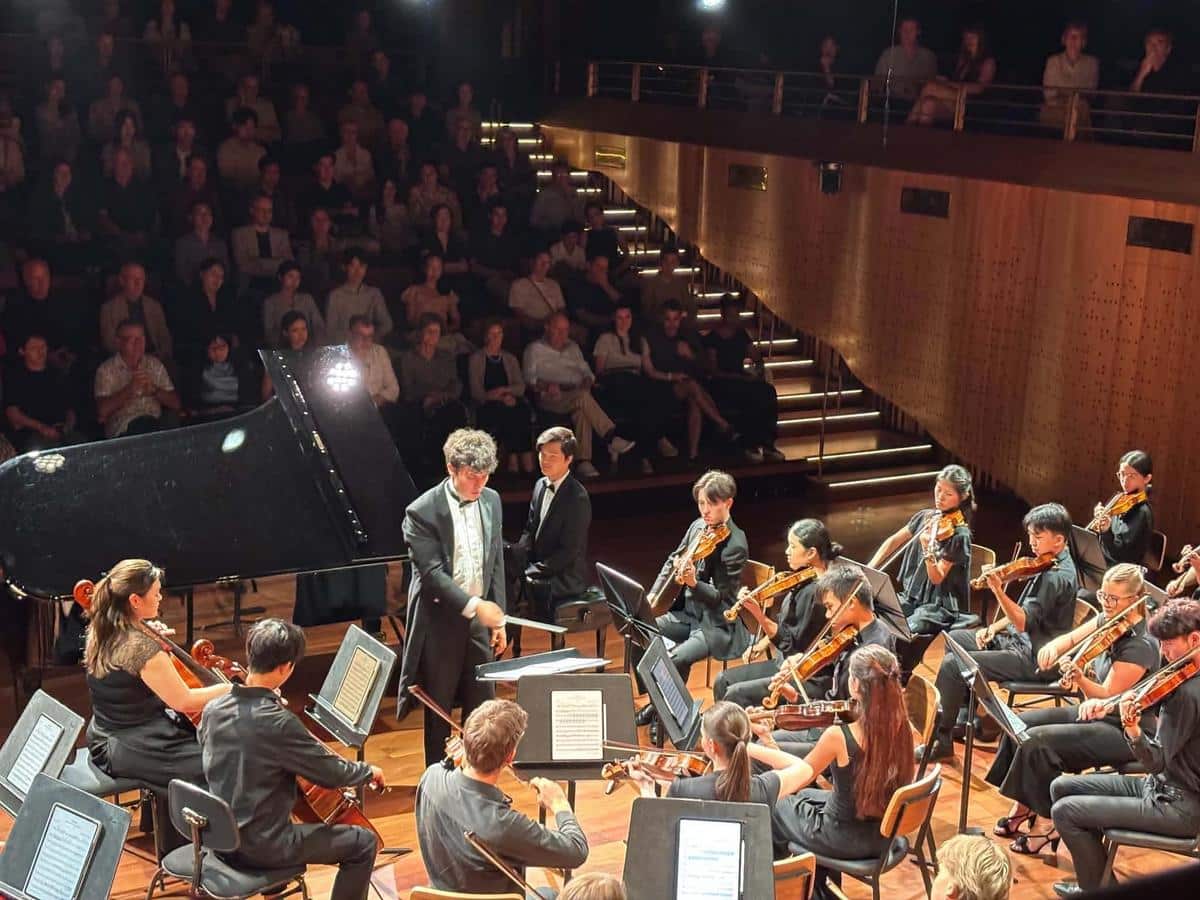
It was an utter joy to experience Sydney Harbour Ensemble perform Beethoven’s Symphony No. 4 and the monumental Emperor Piano Concerto, featuring pianist Joshua Han on Saturday night at the ACO on the Pier.

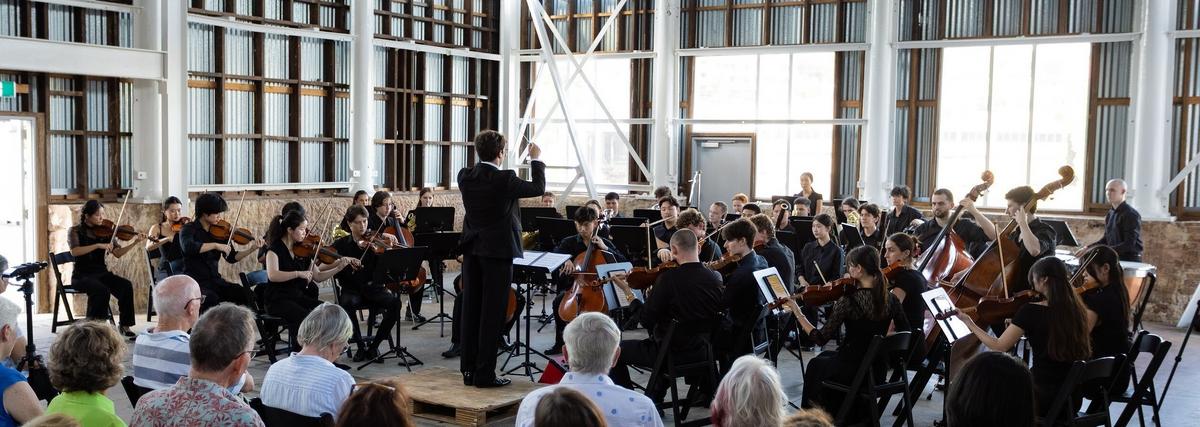
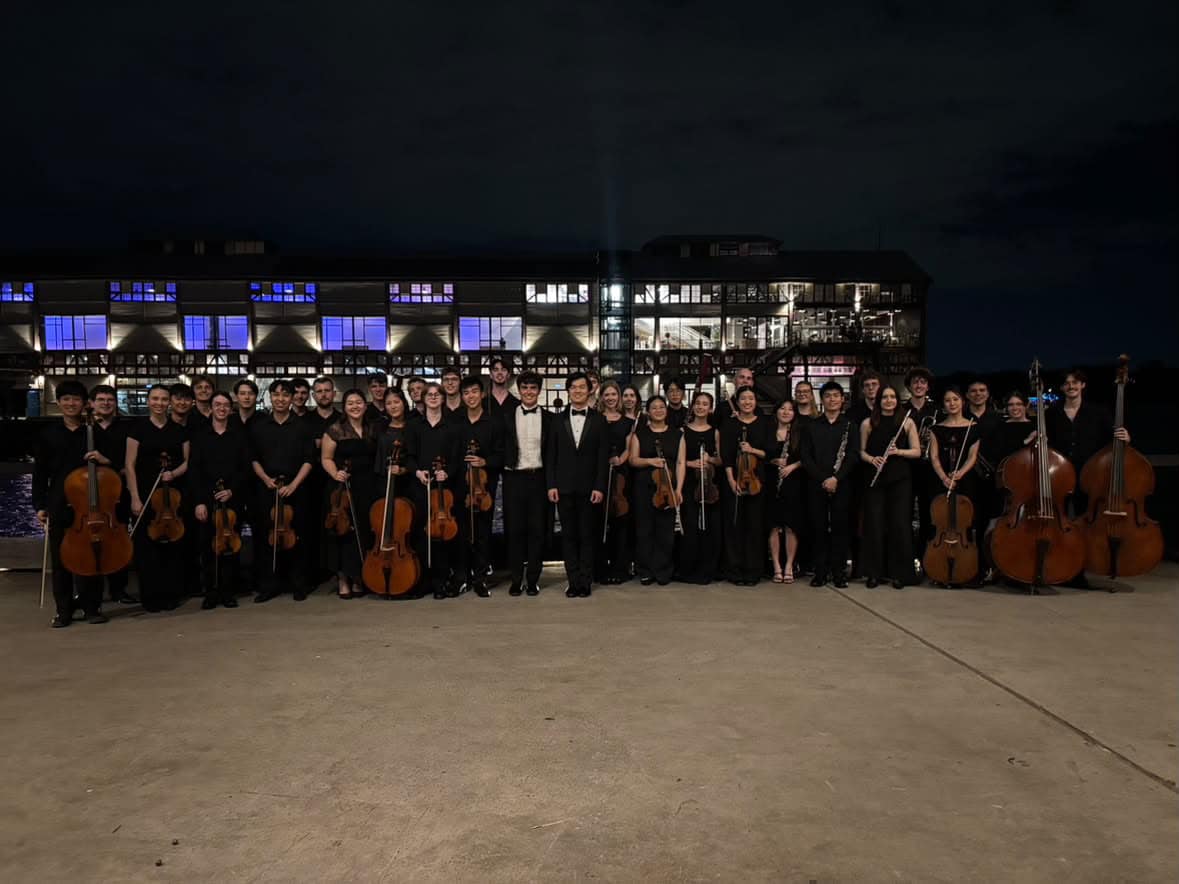
This is Sydney Harbour Ensemble’s third concert in their inaugural year. Their mission is to pair live orchestral music with landmark harbour settings and local history. While focusing on celebrating emerging Sydney talent. This orchestra is certainly packed with talent.

Hearing Beethoven’s Symphony no. 4 in B flat major Opus 60 makes you understand why we still want to hear and play his music today, even though it was composed in 1806, over 200 years ago. Especially when it is played as superbly as it was on Saturday night.

All 36 instrumentalists in the orchestra played with great passion and were strongly connected with each other the entire time. They dazzled with expression, large ranges of dynamics and soared through the very fast passages in the symphony. Their Timpanist, Bryn Wood, has an amazingly expressive face and you could tell he was in his element of utter joy the entire time.


Benjamin Crowe, their artistic director and conductor, held great poise and determination throughout the night. His conducting was very graceful and clear. We felt very safe in his hands… pun intended. I believe he has a big future ahead of him.

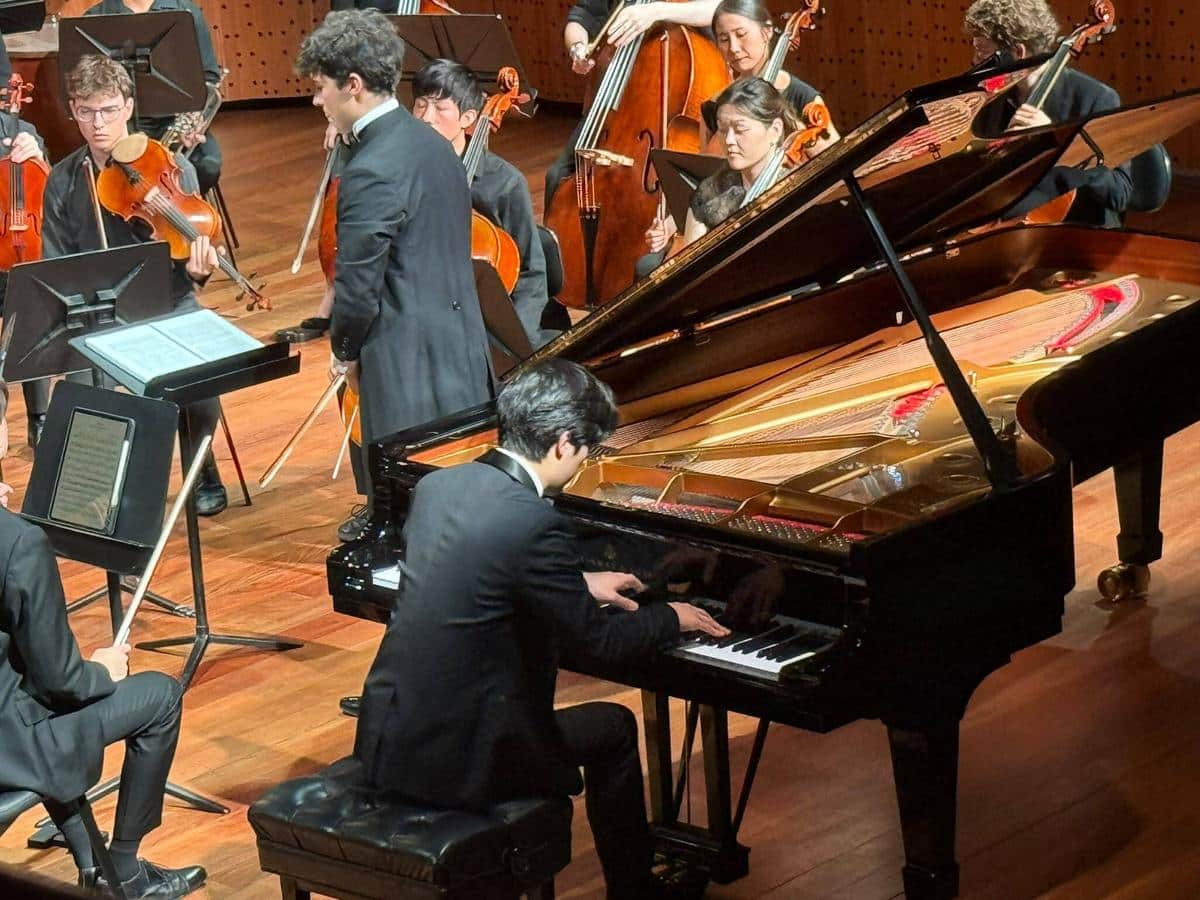
For the second half of the concert, Beethoven’s Emperor Piano Concerto, featuring pianist Joshua Han, was absolutely magical. I could not keep my eyes off Joshua Han the entire time. His fingers gracefully dancing up and down the keys with immense passion. His perfectly quaffed hair moved effortlessly with the music and his face embodied intense emotion that then instantly transferred to fingertips. I am not surprised he has won so many piano competitions locally and internationally. I’m sure there will be many more to come.

The night ended with a well deserved standing ovation by all and we were treated to a beautiful encore by Joshua Han. You could tell all of the orchestral players were just as enamoured by Joshua Han as the audience were. They all looked mesmerised by his playing, now that they were able to watch him for the encore.

I can see many more exciting concerts in this orchestra’s future. I hope they continue to do more of Beethoven’s work as they play them so exquisitely and they have more collaborations with pianist Joshua Han.

Please keep an eye out for more concerts by Sydney Harbour Ensemble, they are not to be missed.

To book tickets to Sydney Harbour Ensemble presents: Beethoven's Emperor, please visit https://sydneyharbourensemble.com.au/.

Spread the word on your favourite platform!

Nicolas Altstaedt And Thomas Dunford

Nicolas Altstaedt And Thomas Dunford

Nicolas Altstaedt And Thomas Dunford Rating

★★★★★

Click if you liked this article

The chemistry between Nicolas Altstaedt and Thomas Dunford was evident on an empty stage on Saturday night. The audience was ready for Altstaedt’s known technical style combined with Dunford’s virtuosity and for a conversation between a cello and a lute. We were immediately transported back to the Renaissance age with Marin Marais. Somewhere in Spain, Portugal or France, silk full skirts were rustling as courtiers palms met in a measured dance in an opulent room of gold and blue. The dexterous fingers of Dunford played a bell-like melody which was answered by Altstaedt’s honeyed tones as the notes lingered in the air.

La Leclair changed the tempo as a fiery melange of fast rhythms left a crackle of passion reflecting the composer’s known volatile nature. Then the audience was left alone with Dunford’s arrangement of Bach’s Cello Suite no 1 in G major with a display of the classic intricate technical perfection demanded by a maestro.

A return to the court of Versailles with more Marais’ Fete Champêtres offering a graceful dance and then a passionate Spanish piece allowing both musicians to move through the intricate ornamentation with speed and panache. Glimpses of a palace garden party came to mind with musicians playing delicately.


After the interval, Altstaedt sat down for Bach’s Cello Suite No 5 in C Minor, a piece written especially for the cello allowing the instrument to really sing. Sombre notes and a melancholy mood were combined with nimble playing from Altstaedt. For music aficionados, research the analysis of each movement and the techniques required, for the audience, it was a time for reflection and thought.

We returned quickly to pared down harmonies with Pärt’s Spiegel Im Spiegel, followed by Duparc’s Cello Sonata in A Minor. We returned to Marais’ courtly world with Le Voix Humaines imitating the inflexions of the human voice with a sombre elegance with cello and lute weaving between tones.

Marais’ Grand Ballet was all Baroque elegance testing each instrument and musician with showy ornamentation, bold gestures and complex bowing techniques required. It is a theatrical piece designed to be grand and majestic and it was.

The finale of Le Tourbillon was in the title, a whirlwind of virtuosity with a conversation moving to a debate between the cello and lute, ending in a flourish.

The audience was treated to a post-conversation with both Altstaedt and Dunford but the music said as much and was all that was needed.

To book tickets to Nicolas Altstaedt And Thomas Dunford, please visit https://www.musicaviva.com.au/concert-season/2026/nicolas-altstaedt-thomas-dunford/.

Photographer: David Cox

Spread the word on your favourite platform!

Ensemble Q With Ed Le Brocq

Ensemble Q With Ed Le Brocq

Ensemble Q With Ed Le Brocq Rating

★★★★★

Click if you liked this article

7

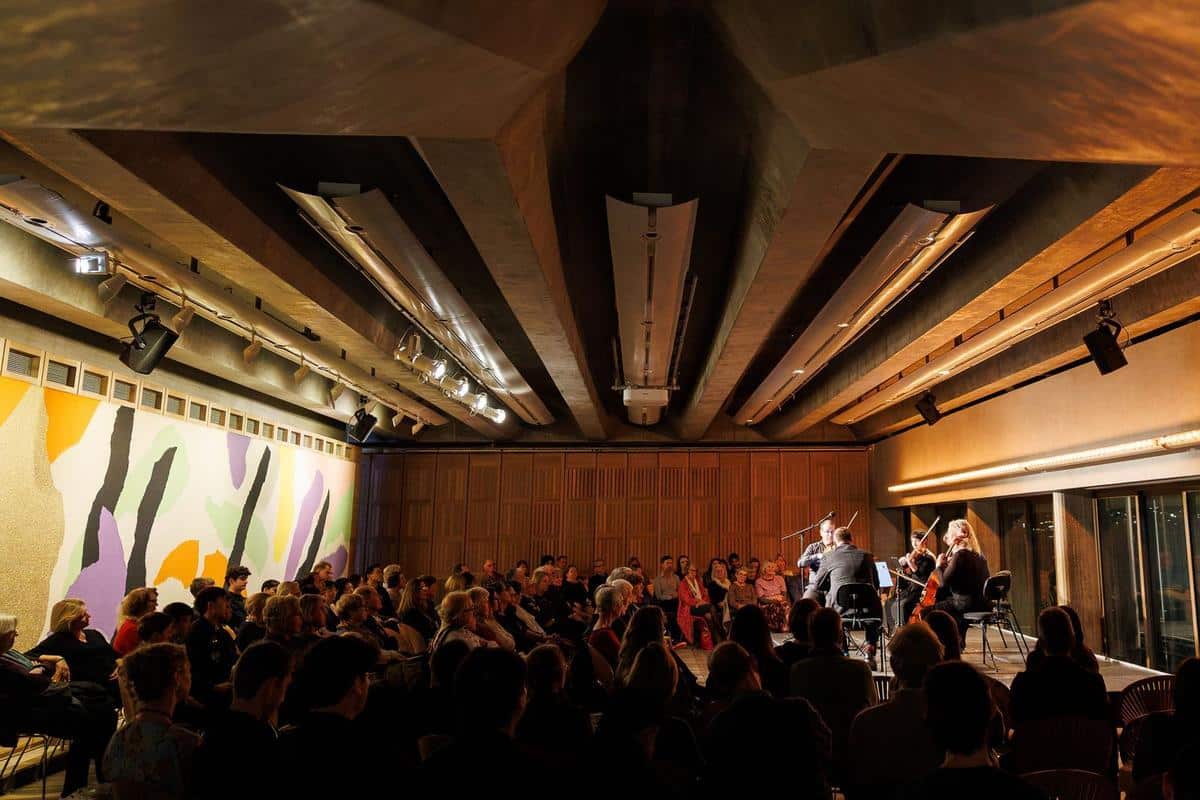
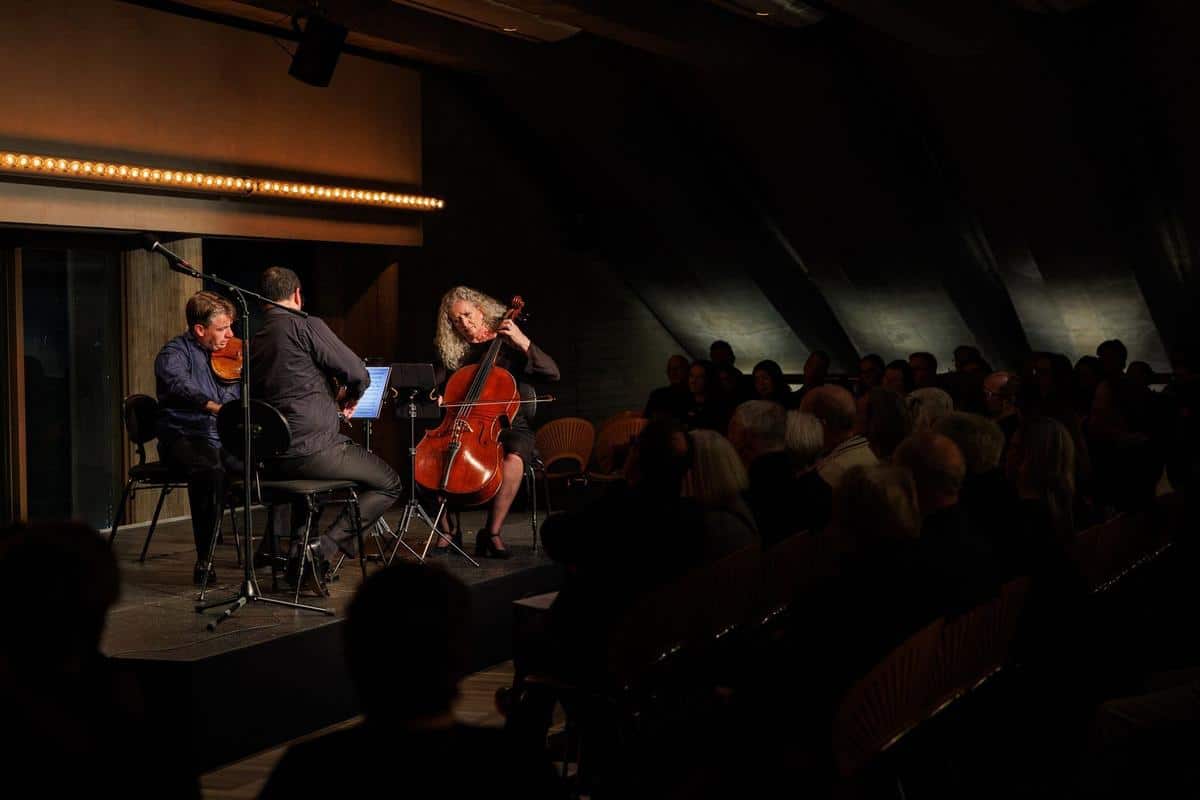
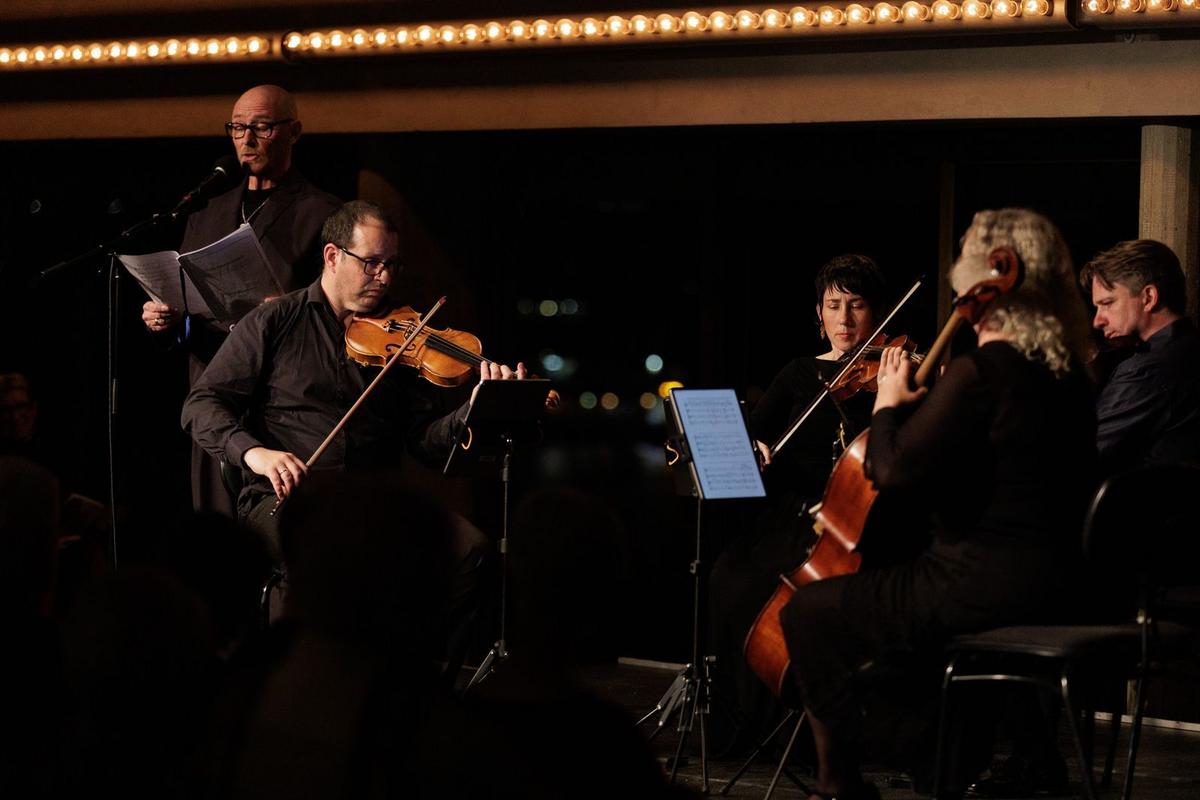
There is a rare, intoxicating vulnerability when world-class chamber music is experienced in an intimate performance space, and tonight at the Sydney Opera House’s Utzon Room, Brisbane-based Ensemble Q delivered a concert that was not merely heard, but deeply felt—an experience that bypassed the intellectual mechanics of music and touched the soul directly. The venue’s tight, warm acoustics placed the audience in striking, captivating proximity to the musicians. Sitting so close that you could hear the soft intake of breath before a phrase, see the delicate bow hair catch the strings, and feel the physical resonance of every note created an immediate, deeply personal connection that elevated the entire performance, making it feel less like a distant spectacle on a cavernous stage and more like a shared, living conversation between artist and listener.

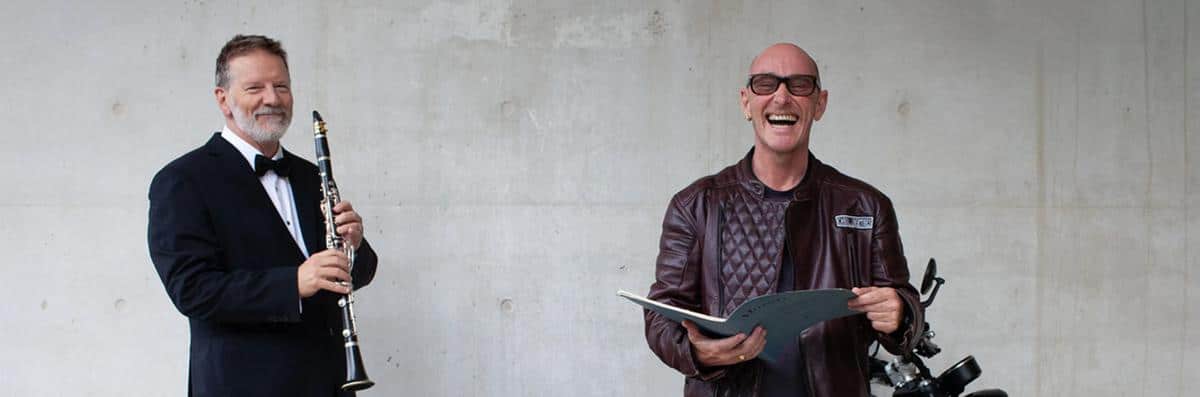
Founded by husband-and-wife duo Paul Dean, a professor at the University of Queensland and one of Australia’s foremost clarinettists, and Trish Dean, an internationally respected cellist, Ensemble Q brings together a powerhouse lineup of extraordinary Australian talent. Joining them on stage were violinist Asma Chalabi, Head of Violin at ANAM performing on an exquisite 1805 Joseph Panormo violin; the brilliant violinist Anne Horton, whose international career boasts major competition victories in Cremona and Osaka; and acclaimed violist Benjamin Roskams, who added immense emotional warmth on a magnificent c. 1720 Joseph filius Andreae Guarneri viola. Completing the ensemble was acclaimed broadcaster, author, and narrator Ed Le Brocq, whose sensitive, grounded storytelling provided a gentle emotional spine for the evening's narrative works.


The program was a masterclass in balance, artfully weaving dark classical intensity with poignant contemporary narrative and whimsical charm. The performance opened with Ludwig van Beethoven’s stormiest early chamber work, the String Trio in C minor, Op. 9 No. 3. Being so physically close to the players emphasized the fierce, conversational dialogue between violin, viola, and cello, showcasing the ensemble's breathtaking synchronisation and flawless technique.

The emotional apex of the evening was Anne Cawrse’s 'Sonam and the Silence', commissioned by Ensemble Q for their 2026 season and written for narrator, clarinet in B♭, and string quartet. Based on a picture book set in bustling, Taliban-ruled Kabul—where music is forbidden—it tells the tender story of a young girl who discovers the enduring power of music. Cawrse’s evocative score paired with Le Brocq’s sensitive storytelling left the room in pin-drop silence, creating an overwhelming sense of shared empathy and hope.

In a similarly enchanting vein, the ensemble performed Calvin Bowman’s 'Curly Pyjama Letters', a work across seven movements for narrator and string quartet set to texts by the late Michael Leunig (1945–2024). Originally commissioned for the Flinders Quartet in 2011, the piece brought Leunig’s beloved, whimsical universe to life. Bowman’s score—stylistically inspired by the sound world of the Academy of Ancient Music, gargling angels, and Schubert—matched the quirky correspondence between lone voyager Vasco Pyjama and his mentor Mr. Curly of Curly Flat with immense warmth, wit, and charm.

The concert concluded with Wolfgang Amadeus Mozart’s timeless Clarinet Quintet in A major, K. 581. Paul Dean’s clarinet tone was liquid gold throughout, and the famous Larghetto movement, performed with transcendent delicacy, felt like a private lullaby played specifically for each person in the room.

What made the night truly unforgettable was this remarkable synthesis of raw virtuosity and ultimate physical closeness. Ensemble Q did not simply play music; they opened a window directly into the human spirit, demonstrating not only breathtaking technical mastery but also a rare ability to tell profound stories through sound. An unmissable event.

To book tickets to Ensemble Q With Ed Le Brocq, please visit https://www.sydneyoperahouse.com/classical-music/ensemble-q-ed-le-brocq.

Photographer: Gavin Rebetzke

Spread the word on your favourite platform!

Subscribe to What's The Show

Reviews, show news and what is on, straight to your inbox.