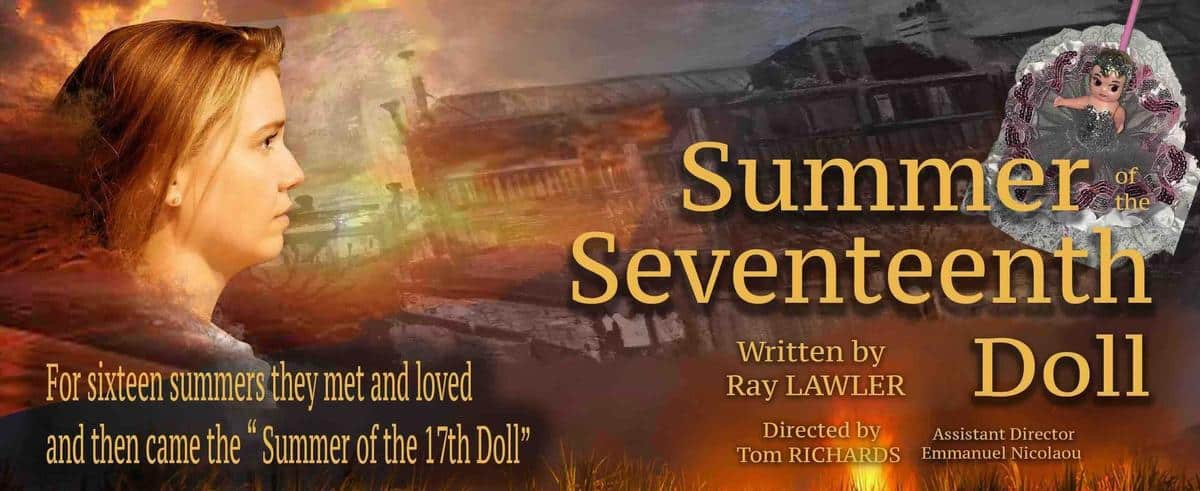
Summer of the Seventeenth Doll

Summer of the Seventeenth Doll

Summer of the Seventeenth Doll Rating

Click if you liked this article

4

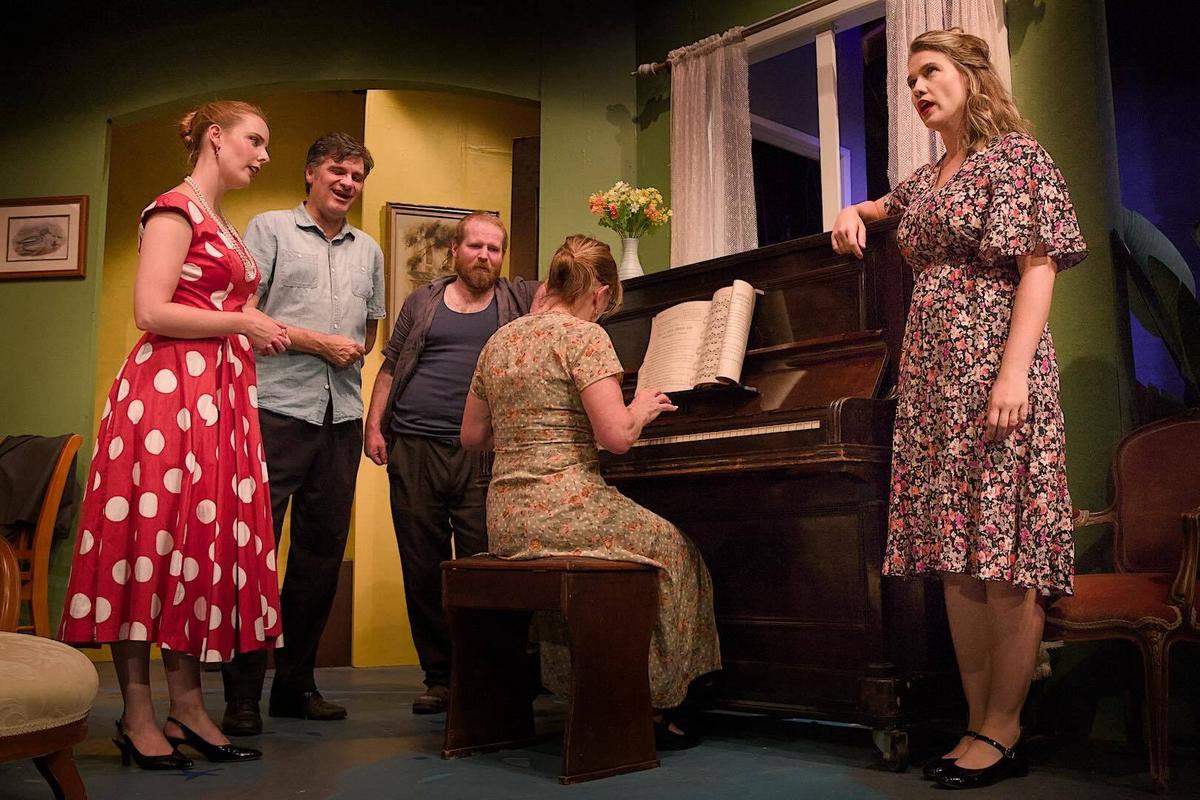
Ray Lawler’s play Summer of the Seventeenth Doll is a cornerstone of Australian theatre. Directed by Tom Richards, the Arts Theatre Cronulla cast put their hearts and backs into this iconic story. The passion displayed onstage and the clear camaraderie of the local audience helped transport the room back to 1953, to a time of labour and love.

As you enter the charming theatre, you first see the gorgeous set. The olive walls and the sixteen beautiful Kewpie dolls scattered around the stage gave the audience a time capsule-like snapshot of the nostalgic and cosy 1950s Melbourne living room. The meticulous attention to detail simultaneously hinted at and highlighted both the charm and decay of the characters’ lives. The set became more than just a backdrop; it was a living, breathing part of the story—the eighth character, if you will.
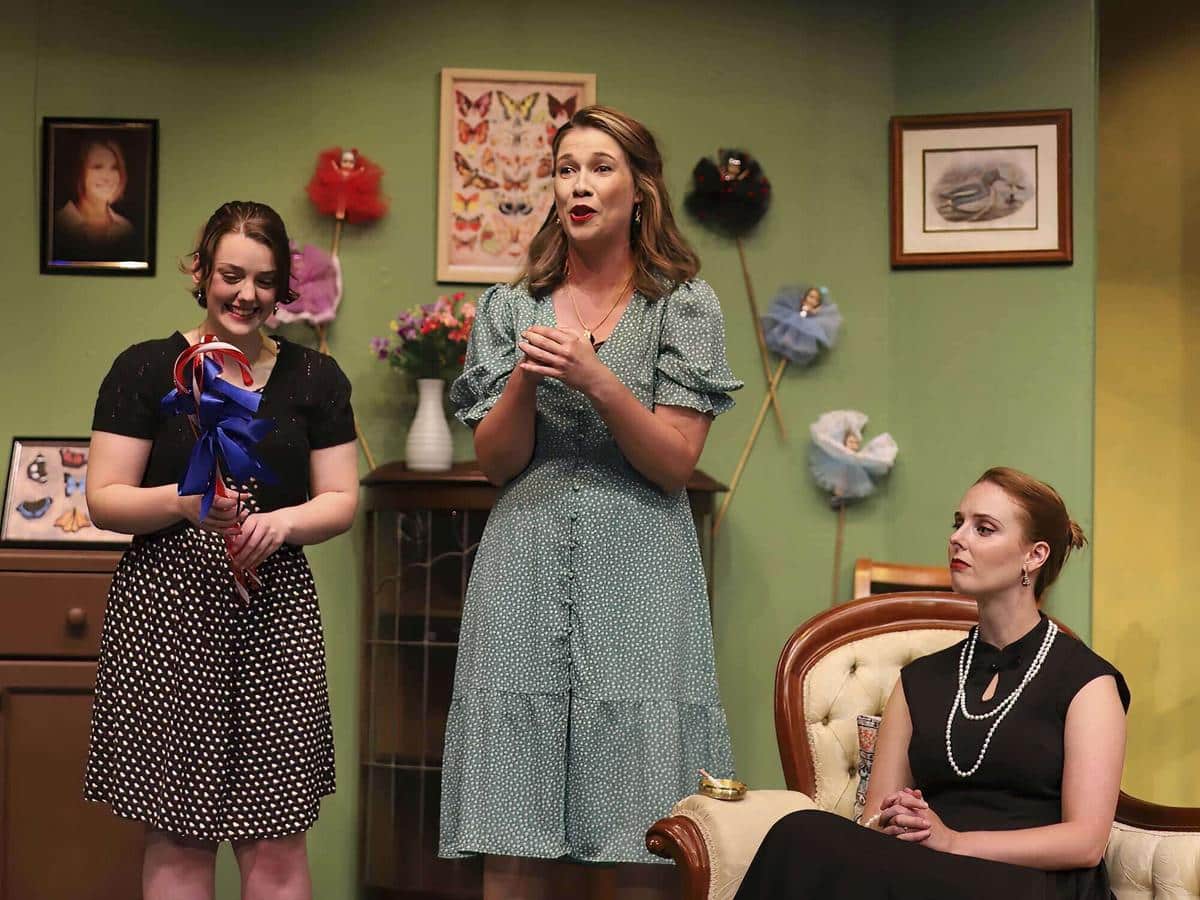
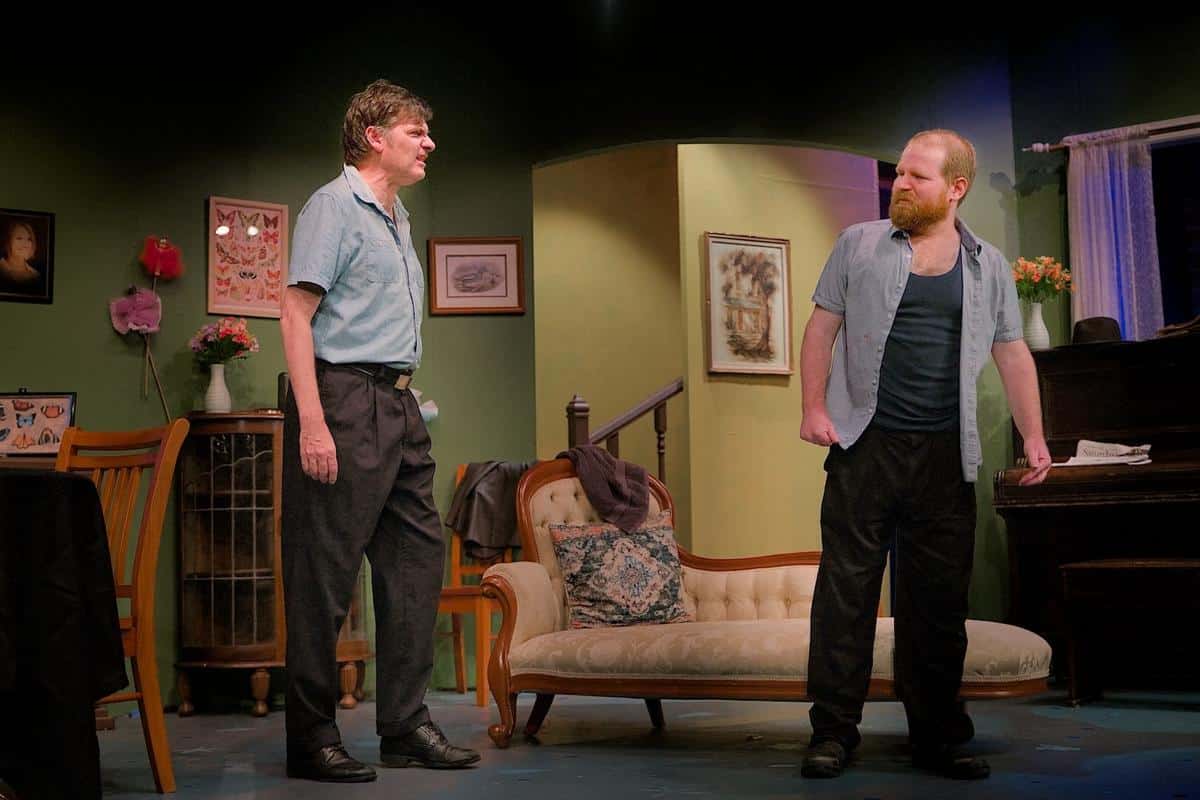
 

Among the performances, Pearl, played by Rachel Lauren Baker, was the stand-out. Despite playing the group’s outsider, Baker’s portrayal of the outwardly strait-laced, respectable widow was captivating and made it difficult to look elsewhere when she took to the stage. Her performance unified the cast, drawing out stronger moments from the others and holding tight to the emotional core of Lawler’s work ensured that the play’s over-arching themes resonated with the audience. Pearl’s realist view of the layoff balances the over-excitement of Ally O’Brien’s Olive. The pair were cataclysmic and jarring: a blunt realist who tends to lean more on the pessimistic side and an idealist stuck in the past. The dynamic felt authentic, and the pair played off each other with admirable ease.

Peter David Allison was everything Barney was meant to be: a sloppy but loveable oaf with a wicked sense of humour. His energy was unmatched, forcing laughter from even the most stoic of audience members. Barney’s commanding presence was softened by his unassuming charm, particularly when it came to Bubba or Emma, played by Eliza Spowart and Narelle Jaeger, respectively.
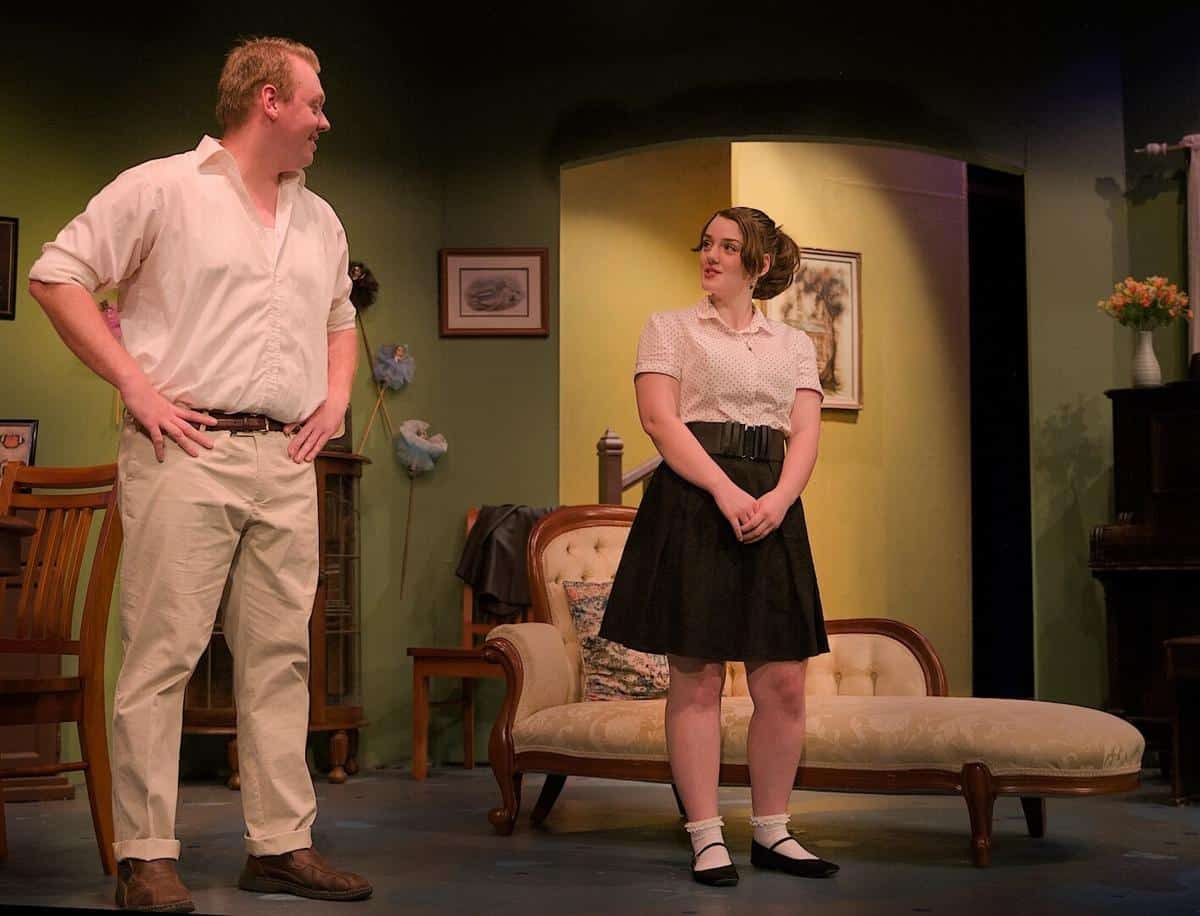
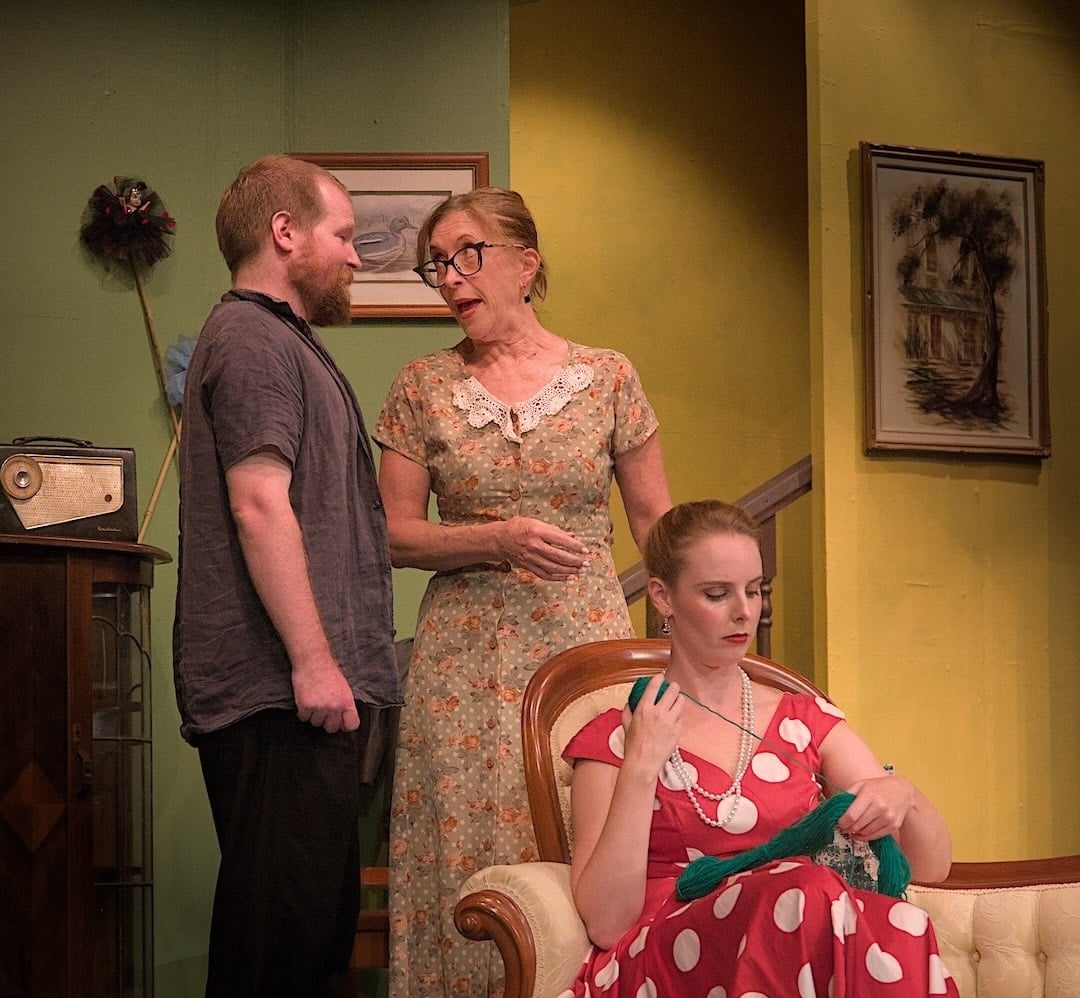
The integrity of the story and the authenticity of the era shone through the costumes and the music that added texture and invaluable personality to the performance. A huge shout-out to Lesley Tinker who oversaw props and wardrobe, they were stunning.

Despite moments where the dialogue felt a little rushed, making it hard to follow on occasion, it was no different to listening to a friend who gets a little over-excited and passionate about a unique interest, which added an endearing quality to the slight confusion.

Overall, this is not a play to miss. Whether you know the story or not, the Arts Theatre in Cronulla is the place to be for the next few weeks. Head to their website to book your tickets before it’s too late! The show closes on the 22nd of March. Performances are Wednesdays, Fridays and Saturdays at 8pm, and Sundays 9 and 16 March at 2pm.

To book tickets to Summer of the Seventeenth Doll, please visit https://www.artstheatrecronulla.com.au/summeroftheseventeenthdoll

Photographer: Peter Gale – Graham West

Spread the word on your favourite platform!

The Children’s Hour

The Children's Hour

The Children’s Hour Rating

Click if you liked this article

2

What damage can one lie do?

Can it ruin lives? Destroy relationships? Tear apart businesses? Or even cause death?

In The Children’s Hour, one girl’s lie causes all of the above.

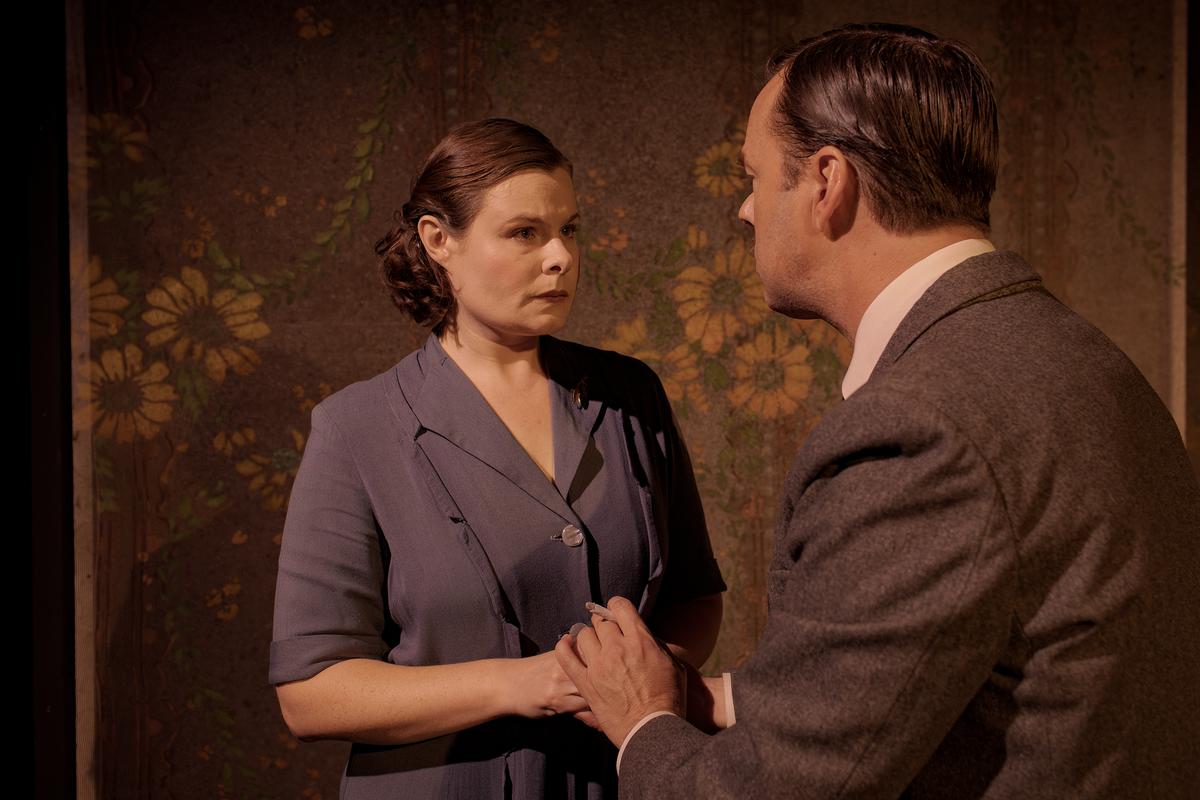
The play, based on an actual 1810 court case in Scotland, presents a gut-wrenching and emotional story of a cruel and manipulative student who fabricates a tale of a lesbian affair between her two school mistresses. The fallout is catastrophic—lives are destroyed, trust is shattered, and a community is torn apart.

First performed in 1934, The Children’s Hour remains strikingly relevant today. Its exploration of human nature touches on themes we still face: the cruelty of a lie, the vulnerability of truth, and the devastating consequences of a malicious word.

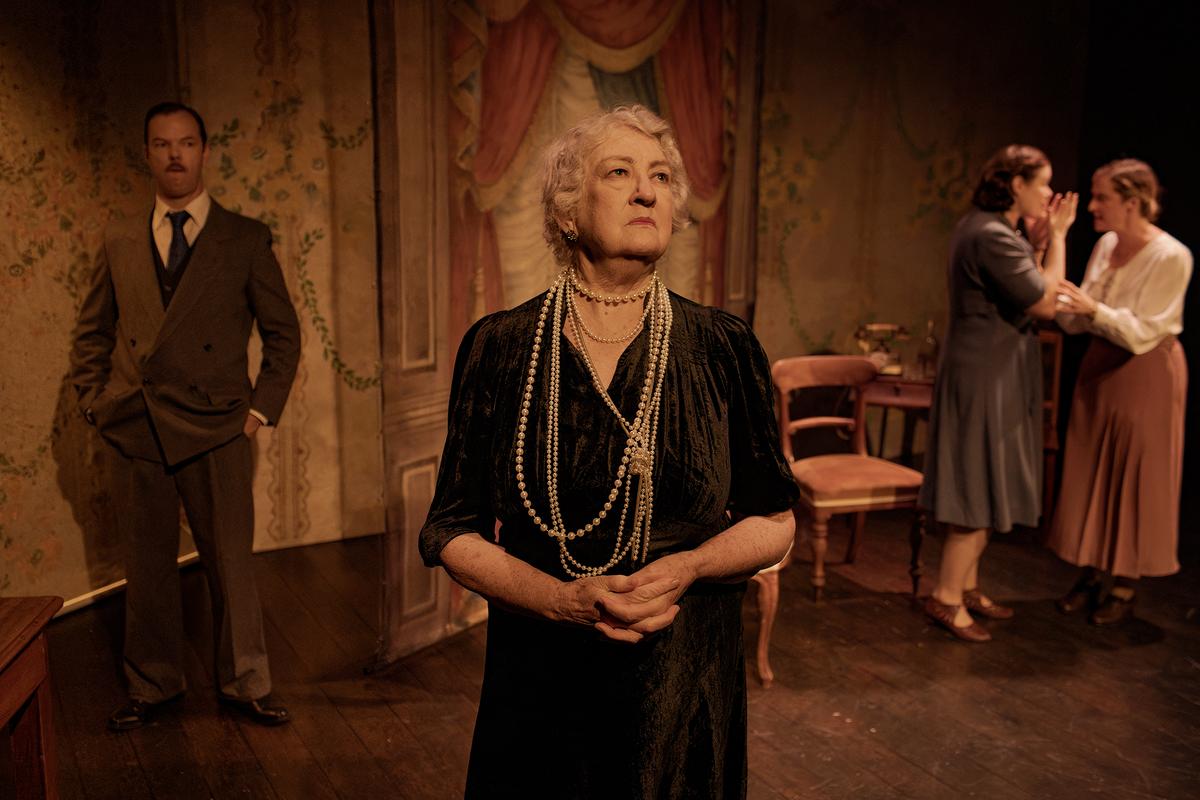
The characters are people we have encountered at some point in our lives—from a young girl desperate for attention at any cost to a grandmother trying to spoil her grandchild and women trying to create a future for themselves, only to be cut down before they get there.


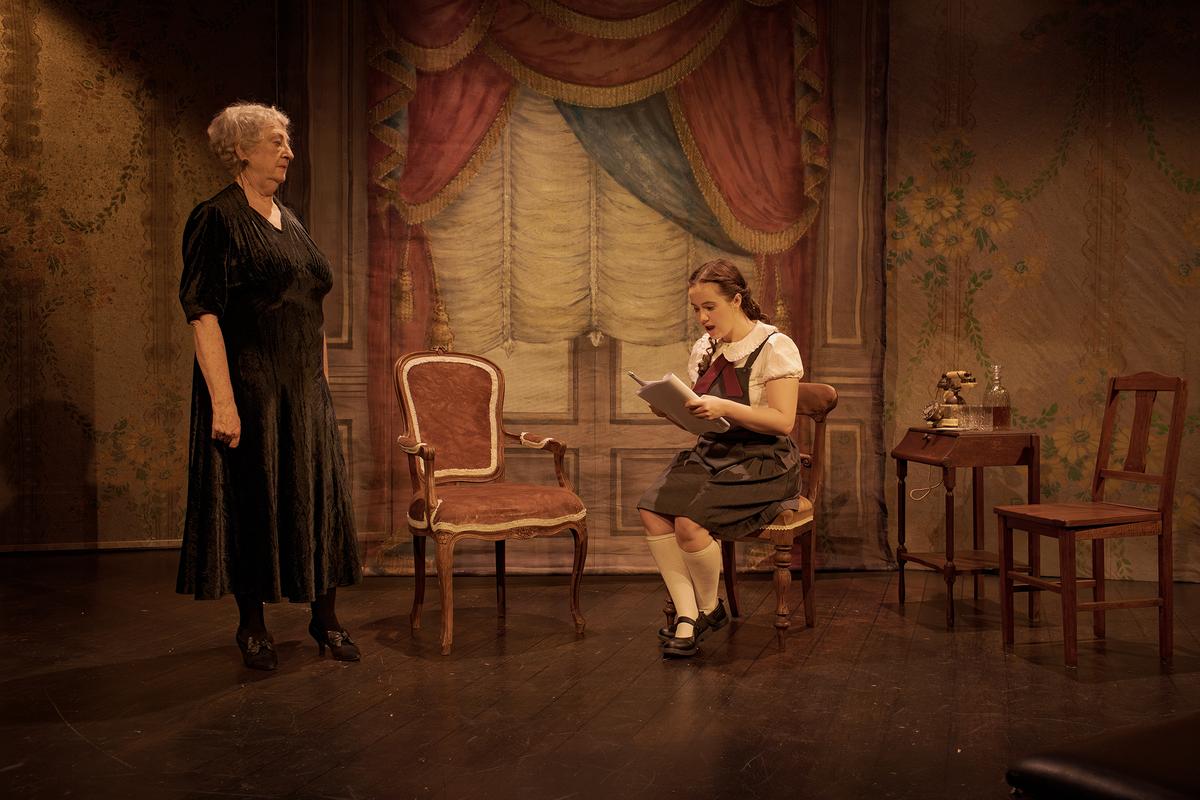
The strength of the play lies not just in the harrowing story but in its perfectly cast ensemble. The entire cast is extremely strong, with raw emotion and realistic portrayals bringing each character to life. Special mention would have to go to the three generations of women: the conniving Mary, played by Kim Clifton; the wronged school mistress, Martha, played by Jessica Bell; and the matriarch grandmother who unwittingly sets the lie free into the world, played by Annie Byron.

By the time the final curtain falls, the severity of the play’s message lingers in the air as you exit the safety of the theatre walls. The Children’s Hour forces the audience to confront the consequences of dishonesty and the fragility of truth. The question remains: would you ever lie again, knowing the damage it could cause?

The Children’s Hours runs until the 1st of March, this powerful production is a must-see. Don’t miss it.

To book tickets to The Children’s Hour, please visit https://www.oldfitztheatre.com.au/the-childrens-hour

Photographer: Phil Erbacher

Spread the word on your favourite platform!

Two Churchill Plays: Presented by Melville Theatre Company

Escaped Alone and What If If Only

Escaped Alone and What If If Only Rating

Click if you liked this article

1

Melville Theatre has brought two thought-provoking performances to the stage in their latest double-bill offering, Escaped Alone and What If/If Only.

Both written by British playwright Caryl Churchill; each brings to the table deep themes of the human experience – that being catastrophe and grief.

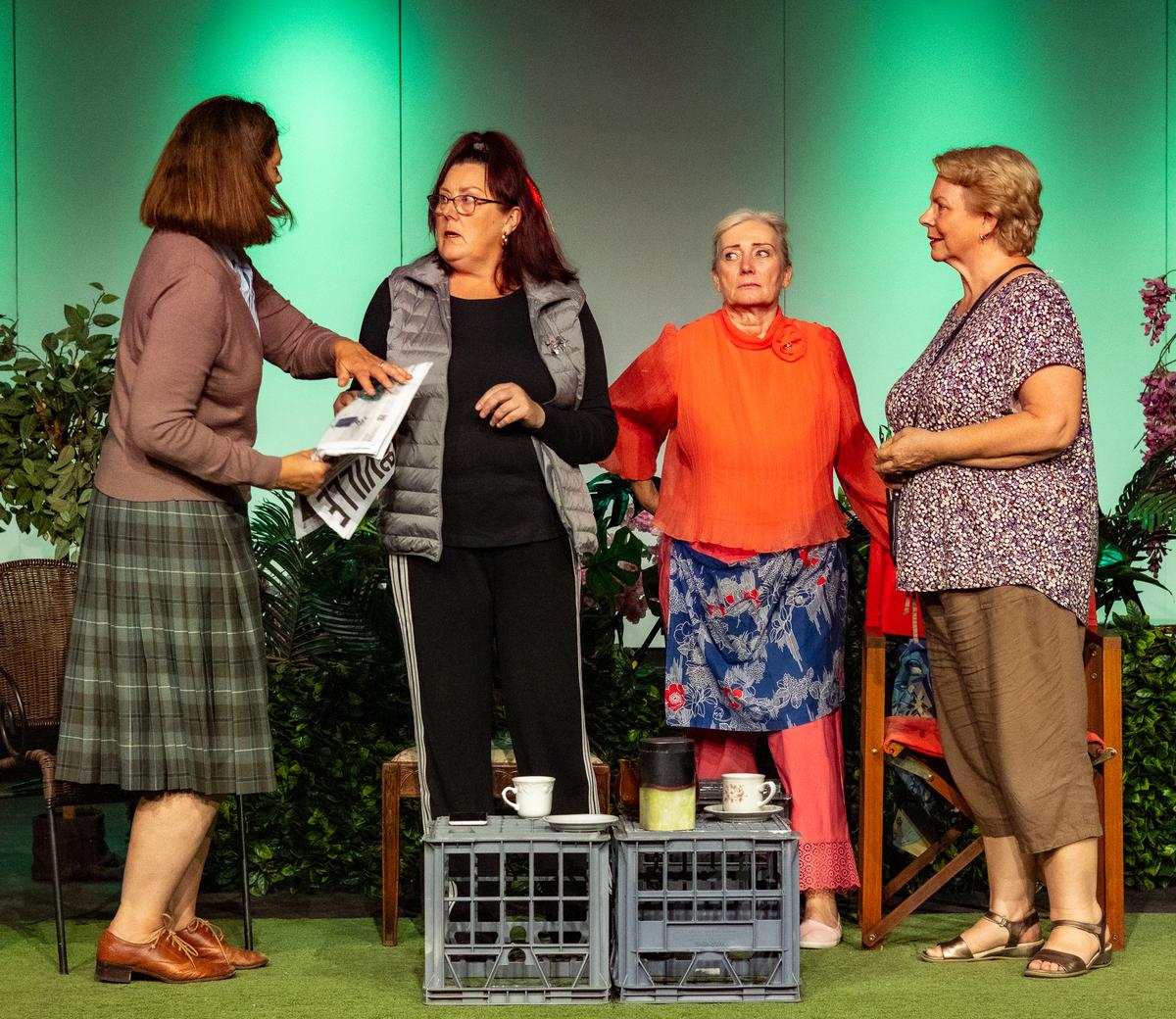
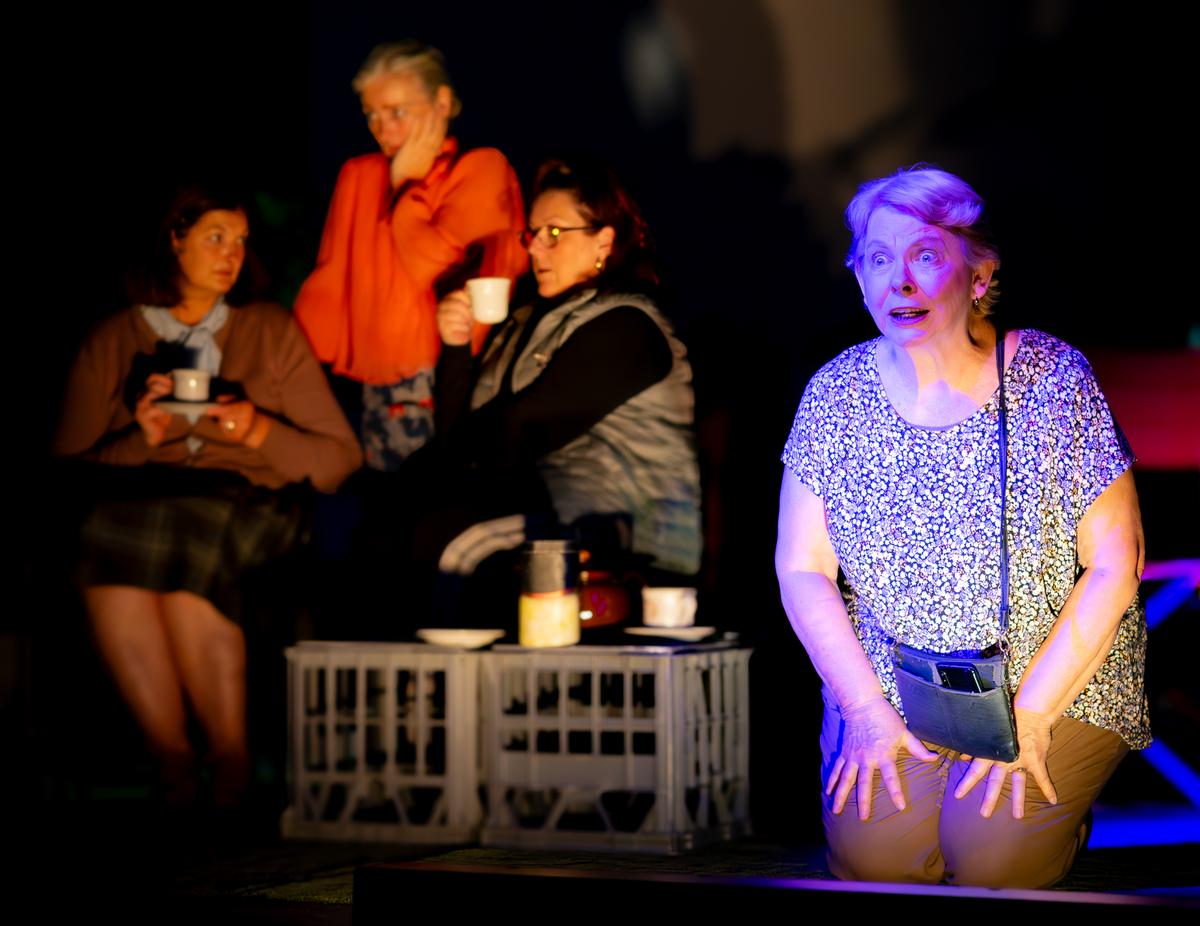
Starting the night with Escaped Alone – director Lucy Eyre has brought together a strong group of four women whose chemistry excels on stage. Set over an afternoon tea, each woman reveals and grapples with their own personal form of catastrophe, leaning on each other to navigate their struggles.

Susan Lynch leads the group as Mrs Jarrett – dealing with PTSD as a survivor of a natural disaster. Her emotive asides are a driving force of the piece, and it’s evident she is pulling from raw emotion to bring the scripts to life.

Having later discovered that these scripts feature no punctuation, Lynch is to be commended for letting the actors really make it their own.

In her Melville Theatre debut, Caroline McDonnell is another standout as Vi, providing a raw authenticity to the role as she navigates family troubles.

Natalie Burbage and Suzannah Churchman nicely round out the group as Lena and Sally, respectively, bringing some light-hearted comedy to the show’s more serious tone.

With strong performances and a solid foundation, my only real qualm with this production was more a matter of the writing than this particular performance itself. Mrs Jarrett’s alluded trauma felt rather ambiguous and left both myself and my friend feeling a little lost at times, though we were still able to enjoy the show regardless.


What If/If Only was much more my speed. It offered a poignant 20-minute look into human grief and the spectrum of emotions that come with it.

The immediate clinical feel of the box-like set by Lars Jensen – mimicking the small acrylic box at the front of the stage – creates a strong impression, soon filled with the tableau of the characters within to make it feel as if we are watching some kind of study in a lab.

The stark black-and-white costuming provided by the cast further contributed to this idea.

Lucy Eyre is an anchor as the central nameless character who has experienced the loss of a loved one to suicide. She does well to simultaneously appear vacant in her grief-stricken state while also amplifying the range of emotions, questions and ‘what ifs’ people ask themselves when grappling with suicide in real-time.

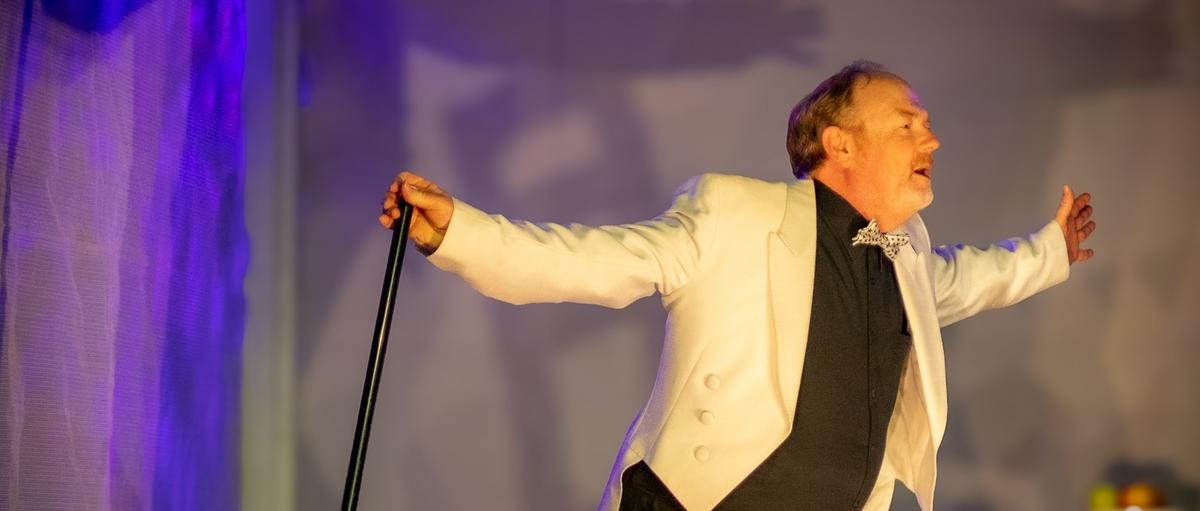
Personifying said ‘what ifs’ is Jarrod Buttery as the flamboyant future, Clare Talbot as the spunky and matter-of-fact present, and Tanisha Mavunduse as the hopeful yet starkly realistic child future.

Props must go to both Lucy Eyre and Natalie Burbage for pulling together and executing two insightful performances that leave audiences questioning their own battles with emotion and looking internally to reflect on their own experiences.

To book tickets to Escaped Alone and What If If Only, please visit https://melvilletheatrecompany.au/current-production.

Spread the word on your favourite platform!

Ruby Moon

Ruby Moon

Ruby Moon Rating

Click if you liked this article

3

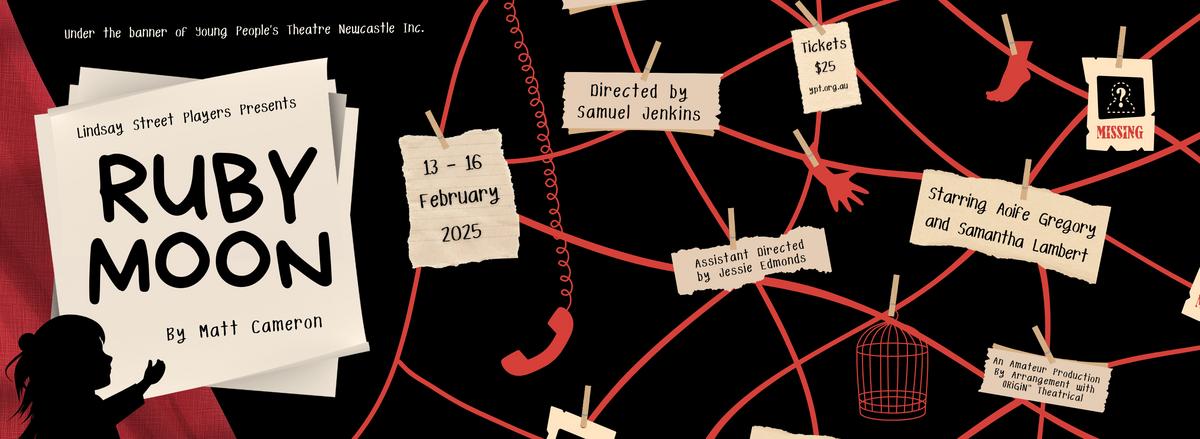
Ruby Moon is a contemporary Australian play that explores the grim mythology of the missing child in Australian folklore. The play explores the shift towards fear and uneasiness in suburbia, where community and connection were once championed. Ruby Moon is a six-year-old who has gone missing, and her parents are trying to simultaneously navigate their heartache and how they can exist in a world without her while still looking for clues as to where she went. It’s a desperate combination of grief and hope.

I was a little worried about how dark the themes in Ruby Moon would be when I invited my mum to come with me, on Valentine’s Day. Often, plays with a serious theme tend to hit viewers over the head with their message. This play, however, was surprising in all the right ways and, thankfully, did not do this. Ruby Moon is, instead, an intelligent invitation to ponder over the issues of child abduction, grief, community, security, and domestic violence without leaving feeling bludgeoned.


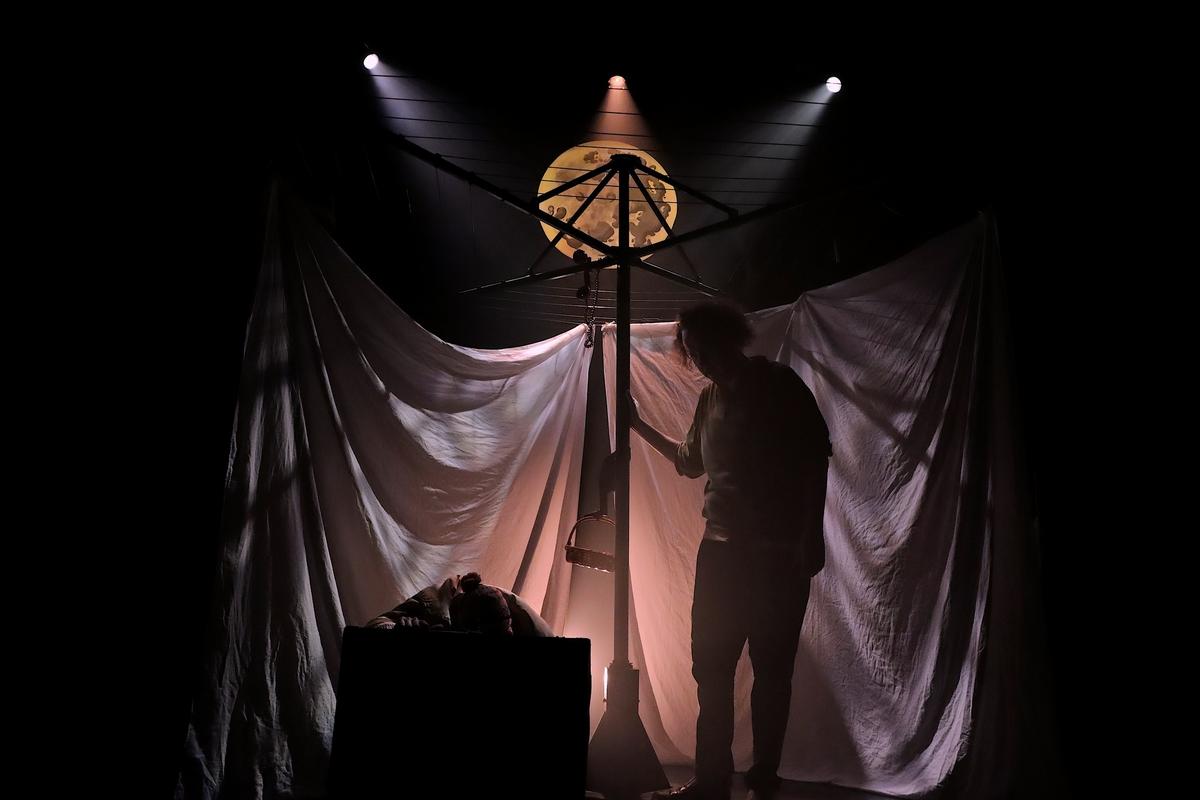
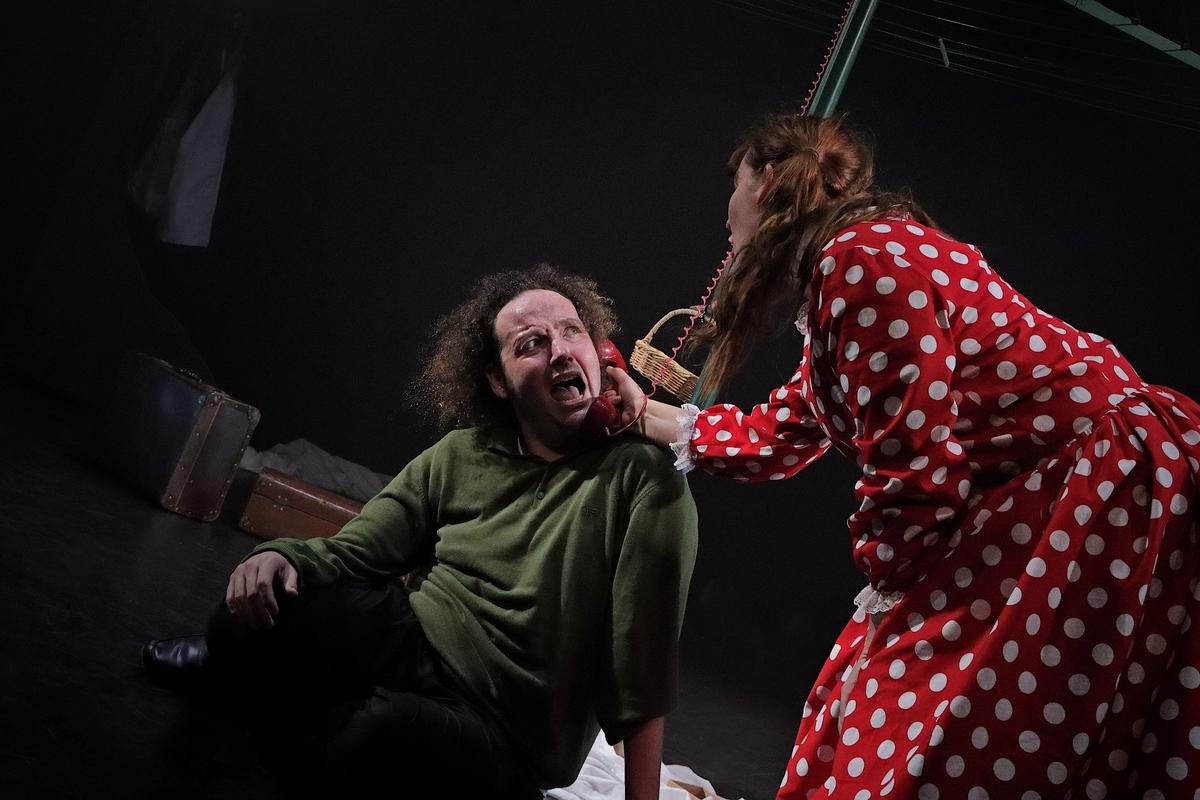
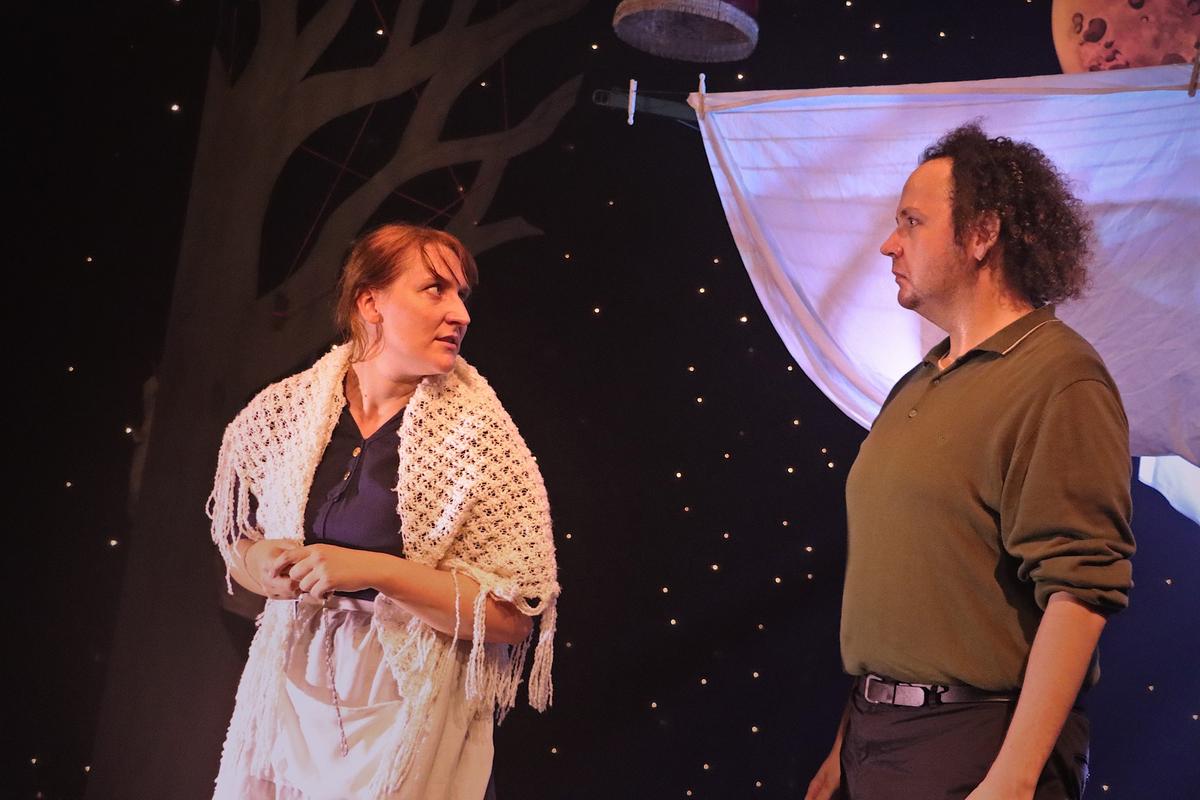
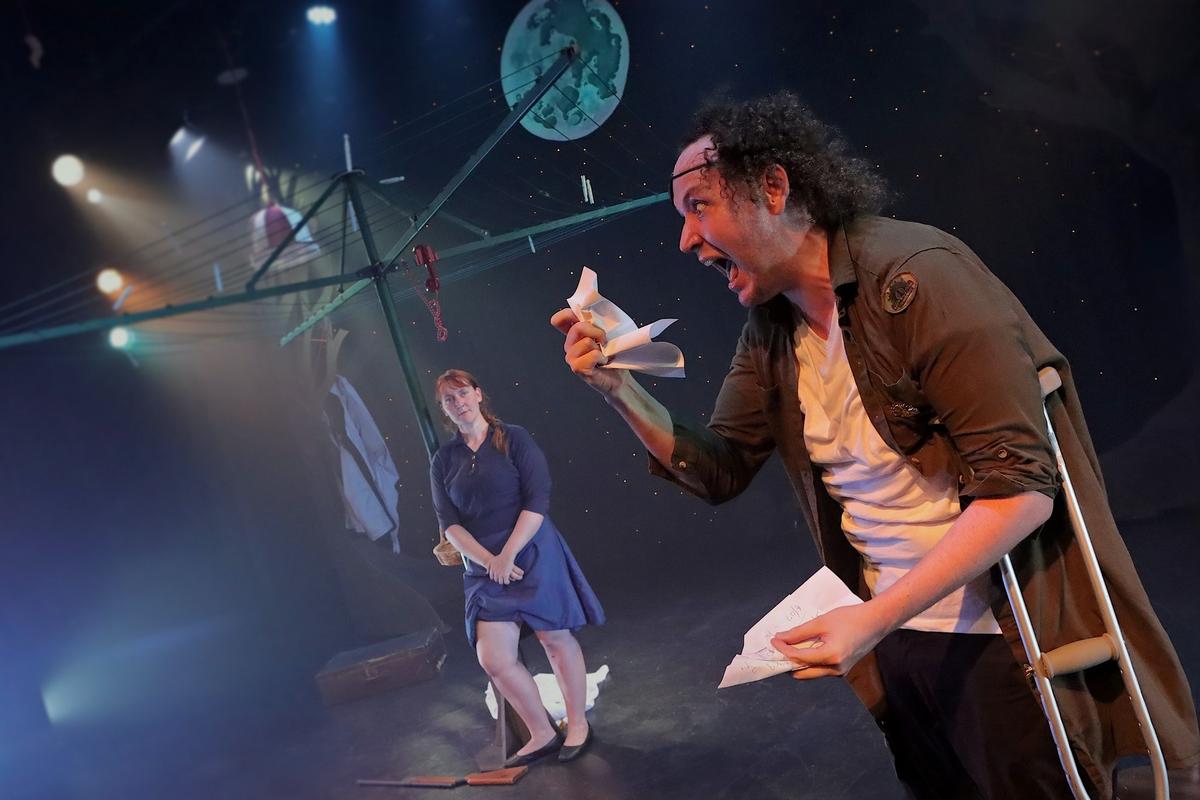
Upon walking into the Newcastle Young People’s Theatre, I was struck by the beauty of the set design and how it truly conveyed that we were in Australian suburbia. Little did I know how cleverly it would be utilised as well. The director, Samuel Jenkins, was also responsible for set and costume design and he truly out did himself. The clever use of props and a clothesline made for a wonderful ability to transport the audience into a new space with a spin of the hills hoist.

Greg Shearer and Mary Shearer built the set. Alex Lane coordinated the costumes and received help from Cynthia Boyd and Wendy Leis to construct them. The lighting was excellent, with wonderful use of back lighting on the stage and shadows. The sound was well used to create eerie scenes where you weren’t quite sure what was real.

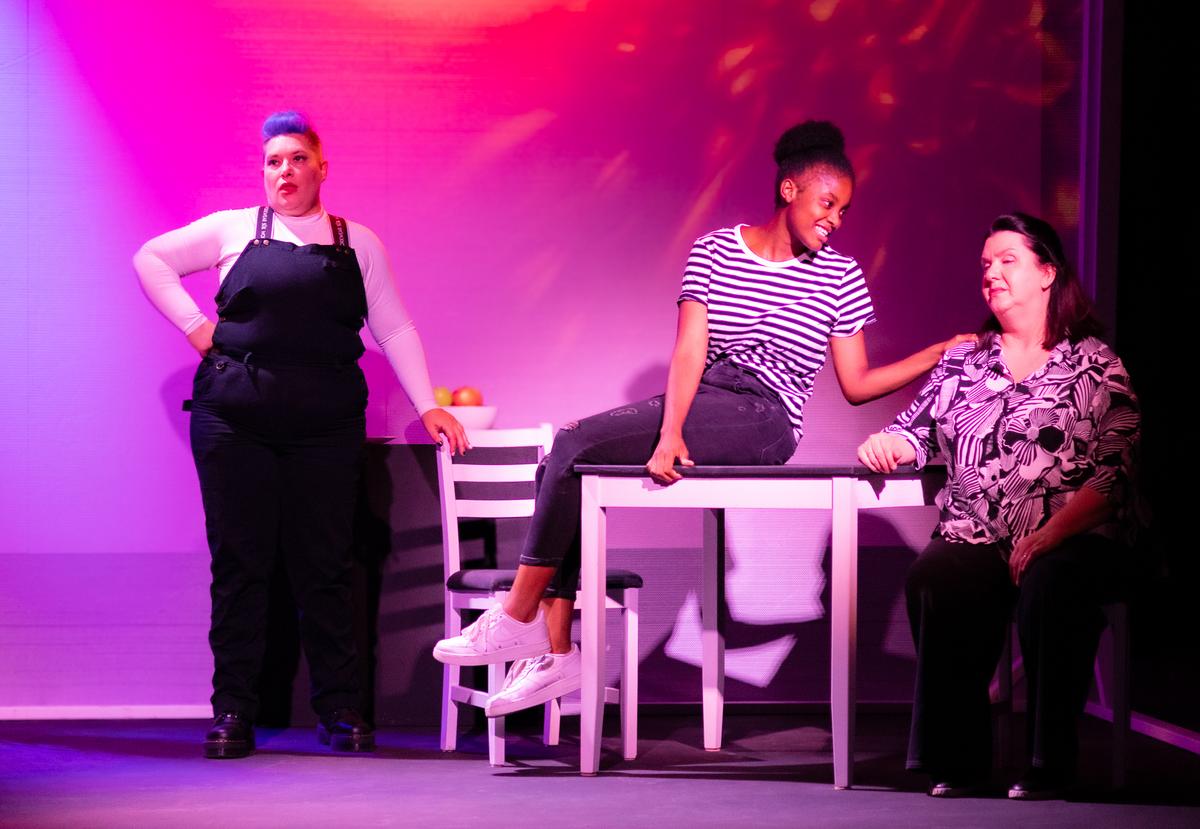
Both cast members, Aoife Gregory and Samantha Lambert, were outstanding. From when the audience was entering and the house lights still up, they were in character and building the story. For me, one of the marks of a great actor is the ability to create genuine emotion in response to the character they are portraying, and I truly had a visceral reaction of dislike to Ray. Aoife was so expressive and, at times, absurd. She absolutely threw herself into each of the four characters she played with brilliant use of her body.

At times you could hardly believe it was the same person! Samantha Lambert truly shone in the role of Sylvie and was equally convincing in the other characters she played as well. I completely forgot that it was just Samantha playing all these wildly different and colourful characters. It was as if I was transported into Sylvie’s mind and all the scenarios the loss of a child conjures up.


I was at the edge of my seat, searching alongside the main characters for the next clue in the mystery. I appreciated that the play had both intense moments and moments of light-heartedness and absurdity. Overall, it was very enjoyable to watch these true artists at work, and I highly recommend seeing Ruby Moon for a thought-provoking theatre experience. It’s definitely a great jumping-off point for conversations about the sometimes subtle nature of domestic violence, safety in the community, and grief.

For more information about Ruby Moon and Young People’s Theatre Newcastle, please visit https://ypt.org.au/.

Spread the word on your favourite platform!