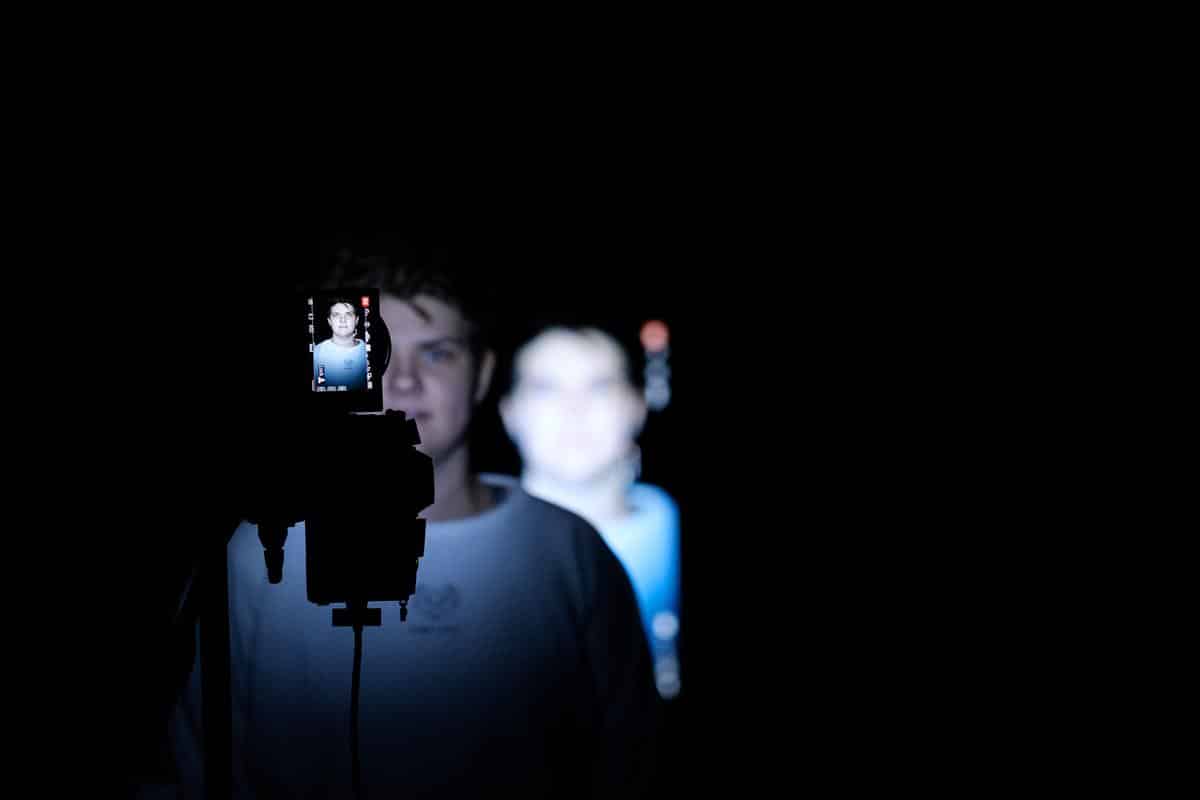
The world is coming to an end. Life feels inconceivably unfair and beyond your control. So how would you choose to cope?
Would you adopt ‘a survival of the fittest’ mentality? Would you suffer in silence? Or would you fall into despair in a constant state of lack?
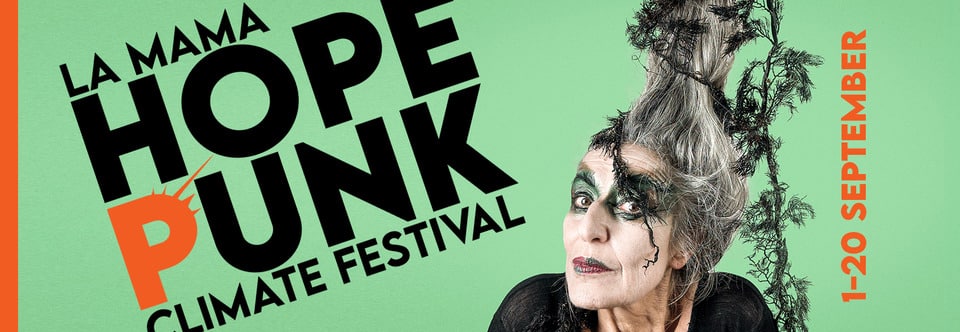
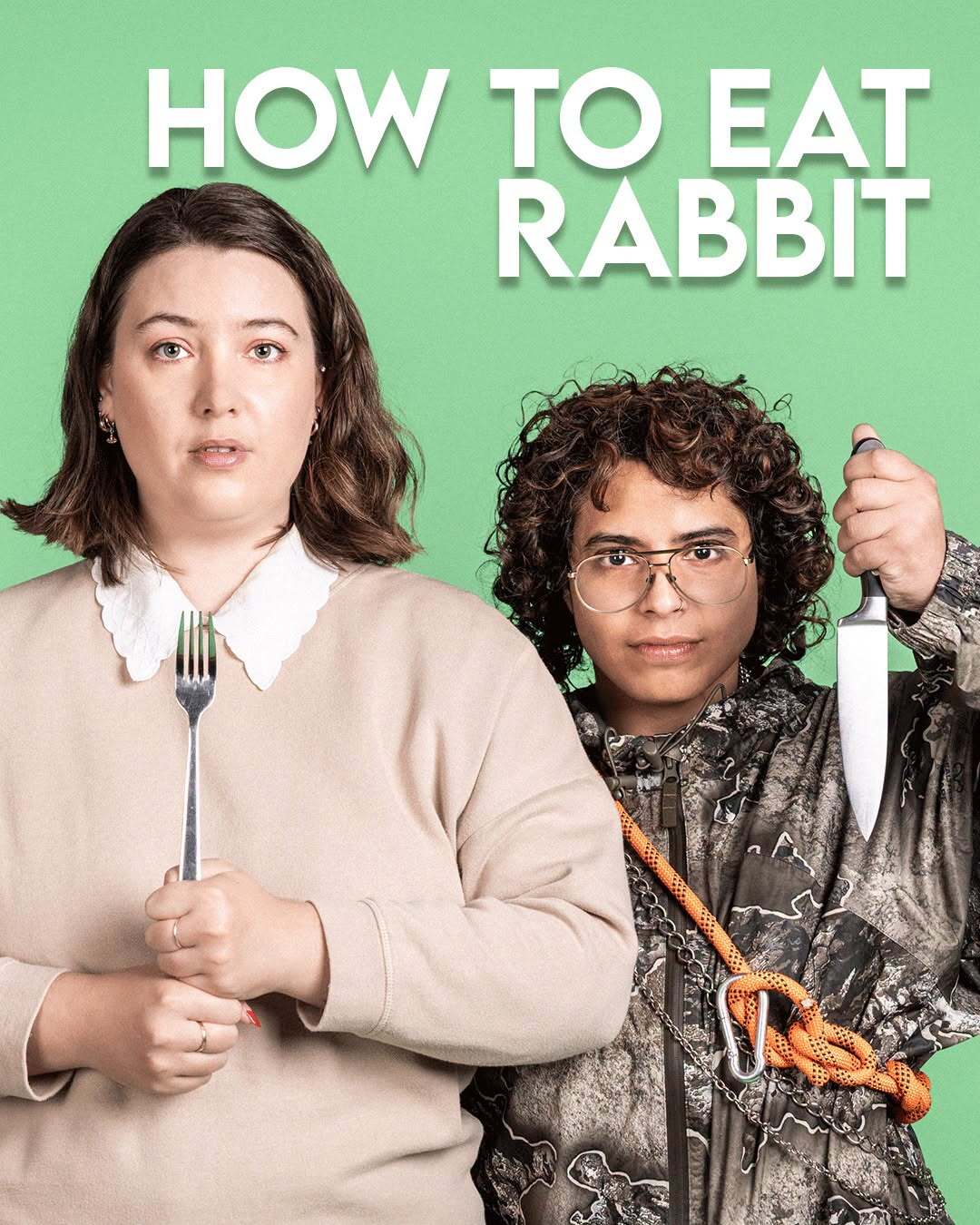
In a bid to connect Australian audiences with human compassion and understanding, playwright Jamila Main excites us with her new production, ‘How To Eat Rabbit’, as part of La Mama’s Hope Punk Climate Festival.
In this independent dark comedy, we come upon a dystopian world suffering from climate change, where two friends, Alex and Cam, decide to bunk together in a burrow. There, they try to persist beneath a world that is literally caving in on them, inch by inch, and metre by metre.
Promising to keep one another safe and sane, they tackle their situation head-on – creating innovative ways to keep to a sound routine. The counting and recounting of tins of beans, stacking them in curious little piles all over the stage: like magical sandcastles. Handpainting pleasurable scenes on the walls of the cave. Daily training activities on repeat to keep boredom at bay. Frequent food and supply runs to keep their health intact.
As time rolls on, the atmosphere intensifies, for we are only human after all. A power struggle between the pair. Alex, wonderfully played by Nory Gretz, the more dominant of the pair, takes comfort in controlling the nest, while Cam, seamlessly portrayed by Jamila Main herself, is struggling to physically keep up, desperately hiding a secret about her health – internally collapsing to keep Alex comfortable.
In truth, this show is extremely spontaneous, confronting and radically shocking; depicting desperate, irrational behaviour at the hands of quiet desperation. Keeping us riveted from the get-go – even spotlighting the script onto the back wall of the stage – to not only guide the audience, but to digest and immerse us into the lived experience of these two characters.
But what is most impressive about this show? Is its revolutionary purpose beyond climate change. For Jamila Main is truly on a crusade – to make theatre a platform for greater understanding. For Main, theatre is more than a stage: it is the foundation of community. Where one can share personal struggles via inventive storytelling.
That we can still persevere despite the challenges one faces in life. That we can turn pain into power: with a courageous war cry, every single day.
Forget Me, Please
Presented by Sophie Davis
At Old Fitz Theatre
From the moment the lights dimmed at The Old Fitz, audiences were captivated by the screeching sound of an anxiety inducing track followed by immediate ear piercing silence, setting the tone for a tense and thought provoking evening about relationships, trauma, and the heartbreaking notion that most people have experienced at least once in their life – I wish I could forget you.
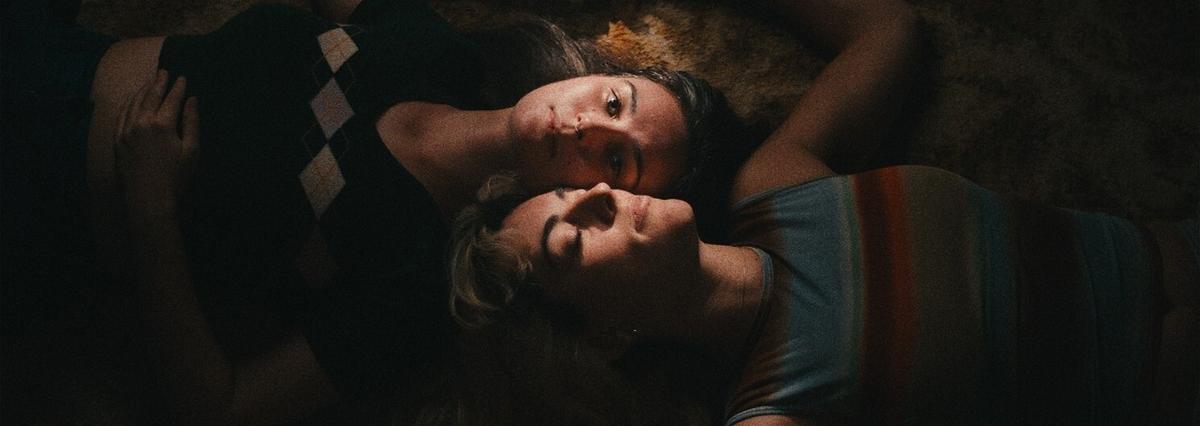
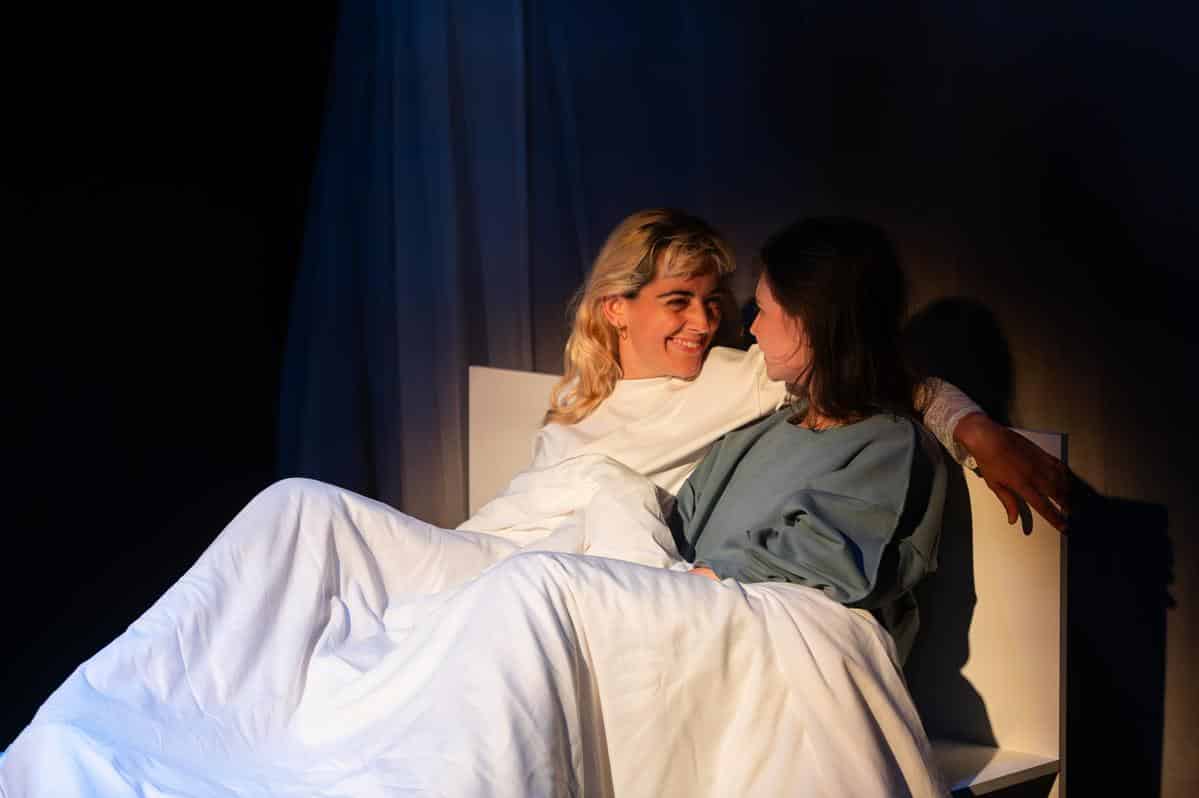
Written by Sophie Davis and Directed by Jessica Dicosta, the production tells the story of two people, Andi and Sasha, who meet by coincidence in triage after both suffering concussions. As the story progresses, they pair develop into friends, and eventually to lovers, whose experiences are shaped by Andi’s unravelling post-concussion symptoms. Beneath the surface, it explores themes of co-dependency, trauma bonding, and the effects of mental health on relationships. These ideas come to life most clearly through Andi’s recollection of experiences in its non linear form, inviting audiences to share the complexity of her brain.
At the centre of the story, Kala Gare and Shannen Alyce Quan produce raw, emotional and witty performances as they recount the experiences of Andi and Sasha. Through times of hardship, love, play, and vulnerability, these two actresses’ insanely strong chemistry carry the story of Andi and Sasha in a way that is truly breathtaking to the soul, and devastating to the heart, whilst still bringing moments of joy and laughter to the audience.
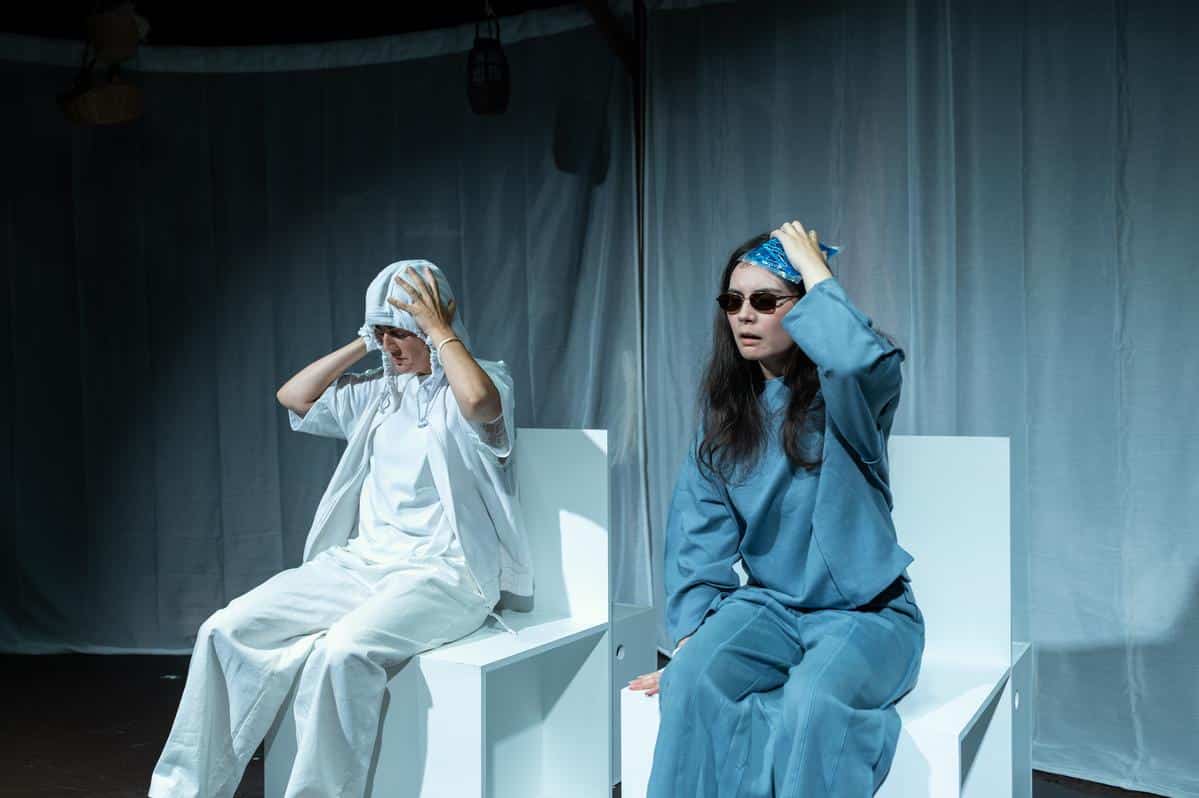
The set contains a pair of white boxes that the cast move and shape to set different locations, creating seamless set changes that are equally impressive by design and simplistic by execution. Similarly the wardrobe, lighting, and props also remain in all white for the majority of the show and is a reinstating factor of Andi’s supposed insanity. The use of colour in the conclusion of the piece is a subtle yet powerful reminder that sometimes it’s the things we love that drive us mad, and it may be healthier to forget than to hold on.
Music and sound wrap around the production beautifully, adding a level of intensity to the moments of psychosis that otherwise may have been missed. Whilst minimal in its use, the music involved in the scenes and scene changes are an essential world building tool that should not be overlooked.
Throughout the performance, the audience responds with sharp inhales, giggles, silence, and visible emotion. The moment of a seemingly innocent spider kill sparked a particularly interesting reaction from the audience, as they along with Sasha felt the betrayal performed by Andi, foreshadowing her later (or earlier) action, showing just how successfully the cast connects with the room.
Altogether, Forget Me, Please is a moving and thought provoking piece of independent theatre. Its greatest strength is its simplicity in conveying its story through relatable and real world experiences. By the time the final bows arrive, the production leaves its audience with emotional stimulation as they leave pondering what they would do if they had the option to forget the person that broke their heart the most.
Forget Me, Please is a gut wrenching yet charming reminder of the human experience regarding mental health from both the perspective of the person experiencing it and their loved ones. For audiences who enjoy an intimate and relatable story, this is a production well worth stepping into.
Forget Me, Please is running at the Old Fitz Theatre from Friday the 4th of September to Friday the 11th of September. For more information and to book tickets, head to https://sydneyfringe.com/events/forget-me-please/
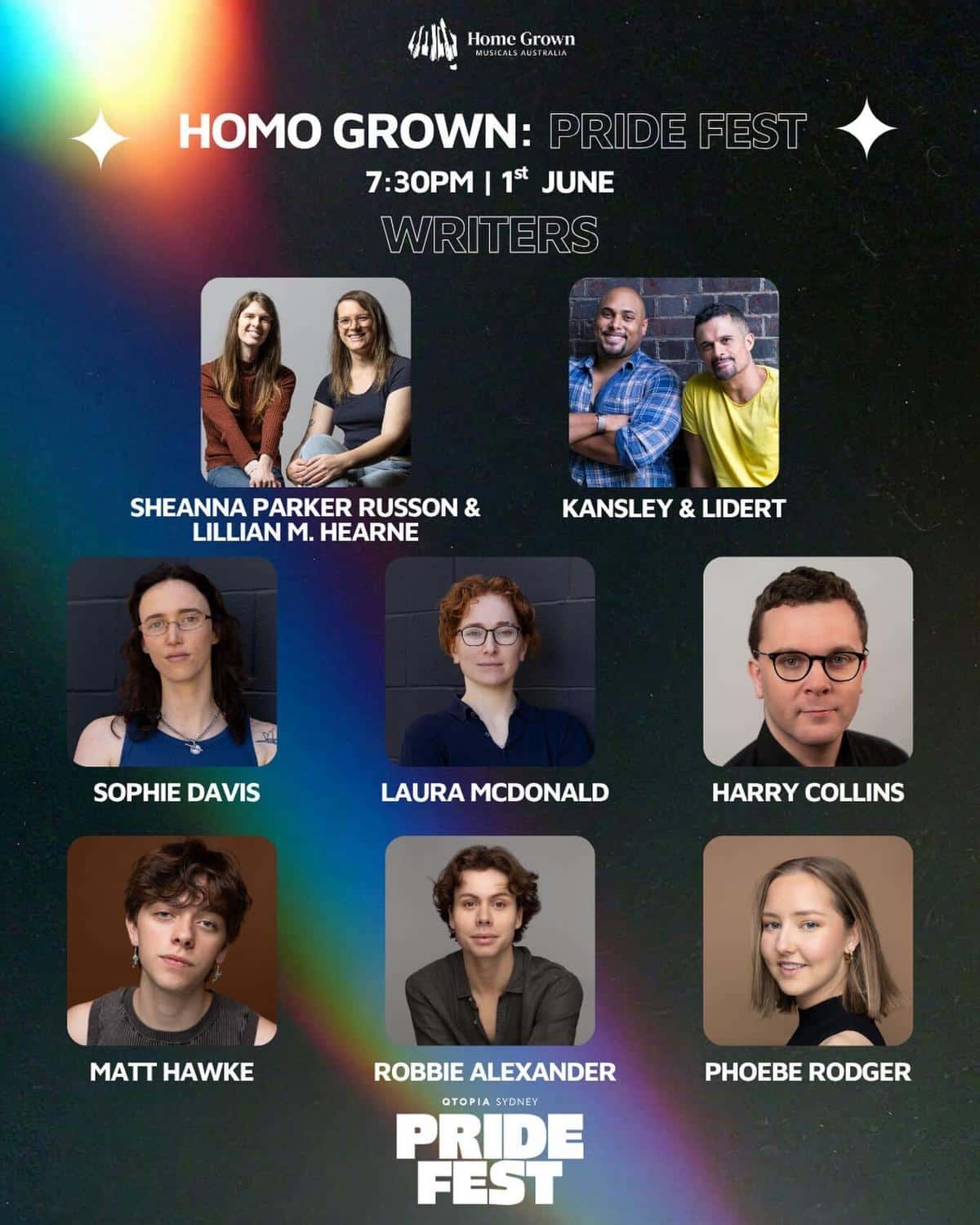
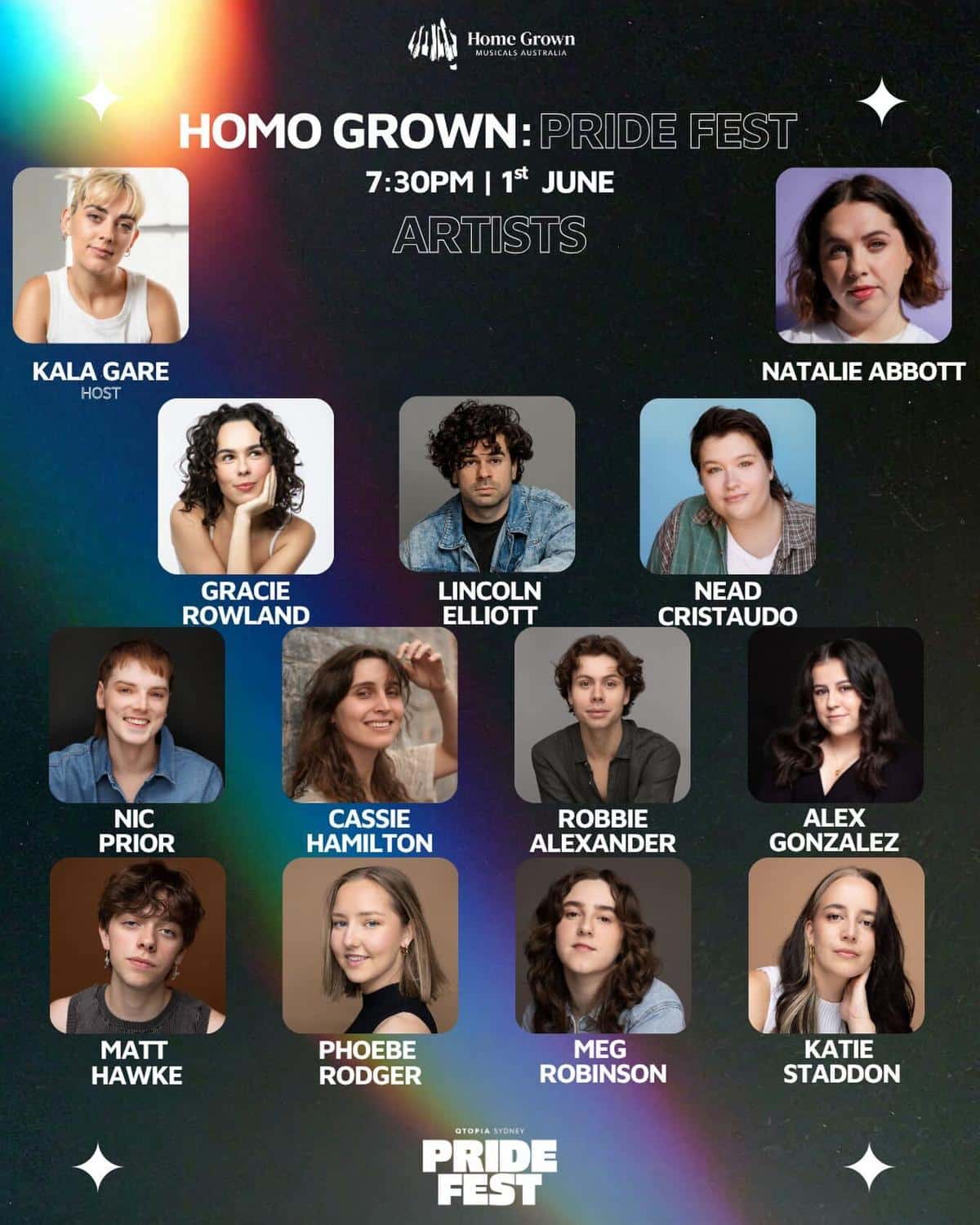
Imagine crossing the rainbow street and walking into Qtopia on the first day of Pride month, only to be greeted by the one and only Kala Gare’s and Kala’s incredibly beautiful, smiling face! Well, I don’t have to imagine, because that’s how this year’s Homo Grown kicked off for me.
Home Grown Australia, are pioneers championing new theatre and musical theatre works in Australia. What started as a backyard pub meeting, now has the backing of MTIA and the Australian Government. Founded by Nick Hedger and Ben Nicholson, Home Grown have nurtured beloved Australian new works such as My Brilliant Career, FANGIRLS and A Trans Woman On The Internet, Crying.
Homo Grown is a Pride-full celebration of queer Aussie new works to be produced, to come and in progress. The queer celebration in the room was electric, not least of all because the multi-talented Kala Gare was guiding the ship.
Kala kicked us off with an original “Hello” that speaks to “Letting freedom flow”, which was a great set up for the night. Kala’s skillful piano along with an incredible voice and sharp, relatable lyrics had us strapped in for “a wild ride, to say the least.”
Next up was Phoebe Rodger with the title song from upcoming “Phoebs, You’re A Lesbian” on June 10th – 12th at QTopia. Described as “a letter to my younger self”, this song was earnest, clever, cute, hilarious and relatable. Much like Phoebe. The second song was from a “yet to come” musical, it took us on a humorous journey of Phoebe’s ideal career discovery through a career’s test.
Cassie Hamilton and Nic Prior then took to the stage for a snippet from Afterglow by Sheanna Parker Russon & Lillian M. Hearne which will be showing at the Belvoir and is described as a “Barbershop rom-com”. Lillian introduced the piece and began to play, while Nic tore us into their deep, tender and sombre beginning. Cassie joined in and the duet echoed the lyrics “With you I fit”. Nic’s tender fragility of emotion is in stark contrast to the power of their voice, while Cassie’s sombre moments are only magnified by the reality of her powerhouse vocals. Cassie took to a solo called “Normal Michael” in which we got more of that voice, and what I can only describe as four seasons in one face, as we join the emotional journey of the character Cassie is embodying.
Matt Hawke then took us into their song from upcoming “Beautiful Lies” on June 11th-14th at the Substation Qtopia. Described as one of the lies unpacked in therapy, we deep dive into Matt’s 20 year old identity exploration wrapped in self-deprecating humour. None of us saw the sharp turn from this jaunty piano-pleaser into an acoustic guitar heartwrenching homage to Matt’s deceased dog. It left the majority of the room in tears, and awe at its beauty.
Robbie Alexander and Alex Gonzales had to wipe away tears and reset for their performance from “Twenty-Something”. Alex played the character, Charlie’s Mum, deadpanning that “I’m wearing a cardigan so you know I’m a mum.” and meeting a lot of laughter. Alex performed “Long Story Short” with power, emotion and a lot of talent. Robbie performed “Delightfully Gay”, showing us the tug of war between Angel and devil on the shoulder and reinforcing the lyrics “There’s no such thing as ‘a little bit much’!”
Lincoln Elliot joined forces with Kala, Natalie Abbott, Gracie Rowland, Nead Cristaudo, Alex Gonzales, and friends for a snippet from the “yet to be announced” emo-rock heist. The performance of “Creativity Is An Island showcased exceptional musicianship and a palpable musical love and collaboration between the group.
Kurt Kansley and Oli Lidert were missing in action, enjoying their time in Moulin Rouge, but Katie Staddon did them proud and then some with “More Than Words On A Page”. Katie’s vocal range is beyond comprehension, the melodies sublime. The swift shift from deep soul to angelic was out of this world.
Meg Rob took us on a solemn and sincere ride with “Step Into Infinity”, showcasing an ability to embody the characteristics of an introvert grappling with personal trauma, while knocking our socks of with some big belts. Those who saw Meg in Jagged Little Pill will be familiar with this ability to take an audience on a wonderful and surprising ride. Catch Meg’s show “Make It Queer” 25th-26th June at Loading Dock, Qtopia.
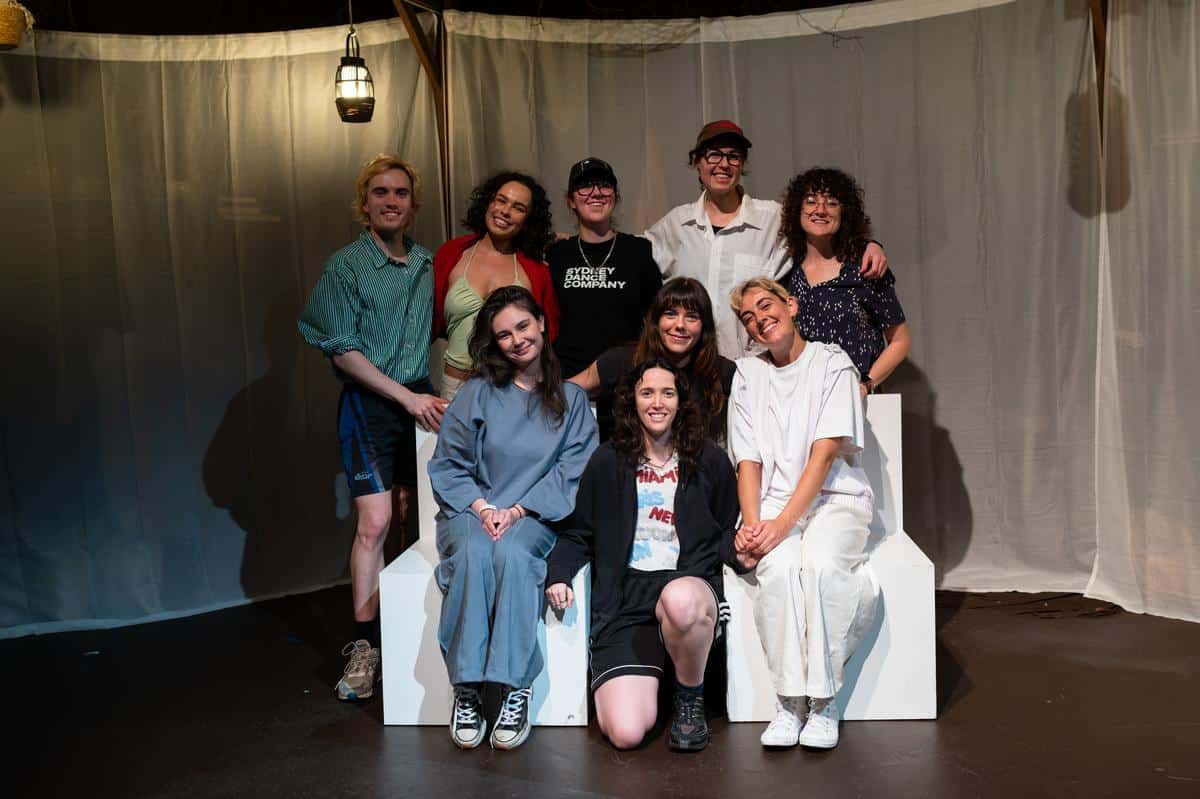
We finished with the cast and creatives from Nails 25th-27th June at The Eternity Playhouse. Created by Sophie Davis and Laura McDonald, and composer Harry Collins. This netball based comedic musical has a lot of balls (see what I did there?). Nead Cristaudo had us captivated as the coach, mixing brilliant comedic timing with powerful vocals.
Then the large ensemble cast and creatives from Nails finished us off on a high with Natalie’s gorgeous voice and some epic harmonies being the highlights of this final piece. It was an incredible finish to a night of unprecedented talents and not-to-be-missed new works! Make sure you catch these and as many Pridefest shows as you can this month. More than ever, we need to join together and support each other. Happy Pride!
Have you Googled your own name recently? Have you ever Googled your own name to find yourself the main subject of hundreds of deepfakes? Hundreds upon hundreds of adult movies you definitely didn’t make, or consent to.
This is what happened to Lily.
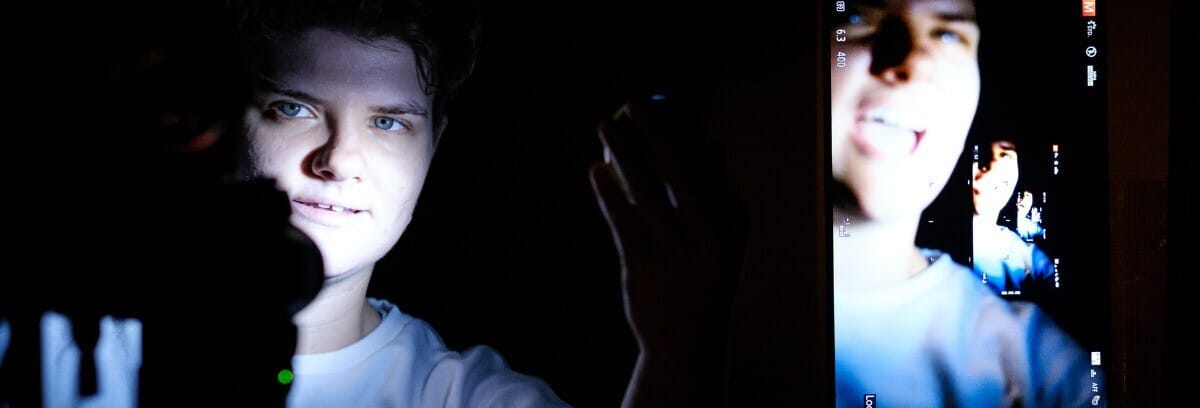
We follow along as Lily takes us on a journey starting on the day her friend called to tell her Google yourself. Now. Lily guides us through her story, elegantly weaving together moments from her past until they culminate at the turning point of her monologue. It’s at this moment in the show that you may find yourself simultaneously offended and intrigued by the efficiency of AI.
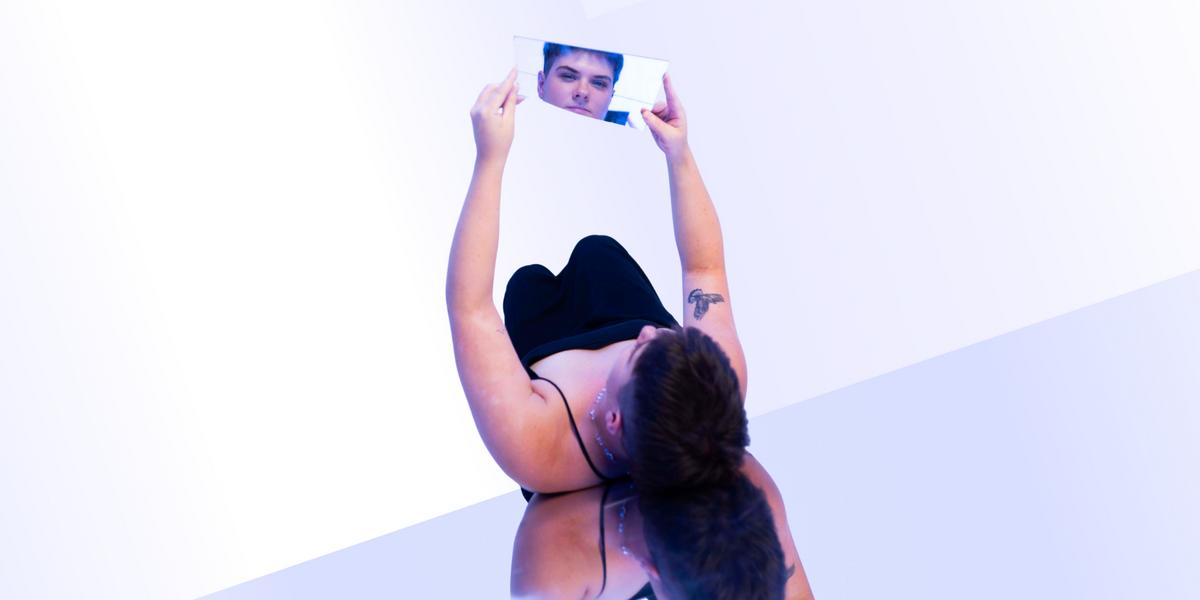
With a monologue that feels akin to having a coffee with your best friend and swapping embarrassing stories of your younger self, The Infinity Mirror is a thought-provoking performance where you won’t be able to look away. Lily is engaging and funny as she regales her audience with her misadventures in handling (or not handling) not only the explosion of AI, but the internet as a tool for unsavoury actions.
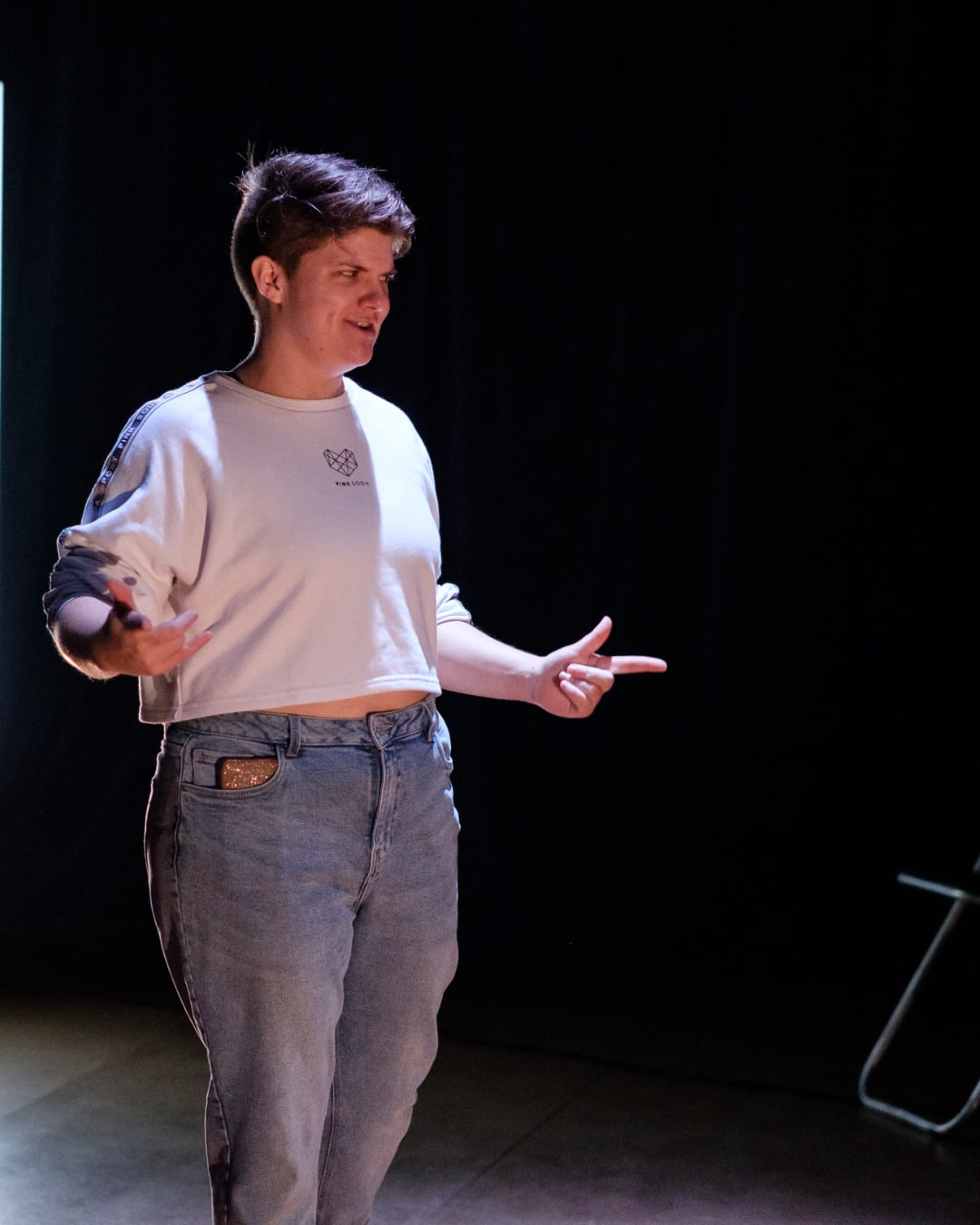
Lily uses the space of the Gallery to her full advantage, masterfully guiding her audience by placing herself at either end to represent where she is in the story. If you find yourself a little confused by the players in Lily’s story don’t worry, she will bring the story back around and connect the dots as the story nears its finale. Lily is an excellent storyteller, not only ensuring that her audience is paying attention but reacting positively when anyone from the crowd reacts to the story – particularly to the admission of the embarrassing YouTube channel which hasn’t been updated in over a decade.
For any Fringe goers concerned about sound levels, there is some music and sound effects, but they are in short bursts and used with care to enhance the performance. Lily also uses a microphone on occasion, but with her controlled voice skills, the sound is not overwhelming. The use of technology within a story about AI is appropriately used and serves as a visual aid to add depth to the story.
No matter your stance on AI The Infinity Mirror tells a cautionary tale about using AI, in a format that doesn’t feel as though you’re being shoved towards one opinion or another. Be prepared to laugh, groan, reminisce on your multiple awkward teenage phases, and walk away feeling both impressed and a little scared of AI.