Metropolis Monologues: Showcase One

Metropolis Monologues Showcase One

Metropolis Monologues Showcase One Rating

Click if you liked this article

1

(Note: Metropolis Monologues is presented in two groups, and each night the monologues are followed by the play Who I’m Doing This For by Peter Farrar. This is a review of the first group of monologues – Who I’m Doing This For and the second group will be reviewed separately.)

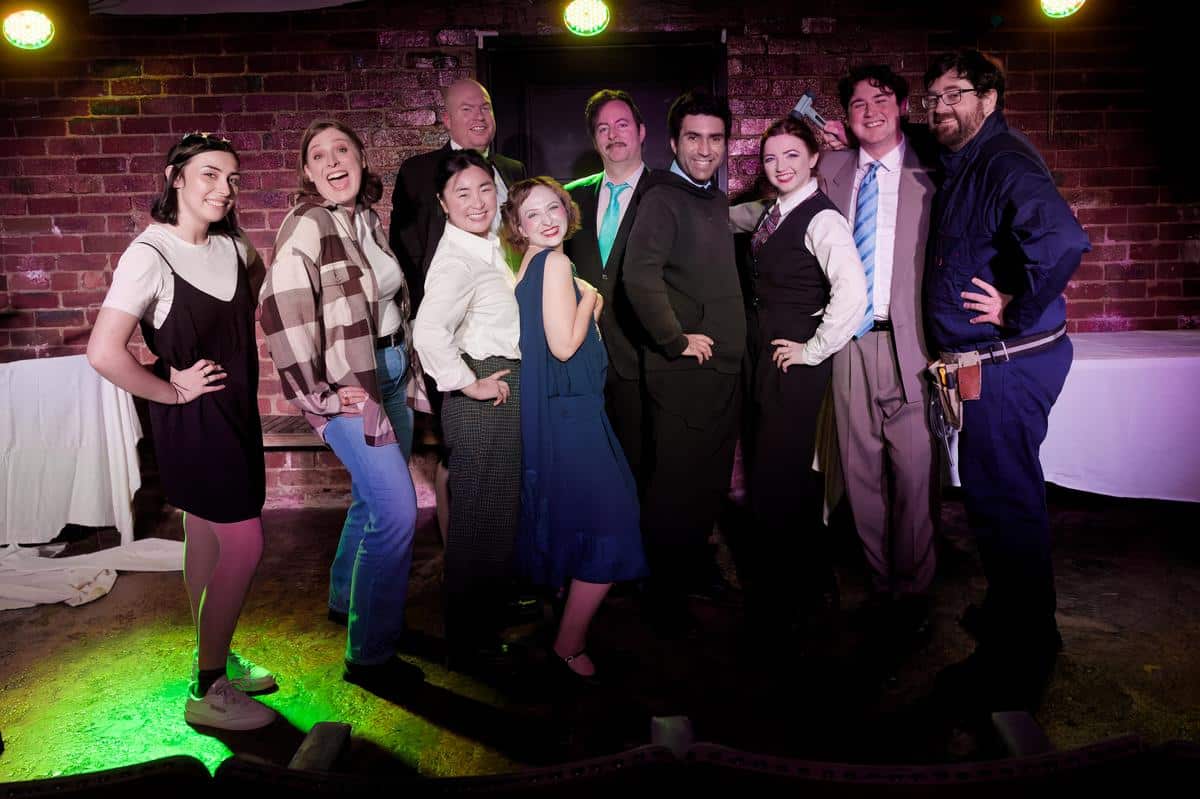
Metropolis Monologues is an exciting prospect for anybody interested in fresh, diverse works by fresh, diverse writers. Ten monologue performances are split over two instalments, each lasting ten minutes, each with a totally different self-contained story. This spotlighting of new work is to be expected from Melbourne Writers’ Theatre (MWT), who produce numerous annual initiatives to get new work staged and seen. One would expect a mixed bag with so many scripts involved, and some of the writing and performances did work better for me than others. Overall, though, the work was of very high quality and a great springboard for a talented group of theatre makers.

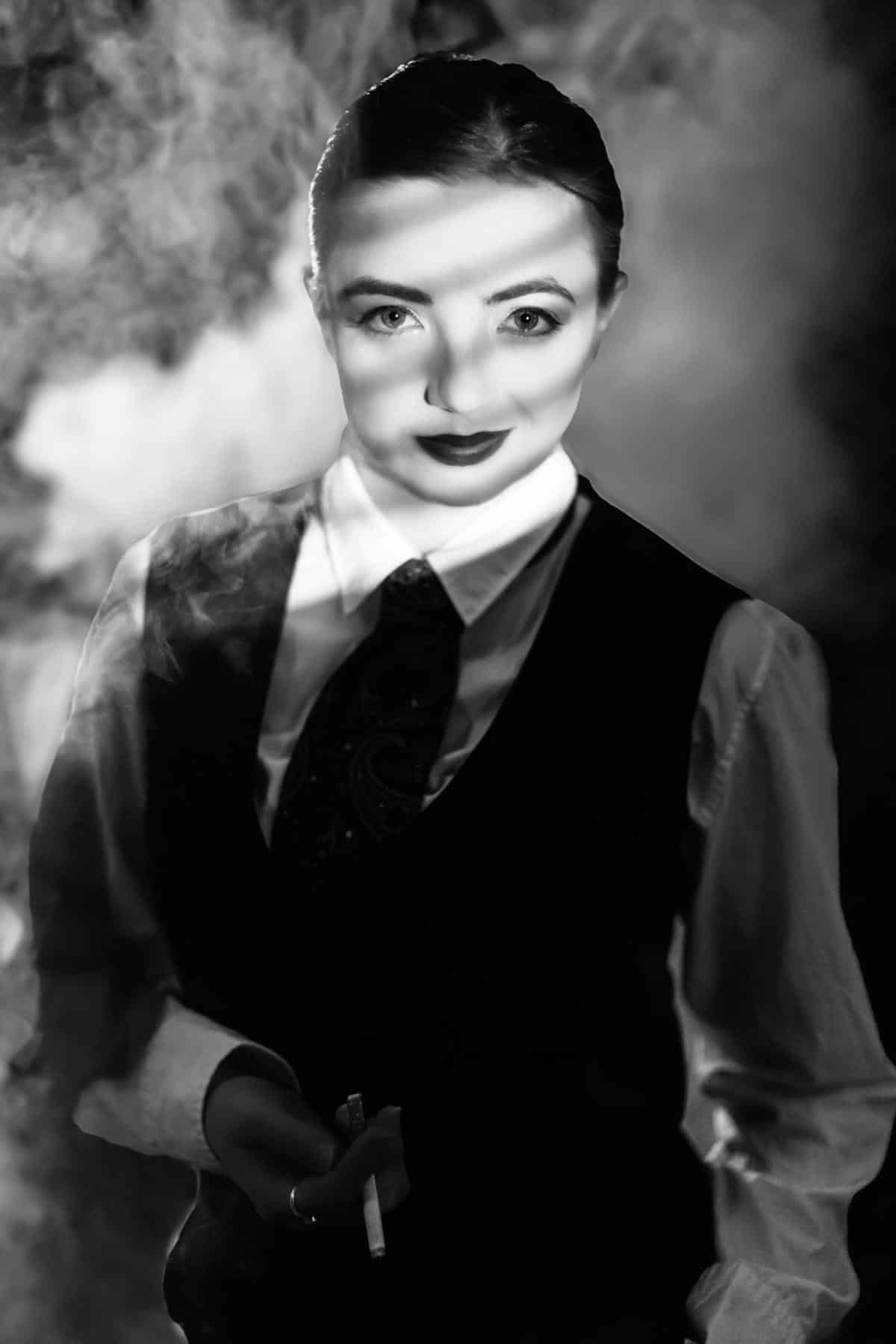
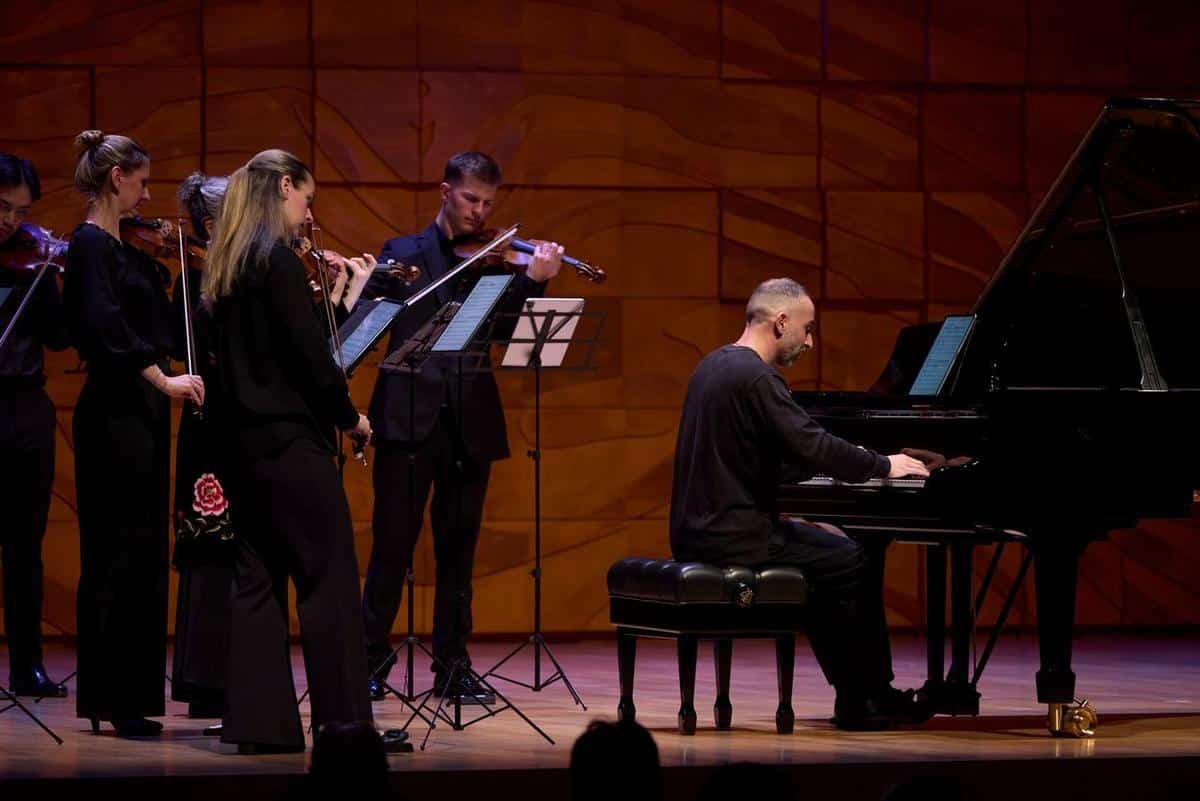
Metropolis Monologues’ director, Karyn Lee Greig, clearly emphasizes physical action as a path into story and character. The first monologue, Run (written by Jennifer Beasley), makes this obvious, as an Olympic runner prepares for her first race after recovering from an injury. Words like ‘run’ and ‘double-back’ take on new meaning as she flashes back to a traumatic past that she tries her hardest to outrun. Emerson Hansford gives a lot of life to this character, especially when she’s imitating other people, and the near-novelistic writing and punchy ending made for a very strong start to the show.

James Hassett’s The Reckoning is shrouded in mystery, as Stephen Najera’s character castigates an unnamed group of criminals for their complicity in the face of wrongdoing. Najera plays the role with an interesting, slippery edginess, and there are many lines that feel cathartic and sadly relevant. While some people might like the ambiguous writing (who is this person exactly? who is he talking to? what did they do?), I felt that without specifics, the monologue lost quite a bit of the power it could otherwise have had. A clearer arc for the main character could have also made the themes hit harder.


In The Decision (written by Kat Adams), Natasha Broadstock plays an older woman deciding whether to leave her husband. Broadstock plays frustration very well, and it seemed from the audience’s reactions that many people resonated with the description of a marriage that, while not terrible, isn’t very fulfilling or loving either. The back-and-forth did feel a bit one-note and I wish both character and actor were pushed into other emotional territory. The ending, without spoiling it, also felt like a bit of a cop-out to the character’s dilemma.

Louisa’s main character is also in a complex relationship with her husband, but Christine Croyden takes us to another time period entirely. Louisa (played by Sarah Hamilton) is a housewife and mother in the Gold Rush era, and both character and performance were incredibly likeable. Out of all five monologues, this one gave me the greatest sense that I was being spoken to directly, as if I were an old friend chatting with her over the fence. The commentary on gender roles is subtle but ever-present, there is a great balance between light-hearted and tragic moments, and the ending has a fun twist that brings home the themes and character journey perfectly.

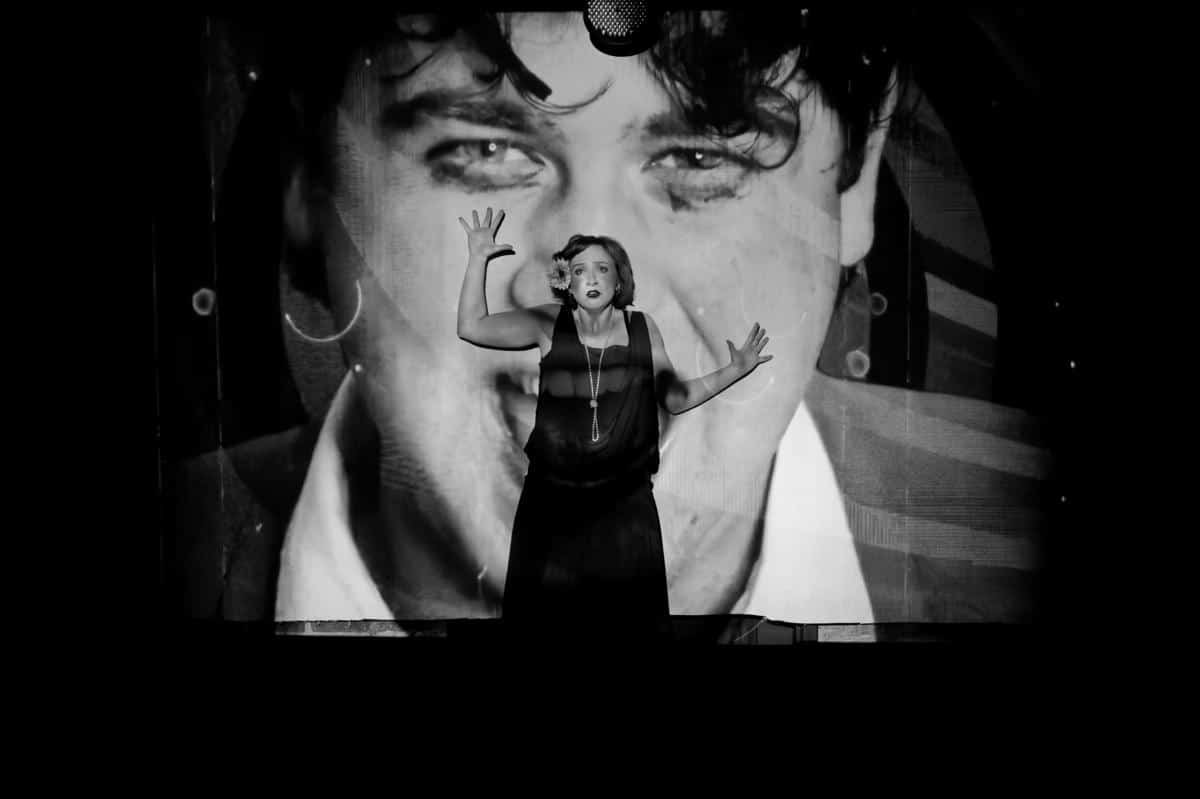
The last monologue, The Man Behind The Mask, is also a historical piece, but its themes about accepting difference and disability still ring true today. Alison Knight’s monologue follows a war veteran (played by Asher Griffith-Jones) who was left facially disfigured after combat. Griffith-Jones is perfectly cast for the role; his poise and charisma clearly hide deep wells of fear and anger, and the script is peppered with humour so dark that only the main character finds it funny. While the literal mask that the character switches into before the end doesn’t fit well (which does spoil the emotional climax somewhat), it is immediately followed by the best use of screen projections in the whole show. It was a very moving end to a set of well-crafted performances and texts.

Overall, I enjoyed all five monologues and felt the freedom and joy of the actors and writers as they explored thought-provoking, diverse scripts. It’s great that Melbourne has organizations like MWT providing platforms for small-scale productions of new work, and I’ll definitely be looking out for the names listed above in future shows I go to.

To book tickets to Metropolis Monologues Showcase One, please visit https://melbournewriterstheatre.org.au/.

Photographer: Mina Shafer

Spread the word on your favourite platform!

Sorry I Hurt Your Son (Said My Ex to My Mum)

James Barr: I’m Sorry I Hurt Your Son (Said My Ex To My Mum)

James Barr: I’m Sorry I Hurt Your Son (Said My Ex To My Mum) Rating

Click if you liked this article

Sorry I Hurt Your Son (Said My Ex to My Mum) is a vulnerable piece of stand up comedy about trauma and domestic violence. In his comedy hour, James Barr explained how he had to kiss many, many, many frogs, before he found his boyfriend. Through his honesty and openness, James creates a rapport with his audience. Throughout the show James shares a spectrum of intimate moments, from deeply joyful occasions, to moments that echo with shame and anger.

James notes early on in his set that Colleen, his mum, asked if he was sure he was gay when he first came out to her. This was after she made sure no neighbours could hear their conversation. James returns to the opinions and quirks of Colleen periodically throughout the show. In particular, Colleen’s thoughts and reflections on James’ partner continuously resurfaces. James explains, Colleen liked his boyfriend.


James sweetly described how he met his boyfriend, and vulnerably shares the start of their love story. He laughs at the heteronormativity of being in a committed long-term relationship. James then somberly notes that 1 in 3 queer people experience domestic violence. He asks the audience “How do you tell off a violent person for being violent?” Very quickly James pulls the audience in, creating tension as he describes a more dangerous version of his boyfriend. James builds and breaks the tension with honesty and vulnerability.

James continues the show, sharing how shame and anger dominated his relationship, and slowly took control of his life. James stated that he couldn’t recall the first time his boyfriend hit him, but he remembered the first time his boyfriend attacked the dog. James confessed, “I told myself I deserved it. A dog doesn’t deserve it.” The complexities of abuse are difficult to pinpoint, but James highlights how little moments broke him down, until his sense of self was erased.

James finishes his set with an explanation of why he wrote this show. Why he shared this experience, opened himself up and become so vulnerable to a faceless audience. This show requires a profound sense of bravery, and James was inspired by a nurse he met who left an abusive partner. Hearing her talk about leaving, James understood what he hadn’t until that point. That sharing stories of abuse, highlighting the bravery of the people who leave, can inspire others to do the same. James noted that it was easy to stay with his boyfriend, but it was the story from the nurse that gave him the bravery to leave.

To book tickets to James Barr: I’m Sorry I Hurt Your Son (Said My Ex To My Mum), please visit https://adelaidefringe.com.au/fringetix/james-barr-sorry-i-hurt-your-son-said-my-ex-to-my-mum-af2026.

Spread the word on your favourite platform!

From ‘seinfeld Of Japan’ To Accidental Lawyer: Nick Abrahams Returns To Stand-up Having Finally Graduated

Feature-The Accidental Lawyer

At this stage of life, many people are invited to give inspirational speeches at graduation ceremonies. Nick Abrahams has not been invited. So instead, he wrote a comedy show about giving a terrible one. He will debut The Accidental Lawyer for Melbourne International Comedy Festival and Sydney Comedy Festival and has already sold out both shows!

The Accidental Lawyer is a sharp, fast-paced stand-up show that takes aim at the graduation speech and the comforting illusion that anyone really knows what they’re doing with their career. Nick has some insights here; he’s gone from stand-up to TV presenter to Hollywood producer to lawyer to tech entrepreneur to Professor to keynote speaker and back again!

In the show, Nick plays the last-minute replacement keynote speaker at the fictional Wangaratta Community College & Squash Centre graduation ceremony. Unfortunately for the graduates, the original speaker has cancelled and Nick has some very different advice. “I’m the inspirational speaker you get when the inspirational speaker cancels.” Says Nick. “Most people don’t choose their careers. Their careers slowly trap them like a possum in a wheelie bin. You go to one networking event in your twenties, then wake up, and you’re in middle management with a mortgage.”

Instead of urging audiences to follow their dreams, Nick explores the more common reality: careers are often about finding something that works for you, frequently by accident. Nick’s own career path has been anything but linear. Before law, he was a successful stand-up comedian in Japan, hosting his own television show and billed as the “Seinfeld of Japan.” He later worked as a creative executive at Warner Bros in Los Angeles on ER and The West Wing and produced and appeared in a film with Woody Allen.

Returning to Australia, Nick spent 25 years as a senior partner at a global law firm and also founded the legal AI company Lawpath, now with over 600,000 customers. Drawing on that experience, The Accidental Lawyer reflects on how careers unfold, often unpredictably and tackles the growing impact of artificial intelligence on the future of work. “We’ll know the tipping point has arrived when robots start posting on LinkedIn about how ‘humbled and honoured’ they are to share their career updates.” Says Nick.

The show is for anyone whose career hasn’t quite gone quite according to plan. It also finds plenty of humour in the contradictions of legal life. “Being a lawyer is a dream job if your dream is working sixteen hours a day arguing over commas.” Says Nick. “It’s like being a poet—you write thousands of words nobody will ever read. But ultimately, lawyers are just trying to make the world a better place… six minutes at a time.”

This is a brilliantly structured send-up of the graduation speech – dry, insightful and packed with laughs. The Accidental Lawyer premieres at the Melbourne International Comedy Festival this April.

THE ACCIDENTAL LAWYER
Nick Abrahams

Melbourne International Comedy Festival 2026
VENUE: Crowne Plaza, Studio 2, 1 Spencer Street, Docklands, Melbourne
DATE: Friday 17 April: 7:30pm
DURATION: 45 minutes
TICKETS: $15 (inc GST)

Sydney International Comedy Festival 2026
VENUE: Enmore Theatre, 118-132 Enmore Road, Newtown
DATE: Saturday 16, 9.10pm & Sunday 17 May 8.10pm
DURATION: 45 minutes
TICKETS: $20 (inc GST)

WEBSITE https://www.accidentallawyer.info


Spread the word on your favourite platform!

Beyond The Neck

Beyond The Neck

Beyond The Neck Rating

Click if you liked this article

2

None of the characters in Tom Holloway’s Beyond The Neck have names. This may seem like an odd choice for a play about the aftershocks of the 1996 Port Arthur massacre, given recent efforts in the USA to publicize the names of mass shooting victims, but not the perpetrators. A play about a subject that epitomizes ‘personal meets political’ makes a decision that could easily alienate us from its characters. Theatre Works’ production (directed by Suzanne Chaundy) feeds into this alienation with a bare set of four chairs and a painting of Port Arthur, and actors who seem aware that they are telling a story, speaking out to us more than each other. It’s a little Brechtian, quite funny in some parts and very dark in others.

And yet, the connection was palpable, the audience always laughing, sighing and silent when intended. The Old Man (Francis Greenslade), The Young Mother (Emmaline Carroll Southwell), The Boy (Freddy Colyer) and The Teenager (Cassidy Dun) have such specific backstories and distinct voices, but they also become archetypes of the people who were there when the shooting happened, and who are in the audience now. Some of the characters don’t have direct connections to the massacre but simply being at the site forces them to confront other traumas that have plagued their lives. This is despite the strange façade that the first half of the play is built around: a tour of Port Arthur in which the massacre is never mentioned. When that façade breaks down and our characters are plunged to their lowest points, it is truly heartbreaking.


With the sparse and static staging, this iteration of Beyond The Neck lives and dies on the strength of its actors, and they more than pull their weight. Putting the focus on them was a very smart directorial decision because their work as an ensemble is meticulous and enrapturing. Four characters telling four stories at once could be confusing in the wrong hands, but there’s an almost magical direction of the audience’s attention in every actor’s use of gesture and voice. We always know whose story we’re in and what their character is like, and when the fourth wall goes up and the characters start interacting with each other properly and being honest about their stories, it feels well earned. The Young Mother did get somewhat lost in the shuffle, but I think that has more to do with the pacing of the writing than this specific production – it would have been nice to have more time given to her response to grief. Ultimately, the cast’s chemistry perfectly suited a play about the intermingling of personal and group trauma.

It’s sobering to think that in the wake of the Bondi shooting, Beyond The Neck may be more relevant now than Holloway ever envisioned when he wrote the play in 2008. But what has also stayed relevant is the sense of community and love that the play ends with. In a way, good theatre is an embodiment of that experience, and this provocative production created an intensely beautiful atmosphere. It’s a reminder that no matter what we face – death, grief, nightmares, abuse, isolation – we are never truly alone, and there is life on the other side.

To book tickets to Beyond The Neck, please visit https://www.theatreworks.org.au/2026/beyond-the-neck.

Spread the word on your favourite platform!

Subscribe to What's The Show

Reviews, show news and what is on, straight to your inbox.