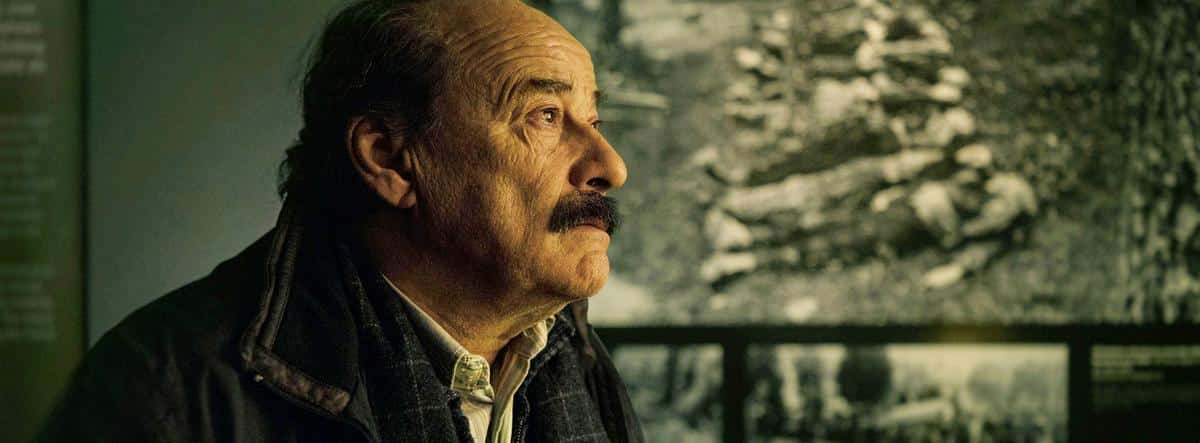
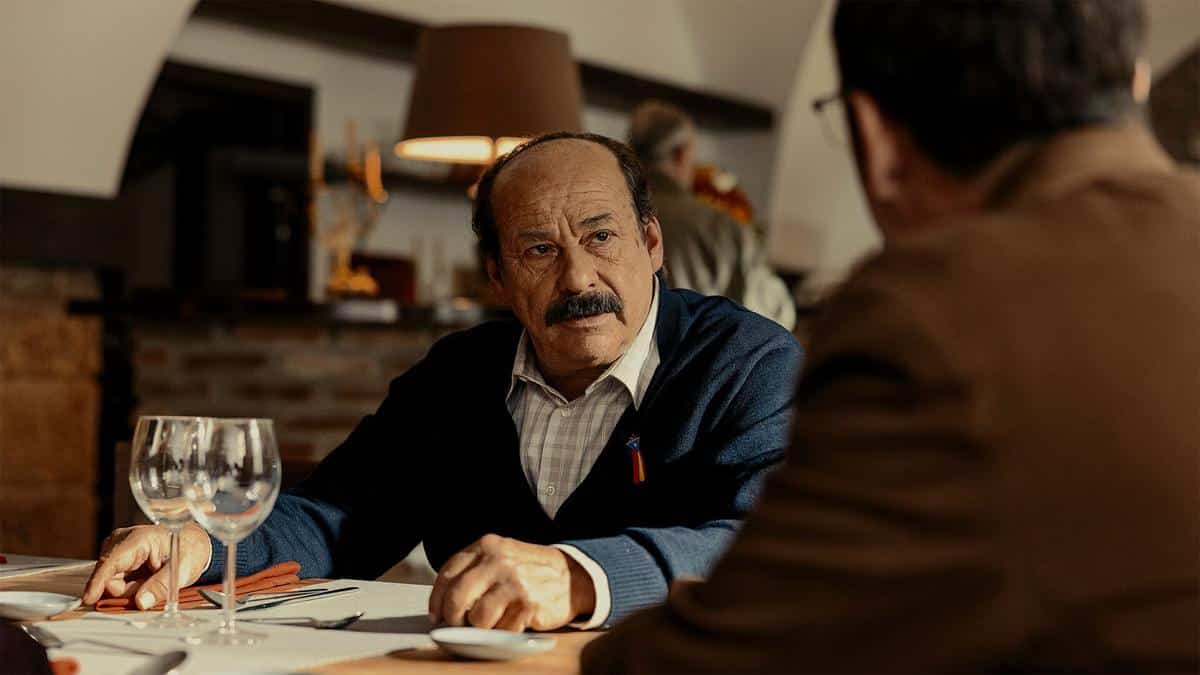
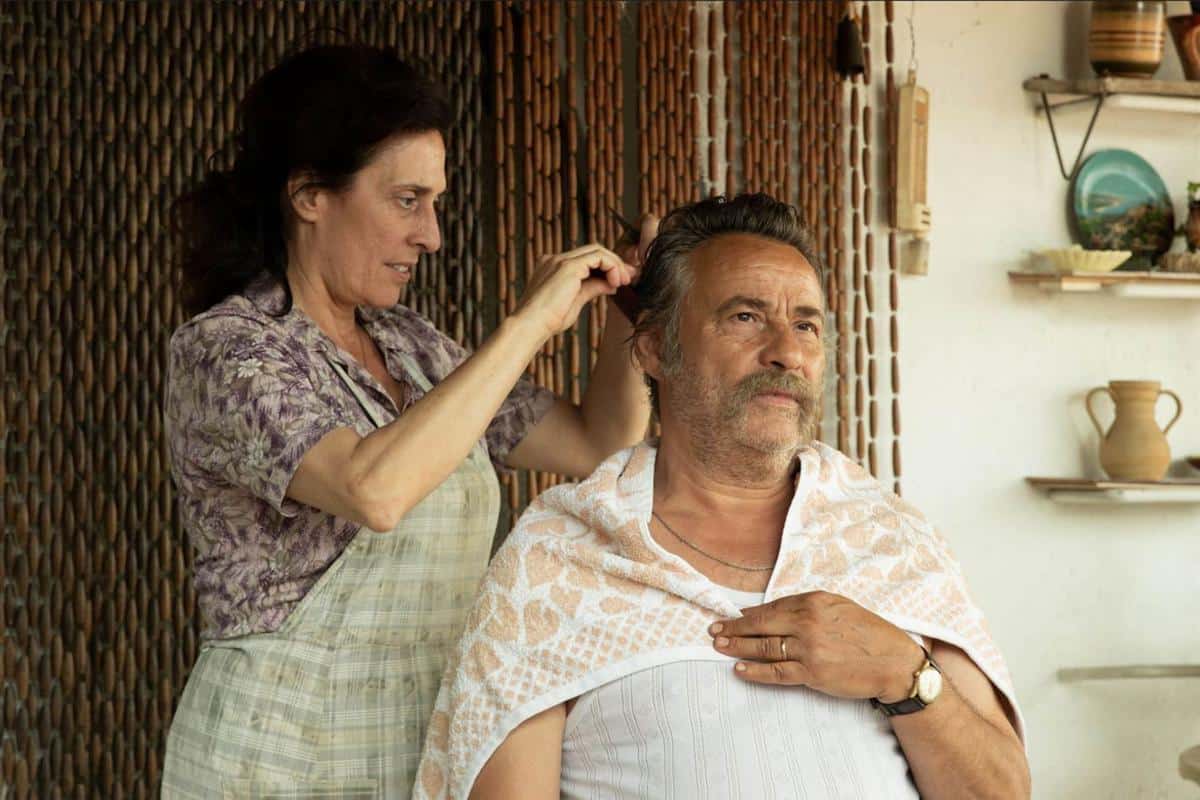
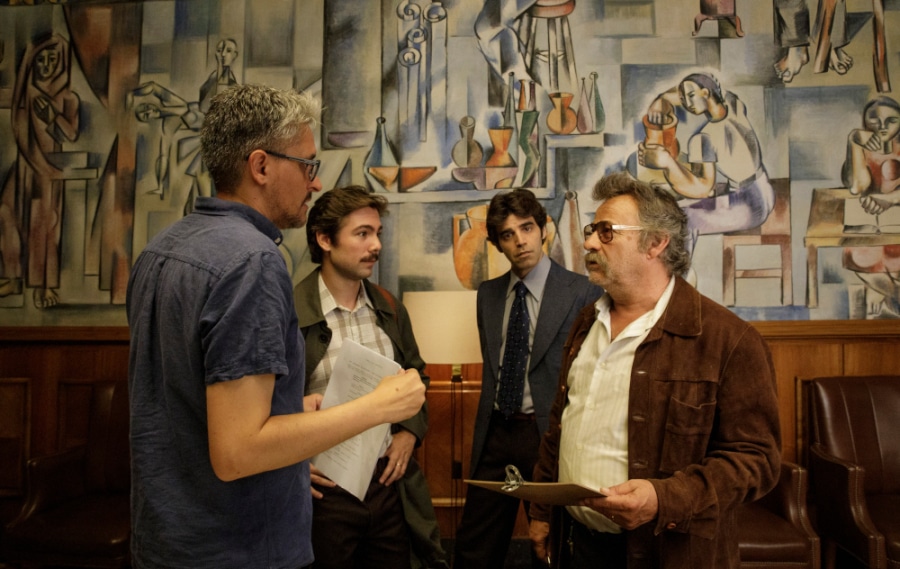
Based on a true story, and what an exceptional tale. Marco, The Invented Truth tells of the deception that charismatic Enric Marco unrelentingly and unapologetically carried with him for most of his life. Premiering in Australia at the 2025 HSBC Spanish Film Festival, this film is a gem that is well worth the investment of a packed 100 minutes of time.
A Spanish factory worker in Germany during World War II, Marco contrived the story of being a Holocaust survivor, in his mind to highlight the plight of approximately 9000 Spanish deportees who were imprisoned in concentration camps during the war – less than half of whom survived. Enric Marco was appointed as president of the Amincal Mauthausen, the association set up to defend the rights of the 9,000 Spanish people who were sent to Nazi concentration camps. His tireless work, which included giving numerous talks to school children, was revered.
His courage while suffering the horrors of Flossenbürg, the camp in which he claims to have been held prisoner, was given great respect and admiration, and through his efforts, Marco brought the organisation to great heights. That was until his false assertions were uncovered by historian Benito Bermejo who declared him a fake; he had never been in a concentration camp. The reality was that Enric Marco volunteered to travel to Germany in 1941 to work for the German war machine.
Although in fact Marco was imprisoned in Germany, it was not in a concentration camp but rather a Gestapo jail, accused of spreading Communist propaganda. A master storyteller who never apologised for his indiscretions upset many, although he was unrelenting in his belief that what he did, he did for good reasons.
Written by Aitor Arregi, Jon Garaño, Jorge Gil Munarriz, and Jose Mari Goenaga, the building of the lie was directed believably by Aitor Arregi and Jon Garaño as they work to take the audience on a roller coaster of emotions that fall somewhere between sympathy and dismay. 2025 Spanish Cinema Writers Circle Award winner for Best Actor, Spanish born Eduard Fernández’ depicts Enric Marco with extraordinary poise. If for no other reason, and there are many, Marco, The Invented Truth is worth watching for Fernández’ stunning performance alone.
Spanish Film Festival – Babies Don’t Come With Instructions Rating
★★★★★
Click if you liked this article
Babies Don’t Come with Instructions is a 2024 Spanish comedy-drama film directed by Marina Seresesky and written by Marta Sánchez and Irene Niubó, based on the 2013 Mexican film Instructions Not Included.
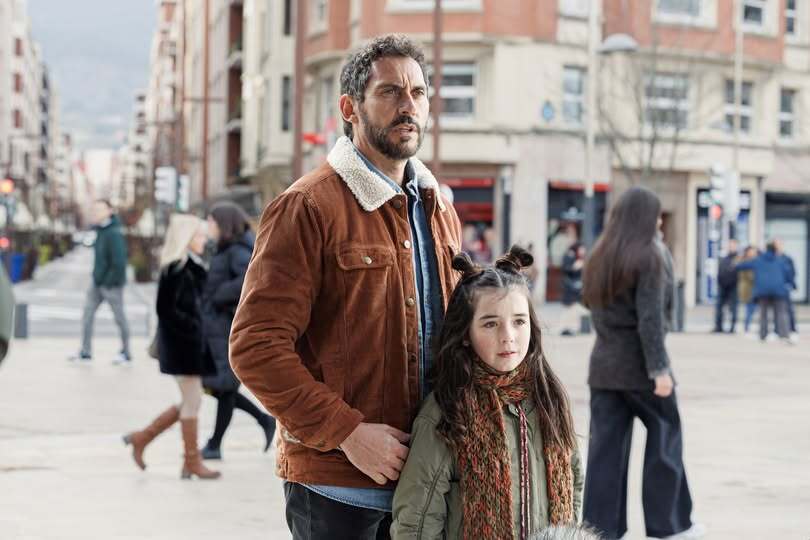
Leo is a carefree womaniser, living a self-centred life in a small coastal town in the Canary Islands. His world is turned upside down when a woman from a brief, casual affair shows up, drops off their daughter, and leaves, making him responsible for her.
At first, Leo intends to return the girl to her mother, but his attempts fail. Forced to raise her, little by little, he learns how to be a father, and his values and priorities shift in unexpected ways. Years pass, filled with happiness, until the mother reappears intending to reclaim her daughter. Will he give her up easily, especially with a mystery illness?
Director Marina Seresesky has pulled out all stops to extract every nuance of Sanchez and Niubo’s script and given us a taste of the Canary Islands in all its scenic wonder.
The characters are well drawn, and the action is well paced. I particularly enjoyed the developing relationship between Leo and his ‘daughter’ Alba. It tugs at the heart strings and a tear or two!
Paco Leon’s Leo is vulnerable and takes us on a journey from a unexpected father to a devoted parent who cannot live without his daughter and wants to enjoy his little girl before time runs out! The scenes when he is climbing up buildings are beautifully photographed.
Maia Zaitegi’s Alba is everything a little girl should be – innocent, naïve, idealistic and devoted to her father. The scene when she returns to Leo after being taken to Munich by her biological mother is charged with emotion.
Silvia Alonso’s Julia has the difficult role of the mother who abandons her child and returns to get her eight years later. This could have resulted in a performance that creates a disagreeable character, but not so Alonso’s portrayal. One can see her viewpoint and we feel for her.
Malcolm Treviño-Sitté’s Modu is the best friend we all wish we had. He is loyal to his wife, but equally loyal to Leo and supportive especially when he learns of his life-threatening illness.
The remaining cast give solid performances that enhance the main characters and storyline.
It is interesting that the décor Alba’s bedroom grows as her relationship with her father grows. It is every little girl’s paradise with a swing, a slide from her bunk bed to the floor, toys everywhere and an immense picture wall of her and her father.
Babies Don’t Come With Instructions is a heart-warming comedy that is sure to please any theatre goer who is a parent or simply enjoys a good story with a message. It is a cinematic gem and definitely worth a watch!
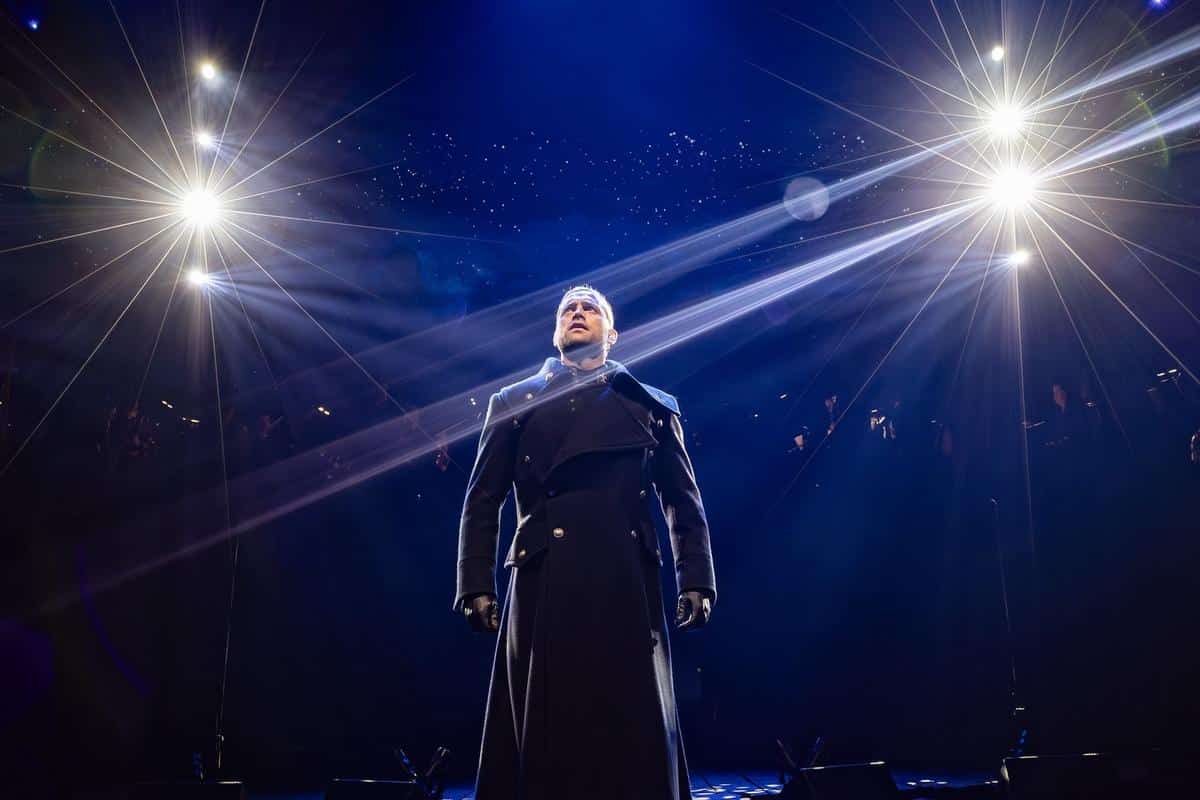
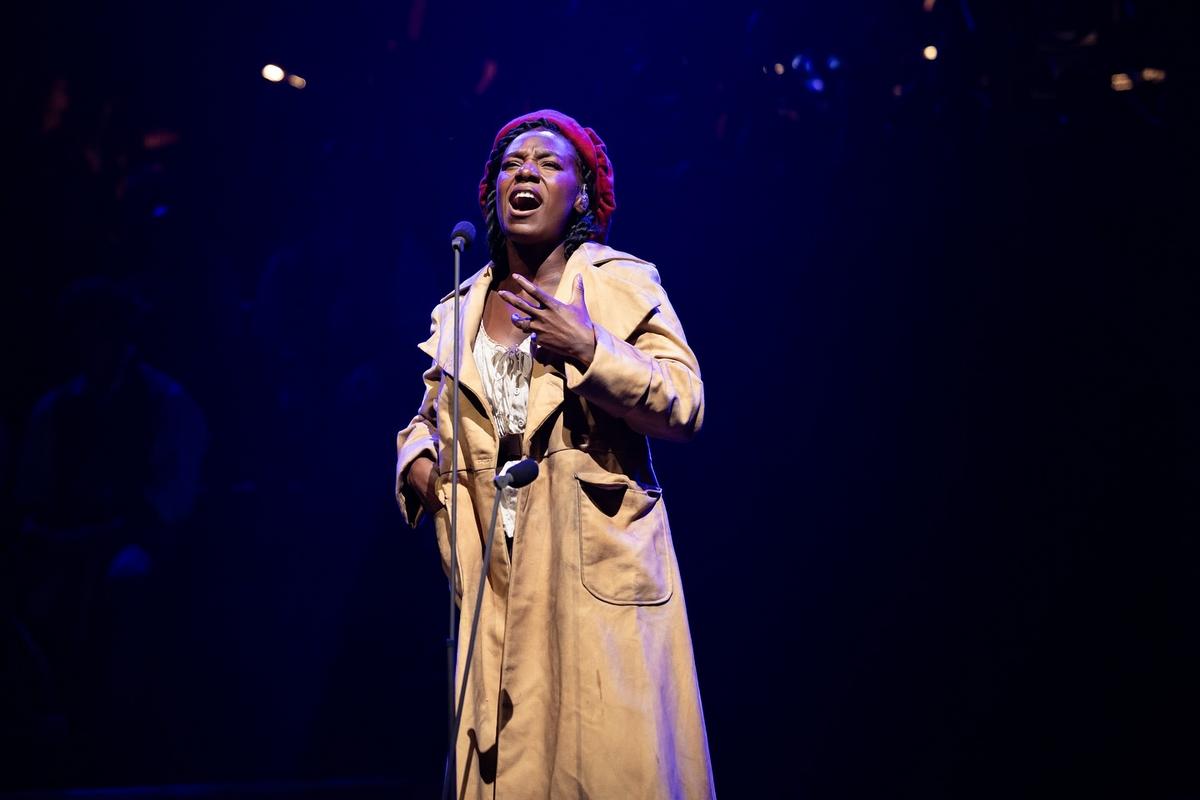
Celebrating 40 years since its’ debut, Les Misérables is now the world’s longest running musical; Within moments of The Arena Spectacular’s opening, it is clear why. While legendary producer Sir Cameron Mackintosh correctly notes the production would succeed with only work lights on an empty stage, The Arena Spectacular boasts 110 world-class actors, musicians, and crew, from 17 nationalities (including one dog), incorporating sensational lighting, a lavishly constructed stage, and phenomenal costuming and makeup.
Complete the picture with a full orchestra and LED screens, in a venue and with effects more associated with rock concerts than musicals, and you have an intensely immersive show, monumentally embodying a ‘more is more’ mantra. While simpler productions of Les Misérables retain the resonance to rouse, the scale and spectacle here create a dazzling and impactful rendition of an unstoppable icon.
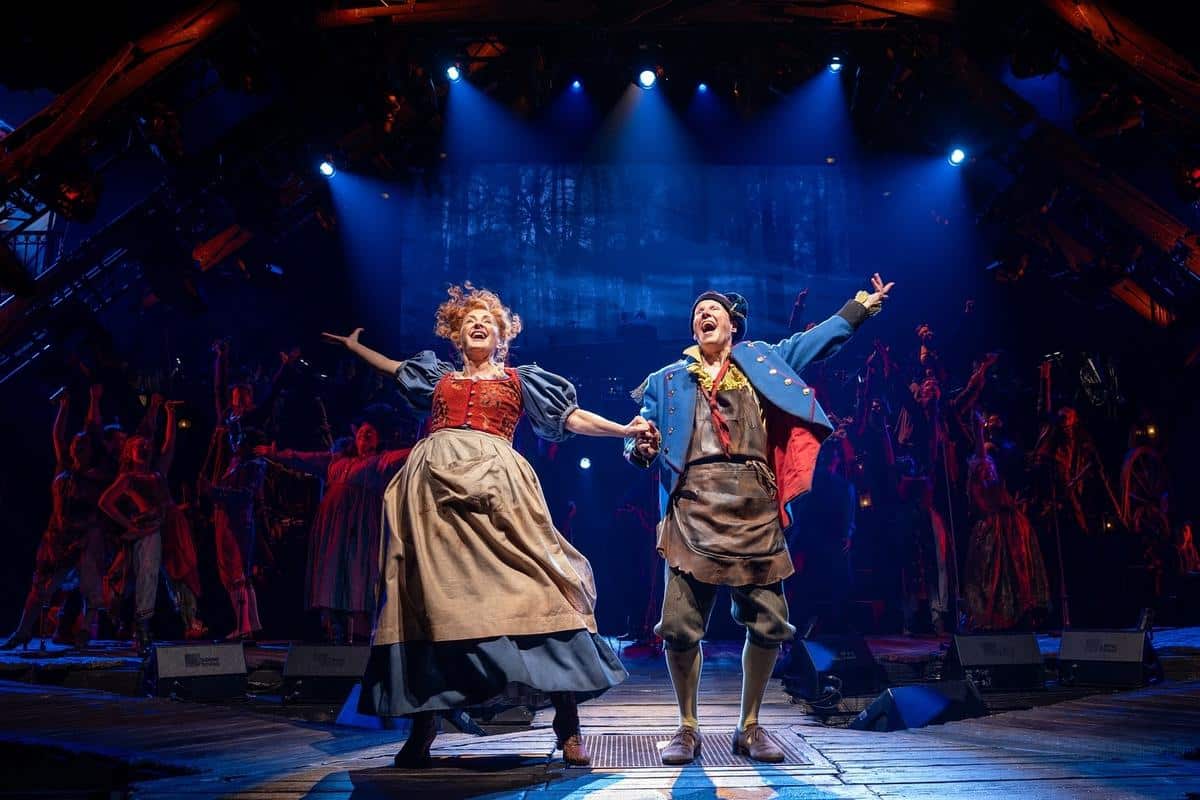
The quality of The Arena Spectacular exceeds expectations, even those informed upon the caliber of the cast and creatives involved; While Bradley Jaden provides a virtuoso performance as Javert the evening I attend, his alternate in the role, Michael Ball, was a member of the original Royal Shakespeare Company production performed in London in 1985, as Marius Pontmercy. The expressively hilarious Marina Prior gives grimy gaud in the role of Madame Thénardier, having played Cosette in the original Australian production back in 1987; A trim looking Matt Lucas charismatically reprises the role of Thénardier opposite her, 15 years after he first performed that role in the 25th Anniversary show at the O2 Arena in London – providing fine comedic relief while also hinting at his character’s attrition from surviving through hardship.
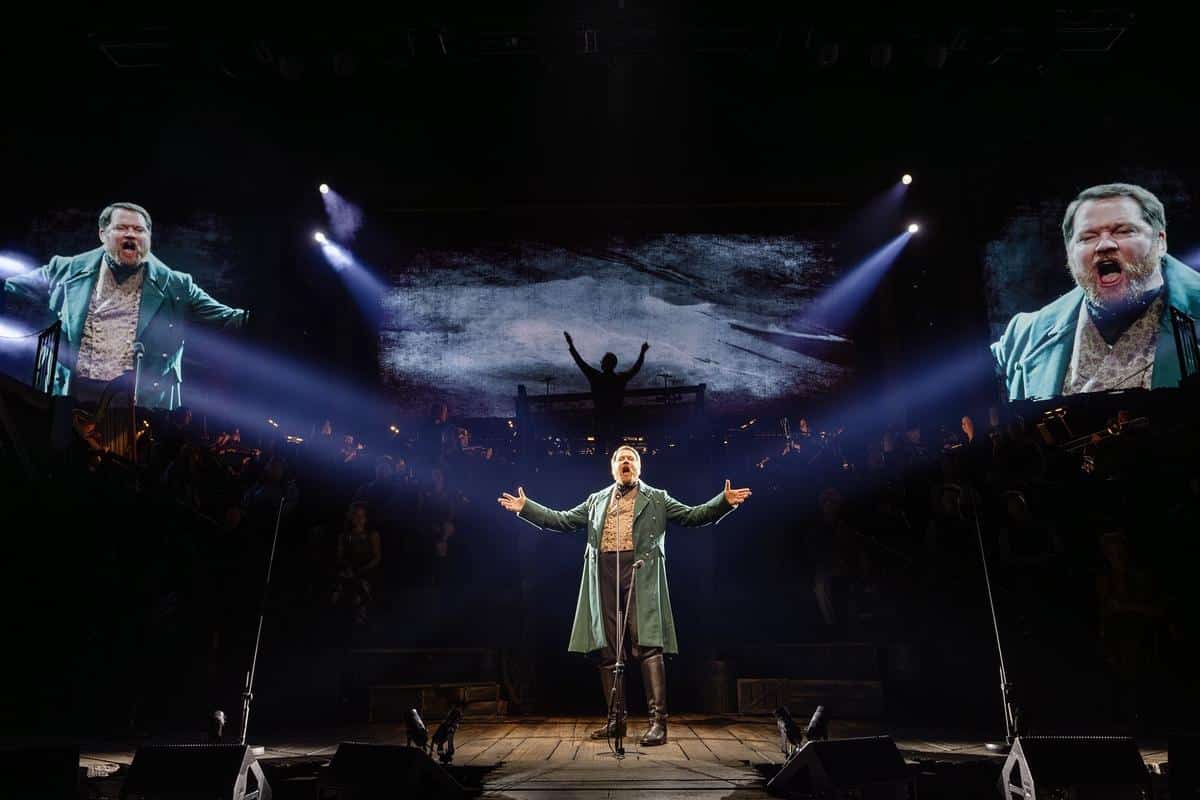
However, it is Lucas’s alumni from the 25th anniversary production who steals the show the night I attend; Tony award winner and Grammy nominee Alfie Boe as Jean Valjean gives a tour de force performance, with exceptional vocal ability unsurprising of a renowned opera singer with resume outside of the musicals, in addition to beautifully nuanced character delivery, showing equal measures of strength and sensitivity in what is essentially the story of his character’s struggles and redemption. Boe’s interplay with other Cast is excellent, the scenes with Bradley Jaden’s Javert especially memorable. Jaden deserves notice for performing Javert with sufficient sympathy, charisma, and recognition to bring likability to such an antagonist; His character’s turmoil and ultimate unravelling are hard-hitting.
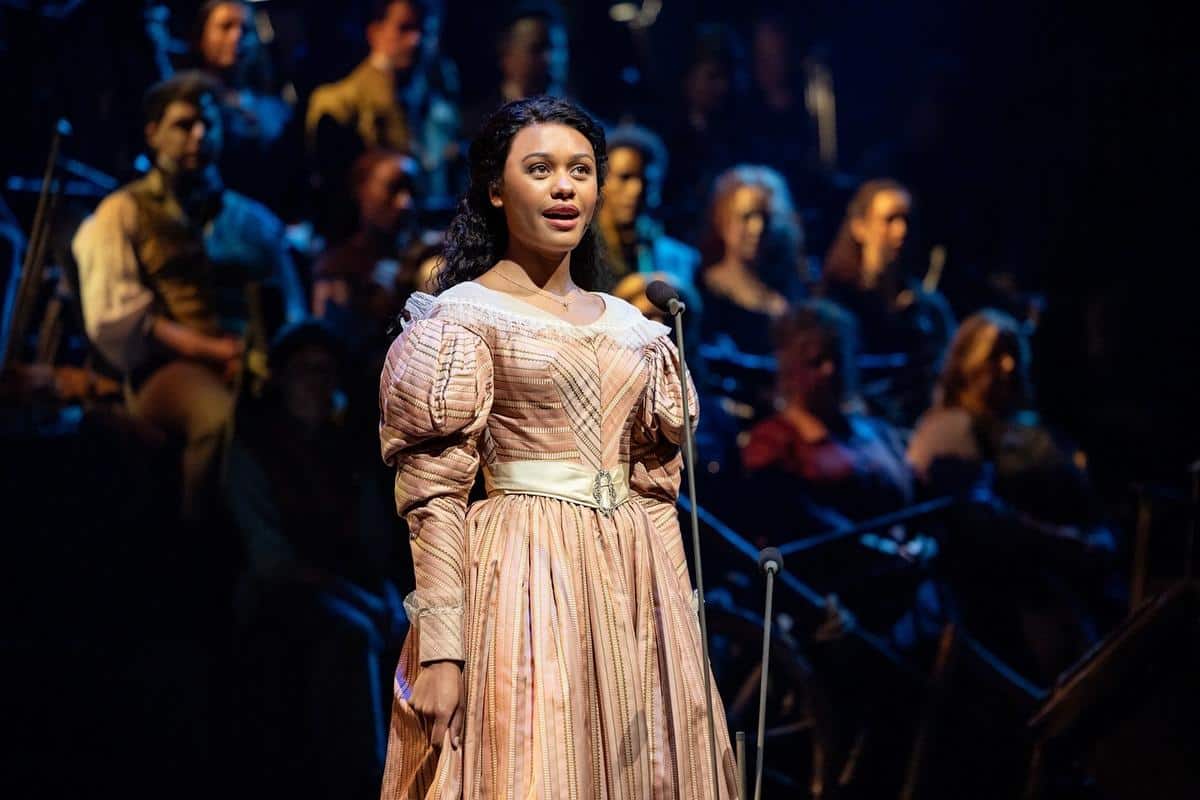
Mary-Jean Caldwell is aching and ethereally lovely in the role of Fantine the evening I attend; The fact this pitch-perfect performer understudies that role, otherwise being credited as Factory Girl in the Brochure, suggests an embarrassment of riches to draw from in the cast. As Marius Pontmercy, Jac Yarrow (or was it Harry Grant Smith?) is another standout, showing strong vocals and great connection, especially in scenes with Beatrice Penny-Touré’s Cosette, and Beth Curnock’s Eponine.
Youngsters Christopher Joseph and Scarlett Sheludko also excel in their respective roles of Gavroche and young Cosette. I did not see the latter, who is reminiscent of a young Lea Salonga, in the curtain call – and suspect that was due to it being after her bedtime. The overall standard of the entire Cast, including the Ensemble, is excellent; All bring presence, dedication, and authenticity in their roles – which they are beautifully made-up and attired to perform. I would be remiss not to mention the Orchestra, under the direction of Adrian Kirk, who tell their sonic story phenomenally.
I do wonder whether the LED screens could have been utilized more throughout the show; While the amplified images of the performers built intimacy and connection which may have otherwise have been lost for audience members in the back rows, the LEDs could have been used to create stage effects (i.e., the rain conspicuously missing during ‘A Little Fall of Rain’) or otherwise fill in plot points referred to but unseen in the production (i.e., Valjean’s feats of strength and bravery). The stage setup, while textured and dynamic, also limits movement of the main characters to a narrow channel, overall. However, such criticisms are picky; The enduring impression and execution of Les Misérables: The Arena Spectacular are triumphant, upholding the legacy of a beloved cultural touchstone, creating its own place in history. The audience were moved to tears throughout, and from their seats in ovation at the conclusion.
The timing of the Spanish Film Festival could not be better, as Sydney plunges into winter, the warmth of the stories, the sun drenched cinematography, and the hot stories from Spain, are truly what the soul needs.
One of the stand outs of the program is the critically acclaimed, multi award winning film about a humble bus driver in charge of route 47 in Barcelona. Little did I expect to be so emotionally moved by a story about a bus driver! But what Manolo stands for is much more than his job, his bus route or career. He comes from a suburb on the outskirts of Barcelona, where each house was built by hand, brick by brick, by Spanish refugees escaping the impoverished and corrupt Andalusian and Extremaduran communities.
Even though the locals bought the land in the Torre Baro district with their own money, they have lived for years as second class citizens of Barcelona, with barely any access to running water, paved roads or political representation.
When Manolo, driving for the city Transport Services, sees the neighbourhood losing its young people, with his own home beginning to crumble away and his wife begging to move away, he decides on one last act of rebellion. After all other politically correct avenues fail – he decides to hijack his bus and take it up to the suburb which politicians labelled unreachable.
The beautiful subtlety of the main actor tugs on the heart strings as you witness what one man’s act of rebellion can achieve. Too often we are told one ‘man’ cannot achieve anything against the ‘greater machine’ but in this true story, that one man’s act of rebellion changes everything!
I stand with Manolo! I want to hijack my own proverbial bus and make a change for the better.