Summer of the Seventeenth Doll

Summer of the Seventeenth Doll

Summer of the Seventeenth Doll Rating

★★★★★

Click if you liked this article

4

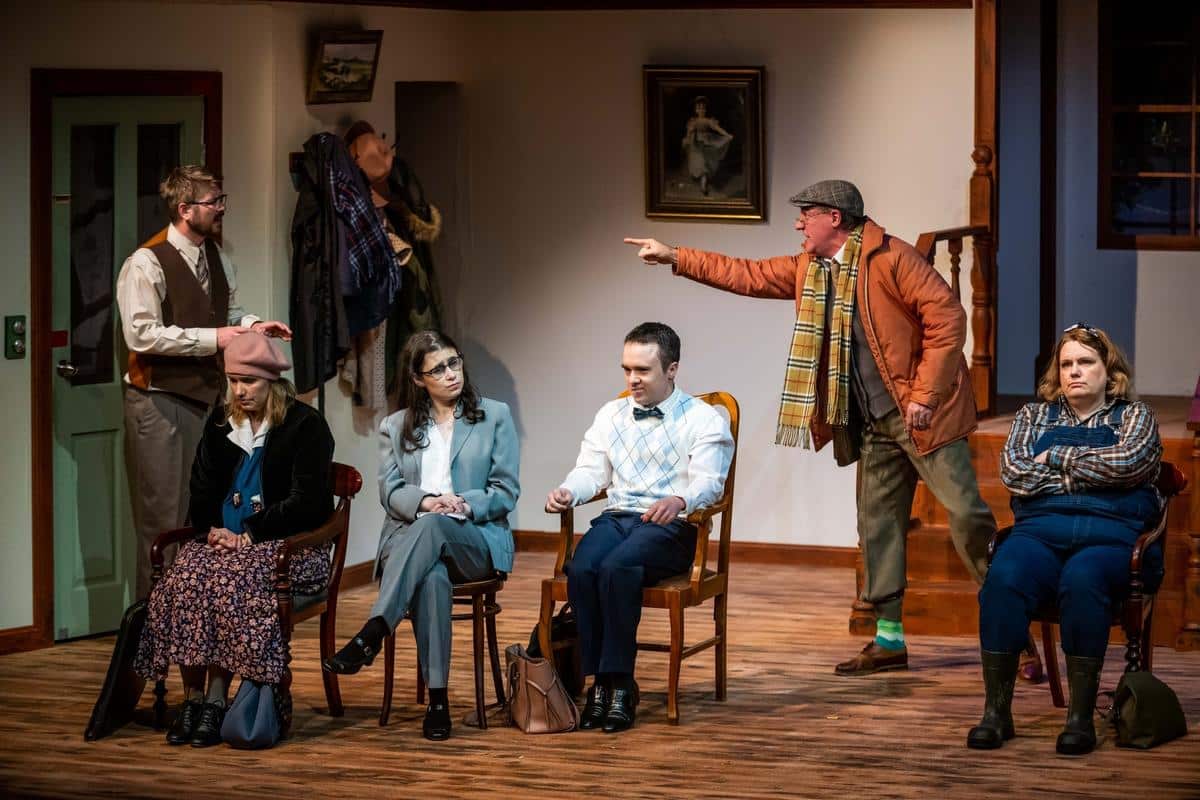
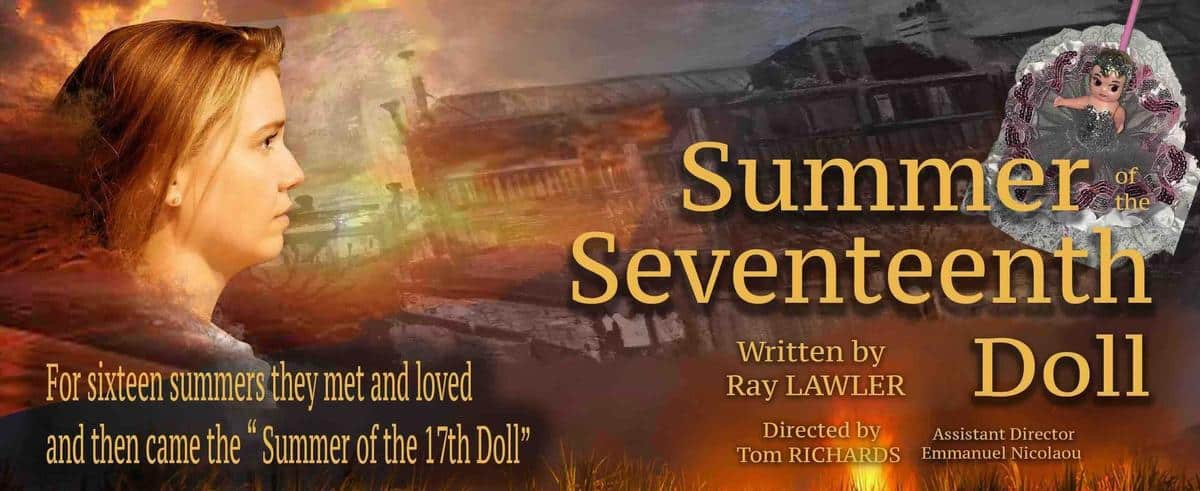
Ray Lawler’s play Summer of the Seventeenth Doll is a cornerstone of Australian theatre. Directed by Tom Richards, the Arts Theatre Cronulla cast put their hearts and backs into this iconic story. The passion displayed onstage and the clear camaraderie of the local audience helped transport the room back to 1953, to a time of labour and love.

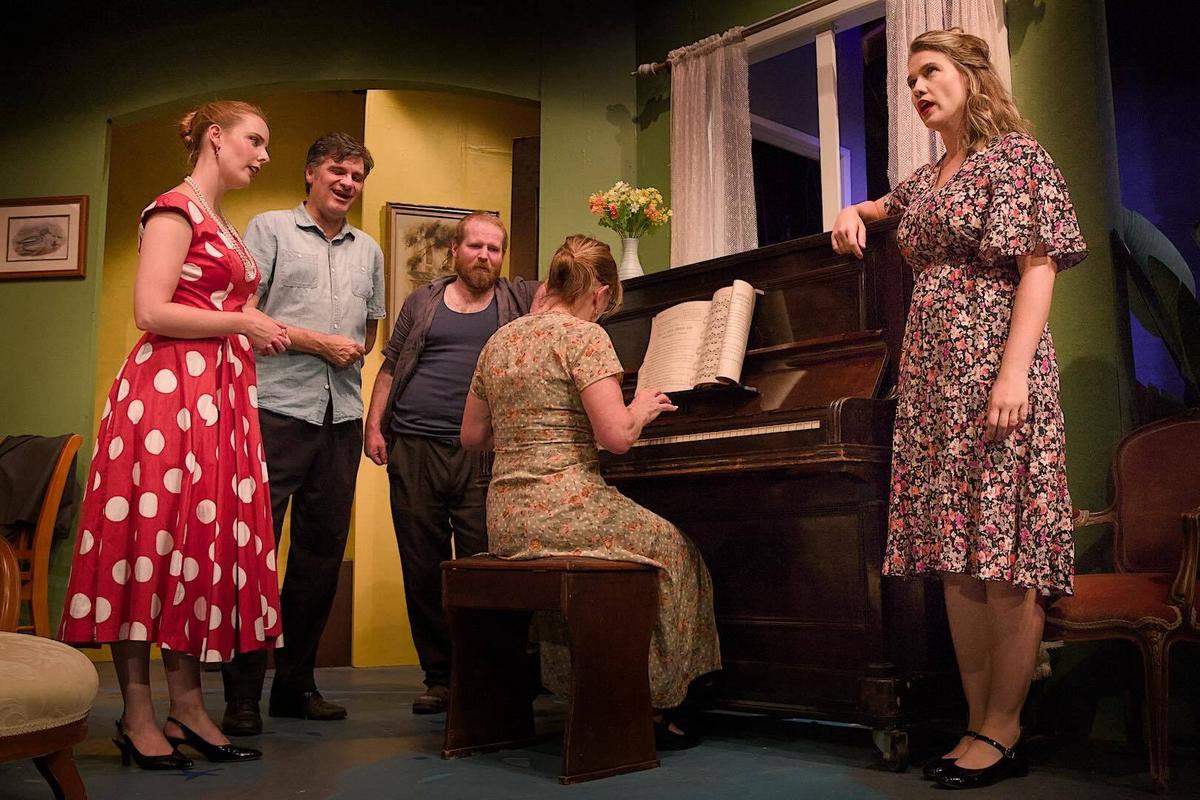
As you enter the charming theatre, you first see the gorgeous set. The olive walls and the sixteen beautiful Kewpie dolls scattered around the stage gave the audience a time capsule-like snapshot of the nostalgic and cosy 1950s Melbourne living room. The meticulous attention to detail simultaneously hinted at and highlighted both the charm and decay of the characters’ lives. The set became more than just a backdrop; it was a living, breathing part of the story—the eighth character, if you will.
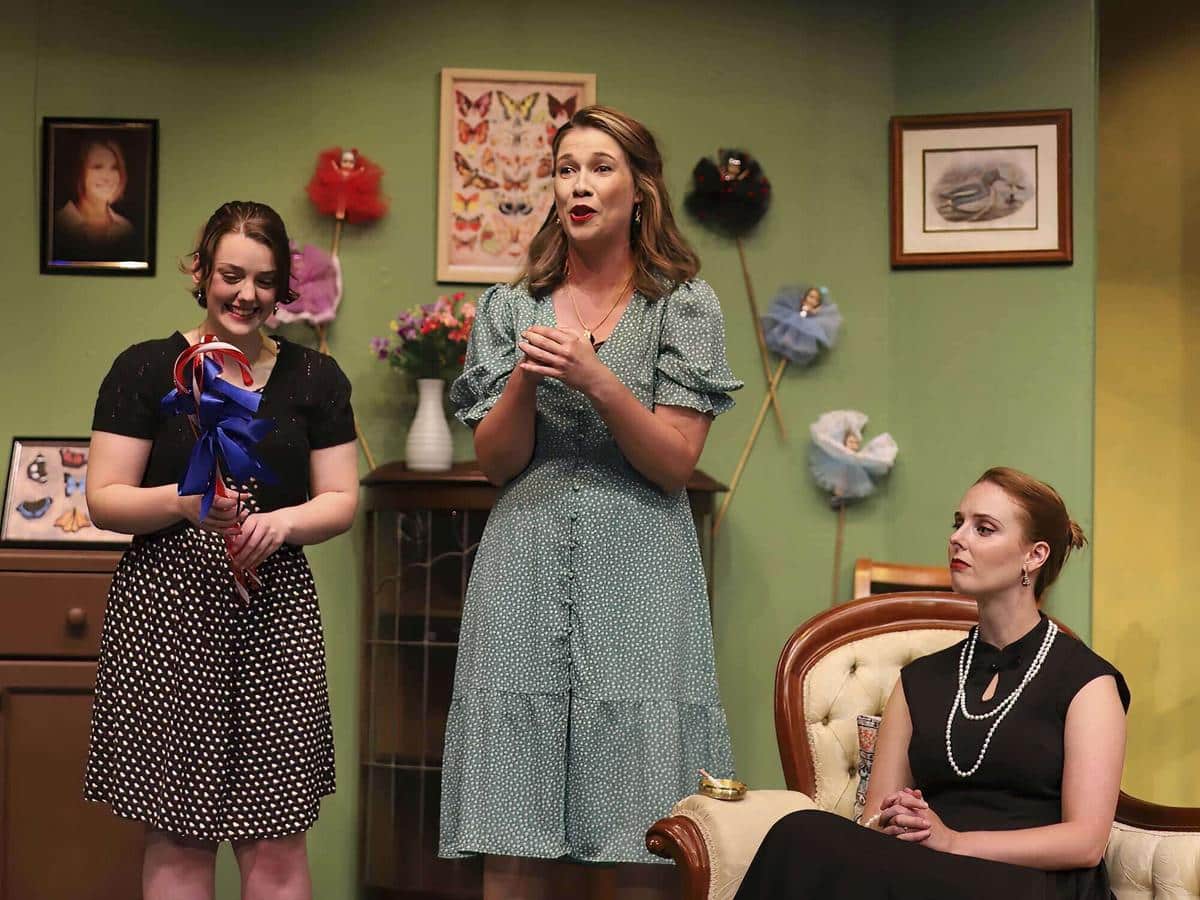
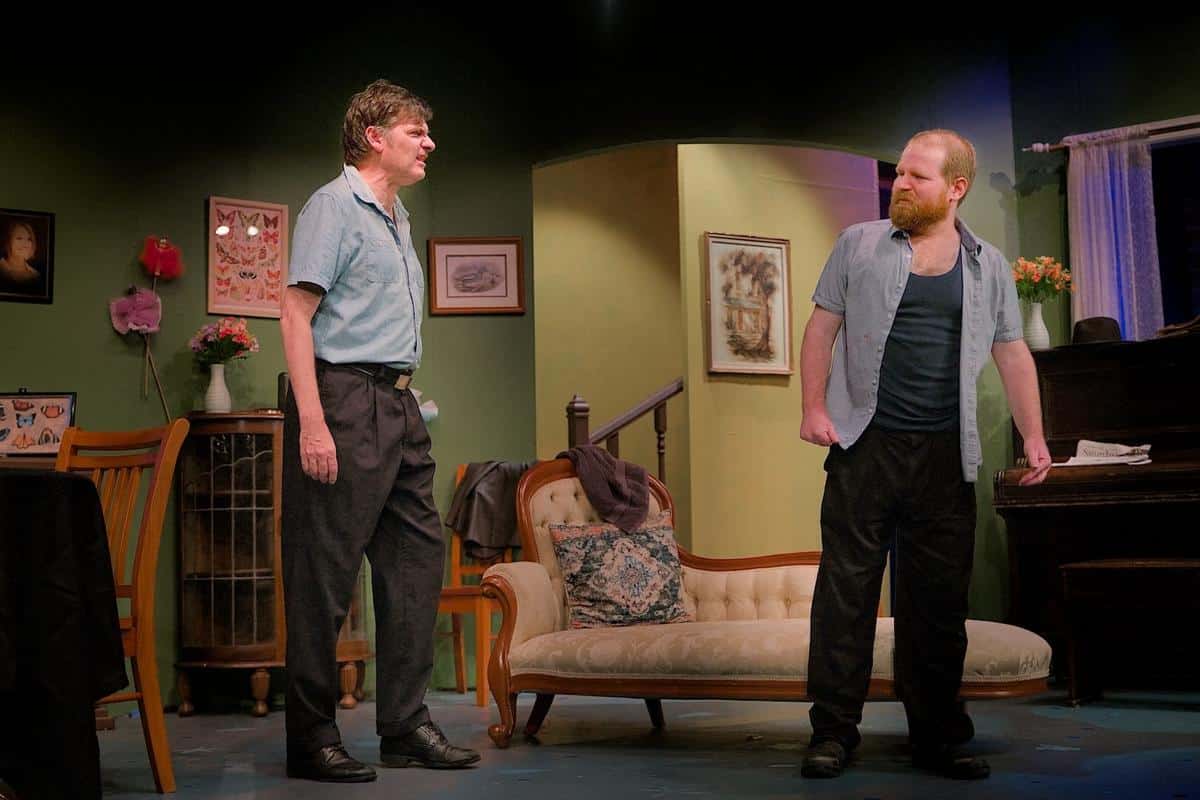
 

Among the performances, Pearl, played by Rachel Lauren Baker, was the stand-out. Despite playing the group’s outsider, Baker’s portrayal of the outwardly strait-laced, respectable widow was captivating and made it difficult to look elsewhere when she took to the stage. Her performance unified the cast, drawing out stronger moments from the others and holding tight to the emotional core of Lawler’s work ensured that the play’s over-arching themes resonated with the audience. Pearl’s realist view of the layoff balances the over-excitement of Ally O’Brien’s Olive. The pair were cataclysmic and jarring: a blunt realist who tends to lean more on the pessimistic side and an idealist stuck in the past. The dynamic felt authentic, and the pair played off each other with admirable ease.

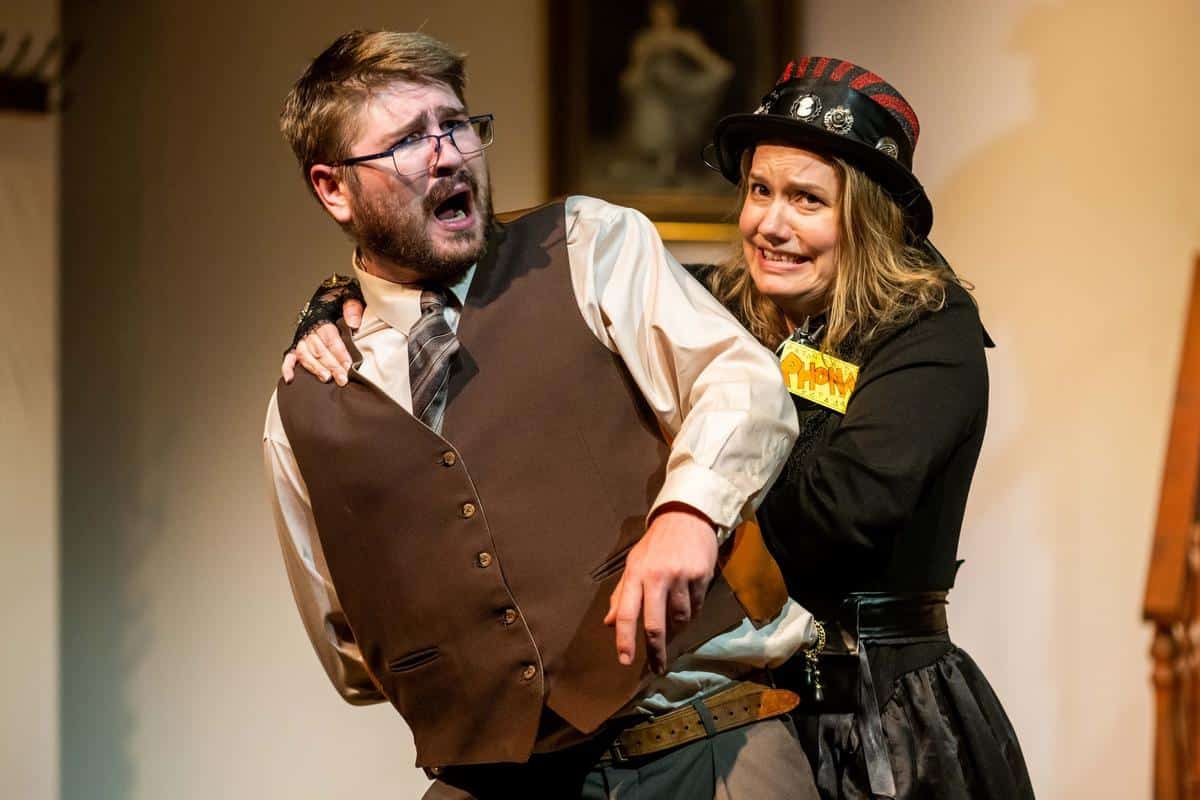
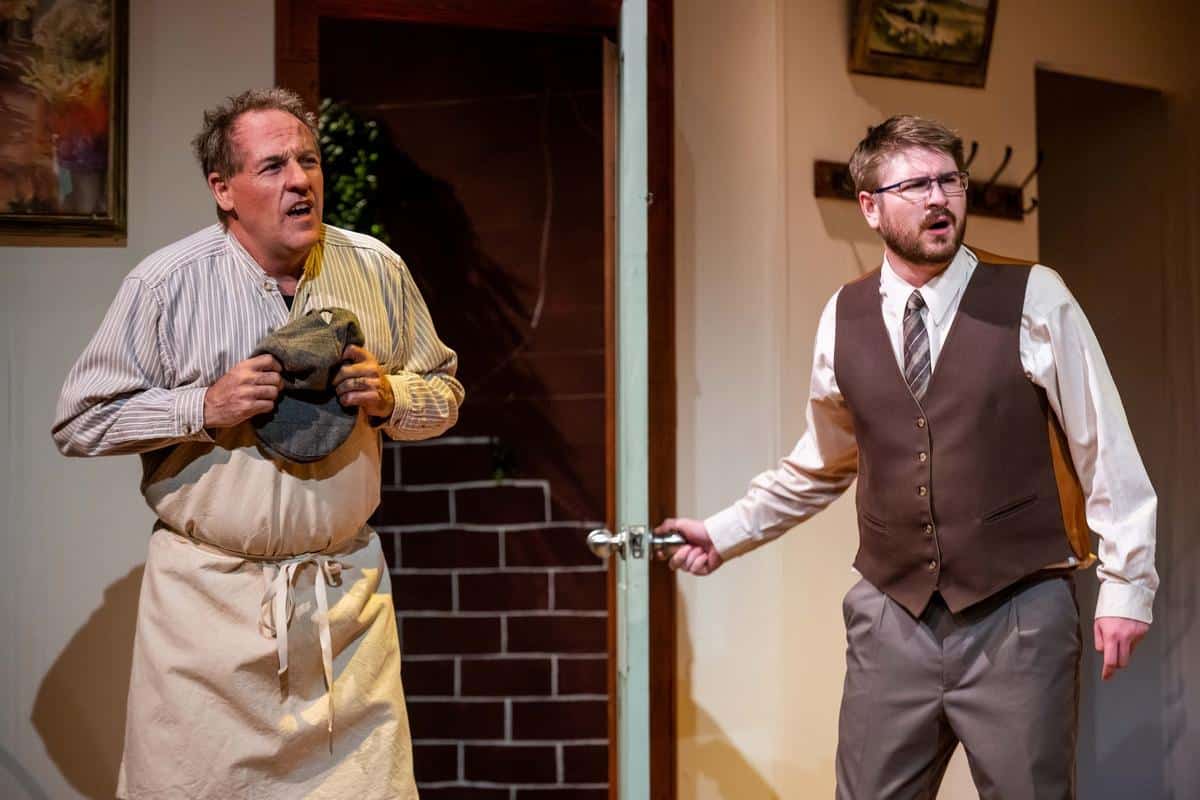
Peter David Allison was everything Barney was meant to be: a sloppy but loveable oaf with a wicked sense of humour. His energy was unmatched, forcing laughter from even the most stoic of audience members. Barney’s commanding presence was softened by his unassuming charm, particularly when it came to Bubba or Emma, played by Eliza Spowart and Narelle Jaeger, respectively.
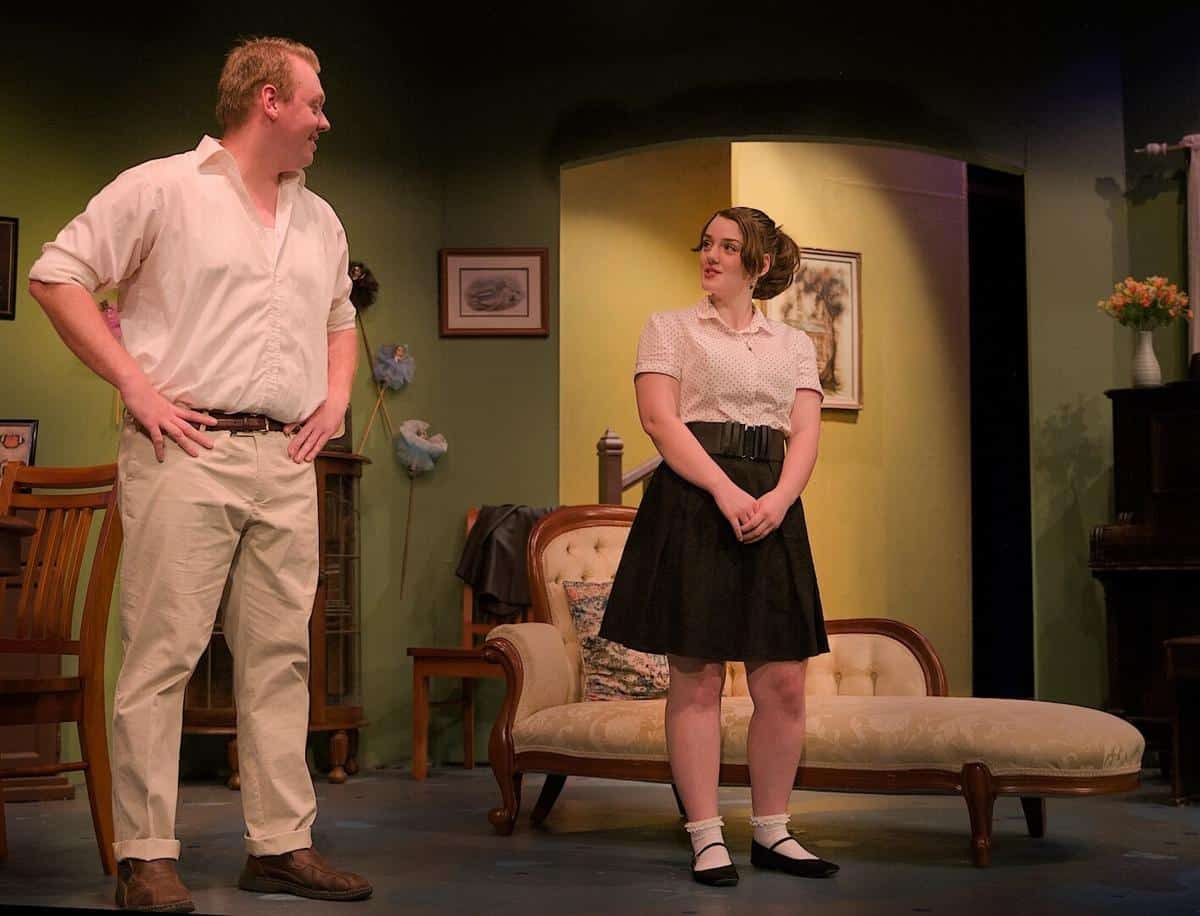
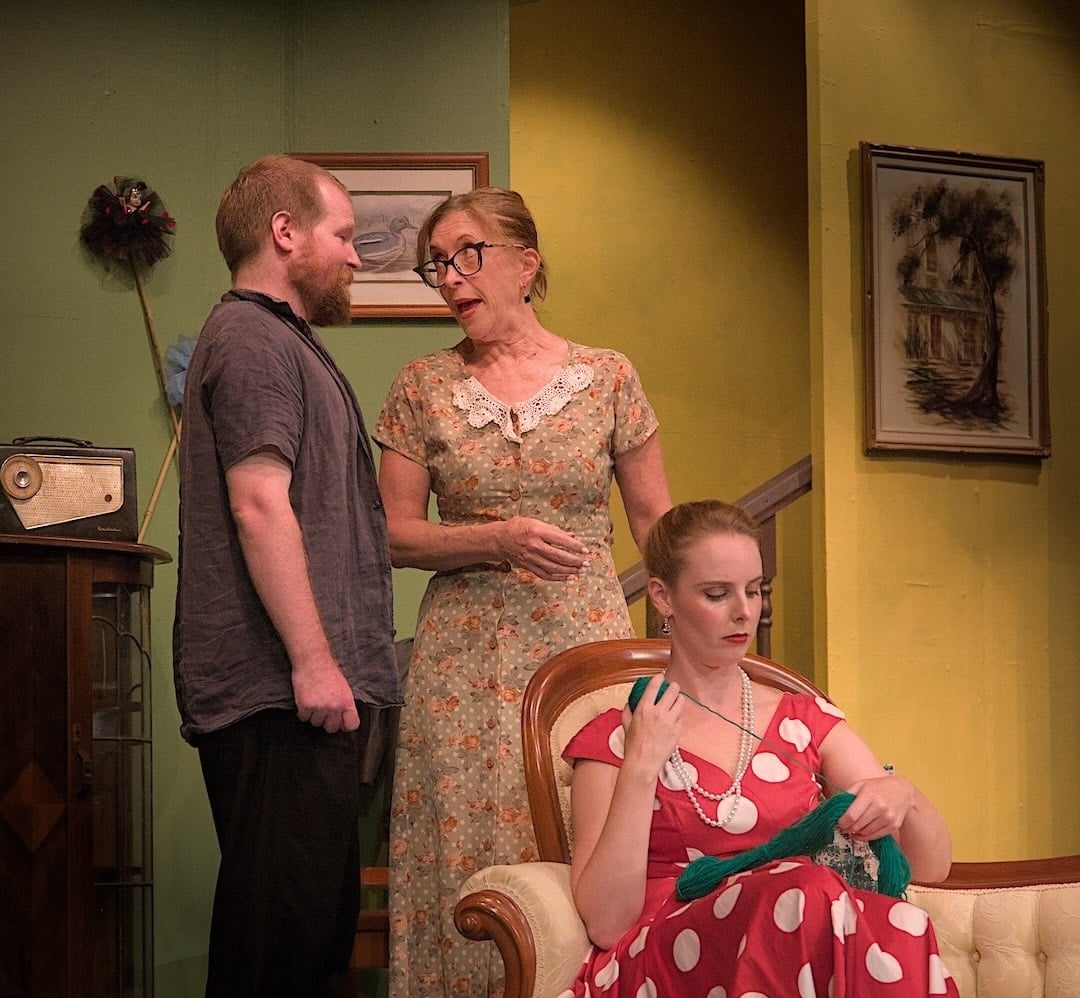
The integrity of the story and the authenticity of the era shone through the costumes and the music that added texture and invaluable personality to the performance. A huge shout-out to Lesley Tinker who oversaw props and wardrobe, they were stunning.

Despite moments where the dialogue felt a little rushed, making it hard to follow on occasion, it was no different to listening to a friend who gets a little over-excited and passionate about a unique interest, which added an endearing quality to the slight confusion.

Overall, this is not a play to miss. Whether you know the story or not, the Arts Theatre in Cronulla is the place to be for the next few weeks. Head to their website to book your tickets before it’s too late! The show closes on the 22nd of March. Performances are Wednesdays, Fridays and Saturdays at 8pm, and Sundays 9 and 16 March at 2pm.

To book tickets to Summer of the Seventeenth Doll, please visit https://www.artstheatrecronulla.com.au/summeroftheseventeenthdoll

Photographer: Peter Gale – Graham West

Spread the word on your favourite platform!

The Children’s Hour

The Children's Hour

The Children’s Hour Rating

★★★★★

Click if you liked this article

2

What damage can one lie do?

Can it ruin lives? Destroy relationships? Tear apart businesses? Or even cause death?

In The Children’s Hour, one girl’s lie causes all of the above.

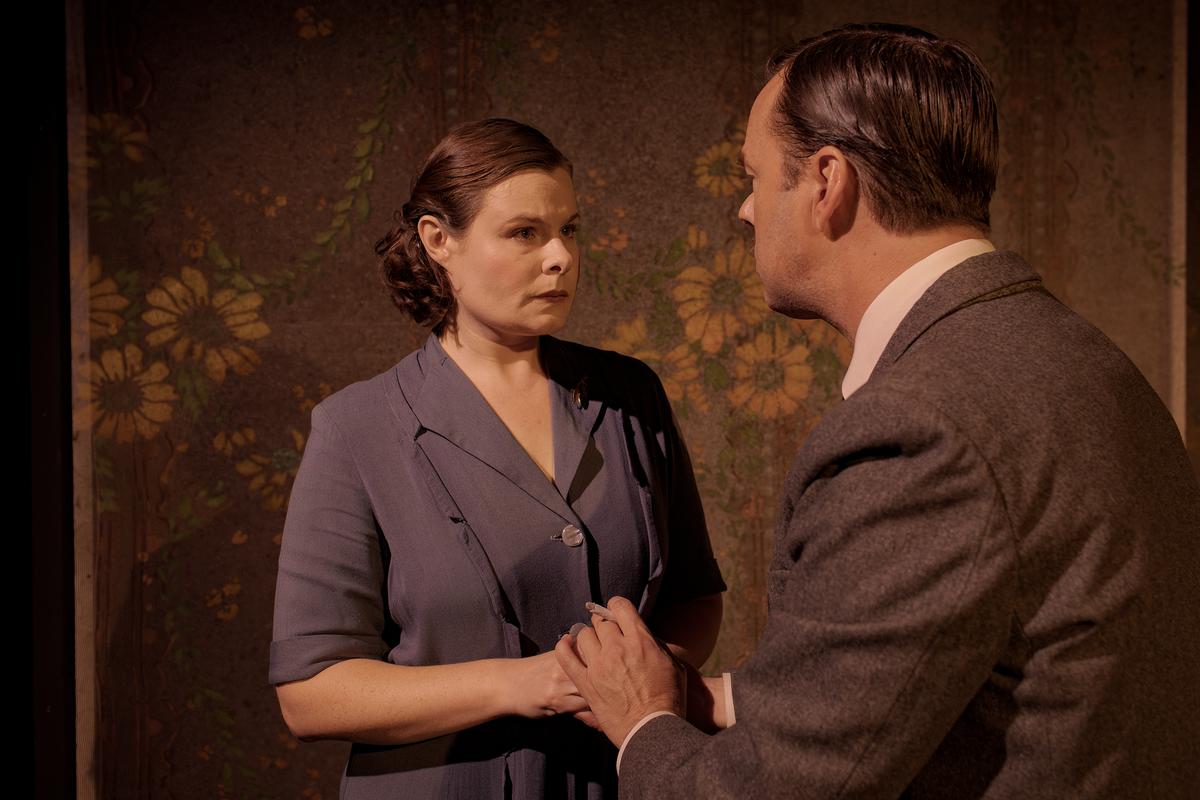
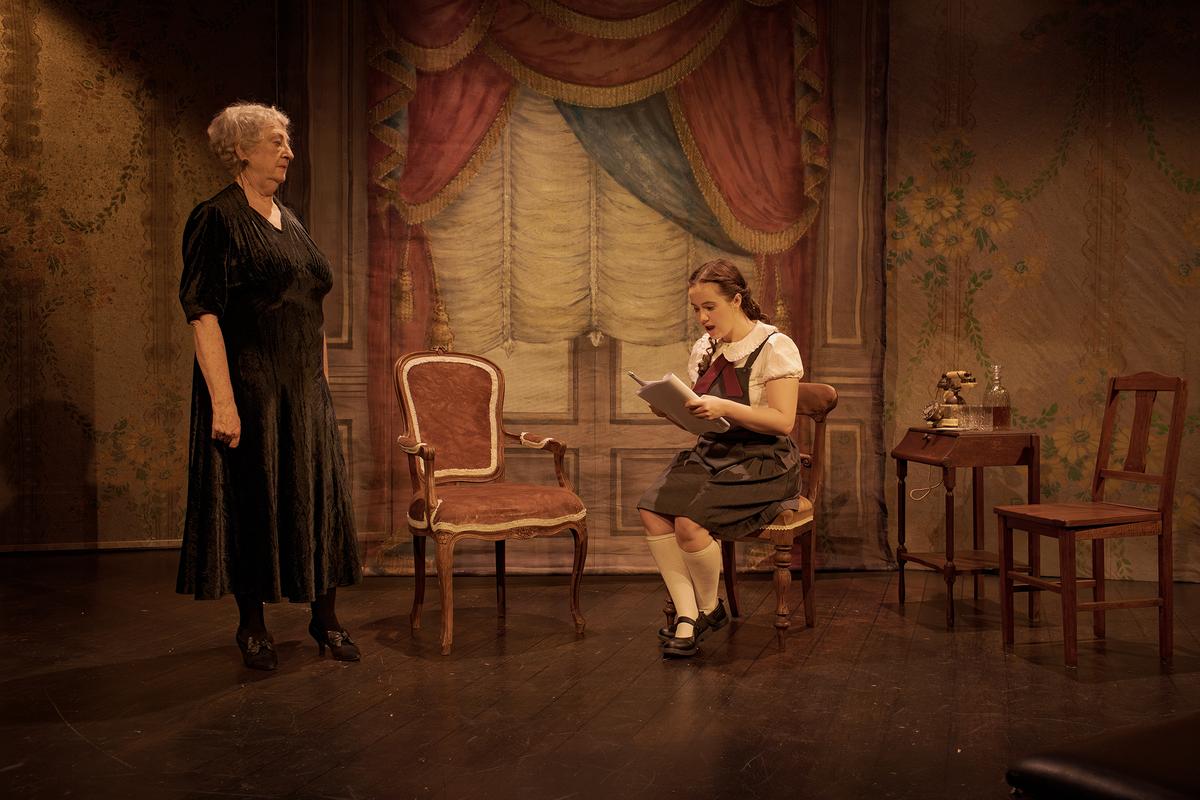
The play, based on an actual 1810 court case in Scotland, presents a gut-wrenching and emotional story of a cruel and manipulative student who fabricates a tale of a lesbian affair between her two school mistresses. The fallout is catastrophic—lives are destroyed, trust is shattered, and a community is torn apart.

First performed in 1934, The Children’s Hour remains strikingly relevant today. Its exploration of human nature touches on themes we still face: the cruelty of a lie, the vulnerability of truth, and the devastating consequences of a malicious word.

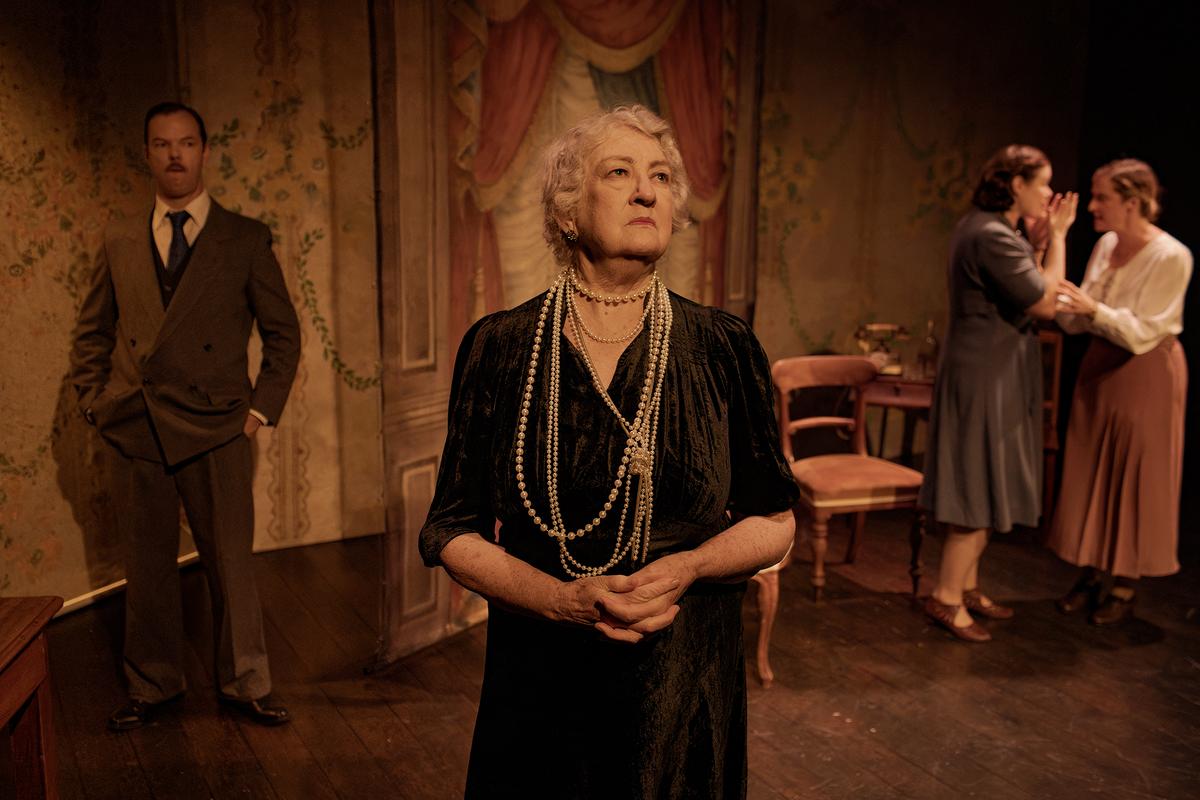
The characters are people we have encountered at some point in our lives—from a young girl desperate for attention at any cost to a grandmother trying to spoil her grandchild and women trying to create a future for themselves, only to be cut down before they get there.


The strength of the play lies not just in the harrowing story but in its perfectly cast ensemble. The entire cast is extremely strong, with raw emotion and realistic portrayals bringing each character to life. Special mention would have to go to the three generations of women: the conniving Mary, played by Kim Clifton; the wronged school mistress, Martha, played by Jessica Bell; and the matriarch grandmother who unwittingly sets the lie free into the world, played by Annie Byron.

By the time the final curtain falls, the severity of the play’s message lingers in the air as you exit the safety of the theatre walls. The Children’s Hour forces the audience to confront the consequences of dishonesty and the fragility of truth. The question remains: would you ever lie again, knowing the damage it could cause?

The Children’s Hours runs until the 1st of March, this powerful production is a must-see. Don’t miss it.

To book tickets to The Children’s Hour, please visit https://www.oldfitztheatre.com.au/the-childrens-hour

Photographer: Phil Erbacher

Spread the word on your favourite platform!

Improbable Fiction: A Comedic Delight

Improbable Fiction

Improbable Fiction Rating

★★★★★

Click if you liked this article

There’s something specifically delightful about a farce with a lot of heart. Castle Hill Player’s production of Alan Ayckbourn’s ’Improbable Fiction’ has a charming ensemble cast, a Shakespearean change-maker of a storm, and several comic surprises that had the house in stitches.

Jem Rowe is warm and funny as our anchoring host Arnold Hassock. The characters he welcomes to the house he shares with his aging mother bemuse and enthral him (and the audience) in turn. This is a show for you if you’re interested in writing and the oddball folks who do it.

Abby Bishop’s set, in concert with Mark Dawson’s lighting design, is incredibly effective and is the key support for good actors working with a good script. They’ve created a little world that it was a delight to fall into for the night, and Alan Ayckbourn’s skill with words is shepherded effectively by director Dave Went.

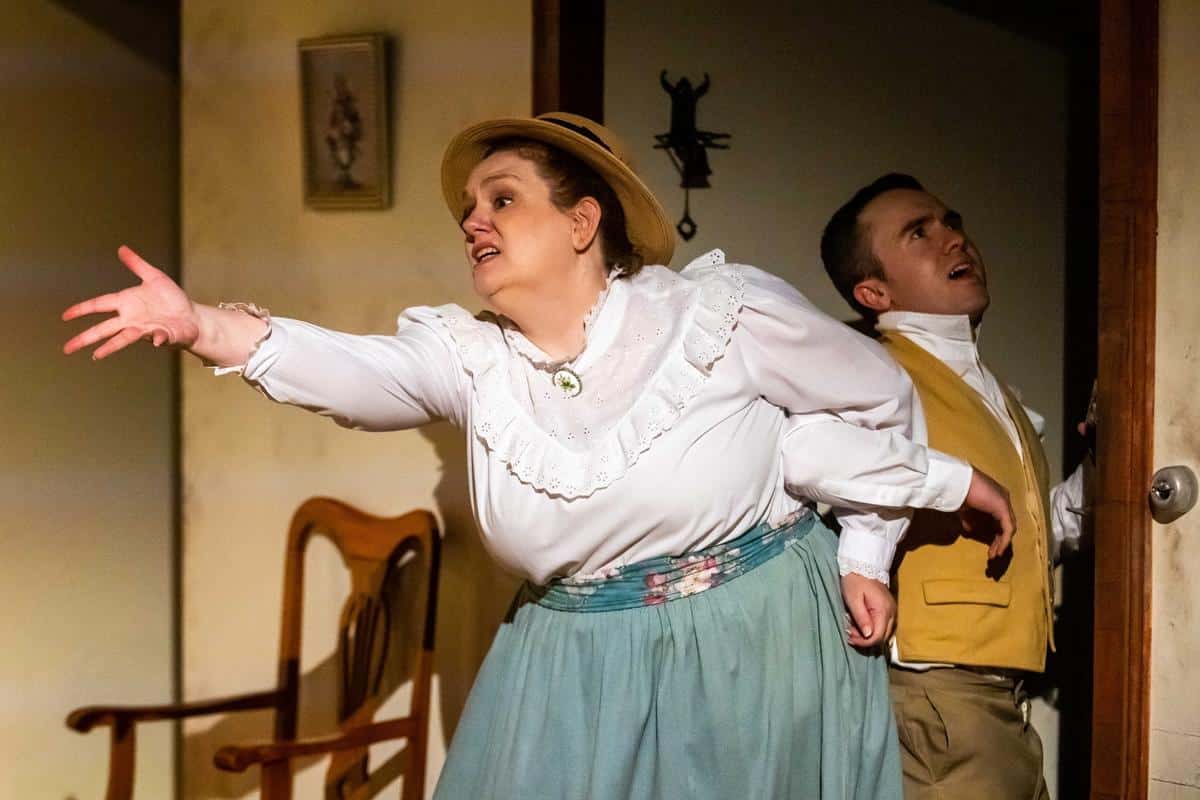
Leone Sharp’s costume design is excellent, and the pace of some of the changes was very impressive. Each detail gave richness to the whirl of the second act. Some of the prop work drew gasps and cheers from the audience and facilitatedsome of the big surprises and delights across the show.


The second act swings at quite a different pace to the first and gives the ensemble more space to stretch their muscles. Anthea Brown is a comic highlight throughout, and the whole cast embodies Gina Willison’s choreography with verve. Brendan Iddles enters last in the first act, and has some of the stand-out moments in the second; his transformations are some of the most striking. Will Shipp drew out some of the most vocal audience responses, and Lauren Asten-Smith’s characters (and late second act reveal) were all some of the strongest emotionally connected moments in the scheme of the comedy of the show.

George Cartledge’s sound design is, like the set, effective and integrated, with musical moments and audio gags all landing. The storm he created was one of the key elements of the plot, and the design and delivery was seamless. The mood-setting musical moments were effective enough to situate you instantly without feeling repetitious, and Jem Rowe was particularly good at working with them to carry the audience along through all the different twists and turns of the show.


For this reviewer, the second act was the highlight, but all the threads that ran through from first-act conversations really did add to the story. There’s a lot to love and laugh along with in this show, and the cast and crew have put on a lovely production of a fun piece. There is more wordplay the more you look, and plenty of clowning and character comedy besides, so I would recommend catching this show while it’s on.

To book tickets to Improbable Fiction, please visit https://paviliontheatre.org.au/improbable-fiction/

Spread the word on your favourite platform!

Between Past and Present: A Slow-Burn to Nowhere

Three Sisters

Three Sisters Rating

★★★★★

Click if you liked this article

If procrastination were an art form, the Prozorov sisters would be its masters. Their existential crisis is a painful blend of paralysing indecision and brutal self-reproach—an expression of how exasperating people become when deprived of a meaningful purpose. How many of us hover in limbo, caught between desire and action, never quite taking the leap?

Olga, Masha, and Irina, three sisters trapped in a small town, yearn for the excitement and fulfilment they believe awaits them in Moscow. As they navigate their personal crises, unfulfilled desires, and complex relationships, their dreams remain elusive. Chekhov’s audiences either revel in his brilliance, grow frustrated by the lack of resolution, or sit bewildered- precisely his point.

Any rewrite of Three Sisters is a formidable feat, one that few would dare take on, as its success hinges entirely on execution. Modernising a classic is a delicate balance between reinvention and irrelevance—remove too much of its original context, and you risk transforming a masterpiece into a hollow echo of its former self.

Writer/Director Victor Kalka’s takes on both challenges with Three Sisters at the Flight Path Theatre. He offers an almost claustrophobic platform, where every moment of inaction feels magnified and impossible to escape. The setting is intentionally unclear, blending past and present elements with a mishmash of creative confusion. No choice is fully realised, leaving the audience adrift, unsure where to anchor an emotional or intellectual connection. Chekhov loyalists may find it frustrating, but not in a Chekhovian way.

Three Sisters is deeply rooted in themes of societal constraints, particularly on women, but without the cultural context of Chekhov’s time, their longing for Moscow feels more like reluctance than tragedy. The Russian references remain, yet it feels distinctly un-Russian, as the cast all speak with Aussie accents and engage in very Aussie behaviours. More like a warped, self-flagellating version of Don’s Party, where personal crises and relationship breakdowns unfold amidst a backdrop of awkwardness and denial.


So, while Kalka offers a fresh perspective and some compelling tension, the conundrum ultimately falls short in achieving continuity and a cohesive identity, blurring its sense of direction. A few striking examples of dissonance is the use of Boney M’s ‘Moscow’. The upbeat, disco rhythm playing before the show and during the bows clashes with the quiet desperation of the characters. Plot points are also muddied, such as Olga having the freedom to be financially independent and be a school principal, yet the doctor kills someone by prescribing the wrong medication and faces no legal consequences, highlighting the inconsistency in tone and conflict. As a result, the themes of longing and discontent fail to establish any hard stakes or resonate effectively, diluting the emotional core of the story.

Still, the cast manages to engage with the material with conviction, conveying the emotional exhaustion and deep dissatisfaction of the characters. While not every performance stands out equally, several actors capture the depth and nuance of their roles with skill.

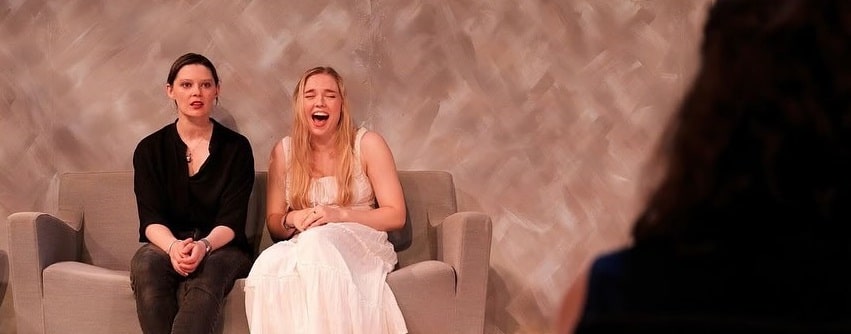
Meg Bennetts, Nicola Denton, and Sarah Greenwood bring a steady, understated energy to the sisters, slowly building the quiet tensions and unspoken desires that define them. Greenwood’s scenes with an intense Alex Bryant-Smith are particularly compelling, producing the most emotional resonance, their chemistry grounding the performance.

Matthew Abotomey as the sisters’ hapless brother Andrei, makes the character likeable, despite some brutally honest lines, finding a way to be relatable. Joseph Tanti, as Irina’s suitor, brings warmth and subtle charm to what could otherwise be a passive role, creating a welcome contrast to the otherwise fraught atmosphere.

Set in a time far removed from 1901 Russia, where women can self-actualise beyond marriage or spinsterhood, we’re ultimately left wondering why the sisters persist in self-loathing and entrapment instead of embracing self-examination. The absence of clear obstacles creates a disconnect, ironically mirroring the sisters’ doubt and lack of coherence. In Chekhov’s original, they’re trapped by both societal expectations and their own emotional paralysis – a defining characteristic of their struggle that feels unfounded here, where social pressures are now largely absent.

The key to a modern adaptation is balancing fidelity to the original with a fresh lens that reveals its enduring relevance. Yet, this production’s purpose gets lost in translation. Perhaps that was Kalka’s intent, but if so, it doesn’t quite reach Moscow.

See https://www.flightpaththeatre.org/whats-on/three-sisters for further details

Spread the word on your favourite platform!

Subscribe to What's The Show

Reviews, show news and what is on, straight to your inbox.