Hysteria – A Thriller That Burns Through the Lies

Hysteria

Hysteria Rating

★★★★★

Click if you liked this article

The German Film Festival previewed at Palace Cinemas with the Australian première of Mehmet Akif Büyükatalay’s Hysteria. This 104-minute political thriller left the crowd hushed and visibly rattled on the way out. On a film set that unravels after a burned Quran is discovered, Hysteria is equal parts whodunnit, social essay, and psychological pressure cooker.

Büyükatalay wastes no time striking the match. When the sacred text is smouldering among the props, blame ricochets between the director, the star, a slippery producer and a van-load of asylum-seeker extras. Class, faith and power lines are drawn in seconds; alliances fray just as quickly. This film proves you don’t need a big budget to create tension. The tension comes from the people, not the pyrotechnics.

One of Hysteria’s thrills (and frustrations) is its refusal to hand you a neat answer. Every scene forces you to ask: whose version of events do I believe, and what does that say about me? Büyükatalay is less interested in solving the mystery than in showing how easily images of “the Other” override the human being standing before us. That makes for an unsettling watch, but it’s precisely the point. Cineuropa praised the film’s “important inquiry into the representation of migrant minorities”, even as it noted the narrative leaves viewers “confused”. Confusion about how you want the story to pan out and who turns out to be the protagonist and the antagonist.

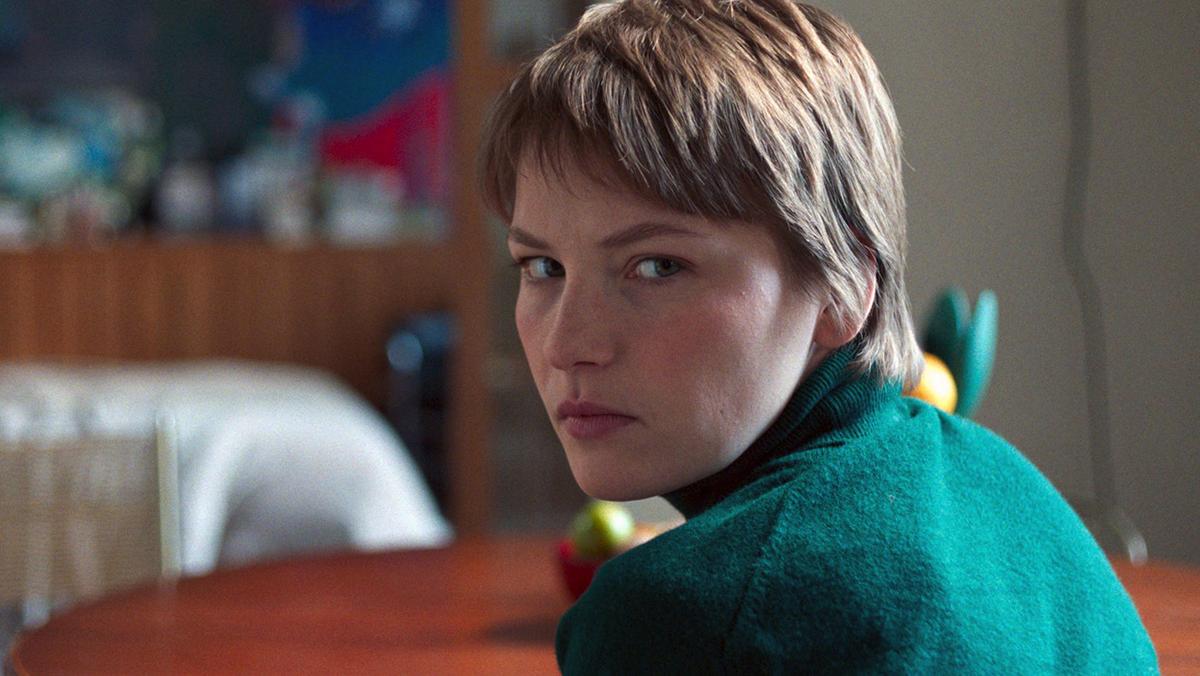
As a 24-year-old intern, Elif Devrim Lingnau anchors the film with wide-eyed resolve that gradually hardens into fury. Refugee extra Said (Mehdi Meskar) and Director Yigit (Serkan Kaya) spar with her in tightly coiled exchanges that feel one breath away from violence. Nicolette Krebitz steals scenes as a calculating producer who knows exactly how far an image can travel once uploaded. The casting is strong, there are no weak links.

The use of close-ups in Hysteria traps the audience inside green-screen warehouses and cramped caravans. The pacing is fast; the 104 minutes fly by. Cinematographer Julian Krubasik ensures we feel connected to every character in every shot.

This film may leave you feeling cold if you love films that end all tied up neatly with a little bow. Hysteria is a must-see for viewers who relish cinema that sends them out into the foyer to debate morality, identity, and media manipulation. Behind every flame lies a darker truth.

Büyükatalay’s sophomore feature doesn’t just hold up a mirror; it shatters it, then asks us to pick up the shards and see which reflection we choose. Catch it while the German Film Festival programme runs nationwide, and check session times via the Palace Cinemas website. Take a friend; you’ll need someone to argue with on the tram ride home.

The HSBC German Film Festival presented by Palace runs from 2 May – 21 May, in association with German Films. In 2025, the festival will showcase the best contemporary German cinema direct from major festivals in Europe, plus a selection from its German-speaking neighbours, Austria and Switzerland.

To book tickets to Hysteria, or for date and session information for any other films in the festival, please visit https://germanfilmfestival.com.au/.


Spread the word on your favourite platform!

Brown Women Comedy Performance: A Light Look at Being a Brown Woman

Brown Women Comedy

Brown Women Comedy Rating

★★★★★

Click if you liked this article

3

Deciding to be a comedian professionally is probably one of the bravest steps someone can take.

Some people are naturally funny, others are talented writers who have the skill to take a situation and focus in, give it a tweak and make it sound hilarious. From the many comedy acts I have been to, almost all comedians poke fun at their occupation in their set, and point out how poor they will be all their life. Brown Women Comedy, featuring four bold Indian and South Asian Australian comedians, did indeed broach this.

The first comedian, Niv Prakasam, extended this line of thinking and talked about her job as being someone who was simply carrying forward a family tradition, that of Generational Debt! I have heard other comedians talk about how disappointed their parents are, that they’re not a lawyer or a doctor earning the big bucks, but Niv swung this joke around with her Generational Debt take, and it was refreshing.

Niv spoke with the easy-going flow of a seasoned performer and was a wonderful opening act. I really enjoyed her stories about coming from a conservative country and how different Australia is from her home. She took this topic and brought a whole lot of different and amusing tales, some involving arranged marriages, what it means to hug, or hold eye contact with someone (that’s it, you’re now betrothed) and the audience reacted very well. Niv was able to incorporate the audience into her act, making them feel comfortable whilst talking to them.

Ramya Ranapriya followed and continued to make the audience laugh. In her set, she told stories about situations in her country. She talked about family (of course, the in-laws got a mention, but not even Grandma was spared!) and her dynamic views of the ever-changing world of becoming a mum reached the audience’s heart. Her stories from when she had a newborn and was bombarded by requests from everyone to meet her little one was relatable to many people – such as the endless stream of visitors (the quick look of the men visitors versus the delight of women visitors inhaling the scent of her baby) and was very funny. As was her take on how visitors brought money as gifts when they came – but I won’t spoil Ramya’s jokes by relating them.

Founder of Brown Women Comedy, Daizy Maan, followed Ramya. Her impressions of her friend’s friend made people laugh, and she cleverly circled back to this particular joke to close her set. Daizy told tales about her family, sharing some funny experiences ranging from her mum’s roti to awkward moments, which had the audience cringing in sympathy. One of the funny moments for me was something her mum said to one of Daizy’s friends, about her thighs! It is still quite an Asian thing for the older generation to comment about one’s weight, and this made the audience laugh.

To close the performance, Guneet Kaur came on, and brought another dimension to the show. She delivered her comedy set with a deadpan coolness, and this worked to bring out the joke’s meanings even more. Her stories about dating and being a racial chameleon were hilarious, as were some stories about dating, bisexuality and how lies can go wrong when making up a false family!

The four womens’ comedy acts were all different, with each comedian bringing another side of being a woman into the show. It was an all-rounded show, incorporating sexism, feminism and racism into 2025 and the modern Aussie world. If you feel like a break from the real world, a comedy show should whisk you away. Brown Women Comedy does just this – these ladies will whisk and stir up your funny bone and imagination, at least for an hour!

Brown Women Comedy was hosted at the Lennox Theatre inside Riverside Theatres in Parramatta and is part of the Sydney Comedy Festival.

Performances: 23 – 25 April 2025
Riverside Theatres. Corner Market and 353 Church St, Parramatta
Tickets: $44
www.riversideparramatta.com.au

Spread the word on your favourite platform!

Snakeface – A Young Woman’s Raw And Unfiltered Portrait

Snakeface

Snakeface Rating

★★★★★

Click if you liked this article

Written and performed by Aliyah Knight, Snakeface is an unapologetically raw solo performance that plunges the audience into the turbulent mind of a young black woman navigating love, identity, and self-worth in white Australia. Staged in an intimate, amphitheatre-style venue seating no more than 80 people, the sparse set and close quarters create a confessional atmosphere – almost as if we’ve been invited into Snakeface’s private reckoning.

The play unfolds as a 90-minute monologue – fast-paced, fragmented, and emotionally charged. Knight’s character spirals through thoughts and memories, swinging between the emotional highs and gut-wrenching lows of relationships: a girlfriend she adores but who drifts in and out of her life, predatory men, and the isolating ache of being unseen. These aren’t clean narrative arcs but messy, unresolved entanglements – mirroring the chaos within.

There are moments of levity, brief flashes of sharp humour that puncture the heaviness. Yet overall, the experience is intense, almost claustrophobic in its honesty. It’s not an easy listen – the sheer density of language and emotional weight can be exhausting – but it’s also riveting.

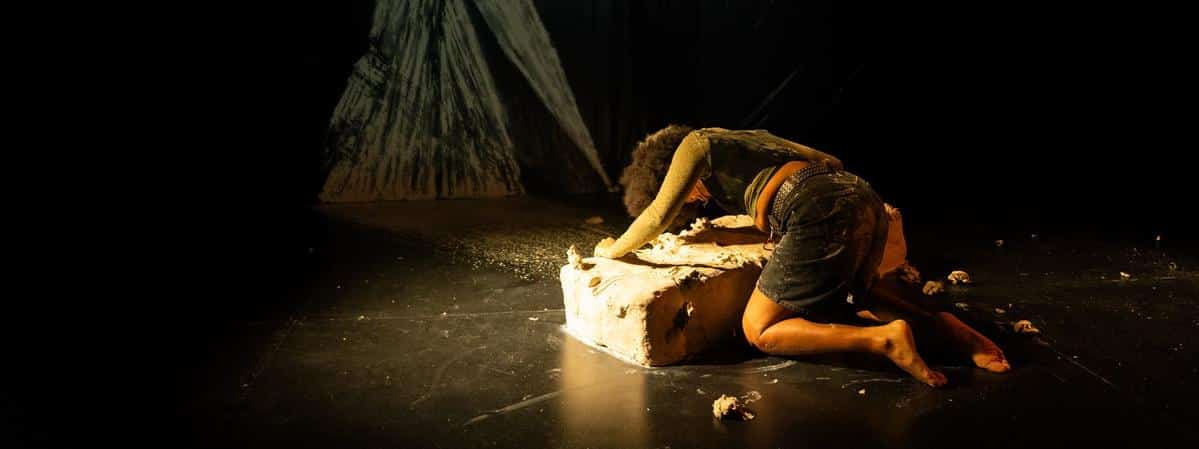
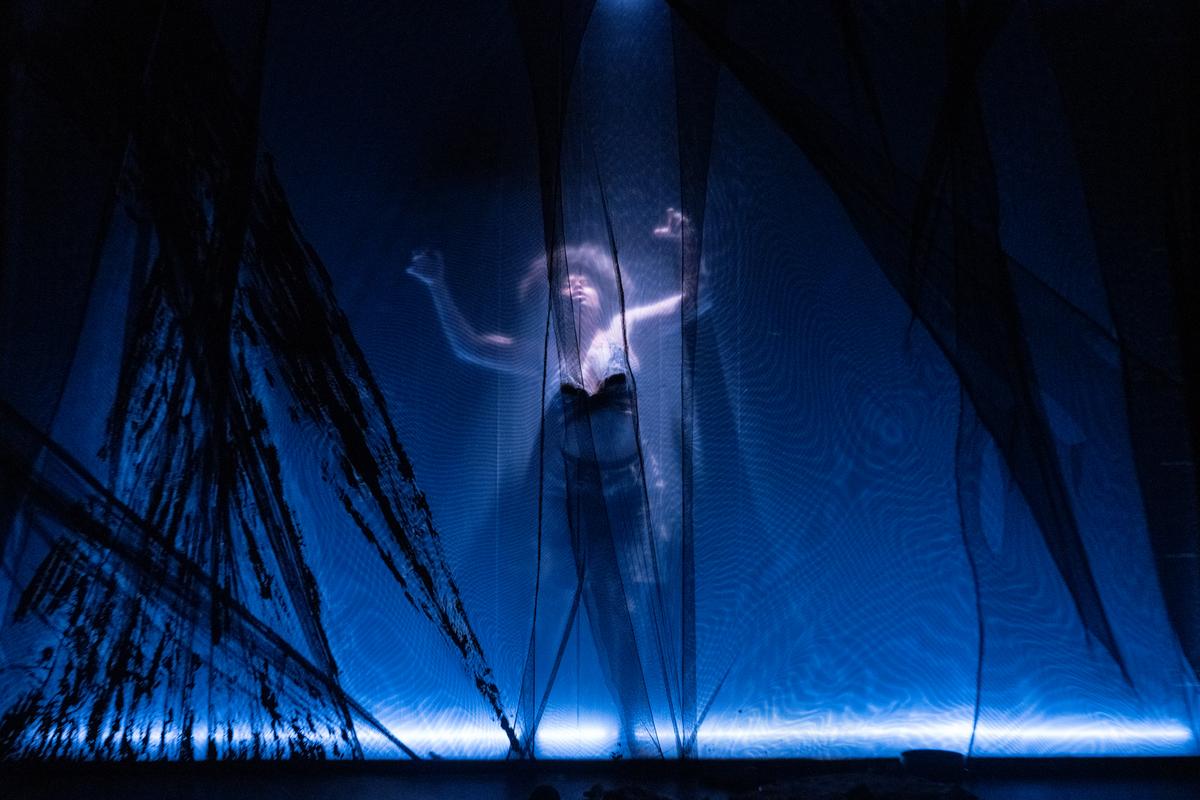
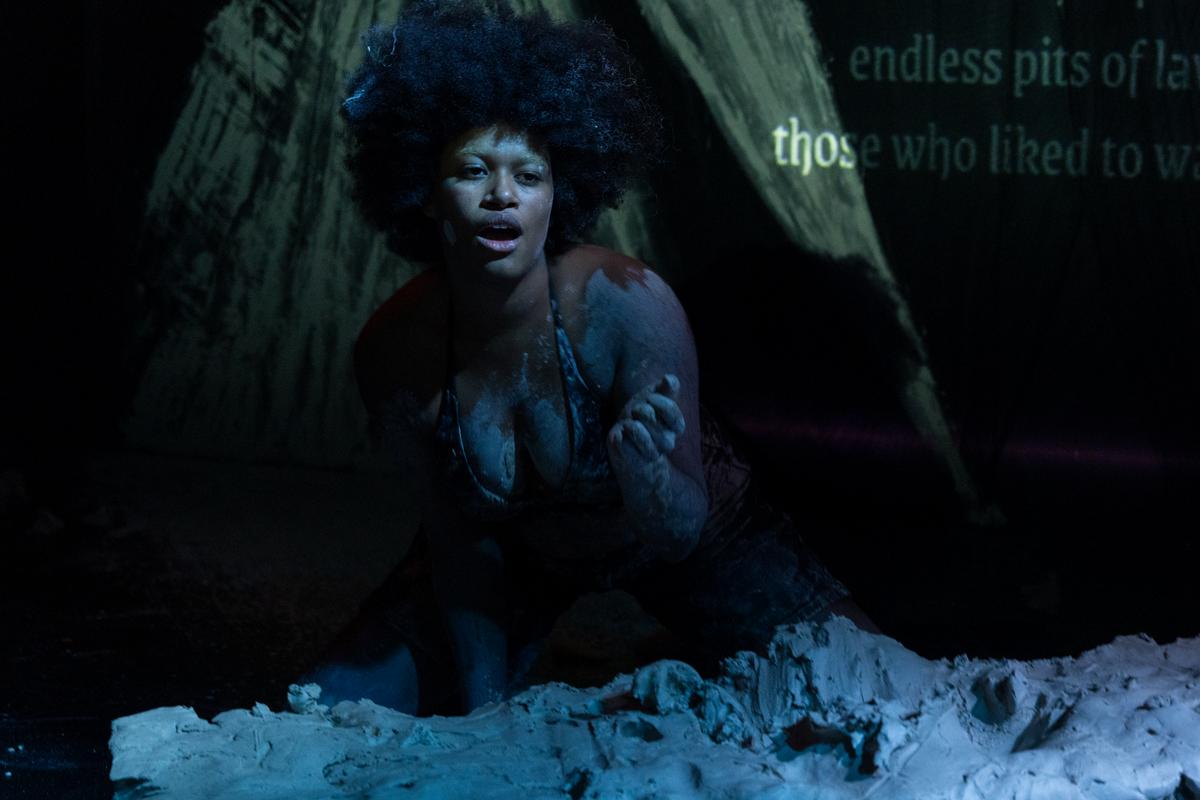
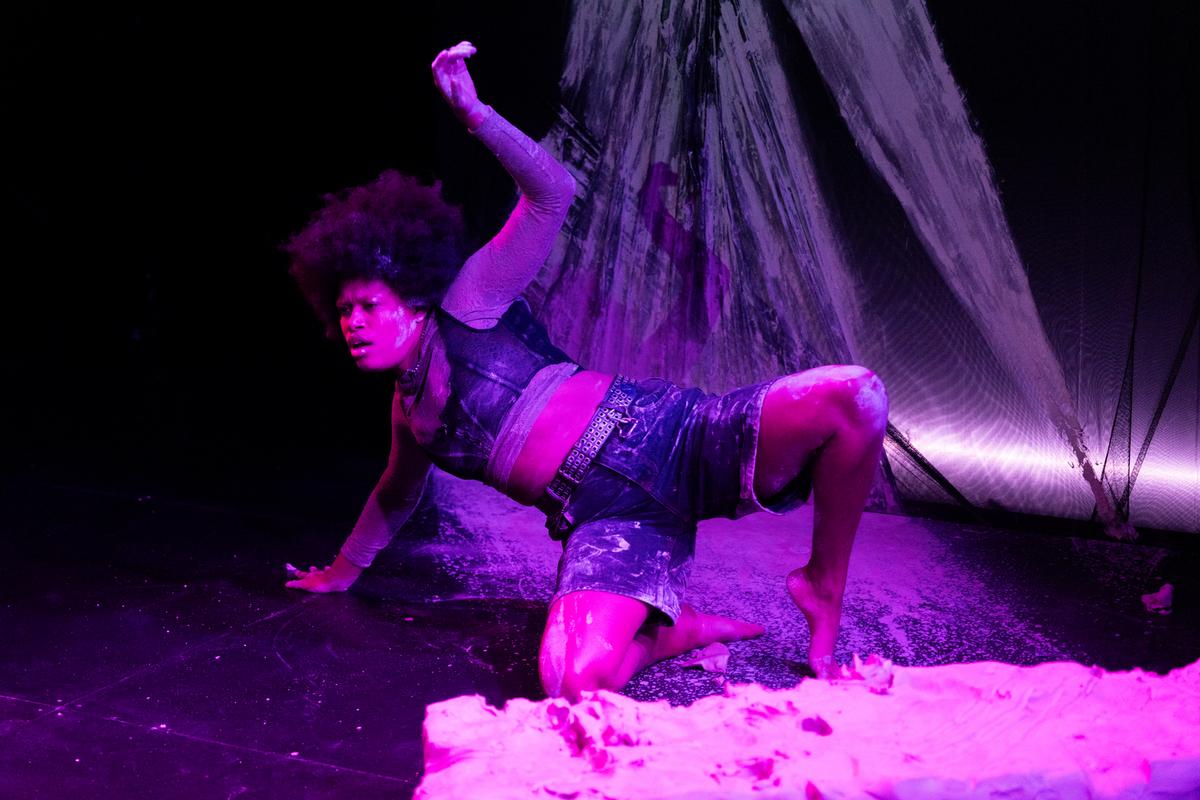
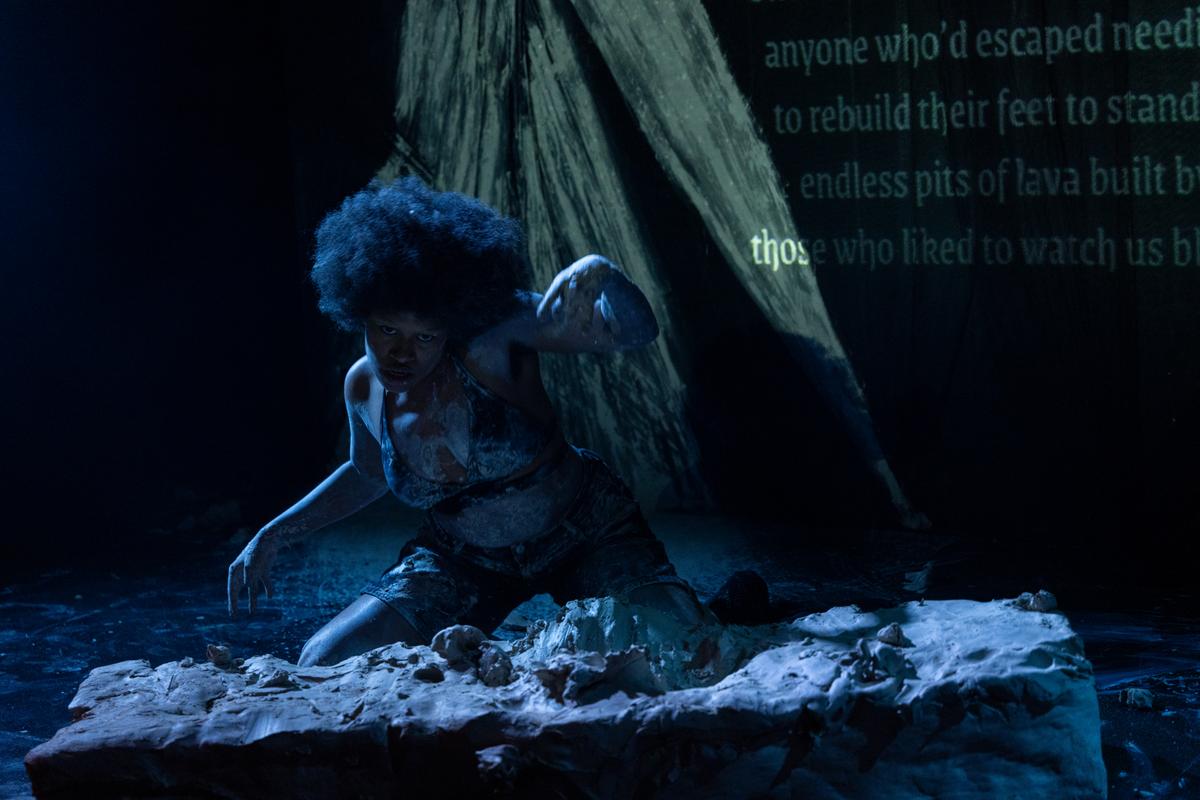
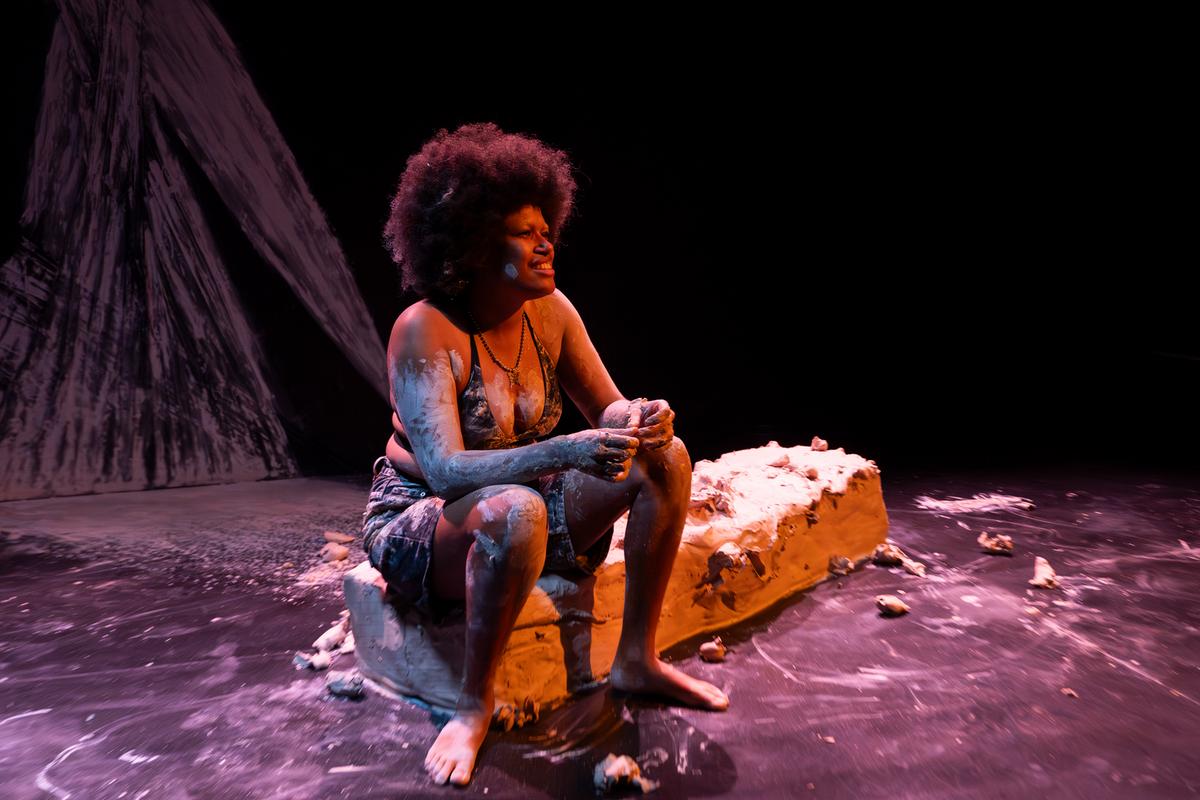
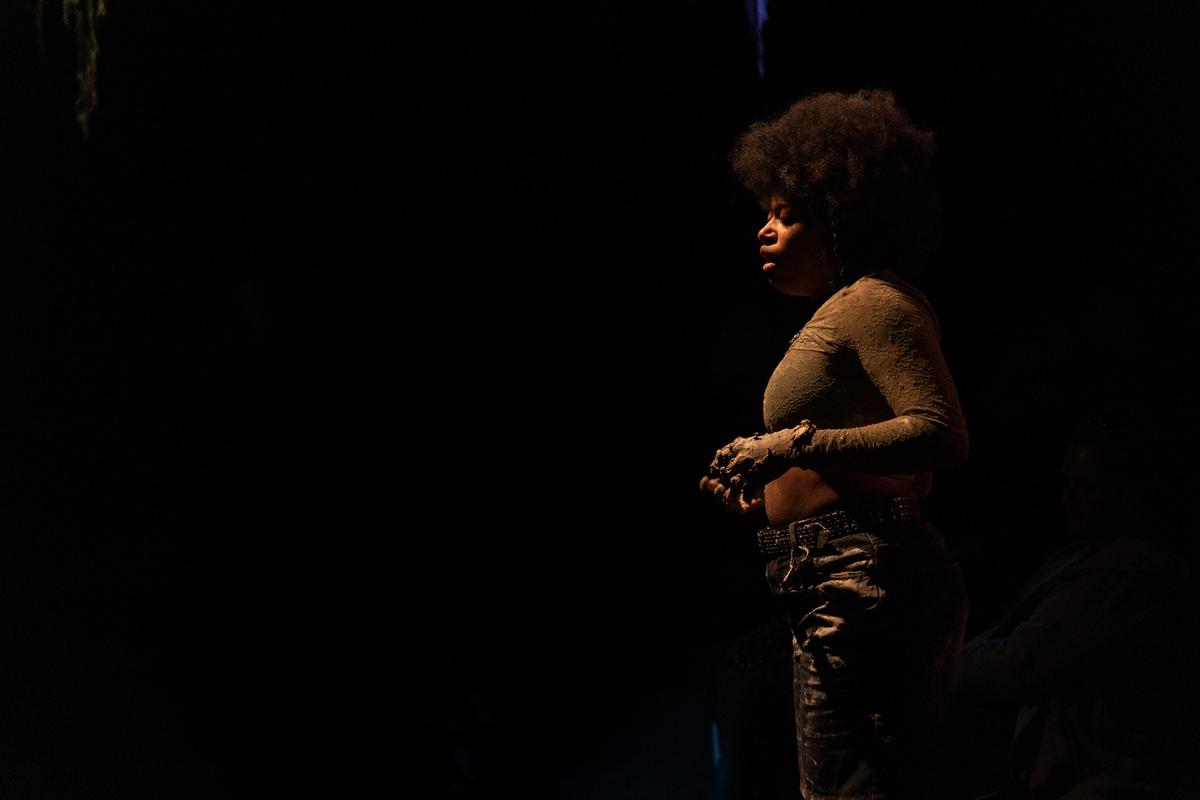
Knight’s sculptor identity is cleverly embedded in the staging. A large block of soft clay sits at the centre of the set, which she digs into and manipulates as the performance progresses. By the end, she’s covered in it – a visceral visual metaphor for how we mould and are moulded by our traumas, desires, and decisions. The mesh backdrop, which doubles as a projection screen, flashes fragmented thoughts and phrases, echoing her inner turmoil and providing commentary or emotional cues for the audience.

The sound design by Marco Cher-Gibard adds an atmospheric layer – ranging from subtle ambient textures to pounding nightclub beats – underscoring shifts in mood and energy. Similarly, lighting by Rachel Lee and projection design by Wendy Yu enhance the storytelling, immersing us deeper into Snakeface’s emotional landscape.

Though the structure at times feels loose, even meandering, it’s this lack of polish that gives Snakeface its edge. It’s not about resolution – it’s about being seen in the mess. And Knight, as the sole performer, commands the space with stamina and vulnerability, keeping the audience engaged throughout.

Directed and dramaturged by Bernadette Fam and supported by a team of creatives – including producer Madeleine Gandhi, set and props designer Keerthi Subramanyam, and movement director Fetu Taku – Snakeface is a collaborative feat with Knight’s bold performance at its heart.

The audience was predominantly female and spanned a wide age range, clearly resonating with the rawness and relatability of the themes. Practical comforts – padded seats, excellent air conditioning, and the welcome permission to bring drinks into the theatre – made the experience physically enjoyable, despite the emotional intensity onstage.

Snakeface is not a traditional play – it’s a poetic excavation, a cry for recognition, and a reflection of one woman’s attempt to make sense of her fractured world. It may not be comfortable viewing, but it is compelling, urgent, and defiantly human.

Snakeface was awarded runner-up in the Australian Theatre Festival NYC 2024 New Play Award.

To book tickets to Snakeface, please visit https://belvoir.com.au/productions/snakeface/.

Photographer: Abraham de Souza

Spread the word on your favourite platform!

Dear Elena Sergeevna at The Old Fitz

Dear Elena Sergeevna

Dear Elena Sergeevna Rating

★★★★★

Click if you liked this article

1

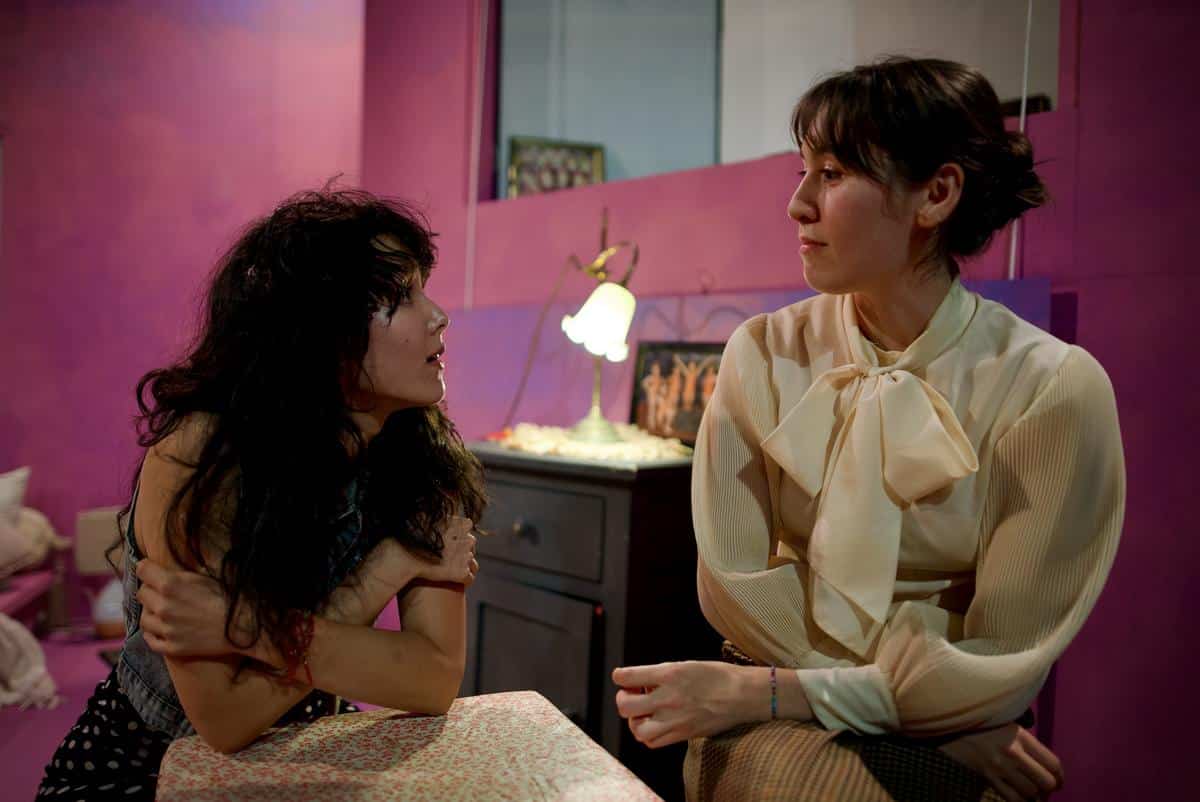
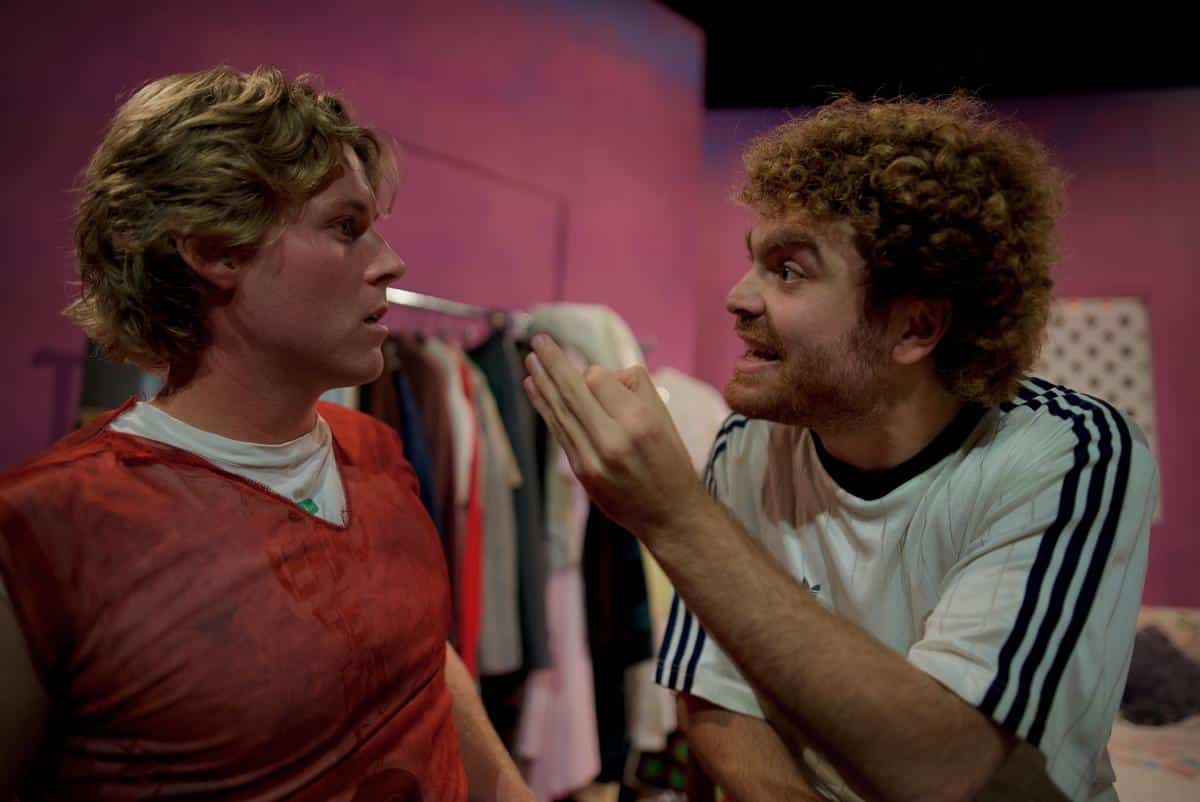
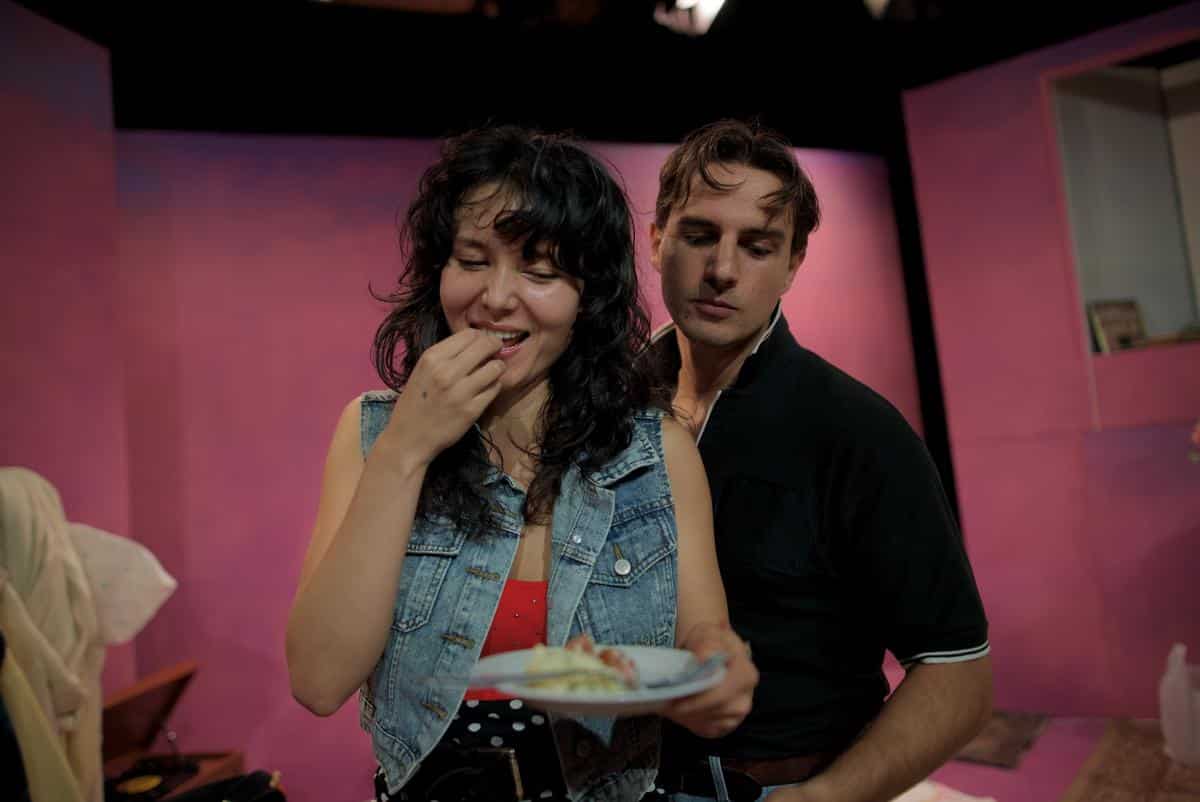
Written in 1980 by Lyudmila Razumovskaya and later adapted into film, Dear Elena Sergeevna remains relevant as an exploration of morality, humanity, and the darker side of ambition. Elena is a schoolteacher who is about to celebrate her birthday alone while her mother is in hospital.

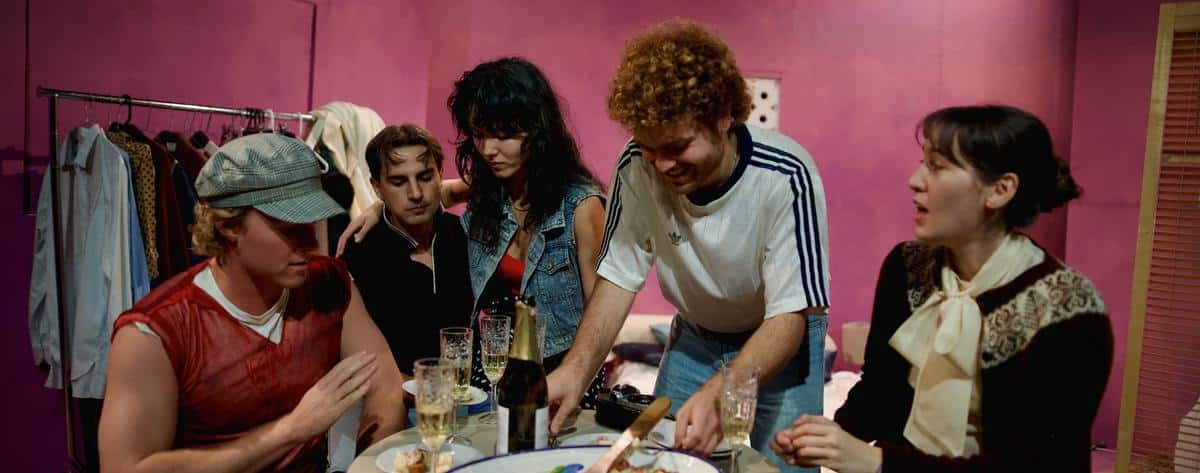
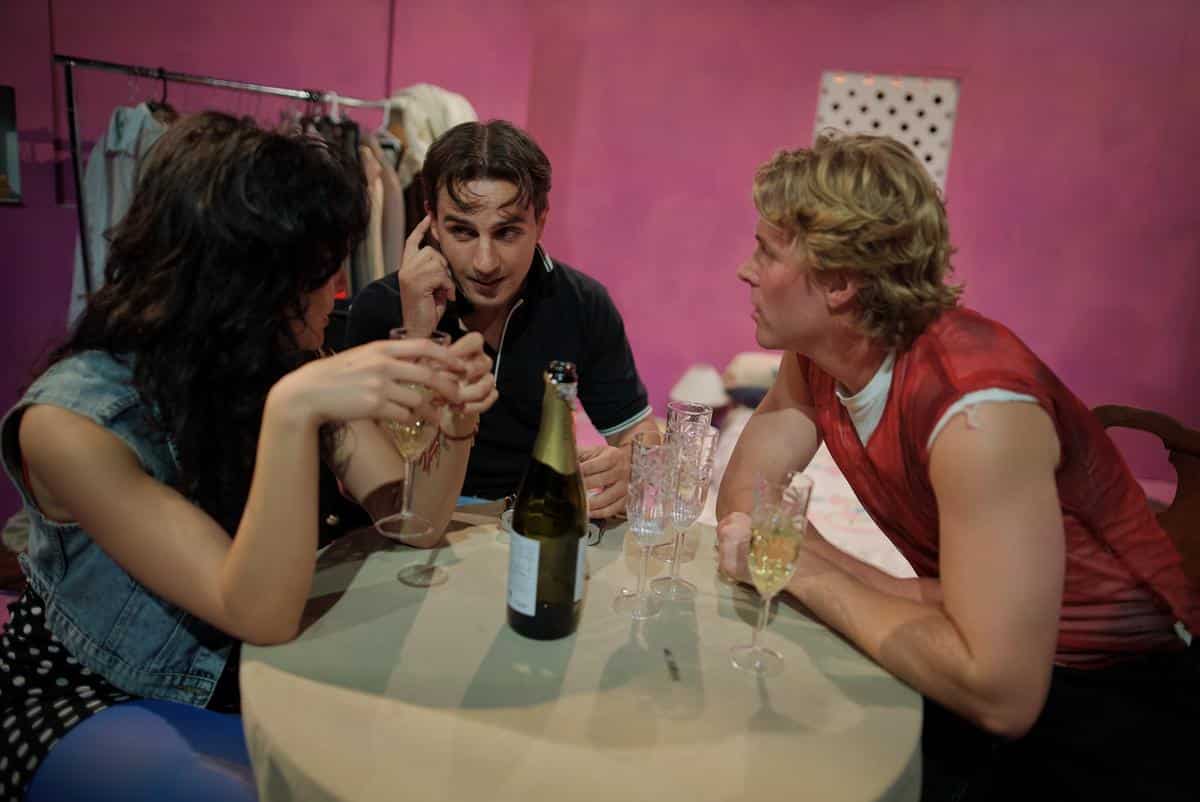
Her quiet, humble evening is interrupted by a group of her students who visit to celebrate, or so they say, bringing gifts and alcohol. Their true intention is masked by their polite manners and youthful joviality, trying to bring Elena onside so she willingly helps them with a secret plan. But she refuses to be their accomplice, so the students hold Elena captive as the evening descends into a tense battle between different generations and ideologies.

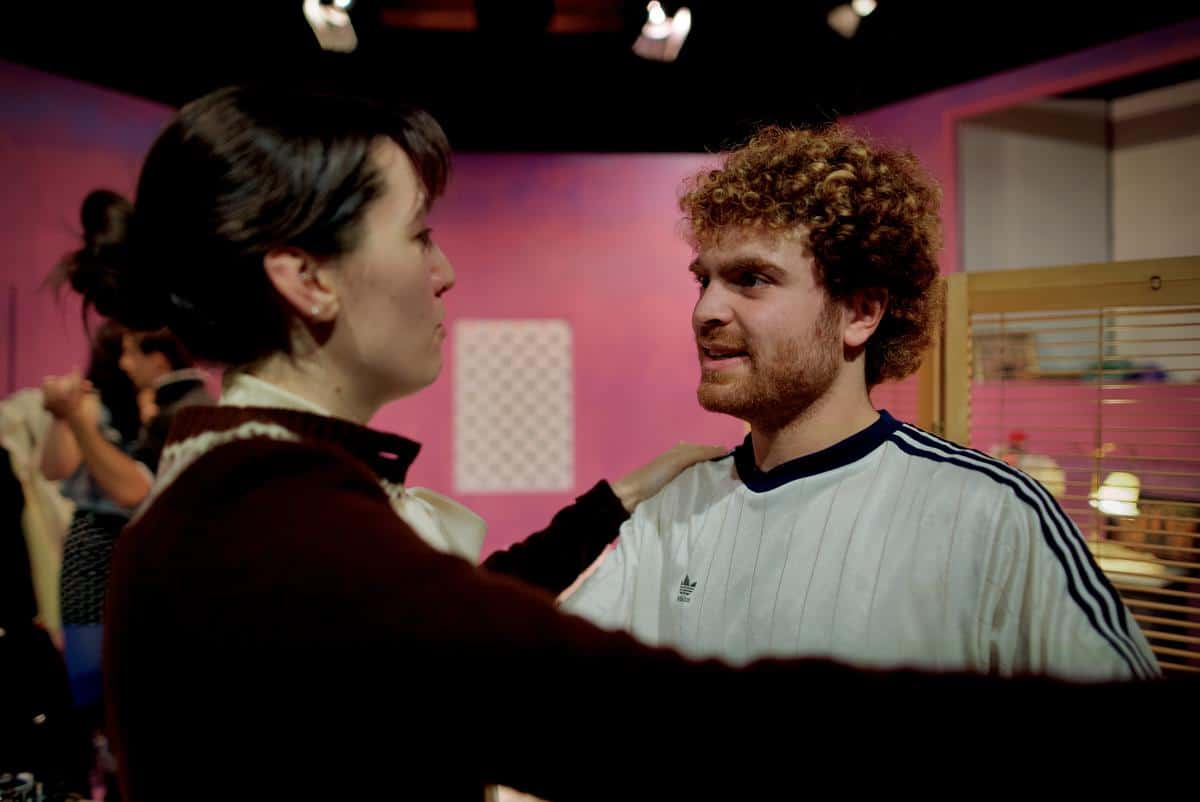
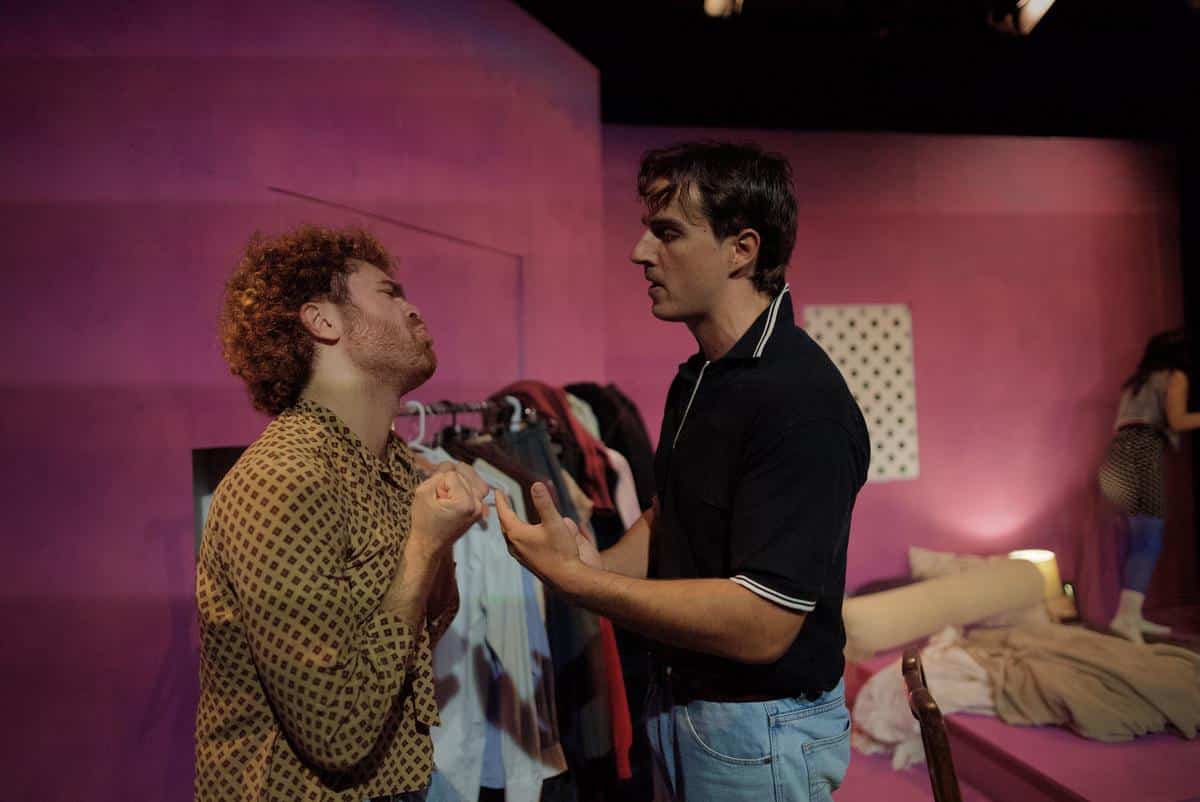
The current production at The Old Fitz Theatre, directed by Clara Voda, doesn’t quite manage to capture the sense of danger and tension so evident in the script. The cast try their best with string performances. Teodora Matović is well cast as Elena, convincingly embodying the bookish, conservative and idealistic teacher. Toby Carey, Harry Gilchrist, Faisal Hamza and Madeline Li brought the students to life with energy and exuberance, even if they sometimes stumbled on their lines. Each was perfectly cast for their respective character.

The only thing missing was tension. At no point did I feel concern for Elena’s safety or fear what students may be capable of. Much of the subtleness in the script was missing. There were many lost opportunities where menace and terror could brood underneath the ideological conflict, but the emotions were big, loud, and shallow.

Elena’s outburst fell flat despite Teodora’s excellent physical performance, embracing the emotions completely. It was just the wrong directorial choice. I could barely hear anything being screamed and failed to have any emotional reaction to what should have been an incredibly powerful moment. Most of the important emotional moments were the same: big and loud rather than powerful.

I liked how the characters were always engaged in some activity, even when they were not the focus of the story. There was always something else going on, and that level of detail is commendable. The actors were almost always on stage, so keeping busy and interesting when you don’t have any important plot action to deliver can be challenging, and they did this skillfully. I also really enjoyed how the dialogue was dynamic, with characters constantly talking over each other like we do in real life. Unfortunately, that wasn’t enough to immerse me in the performance, and by the end of the play, all I could think about was what could have been. It’s still a great, timeless story. Maybe next time.

Dear Elena Sergeevna is now playing at the Old Fitz Theatre in Woolloomooloo until the 11th of April.

To book tickets to Dear Elena Sergeevna, please visit https://www.oldfitztheatre.com.au/dear-elena-sergeevna.

Photographer: Noah David Perry

Spread the word on your favourite platform!

Subscribe to What's The Show

Reviews, show news and what is on, straight to your inbox.