Nicholas Pang: Creating Hypnotic Drone Scores for Shakespeare

Feature-Othello

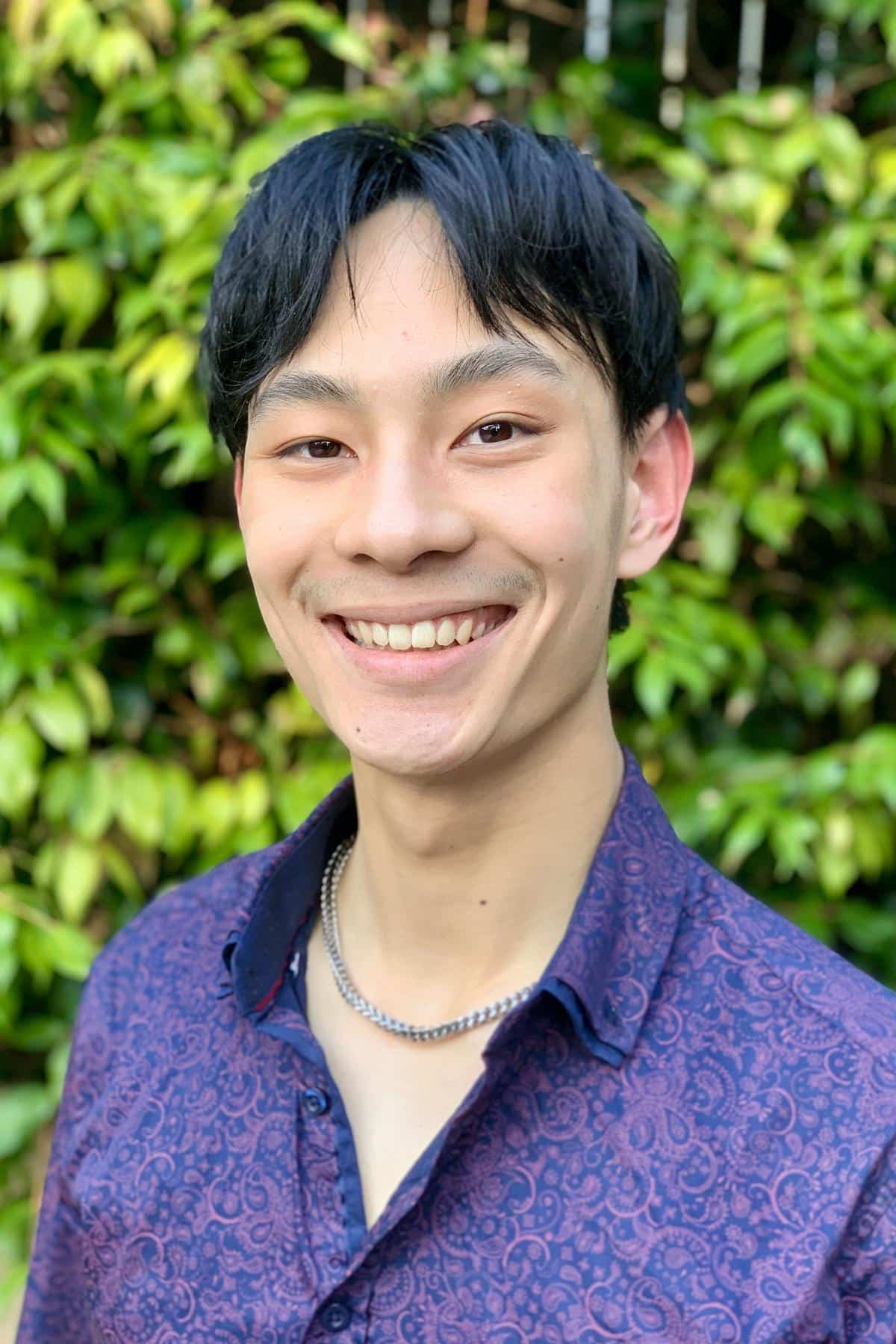
Behind Come You Spirits’ production of Othello is composer Nicholas Pang, a creative talent whose work crosses theatre, film and video games. Bringing Shakespeare’s famous tragedy into the setting of early colonial Australia presents an unusual opportunity for musical interpretation. In this interview, Pang takes us behind the scenes of the production, revealing how he works with directors, the challenges of composing for live theatre and the artists who have influenced his career.

Meet The Composer - Nicholas Pang

What is this production or project about?

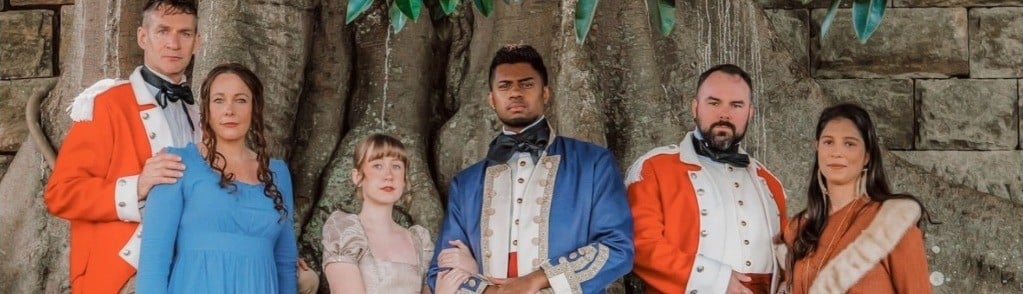
Come you Spirit's Othello is a retelling of the famous Shakespearean work with an early colonial Australian twist.

This adaptation reframes Shakespeare’s most searing tragedy within a world of first encounters, shifting power and cultural collision, where love and jealousy unfold against the backdrop of devastating change.

The heart of the story sees Othello navigating leadership, trust, prejudice and betrayal. Deception runs rampant and echoes the power struggles of the young colony.

How would you describe the musical world of this work?

It's something of a fusion between orchestral and drone/ambient music! Drone music is a minimalist genre defined by long-held, sustained tones, notes or tone clusters that play continuously or with very slow, subtle variations. It is meditative and hypnotic, dense and heavy yet cinematic.

How do you collaborate with a director or creative team when writing for the stage or screen?

Josephine, the director of Othello wanted to bring in elements of Australian culture by collaborating with First Nations artist Uncle Col Lyons. We combined my music with his live recorded didgeridoo and clapsticks, often scored to soulful dancing on-stage. Hearing Uncle Col play the didgeridoo left me in such awe, an almost spiritual feeling as this was the first time I heard the didgeridoo performed live. His original music is integral to this theatre production and connects and grounds it to Country.

Charles, the musical director of Othello has been very kind and informative with his approach in letting me know the brief. To start composing, Charles wrote out 14 different musical keys from C Major to B Minor and described each one using certain phrases or emotions. Eg. C Minor - Despondent home, textured and dark,  anger and fear, danger. ā€œthis was my home, it is no longer a safe place."

From there, using the suite of low orchestral instruments such as the tuba, french horn, double bass and synth pads, I would riff around the key and create rough melodies that suited the description. Charles would also let me know what colours each key corresponds to, and that would help my compositional process significantly!

What is the most challenging cue or section you had to write, and how did you solve it?

Because Othello's music lends itself to minimalist drone music, any instrument that is high pitched takes away from the dialogue. A lot of the more "major key" music first had oboes or piccolos to represent a more feminine energy, but there was a lot of frequency overlap with the actors voices. This was challenging for me as I thought that the pieces weren't unique enough. But luckily, after hearing all the music together with the actors, I realised that the music conveys the same emotions to the audience as it would've with a piccolo. After all, music is created to enhance the performance!

How does writing music for performance differ from writing concert music?

As I've often written music to suit specific story beats or animations, composing for theatre has been more of a freeing experience! It's less about getting the melody exactly on time and more about communicating particular emotions. Because Othello's music is more ambient than say, a cinematic orchestral composition, the audience will focus less on the music which is the intended result. For example, the song "Dark Heartbreak" is full of the same 30 second repeating motif stretched over many minutes. It's designed to be performed like this because the repetition keeps the music feeling endless and meditative, instead of being jumpy and taking the audience out of an immersed state.

What do you want the audience to feel when the music is working at its best?

Haha well it really depends! In the play's worst moments I want the audience to feel tense, uncomfortable and uneasy, immersed in the music and action. In it's most peaceful moments, I would like the audience to feel a sense of meditative stillness or awe for the characters. Overall, I want them to be spellbound by the atmosphere and fully engaged with this sensory experience.

Who are the composers or artists who have shaped the way you think about your craft?

My inspirations are:

- John Powell (How to Train your Dragon)
- Christopher Larkin (Hollow Knight, Silksong)
- Borislav Slavov (Baldur's Gate 3, Divinity 2)
- Ludovico Einaudi (Minimalist pianist)
- RADWIMPS (Your Name, Weathering with You)
- Yuki Hayashi (My Hero Academia)

Each of these musicians have done wonders for my creativity and essentially changed my life!

What is next for you creatively?

As a versatile composer and sound designer, my next projects dive into the realm of video games! My music will be heard in the mobile game "SlingBug" releasing Q1 2027. I'm also working as a sound designer on a tactile puzzle game called "Aberrate Inc." coming to Steam, also in Q1 2027!

Is there anything else you would like to share?

I hope everyone enjoys Othello! Come you Spirits have been an excellent organisation to work with and who knows, you might hear my music again in their future theatre productions.

I'm a composer and sound designer for film, video games and theatre, so my repertoire for these works can be found on my website, www.nicholaspang.com

Please check out my Showreels on the home page!

Our thanks to Nicholas Pang for sharing his experiences and offering a fascinating look at the work that goes into creating an original theatrical soundtrack. With two video game projects scheduled for release in 2027, his career continues to develop across different creative industries.

Audiences can discover his latest theatrical work in Come You Spirits’ production of Othello at Darling Harbour Theatre. Visit the theatre's website for performance details and ticket information.

Spread the word on your favourite platform!

William Piper: Creating Professional Stages for Emerging Young Performers

Feature-Variety Hour: A New Era of Family Entertainment

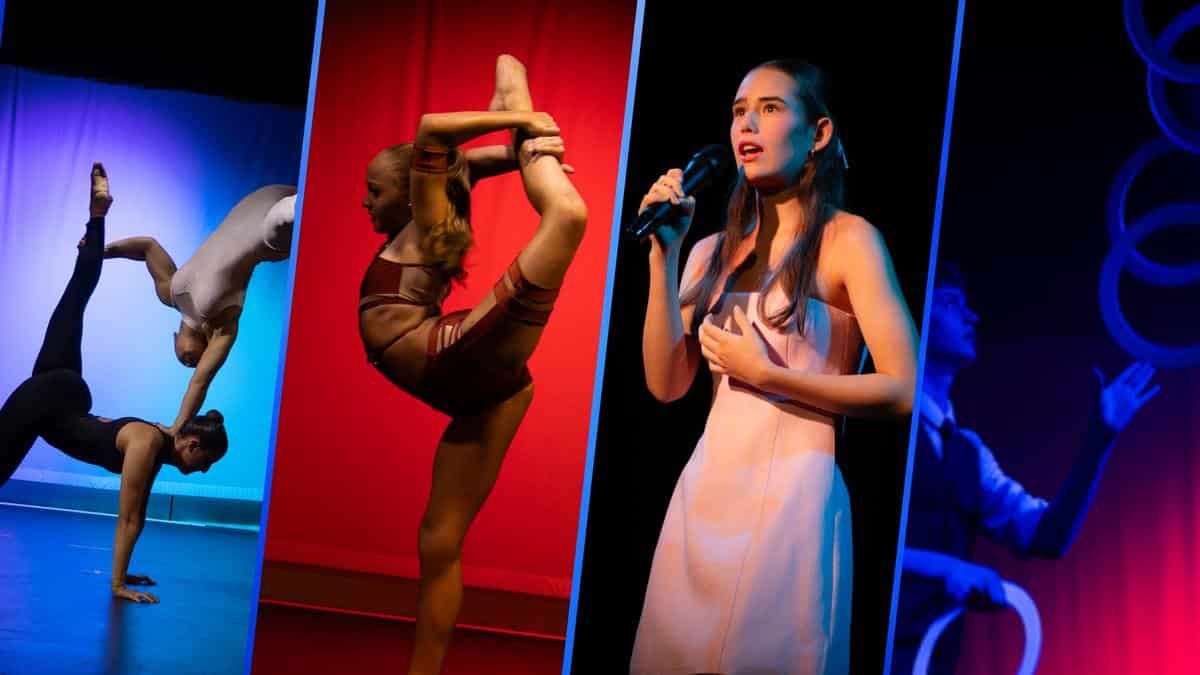
For William Piper, producing Variety Hour is about giving emerging young performers the chance to build confidence and share a stage with experienced entertainers. We chat with the producer and director about creating this family-friendly show, bringing his team together and getting the word out on a limited budget.

Meet The Producer - William Piper

What is this production or project about?

Variety Hour is a fast-paced, family-friendly live variety production designed to bring together an exciting mix of entertainment styles, performers and personalities for one unforgettable hour.

The goal is to create a show where every performer gets their hour in the spotlight, while giving emerging artists the opportunity to perform in a professional production alongside established and experienced entertainers.

What made you want to produce this particular work?

I believe it’s incredibly important to showcase emerging young talent and give young performers opportunities to experience performing on a professional stage. There are so many talented young people who don’t always get the chance to perform in a live theatre environment, and I wanted to create a platform where they could share their passion, build confidence and gain valuable performance experience. Variety Hour is about celebrating the next generation of performers and showing audiences just how much talent our young people have to offer.

What is the most challenging part of getting a production from concept to stage?

I think the biggest challenge of producing a small-scale show like Variety Hou* is reaching families and getting the word out there. Creating a show that is fun, engaging and full of talent is one thing, but making sure people know about it and encouraging them to come along is a whole different challenge, especially when working with a limited marketing budget. It’s taught me just how important promotion, community connections and building an audience are to bringing a production to life.

How do you build and manage a creative team around a project?

As a producer and director, I take responsibility for coordinating rehearsals, communicating expectations and making sure everyone understands their role in bringing the show together. I also rely on a wonderful team of volunteers who assist with technical and backstage operations, including lighting, sound, stage management and ushering. For me, managing a creative team is about finding the right balance between having a clear vision for the production and allowing each performer to bring their own personality and creativity to the stage.

What do you want audiences to take away from this production?

ā€œWe want families to walk away having discovered something new, experienced something amazing and shared a memorable day out together. With so many different acts packed into 60 minutes, there really is something for everyone.ā€ - William Piper

Our thanks to William for sharing the work and passion behind Variety Hour. The commitment to creating opportunities for young talent gives this lively production a purpose beyond the entertainment and offers families a chance to cheer on the next generation of performers.

Spread the word on your favourite platform!

Dayna Fallon: Finding Comedy in the Unpaid Administrative Position of Motherhood

Feature-The Manager Is Me

Dayna Fallon finds comedy in the everyday pressures that rarely get a moment in the spotlight. Ahead of The Manager Is Me at Melbourne Fringe, we caught up with the performer to talk about creating a show alongside a busy home life, preparing to face an audience and finding moments of connection through laughter.

Meet The Performer - Dayna Fallon

What is this production or show about?

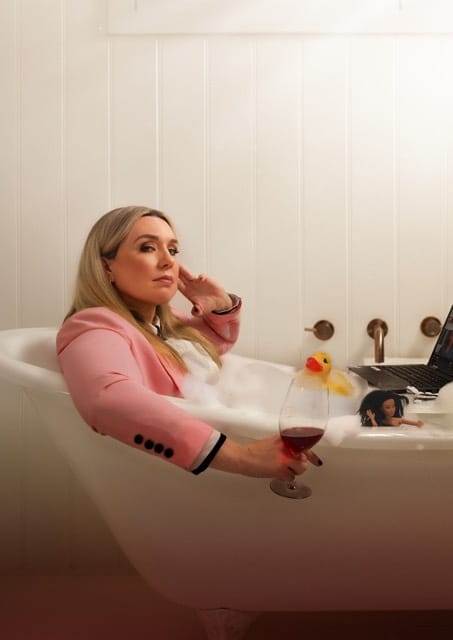
It’s a comedy about one woman trying to survive the morning before school drop-off. She has three children, a husband with complex health needs, work demands and a growing suspicion that her own life has become an unpaid administrative position.

It combines theatre and spoken word, and underneath all the chaos is a woman trying to remember what she wants beyond everyone putting their bloody shoes on.

How would you describe what you do to someone encountering your work for the first time?

I turn things that normally go unsaid into spoken word and theatre.

There are characters, there’s poetry, there’s a woman getting increasingly close to saying what she actually thinks. It’s funny and a bit feral, but there’s real tenderness underneath. I want you laughing before you realise I’ve said something that hurts.

What has been the biggest challenge in preparing for this role or performance?

TIME! As a mum of three, a carer and someone with a day job, finding uninterrupted time to make a show about never having uninterrupted time has been the biggest challenge. The material is very available. Chunks of free creative time are less forthcoming.
So I’ve learnt to use even fifteen-minute blocks. You can’t always wait until you feel inspired. Sometimes everyone’s briefly stopped needing you and you have to go NOW. You can’t wait for perfect conditions because they don’t exist.

What is your process for getting ready before you step on stage?

Secure the babysitter. Attempt nap. Watch Drag Race for confidence. Brush teeth. Do an actual warm-up. Brief existential crisis. Remind myself this is not an elimination episode. Breathe. Begin.

How do you look after your physical and emotional health during a demanding run?

I’m better at the physical side, I love the gym, mandarins, vitamin C! Sleep is key but challenging with kids. Emotional health, well that’s a work in progress. I think the key is to lower my standards at home. The washing can have its own demanding run.

What do you think makes a performance truly connect with an audience?

Specificity. ā€œMotherhood is hardā€ is true, but it doesn’t tell you much. ā€œI’m having a micro-holiday eating leftover toast in the driveway gives you the whole person.

I think people connect when you say something they’ve thought privately and assumed made them a terrible person. There’s a particular laugh that means, ā€œOh, thank God. You too.ā€

What strategies do you use to manage nerves before you go on?

Nerves and excitement feel very similar, so I tell myself I’m excited. I also remind myself the audience have chosen to be there, nobody’s been summoned for jury duty. And then I think, ā€œRemember when you wanted what you currently have?ā€ I’m getting to do something I’ve dreamed of. I want to savour it, not just survive it

Is there anything else you would like to share?

You don’t have to earn a night out by getting everything done first. It will never all be done. Come with a friend, come on your own, leave the housework. I’ve made a whole show out of being overwhelmed, so technically this is a tax deductable work event for you.

Huge thanks to Dayna for sharing her journey of creating art in fifteen-minute blocks between the demands of motherhood and caregiving. Her honesty about finding the funny in feeling overwhelmed is exactly the kind of comedy we need more of. If you are ready for a night out that counts as a tax-deductible work event in overwhelm, grab your tickets to The Manager Is Me at Melbourne Fringe.

Thank you to Dayna for giving us a glimpse into the work behind The Manager Is Me. See her bring it to the stage at Melbourne Fringe; tickets are available now.

Spread the word on your favourite platform!

Christopher Bryant: Finding the Calm in Chaos

Feature-New Balance

Christopher Bryant’s creative practice spans the stage, the page and academic research. In this edition of Meet the Performer, we chat with the writer and performer about New Balance, created with Emma Palackic, and the care, curiosity and collaboration that shape his approach to theatre.

Meet The Performer - Christopher Bryant

What is this production or show about?

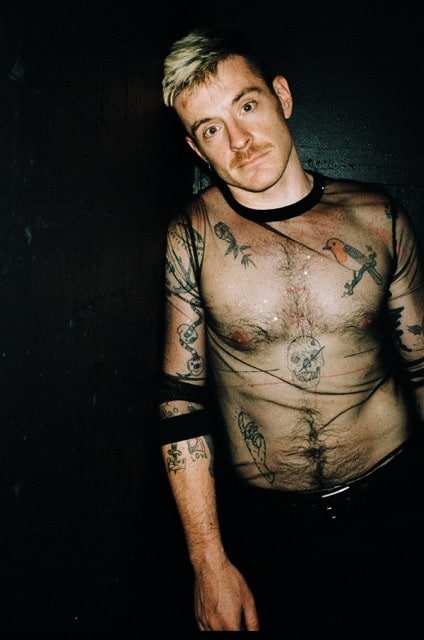
New Balance is a contemporary performance about the intersection of queerness and disability: about navigating the world as a queer person with disability, about being a marginalised queer person who experiences further marginalisation through disability. Its script is woven together from intersecting anecdotes from the queer-disabled community about the universality of growing up deemed ā€˜different’.

How would you describe what you do to someone encountering your work for the first time?

I am a playwright and performance-maker - I make weird, queer, disabled performance works like New Balance with my collaborator Emma Palackic, and I have a more traditional playwriting practice as well. I am also an author and sometime-academic: I hold my Ph.D. in disability and playwriting representation, and have worked as a disability consultant for mainstage companies in Sydney.

What is your process for getting ready before you step on stage?

I give myself a good amount of time to warm up my vocals - I have terrible diction in my everyday life so I have to make a concerted effort to get things up to shape! And then a lot of stretching while listening to a playlist that mirrors the emotional journey of the show. Then as a focus exercise I speed run the text for myself - I’m probably too paranoid about forgetting lines, five seasons in, but I’d rather be prepared than not!

How do you look after your physical and emotional health during a demanding run?

Living with a TBI means I need to make sure I’m always getting a lot of sleep. I always attempt to meditate, and run the script each day to ensure it’s still in my head. Emotionally, I’ve not run into any issues, which is wonderful. The show Emma and I did before New Balance was more directly about my experience getting hit by a car & acquiring a disability, performed in intimate venues with minimal theatricality. It was successful, but by the end of its run I needed to stop touring the show - I was essentially retraumatising myself each night. Conversely, Emma and I were very intentional in crafting New Balance - and while it goes to some dark places, the show overall is full of abstraction, humour, and a lot of projection & design, which all work to separate my emotions from the show itself.

What do you think makes a performance truly connect with an audience?

Truth and specificity - both in what’s being performed, and the performance itself. Across New Balance’s seasons I’ve consistently had audience members talk to me after the show with some variation of: ā€œI’ve had a very different life, but when you talked about x, it made me think about my own experience in a different way.ā€ I think sharing honestly about specific experiences I’ve been through actually allows audiences to see themselves in the show.

What has been your favourite performance or role so far in your career?

This feels like a cop-out answer, but getting to bring New Balance back in 2023. We made the first version of the show in 2020 at Theatre Works, a few weeks before the country shut down. There were a lot of good ideas in it, but ultimately it needed more time to cook - and Emma and I were stretched incredibly thin, shooting for the sky on a budget made from working extra shifts. Getting to return to it later, we were able to be more intentional: change the parts we wanted to, deepen the philosophical enquiry in the text, and make the show overall much more effective. By turn, that made it so much more fun to perform: to get to spend time with each audience performing a show I’m so proud of, it’s just fun!

Have you ever had to improvise or adapt during a live performance? What happened?

The most recent I can think of was during the 2023 season of New Balance when all the tech suddenly went kaput! For about 10 minutes I somehow just bantered with the audience before picking the show up where it’d stopped - I didn’t even realise what I’d done until after the show when people congratulated me on keeping it together. It’s something I’ve gotten much better at across the last 10 years having performed in so many different locations, to audiences of 2 and audiences of 200. (It’d just be nice if I could be that calm in my everyday life, too!)

Thank you to Christopher for taking us behind the scenes of New Balance and sharing his perspective on life as a working artist. Catch the show at Melbourne Fringe, with tickets available through the festival.

Spread the word on your favourite platform!

Subscribe to What's The Show

Reviews, show news and what is on, straight to your inbox.