The Roommate

The Roommate

The Roommate Rating

★★★★★

Click if you liked this article

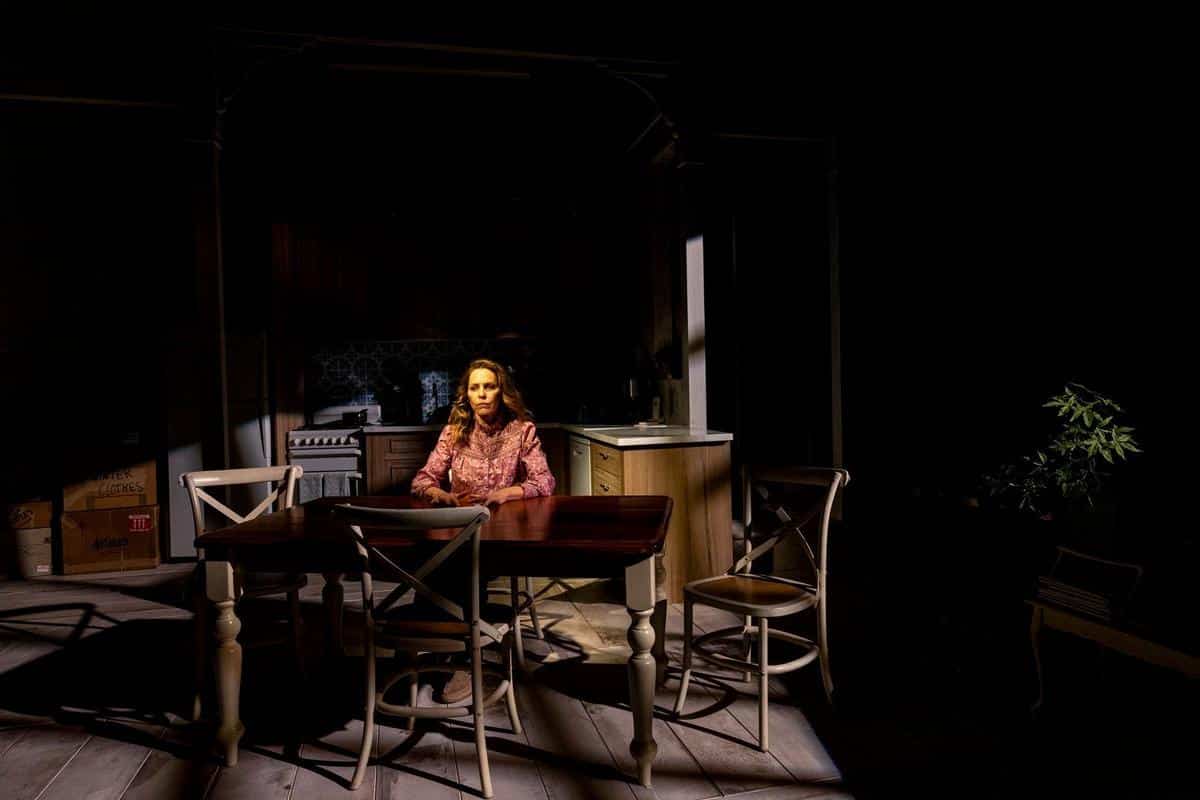
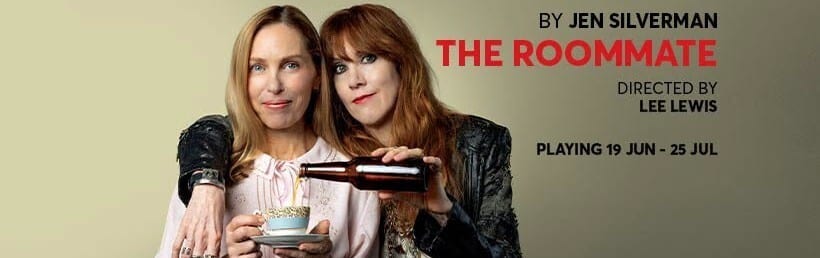
We are taken to the Mid-West of the USA with a very tidy kitchen setting where everything has its place and would for the next umpteen years. Enter Sharon, wonderfully played by Lucy Bell with great comedic timing. Dressed in conservative jeans and the right blouse, her restlessness is evident. Her life is about to be turned inside out and upside down by someone who will reflect the questions she has started to ask herself. Who is she? Like water in a kettle the steam has to be released.

Jen Silverman’s dialogue is vital and clever highlighting one person’s search for freedom and another person demonstrating the price we may pay. The audience was in for a ride.

Robyn, her new roommate, a dry, sardonic and New York weary woman, shows up with obvious secrets trailing behind her. Wonderfully played with a great New York accent, she slowly reveals who she is as Sharon bluntly asks all the wrong questions. In hip New York clothing and announcing that she is alternative, two states and personalities meet. Boxes with Robyn’s hidden past pile up in the neat kitchen stirring Sharon’s curiosity propelling her forward to unleash her inner self. Even the milk has to change as Sharon is introduced to a different way of living and being.
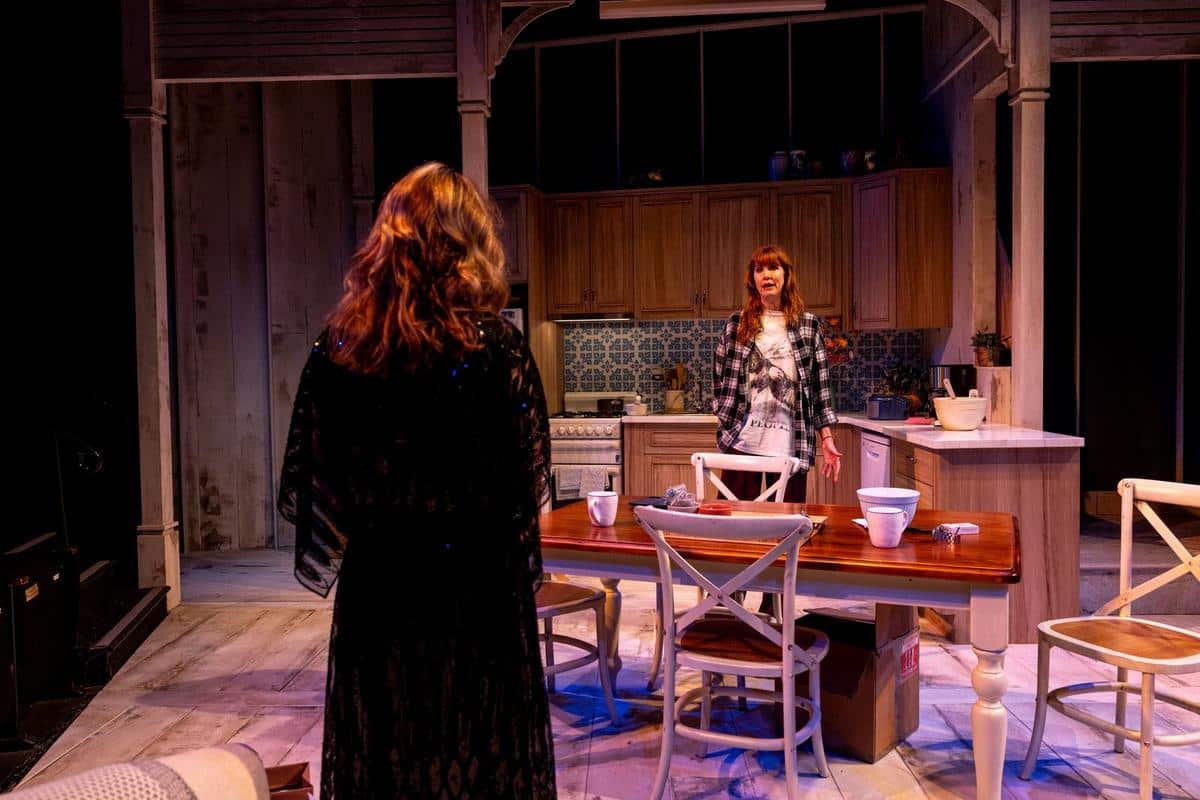
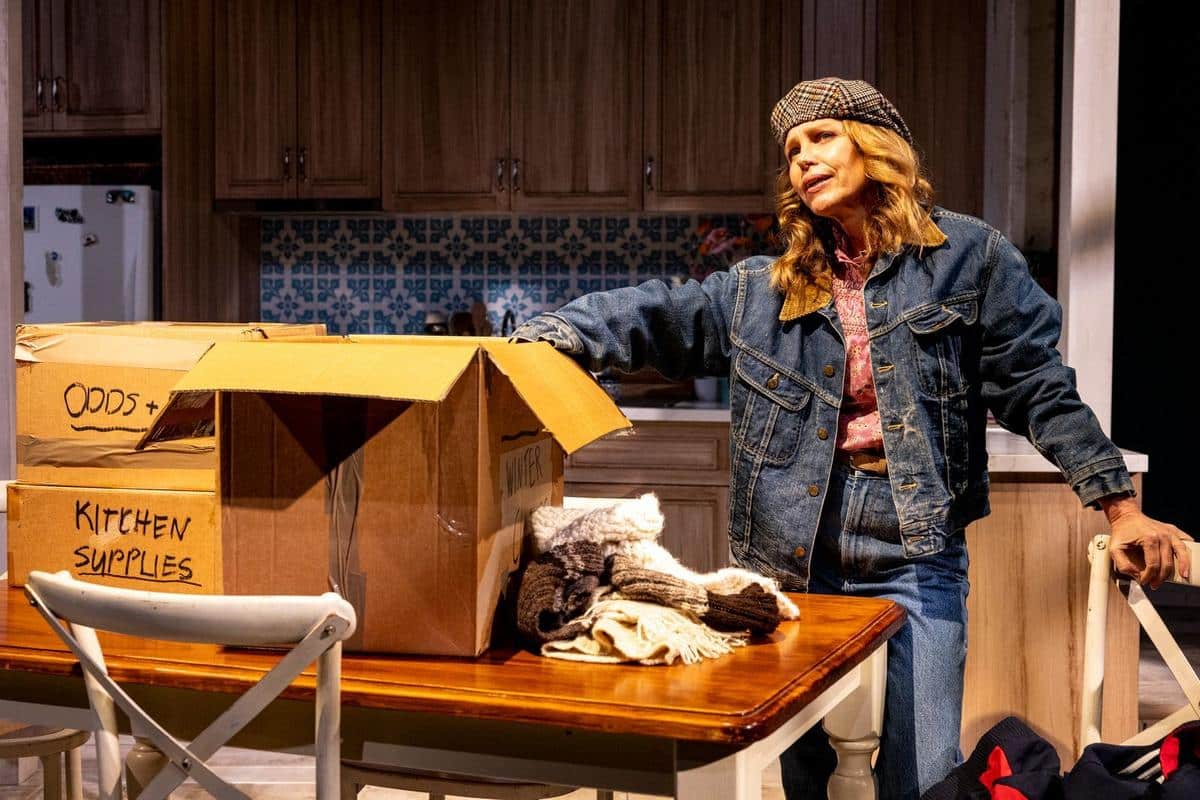


The actors immediately present an uneasy chemistry between the two women revealing to Sharon that her learning French, pretending that she may go to Paris is all about seeking freedom but there is a price to pay. Sharon reflects all that Robyn isn’t and the audience senses that she is seeking the opposite. Searching for a conservative community and escaping her past life, she collides with Sharon and the two set off on a venture and adventure.

As Sharon moves forward and Robyn goes backwards, the kitchen unravels, rubbish is on the floor and boxes and memories are unpacked. Sharon reveals her personality and the audience laughs with her, not at her, and there is a sense of ‘go girl’ as she reveals her alter ego. At the same time, the audience observes with sympathy and empathy as Robyn is focusing on containing her previous way of life but is drawn to Sharon’s exuberant movement in to a new way of being and thinking.

The acting convinces the audience how Robyn is perfect as the foil to Sharon and the repartee between them is fast, funny and poignant at the same time. Distant children only visible on the phone add some sense of both women’s history and issues. Without giving the ending away, both move forward and there is a wonderful twist at the end.

To book tickets to The Roommate, please visit https://www.ensemble.com.au/shows/the-roommate/.

Photographer: Brett Boardman
Spread the word on your favourite platform!

84 Charing Cross Road

84 Charing Cross Road

84 Charing Cross Road Rating

★★★★★

Click if you liked this article

0

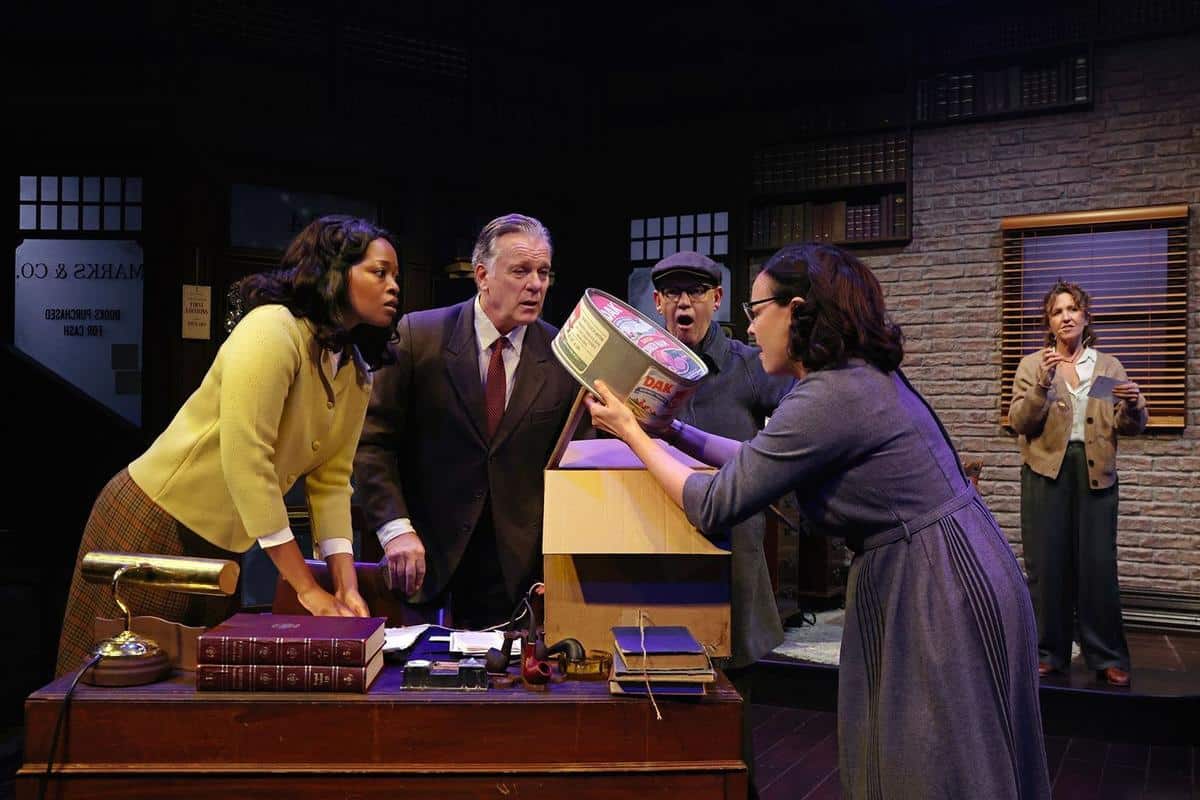
If you haven’t read the book, and it is a true story, you have missed out but the second best thing is seeing the play. It captures post war Britain still recovering, short on food, living on coupons and making sense of the previous world war. As the play develops we are taken through England’s important historical moments including Queen Elizabeth’s coronation and celebration.

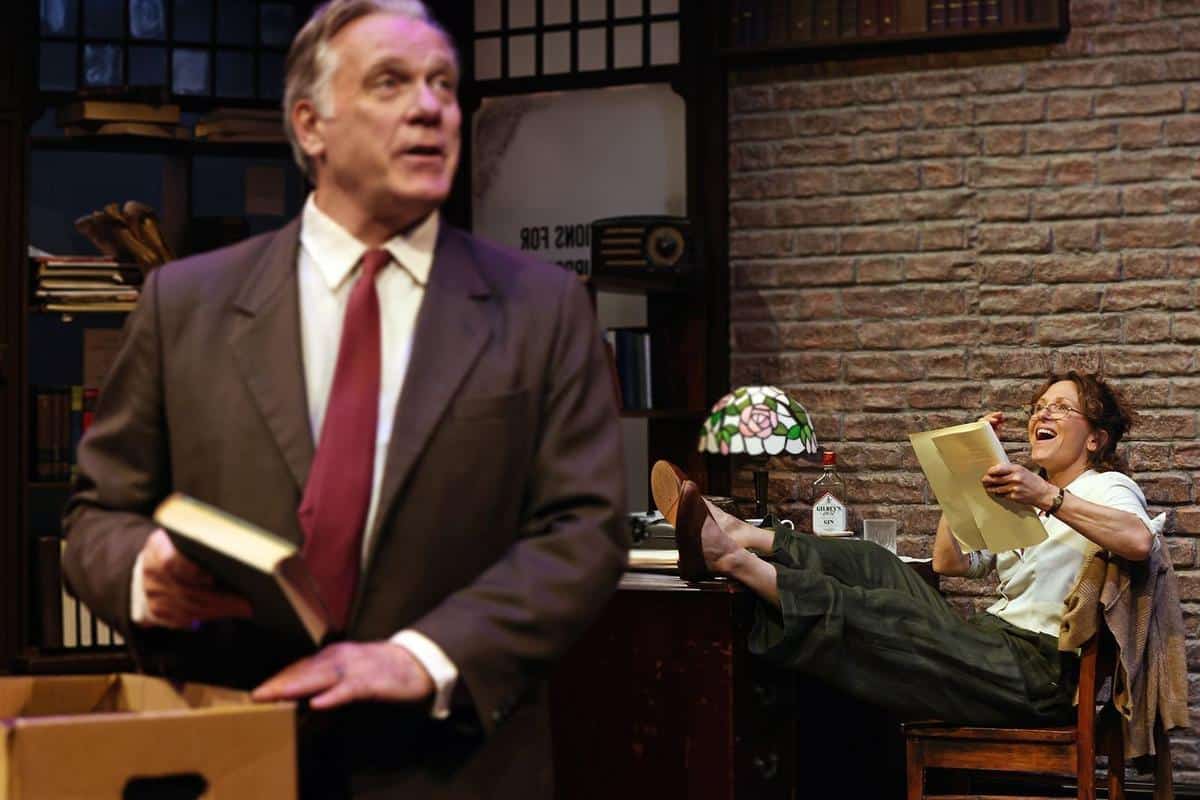
On the other side of the world, in fast-paced New York, a dollar-poor screen writer becomes a beloved contact to first one and then all in a small London vintage bookshop. It is a joy to hear such witty retorts but also to witness the gentle relationship between brash New York and formal London both in changing times for their countries and lives. Letters are exchanged as books are requested and as years go by, the audience witnesses changes in lifestyle and relationships from a formal correspondence to a warm and witty friendship. The audience audibly responded with laughter and sadness as the letters were read and reacted to.


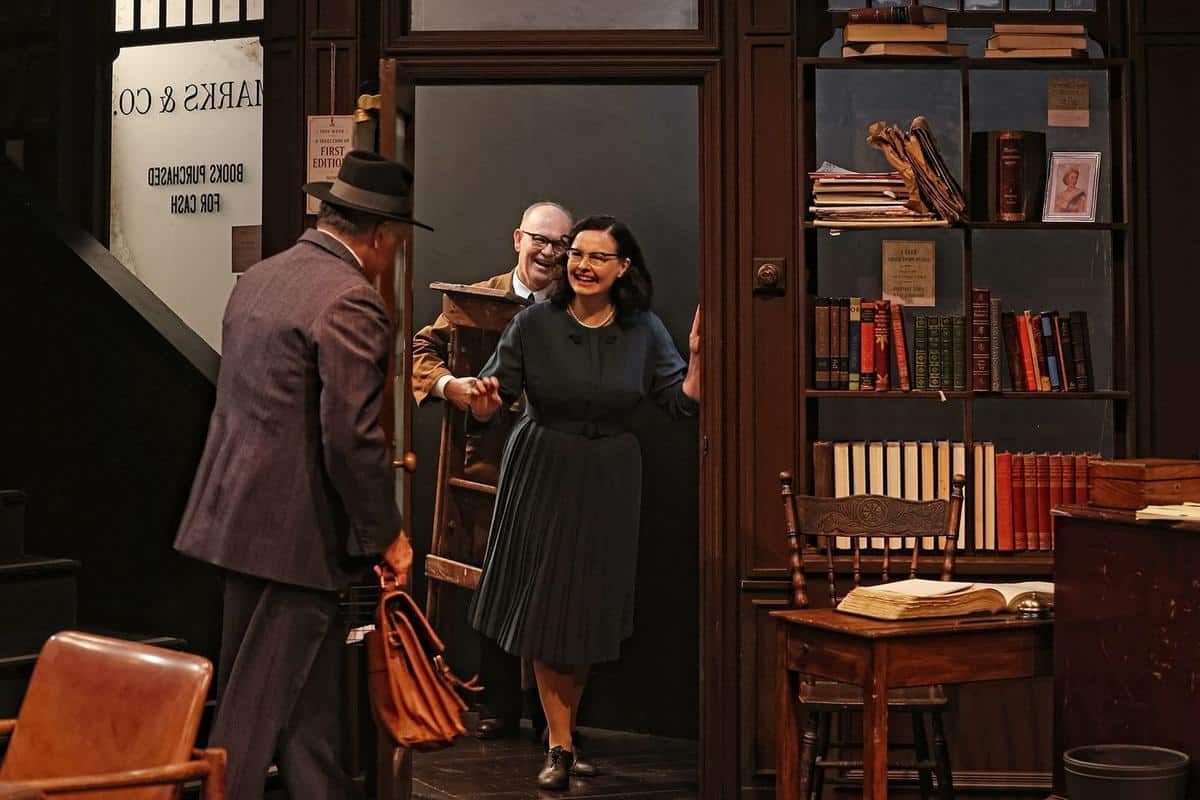
The set was wonderfully lit in warm tones with the bookshop and New York apartment juxtaposed to represent the changing lives of both cities and characters. The set and costume designer had sourced and found genuine or reproduction clothes, jewellery, hats and even seamed stockings that set the era and style so authentically. Floor to ceiling shelves of books enhanced the feeling of being in a bookshop whilst the New York apartment was decorated in a more modern style. There was an intimate connection between the audience and actors being in the round giving the feeling of entering each world.

All actors were believable but the two main actors representing the writer, Helene Hanff and Frank Doel, the bookstore manager, captured the audience’s attention from the start. Helene presented a genuine New York strong accent and for those who have lived in New York, the body language, phrases and pace of delivery rang true. Frank wore the British suits and accent and politeness revealing a deeper side to him as their friendship evolved. The cameo actors were true to their time and the sense of a ‘family’ of colleagues revealed itself as each character interacted with Helene’s letters. Their non-verbal body language was at times funny and at other times, poignant but totally believable. The audience cared for each character and wanted to know about their dreams and aspirations. Knowing that the book is true made us want to find out what happened to each person in the future.

The play showed how well-written dialogue taken from genuine letters creates an atmosphere and audience connection with no clever props or actions required. It was the opening night and the actors and director were rewarded by a standing ovation and loud applause.

To book tickets to 84 Charing Cross Road, please visit https://www.ensemble.com.au/shows/84-charing-cross-road/.

Photographer: Prudence Upton

Spread the word on your favourite platform!

Three Sisters – Chekhov

Three Sisters

Three Sisters Rating

★★★★★

Click if you liked this article

5

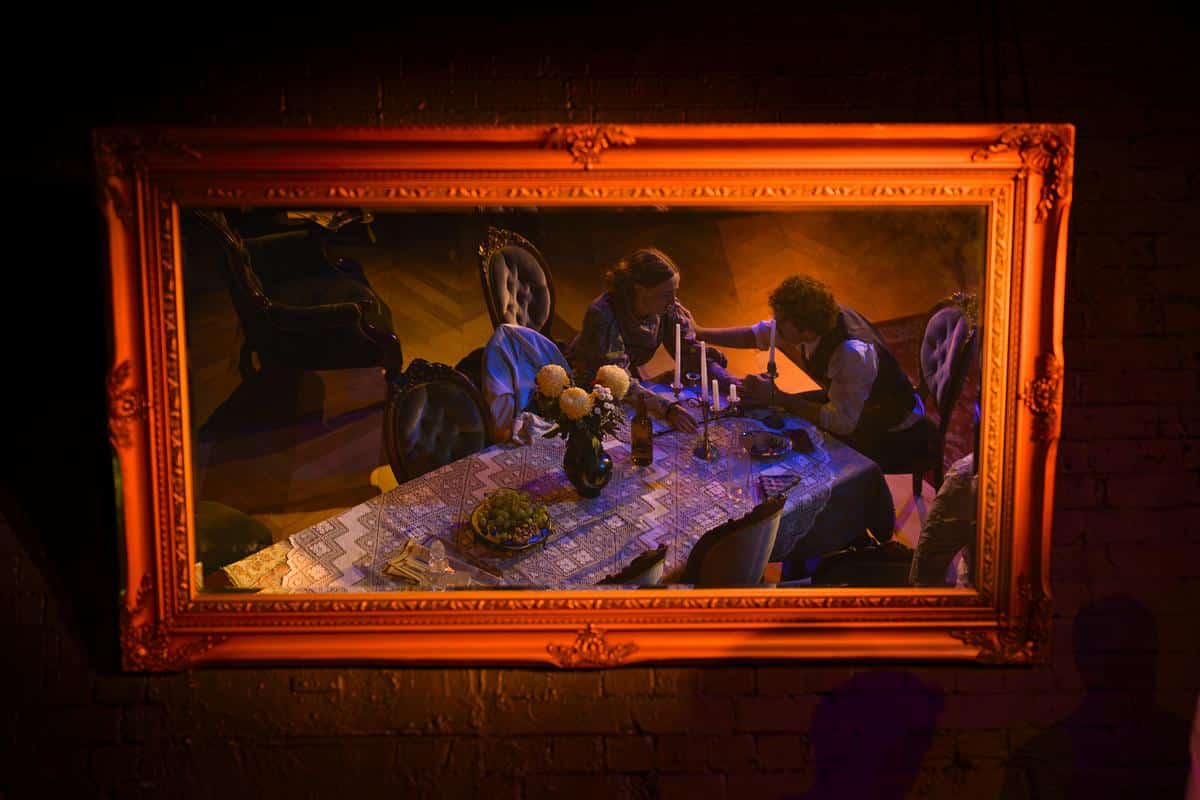
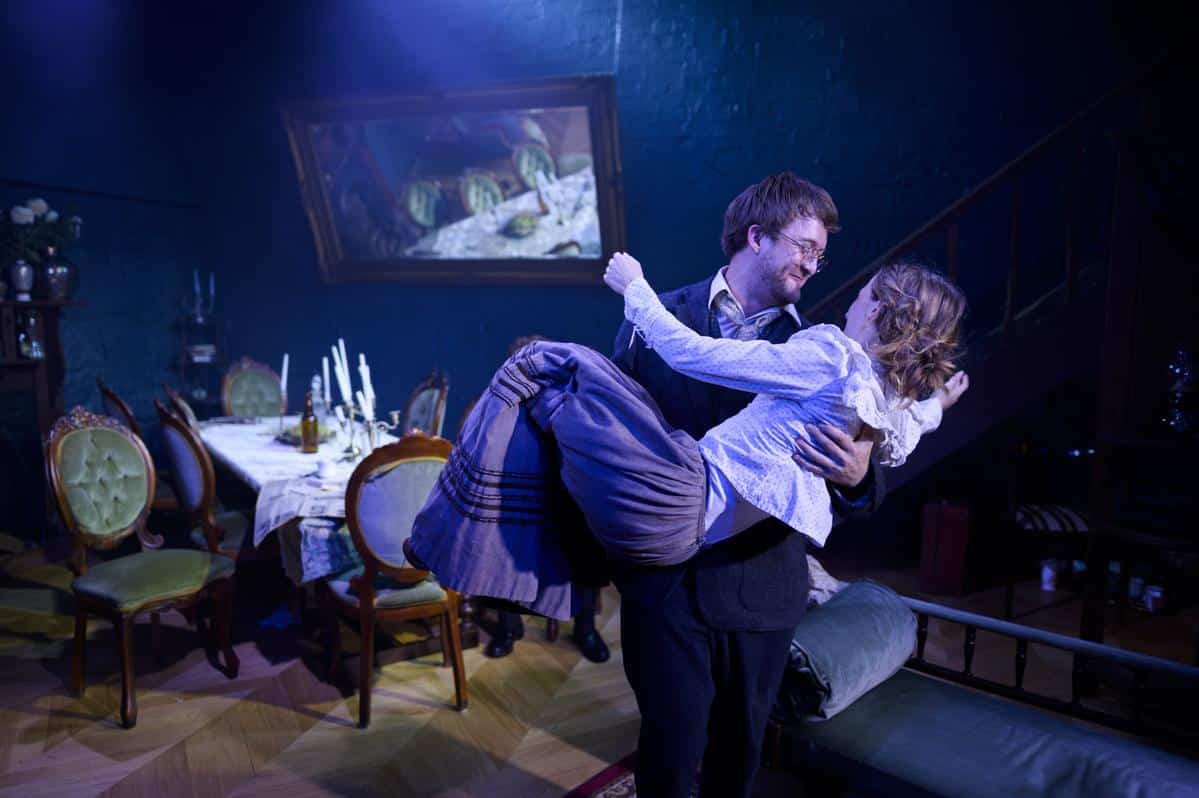
We were in for an intense and emotional rollercoaster that is always Chekhov and we got it. The set established the mood with an atmospheric living room and dining area reminiscent of a late nineteenth century painting with curios and antiques shadowed and lit according to the changing dynamics of the play. Chairs, tables and a piano would become central to the changing dynamics of a tight-knit family in the wrong place. Music was beautifully performed adding a melancholic mood adding to the underlying sadness as the dining table was changed for different times of the day reflecting the changing circumstances.

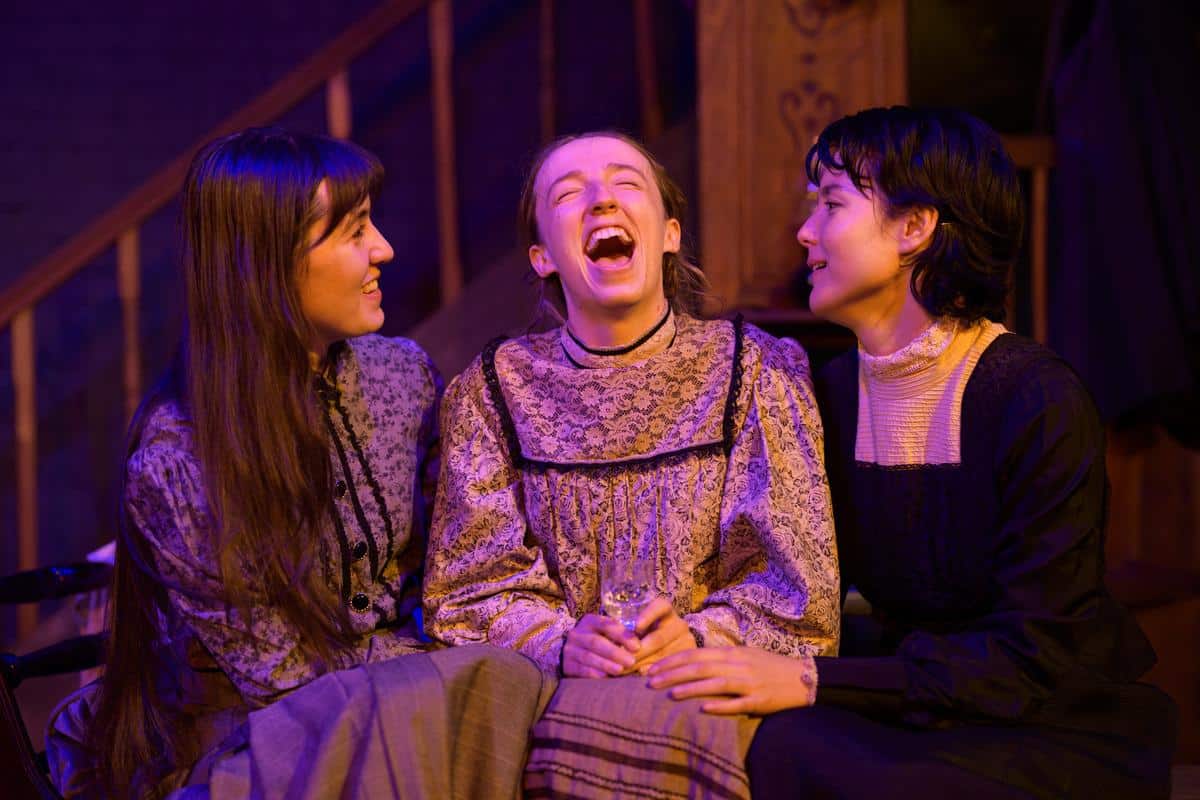
Enter the actors all strong in their own ways and at times challenged not to upstage each other with the drama of each revelation. As the family evolved, we started with a celebration and the characters established themselves in their best light and costumes as if anything were possible and personal dreams were almost real. The three sisters formed the core as the male characters danced around them reacting as disillusionment set in over the years. Dreams came and went and some of the wrong goals became reality with a realisation of the saying, ‘Be careful what you ask for, you may get it’.


The oldest sister, already slightly worn with responsibility was played by an actor who made the character believable and maintained a sense of sympathy from the audience as she struggled with others’ decisions that impacted upon the family’s fortune and frustration. The middle sister, strongly acted, was all suppressed passion, erupting eventually and then left with the scars of untempered desire. The youngest was presented as confident and fresh as a daisy being courted by a couple of men and presenting the first stirrings of the Russian future of work being the goal and reason for living only to find that it is just labour and not love. All female actors offered different facets of the sense of lack of control ending in a fractured life and family.

The male characters were equally strong and believable if occasionally upstaging others due to the bombastic nature of the character. The dream Colonel who offered a romantic view of life probably more than anyone, saw unhappiness as the main result of being. The idolised brother who quickly falls of his pedestal, marries the wrong woman disturbing the household and failing at his dreams ending in emptiness. The Baron who loves the youngest sister and as with the others, makes a choice that would impact upon his life. The minor characters offered a backdrop to a household that is struggling with identity, living with rose-coloured glasses of their past life in Moscow and refusing to see what is evolving around them.

The audience laughed, squirmed, became irritated and responded to the oncoming disillusionment as each character fell apart and the ending left asking for more and what happens to them next?

To book tickets to Three Sisters, please visit https://www.oldfitztheatre.com.au/three-sisters.

Photographer: Robert Miniter

Spread the word on your favourite platform!

The Four Quartets

The Four Quartets

The Four Quartets Rating

★★★★★

Click if you liked this article

The Four Quartets – T.S.Elliot

Venue: Old Fitz Theatre, Woolloomooloo
Date: 12 March, 2026
Running: Until 20 March 2026
Directed by Patrick Klavins
Presented by The Wounded Surgeon

Four actors presented a sermon each on time, place, spirituality, a crisis of the soul and so many other philosophical ideas. Each piece was presented with fervour, not with pomposity, and left us with questions as Elliot intended. Whilst it would be good to understand the historical, religious, nature-focused and literal context of when he was writing these, it is also interesting to note that many of the words and references have also faded away and are no longer used. Eliot may have found this philosophically interesting.

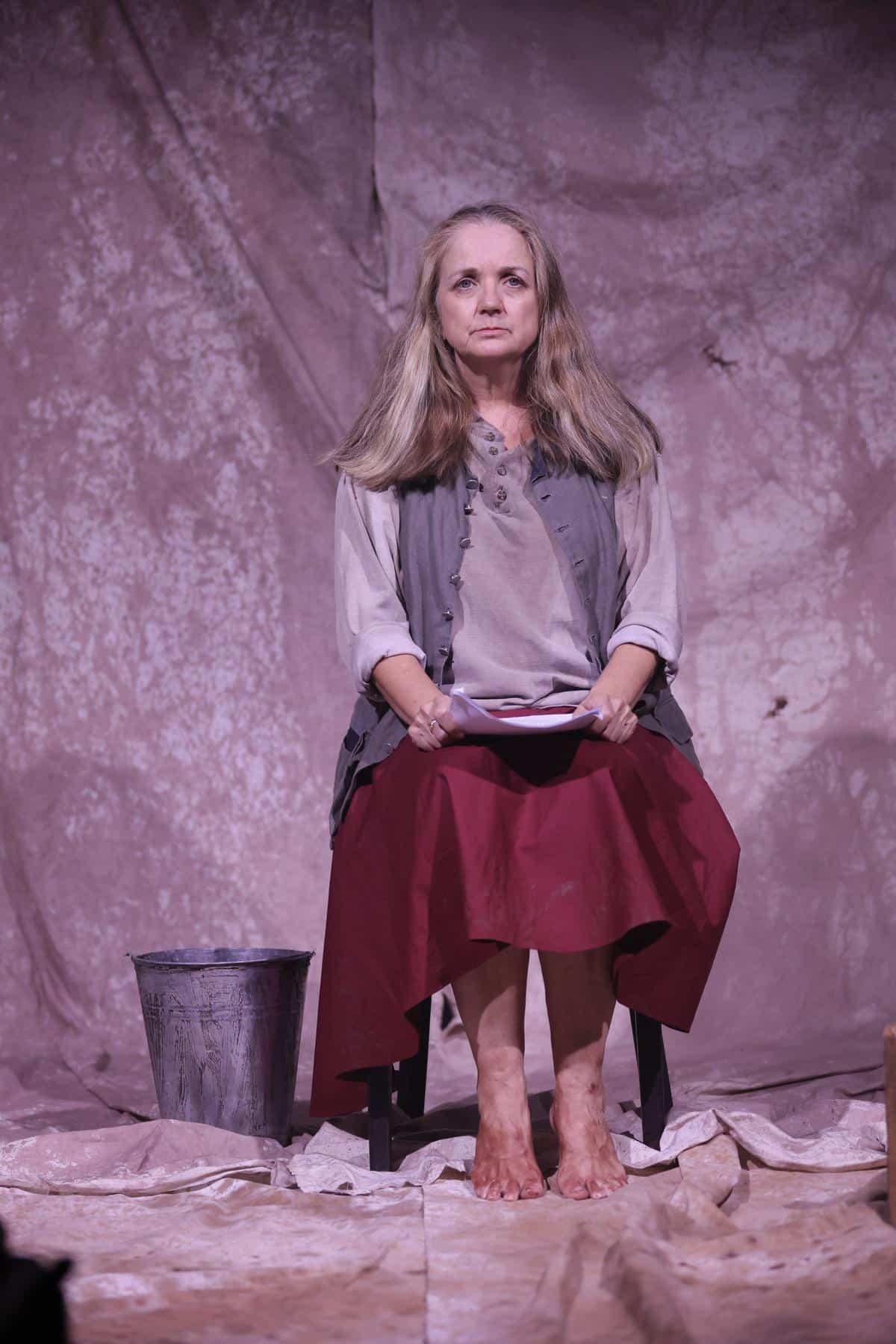
The set was sparse with a tired looking curtain, one old chair, a crate and a bucket and by chance, a lone cockroach scuttled across the large hanging curtain as if to say, this is where I belong. Lighting and dry ice were used effectively to give a sense of sadness and thoughtfulness. We were in for an interesting time. Costumes were old linen as if the actors had come from the land.


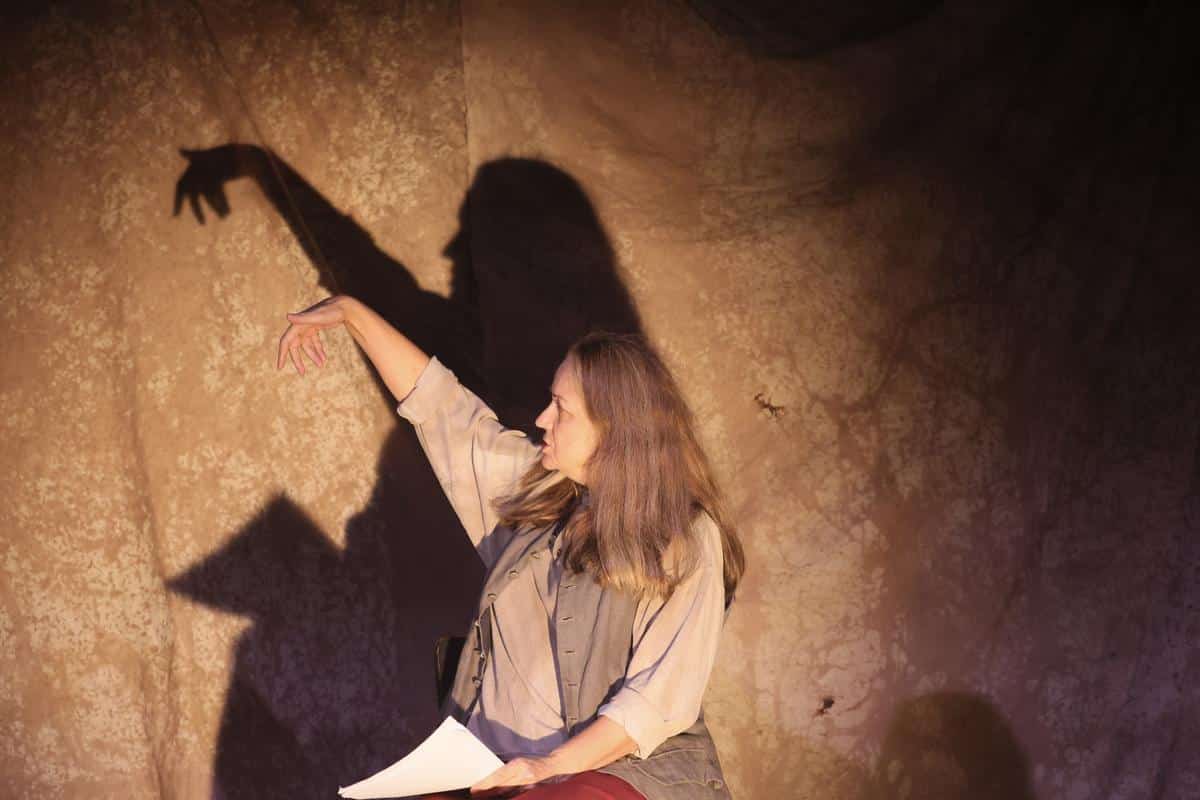
The first actor set the scene as she presented immediately with a strong, shaman-like oration about time and that time is really eternity and what of it? With a depth of quiet sadness and gentle hand movements, she created an image of how life is not quite how we imagine and the present, past and future are non-chronological. The audience was attentive and moved by her sense of fatigue and desire to understand how we live and age and come to terms with it all.

The second actor was just as powerful and communicated the poetry as if it were a fervent conversation. Fiery at times and imploring at others, it was all about age and the actor was of an age to demonstrate an understanding of the questions we ask ourselves about where we have been as a reflection. The message was not to give up and keep on creating and experiencing life. It reminded us of Dylan Thomas’, “Do not go gentle, in to that good night…”

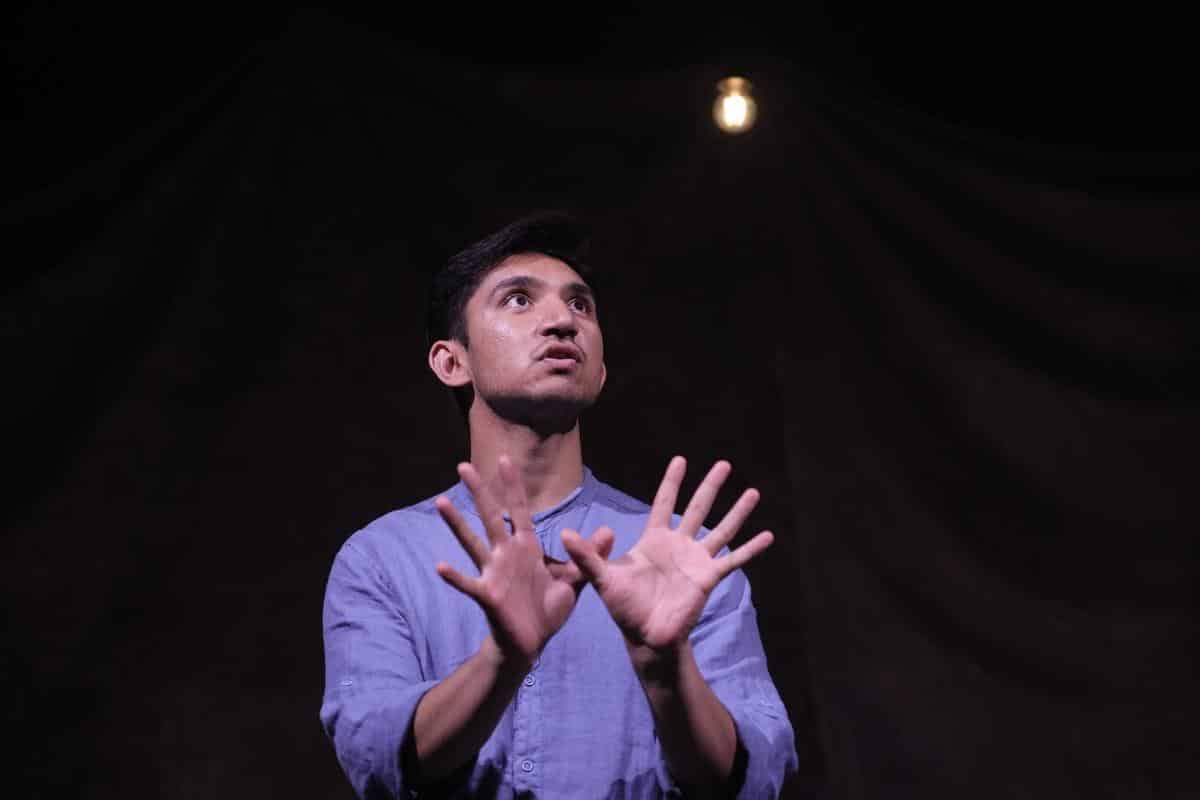
The third actor was young and moved us with parables about the sea, the ebb and flow of life and death, the sailors who didn’t come back and the women that mourned. Each part was about nature’s lifecycle and how we are part of it regardless. A strong plea was to “fare forward”.

The final actor brought the other pieces together with passion and fire questioning what we are doing with our lives and thoughts. To well-deserved applause for the difficulty of the text, it was the last word on deep imagery offering philosophical questions. The audience seemed to leave asking ourselves, where are we going, where have we been and why?

To book tickets to The Four Quartets, please visit https://www.oldfitztheatre.com.au/four-quartets.

Photographer: Matt Bartlett

Spread the word on your favourite platform!

Subscribe to What's The Show

Reviews, show news and what is on, straight to your inbox.