The Beautiful Summer

The Beautiful Summer

The Beautiful Summer Rating

Click if you liked this article

1

Adapted from Cesare Pavese’s 1949 novel, ‘The Beautiful Summer’ written and directed by Laura Luchetti offers an evocative portrayal of self-discovery, longing, and sensual awakening. Set in 1938 preceding World War II in Turin, Italy. This coming-of-age story follows Ginia (Yile Yara Vianello), a young seamstress living with her brother Severino (Nicolas Maupas) in a modest apartment.

Ginia and Severino are relaxing at the lakeside with friends when Amelia (Deva Cassel) recognising one of them, swims over to join the group. Ginia is instantly allured by Amelia’s beauty and confidence, and both are curious of the other. Amelia is a nude model for painters. Severino is openly disdainful of Amelia’s choice of occupation, whereas Ginia finds herself intrigued by it.

Early in the film Amelia offers Ginia to watch her be painted, Ginia shyly declines and instead peers through the glass outside. Amelia introduces Ginia to a bohemian world that ignites her imagination. Ginia has her first romantic experience with the painter Guido (Alessandro Piavani) and finds herself curious to model also. The line “I want someone to look at me and show me who I am” reflects Ginia’s journey of self-exploration; as well as a kind of consenting voyeurism and exhibitionism, as a form of communication. Seeing and being seen. Underlying a foundational question- “Who’s vision do we wish to be cast by?”

The film is an emotive tapestry exploring jealousy, control, love, loss, desire, and practicality, with complexity. Yile Yara Vianello offers authenticity to the twists and turns of her characters journey, where polarity emerges at a middle pathway that is both authentic and refreshing.


Diego Romero’s cinematography is exquisite in its rendering of Turin’s architecture, landscape, and the casts interplay among them. The subtle shake of the camera in certain shots, and the focus on physical actions contribute to the film’s intimacy and tactile quality. The transition from summer to autumn is conveyed in its fleeting glory, echoing the themes of love and loss.

Autumnal hues are accented by colourist Andrea Baracca, and harmonious choices amongst the art, costume, and make-up departments offer stylistic cohesion that enriches the story. The chemistry between Yile Yara Vianello and Deva Cassel is tantalising. There is a tenderness between their characters, and it’s as if they are both holding a delicate secret together. The pensive piano scores composed by Francesco Cerasi mirror Ginia’s inner landscape, as she navigates her feelings, and choices.

If you like your storylines packaged and labelled neatly, I do not recommend this film. However, if you are like me and enjoy a storyline that feels more like a dance than a march, you will be captivated by the world Luchetti has created.

To book tickets to this or other films, click https://italianfilmfestival.com.au/films/iff24-the-beautiful-summer

Spread the word on your favourite platform!

Spread the word on your favourite platform!

Film Review: Trust (2024)

Trust

Trust Rating

Click if you liked this article

1

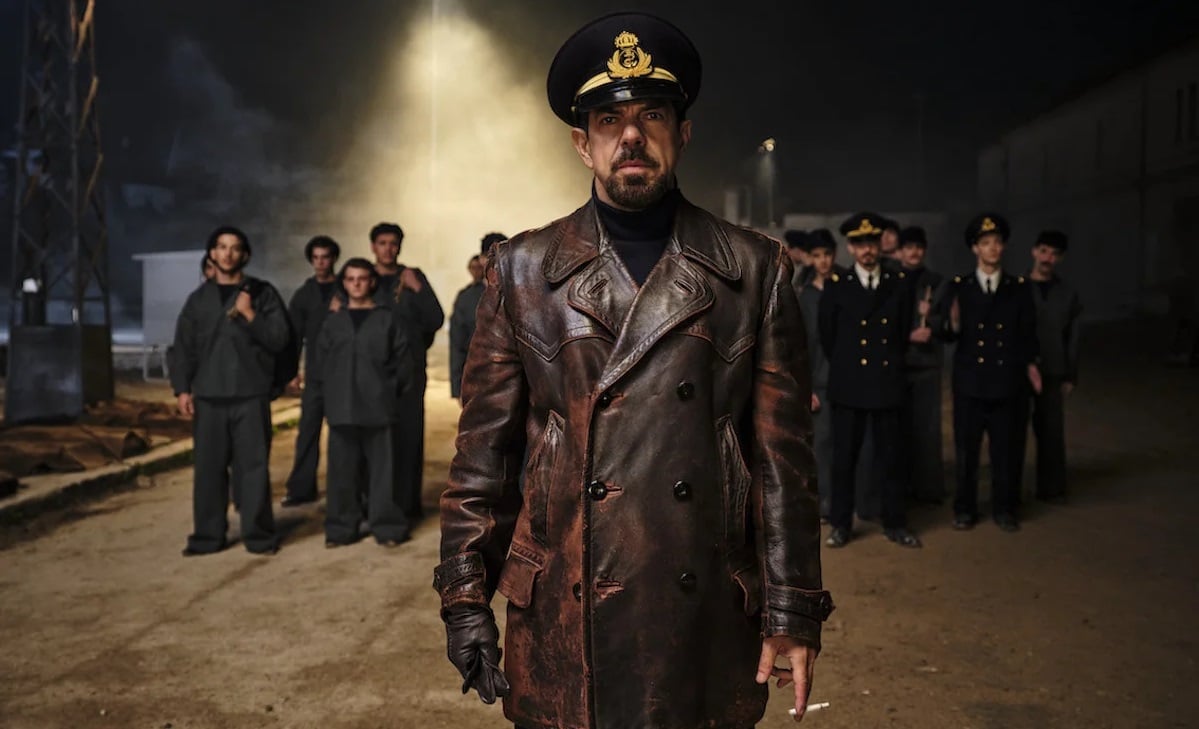
Trust emerges as a standout film for this year’s St ALi’s Italian Film Festival, running nationwide at Palace Cinemas from September 18 to October 23. It invites viewers into an intricate psychological drama where love and fear dance together in a narrative that is as gripping as it is thought-provoking. Directed by the award-winning Daniele Luchetti and based on Domenico Starnone’s novel Confidenza, the film delivers an exploration of human emotion that lingers long after the credits roll.

The central figure in Trust is Pietro (Elio Germano), a well-respected teacher beloved by his students and admired by his peers. His reputation, built on his progressive pedagogical philosophy that affection trumps fear to inspire students, casts him as a pillar of his community. This idea of the “pedagogy of affection” becomes a thematic thread throughout the film, highlighting Pietro’s compassionate and encouraging nature. He’s the antithesis of the authoritarian teacher, choosing love over the fear of failure to guide his students toward their best selves. This progressive approach resonates with audiences, especially considering its relevance in the 1980s and ’90s when the film was set.

But a darker truth lies beneath Pietro’s moral righteousness and public adoration. His life takes an unexpected turn when he rekindles a relationship with a former student, Teresa (Federica Rosellini), one of the brightest minds he ever taught. After they meet again, Teresa confronts Pietro with a profound and unsettling declaration—she has always known about his affection for her, an affection he can no longer deny. Though the two begin a relationship, their dynamic becomes fraught with complexity and tension.

What starts as a seemingly genuine romance soon unravels into an obsessive and destructive bond. Teresa becomes aware of Pietro’s most closely guarded secret, a revelation that binds them together in a way that is almost stronger than love—through fear. The power of this secret is so immense that it threatens to undo the very foundation of their relationship, raising a central question that permeates the entire film: Is love more powerful than fear, or do these two emotions inevitably co-exist in a relationship built on vulnerability?

Luchetti masterfully plays with these concepts of love, fear, and honesty throughout the film. His direction ensures that the audience is never too comfortable, always wondering whether the bond between Pietro and Teresa is driven by genuine affection or by the terror of having their deepest fears exposed. The result is an exploration of how once-shared secrets can become weapons, altering the course of a relationship forever.

While Trust succeeds in exploring these weighty themes, there are moments when the film falters. Certain scenes feel unnecessarily drawn out, adding little to the overall narrative and making the film feel longer than its runtime suggests. As a thriller, Trust sometimes lacks the tension necessary to keep audiences on the edge of their seats, leaving a few key moments feeling flat. These pacing issues could have been addressed with tighter editing, which might have sharpened the film’s focus.


Despite these minor flaws, the performances are nothing short of extraordinary. Elio Germano delivers a nuanced portrayal of Pietro, a man whose inner turmoil is constantly simmering beneath his calm exterior. His ability to convey vulnerability and authority makes his character a fascinating study in contradiction. Federica Rosellini is equally impressive as Teresa, her performance embodying a mixture of longing, manipulation, and pain. Together, they create a volatile and captivating dynamic that anchors the film.

The supporting cast, including Vittoria Puccini as Nadia and Pilar Fogliati as Emma, adds further layers of complexity to the story. Isabella Ferrari’s portrayal of Tilde provides a sense of groundedness amidst the chaos of Pietro and Teresa’s relationship. Each performance enriches the film, allowing the audience to explore different facets of Trust, fear, and human interaction.

Ivan Casalgrandi’s cinematography elevates the emotional tone of the film. His use of shadows, light, and shots peering through windows door creates an atmosphere of quiet tension, echoing the characters’ internal battles. The set and costume designs also reflect the 1980s and ’90s setting, giving the film an authentic feel without distracting from the central narrative.

One of the standout aspects of Trust is Thom Yorke’s haunting score. Known for his ability to craft music that evokes deep emotion, Yorke’s contribution here is no different. His atmospheric soundscapes underscore the tension and emotional weight of the film, drawing the audience deeper into the story without overwhelming the performances.
The themes of Trust are universal and timeless, making the film deeply relatable for audiences of all backgrounds. At its core, the film asks whether honesty, when laid bare, can strengthen or destroy a relationship. Can love survive when fear takes hold, or does fear inevitably erode Trust? These are the questions Luchetti leaves audiences grappling with, and their unresolvable nature is what makes Trust such an impactful film.

As the premiere film of the St ALi’s Italian Film Festival, Trust sets the tone for a fantastic lineup of Italian cinema. It challenges viewers to think deeply about the nature of human relationships, leaving them with more questions than answers, which is often the hallmark of a truly great film. Despite a few pacing issues, Trust succeeds as an emotionally resonant and visually arresting exploration of love, fear, and the secrets we hide from each other—and ourselves.

For more information about the festival and film session details, be sure to visit https://italianfilmfestival.com.au/

Film Review: Trust (2024)
Directed by Daniele Luchetti
Starring: Elio Germano, Federica Rosellini, Vittoria Puccini, Pilar Fogliati, and Isabella Ferrari
Based on the novel Confidenza by Domenico Starnone
Original music by Thom Yorke

Spread the word on your favourite platform!

Spread the word on your favourite platform!

The Cram Collective Presents: FAG/STAG

FAG/STAG

FAG/STAG Rating

Click if you liked this article

4

The CRAM Collective’s latest production of FAG/STAG is a winner! (CRAM stands for Create, Revise, Augment and Merge). They are a comparatively young company in every sense of the word and definitely a company to watch. Focussing on film and live theatre, they are developing a dedicated following, as indicated by the full house I attended and other full houses during the season.

FAG/STAG – “This rare breed of heterosexual human male enjoys the company of homosexual human males in preference to or en liu of, perhaps selectively, other heterosexual males.” – Urban Dictionary

This production explores what it means to have a best mate when you’re stuck being your worst self.

It features Corgan and Jimmy who are BFFs. Their lives are filled by Tinder, Grindr, white lies, big nights and too many pints. Lawn bowls, Donkey Kong, wiping vomit into the shower drain. Unanswered texts, bad sex, moving back in with Mum and Dad. In the month preceding the wedding of Corgan’s ex-girlfriend the two struggle to get their life in gear enough to even hire a suit.

The Howling Owl is a unique venue, right in the middle of the CBD and the home of Adelaide’s Premiere Gin Den as a bonus, this boutique theatre is the perfect setting for an up close and personal glimpse into the lives of two very different young men at an age when youth is beginning to diminish, and the realisation of adulthood is creeping in.

Jeffrey Jay Fowler and Chris Isaacs have crafted an extremely incisive script which is sure to resonate with young adults and those of us who can remember when we were that age.


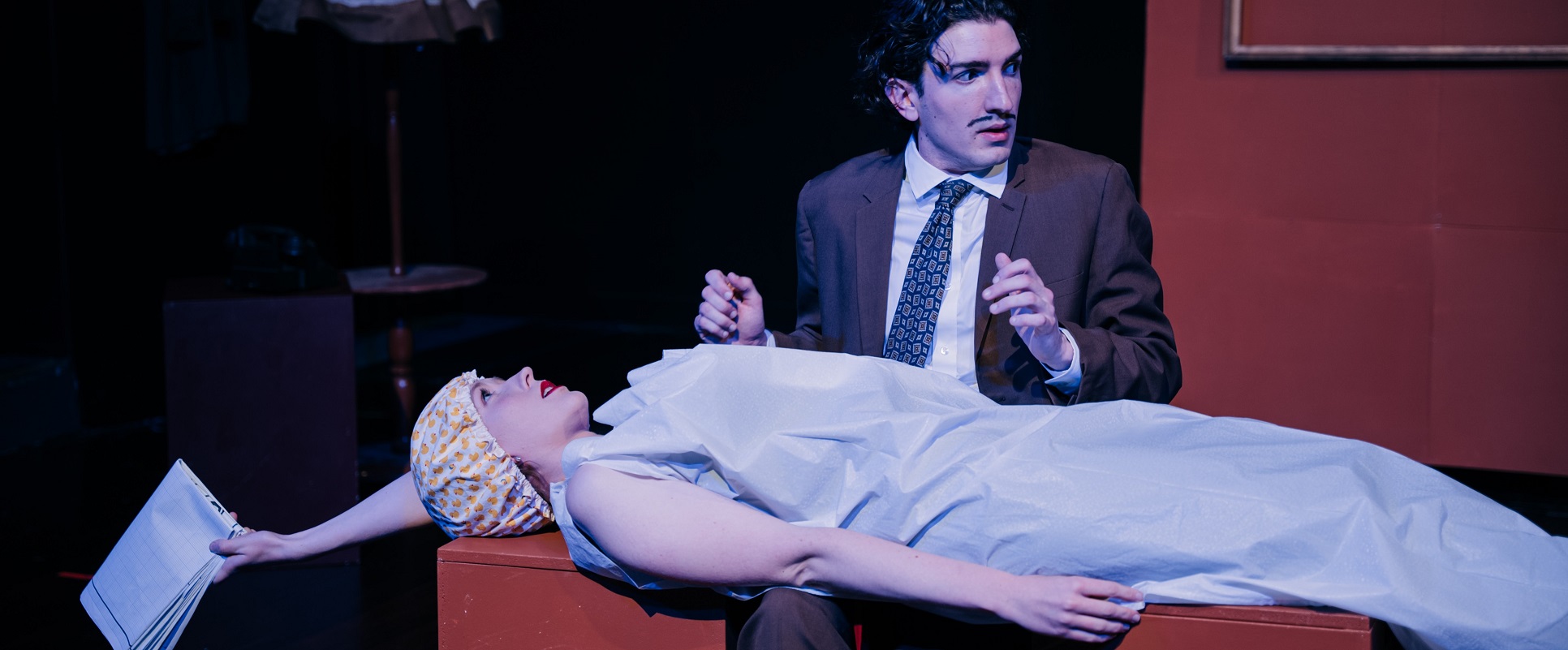
Connor Reidy’s direction gives us an intimate look at the lives of two men whose bond is their friendship. Together with his cast and creatives he has focussed on their inner thoughts (voiced to the audience). Using 3 stools, a couple of bottles of beer and two Nintendo handsets, his direction takes us to the highs and lows of friendship especially when complicated by sexual orientation. The play also deals with the confronting topics of self-harm and drug use.

Reidy’s direction is supported by Antoine Jelk’s creative sound design linking the scenes, and Aaron Herczeg’s atmospheric lighting which perfectly sets the mood.

Henry Cooper and Connor Pullinger inhabit their characters of Corgan and Jimmy. They are totally believable and relatable to the audience. United by their love of Donkey Kong and friendship, they pour out their souls to us, the audience. They show us the good, bad, and ugly sides of friendship while drawing us into their lives.

I particularly enjoyed Jimmy’s love/hate relationship with his ‘ex’ and the melon air freshener in his car that serves as a reminder of their time together. I also enjoyed Corgan’s addiction to Tinder and his ‘swipe right’ girls, and the acceptance of his friend’s sexuality.

Both the actors give highly polished, emotional performances that begin as stand up but quickly dive deep into inner thoughts and feelings taking us on a wild ride!

FAG/STAG is sixty minutes packed with laughs, sighs and maybe some tears, that will leave you questioning relationship with your BFFs and your role in making these friendships meaningful and lasting! Bravo CRAM Collective!

The season is short and some sessions are already sold out. For remaining tickets, book quickly @ https://www.thecramcollective.com/

Spread the word on your favourite platform!

Spread the word on your favourite platform!

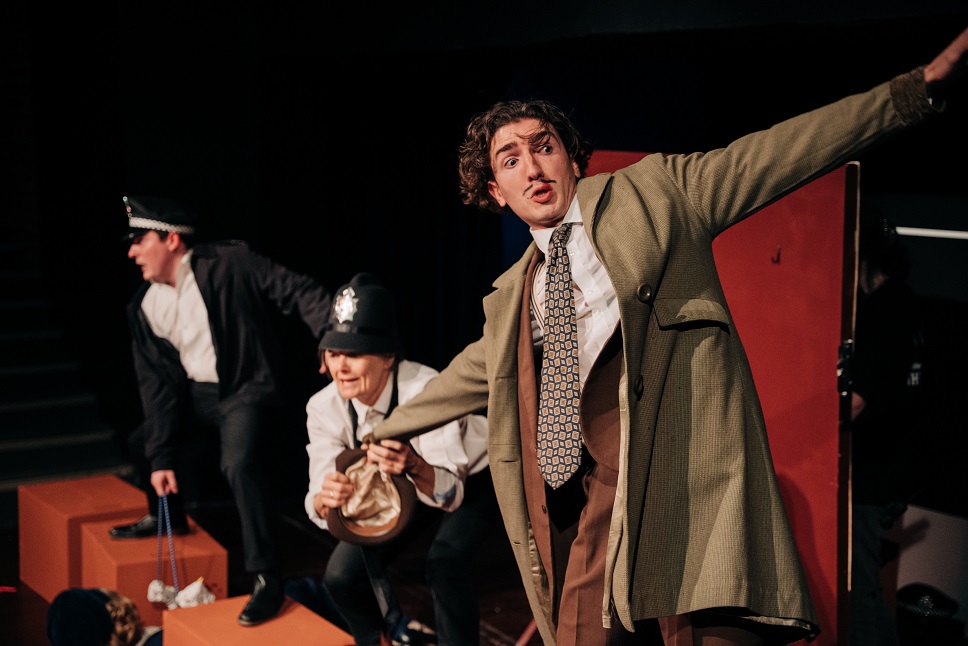
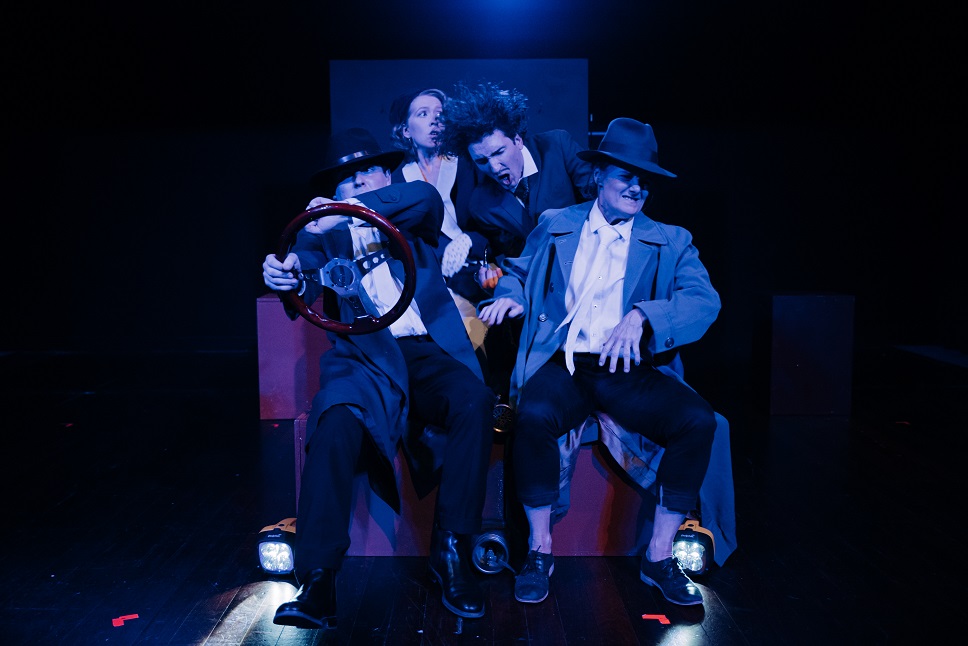
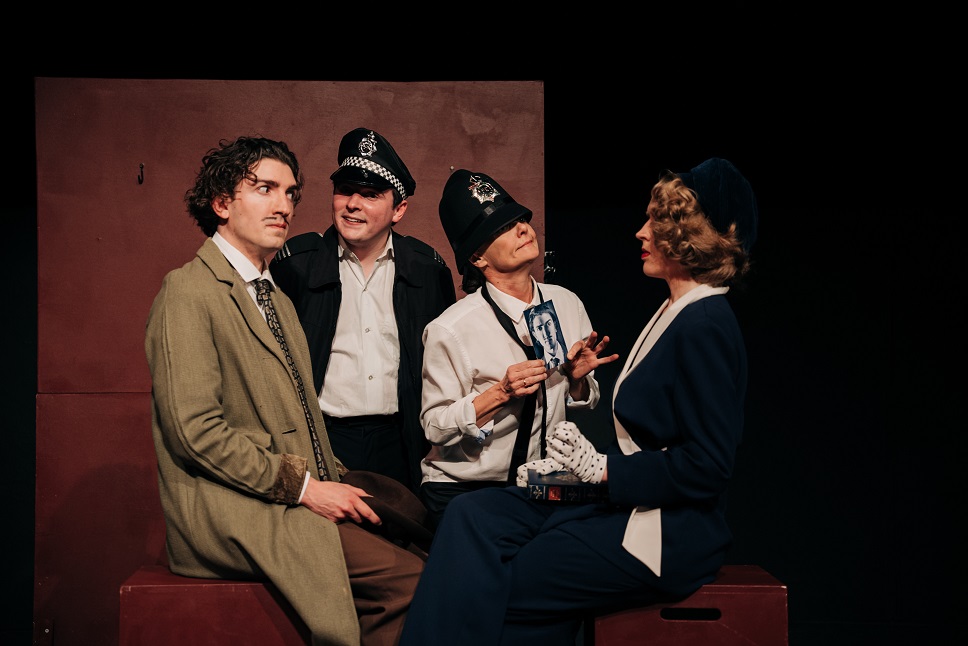
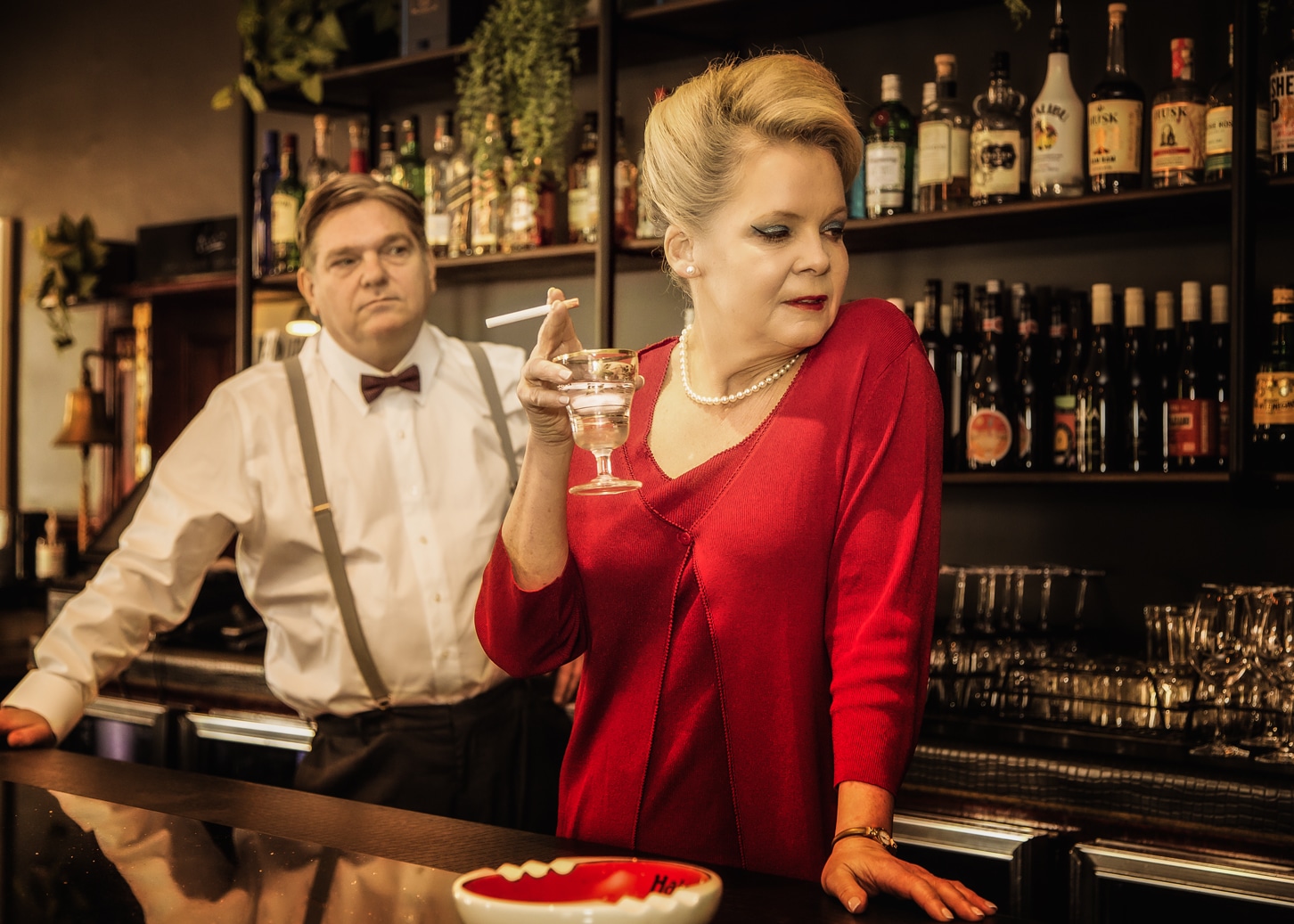
Nana’s Naughty Knickers – Naughty Good Fun

Nanas Naughty Knickers

Nana’s Naughty Knickers Rating

Click if you liked this article

4

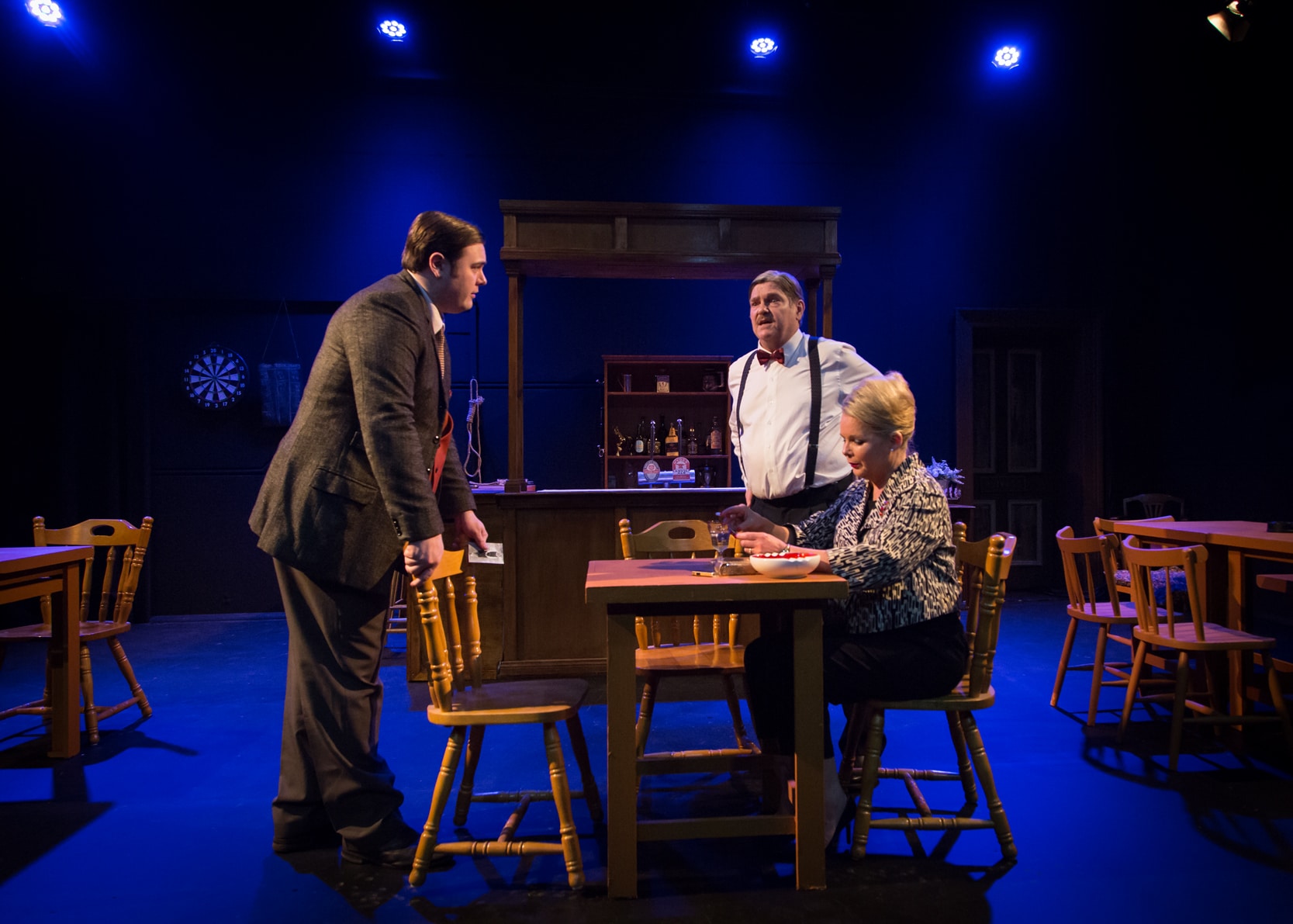
Hubby and I rode our scooter to our local theatre, The Arts Theatre on Angas Street, Adelaide, to see Nana’s Naughty Knickers.

What happens when Bridget and her lively grandmother become roommates?

Bridget saw a unique opportunity to stay with her favourite nana in New York for the summer. She found her running an illegal boutique from her rent-controlled apartment, selling handmade lingerie to all the senior citizens of the precinct.

Will Nana get arrested or, even worse, evicted?

Adelaide ‘theatre royalty’ Cast:-

Penni Hamilton Smith – Sylvia
Chris Galipo – Vera, Sylvia’s side-kick
Kayla Cranfield – Sylvia’s innocent grand-daughter, Bridget
Clinton Nitschke – Tom, the lovelorn police officer
Frank Cwiertniak – the owner of the apartment block, Mr Schmidt
Monique Millar – dominatrix Heather Van Pree
Therese Hornby – Mr Schmidt’s wife, Clair
Marcus Catt – the UPS delivery guy

A Katherine DiSacino play directed by Barry Hill, this piece has enough silliness to make you laugh out loud (even when you don’t want to) and forget your own troubles for just a little while.

At first, the American accents might catch you off guard, but as you become familiar with the quirky characters, they quickly become an endearing part of the experience.

The standout performance for me was Chris Galipo’s performance as the deaf, mobility-impaired best friend Vera, who had some of the best lines and delivered them to perfection. Also, Marcus Catt’s performance as the delivery guy had only a small part but made a fabulous impact.

It is a silly, uncomplicated play with quite a few plot flaws and unlikely characters. All is soon forgiven, as you find yourself just enjoying the simple pleasure of watching the actors revelling in their roles, just to make you laugh. And laugh we did, many times, the crowd broke out into spontaneous, joyous and sometimes guilty giggles.

The set design is quite simple but contains some very clever moving parts to hide the secret stash of merchandise. I personally would have preferred the ‘naughty knickers’ to be sexier to match the title of the show, but that’s me, and I do think the cast could have pulled it off.

Get out when you can, support local artists, and you’ll definitely have some fun!!

For Tickets:-

https://adelaiderep.com

Season: 22 – 25 August & 29 – 31 August

Remaining Sessions

  • Thu 29 Aug at 7:30pm
  • Fri 30 Aug at 7:30pm
  • Sat 31 Aug at 2:00pm (Saturday Matinee)
  • Sat 31 Aug at 7:30pm
Spread the word on your favourite platform!

Spread the word on your favourite platform!