A Fresh, Empowering Take On Shakespeare’s Lesser-known Tragedy: Jovanna Hepburn Illuminates In Timon of Athens

Timon Of Athens

Timon Of Athens Rating

★★★★★

Click if you liked this article

1

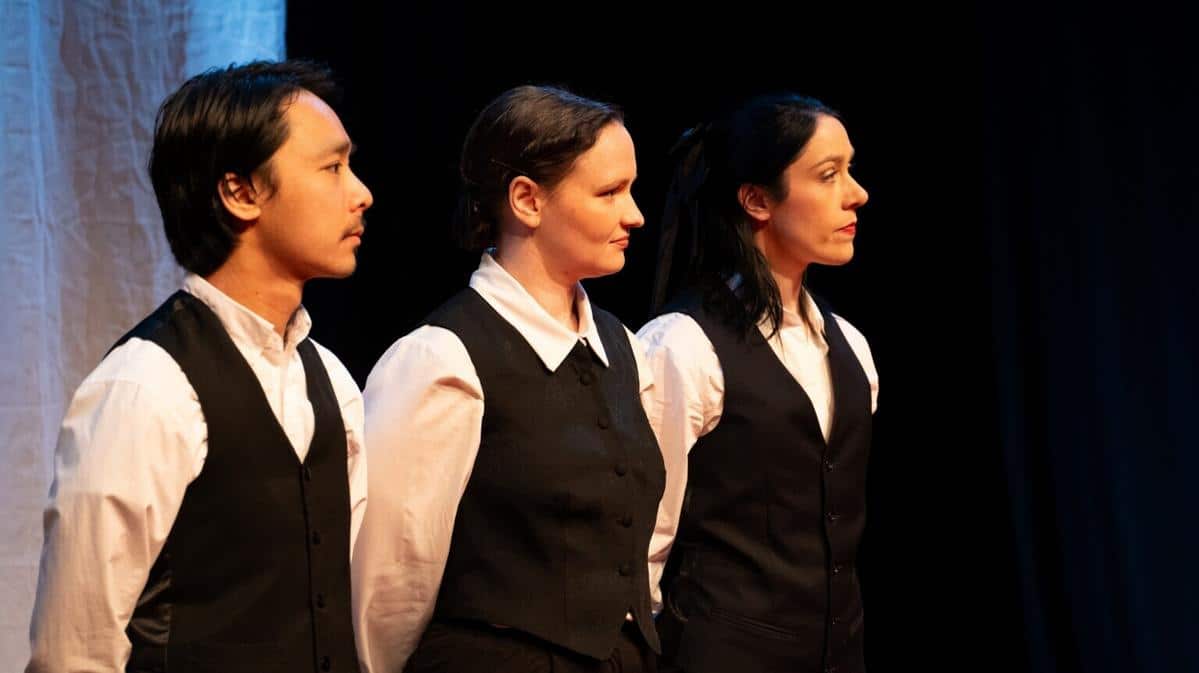
A large, opulent curtain sits upstage centre. Welcoming a long, lustrous dining table enveloped by an ivory tablecloth. Underneath it, a majestic round red carpet, fit for royalty. Staff in uniform stand to order. Staring straight ahead.

As if butter wouldn’t melt in their mouths. As if, we are in the enclosure of a bountiful environment.

Blue lights flicker on and off, ominously. Like thunder from the gods. As they do, staff move forward and back; in different directions.

Signifying perhaps, that there are cracks in these foundations.

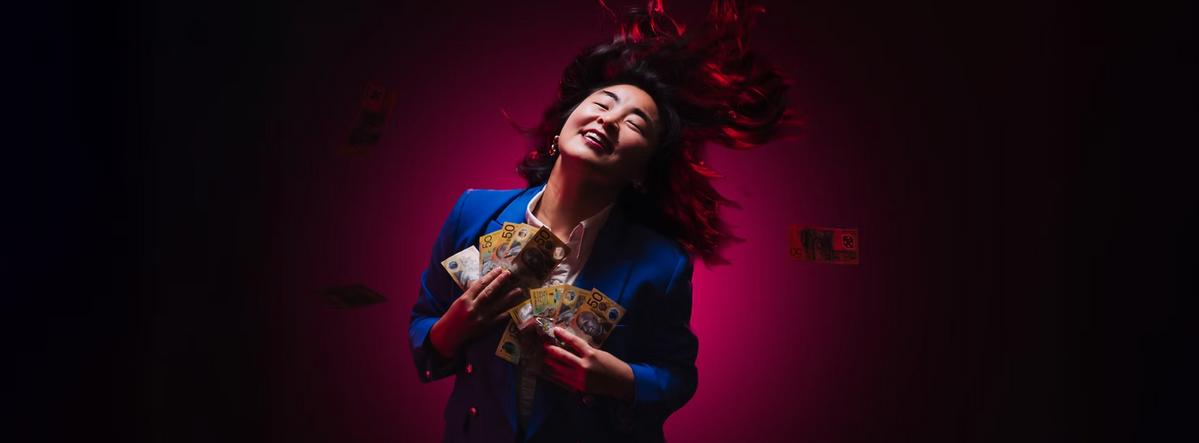
At each surge, movements of the staff continue to jerkily bend and twist. Someone lies down on the table, as if resting after a long hard day. As this lonesome figure sleeps, the staff move and swerve closer and closer to the audience. We watch in awe as the rest of the cast emerge from underneath this table like vultures, as they catch money thrown around freely. As they in turn, give out this printed money to us in the audience.

So we can breathe in the opulent energy of Athens. Of the language of its secret benefactor, Timon.

An ultra-generous philanthropist and restaurateur. A public figure for all-things-good. A patron of the arts. A genuine human who loves his community and has great aspirations for his city. His high-octane restaurant serves up bountiful meals to the elite. He doles out money equally to statesmen as he does to bail out petty criminals. From artists to painters to influencers. Everyone in high positions are given Timon’s riches.

So naturally, Timon believes wholeheartedly, that these people appreciate his generosity. That they also mean well. That universally speaking, ‘humans are genuinely loving and appreciative.’ Timon is convinced that to whom he gives, is a blessing he will ‘receive back in kind’.

That camaraderie is everything.
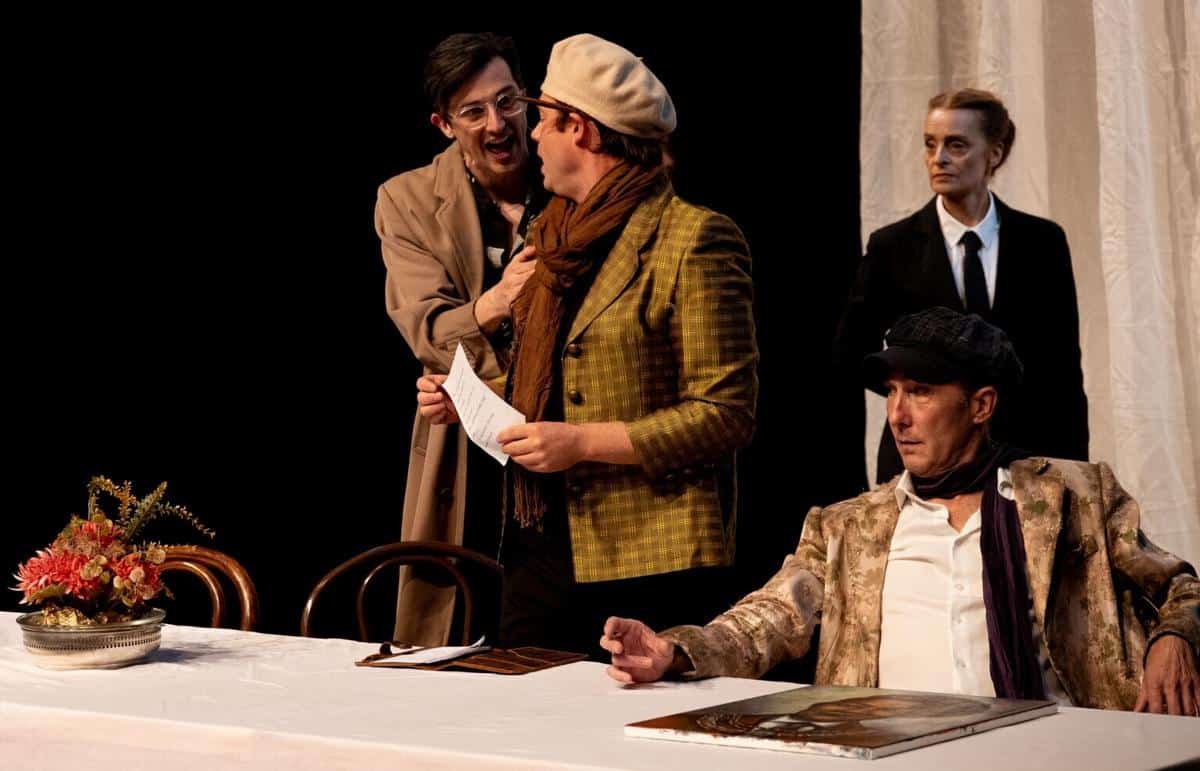
 

And Timon, according to his ‘smoke and mirrors’ circle? Is indeed a gift from the Grecian gods. He’s the gift that keeps on giving. So much so, that Apermantis, the town’s paparazzi photographer, and keen observer of human behaviour, views these gatherings with disdain. Shamelessly calling out these freeloaders to Timon. Warning Timon that they are deceiving him, and in turn, refuses to dine with them.

Timon just laughs this off.

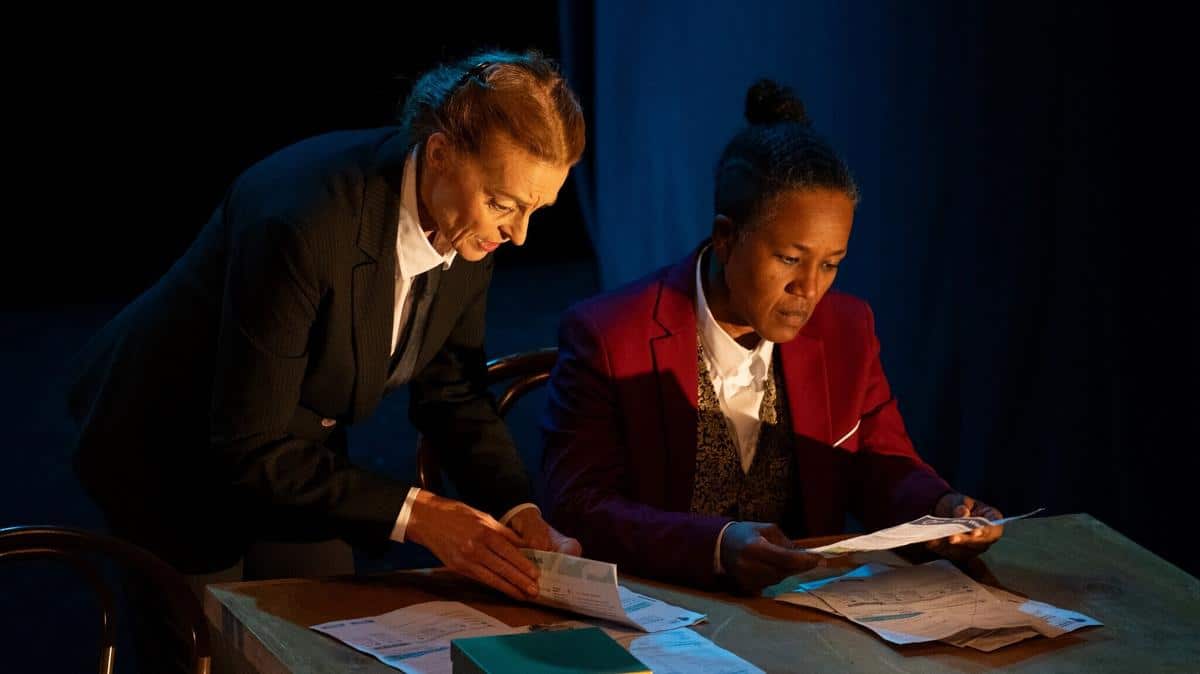
That is, until Timon’s assistant Flavius points out that he has no more money to give anybody. For Timon is in debt. He has accidentally bankrolled the state ‘a little too much’. His funds are being spent by his ‘well-healed friends’ for corruptive means. His flashy restaurant will be no more. His business is in economic crisis.  

Timon’s otherworldly state of Greek god-like generosity? Comes crashing down to earth like a crack of flickering thunder.

Flavius, in a state of distress, suggests that Timon ask his friends to pay him back the monies he gave them (to service the public). Instead of coming to his rescue? His friends are instead repulsed by this act and refuse to dig into their pockets.

What ensues? Is a lesson for Timon. A tuition about division. That when it comes to someone’s generosity in society, humanity can be divided in their actions.

There are the givers, and there are the takers.

How, when it comes to money or kindness - ‘the takers’ will receive, but behind our backs? Be our secret foes, wrestling with resentment. That takers use individuals for their own greed. And that greed, on a higher-level playing field?

Can lead to corruption.

Which is what consumes the mind of Timon as he struggles through this point. So much so, that Timon becomes a recluse, unable to deal with the corrupt minds of his once beloved city.

But more importantly, this story is about how the shocking effects of betrayal, especially from those he believed he could trust - can sometimes have devastating consequences.

This modern-day version of William Shakespeare and Thomas Middleton’s Timon of Athens is a well-rounded, humorous satire. Introspectively directed by Claire Nicholls and Kevin Hopkins, it is a wine-and-dine fest of music, dance and physical delights. The main roles are non- binary, which I loved, creating a fresh, empowering take on Shakespeare’s iconic works, (which in the past, was largely reserved only for males). And the quality of acting, especially from the seasoned ensemble, was sharp, precise and exciting to watch.

The set design, also created by directors Claire Nicholls and Kevin Hopkins— was minimalistic, yet the colours on stage resembled familiar colours of world leadership. The red, white and blue of the American and Australian flags, to start. Perhaps representing our modern global capitalist systems. The dolling out of $100 Australian dollars to each audience member? Perhaps to immerse us in the folly of money, that often has the potential to weaken our perspective, not strengthen it. Much like those in power in our current climate. They too have the potential to create serious economic disaster, if they have not done so already.

Also equally impressive was the physical movements onstage that tied in seamlessly with the actions. The miming of the three-piece band in the background of Timon’s dinner parties. The rebellion of Timon’s friendship clan turning against him in slow motion via the news. And the military coup that takes place at the end of the play, with slow-motion movements of warfare. An overthrow of a corrupt state, to create order in Athens once again.

There are a few actors in this riveting show worth their weight in gold.

Scott Jackson, as Lucius the poet, deliciously brims with cheeky wit. His crisp consonants elevating the stage alongside his hilarious antics, electrifying outfits, slick physicalities, and oozing Athenian pretentiousness.

Helen Hopkins is sensational as Timon’s most trusted advisor Flavius. She has a focused intensity, commanding firmness, and a tender-yet-sturdy quality to her performance that is riveting to watch.

And finally, Jovanna Hepburn sets the theatre ablaze as Timon. From start to finish, she pillars this production with a force beyond words, exemplifying the heartbeat of excellence for modern Shakespearean works. Her rhythmic resonance booms with every pentameter. Her physicality embodying overflowing emotions of despair. Her stamina and emotional architecture exemplifying the innate qualities needed to bring a history of theatrical greatness to life.

Proudly developed as part of the Prague Shakespeare Company's 2025 Summer Shakespeare Intensive program, Th'UnGuarded Duncan should consider themselves mighty proud to co-present a lessor-known Shakespearean work that hold great relevance to today’s world, for the 2026 Theatreworks season.

To book tickets to Timon Of Athens, please visit https://www.theatreworks.org.au/2026/timon-of-athens.

Photographer: Andrew Cullimore

Spread the word on your favourite platform!

The Ticking of Invisible Clocks: Ageing, Grief, and Dark Humour in Kevin Nemeth’s Crapbox

Crapbox

Crapbox Rating

★★★★★

Click if you liked this article

3

Upon the set of a bedroom scene, to the left of the stage, lies a dark wooden cupboard. Next to it? A white laundry basket. In the centre? A stately wooden bed, framed with curved carvings at its head and foot.

Yet the bedding is plain. Sickly white to be exact.

To the right? A tall lamp with a crimson-lit shade. Next to it? An 18th century King Louis-like chair in beige, with pincushions on its torso.

It is fairly dark, save for a dimmed light shining over the bed. There are four stage lights framing the area. Unnerving electro pop music chimes overhead, of a clock finding itself hard to wind. The music is getting louder and louder, and I am intrigued.

Crapbox is a reflective play in four parts. Four very universal, life-affirming stories of the challenges people face within the umbrella-like spectrum of aging.

Like four parts of a whole, Crapbox highlights the personal toils that may arise within a timeline of decline. Health challenges. Grieving. Loss of hope. The pendulum of the clocks that keep ticking away from us, without the ability to stop it.

But interestingly, this play is about how we cope in the aftermath of this later-life journey. More importantly? Where we sit in the thick of these things. How it weighs so heavily on our minds.

With our personal relationships. With spouses. With complex family dynamics.

It is a storytelling voyage. One which three characters, played by veteran theatre actors Anne Browning, Peter Houghton and Tom Gutteridge, set sail and guide us to hold tight: through the inevitable storms of late-life experiences.

We start with the first play, ‘Early Morning’, where, in their bedroom, a restless couple wake too early and cannot go back to sleep. We learn through their third- person conversation, (cleverly placed by award-winning scriptwriter Kevin Nemeth), that both of their minds are perturbed in waves of disquiet and future-related angst.


As this couple wait for the other to get up and make the morning coffee, we learn that there is an uneasy rhythm winding its way through their thoughts. An invisible clock ticking away at their inner wiring. Fears that are sometimes so big and overwhelming, that they can sometimes remain undefined by logic, regardless of a relationship’s natural rhythm of ‘peaks and valleys’.

The second play, moves us to the title of the show, ‘Crapbox’, in regional Victoria. Where we meet a recent widower, who not only misses his late wife terribly; but has discovered that his aspiring ‘tree change’ home, is haunted by ghosts.

That his new abode that he hoped would uplift him with oodles of nature and quiet, is simply ‘nothing more than an old Crapbox.’ Late at night he hears voices and furniture being moved around. The pressure of this frustrating situation combined with incessant thoughts about his late wife culminates in a very surprising aftermath.

The third play, ‘The Letter’, is a transitional memory piece, where a man speaks overhead about a long-lost letter he found from his late mother. While a woman is stripping a bed onstage and packing up her things in a bedroom, this man is reflecting upon who his mother was as a person. This is somewhat of an observational story: of how a changing perspective can bring on a state of forgiveness and personal transformation. Giving us hope, that even in loss, one can still reflect upon a memory with an open heart in its aftermath.

The final play, ‘Good Daughter’, is a deeply human, humorous piece exploring the messy foibles of ‘assisted dying’. It is a dark piece of irony, told through the eyes of an exasperated daughter, who decides to spare her mother the agony of the complex clutches of dementia, with outrageous complications.

This play is handled with empathy and care through the genius writing by Kevin Nemeth. He masterfully handles each life topic with sprinkles of dark humour, compassion and empathy, focusing not so much on the challenges themselves; but presenting what pathways forward are best for us, in order to survive them.

Veteran actors and real-life partners Peter Houghton and Anne Browning simply shine in this play. Batting the ball back and forth, their scene together is deeply funny and heartbreakingly real. Houghton is exceptional in playing light comedy through angst, while Browning stays true to her path of spousal acceptance, with aplomb.

Tom Gutteridge is deeply moving as the grieving widower. Instead of sitting in a place of deepened sadness, he is a playful storyteller, taking us on a matter-of-fact journey across a fragile emotional landscape.

Anne Browning also closes the play in fine form, playing a brave daughter making an unthinkable decision. Browning packs no punches with the challenging material she is given. Like a duck to water, she embodies a brittle mask but underneath it, her emotional well is infinite.

The transitions between scenes were seamlessly executed by the clever direction of the cast, delivering a multitude of layered meanings; while the combination of lighting design by Harrie Hogan, and sound by Ethan Hunter, were all used to their advantage to create either a lighter or somber mood.

This world premiere of Crapbox, by playwright Kevin Nemeth, was not only thought-provoking but a delight to watch. It was a true collaboration in every sense of the word, with a wonderful team of theatrical creators who embraced this play with heart.

To book tickets to Crapbox, please visit https://www.theatreworks.org.au/2026/crapbox.

Photographer: Dan Rabin

Spread the word on your favourite platform!

Young Frankenstein

Young Frankenstein

Young Frankenstein Rating

★★★★★

Click if you liked this article

2

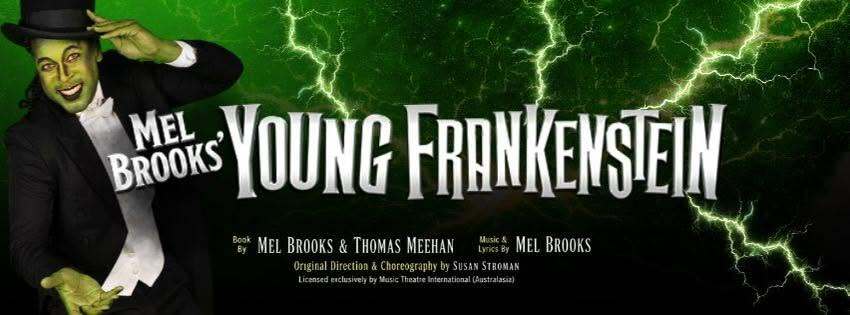
Frederick Frankenstein feels the weight of his family name like no other. With a gift for science, trying to distance himself from his grandfather’s experiments seems like an impossible task. However when he’s called to settle his grandfather’s estate and discovers his lab where it all took place, Frederick catches the bug to reanimate, just as Vincent Frankenstein did before him. With the help of his friends (and lovers), he awakens The Monster and, well, you pretty much know the rest. Except this time, the story is put to song, dance and repackaged as a sex comedy.

My dad has been begging me to watch this movie for years so I couldn’t believe my eyes when I saw this pop up at Theatre Works. This show is the perfect sell for me to go back and explore the rest of Mel Brooks’ hilarious filmography.

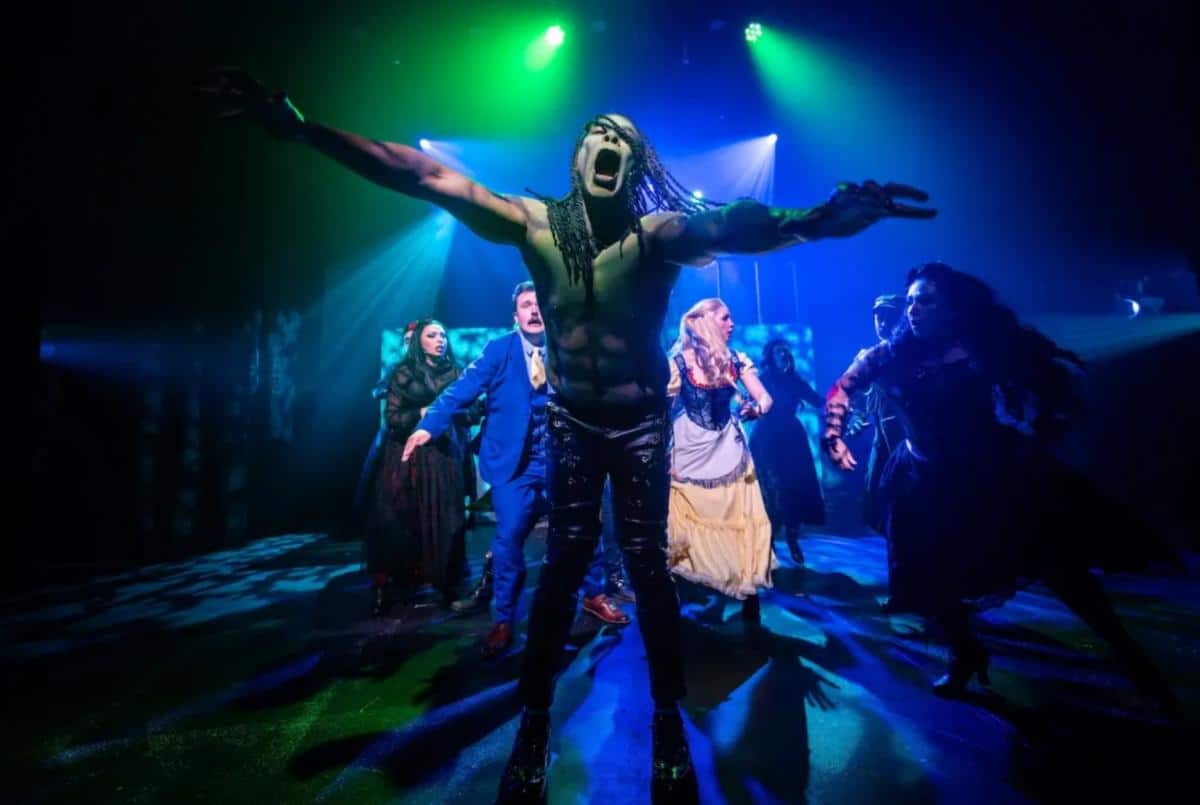
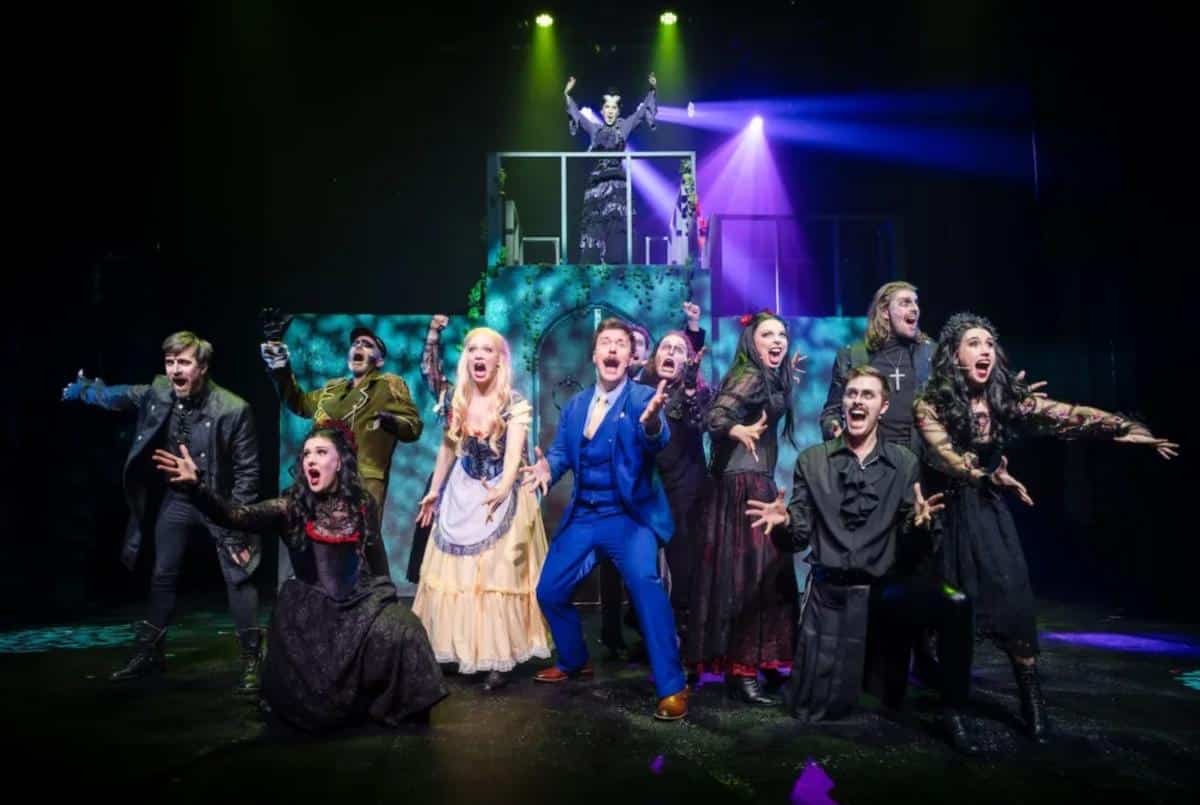
A delightful parody of both the musical and the classical horror genre, Young Frankenstein pokes loving fun at the tropes we all know; the blonde bimbo, the superficial wife, the old crone, the violent monster and makes them the stars of the show. This show somehow becomes a fabulous version of the very things it’s making fun of, with the same campy songs and witty lyrics like Brooks’ other smash hit, The Producers.

StageBugs Productions have amped up the silly and under Christian Cavallo’s direction, have layered jokes onto jokes, to keep you laughing the whole way through.

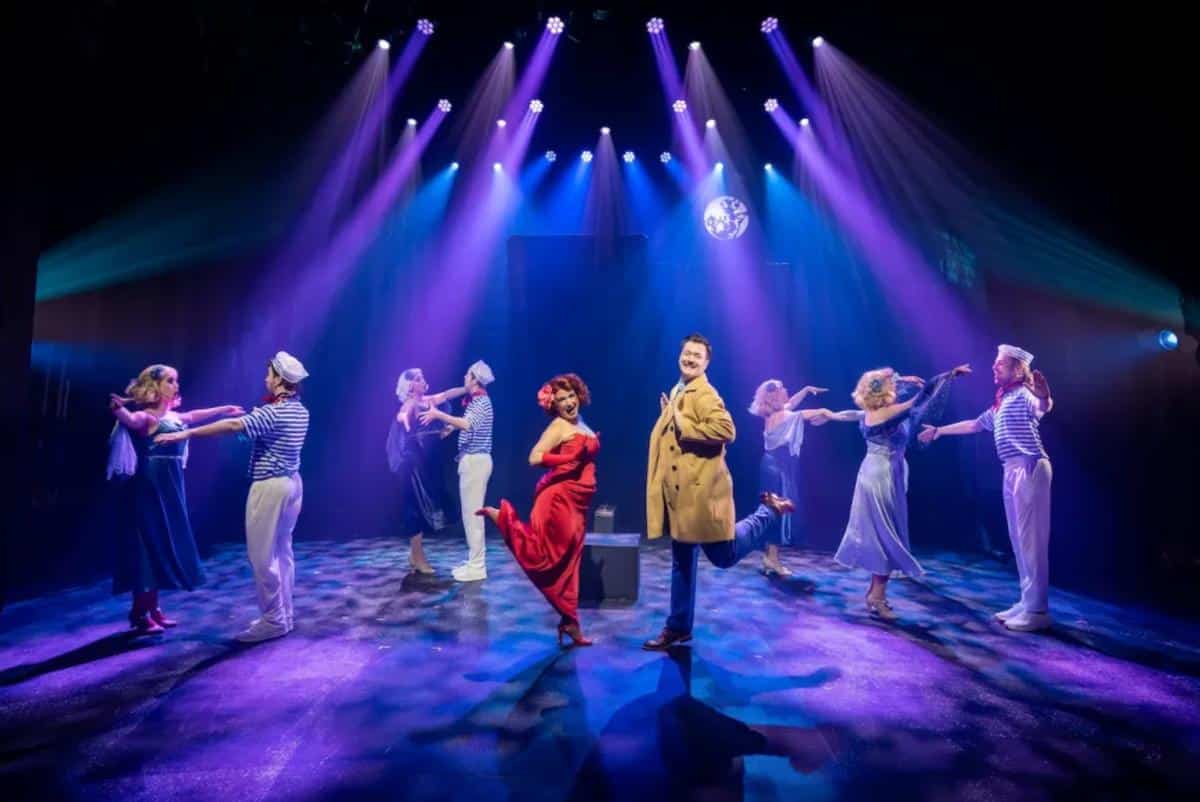
Not only hilarious, the cast delivers powerful vocals and incredible dance numbers that I did not see coming. The ensemble picks every moment to add to the bit, creating multiple focus pulling moments in the best way.


Juliet Nicholson as Inga was the star for me. Impeccable comedic timing, a beautiful voice and just the right amount of nudge-nudge, wink-wink in every action. Paired with Josh Direen’s Dr Frederick Frankenstein, the pair’s vibrant chemistry was totally charming.

Direen leads the show with ease. I loved the choice to create a new look for the Doctor; a clean cut, 1950s radio presenter vibe instead of the classic mad scientist look. It worked really well with Direen’s pristine energy and straight-guy role in the show.

Shannon Foley as Inspector Kemp and Harold The Hermit and Belinda Jenkins as Fraur Blucher each delivered standout performances in each of their big character numbers.

Joti Van Carlos Gore’s performances as The Monster was a real surprise. His physicality of the creature was hilarious, but especially so in his big number towards the end. I won’t give anything away, but this man can dance.

The set is strong, but with a few clunky opening night transitions felt slightly in the way at times. The funniest part of the show the stage was set with nothing but a horse drawn carriage, and a few ensemble members stepping into the role of passing trees and bushes.

Young Frankenstein is a masterclass in silliness. It’s a romp through a story you already know, with all the charm of an old Hollywood musical. Despite feeling familiar and comforting, it’s also a refreshing addition to the musical adaption world.

To book tickets to Young Frankenstein, please visit https://www.theatreworks.org.au/young-frankenstein.

Photographer: Matthew Chen

Spread the word on your favourite platform!

The Eternally Hopeful

The Eternally Hopeful

The Eternally Hopeful Rating

★★★★★

Click if you liked this article

0

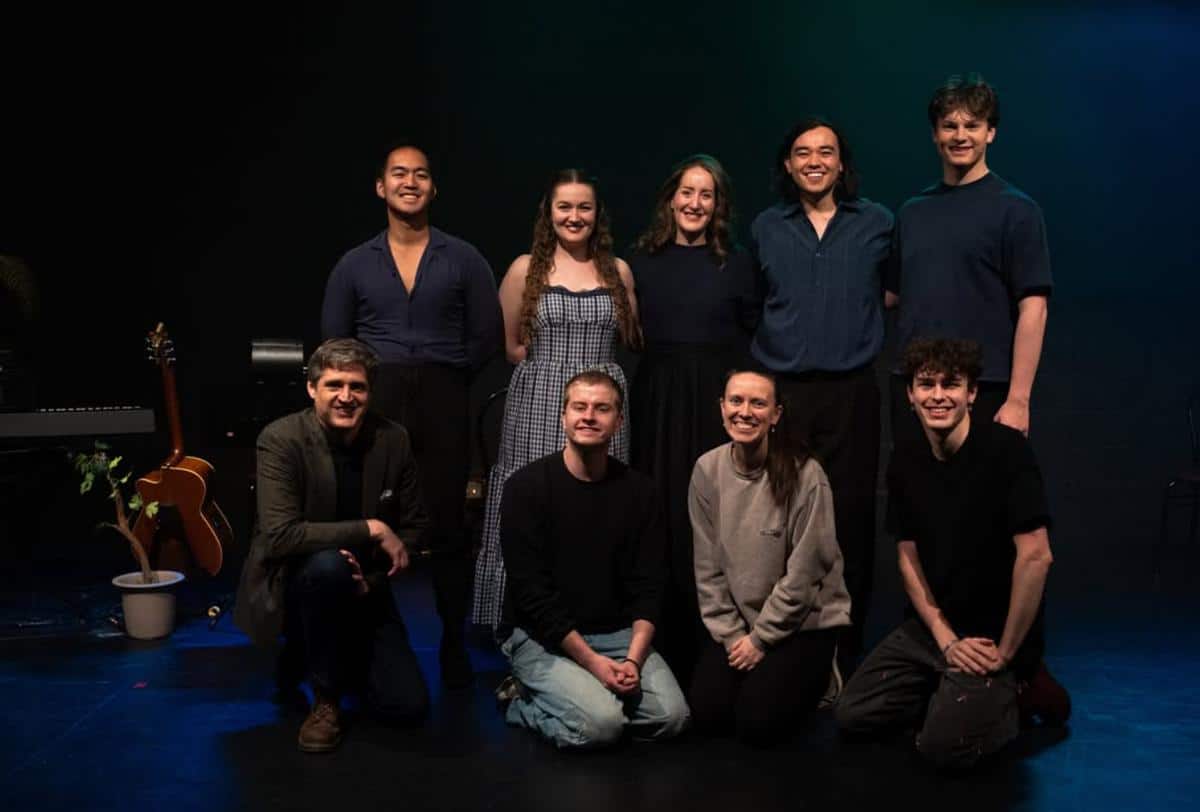
The Eternally Hopeful is an uplifting and beautifully sad song cycle. Containing several vignettes, four actors tell small stories with big emotions across the span of 50 minutes. The show was a genuine delight to witness, with heart and soul, delicious harmonies, and a thoughtful cast with clear direction. Isabelle Davis (Writer, Director, and Producer) created a dynamic and well considered show, where the thematic narrative of the stories remained poignant over different plots, artful done given the distinct and episodic story telling techniques utilised in the show.

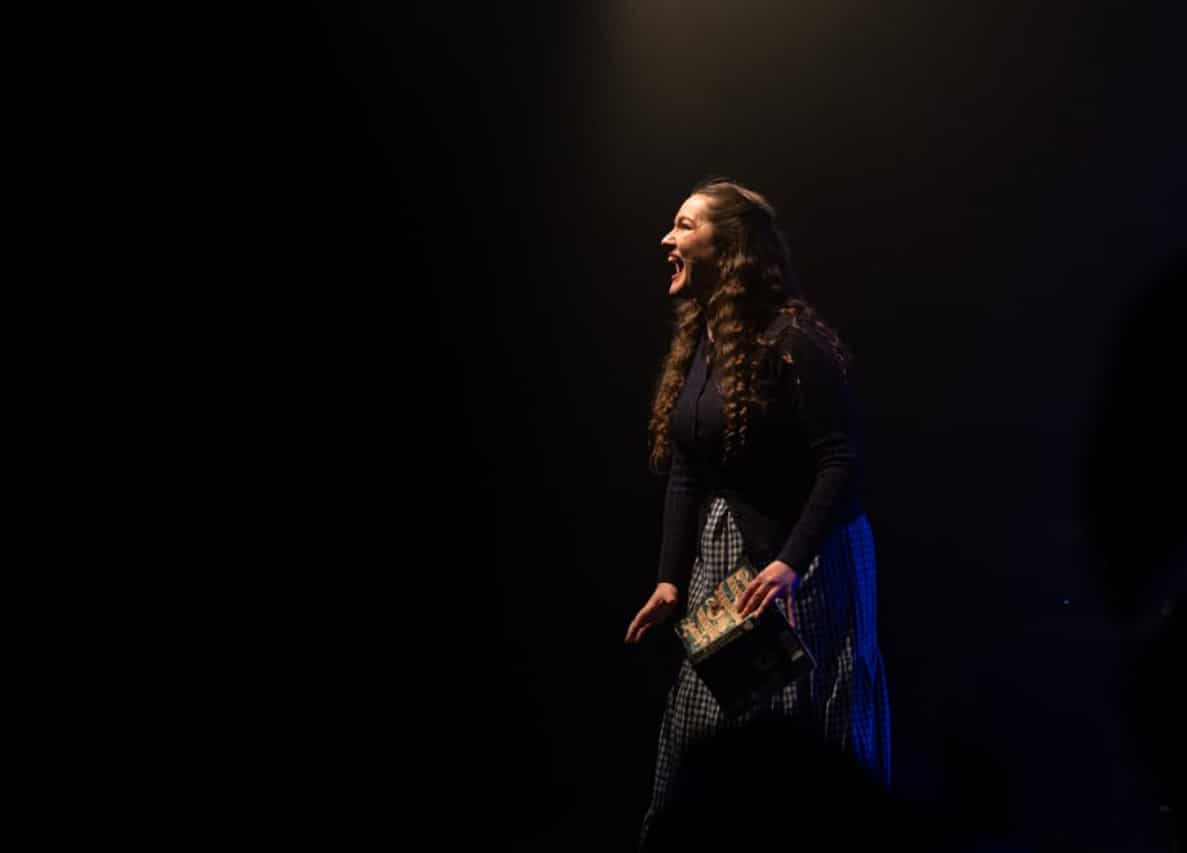
Each vignette had a distinct narrative, but the emotional impacts of the individual song cut through the entire show. There was distinct emotion maxxing, where actors were clear in exhibiting the thoughts and feelings of the characters. Themes of the life and death cycle were broached, and tenderly managed with warm harmonies and vocal finesse. The beginning of life and its uncertainties were explored in some of the scenes, with other scenes grappling with early and painful deaths. Davis expertly weaved bold thoughts and ideas with gentle and uplifting melodies. Warm optimism permeated each song, even songs that were mournful and sad retained an eternal sense of hopefulness that sparked something ineffable within me.


The Eternally Hopeful had a relatively stripped back set, which allowed the actors to utilise the stage for the different narrative needs that arouse throughout the varied vignettes. There were plants and books on stage, establishing a homely warmth at the top of the show, that continued to develop and build. The four actors moved around the space creating new locations with each new catchy song. The lighting (designed by Cale Dennis) intensified as the characters emotions deepened, effectively expressing and communicating how the story was evolving.

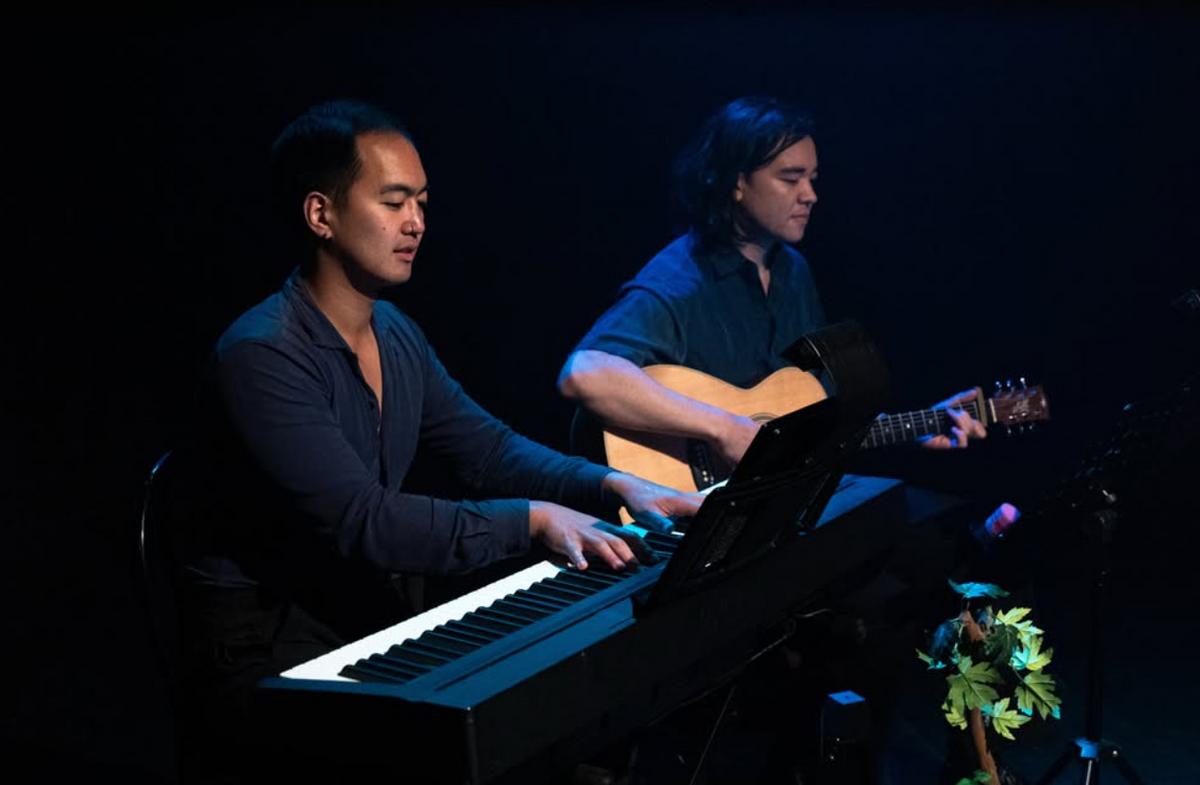
The harmonies of the four actors were beautifully accompanied by John Mondelo (also musical director) on piano. There was a cheeky sweetness that extruded from Mondelo, adding to the playfulness that appropriately swept through the entire show. The polished vocals allowed the melodies and humour of the lyrics to shine. The music was gritty as needed, and polished when required. The audience chuckled at some sweet and silly moments within the song cycle.

The Eternally Hopeful was lovely, and it is distinctly apparent to me that this show deserves a large audience and great commercial success. Throughout the show I was delighted and entertained, I was asked to consider mortality while being comforted by excellent vocals. It was such an enjoyable overall experience, with each creative element working well together.

To book tickets to The Eternally Hopeful, please visit https://www.theatreworks.org.au/2026/the-eternally-hopeful.

Photographer: Alec Farrow

Spread the word on your favourite platform!

Subscribe to What's The Show

Reviews, show news and what is on, straight to your inbox.