Tatami – Presented By The Persian Film Festival

Tatami

Tatami Rating

Click if you liked this article

1

TATAMI is the first feature film co-directed by Iranian and Israeli filmmakers. It had its world premiere at the 80th Venice International Film Festival on September 2nd, 2023 and received very positive reviews from the critics and audience. It is currently part of the 11th Persian Film Festival, which is being held until the 11th of May 2025.

The program of the festival includes a competition in feature, documentary and short film categories where the festival jury will present the Golden Gazelle Award to the best film in each section. The festival opened in Sydney and will tour to Melbourne and Armidale. TATAMI could be called a meditation upon the possible role international sports could play in world politics. It’s co-directed by Zar Amir and Guy Nattiv.

Guy Nattiv is an Israeli who lives and works in the United States. His film Skin won an Oscar for best short film at the 91st Academy Awards, and he is one of only three Israeli directors to have won an Academy Award.
Zar Amir Ebrhimi is an Iranian and French actress, producer and director. She rose to international prominence for her performance as journalist Arezoo Rahimi in the crime thriller Holy Spider in 2022, for which she won the Cannes Film Festival Award for Best Actress and the Robert Award for Best Actress as well. In 2022, she appeared on the BBC’s 100 Women list as one of the world’s inspiring and influential women of the year.

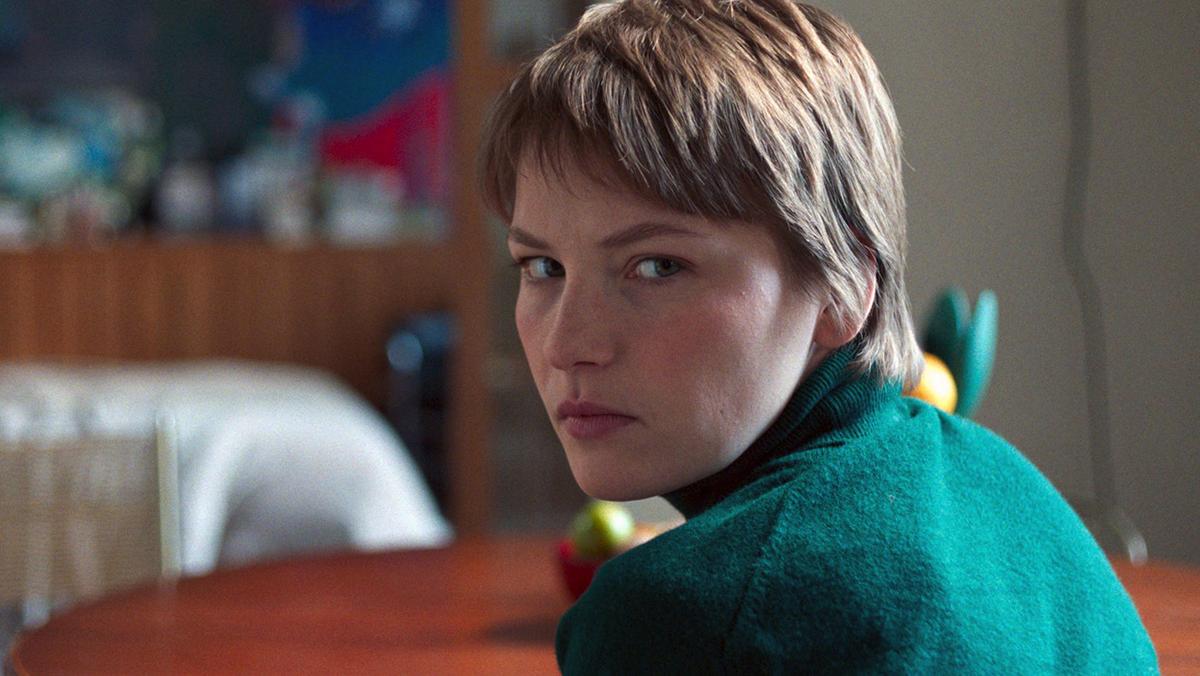
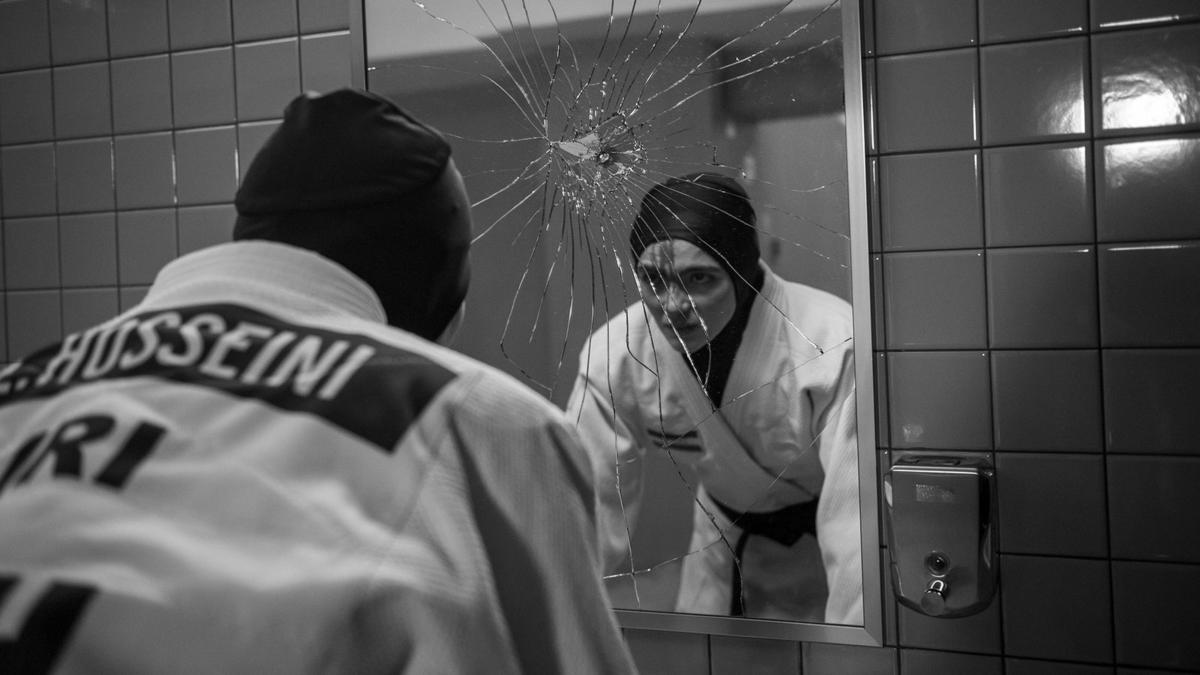
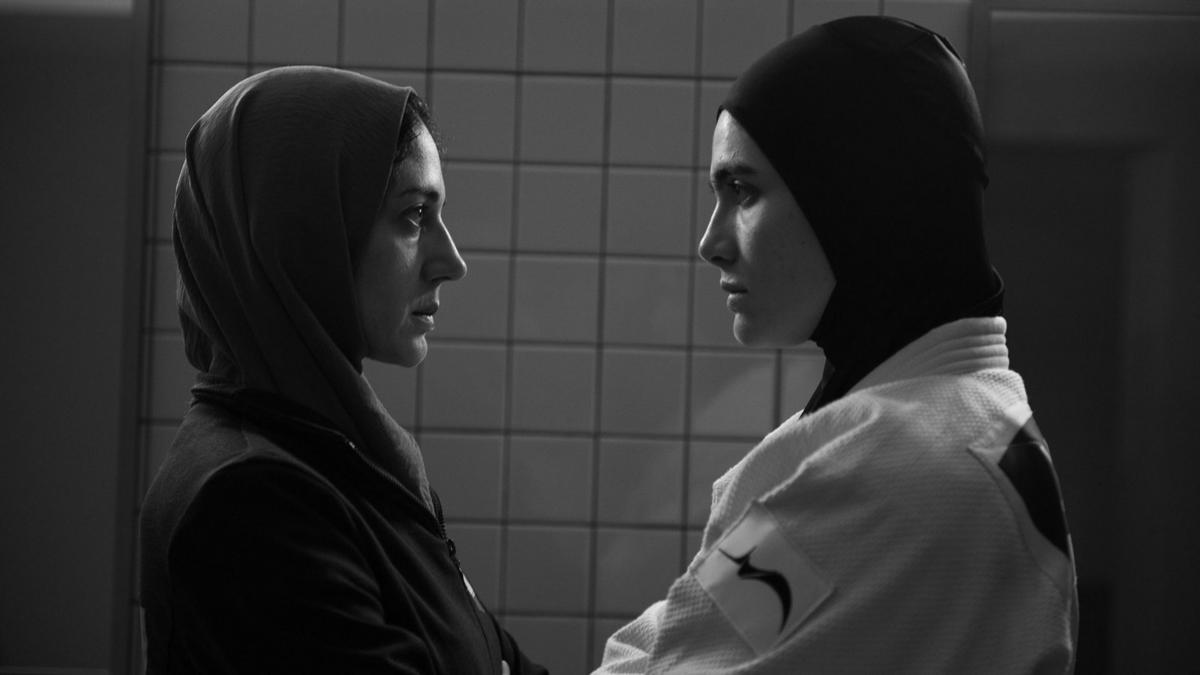
The film follows Iranian female judoka Leila, played by Arienne Mandi, and her coach Maryam, played by co-director Zar Amir Ebrahimi, as they travel to the World Judo Championships in Tbilisi, Georgia. Both Leila and her coach are initially intent on bringing home Iran’s first gold medal. But doing so includes the possibility of an encounter with an Israeli athlete, which is something the Mullah regime of the Islamic Republic prohibits.

Midway through the competition, Leila and her coach receive repeated threats from the Islamic Republic ordering Leila to fake an injury and drop out of the tournament. With her own and her family’s freedom at stake, Leila faces a difficult choice: feign injury and comply with the Iranian regime as her coach implores or defy them and fight for the gold.
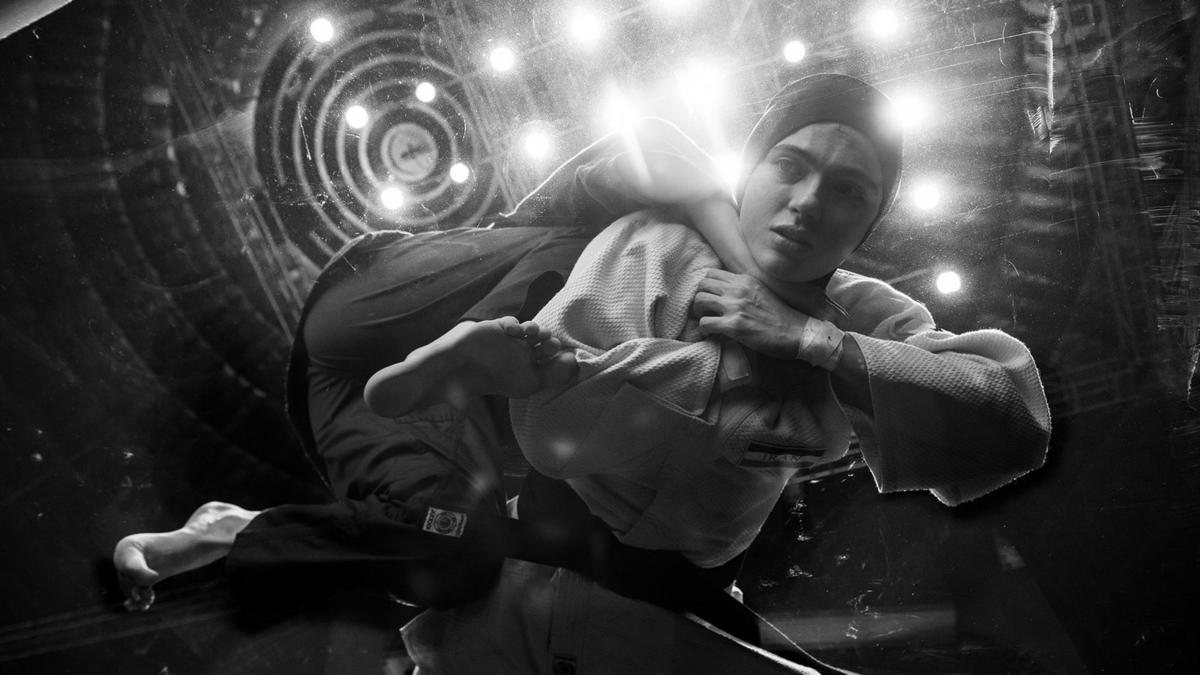
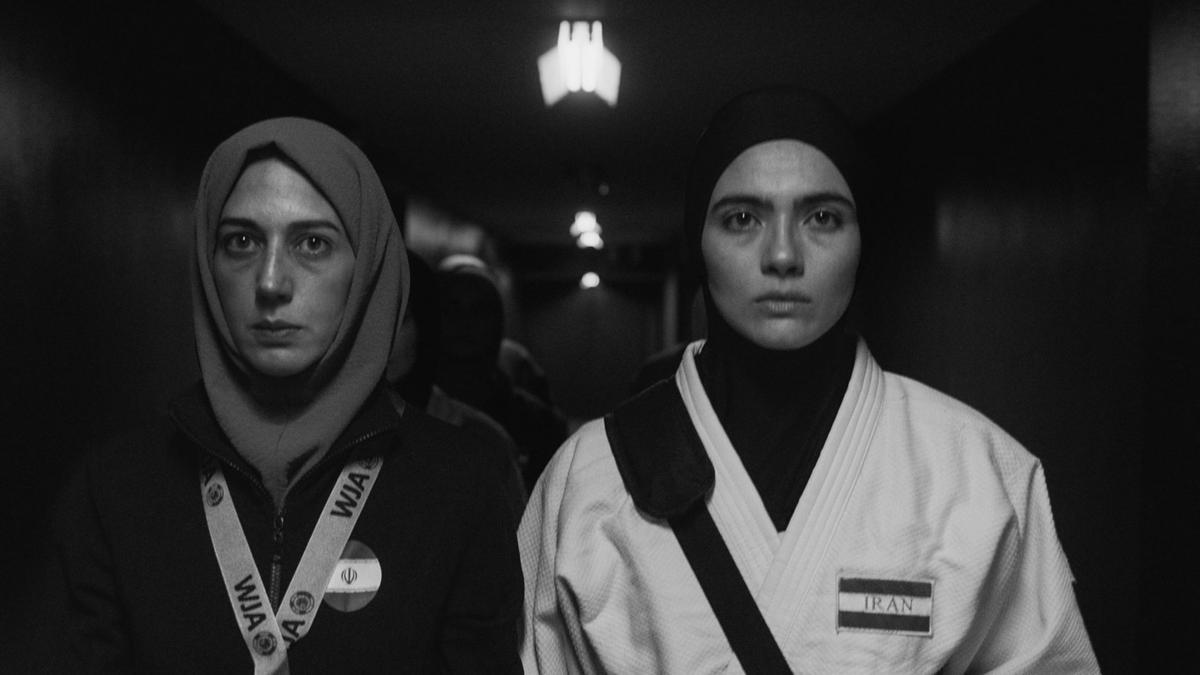
As an analogy for the differentiation between enemies and rivals, the story paints a poignant picture. Enemies want you to die. Rivals want you to become better, so the challenge would be worthwhile. Adding to that, since TATAMI has been co-directed by an Israeli and an Iranian it is a great piece of art reflecting what life could be if we all had our heads on right. Also, the film is shown in black and white, which lends a sombre tone, without sounding preachy.

I recommend this film, and I give it a big thumbs-up. Five stars out of five for me.

The Persian Film Festival will run from 24 April to 11 May 2025 in Sydney, Melbourne, and Armidale. For session details and to book tickets to Tatami and other films, please visit https://www.persianfilmfestival.com/.

Spread the word on your favourite platform!

Hysteria – A Thriller That Burns Through the Lies

Hysteria

Hysteria Rating

Click if you liked this article

The German Film Festival previewed at Palace Cinemas with the Australian première of Mehmet Akif Büyükatalay’s Hysteria. This 104-minute political thriller left the crowd hushed and visibly rattled on the way out. On a film set that unravels after a burned Quran is discovered, Hysteria is equal parts whodunnit, social essay, and psychological pressure cooker.

Büyükatalay wastes no time striking the match. When the sacred text is smouldering among the props, blame ricochets between the director, the star, a slippery producer and a van-load of asylum-seeker extras. Class, faith and power lines are drawn in seconds; alliances fray just as quickly. This film proves you don’t need a big budget to create tension. The tension comes from the people, not the pyrotechnics.

One of Hysteria’s thrills (and frustrations) is its refusal to hand you a neat answer. Every scene forces you to ask: whose version of events do I believe, and what does that say about me? Büyükatalay is less interested in solving the mystery than in showing how easily images of “the Other” override the human being standing before us. That makes for an unsettling watch, but it’s precisely the point. Cineuropa praised the film’s “important inquiry into the representation of migrant minorities”, even as it noted the narrative leaves viewers “confused”. Confusion about how you want the story to pan out and who turns out to be the protagonist and the antagonist.

As a 24-year-old intern, Elif Devrim Lingnau anchors the film with wide-eyed resolve that gradually hardens into fury. Refugee extra Said (Mehdi Meskar) and Director Yigit (Serkan Kaya) spar with her in tightly coiled exchanges that feel one breath away from violence. Nicolette Krebitz steals scenes as a calculating producer who knows exactly how far an image can travel once uploaded. The casting is strong, there are no weak links.

The use of close-ups in Hysteria traps the audience inside green-screen warehouses and cramped caravans. The pacing is fast; the 104 minutes fly by. Cinematographer Julian Krubasik ensures we feel connected to every character in every shot.

This film may leave you feeling cold if you love films that end all tied up neatly with a little bow. Hysteria is a must-see for viewers who relish cinema that sends them out into the foyer to debate morality, identity, and media manipulation. Behind every flame lies a darker truth.

Büyükatalay’s sophomore feature doesn’t just hold up a mirror; it shatters it, then asks us to pick up the shards and see which reflection we choose. Catch it while the German Film Festival programme runs nationwide, and check session times via the Palace Cinemas website. Take a friend; you’ll need someone to argue with on the tram ride home.

The HSBC German Film Festival presented by Palace runs from 2 May – 21 May, in association with German Films. In 2025, the festival will showcase the best contemporary German cinema direct from major festivals in Europe, plus a selection from its German-speaking neighbours, Austria and Switzerland.

To book tickets to Hysteria, or for date and session information for any other films in the festival, please visit https://germanfilmfestival.com.au/.

Spread the word on your favourite platform!

Maori Mini Film Festival: Marahoro

Marahoro

Marahoro Rating

Click if you liked this article

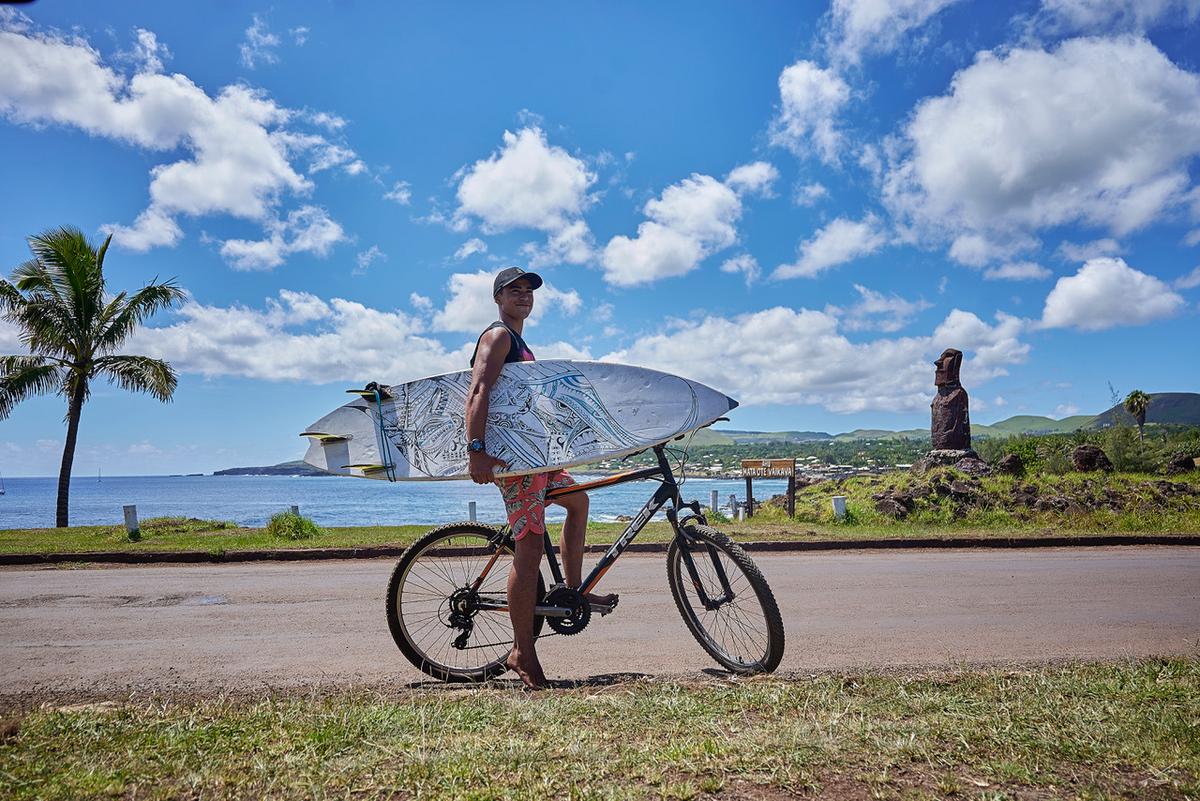
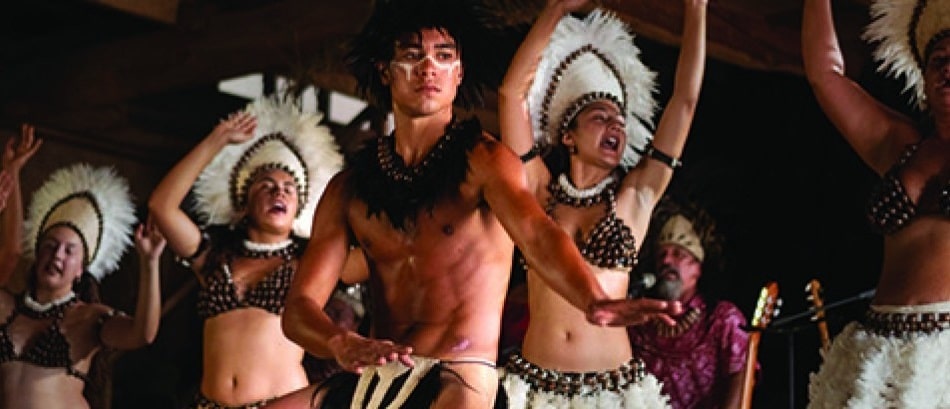
On the island of Rapa-Nui, teenager Marahoro is not only in the midst of his transition from boy to man, but embarking on an exploration of his relationship with his heritage and culture. This 2024 short-film, directed and written by Sofia Rodriguez Pizero, explores generational tensions, the conflict of duty and desire, and what it means to embrace oneself completely.

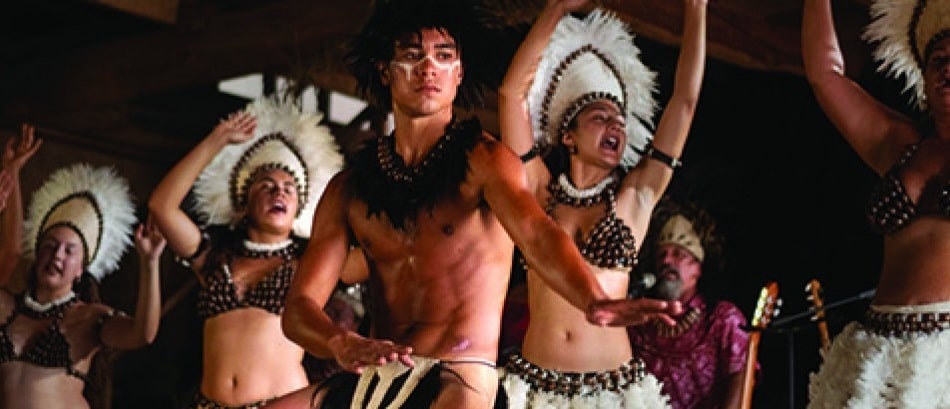
Poike Tuki Mejia stars as the film’s lead and does so much justice to the position Marahoro is in. He’s young, but craving freedom and adventure. This places him in opposition to his father Tu’umaheke, played by Aka-hanga Rapu Tuki, a cultural leader who directs the Mana Ma’ohi Ensemble (which is a real cultural performance group, for those interested in travelling to Rapa Nui to visit!).

Tu’umaheke strives for excellence. His passion and appreciation for their heritage manifest in his high demands of the ensemble. Young men exert their energy, but do not move in their dance properly. Women perfect their dances, but then fail to sing loudly enough. Even the drummers, some of them Tu’umaheke’s seniors in age, face his wrath. For all the ferocity Tu’umeheke musters, there is no doubt that he motivates his group.


But this does not come without a cost. Marahoro, a member of the ensemble, struggles with his father’s methods of cultural preservation. Whether it’s through placing stress on his dance group, demanding Marahoro spend more time practicing cultural movements, or by limiting his opportunities to see his friends, Mejia beautifully conveys the strained relationship many young men experience as they begin to question trusted, but disciplined, authority guiding them verse the ever-growing desire for autonomy, freedom and sensory pleasure.

The audience can be grateful that Marahoro offers a form of sensory pleasure as well. Pizero’s direction leads to commendable, deeply emotional acting. The working partnership between Pizero and cinematographer Fred Renata ensures that each frame of the film highlights either the intimacy of emotions in the characters, the richness and depth of cultural traditions, or the raw wonders of nature on the island. The film is clear and crisp in its camerawork, with a delightful vibrancy of colour throughout. With Mana Ma’ohi musicians and dancers taking part in the film, it’s beautiful and inspiring to witness several performances of song and dance.

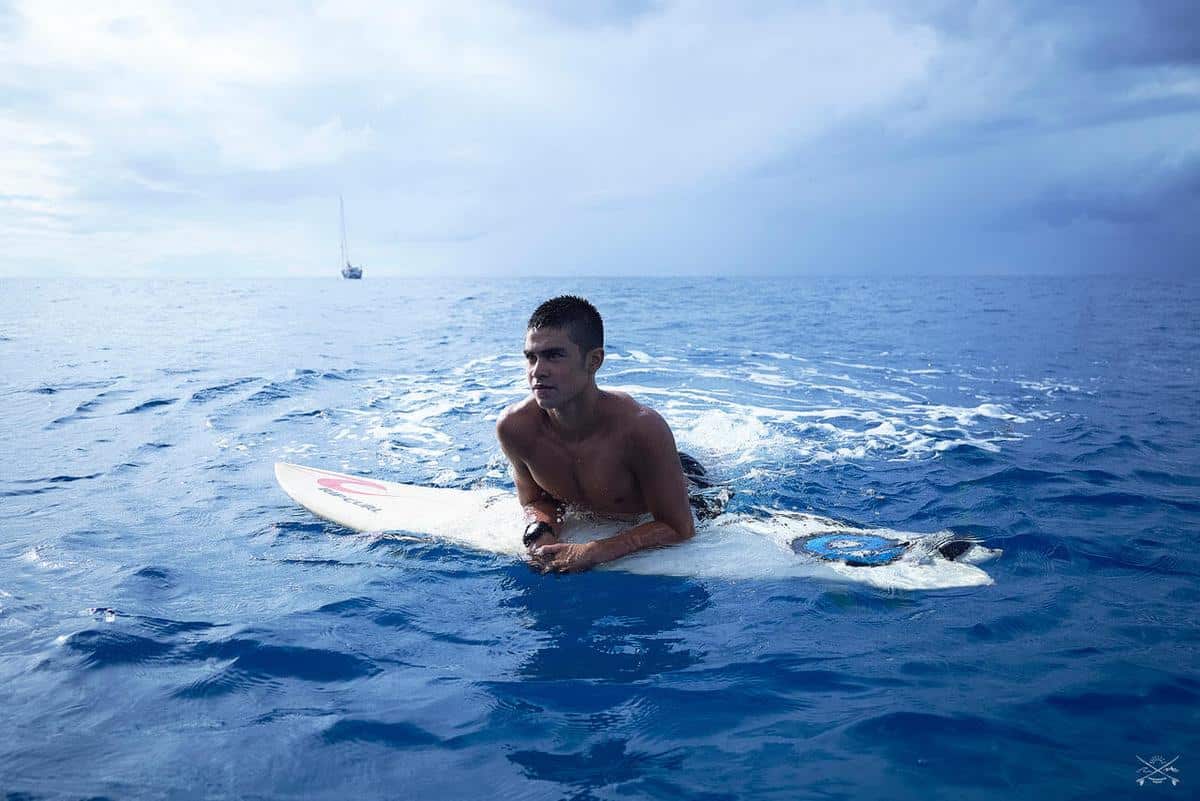
Throughout the film, Marahoro yearns to spend time with his friends. A skilled surfer, Marahoro must compromise his time with his friends and in the water to sing and dance about swimming with turtles with the cultural group under the strict supervision of his father. Marahoro’s cautious attempts to question further the conflict between him and his father. While they both have the same love for their ancestors and, deep down, are driven to preserve and share their legacy, their alternative means of doing so threaten to drive them apart.

Marahoro must learn to be a leader. But is the only way to do so by following his father, or can he find a way to balance his youthful spirit with his own admiration of the land and its people?

To book tickets to the Maori Land Mini Film Festival, please visit https://www.bunjilplace.com.au/events/maoriland-film-festival

Spread the word on your favourite platform!

Mahika Kai: A Discussion Of Culture, Conservation And Connection

Mahika Kai

Mahika Kai Rating

Click if you liked this article

1

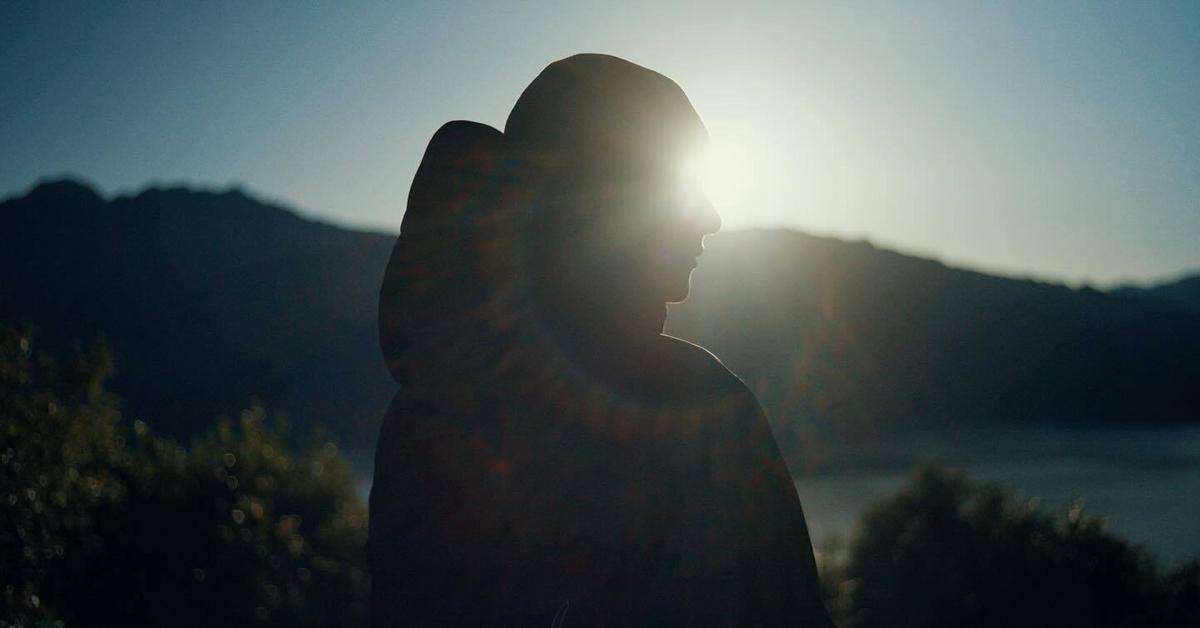
Mahika Kai introduces a group of Māori conservationists and cultural custodians on a quest to rehabilitate ecological systems and food sources, and in turn the identities and wellbeing of their people.

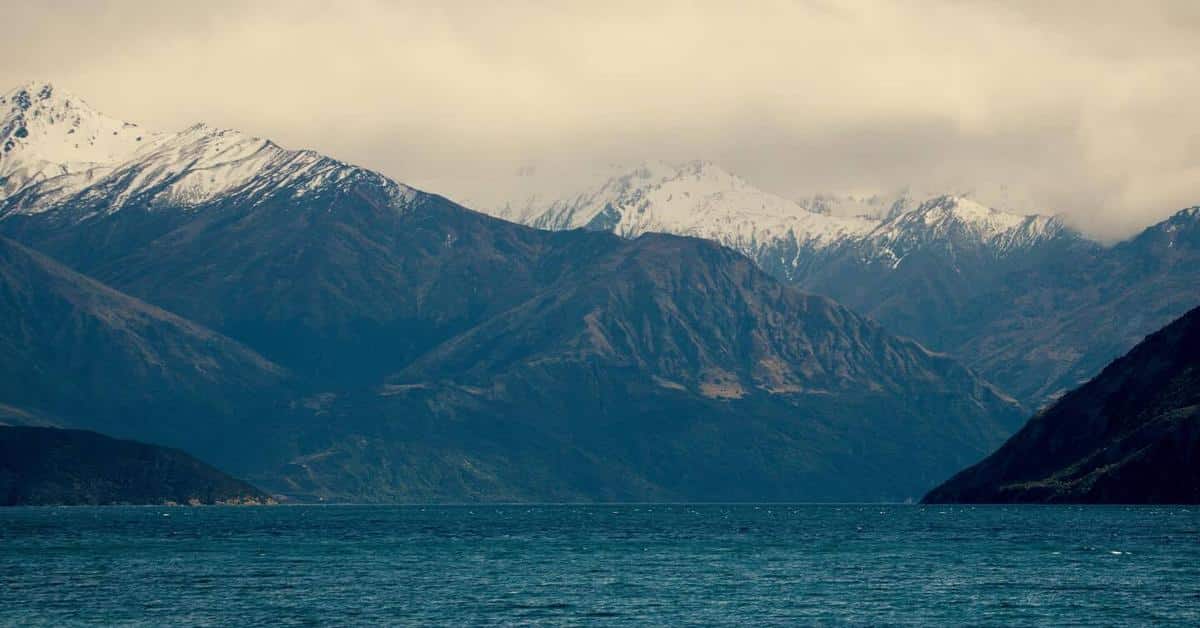
Filmed in picturesque Wānaka, located in New Zealand’s South Island, we learn about the interconnectedness of physical and spiritual elements in the Māori world view and the kaitiaki (guardians) seeking to reconnect with and promote traditional Māori knowledge to create healthier modern lives, in harmony with nature.

As narrator Tūmai Cassidy explains, Mahika Kai is the procurement of food, including gathering, harvesting, preserving, sharing and, pertinently, caring for food. The mission of caring for food is illustrated here with specific reference to the plight of tuna (eel) populations, whose wetland habitats, and very survival, are imperiled by hydroelectric dams restricting their migration pathways;

As Cassidy notes, the impact of this plight is not isolated, as their destruction – effecting 90% of wetlands in the Otago region alone – means the loss of identity and traditional ways of life. We are told it needn’t be this way, where hydroelectric dams overseas are designed and operate without impacting crucial migration pathways, or harming respective species.

The kaitiaki hope through greater awareness of the issue, the local community and government will support their conservation kaupapa (objectives) and re-prioritize the life and health of habitats and species, which support life and health among human communities.

In addition to the conservation kaupapa of Mahika Kai, the kaitiaki share their pepeha (a traditional Māori introduction including details of connection to land) waiata (song) and kapa haka (performing arts). These koha (gifts) beautifully portray the life-force connecting past and present, physical and spiritual, and memorably highlight the kaupapa which makes Mahika Kai timely and important viewing – which I highly recommend.

To book tickets to the Maori Mini Film Festival, please visit https://www.bunjilplace.com.au/events/maoriland-film-festival

Spread the word on your favourite platform!

Subscribe to What's The Show

Reviews, show news and what is on, straight to your inbox.