Metropolis Monologues: Showcase One

Metropolis Monologues Showcase One

Metropolis Monologues Showcase One Rating

Click if you liked this article

1

(Note: Metropolis Monologues is presented in two groups, and each night the monologues are followed by the play Who I’m Doing This For by Peter Farrar. This is a review of the first group of monologues – Who I’m Doing This For and the second group will be reviewed separately.)

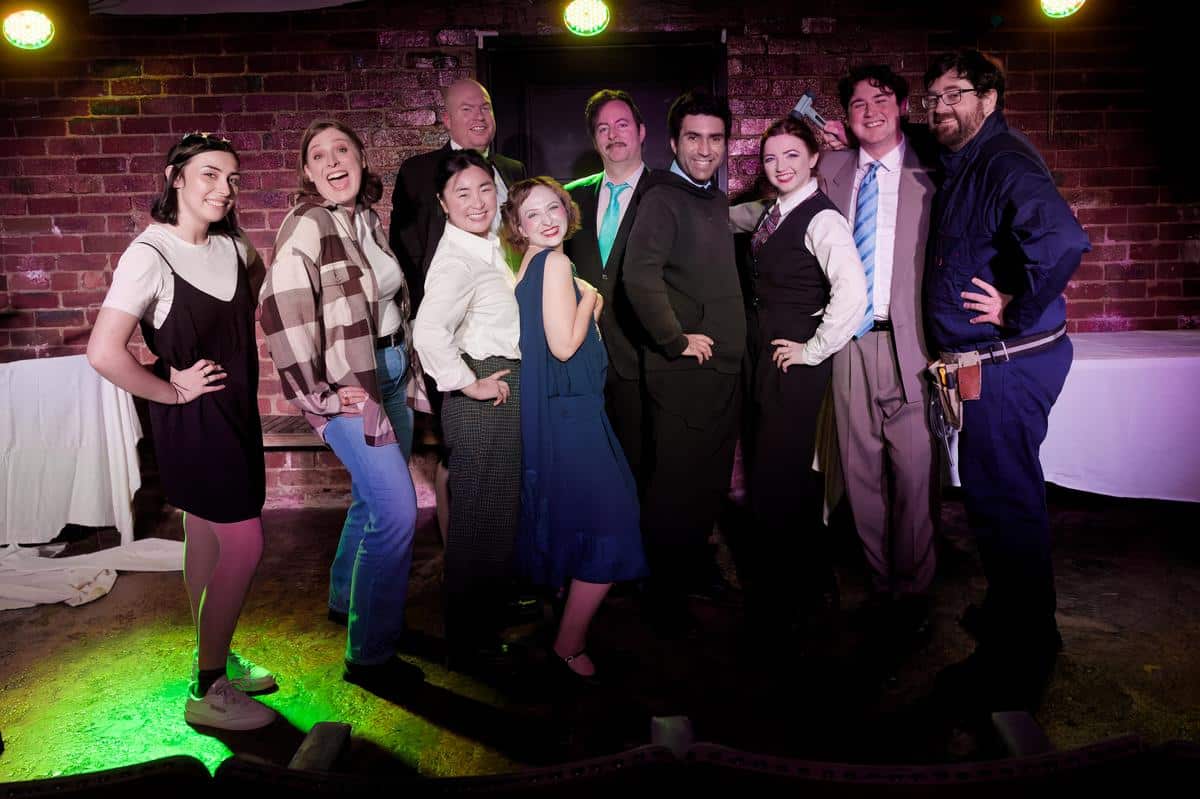
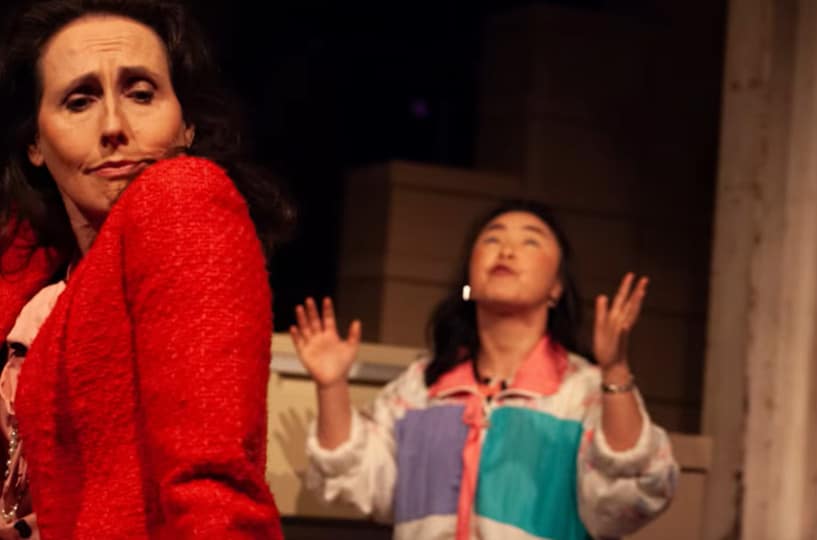
Metropolis Monologues is an exciting prospect for anybody interested in fresh, diverse works by fresh, diverse writers. Ten monologue performances are split over two instalments, each lasting ten minutes, each with a totally different self-contained story. This spotlighting of new work is to be expected from Melbourne Writers’ Theatre (MWT), who produce numerous annual initiatives to get new work staged and seen. One would expect a mixed bag with so many scripts involved, and some of the writing and performances did work better for me than others. Overall, though, the work was of very high quality and a great springboard for a talented group of theatre makers.

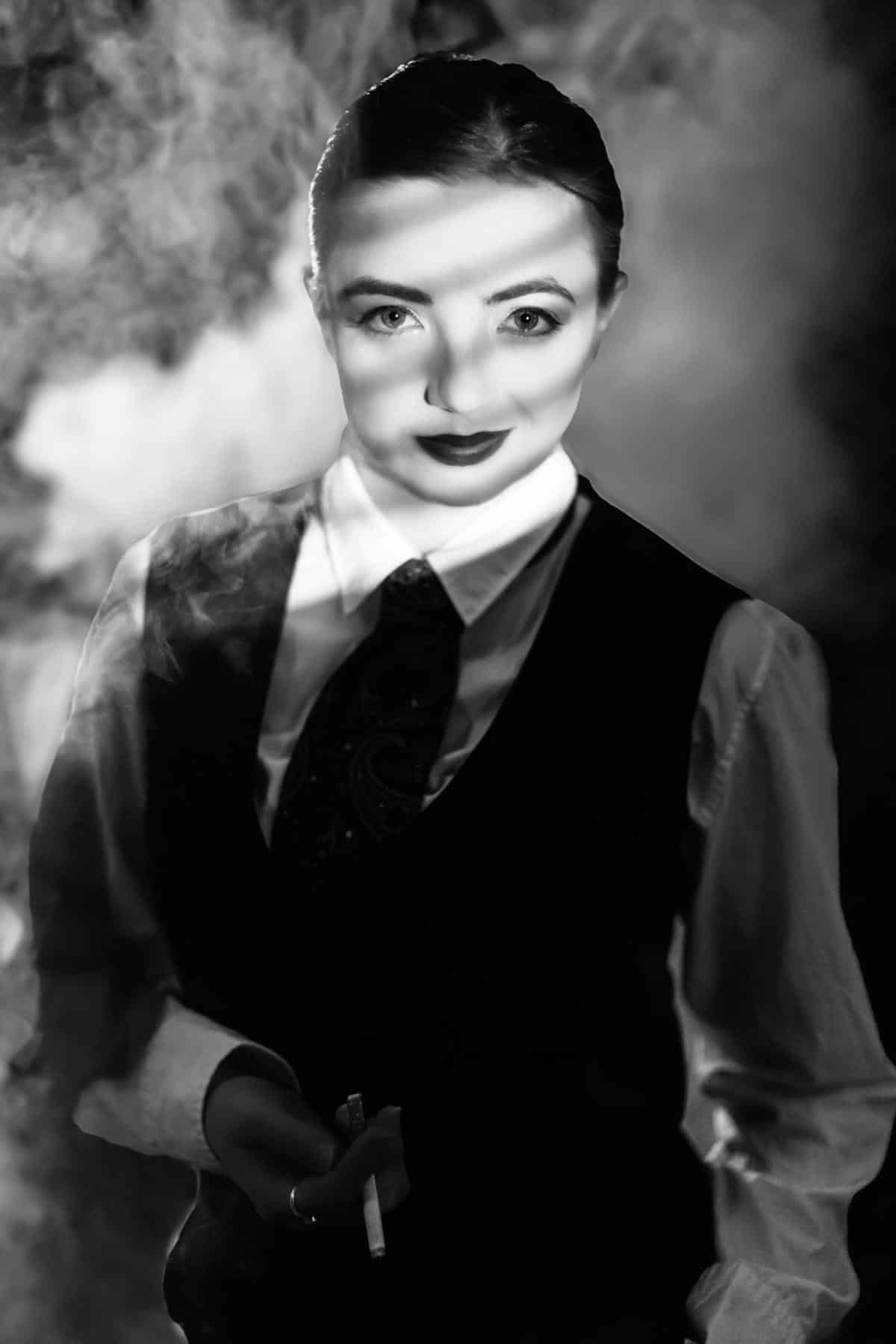
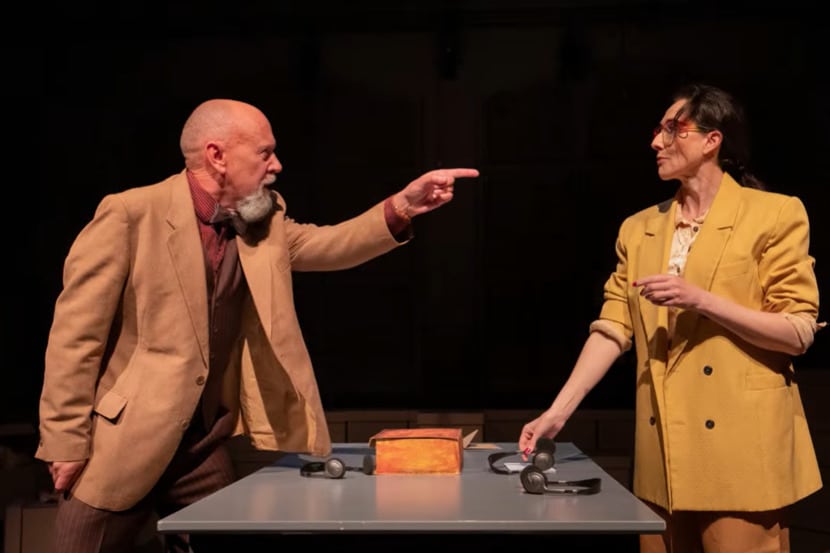
Metropolis Monologues’ director, Karyn Lee Greig, clearly emphasizes physical action as a path into story and character. The first monologue, Run (written by Jennifer Beasley), makes this obvious, as an Olympic runner prepares for her first race after recovering from an injury. Words like ‘run’ and ‘double-back’ take on new meaning as she flashes back to a traumatic past that she tries her hardest to outrun. Emerson Hansford gives a lot of life to this character, especially when she’s imitating other people, and the near-novelistic writing and punchy ending made for a very strong start to the show.

James Hassett’s The Reckoning is shrouded in mystery, as Stephen Najera’s character castigates an unnamed group of criminals for their complicity in the face of wrongdoing. Najera plays the role with an interesting, slippery edginess, and there are many lines that feel cathartic and sadly relevant. While some people might like the ambiguous writing (who is this person exactly? who is he talking to? what did they do?), I felt that without specifics, the monologue lost quite a bit of the power it could otherwise have had. A clearer arc for the main character could have also made the themes hit harder.


In The Decision (written by Kat Adams), Natasha Broadstock plays an older woman deciding whether to leave her husband. Broadstock plays frustration very well, and it seemed from the audience’s reactions that many people resonated with the description of a marriage that, while not terrible, isn’t very fulfilling or loving either. The back-and-forth did feel a bit one-note and I wish both character and actor were pushed into other emotional territory. The ending, without spoiling it, also felt like a bit of a cop-out to the character’s dilemma.

Louisa’s main character is also in a complex relationship with her husband, but Christine Croyden takes us to another time period entirely. Louisa (played by Sarah Hamilton) is a housewife and mother in the Gold Rush era, and both character and performance were incredibly likeable. Out of all five monologues, this one gave me the greatest sense that I was being spoken to directly, as if I were an old friend chatting with her over the fence. The commentary on gender roles is subtle but ever-present, there is a great balance between light-hearted and tragic moments, and the ending has a fun twist that brings home the themes and character journey perfectly.

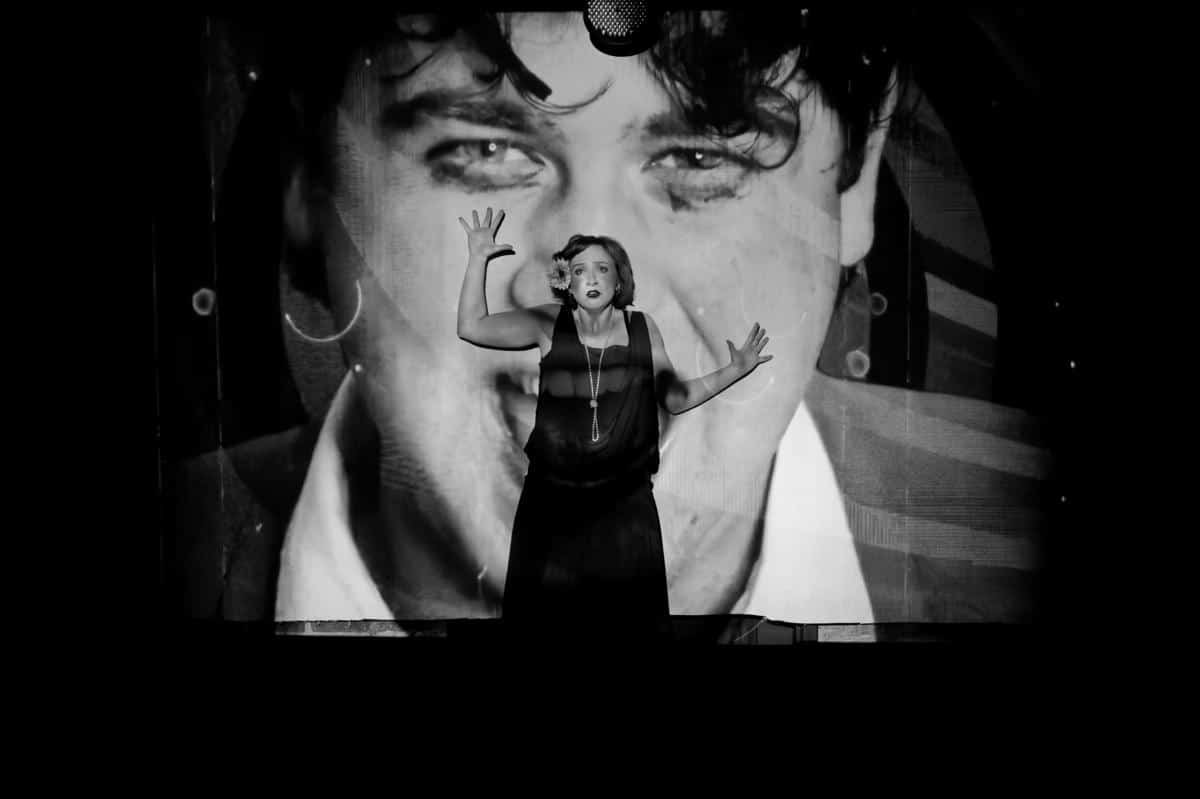
The last monologue, The Man Behind The Mask, is also a historical piece, but its themes about accepting difference and disability still ring true today. Alison Knight’s monologue follows a war veteran (played by Asher Griffith-Jones) who was left facially disfigured after combat. Griffith-Jones is perfectly cast for the role; his poise and charisma clearly hide deep wells of fear and anger, and the script is peppered with humour so dark that only the main character finds it funny. While the literal mask that the character switches into before the end doesn’t fit well (which does spoil the emotional climax somewhat), it is immediately followed by the best use of screen projections in the whole show. It was a very moving end to a set of well-crafted performances and texts.

Overall, I enjoyed all five monologues and felt the freedom and joy of the actors and writers as they explored thought-provoking, diverse scripts. It’s great that Melbourne has organizations like MWT providing platforms for small-scale productions of new work, and I’ll definitely be looking out for the names listed above in future shows I go to.

To book tickets to Metropolis Monologues Showcase One, please visit https://melbournewriterstheatre.org.au/.

Photographer: Mina Shafer

Spread the word on your favourite platform!

Beyond The Neck

Beyond The Neck

Beyond The Neck Rating

Click if you liked this article

2

None of the characters in Tom Holloway’s Beyond The Neck have names. This may seem like an odd choice for a play about the aftershocks of the 1996 Port Arthur massacre, given recent efforts in the USA to publicize the names of mass shooting victims, but not the perpetrators. A play about a subject that epitomizes ‘personal meets political’ makes a decision that could easily alienate us from its characters. Theatre Works’ production (directed by Suzanne Chaundy) feeds into this alienation with a bare set of four chairs and a painting of Port Arthur, and actors who seem aware that they are telling a story, speaking out to us more than each other. It’s a little Brechtian, quite funny in some parts and very dark in others.

And yet, the connection was palpable, the audience always laughing, sighing and silent when intended. The Old Man (Francis Greenslade), The Young Mother (Emmaline Carroll Southwell), The Boy (Freddy Colyer) and The Teenager (Cassidy Dun) have such specific backstories and distinct voices, but they also become archetypes of the people who were there when the shooting happened, and who are in the audience now. Some of the characters don’t have direct connections to the massacre but simply being at the site forces them to confront other traumas that have plagued their lives. This is despite the strange façade that the first half of the play is built around: a tour of Port Arthur in which the massacre is never mentioned. When that façade breaks down and our characters are plunged to their lowest points, it is truly heartbreaking.


With the sparse and static staging, this iteration of Beyond The Neck lives and dies on the strength of its actors, and they more than pull their weight. Putting the focus on them was a very smart directorial decision because their work as an ensemble is meticulous and enrapturing. Four characters telling four stories at once could be confusing in the wrong hands, but there’s an almost magical direction of the audience’s attention in every actor’s use of gesture and voice. We always know whose story we’re in and what their character is like, and when the fourth wall goes up and the characters start interacting with each other properly and being honest about their stories, it feels well earned. The Young Mother did get somewhat lost in the shuffle, but I think that has more to do with the pacing of the writing than this specific production – it would have been nice to have more time given to her response to grief. Ultimately, the cast’s chemistry perfectly suited a play about the intermingling of personal and group trauma.

It’s sobering to think that in the wake of the Bondi shooting, Beyond The Neck may be more relevant now than Holloway ever envisioned when he wrote the play in 2008. But what has also stayed relevant is the sense of community and love that the play ends with. In a way, good theatre is an embodiment of that experience, and this provocative production created an intensely beautiful atmosphere. It’s a reminder that no matter what we face – death, grief, nightmares, abuse, isolation – we are never truly alone, and there is life on the other side.

To book tickets to Beyond The Neck, please visit https://www.theatreworks.org.au/2026/beyond-the-neck.

Spread the word on your favourite platform!

Femoid

Femoid

Femoid Rating

Click if you liked this article

3

‘The Manosphere’ is a hot topic right now. YouTube video essays, long form news features, a new Netflix documentary series hosted by Louis Theroux, and even another recent Theatre Works show (Blackpill: Redux) delve into the depths of modern misogyny in an attempt to understand: what is happening, are men okay, and why are incels…The Way That They Are?

FEMOID. reveals a blind spot that should be obvious but is often a footnote in these conversations: misogyny maims and kills women. Almost a quarter of Australian women have experienced intimate partner violence at some point from age 15. Globally, this number balloons to a third of all women. The set of three grey blocks and a screen is bordered by various bunches of flowers, and if you look closely at them after the show, each has a nametag – each is dedicated to an Australian femicide victim. These flowers encapsulate FEMOID.’s strengths in a nutshell: it is a thoughtful, brutal and cathartic show, loaded with powerful symbolism.

The play follows three teenage girls – Rory (Roisin Wallace-Nash), Piper (Natasha Pearson) and Olive (Iris Warren, who also wrote the show) – in light-hearted school playground conversations about boys, relationships and sex. Despite their carefree and honest love for each other, we learn that a clock is counting down. We sometimes skip forward in time (or perhaps outside it?) to sombre discussions about an unnamed event, and Olive is conspicuously absent. And throughout the show, white text flashes on a screen behind them: verbatim posts from incel forums that are almost too vile to believe.


Portraying the sexual curiosity of teenage girls without objectifying or patronizing them is a tricky needle to thread, but Warren’s writing and Izabella Day’s direction pull it off perfectly. The characters’ discussions about sex are innocent yet emotionally intelligent, which makes the juxtaposition with the text behind them about ‘sluts’, ‘foids’, ‘whores’ and worse all the more chilling. The cast functions more as an ensemble than individual characters with distinct voices, but this makes sense for a show concerned with violence against women as a collective. We laugh with the girls’ naivety, not at it, and the contrast created between scenes with and without Olive never stops being jarring.

Along with a unique perspective on the manosphere, FEMOID. stands out in its attention to detail. The use of symbolism and motifs is masterful, but difficult to talk about without spoilers. I’ll only say that everything seen and said on stage feels meticulous and pointed. There are many details to ruminate on, from the name tags on the flowers (which I wouldn’t have noticed if I hadn’t read one of the venue posters) to the fact that the female main characters all have gender neutral names. The lighting was also a highlight in terms of giving a sense of place and occasionally glitching to further the constant sense of foreboding. The only snags for me were that the text projections were fuzzy and often difficult to read, and there were a few lines that felt too blunt in foreshadowing what was to come. Otherwise, the show felt as bold and precise as its subject matter called for.

There has been much speculation and information about why so many men hate women so much. The bitter irony is that this discourse often sidelines or desaturates the concrete consequences of this hatred. FEMOID. reminds us why we care and who we are fighting for. It is a very confronting and well-crafted show on every level, which will leave you with a lot of rage and a glimmer of hope.

To book tickets to Femoid, please visit https://www.theatreworks.org.au/2026/femoid.

Spread the word on your favourite platform!

Blackpill: Redux

Blackpill: Redux

Blackpill: Redux Rating

Click if you liked this article

2

How can the internet be depicted in other art forms? Many directors and writers across various mediums have tried to showcase the intangible world that most of us live our lives in. Unfortunately, there’s a lot of ways in which these kinds of stories can go wrong; a lack of empathy for particular communities, overly complicated visual metaphors, a reliance on outdated memes and references – the list goes on.

Blackpill: Redux avoids all these pitfalls. This remounting of the 2025 Theatreworks/Paracosm show, written and directed by Chris Patrick Hansen, combines razor-sharp writing, bleak stage design and intricately unnerving performances to create a scintillating dissection of incel culture and the men who fall into its black holes.

Eli (Oliver Tapp) is a self-admitted loser who’s been fired from his job for reasons he is suspiciously cagey about. He’s stuck with no money, no family or friends he can confide in, a desire to make something of his life and a lot of time to spend on his phone. If you’re familiar with stories about ‘the alt-right pipeline’, ‘the manosphere’ and ‘incels’, you can probably see where this train is going. If you aren’t, you can witness his journey from fitness gurus to ‘edgy’ Instagram group chats to voice calls discussing sexual fantasies and male loneliness, down and down and down. Either way, just like a trainwreck, you won’t be able to look away.


It’s clear that Hansen has done an unenviable amount of research into these corners of the internet. It’s all very well to gawk at and shame the flagrant misogyny on display, but Blackpill: Redux goes several steps further by showing in detail how an ‘everyman’ can be seduced by promises of community, justice and self-improvement. There’s a looming loneliness in almost every character, and the grooming mechanisms they practice and fall for (often at the same time) are so clear yet well-paced enough to be believably enticing. The ending (without spoiling it) in particular guides the audience into understanding these men and empathizing with their emotions, without excusing his actions and the damage they’ve caused.

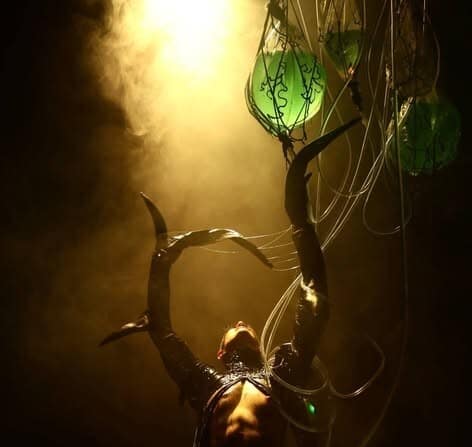
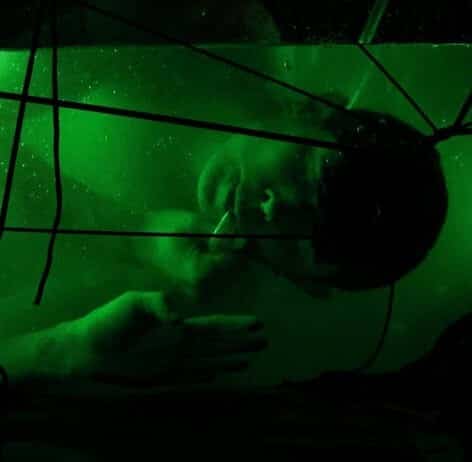
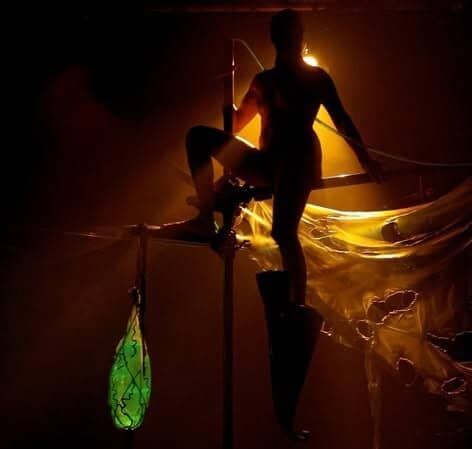
The set is a grey box of platforms dominated by a hexagonal screen and LED-lit wire fragments hanging from the ceiling. It looks like an abandoned spacecraft, and when text and images are shown on the screen, they are devoured by glitchy rotting. The sound design is booming and abrasive, creating a frightening, gloomy and expansive world. At the same time, one of the best things about Blackpill: Redux is that it doesn’t take itself too seriously. The dozen-strong cast are all incredible physical actors and this is often played for laughs, with ridiculous movement sequences depicting common internet memes, cliches in Hugh Grant movies and the stereotypes Eli learns to project onto the people in his life. This show has a very dark sense of humour and knows exactly how to wield it, often making references to internet culture that feel ‘of a time’ but not stuck in an outdated moment.

I’m fascinated that a show about something as nebulous and complicated as online indoctrination could be this physical and raw. The amount of heart, intelligence, wit and pathos in it is incredible to behold, and I couldn’t recommend it more. Check it out while you still can – you’ll be thinking and talking about it for a long time afterwards.

To book tickets to Blackpill: Redux, please visit https://www.theatreworks.org.au/2026/blackpill-redux.

Photographer: Sarah Clarke

Spread the word on your favourite platform!