
(Note: Metropolis Monologues is presented in two groups, and each night the monologues are followed by the play Who I’m Doing This For by Peter Farrar. This is a review of the first group of monologues – Who I’m Doing This For and the second group will be reviewed separately.)
Metropolis Monologues is an exciting prospect for anybody interested in fresh, diverse works by fresh, diverse writers. Ten monologue performances are split over two instalments, each lasting ten minutes, each with a totally different self-contained story. This spotlighting of new work is to be expected from Melbourne Writers’ Theatre (MWT), who produce numerous annual initiatives to get new work staged and seen. One would expect a mixed bag with so many scripts involved, and some of the writing and performances did work better for me than others. Overall, though, the work was of very high quality and a great springboard for a talented group of theatre makers.
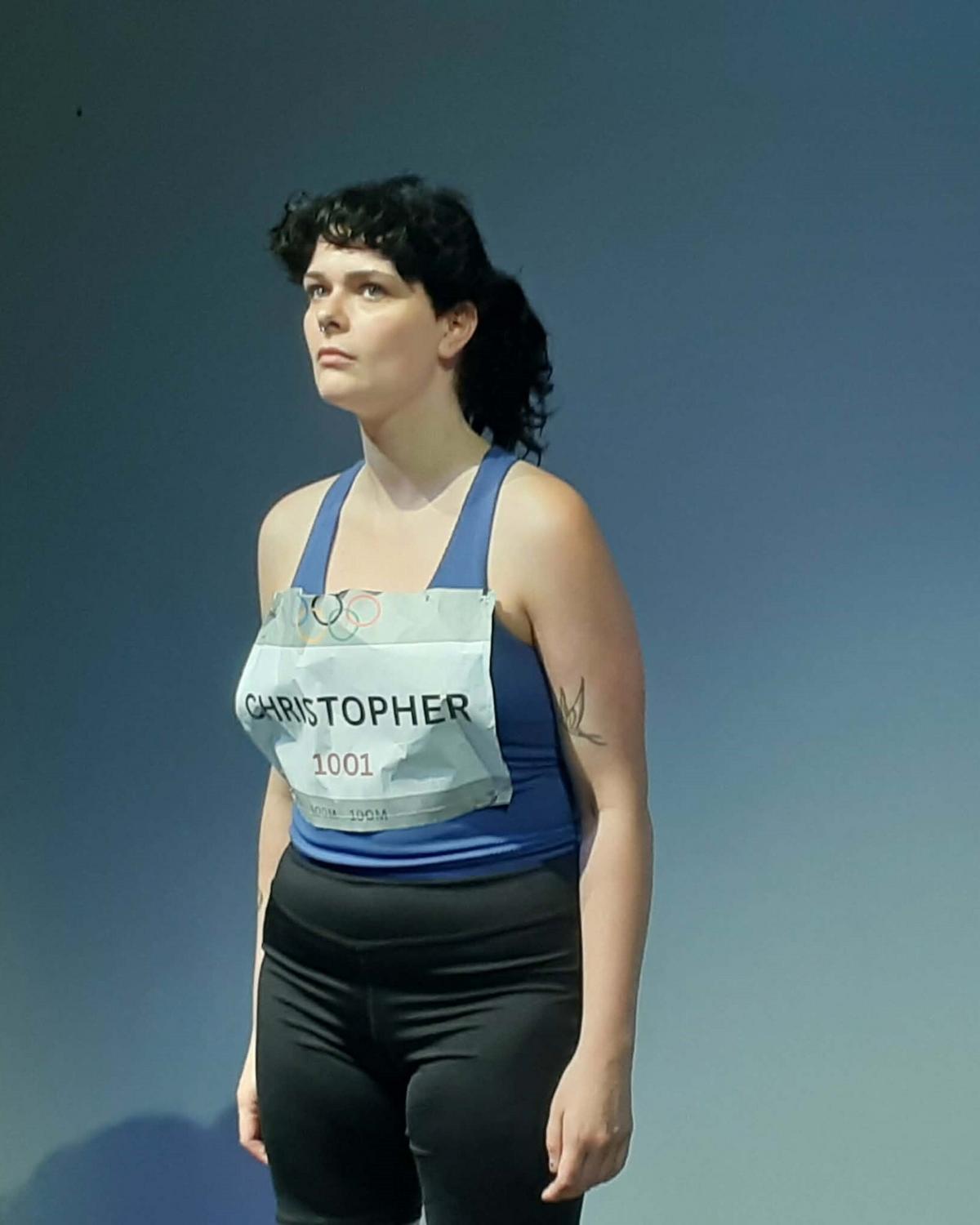
Metropolis Monologues’ director, Karyn Lee Greig, clearly emphasizes physical action as a path into story and character. The first monologue, Run (written by Jennifer Beasley), makes this obvious, as an Olympic runner prepares for her first race after recovering from an injury. Words like ‘run’ and ‘double-back’ take on new meaning as she flashes back to a traumatic past that she tries her hardest to outrun. Emerson Hansford gives a lot of life to this character, especially when she’s imitating other people, and the near-novelistic writing and punchy ending made for a very strong start to the show.
James Hassett’s The Reckoning is shrouded in mystery, as Stephen Najera’s character castigates an unnamed group of criminals for their complicity in the face of wrongdoing. Najera plays the role with an interesting, slippery edginess, and there are many lines that feel cathartic and sadly relevant. While some people might like the ambiguous writing (who is this person exactly? who is he talking to? what did they do?), I felt that without specifics, the monologue lost quite a bit of the power it could otherwise have had. A clearer arc for the main character could have also made the themes hit harder.
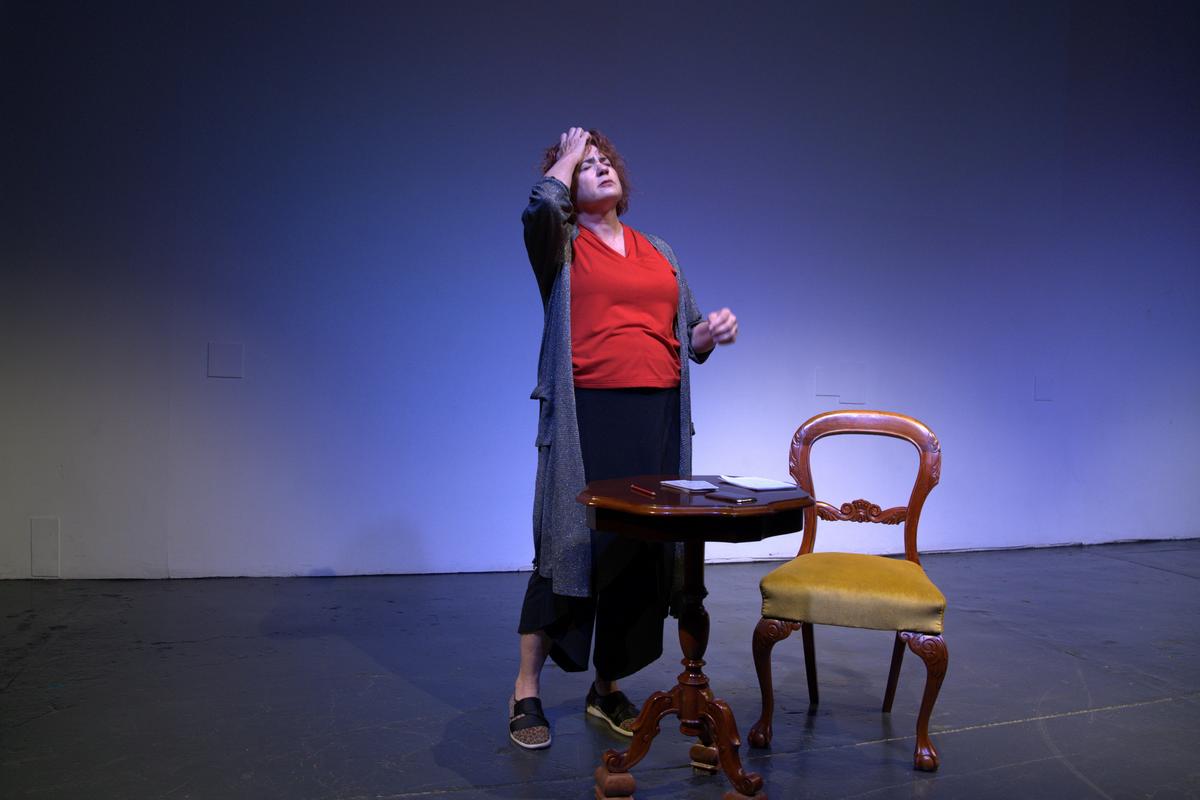
In The Decision (written by Kat Adams), Natasha Broadstock plays an older woman deciding whether to leave her husband. Broadstock plays frustration very well, and it seemed from the audience’s reactions that many people resonated with the description of a marriage that, while not terrible, isn’t very fulfilling or loving either. The back-and-forth did feel a bit one-note and I wish both character and actor were pushed into other emotional territory. The ending, without spoiling it, also felt like a bit of a cop-out to the character’s dilemma.
Louisa’s main character is also in a complex relationship with her husband, but Christine Croyden takes us to another time period entirely. Louisa (played by Sarah Hamilton) is a housewife and mother in the Gold Rush era, and both character and performance were incredibly likeable. Out of all five monologues, this one gave me the greatest sense that I was being spoken to directly, as if I were an old friend chatting with her over the fence. The commentary on gender roles is subtle but ever-present, there is a great balance between light-hearted and tragic moments, and the ending has a fun twist that brings home the themes and character journey perfectly.
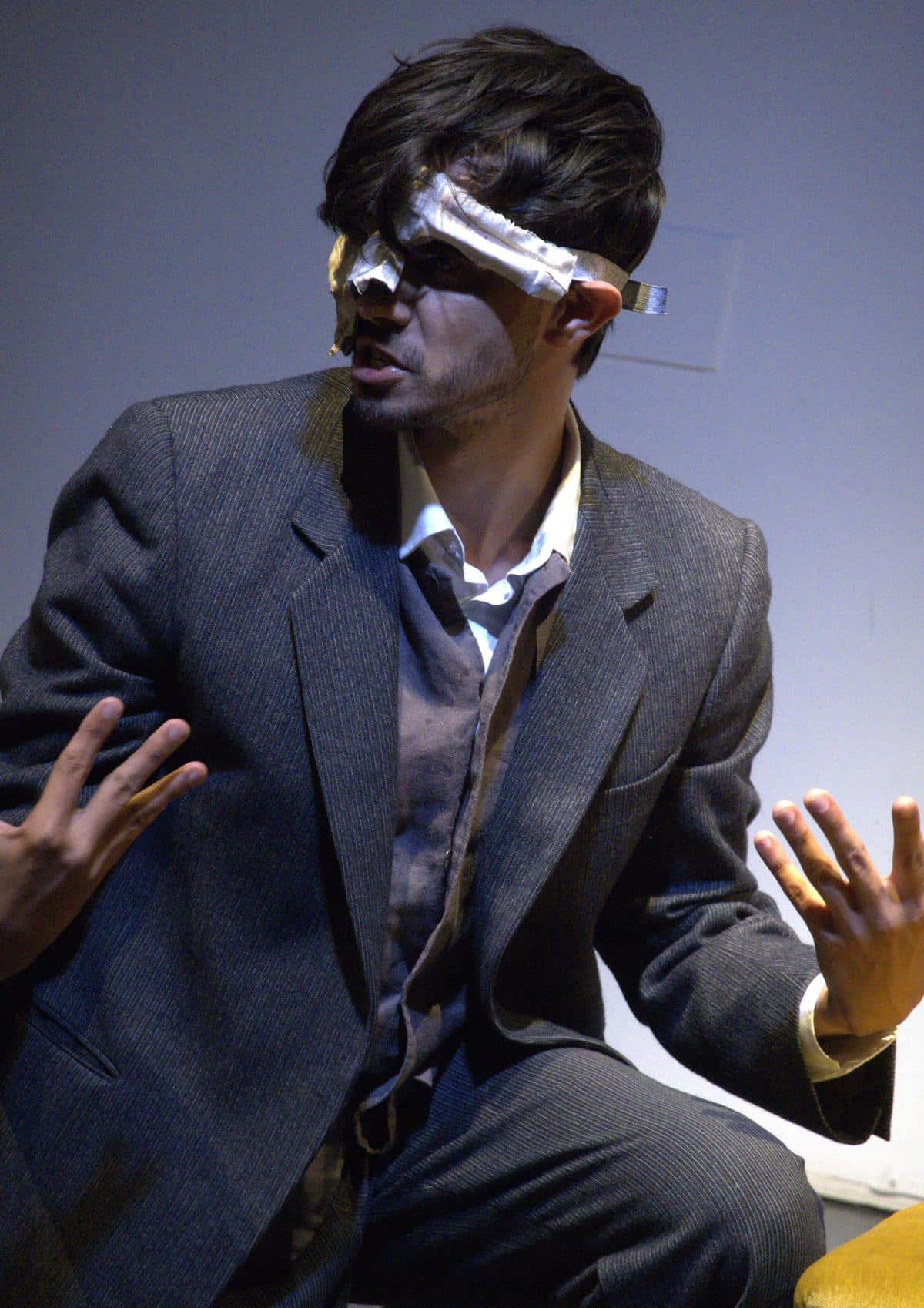
The last monologue, The Man Behind The Mask, is also a historical piece, but its themes about accepting difference and disability still ring true today. Alison Knight’s monologue follows a war veteran (played by Asher Griffith-Jones) who was left facially disfigured after combat. Griffith-Jones is perfectly cast for the role; his poise and charisma clearly hide deep wells of fear and anger, and the script is peppered with humour so dark that only the main character finds it funny. While the literal mask that the character switches into before the end doesn’t fit well (which does spoil the emotional climax somewhat), it is immediately followed by the best use of screen projections in the whole show. It was a very moving end to a set of well-crafted performances and texts.
Overall, I enjoyed all five monologues and felt the freedom and joy of the actors and writers as they explored thought-provoking, diverse scripts. It’s great that Melbourne has organizations like MWT providing platforms for small-scale productions of new work, and I’ll definitely be looking out for the names listed above in future shows I go to.
To book tickets to Metropolis Monologues Showcase One, please visit https://melbournewriterstheatre.org.au/.
Photographer: Mina Shafer