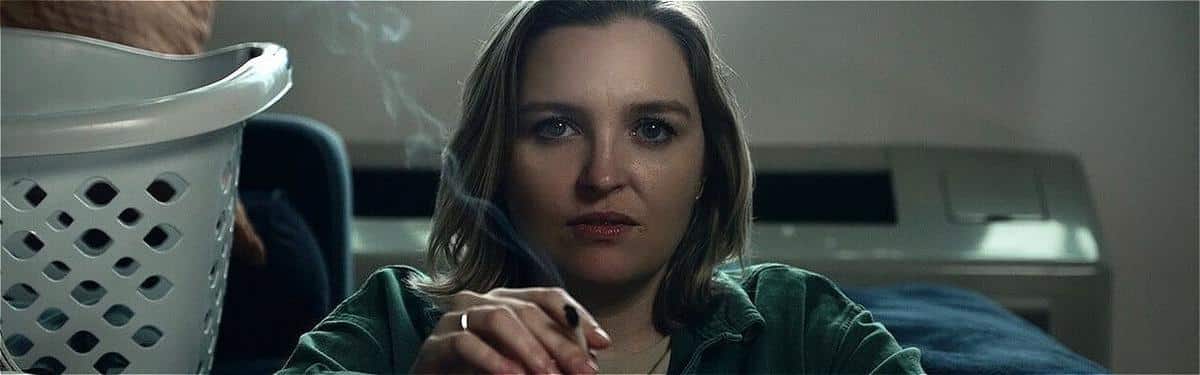
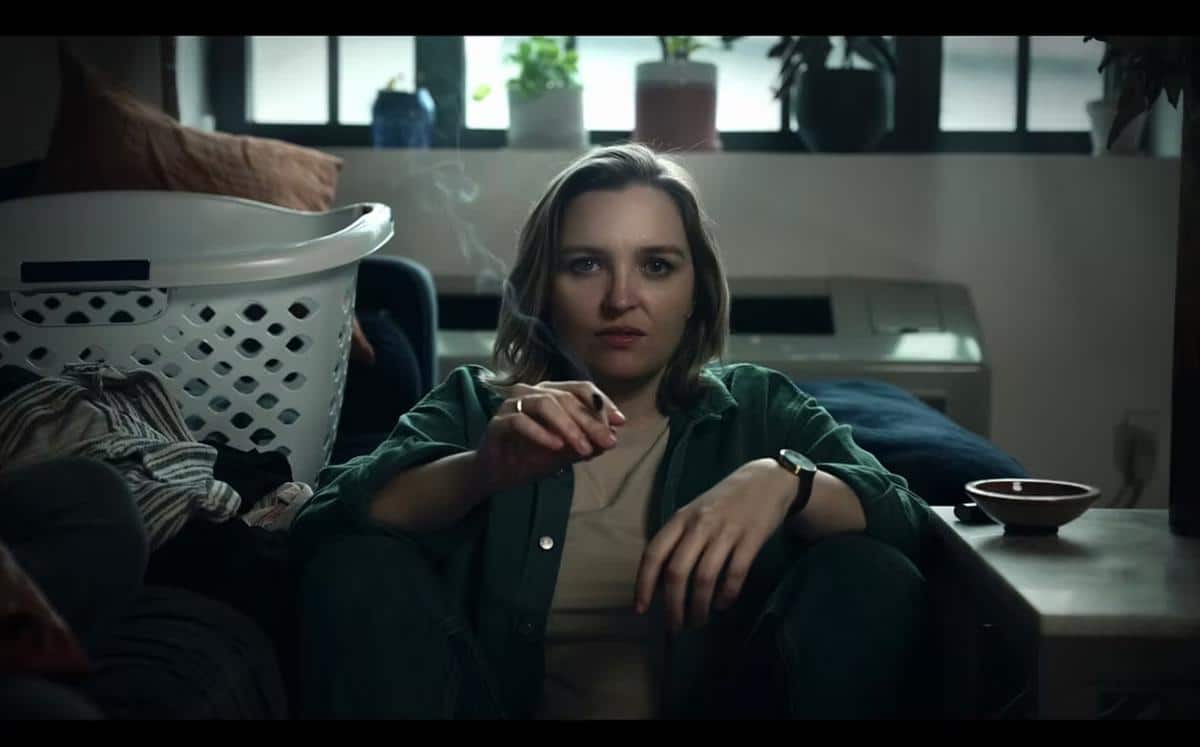
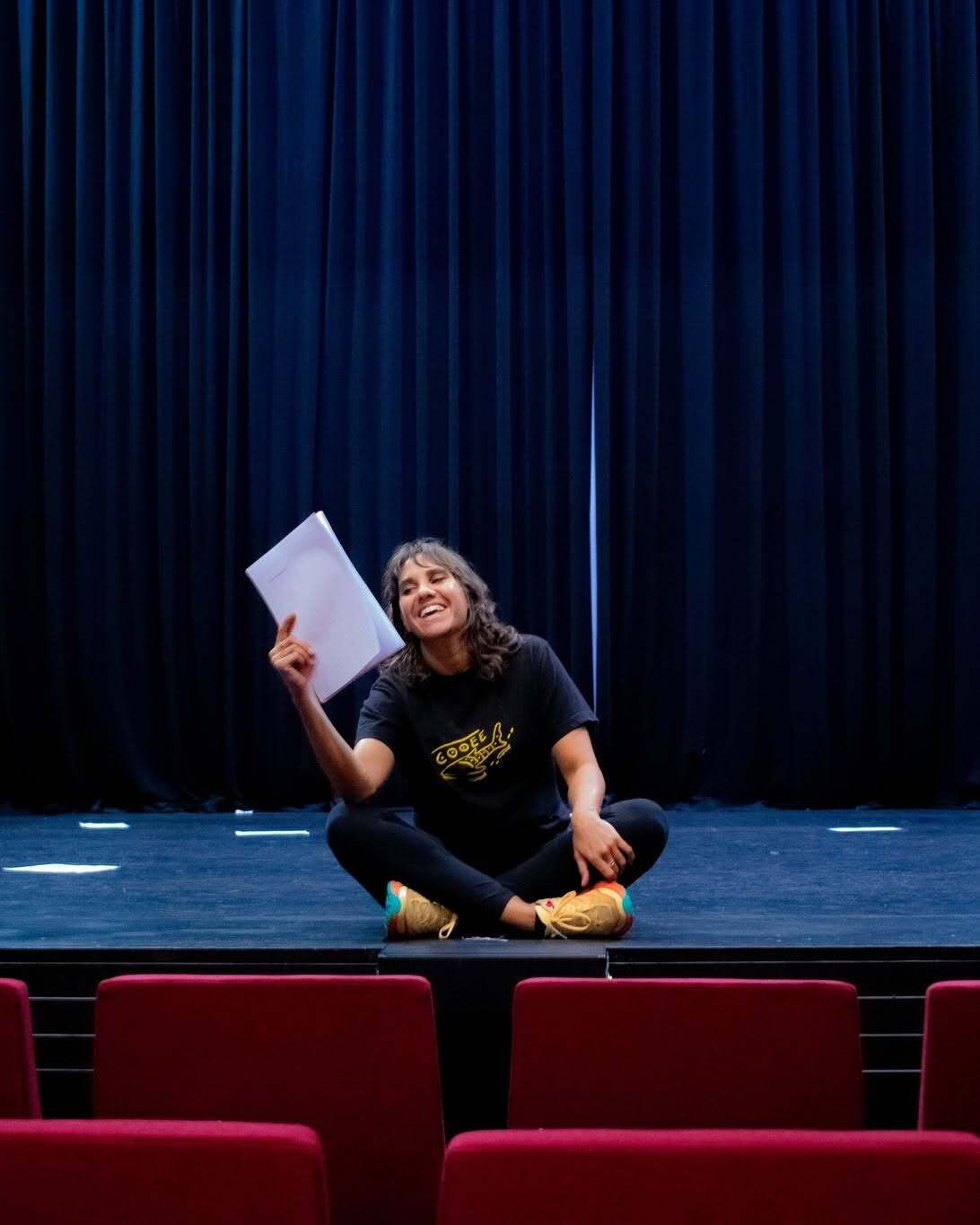
My favourite thing about Pride Fest so far is no two shows I’ve seen have been even remotely alike and Savannah Hankinson’s “A Queer Little Murder” was no exception to this. In fact, it was super different from anything I’ve seen recently. The concept is a whodunnit Agatha Christie type murder mystery but everyone is gay. No seriously, Hankinson plays six different, lesbian characters and the whole thing is VERY gay. I loved it.
New York resident, Hankinson, has also trained in London and Russia. As such, her accent and character work were impressive and if she ever messed up switching between all of these, she was able to correct herself in the voice of the narrator and protagonist named ‘Try-Hard’. She mentioned at the start that she had just finalised and printed a new script that day, and I guess that’s Fringe* baby! This was a very meta, intellectual exercise which was a little bit more like going to a script reading crossed with a one woman show. However, there were parts that came more naturally when Hankinson really got into the flow, and these were super fun.
There were some very funny lines and lots of queer references which made for an enjoyable Tuesday night outing. I usually go into shows without reading much into them, or the performers, so I’ve only just now looked into Hankinson’s bio. She has taken this show to a very impressive list of Fringe festivals including in Hollywood, San Diego and soon she is going to Edinburgh! I see that it has sometimes been a full length play and sometimes the plot has been different, I wonder how often it changes? It would be cool to see Hankinson go script free to really connect with the audience and utilise the space more. Maybe in future shows she will.
My main gripe, as a lawyer, is that the murder was more like manslaughter and the evidence is not assessed very carefully. The whole thing wraps up quite quickly, and I wanted more depth and less background…
The set and lighting were fairly simple, but effective for telling the story as was Hankinson’s costume as ‘Try-Hard’ a pandering softmasc lesbian. There was quite a small crowd on Tuesday night at Qtopia, but everyone was gripped and willing to participate. It was marked as audience participation, so I was mentally prepared for this but honestly there could have been more!
Overall, Hankinson was a wonderful performer and I really liked the concept. A must see for anyone who loves crime shows and/or is gay.
‘Yandha Djanbay (Go Slowly)’ returned to the Illawarra Performing Arts Centre after its 2025 MerrigongX season run. The audience was packed in with family, friends and theatregoers in a beautiful display of community. It was hard to turn any corner without someone stopping to say hello to another patron, but that’s Wollongong for you!
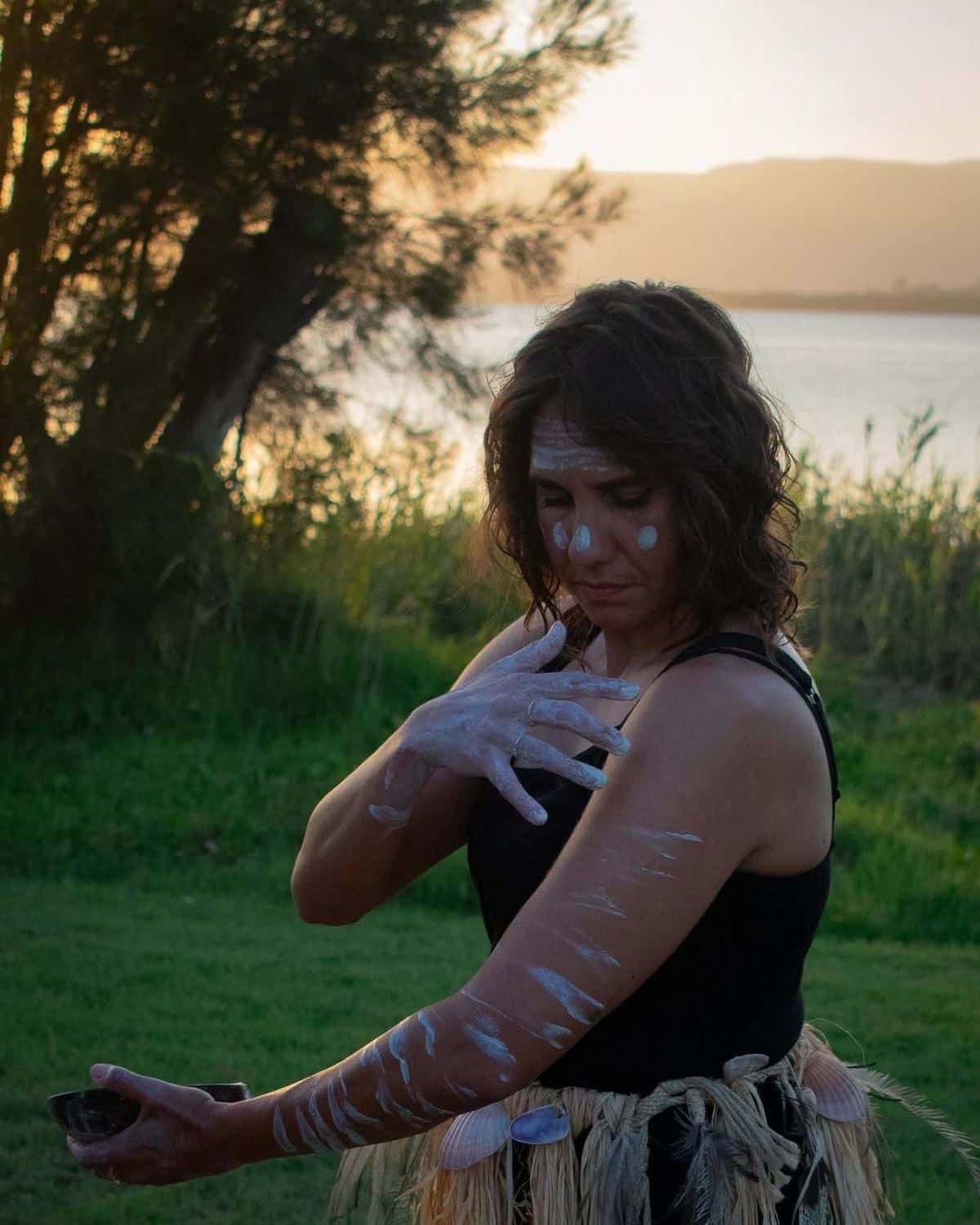
‘Yandha Djanbay’ is a beautifully lyrical one-woman show by Gunai woman Kirli Saunders that uses poems from her published collections in tandem with song and monologues. It was such a treat to hear a beautiful blend of each of these performance-styles with parts of the show spoken in her family’s native tongues. Saunders has a soothing and rich voice that came out of nowhere. Her regular speaking voice is calming, however when she began to sing, I thought at first it was a backing track it was so smooth. Like the ocean she spoke of so fondly, it felt like stepping into the calmest of waves and floating in the sun as she sang.
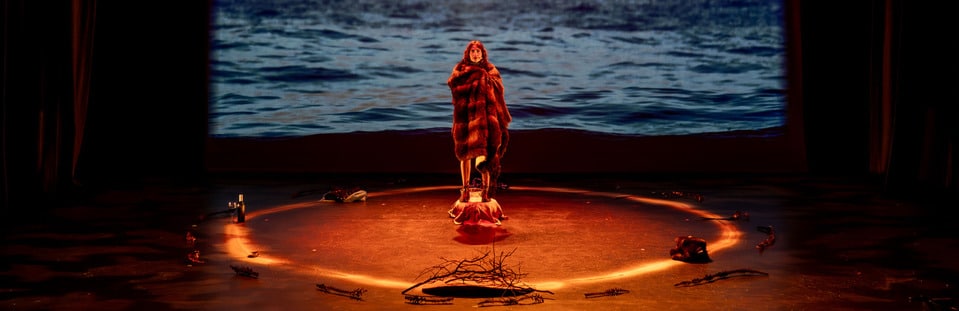
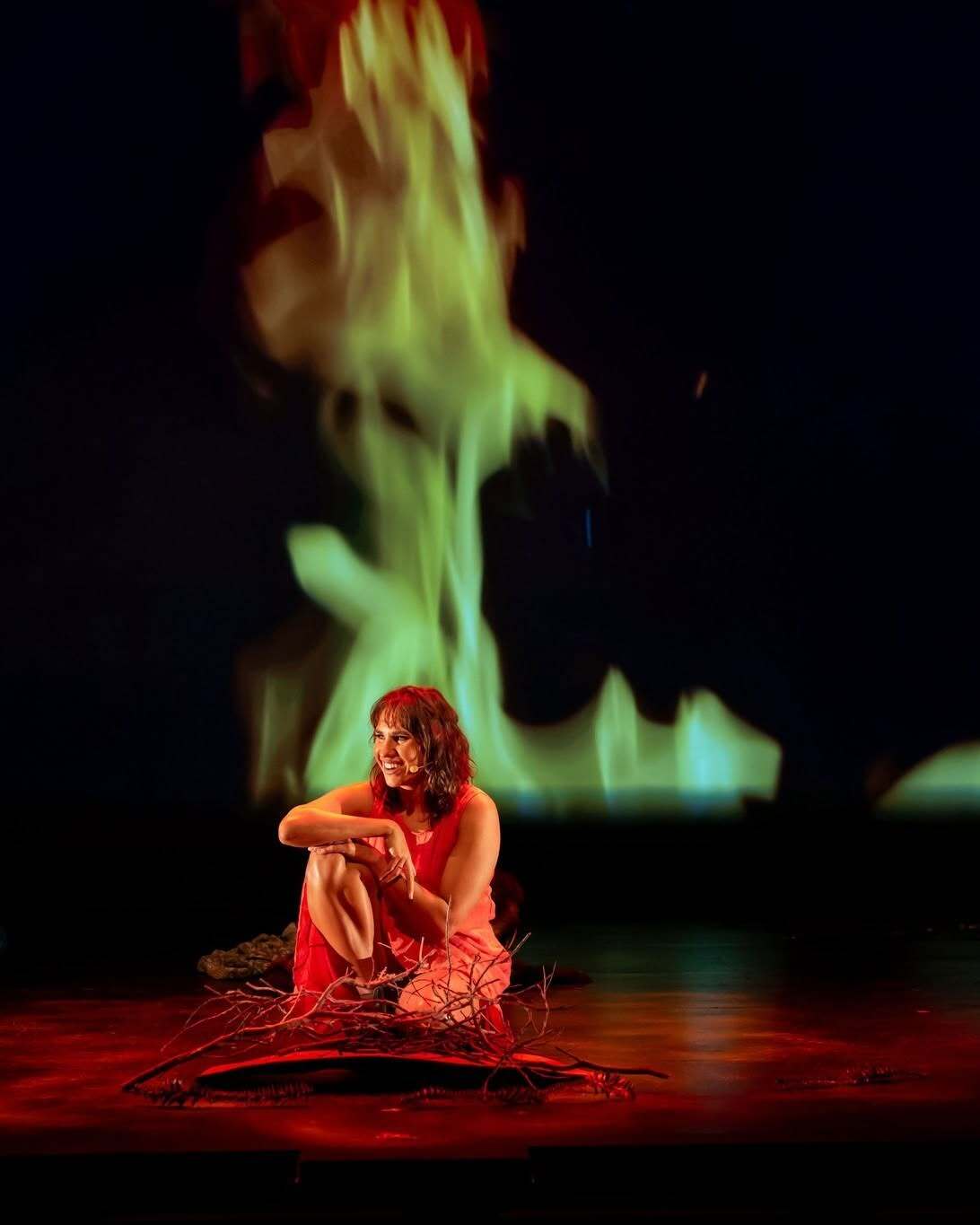
Her set was minimal. At first, it was an eclectic pile of “stuff” that was hard to make out. As the performance went on and each story unfolded, a prop was selected from the pile and left scattered around the stage. I like the symbolism of leaving parts of yourself behind rather than taking something to remind you of where you’ve been. The realisation that each item was also so deeply connected to the stories made for a beautiful moment, particularly when it came full circle and the big picture came into focus.
I adored the use of the screen and quotes from both her set and from Australian politicians and other influential characters. The humour of well-known jokes and asides to break up the abhorrent nature of each publicly said statement, broke up the performance into sections and allowed for the audience to take small moments of reprieve from the heaviness of each story. The use of visuals such as the ocean and cultural practices based on Dharawal and Wodi Wodi lands helped bring everything together and worked so well with her stories that it felt like breathing for the first time. I commend the production team for all their work.
Yandha Djanbay is a beautiful production that deserves to be seen, with deeply personal experiences and life lessons we all could learn from. The message to ‘Go Slowly’ is so versatile, especially in a world where everything seems to be happening at a million miles an hour. Each person has the space to take something unique away from the performance and its variety of themes, and that’s such a wonderful skill for a solo performer, especially when the source material is so personal.
Grab a ticket from the Merrigong Theatre Company website https://merrigong.com.au/shows/yandha-djanbay/ and make sure to check the performance warnings. The show closes Saturday 20th of June, so get in quick to secure your spot!
Shakespeare is too often treated as something reserved for the “smart kids”. For many of us, our entire experience of Shakespeare amounts to a few compulsory weeks in Year 9 English before we leave it behind forever – a confusing whirlwind of unfamiliar language that never quite comes alive. What I admire most about Tom Healey’s production of Romeo and Juliet is that it refuses to accept that this is how Shakespeare should be experienced.
This is Shakespeare for everyone.
I attended the schools’ performance, with numerous school groups filling the theatre, and spent almost as much time watching the audience as I did the stage. What struck me was the diversity of those attending. Students from a wide range of schools across Perth filled the theatre. Yet regardless of background, there were no yawns, no glazed expressions and no restless fidgeting. Instead, students were engaged, laughing, reacting to the action and leaning into the story.
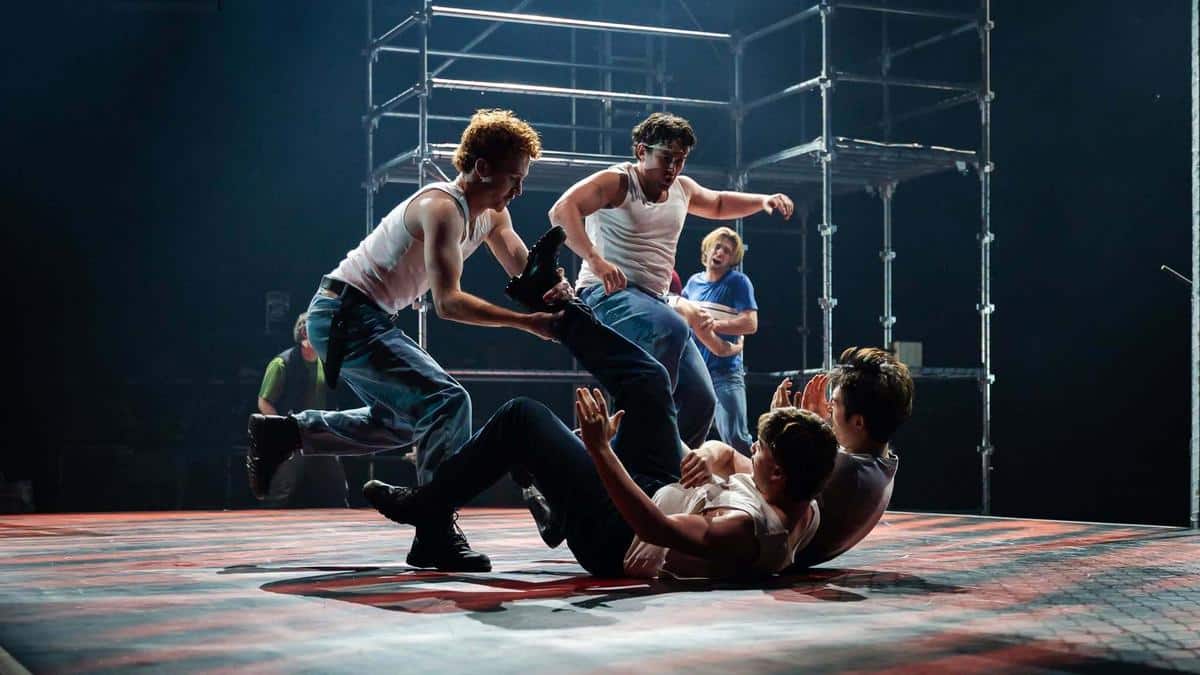
I also attended with my 10-year-old son and, despite the recommended age of 14+, found the production entirely appropriate for younger theatre-goers. He was captivated throughout, with the energetic fight scenes proving a particular favourite.
Get the kids in early. Get them watching. Get them understanding.
This is what Shakespeare was always meant to be: living theatre. Not something admired from afar, but something experienced, debated, laughed at and felt.
WAAPA’s graduating acting students, under Healey’s direction, deliver a vibrant, accessible and highly entertaining interpretation that brings Shakespeare’s most famous love story firmly into the 21st century.
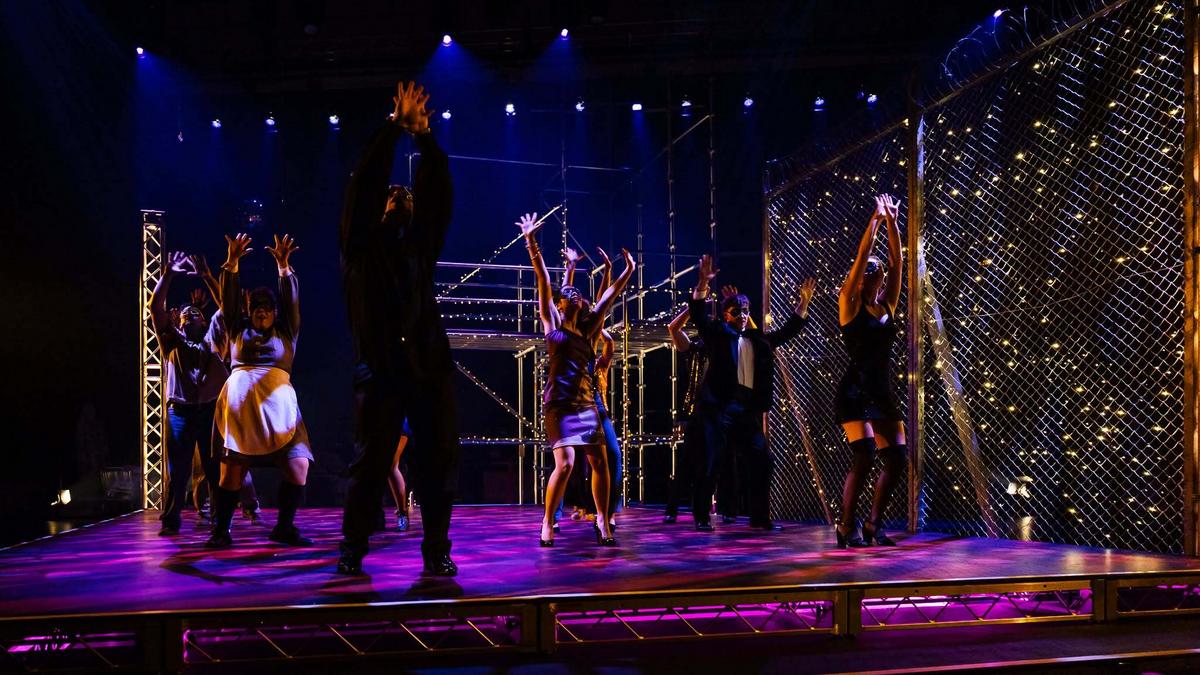
From the outset, it is clear that movement will be central to the storytelling. Tyrone Earl Lraé Robinson’s choreography and movement direction are standout features, infusing the production with energy, sensuality and visual excitement. More than simply providing spectacle, the movement becomes a storytelling language in its own right. Relationships, power struggles and emotional shifts are often communicated physically before a word is spoken. The result is a production that feels constantly alive and in motion.
The dance sequences are a particular highlight, providing moments of joy, connection and visual flair that offer a welcome counterpoint to the production’s violence. Beautifully performed and seamlessly integrated into the action, they elevate the storytelling and rank among the afternoon’s most memorable moments.
Before the performance even began, a heartfelt Welcome to Country set an authentic and respectful tone for the afternoon. Rather than feeling procedural or rehearsed, it felt genuine and sincere, creating an immediate connection with the audience. The ensemble is consistently strong, with several performances standing out.
Tom Kelly’s Mercutio is undoubtedly one of the production’s greatest assets. Taking bold risks both physically and emotionally, Kelly creates a character bursting with charisma, humour and unpredictability. His comic timing is impeccable, and his stage presence is magnetic. Even in scenes packed with talented performers, it is difficult to look away from him. Mercutio provides much of the production’s comic relief, but Kelly also ensures there is depth beneath the bravado, making the character’s fate all the more impactful.
Daniel Halmarick impresses as Benvolio and may well be the most technically accomplished performer on stage. Possessing a rich, resonant voice and exceptional clarity of speech, he handles Shakespeare’s language with confidence and ease. He has the kind of vocal authority and textual command that bodes well for a successful future on the stage.
Sarah Hindle’s Nurse is another standout. Endearing, funny and instantly recognisable, she feels less like a Shakespearean archetype and more like someone we all know. The broad Australian accent is a fun touch, helping bridge the gap between Renaissance Verona and contemporary Perth. Hindle brings warmth, humour and heart to every scene she inhabits, quickly becoming an audience favourite.
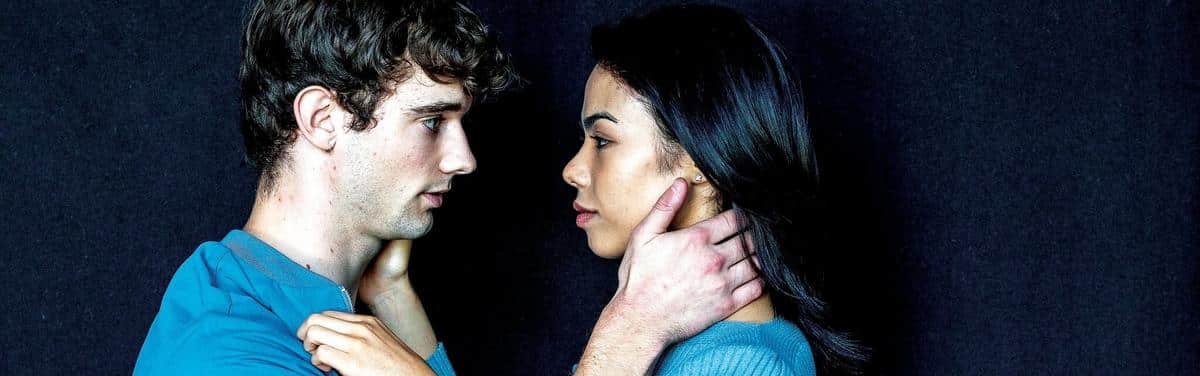
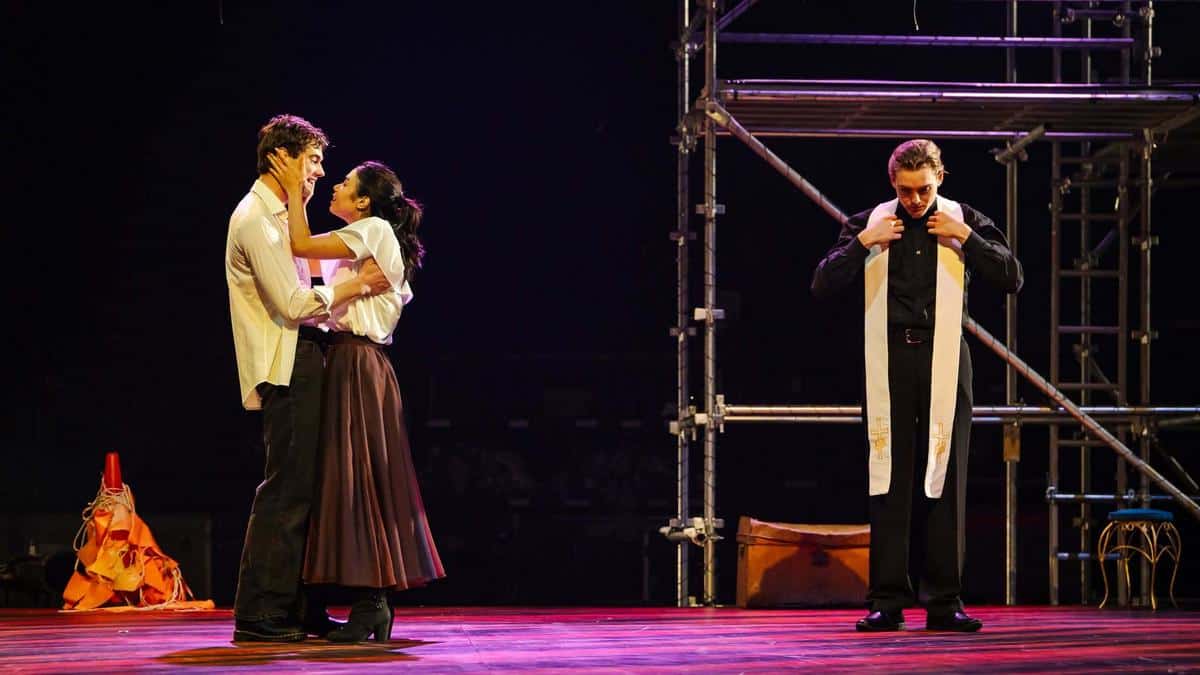
Griffin McLaughlin delivers a thoughtful Romeo, bringing emotional depth and welcome variety to a role that can sometimes become one-note. His performance balances youthful impulsiveness with genuine vulnerability and sincerity, giving the character substance beyond romantic idealism.
Holly Samaniego’s Juliet takes a little time to fully settle into the role. While her early scenes occasionally lack the spark and emotional urgency needed to fully ignite the character, she steadily grows in confidence throughout the performance. By the final act, she has won over the audience, bringing strength to Juliet’s tragic journey. The chemistry between the young lovers remains believable throughout and there are some funny scenes where they simply cannot keep their hands off each other.
Among the supporting cast, Sofia Watts deserves special mention for her portrayal of Lady Capulet. Despite being close in age to many of her fellow performers, she convincingly embodies Juliet’s mother, bringing authority, maturity and impressive vocal clarity to the role.
More significantly, the final scene lacks the emotional devastation the production has spent two hours building towards.
Throughout the play, blood packs are used symbolically. For much of the production, this visual motif works well. However, in the closing moments, the decision to rely on this symbolism rather than Juliet’s traditional knife proves less successful. Rather than heightening the tragedy, it creates a degree of theatrical distance at precisely the moment the audience most needs emotional connection.
Compounding this issue is the omission of Romeo’s final speech. Together, these choices diminish the impact of the ending. The final moments should leave the audience heartbroken. Instead, I found myself admiring the concept more than feeling the tragedy. I wasn’t reaching for a tissue; rather, I felt somewhat short-changed by a conclusion that lacked the emotional force the preceding scenes had so richly earned.
Yet these criticisms are relatively minor in the context of an otherwise impressive production.
Healey’s Romeo and Juliet understands something fundamental: Shakespeare survives not because he belongs to academics, teachers or literature students, but because his stories continue to speak to ordinary people. By prioritising clarity, accessibility, movement and a fresh look, this production throws the doors wide open and invites everyone inside. And judging by the students who filled the Heath Ledger Theatre, many were more than happy to accept the invitation.
For students encountering Shakespeare for the first time, seasoned theatre-goers and even younger audience members, this production demonstrates that these plays remain as powerful and relevant as ever. Judging by the response of the students around me – and one very enthusiastic 10-year-old theatre-goer – WAAPA’s graduating actors have ensured that Shakespeare’s spark remains very much alive.
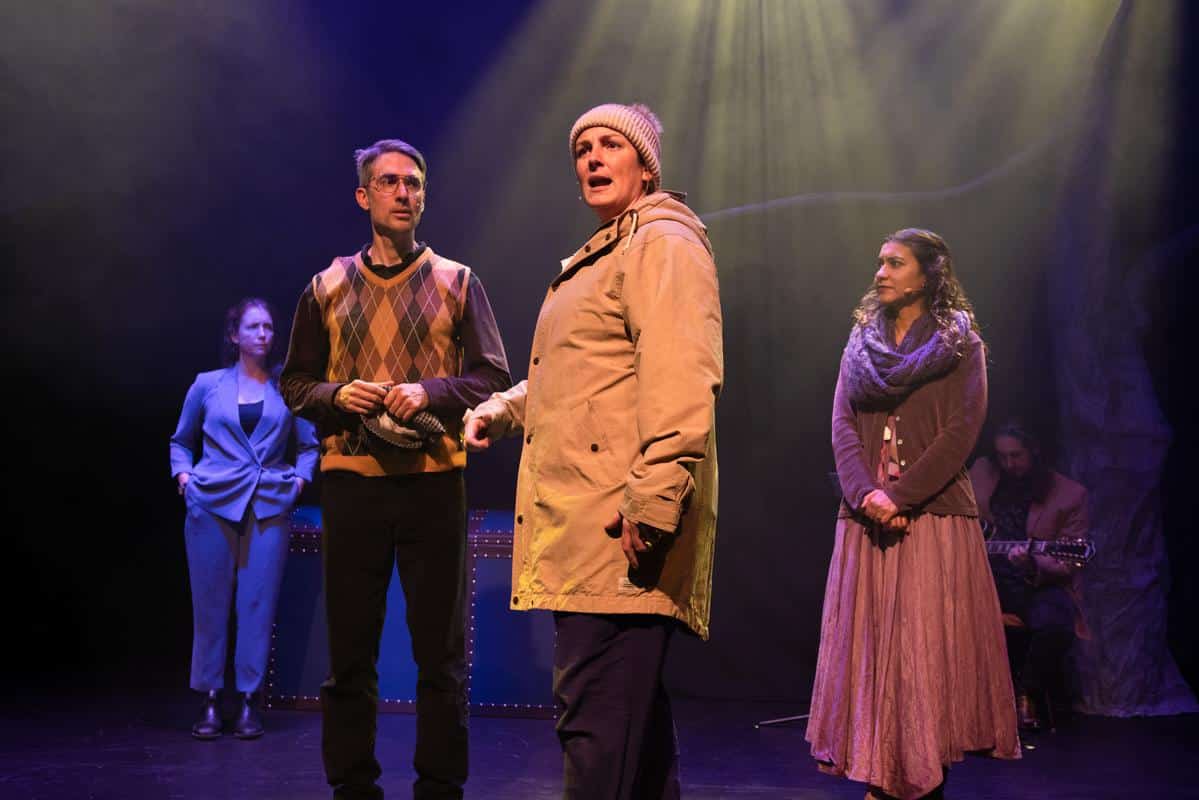
A Magical Guide to Fighting Fascism is a two act play about three women from three different time periods who are all connected based on intriguing historical events. It is written, composed, directed, and produced by Asha Cornelia Cluer, marking her Western Australian debut as a writer and director.
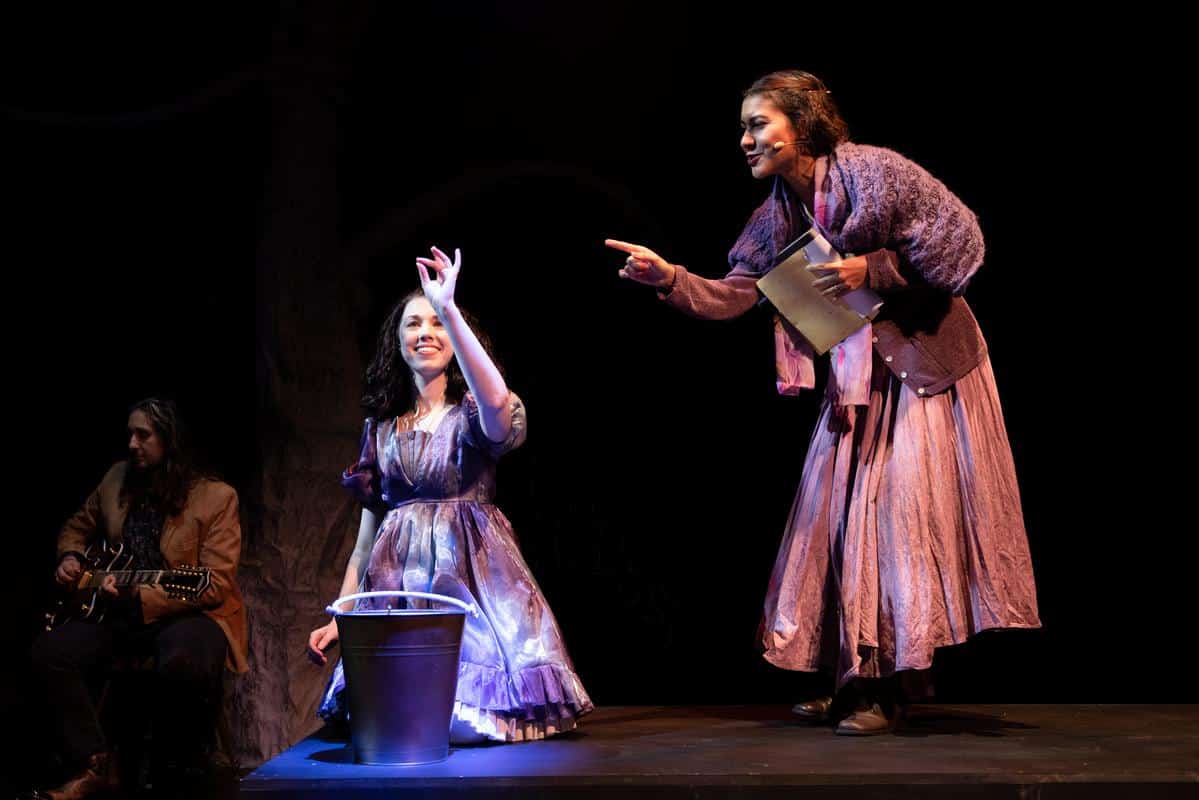
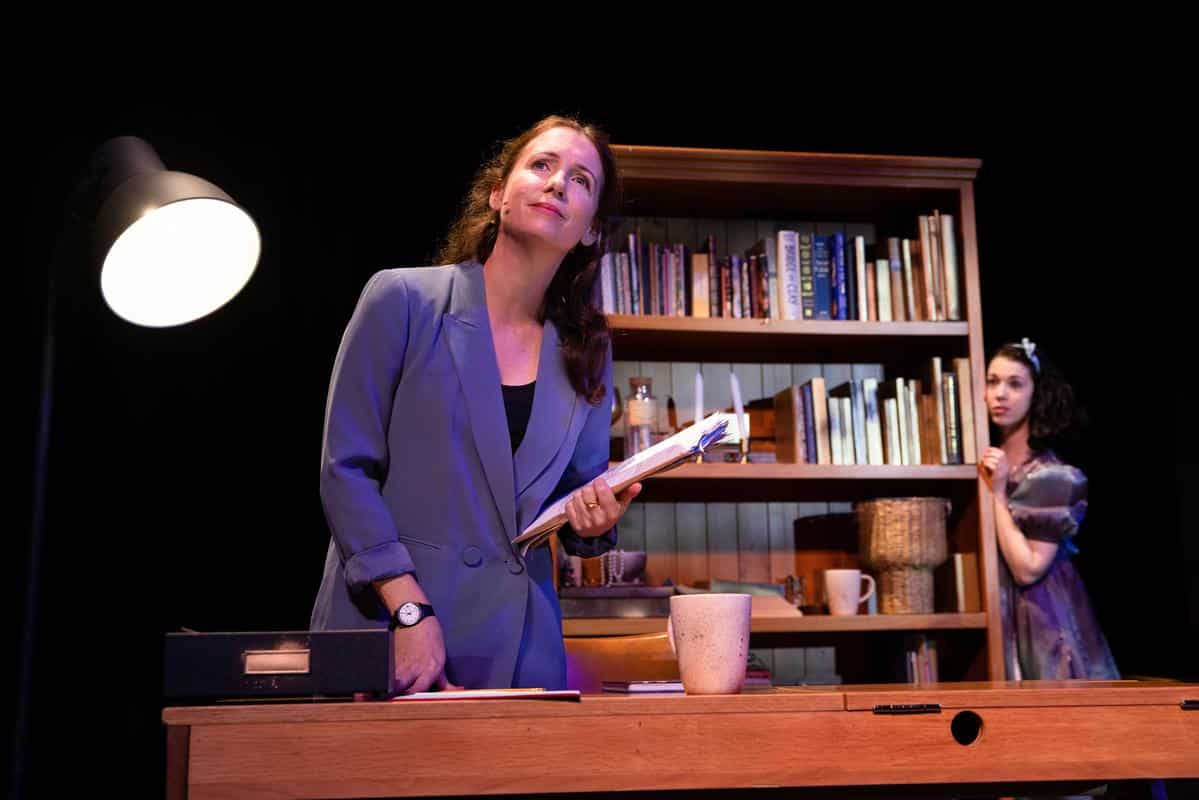
The play opens with a beautiful song sung by Chloë Jean Vincent, who enchants us with her mystical voice, drawing the audience into the performance. From the beginning, the show offers plenty of clever stage effects, leaving the audience to ask, “How did they do that?” As the play took off, something that caught my eye was the use of a screen in the background, using surtitles to translate foreign dialogue to us as well as marking new locations the story takes place in. The play is told using three languages, the majority in English, but it also uses Hebrew and Spanish to tell the stories of the characters. Federica Longo Huntington and Adriano Cappelletta stole the show, bringing lots of laughter from the audience. They play the part of the ensemble, proving to be very versatile as they played multiple roles (and with multiple accents), while the three women from different time periods were played by three different remarkable actresses. Melissa Westlake plays Cote in both flashbacks and her present day – she is able to change her stage age with the use of her expressions and movement, proving to be a powerful actress. Jo Morris plays Mayim, a busy and powerful woman, she encapsulates this character with wonderful integrity. Macy Curtis plays the teenage Javiera. For those who have grown up in Australia, the character is incredibly relatable and she reminds us of our youth, wanting to know more about who we are at the core.
Throughout the show, there is live music performed by Keshet, who is on stage with his guitar during the performance to help tell the story with music. The soft music adds to the magical feeling of the stage along with simple yet effective lighting, such as candles, fairy lights strung in a tree, and spotlights, which were designed by Adelaide Harney. Sound effects, designed by David Stewart, throughout the performance were not overused but perfectly timed when needed. The costumes, designed by Jamie Jewell, were simple yet one-of-a-kind, including a selkie, which is a wonderful show of his creativity.
Although the show was only performed for one night only on June 13th, I sincerely hope there will be a chance in the future for others to watch this beautiful production.