A Slice Of Community

Community Garden

Community Garden Rating

Click if you liked this article

4

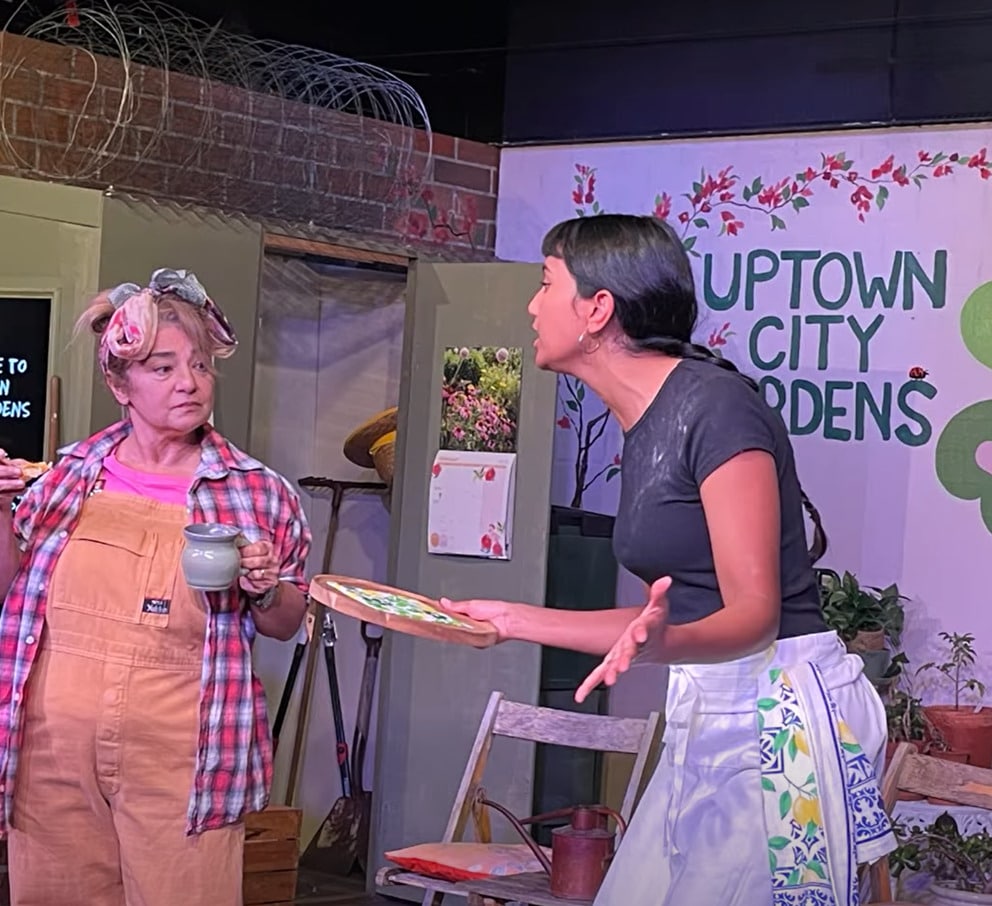
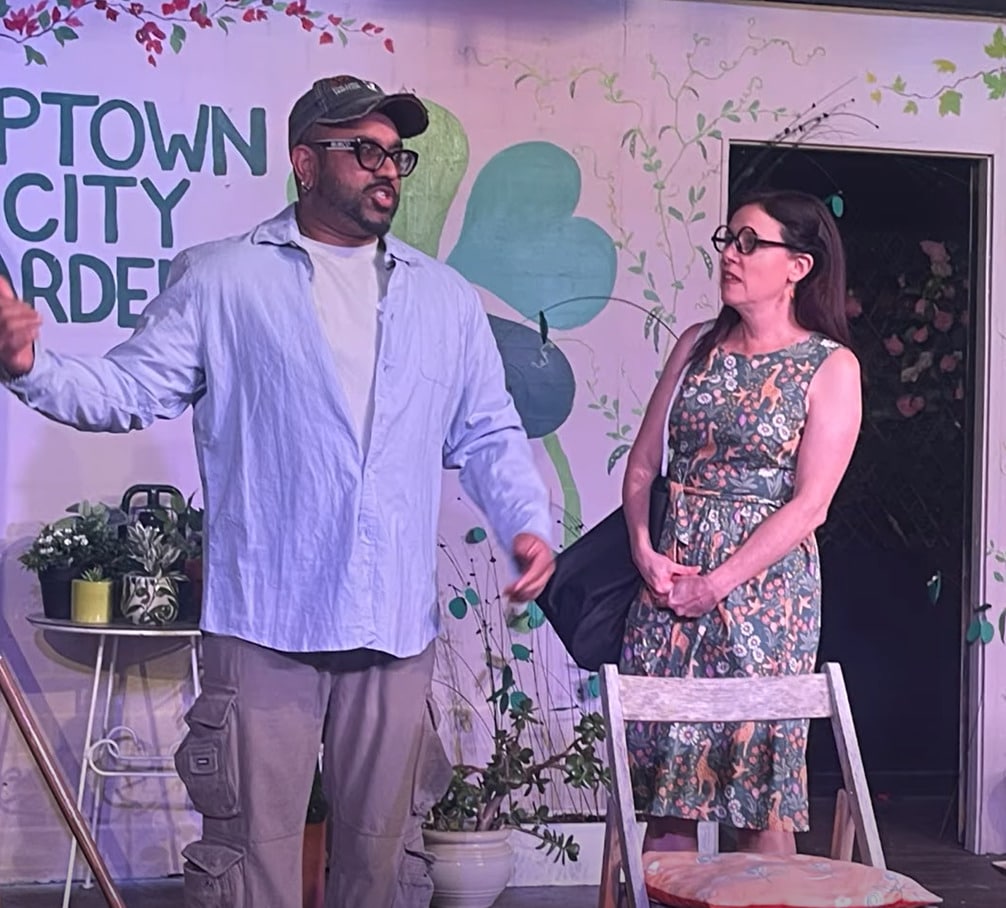
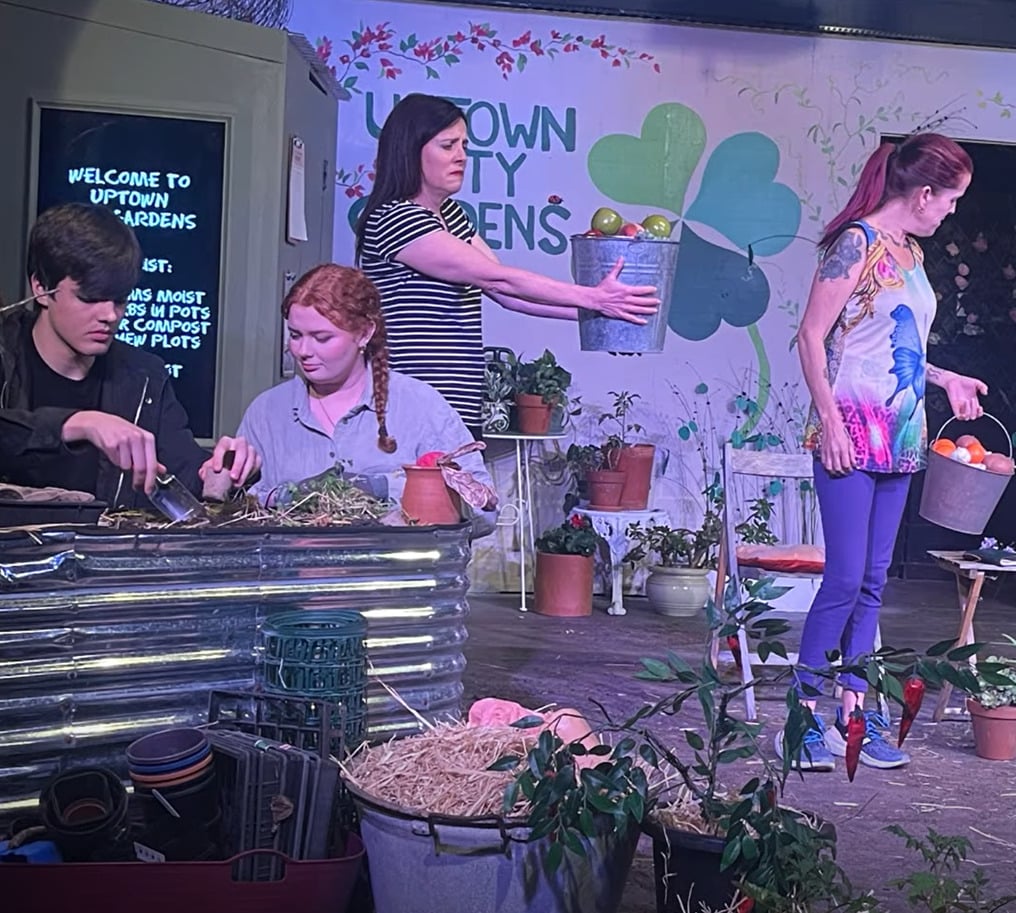
Community Garden is a play with no intermission about a man named Ralph, a nervous and new volunteer at Uptown City Gardens. Throughout the show he is slowly drawn to the strangers in the community, who all offer different stories and upbringings, but who all come together in one garden. This show is written by Justin Borak and directed by Cade Smith. August 7th was the world wide premiere for the Australian version. Justin Borak and Cade Smith worked hand-in-hand to rework the original story to fit Western Australia.

When I walked into Roxy Lane theatre, the foyer was transformed into a small Italian restaurant, representing Gigi’s Italian Family Restaurant, the Italian restaurant in the play. Pizzas were available to order so the audience could come into the restaurant at the end of the show and enjoy their meal, a truly creative way to immerse the audience into the story, even after the show had ended. The art of the set is intricate and realistic while offering lots to look at and the props (including a full-sized cut out of one of the characters) were true works of art that made the audience laugh. The work that went into the set and props, made by Kirsten Halford-Bailey, Nellie Pease, Sophie Harwood, and Cade Smith, hit the mark and it is clear just how much time and effort went into the art. I appreciated the play’s use of technology as they chose to use a screen off to the side of the stage to show the other end of a Zoom call that a character is making. Not many sound effects were used and there was no music, but the performance itself makes up for it. The lighting, designed by Katherine Robertson, was simple, only switching slightly as the tones changed. The costumes, designed by Kirsten Halford-Bailey and the cast, are modest, not drawing too much attention, but they fit the character’s personalities well. Bella, wonderfully played by Zarah D’Costa, is covered in flour to display her hard work at the pizzeria she works at.


Ralph, played by Harry West, is naturally funny and would remind you of someone you know, a friend. His acting is real and friendly, allowing the audience to feel at ease. Elle Fisher plays both Donna and April, naturally owning the stage. She provides comic relief and fills the role of characters that show reality and acceptance. When watching Rachel Calder play Casey, her conversations and actions felt natural, like the audience could be part of the conversation. This show offers even more to relate to as there is LGBTQ+ representation in multiple characters. Several times throughout the performance, audience members fully laughed at the dialogue. The comedy gives the audience a joyous moment in such an intricate production.

This is a heartfelt play that offers many moments that people of all ages can relate to. Community Garden is playing at Roxy Lane Theatre from August 14th, 15th, 16th, 21st, 22nd, and 23rd, and I, for one, plan on visiting my local community garden soon to see what might be in store.

To book tickets to Community Garden, please visit https://www.taztix.com.au/event/roxylanetheatre/.

Spread the word on your favourite platform!

A Night Full of Magic and Music

A Magical Guide to Fighting Fascism

A Magical Guide to Fighting Fascism Rating

Click if you liked this article

3

A Magical Guide to Fighting Fascism is a two act play about three women from three different time periods who are all connected based on intriguing historical events. It is written, composed, directed, and produced by Asha Cornelia Cluer, marking her Western Australian debut as a writer and director.

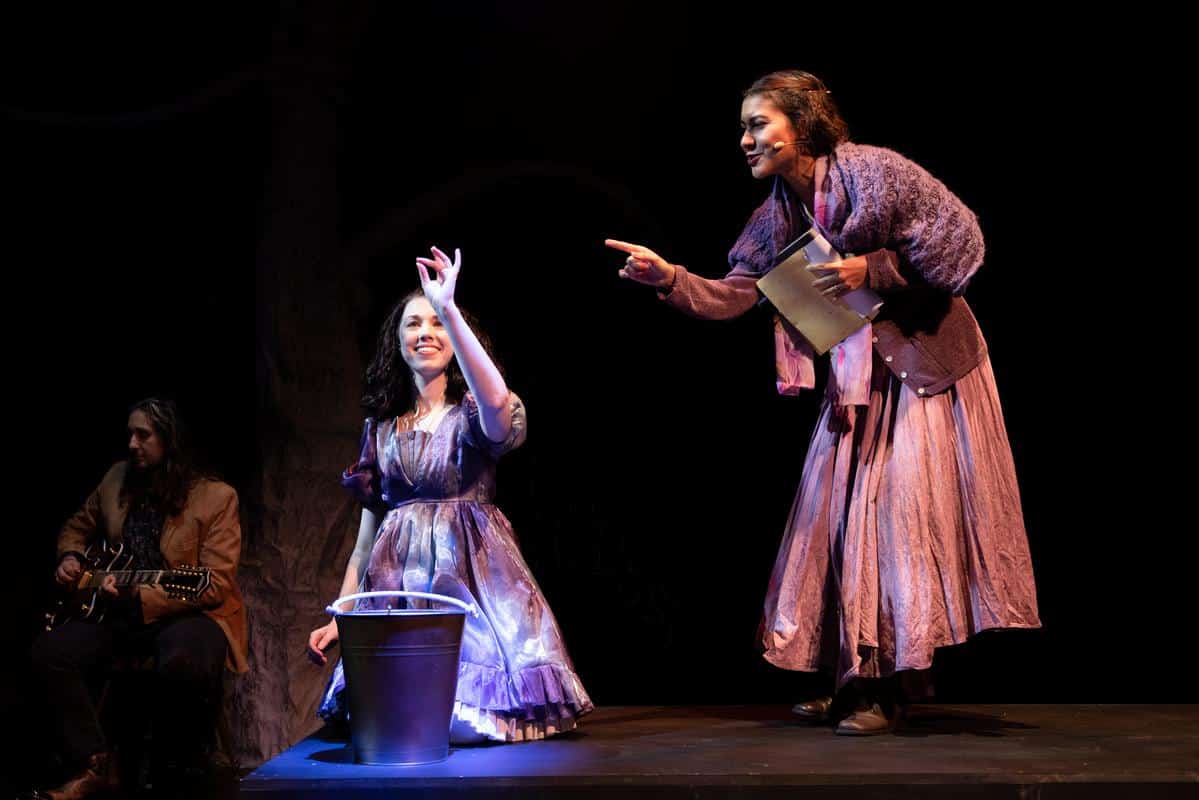
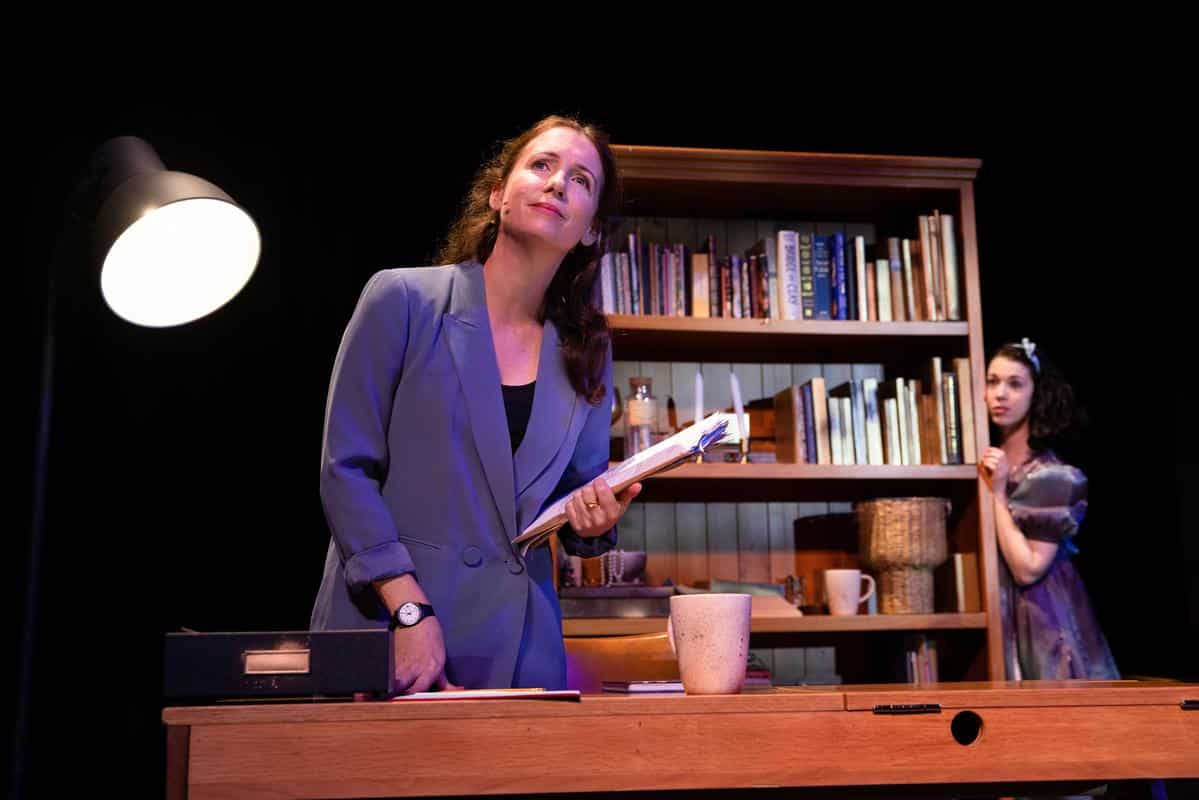
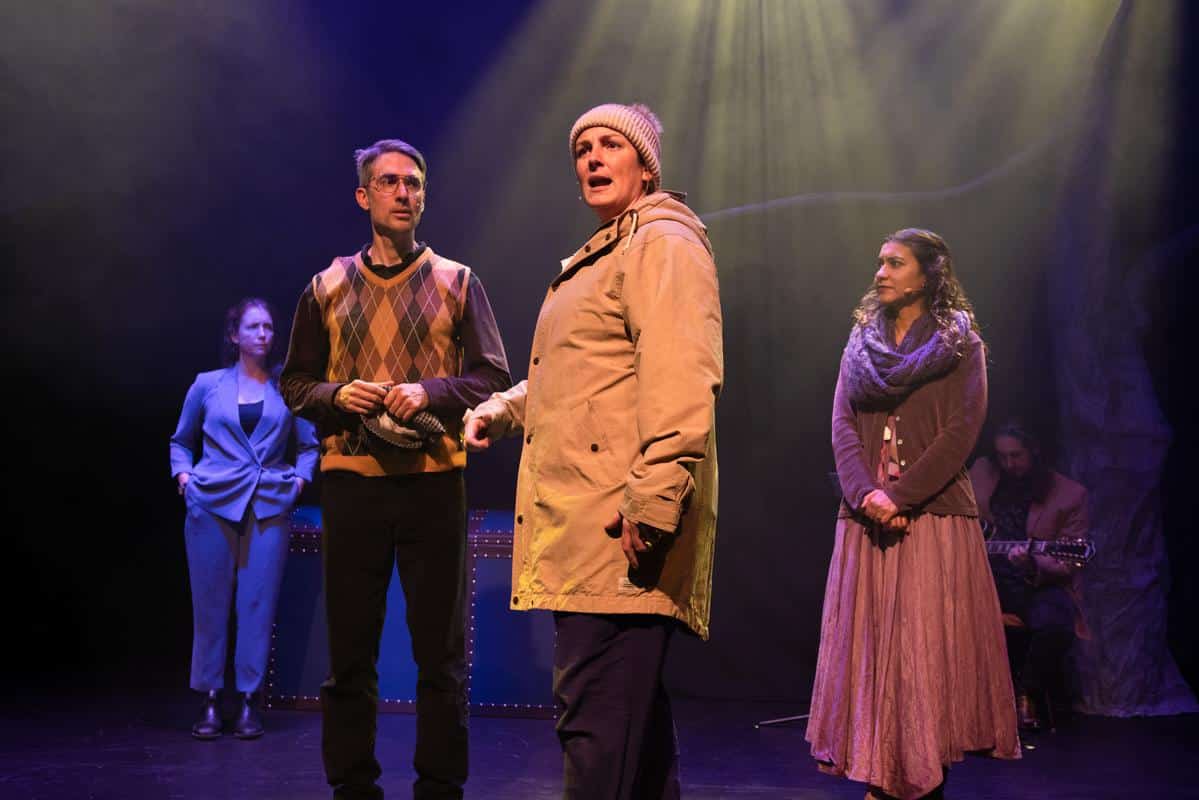
The play opens with a beautiful song sung by Chloë Jean Vincent, who enchants us with her mystical voice, drawing the audience into the performance. From the beginning, the show offers plenty of clever stage effects, leaving the audience to ask, “How did they do that?” As the play took off, something that caught my eye was the use of a screen in the background, using surtitles to translate foreign dialogue to us as well as marking new locations the story takes place in. The play is told using three languages, the majority in English, but it also uses Hebrew and Spanish to tell the stories of the characters. Federica Longo Huntington and Adriano Cappelletta stole the show, bringing lots of laughter from the audience. They play the part of the ensemble, proving to be very versatile as they played multiple roles (and with multiple accents), while the three women from different time periods were played by three different remarkable actresses. Melissa Westlake plays Cote in both flashbacks and her present day – she is able to change her stage age with the use of her expressions and movement, proving to be a powerful actress. Jo Morris plays Mayim, a busy and powerful woman, she encapsulates this character with wonderful integrity. Macy Curtis plays the teenage Javiera. For those who have grown up in Australia, the character is incredibly relatable and she reminds us of our youth, wanting to know more about who we are at the core.


Throughout the show, there is live music performed by Keshet, who is on stage with his guitar during the performance to help tell the story with music. The soft music adds to the magical feeling of the stage along with simple yet effective lighting, such as candles, fairy lights strung in a tree, and spotlights, which were designed by Adelaide Harney. Sound effects, designed by David Stewart, throughout the performance were not overused but perfectly timed when needed. The costumes, designed by Jamie Jewell, were simple yet one-of-a-kind, including a selkie, which is a wonderful show of his creativity.

Although the show was only performed for one night only on June 13th, I sincerely hope there will be a chance in the future for others to watch this beautiful production.

To book tickets to A Magical Guide to Fighting Fascism, please visit https://www.ashacorneliacluer.com/magical-guide.

Spread the word on your favourite platform!

Good Company

Company

Company Rating

Click if you liked this article

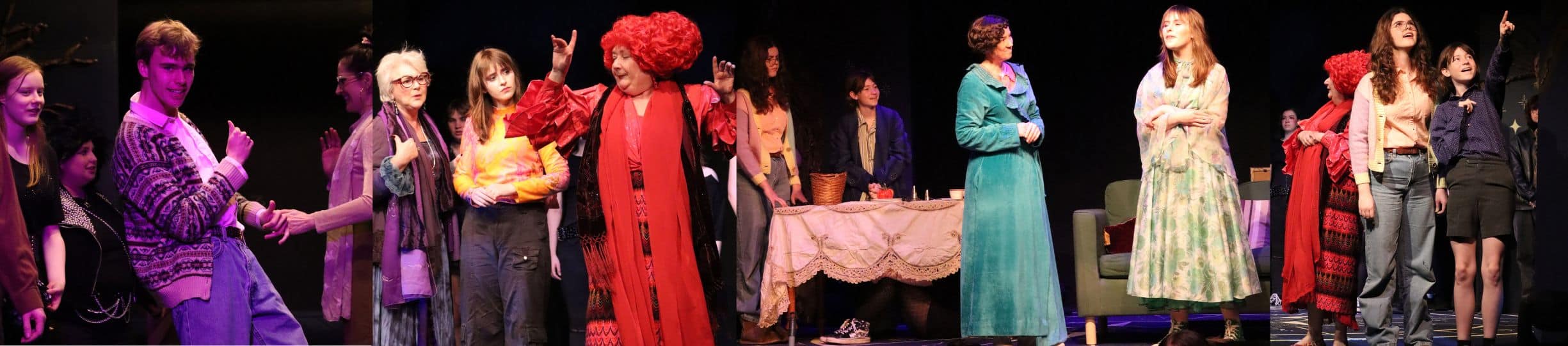
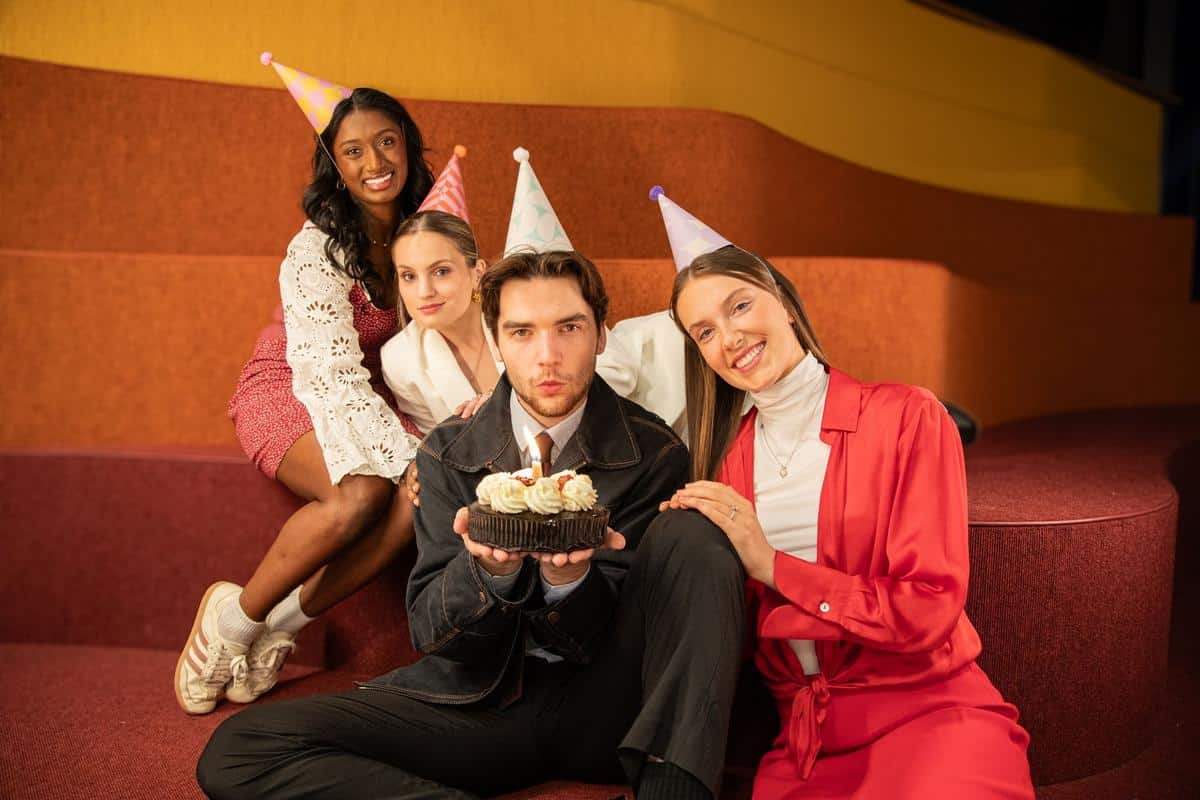
Company the Musical (music and lyrics by Stephen Sondheim and book by George Furth) is a show, originally produced in 1970, about Robert, a newly 35 year old man, who is constantly questioned about why he remains single. The musical takes us on a journey of self-discovery with Robert as he discovers the struggles of being tied down in a long-term relationship while also experiencing the loneliness of remaining single. This show is performed by the 3rd Year Music Theatre students from WAAPA (Western Australian Academy of Performing Arts). The character of Robert is double casted, played by Josh Condon and Cooper Williams, depending on which performance you attend. I had the privilege of watching the opening night performance with Cooper Williams portraying the leading role and got to experience his passion during the performance, especially through the musical numbers and dances.

Though the plot is fairly simple, the choreography by Bernie Bernard and the songs, written by the well-known Stephen Sondheim, certainly make up for it. My eyes were glued to the stage during the performance, especially throughout the musical numbers which captured the attention of all those seated in the theatre. From the minute the stage lights turned on, the audience began to laugh, lasting throughout the night, making for a great night out for those looking to keep their evening light hearted. The actors have wonderful comedic timing and the dialogue and monologues felt incredibly real and natural. The props of the show are handled effortlessly, as they moved on and off stage in the blink of an eye by the wonderful cast and the crew working behind the scenes. The musical numbers are powerful, and pull you in from the first lyric. I appreciated the physical comedy of the show, such as when the audience gets to watch a married couple battle it out through karate (a very standard practice in most marriages, so I’ve heard).


The curved stage is a unique set up and the simplicity of the set allows the audience to fully take in the performance. They have chosen to utilise a scrim in some scenes and all the sets and props were practical – not leaning into the modern technique of using screens to create backdrops. There is a live band off to the side, conducted by Craig Dalton. During the quieter moments of dialogue, sound effects such as rain and a busy Manhattan street fill the background to immerse us into the story. The hair and costumes reflect the 70’s era authentically and the costumes are vivid yellows, browns, and greens that fully immerse us in the era.

I highly recommend this show to anyone looking for a fun night out, especially to those young people who are preparing to pursue an education in the performing arts so you can see exactly the kind of performances that WAAPA can create.

Company is playing at State Theatre Centre of WA from 6 June to 11 June, 2026.

To book tickets to Company, please visit https://www.artsculturetrust.wa.gov.au/venues/state-theatre-centre-of-wa/whats-on/company.

Photographer: Stephen Heath

Spread the word on your favourite platform!

Robots On The Rise

R.U.R. (Rossum's Universal Robots)

R.U.R. (Rossum’s Universal Robots) Rating

Click if you liked this article

5

Rossum’s Universal Robots is a science fiction play written by Karel Capek and directed by Robrecht Herfkens. It is a four act play with two intervals, lasting about two and a half hours.

This production is set in the past and the main actors really set the tone of the era. Tod Trotman is amazing at delivering continuous dialogue and does a remarkable job with his mannerisms to capture the era. Candice Preston, who plays Helena Glory, is passionate and does a wonderful job with her expressions. She makes the audience feel included with her dialogue. The production includes a wide cast of all ages and the robots do a magnificent job at making you feel on the edge of your seat as they begin to take over the world. The performance of Radius, played by Stephan Pfister, is unnerving. The actors who play the group of managers continue acting in the background, creating realism to the scene. The way they portray the characters after the interval makes them believably older.


Both the set and costumes also do a wonderful job of setting the era. The set painting is a work of art and in between acts, there are massive changes to the impressive set build, giving the audience plenty to look at. The interior and exterior set is very unique, allowing the audience to view both sets at the same time. Lighting changes are infrequent but effective, especially towards the end, when there is a short strobe light sequence. The costumes are simple but effective. The robots wear simple white jumpsuits and the humans wear dresses and suits. As time passes throughout the performance, the costumes and hair changes reflect the passage of time.

Music is scarce but when it is played, our attention is drawn to it. Sound effects during the performance surround the audience, making us feel included. During the intervals, robotic-like music is played for our entertainment and during the second interval, the theater becomes immersive with the theatre staff dressing up as the robots.

It is very interesting to think about how this play was written in the 1920s but still captures the issues of A.I. that are rising today. I think it was an excellent choice of the theatre to choose this play (and to keep it in the era it was written, as opposed to reimagining it in our future) as the themes are still relatable and it is interesting to see how the robot takeover was envisioned in the past. This is a great show for the science fiction lovers among us.

Rossum’s Universal Robots is playing at Roxy Lane Theatre on May 23rd, 24th, 29th, 30th, 31st and June 4th, 5th, 6th, 7th.

To book tickets to R.U.R. (Rossum’s Universal Robots), please visit https://www.taztix.com.au/event/roxylanetheatre/.

Spread the word on your favourite platform!

Subscribe to What's The Show

Reviews, show news and what is on, straight to your inbox.