Alice in Wonderland

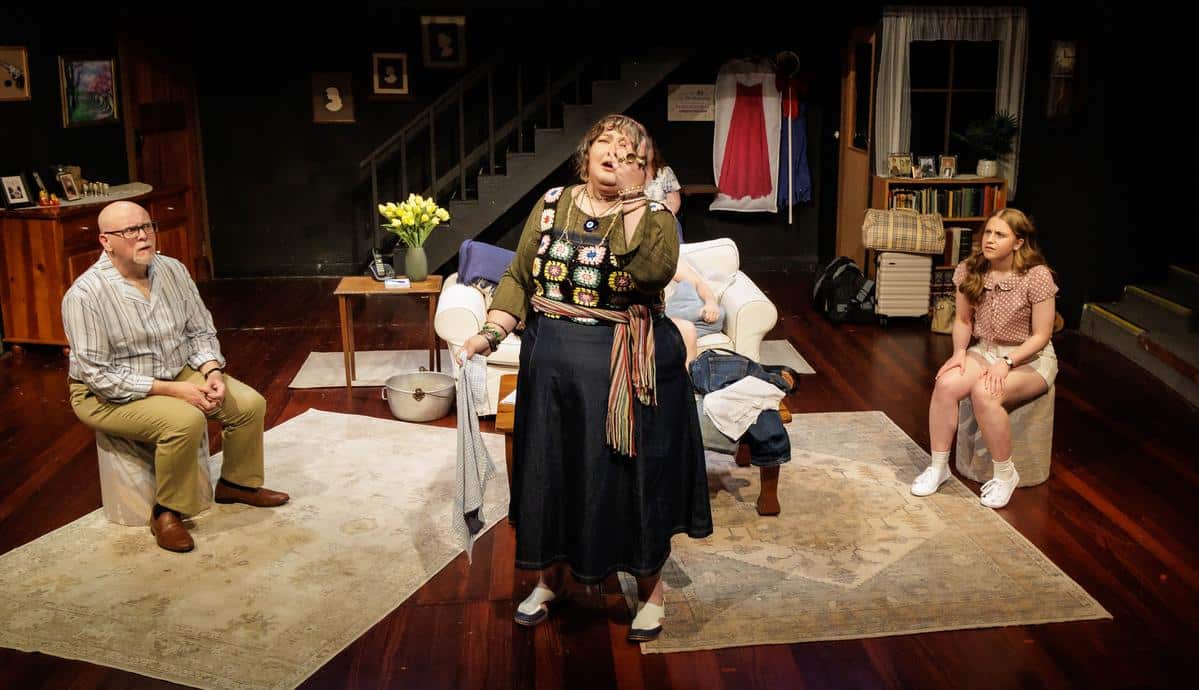
Tea Tree Players Presents Shirley Valentine

Alice in Wonderland Rating

Click if you liked this article

1

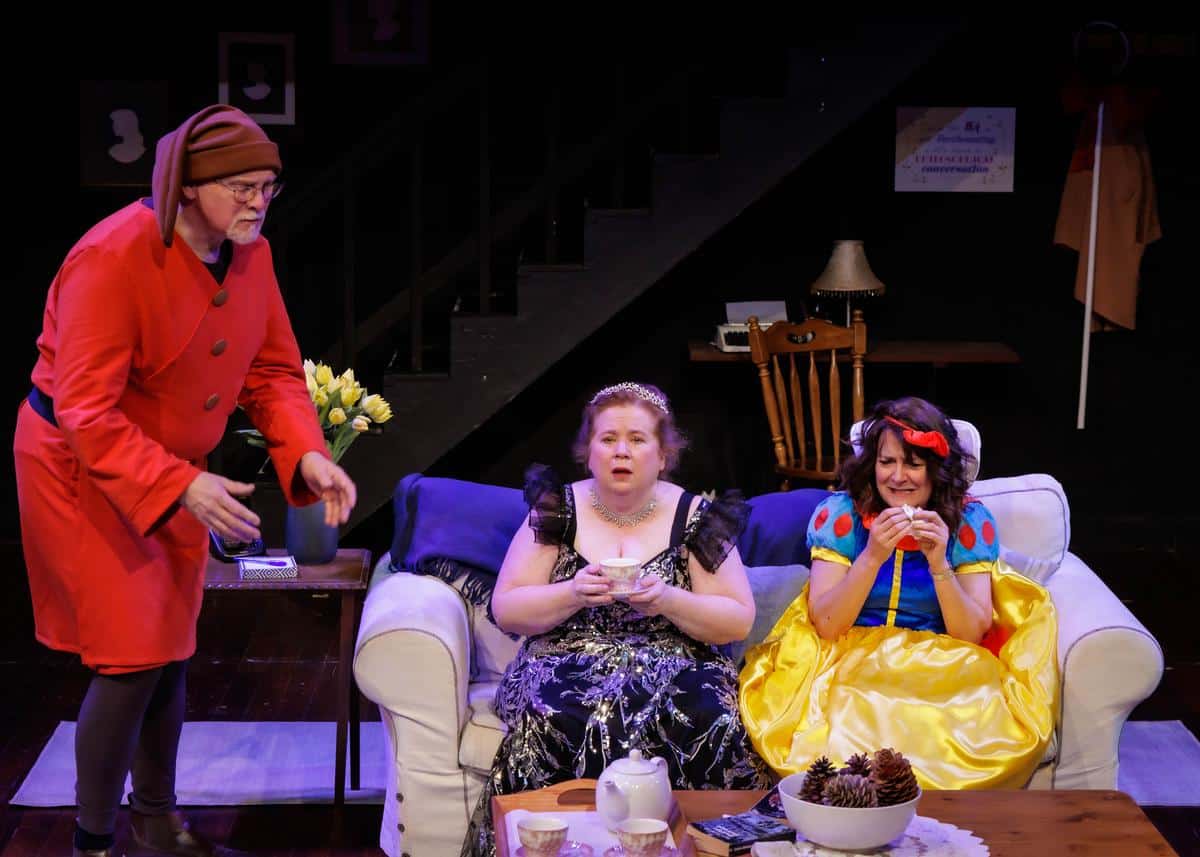
Alice in Wonderland is not an unknown story, loved and enjoyed for its unique and unpredictable storyline. To portray the story through interactive theatre, the Tea Tree Players have assembled a spectacular collection of fluorescent sets, matching props, carefully crafted costumes, and well-considered use of the stage (and audience) to tell their story of Alice and her Wonderland friends. Be prepared to cheer on the heroes’ adventures, boo the decisions of the bad guys … and maybe even be on the receiving end of some flirtatious characters.

You can expect to see the usual characters, along with some welcome fresh faces who easily draw laughter from the crowd. After being introduced to the uptight matron of the “Home for Lost & Unwanted Girls” we follow three of the girls from the home – two of whom have surprisingly deep voices – follow the Dame Edna-esque Cook down the rabbit hole to rescue Alice, who is enchanting in her iconic blue dress as she follows the hopping white rabbit and the adventurous royal gardener. The Cheshire Cat can be seen slinking about the wings, guiding our characters with an elegant purr. The Caterpillar commands the stage while Tweedle-Dee and Tweedle-Dum encourage a sing-along. The Mad Hatter and his sidekick, the March Hare, match energy, while their friend the dormouse squeaks his way into our hearts. Every actor breathes life into their character, even the younger actors whose characters have no lines are noticeable – their costumes fitting in perfectly and their presence unmissable. When it comes to the Red Queen and her hair-raising laugh, she introduces us to the card guards who take everything a little too literally (as well as expertly changing the sets between scenes), and the kind, exposition-giving King. Each character has a memorable line or moment to take away with you after the show.

Alice In Wonderland

The pantomime is a fun-filled, happy ending story, rife with fourth wall breaks and crowd participation, of which the actors expertly encourage and roll with the heckling from the audience. The lighting matches every scene and is timed perfectly with its corresponding scenes – the fluorescent lighting adds an extra layer of Wonderland mystique, especially when you spot the fluorescent props scattered throughout. Both the lighting and music had no missed cues, but on occasion the sound overwhelmed the actors’ voices. Outside of the music trying to steal the spotlight, the actors were well spoken and mostly well heard – a few times the softer spoken actors could’ve projected a tad further, but it was also clear they knew this and were working on it. I look forward to seeing those actors again and seeing how they have improved.

The costumes were handmade, and perfectly suited for each individual character, from the overall fit to the smaller details and sequins. Through the demands of the physical slapstick style, the costumes did not fail the actors and stayed in place with nary a loose thread or zipper unzipping. To pair with the costumes, the makeup was expertly applied, particularly for those with a full face of makeup – be sure to keep your eyes peeled for some small details amongst the makeup and costumes, you won’t be disappointed!

With a well-dressed cast ready to interact with the audience, Tea Tree Players presents a fun night of adventure through Wonderland well worth the interaction.

To book tickets to Alice in Wonderland, please visit https://teatreeplayers.com/production/alice-in-wonderland/.

Spread the word on your favourite platform!

Radium Girls

Radium Girls

Radium Girls Rating

Click if you liked this article

4

There’s something different about a theatre performance based on real stories. Radium Girls tells the story of the young girls and women who were unknowingly poisoning themselves at work every day. Being taken advantage of by the men of the company and the physicians they thought they could trust, we follow the story of Grace and her friends Irene and Kathryn as they fight for their voices to be heard and their dues paid. Do not worry if you don’t know much of the story; the script and cast will provide you with context and hold your hand through this fight for justice.

As we follow Grace’s story, we meet a smattering of interesting characters who brighten the stage. The cast list is smaller than the character list, so you can expect to see some faces on more than one character, but with speedy costume changes – paired with some impressively quick accent changes – you’re never confused as to who is who. If you find yourself needing a guide, the well-formatted program the company has on offer provides a helpful cast list.

And a rather professional cast, I feel is important to note. With opening night jitters of missed lighting cues, the cast didn’t allow it to deter them, delivering their lines as though nothing were amiss. Missed cues aside, the lighting was strong, showing an array of colours to aptly represent the mood for each scene. Showing off the simple yet powerful stage which, at first glance, shows little more than some stunningly coloured green windows and a giant analogue clock face. This versatile stage will transform from the US Radium Company’s factory, to Grace’s family dining room, to a courthouse, and more without missing a beat, and never leaving room for confusion.


It’s easy to find yourself immersed within the story, but every now and then a monologue will take you by surprise, leaving you wide-eyed. With moments carefully chosen to address the audience, don’t be surprised if you leave and find yourself unable to stop thinking of particularly emotional moments. Even with these crafted moments to make the audience think, the show itself is not hard to follow, and easy to feel a connection with every cast member on the stage (no matter which character they are portraying).

The only thing I wish had been utilised more was the glowing radium. I spotted some glowing aprons, but seeing some glowing shoe soles, watches on characters, or paintbrushes would’ve been a treat. Otherwise, everything else was perfectly orchestrated for every character’s individual personality, from their accents and body language to their tailored costumes. The stage was used to its potential, with little to no dead space in any scene, the costumes matched the era, the cast supported each other with excellent chemistry, it was engaging, and the sound effects didn’t overshadow the cast.

A thought-provoking show, the story of the radium girls will remain an important retelling, and Galleon Theatre Group has provided us with a wonderful rendition.

To book tickets to Radium Girls, please visit https://www.galleon.org.au/html/radiumGirls.html.

Spread the word on your favourite platform!

Bushidō

Bushido

Bushido Rating

Click if you liked this article

TW: The movie represents violence, sexual references, blood and has other trigger warnings. This review will not.

Amid the blooming Sakura trees, a Samurai and his daughter are trying to make their way in the world. Cast out from their hometown, they live a poor but honest life. We see our Samurai, Kakunoshin Yanagida, teaching others to play Go, carving personalised signature stamps (hanko) and negotiating to extend the date for his already late rent. We are witnesses to his life changing its course when he intercedes on behalf of a pawn shop owner in conflict with another samurai. This pawn shop owner becomes an important player in the story as an avid Go player, and an unofficial student of Kakunoshin Yanagida, learning to be an honourable man.

The story of Kakunoshin Yanagida is a Japanese drama, set in the Edo period. The set designs are elegant, transformative, and perfectly suited for the era. The lighting has been carefully chosen for each scene, drawing the audience in with each slight shifting of mood. In a moment towards the end of the movie, we are treated to a backdrop of a breathtaking, glimmering sunset before the set morphs into a thoughtful, candlelit space. With shoji screens and doors assisting the lighting throughout, adding layers of complexity as well as being used by the characters to give the audience some insight into their inner thoughts, the space and lighting feel as though they have been created and used with care and consideration.


I will admit I am no expert on Japanese clothing, but I could tell the kimonos in Bushidō were each carefully considered for every scene. For example, if a character were feeling helpless, or as though misfortune were on their doorstep, we would see them wearing dark colours, as opposed to their previously brighter fabrics. The glimpse we get to see of women discussing their kimonos was with the utmost respect for the garment, and it was not expressively mentioned, but Kakunoshin Yanagida’s own outfits are clean and well cared for, as are his swords. Of which we only see unsheathed when it is absolutely necessary.

The camera work brings the story to life, with a variety of techniques to keep the story alive and thriving. With shaky vintage filters to represent memories, an impressive use of blurring during the scene, and some heart-wrenching still moments, the camera guides us through the story with ease. There was never a moment when I found myself feeling overwhelmed by what was on the screen, or wondering where I was supposed to be looking. My personal favourite was a sideways tracking shot, overflowing with top-quality choreography.

Kakunoshin Yanagida might be poor, but he is striving to live his life as honourably as he can, while playing Go fair and square. He is a man of great self-control, but of course what’s a movie without some conflict? When we are treated to the conflicting moments in the movie, Kakunoshin Yanagida transforms into another person, filling the screen with his presence and emotion. I won’t give away too much, but he becomes vengeance, fulfilling his destiny.

Bushidō is a tale of revenge, family, and honour. It is as intense as it is gentle, as brash as it is thoughtful, and as hateful as it is filled with love. The story is a slow burn, but once it has lit, be prepared for a rollercoaster of a journey.

To book tickets to Bushido, please visit https://japanesefilmfestival.net/film/bushido/.

Spread the word on your favourite platform!

Signorinella: Little Miss (Italian Film Festival)

Signorinella: Little Miss (Italian Film Festival)

Signorinella: Little Miss (Italian Film Festival) Rating

Click if you liked this article

6

When they began migrating to Australia pre-World War II, Italian’s were given plots of land in the harsh outback to call their own. From there, they worked hard to ensure the land would thrive, build their businesses, and their families. Even while they were labelled as a threat by Australians in 1939, they didn’t let this stop them from building the best version of their lives.

“Signorella: Little Miss” explores how Italian women have contributed to the history of Australia, from fashion to politics, food to art, and almost everything in between. With feminism as the core theme, the interviewees are charming, lively women reminiscing on their stories in Australia, and showing a resilience that can only come from having to repeatedly explain to their friends and acquaintances that good food is so much more than just a Sunday roast of potatoes and carrots.

Through the documentary, we are treated to family pictures – some of which are brought to life, and animated to show smiling faces and happy interactions – showing the lives of the young Italians while they tell their stories. Some of these women were not allowed to leave Italy without first being married, and were married by proxy, with their husbands waiting patiently for them in Australia. We are treated to a beautiful story from one interviewee deciding to come to Australia after seeing a picture of her future husband, and creating a beautiful family together.

“… sometimes destiny takes you there whether we believe it or not.”


Some viewers will find it amusing that even then, through well-written letters and years-old photographs, men were catfishing women into marriage. So not many of these proxy weddings were meant to last.

We hear not only from Italian migrants, but also from politicians, activists, magazine editors, chefs, business owners, singers, and more. The women on the screen are inspiring, well spoken, and beautifully dressed. Some chose to speak in Italian, some in English, and some a little of both, but they all share the same passion for their heritage, and their homes.

The focus for the documentary is on how Italian women have been quiet, hard-working building blocks in Australia, but we can’t ignore the stories of how they have been girl-bossing since they found their way to Australia. From keeping their families afloat while the men were taken away to internment camps, to finding themselves smack in the middle of the “man’s world” and refusing to back down, these proud women are an inspiration to everyone.

Through the documentary we are told, and shown, the Italian outlook on life: Anything is possible. And these women prove that.

“Life is most beautiful when it is diverse.” Tina Arena.

To book tickets to Signorinella: Little Miss (Italian Film Festival), please visit https://italianfilmfestival.com.au/films/iff25-signorinella-little-miss.

Spread the word on your favourite platform!