Monster

Monster

Monster Rating

★★★★★

Click if you liked this article

0

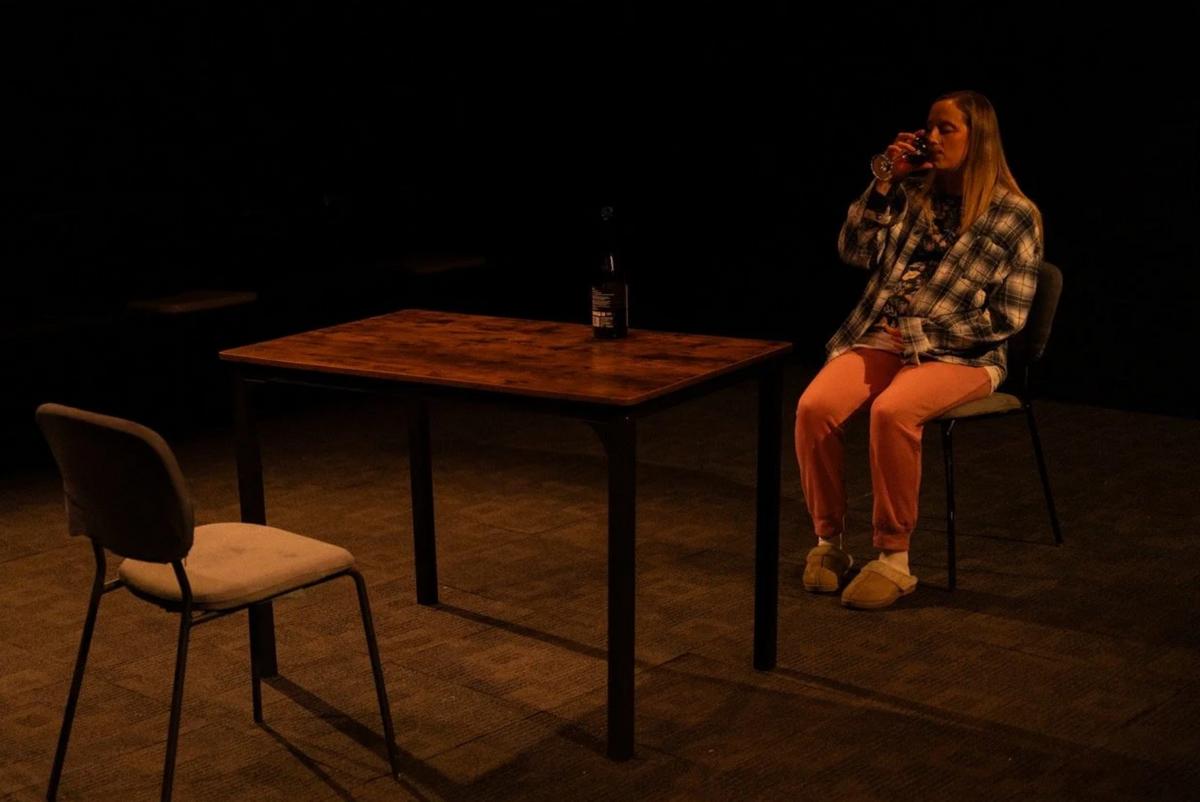
Performance theatre is often most effective in the context of a paired back stage and minimal props. In Monster – Directed by Kim Hardwick – a talented cast give compelling performances and bring Duncan Macmillan’s cracker of a script to life. This is the first time his characters have come to Sydney, and the intimate setting of KXT Theatre in Broadway was the perfectly suited venue to see them play out. Audience members bear witness to the type of theatre in which the flicker of a flame sparked makes a room to hold its breath, and a small box on the dinner table transforms the promise of engagement into a complex and foreboding omen.

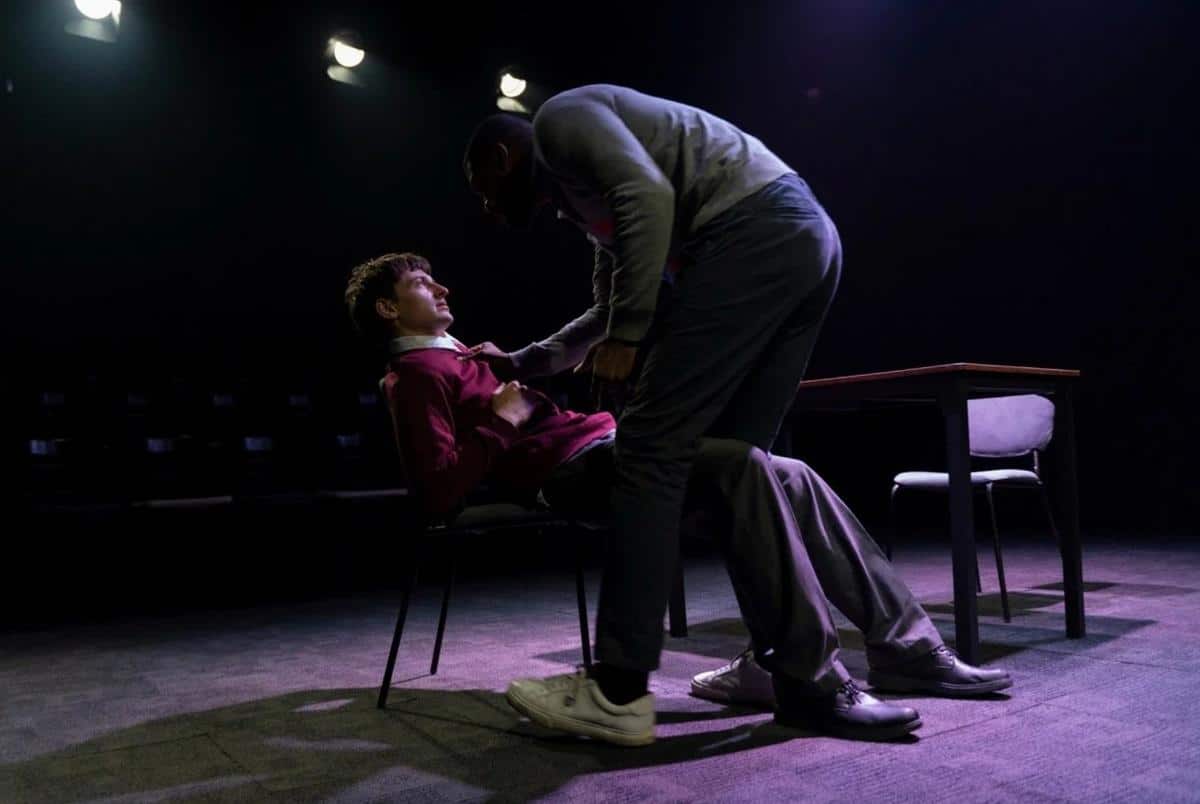
The “Monster” in Macmillan’s play is seemingly clear from the moment that stage lighting illuminates the youngest face of the cast. Campbell Parsons is electrifying as Darryl, a budding psychopath who speaks with convincing intensity about burning buildings, setting off fire extinguishers and playing with knives. Darryl idolises notoriously evil figures like Charles Manson and Jack the Ripper and informs his new teacher Tom (Tony J Black) – or as he calls him – “Agency” that he has aspirations to be just like these people one day. Daryll seems to have an eerie level of unspoken insight into his situation, and Parsons – as an actor – is able to use physicality and tone to accurately command the audience’s attention.

Darryl is a child whose pain has rendered him so incapable of anything productive beyond creating a spectacle of it. He exposes his new teacher’s vulnerabilities with ease; collecting them as ammunition to be inflicted at the right time. Black holds the character of the frustrated teacher well, and when he is regrettably drawn into comments about his race and level of affluence, it is clear that Darryl has successfully projected his own feelings of difference and shame onto his next unwitting victim. Darryl’s feelings seem to be so unbearable that even his Nan is not safe, evident by a moment in which he expresses to Tom that he fantasises about stabbing her in the back when she cooks his dinner each night.

The themes in this play are not for the faint of heart. Mental illness, social class, trauma and despair bounce around the room, as the stellar acting exposes the machinations of truly flawed people. Grey areas in moral culpability are explored, and when new characters enters the stage, they serve only to ask more questions than to answer them.
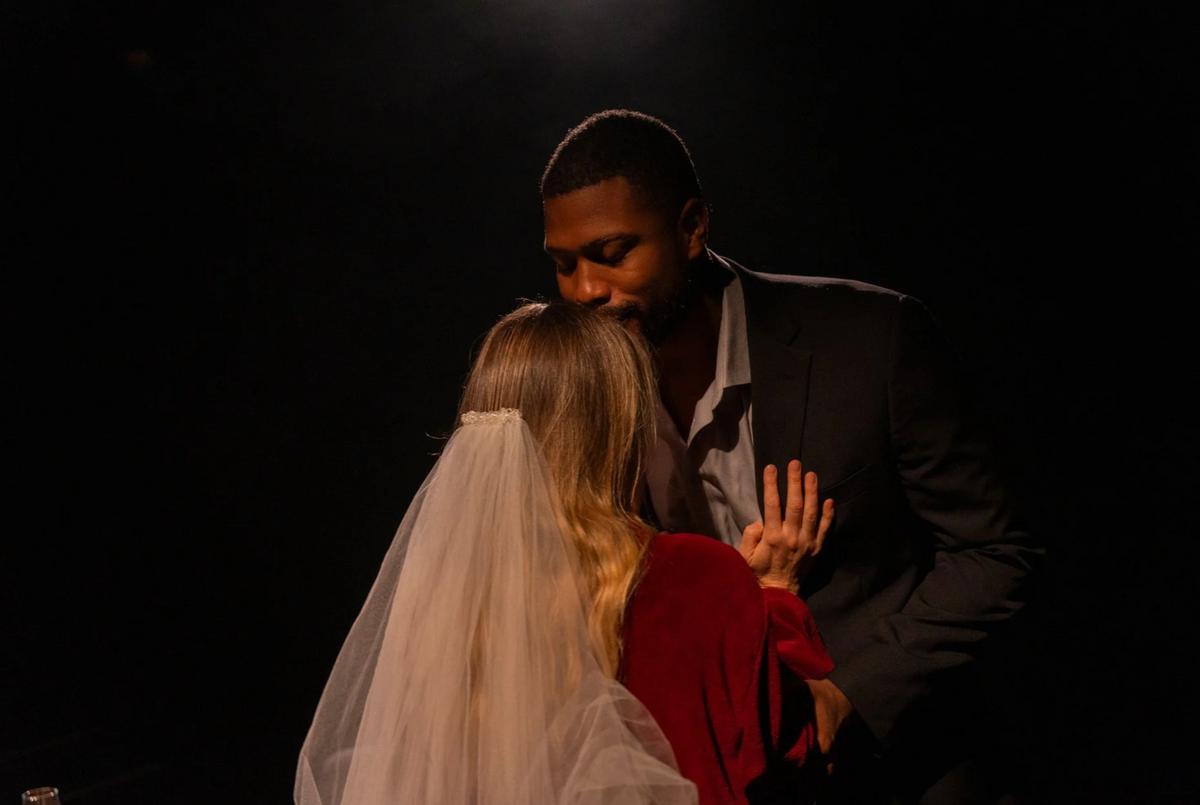


Tom’s soon to be wife Jodie (Romney Hamilton), as well as Darryl’s Nan ‘Ms Clarke’ or Rita (Linda Nicholls-Gidley), both do justice to the part of people who are trapped and out of their depth. Rita’s constant and fraught attempts to avoid associations with her surname – or to take any accountability for her grandson’s behaviour – are revealing aspects of the script. It is clear that despite being lonely, Rita does not want to be bound to the responsibility with which she is endowed, and she instead chooses to find what little solace she can in her “faith”. Her partner Carl – who only ever appears as a name in this play – is a character that seems to supersede all evil that Darryl mentions he is capable of to Tom.

There are glimmers of hope and humour in the performance and in one scene, Darryl hints of the notion that a child who has been written off as “inherently bad” may perhaps be capable of empathy (or at very least guilt) if someone were to truly care for him. However, what follows this scene adds an even greater depth to the plot, in the idea that people can inflict ferocious pain onto others when their own has gone completely unchecked.

In its intimate exploration of familiar but profound themes, this is a play – and venue – that allows for a communion of thought from an invested audience. The Director and cast treat the subject matter with respect, which means the themes are capable of reaching a thinking and feeling audience. It was – at some stages in this performance – difficult to avoid exchanging furtive glances with audience members on the opposite side, as they navigated their own visceral reactions to the many transfixing moments in the play.

More than ever, it is important that human beings continue to explore the puzzling moral issues within this play. Conversations ignited after this version of Monster are likely to spill out of the theatre bar and onto the streets well after the last scene. Don’t miss out on this one, and be sure to take a good friend or family member to yarn with after the show.

I give this one 4 stars (and a fantastic director)!

To book tickets to Monster , please visit https://www.kingsxtheatre.com/monster.

Photographer: Abraham de Souza

Spread the word on your favourite platform!

Fair Play

Fair Play

Fair Play Rating

★★★★★

Click if you liked this article

2

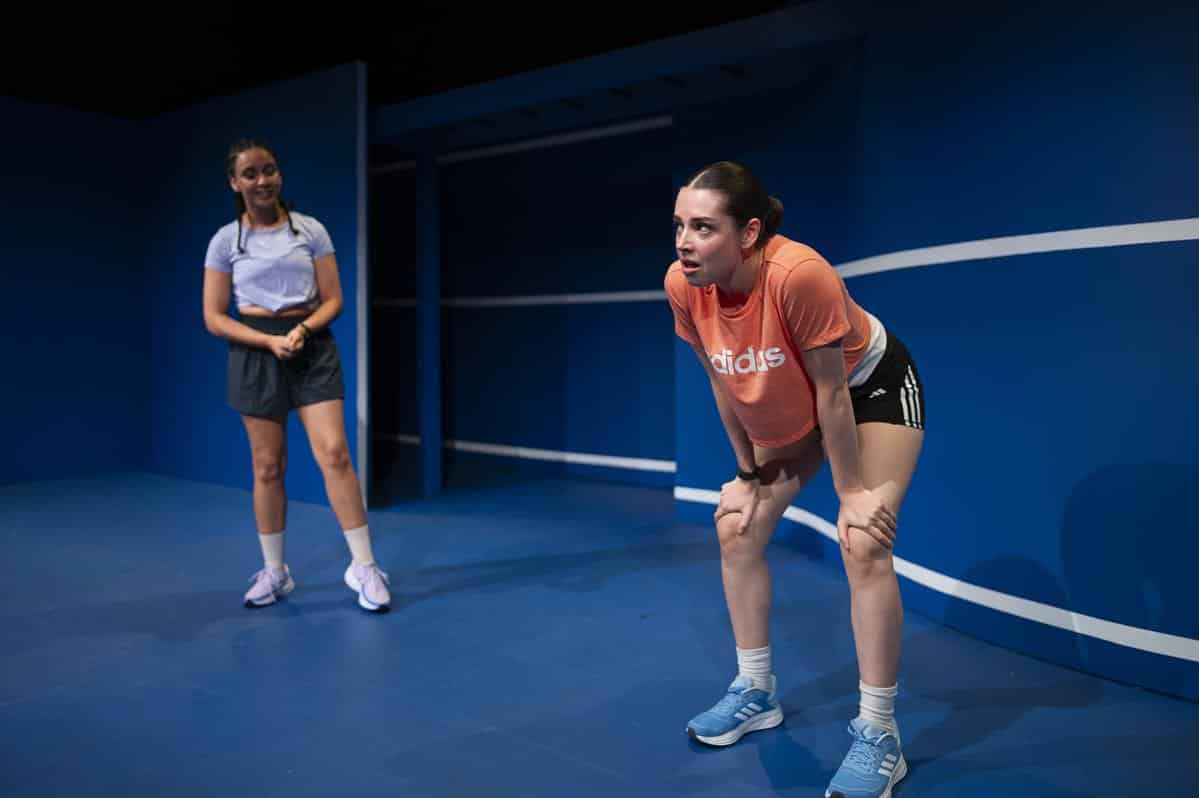
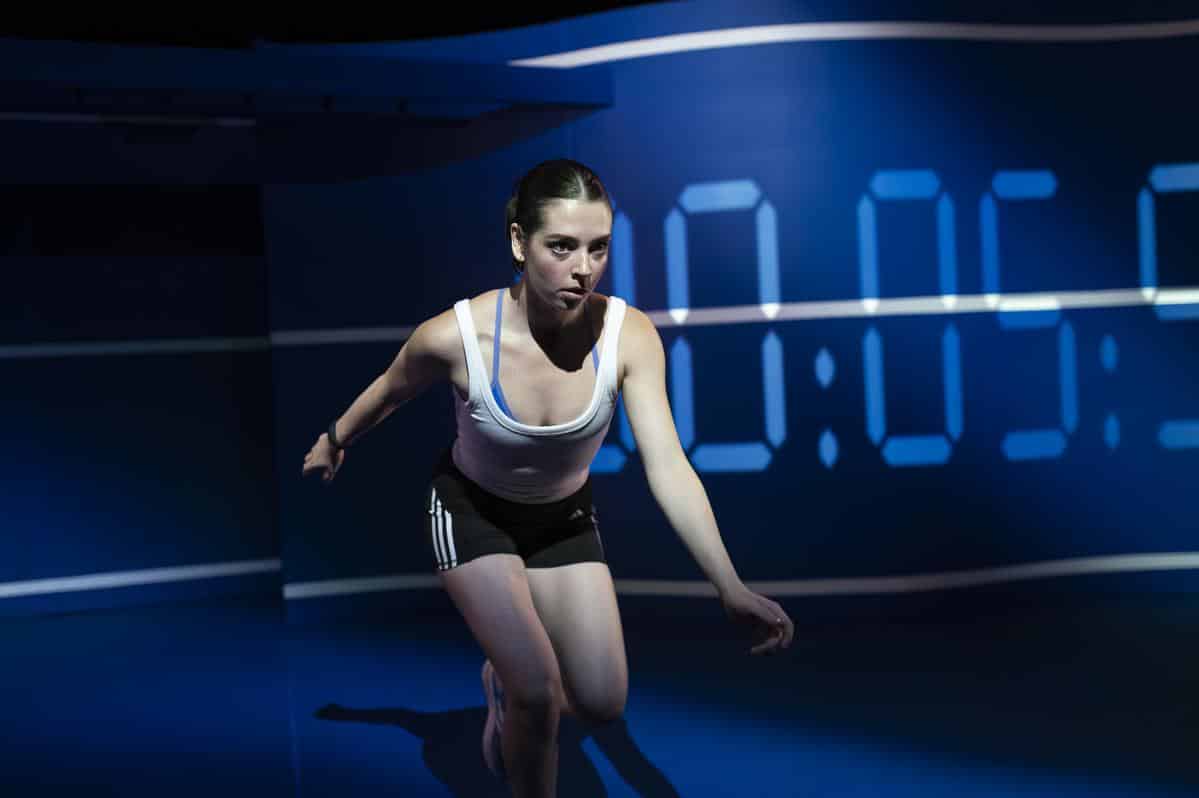
“It’s always messy on the line,” beautifully and succinctly captures the direction and essence of the production, “Fair Play”, directed and produced by Emma Whitehead and written by Ella Road. The play interlaces intimate moments on the track between two rivals-to-friends, Ann and Sophie, acted by Rachel Crossan and Elodie Westhoff. Dividing into smaller slice of life scenes, these moments are framed and given pace by a clever synergy of lighting (EJ Zielinski) and sound (Mitchell Brown and Osibi Akerejola) that drops you into the chest of the female runner, the pulsating rhythm throughout serving as a heartbeat, underscoring the fast-paced and electrifying feeling of the professional sports world. The set design is minimalistic, fitted out with monkey bars, and otherwise serves as a pure canvas for choreography (Cassidy McDermott Smith) that has a modern, sleek feeling, athletic and tying skilfully into the movements of the storyline.

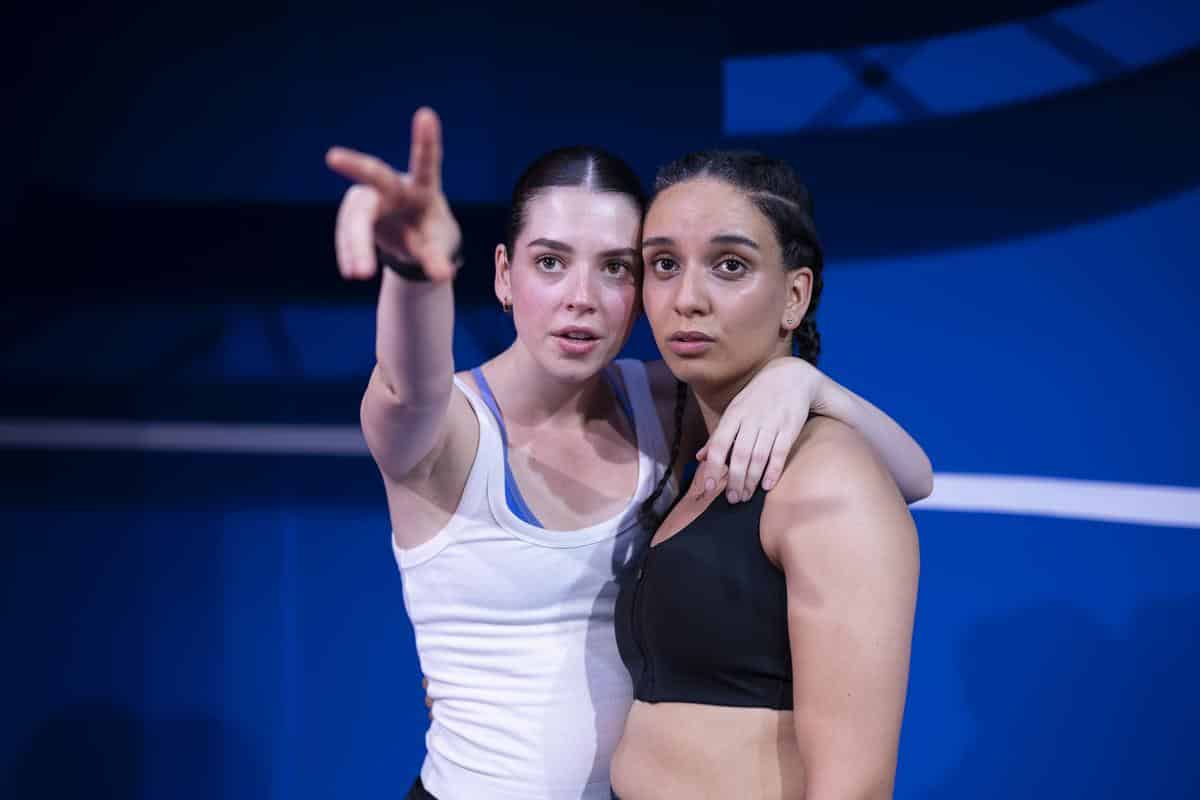
Ann and Sophie couldn’t be further from one another in many ways- race, privilege, culture, upbringing. And while the pair are able to bridge this gap, there are other elements at play, issues that Road, handles with nuance and mastery. The chemistry between our two leads is playful, layered, and expressive of a transitional phase of girlhood to womanhood, as they find their footings in a world that seems built almost expressly as a challenge to their foundations, a test to their spirit. For women in running, in sports in general, life is complicated in ways that men’s sports is not. We, as spectators, see a lineup of women, all equal before the whistle is blown. “Fair Play” peels back the veneer and reveals the complications in a way that that tries its very best to be square.


Building momentum from a lighter, breezier first half, the second half delves more deeply into the special circumstances and unique standards to which our women in professional sports are held. “Fair Play” gets to the heart of the matter. When conversations turn to who should be allowed to participate in sport and to what extent, it is much easier to be dismissive of experiences without having heard from them firsthand. Placing us in the conversation, things are immediately more complicated. It is refreshing to see things from only these two characters’ points of view as it fully envelopes and immerses us in their world. While sex and gender are spotlighted, and lines are drawn, a tangled argument is exposed, one that is deeply personal and highly politicised. What is the basis of sex and gender, how we define what is fair, and the sexism in women’s sports is illuminated in new ways without giving answers. The open ending is where the candour of our characters shine; who they are to become, and how the world of women in running will adapt is yet to be decided. They are changed by their experiences, weary in some ways, but with an enduring spirit. Fair Play is well played, intimately drawn, and expansive enough not to feel like you are being told what to think.

To book tickets to Fair Play, please visit https://www.oldfitztheatre.com.au/fair-play.

Photographer: Robert Miniter

Spread the word on your favourite platform!

Little Anastasia Cast Members Revealed For Hit Broadway Musical Anastasia’s Sydney Premiere

Feature-ANASTASIA

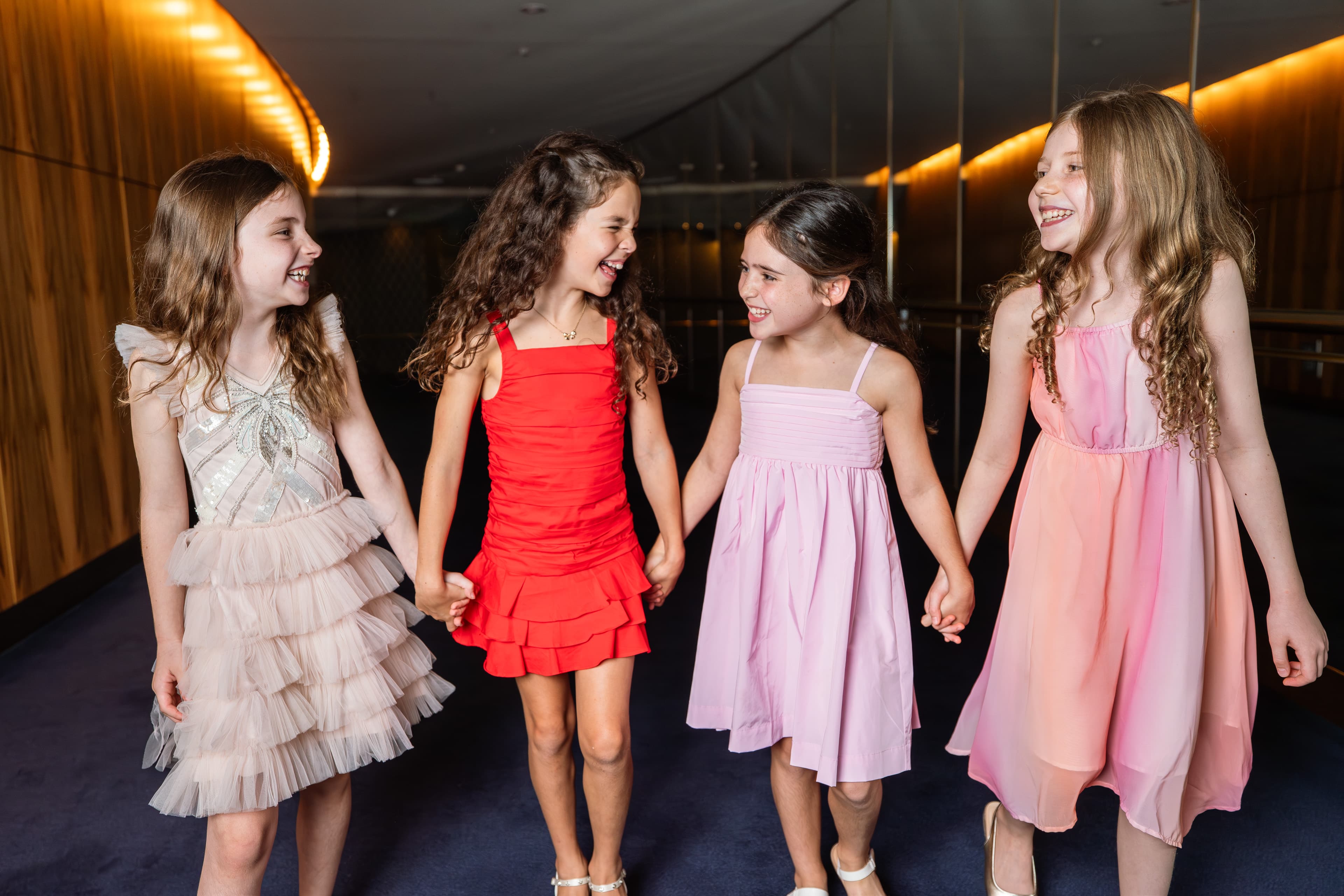
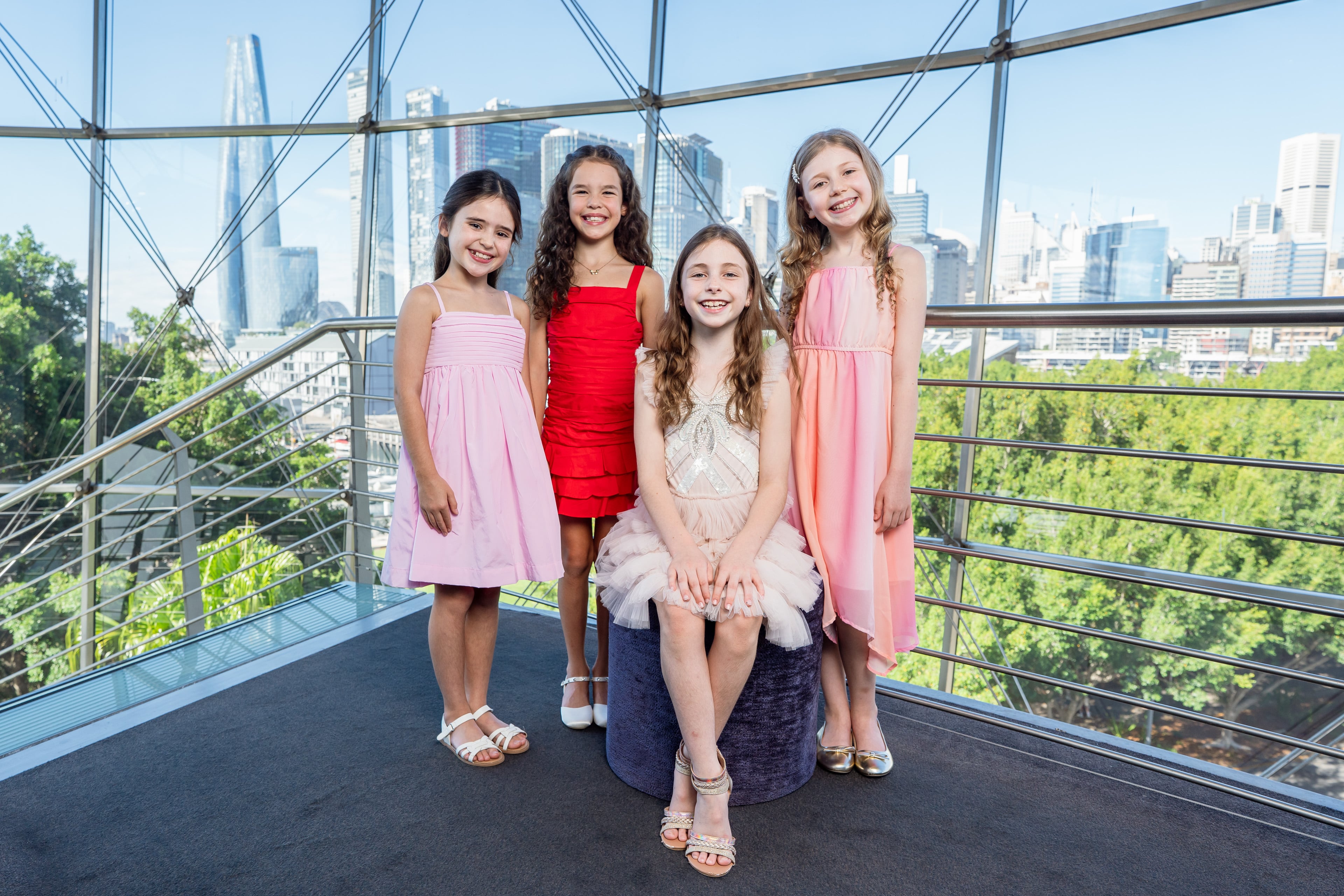
Producers of the hit Broadway musical ANASTASIA have today revealed the talented young Sydney performers who will be sharing the role of Little Anastasia in the highly anticipated musical opening in April at the spectacular Lyric Theatre Sydney. The local performers who scored the coveted role amongst many keen auditionees are Arianna Lorusso aged 9 and based in Beacon Hill; Maya Porragas aged 10 from Cremorne; Willa Valaris aged 10 from Allambie Heights and Willow Wilson aged 11 from Lisarow.

The crowd-favourite musical made its Australian debut in December at Melbourne’s Regent Theatre wowing audiences and critics alike, and is now playing in Perth. New tickets for the Sydney season go on sale today for the final performances from 8 – 19 July.

Time Out Melbourne called the musical a “charming theatre experience” that was “destined to deliver theatrical magic” while The Music said it was “a theatrical spectacle that dazzles on every front and will leave you spellbound” and Beat Magazine said that the musical’s “dazzling Australian premiere is rich with powerful performances.”

These hugely talented young performers will join cast members Georgina Hopson as Anya, Robert Tripolino as charming con artist Dmitry, Joshua Robson in the role of antagonist Gleb, Rodney Dobson as Vlad, the much-loved Rhonda Burchmore as Countess Lily and theatre icon Nancye Hayes AM in the role of the Dowager Empress.

The ensemble cast includes Sophia Bae, Elliot Baker, Nicholas Cunningham, Davis Giotopoulos Moore, Todd Goddard, Stephanie Kurlow, Keian Langdon, Bella Minniti, Nathan Stafford, Alexis Van Maanen, Patrick Volpe, Annie Wilson, Deone Zanotto and Andrea Zappacosta with the swings team featuring Manon Gunderson-Briggs, Iosefa Laga’aia, Nathan Pinnell and Emma Russell.

Inspired by the mysterious tale of Grand Duchess Anastasia Romanov’s rumoured escape in the dawning days of the Russian Revolution, and the 1997 Oscar nominated animated film of the same name, ANASTASIA has been brought to life on the stage by the Tony Award-winning creative team of Terrence McNally, Stephen Flaherty and Lynn Ahrens.

ANASTASIA is a lavish musical for all ages, transporting audiences from the twilight years of the Imperial rule to the euphoria and exuberance of Paris in the 1920s, as a brave young woman named Anya sets out to discover the mystery of her past. Pursued by an army officer determined to silence her, she enlists the aid of a dashing conman and a lovable ex-aristocrat. Together, they embark on an epic adventure to help her find home, love, and family.

Directed by Tony Award winning director Darko Tresnjak, ANASTASIA premiered on Broadway in March 2017. It received a Tony Award nomination for Best Costume Design in a Musical and won more than 15 major international awards including Best Musical awards in Germany, the Netherlands and Spain.

The book for ANASTASIA was written by the late five time Tony Award winning writer Terrence McNally, whose credits include Love! Valour! Compassion!, Master Class, Kiss of the Spider Woman and Ragtime.

Music and lyrics for ANASTASIA were written by the renowned writing team of Stephen Flaherty and Lynn Ahrens who have been referred to as “one of the greatest songwriting teams in Broadway history.” (Chicago Tribune).

“Fantastical, intelligent, well-crafted, and exhilarating, ANASTASIA deserves a coronation!” – The Wall Street Journal
“Captivating, beautifully staged and emotionally vital. ANASTASIA hits the sweet spot!” – The Hollywood Reporter
“One of the most gorgeous shows in years! Luscious, lavish, and a joy that leaves you cheering. This is a grandiloquent feast for the senses you won’t soon forget.” – The New York Observer

ANASTASIA – THE BROADWAY MUSICAL
Produced by John Frost for Crossroads Live and Opera Australia in special collaboration with Stage Entertainment Productions, Tom Kirdahy, Hunter Arnold and Dan Hinde

SYDNEY SEASON DETAILS
Venue: Sydney Lyric Theatre
Season: From 7 April
Performance Times: Tue-Thurs at 7pm, Fr-Sat 7:30pm, Wed 1pm, Sat 2pm, Sun 1pm, 3pm or 6pm (performance times vary each week)
Prices: From $69.90 (Transaction fees apply)
Bookings: anastasiathemusical.com.au or 136 100
Groups 8+ email groups@ticketmaster.com.au

Festival Theatre Adelaide from August
Lyric Theatre QPAC, Brisbane from September


Spread the word on your favourite platform!

The Importance of Being Earnest

The Importance of Being Earnest

The Importance of Being Earnest Rating

★★★★★

Click if you liked this article

1

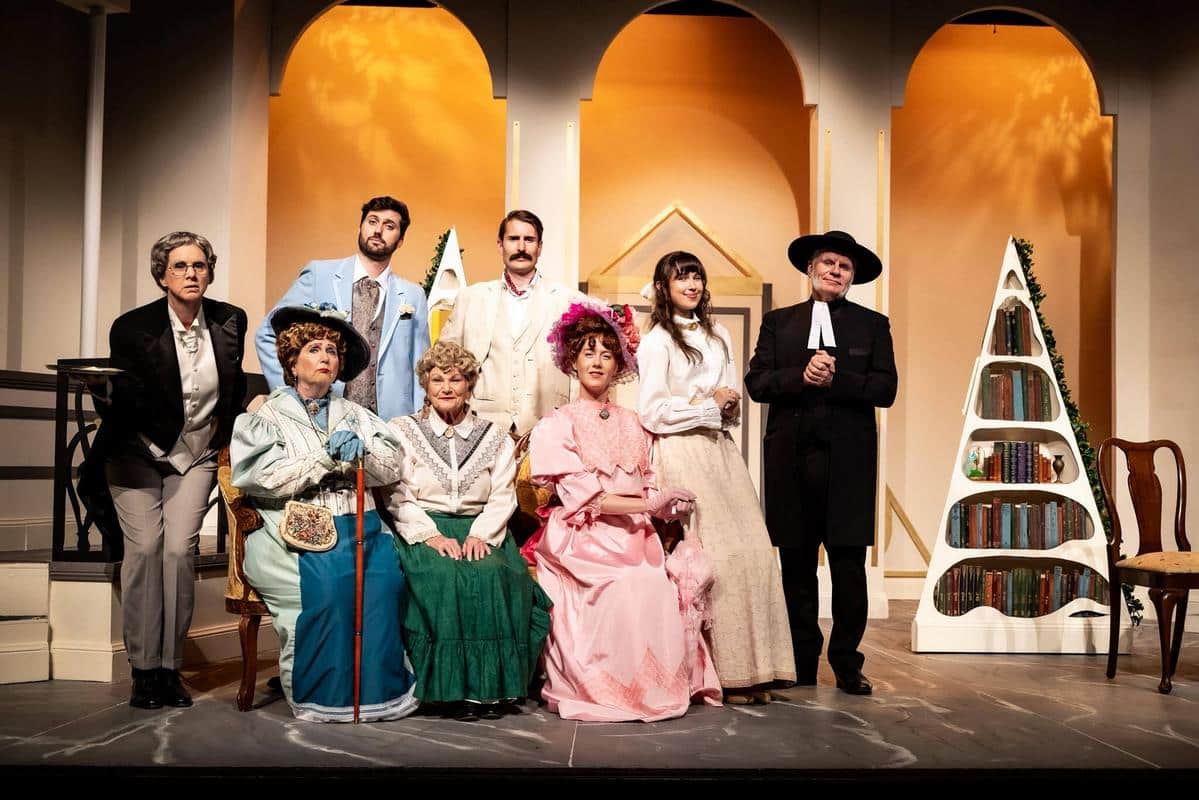
Brendan Jones’ direction for The Guild Theatre’s production of The Importance of Being Earnest takes a deliberately restrained, actor-focused approach to Oscar Wilde’s celebrated comedy of manners. A single adaptable set serves the entire evening, with shifts in furniture, props, and lighting indicating changes of location while maintaining the rhythm of the play. Period costumes establish the late Victorian setting without drawing undue attention to themselves, subtly marking the passage of time while keeping the focus squarely on the performances.

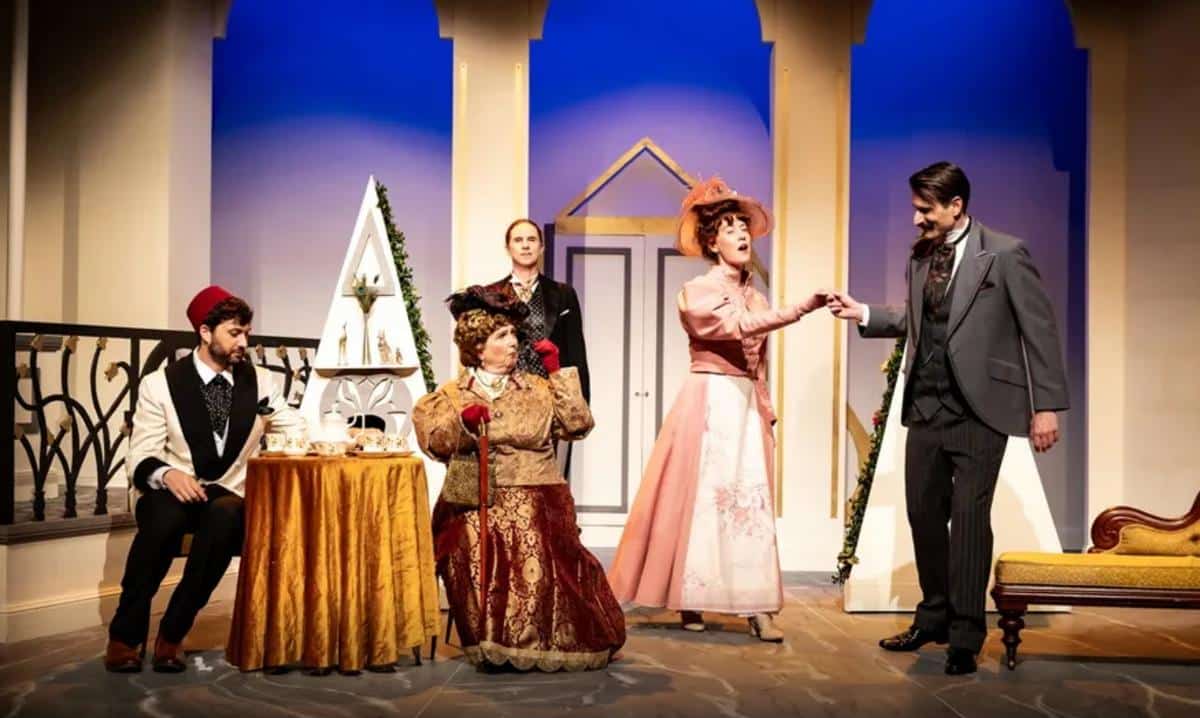
At the centre of the play is Christiane Brawley’s commanding performance as Lady Bracknell, which provides the production with its gravitational force. Brawley resists exaggeration, instead building the character through carefully controlled presence, voice, and movement. Her Lady Bracknell commands the room not through volume but through absolute certainty, delivering Wilde’s lines with the authority of social judgement. Particularly striking is her use of the character’s walking stick, wielded almost like a rapier, slicing through the surrounding absurdities and, in the final act, restoring order to the increasingly chaotic situation.

The comic partnership between Jack Worthing and Algernon Moncrieff proves equally strong. Simon Pearce’s Jack projects confidence and control, yet allows the cracks in that composure to appear as the plot tightens around him. The result is a performance in which Jack’s comic energy bursts sideways whenever the carefully maintained façade begins to slip, often expressed through sharply physical reactions. In contrast, Harry Rutner’s Algernon moves through the play with gleeful poise, seemingly delighted to dance along the knife-edge of Wilde’s social absurdities. Their contrasting energies play off each other beautifully, creating a lively tension that drives many of the play’s comic exchanges.


Julia Burns and Isla Harris bring similar clarity to their performances as Gwendolen Fairfax and Cecily Cardew. Both actresses initially lean into the romantic enthusiasm and social niceties expected of their characters, presenting Gwendolen’s polished confidence and Cecily’s imaginative warmth with equal charm. The famous tea scene, however, allows them to demonstrate impressive range as the tone shifts repeatedly within a single encounter. What begins as cordial conversation cools rapidly once the two women realise they are engaged to the same man. The atmosphere turns first cold, then openly combative, with politeness weaponised through smiles, teacups, and carefully chosen words. Burns and Harris navigate these transitions with precision, and the final moment—when the two women instantly unite against the men responsible for the confusion—provides one of the evening’s most satisfying releases of tension.

Leigh Scanlon’s dual performance as Lane and Merriman offers a neatly observed contrast. Lane appears as a figure of calm control, the perfectly composed manservant quietly maintaining order in Algernon’s household, while Merriman carries a dry affability that suggests a man well accustomed to accommodating the oddities of country house life. Scanlon keeps the two characters distinct, highlighting how the servants calmly adapt as the increasingly absurd events of the play unfold around them.

Lyn Lee and Kevin Tanner bring warmth to their roles as Miss Prism and Canon Chasuble, playing their mutual flirtation with straightforward sweetness. That sincerity makes the later revelation of Miss Prism’s role in the play’s central mystery all the more effective, as the gentle respectability of the characters contrasts sharply with the absurdity that ultimately resolves the plot.

Taken as a whole, The Guild Theatre’s production succeeds through the clarity of Brendan Jones’ direction and the strength of its ensemble. By keeping the staging deliberately restrained and allowing the performers to take centre stage, the production lets Wilde’s intricate social comedy unfold with confidence and precision. The result is an evening that captures both the elegance and the absurdity at the heart of the play, and one that reminds audiences why this mischievous comedy continues to reward performance more than a century after its first appearance on the stage.

To book tickets to The Importance of Being Earnest, please visit https://www.guildtheatre.com.au/featured-shows/the-importance-of-being-earnest/.

Photographer: Grant Leslie Photography

Spread the word on your favourite platform!

Subscribe to What's The Show

Reviews, show news and what is on, straight to your inbox.