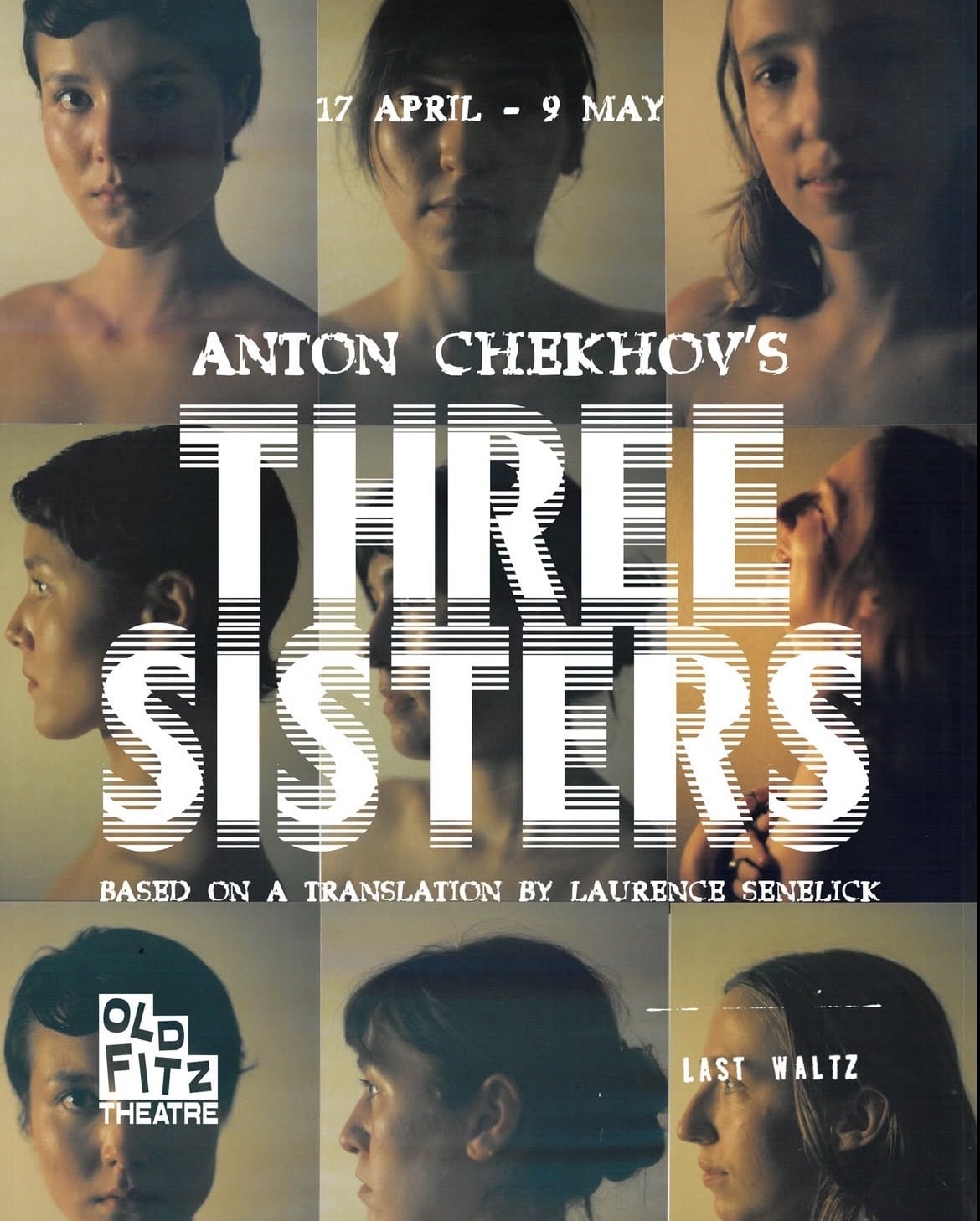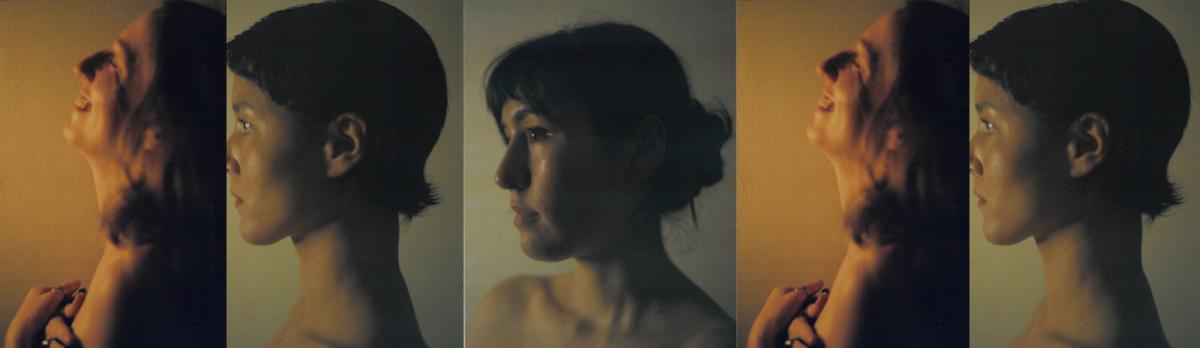
About The Production – Three Sisters

Feature-Three Sisters

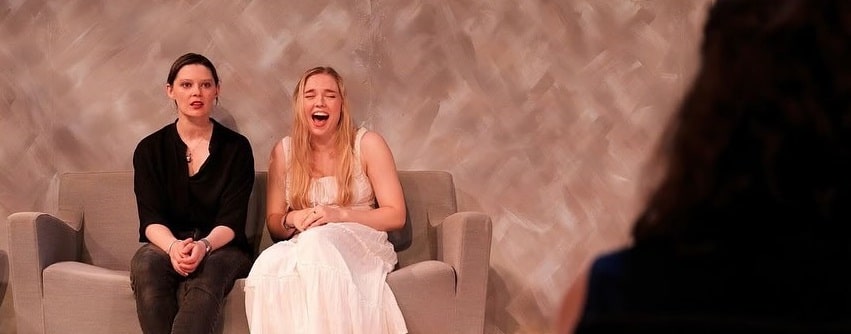
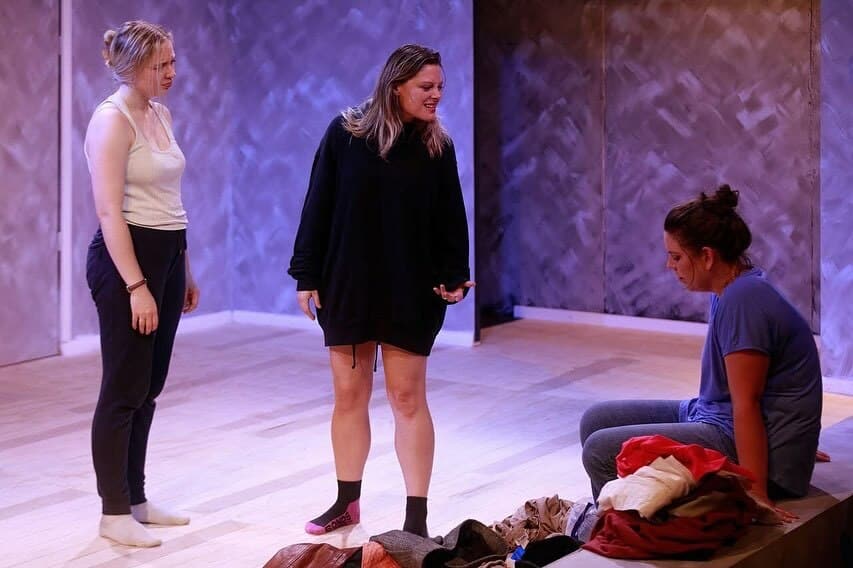
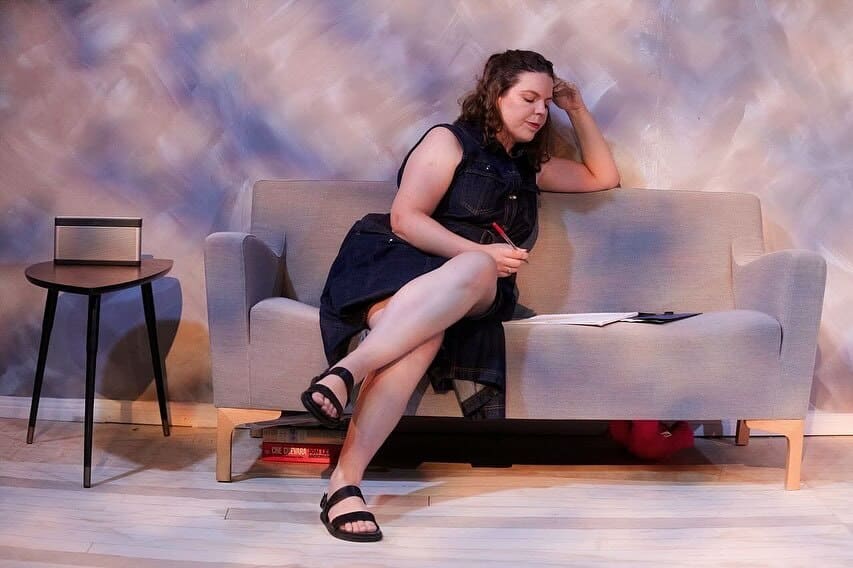
We recently sat down with the talented cast and crew behind the upcoming production of Three Sisters. This adaptation of Anton Chekhov’s masterpiece captures all the comedic, tragic, and bittersweet moments of life. Meet the ensemble who are pouring their hearts into making this timeless tale resonate as deeply today as it did over a century ago.

About Three Sisters

What is this Production about?

After the death of their parents, something essential is lost in the lives of the Prozorov sisters – direction, purpose, and hope. In a small provincial Russian town, their days pass quietly, filled with memory, longing, and unspoken desire; Irina longs to work and lead a life of independence. The fiery Masha is married to the sweet but unpassionate Kulygin, and privately burns for excitement. And Olga, the eldest, intelligent and loyal, has found herself living a life of subservience; she gives, and gives, and gives. All three look to Moscow as a symbol of the happiness they believe awaits them somewhere along the horizon – their lost paradise. 

In Three Sisters, life unfolds between what is and what might have been. In this fragile space, faith, hope, and love rise like quiet prayers. The balance between laughter and tears is delicate; people talk with the deepest regrets while pouring tea, and dream of better futures while tripping over their own feet. 

Written with humour, nostalgia, and deep compassion, Chekhov’s masterpiece tells a story of the passage of time and the persistence of hope. These characters are not distant figures from another time – they are us today, with all our joy, fear, desperation, desire, loneliness, and silence.

What’s challenging about bringing this script to life?

It’s quite the undertaking for our little company! We are working with the largest cast we’ve had thus far (11 people), using improvisation and Stanislavsky exercises to introduce freedom of movement and spontaneity while also being conscious of the size of the Old Fitz. Our director has carefully cast each of the characters, so we are in that stage of the rehearsal process where we are bringing detail and specificity to our performances whilst also remaining open to one another and trusting such a large ensemble to deliver a stellar piece of work. After all, this is a play that has no leading characters – we are each just a small piece in the grand picture of this play.

Toby

What sort of person is going to love this show?

Those who love Chekhov, and hopefully those who don’t! Every writer has a style and ethos. We hope to create a whole new following of his plays and stage it in a way we believe hasn’t quite been done yet. His unique humour and persistence in the face of adversity is a story that rings true even now – especially now. It’s easy to fall into the trap of making his plays dramatic and serious, but when has life been only that? Our aim is to show it all – from the tragic, to the comedic, to the in-between sweetness where our lives often sit. As one of our characters says: ‘Je suis content. Je suis content.”

What will the audience be thinking about in the car as they drive home after this show?

Hopefully, they’ll be thinking of themselves and who they’re going home to. ‘Three Sisters’ is as relatable now as it was then, 125 years ago. We want the people in the audience to see in each of our characters someone they’ve loved, someone they’ve lost – someone familiar, someone that’s just like them. How much has our need for family and kinship really changed since this play was first staged in 1901?

Another important facet of this family is that they are dreamers. “We will go to Moscow”, “Brother will become a professor”, “I shall work”, “I will be happy”. But, as the story progresses, how many of these beliefs manifest? This is as much of a cautionary tale as it is a family drama. At the risk of sounding cliché, people should leave the theatre thinking “This is my dream. And I MUST achieve it”. Don’t wait like they did. Don’t let life happen to you. What do you want out of your story? At the very least, it should revitalise you, make you want to be a good person.

No pressure.

Call someone out by name: who must come see this production?

Joel Edgerton!!!

As a collective of young, aspiring actors and creatives, his story keeps inspiring us to put out work we want to see on the big and small stages across Sydney and beyond (and the big screen too, one day). The greatest gift we have as a small company is working with each other, surrounding ourselves with like-minded and brave artists. People who have something to say. Likewise, his and his friends’ drive to produce work they believe in and to share stories that perhaps aren’t told very often echoes in our philosophy as well.

And his work! Most notably, his recent feature ‘Train Dreams’ is one we were all moved by. It’s something that immediately draws you in, creating an atmosphere that earns its sprawling moments of silence and tension. It’s about a simple man in a simpler time, with simple ambitions of starting a family and working.

Sound familiar?

Where can patrons purchase tickets to this production?

To book tickets to Three Sisters, please visit https://www.lastwaltzproductions.com/three-sisters.

Thank you so much for sharing your insights today. Break a leg; we are looking forward to Three Sisters filling the Old Fitz with laughter, tears, and plenty to reflect on in the quiet moments of life.

Other production interviews can be viewed in our About The Production Series.

Spread the word on your favourite platform!

Between Past and Present: A Slow-Burn to Nowhere

Three Sisters

Three Sisters Rating

Click if you liked this article

If procrastination were an art form, the Prozorov sisters would be its masters. Their existential crisis is a painful blend of paralysing indecision and brutal self-reproach—an expression of how exasperating people become when deprived of a meaningful purpose. How many of us hover in limbo, caught between desire and action, never quite taking the leap?

Olga, Masha, and Irina, three sisters trapped in a small town, yearn for the excitement and fulfilment they believe awaits them in Moscow. As they navigate their personal crises, unfulfilled desires, and complex relationships, their dreams remain elusive. Chekhov’s audiences either revel in his brilliance, grow frustrated by the lack of resolution, or sit bewildered- precisely his point.

Any rewrite of Three Sisters is a formidable feat, one that few would dare take on, as its success hinges entirely on execution. Modernising a classic is a delicate balance between reinvention and irrelevance—remove too much of its original context, and you risk transforming a masterpiece into a hollow echo of its former self.

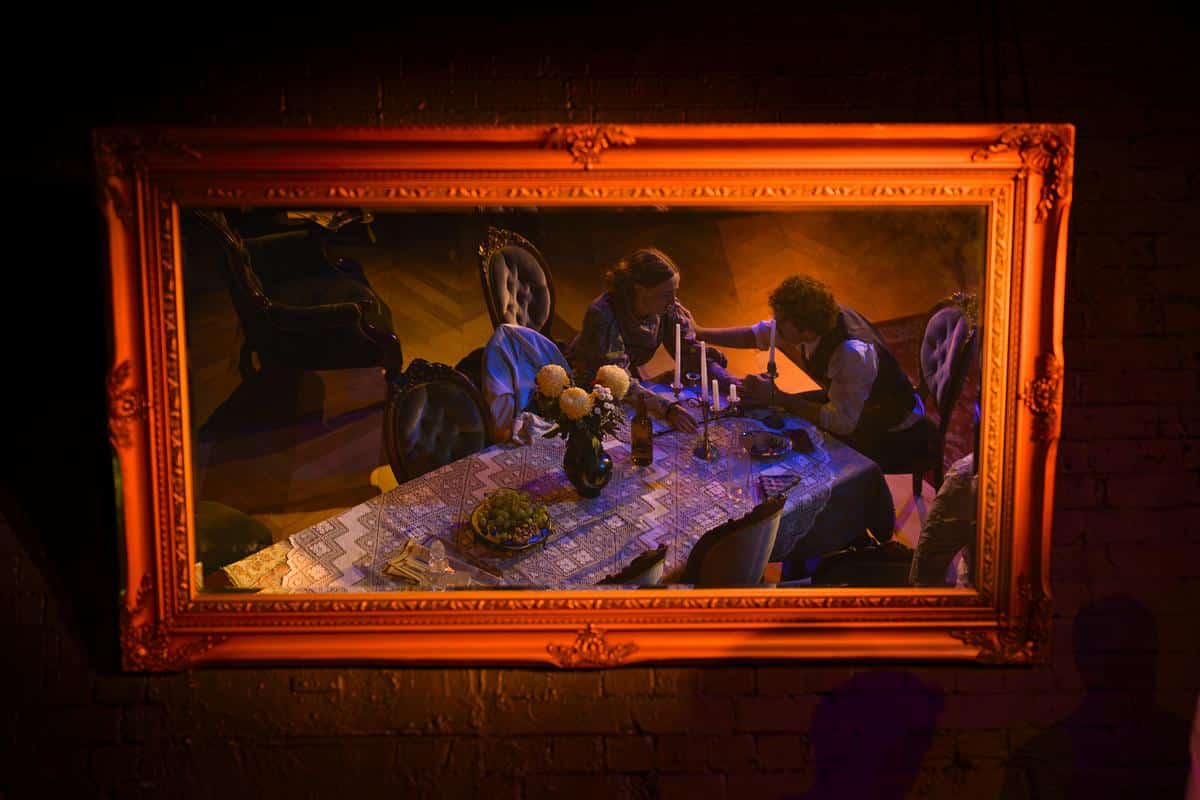
Writer/Director Victor Kalka’s takes on both challenges with Three Sisters at the Flight Path Theatre. He offers an almost claustrophobic platform, where every moment of inaction feels magnified and impossible to escape. The setting is intentionally unclear, blending past and present elements with a mishmash of creative confusion. No choice is fully realised, leaving the audience adrift, unsure where to anchor an emotional or intellectual connection. Chekhov loyalists may find it frustrating, but not in a Chekhovian way.

Three Sisters is deeply rooted in themes of societal constraints, particularly on women, but without the cultural context of Chekhov’s time, their longing for Moscow feels more like reluctance than tragedy. The Russian references remain, yet it feels distinctly un-Russian, as the cast all speak with Aussie accents and engage in very Aussie behaviours. More like a warped, self-flagellating version of Don’s Party, where personal crises and relationship breakdowns unfold amidst a backdrop of awkwardness and denial.


So, while Kalka offers a fresh perspective and some compelling tension, the conundrum ultimately falls short in achieving continuity and a cohesive identity, blurring its sense of direction. A few striking examples of dissonance is the use of Boney M’s ‘Moscow’. The upbeat, disco rhythm playing before the show and during the bows clashes with the quiet desperation of the characters. Plot points are also muddied, such as Olga having the freedom to be financially independent and be a school principal, yet the doctor kills someone by prescribing the wrong medication and faces no legal consequences, highlighting the inconsistency in tone and conflict. As a result, the themes of longing and discontent fail to establish any hard stakes or resonate effectively, diluting the emotional core of the story.

Still, the cast manages to engage with the material with conviction, conveying the emotional exhaustion and deep dissatisfaction of the characters. While not every performance stands out equally, several actors capture the depth and nuance of their roles with skill.

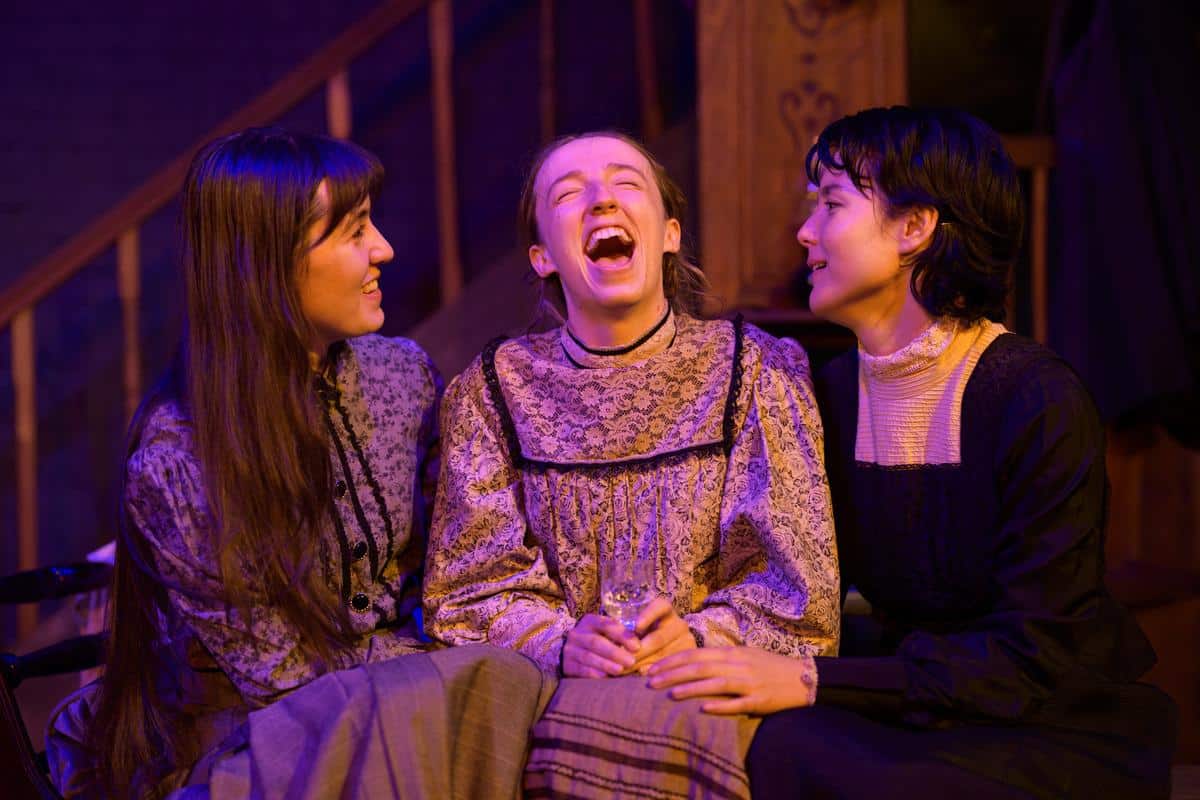
Meg Bennetts, Nicola Denton, and Sarah Greenwood bring a steady, understated energy to the sisters, slowly building the quiet tensions and unspoken desires that define them. Greenwood’s scenes with an intense Alex Bryant-Smith are particularly compelling, producing the most emotional resonance, their chemistry grounding the performance.

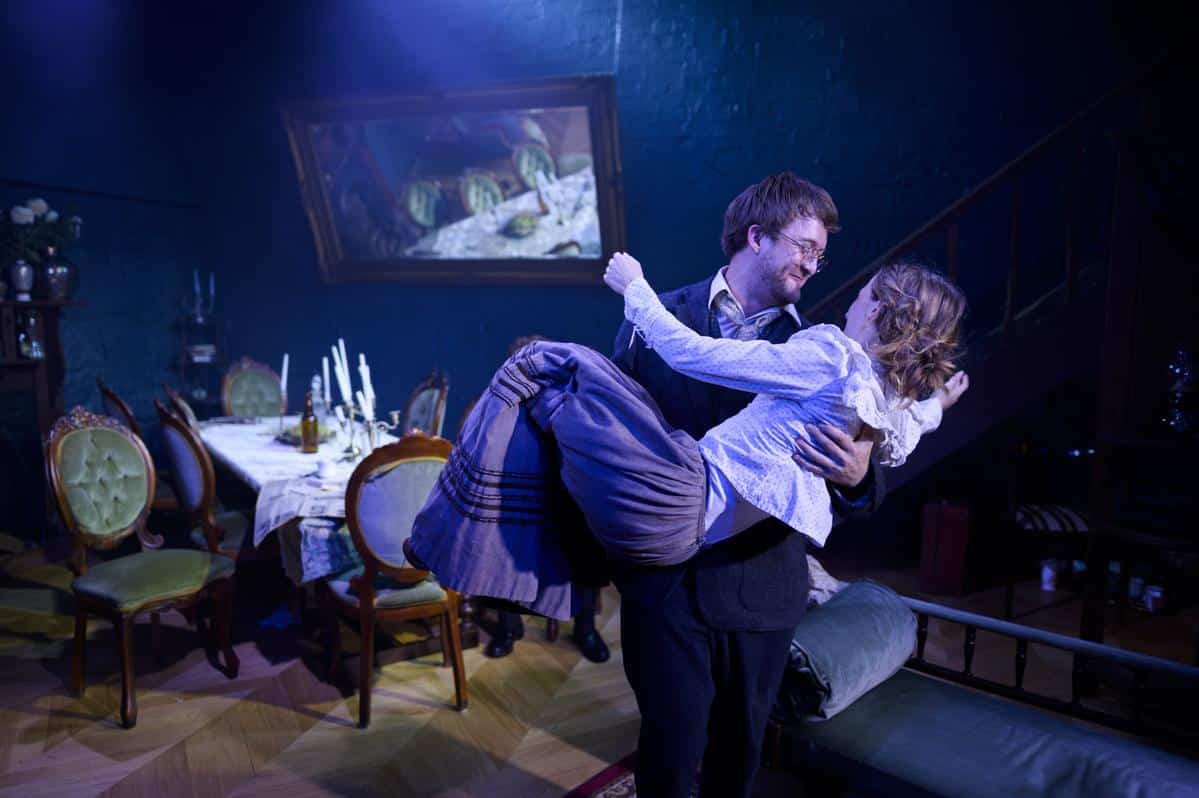
Matthew Abotomey as the sisters’ hapless brother Andrei, makes the character likeable, despite some brutally honest lines, finding a way to be relatable. Joseph Tanti, as Irina’s suitor, brings warmth and subtle charm to what could otherwise be a passive role, creating a welcome contrast to the otherwise fraught atmosphere.

Set in a time far removed from 1901 Russia, where women can self-actualise beyond marriage or spinsterhood, we’re ultimately left wondering why the sisters persist in self-loathing and entrapment instead of embracing self-examination. The absence of clear obstacles creates a disconnect, ironically mirroring the sisters’ doubt and lack of coherence. In Chekhov’s original, they’re trapped by both societal expectations and their own emotional paralysis – a defining characteristic of their struggle that feels unfounded here, where social pressures are now largely absent.

The key to a modern adaptation is balancing fidelity to the original with a fresh lens that reveals its enduring relevance. Yet, this production’s purpose gets lost in translation. Perhaps that was Kalka’s intent, but if so, it doesn’t quite reach Moscow.

See https://www.flightpaththeatre.org/whats-on/three-sisters for further details

Spread the word on your favourite platform!