
(Note: Metropolis Monologues is presented in two groups, and each night the monologues are followed by the play Who I’m Doing This For by Peter Farrar. This is a review of the second group of monologues – I have reviewed the first group and Who I’m Doing This For separately.)
As I mentioned in my first Metropolis Monologues review, the format of five monologues from five writers performed by five actors is enticing to anyone who wants to see fresh indie theatre in Melbourne. Although I enjoyed the first showcase, this second half of the series is where the format really blossomed for me. While both batches had the same director (Karyn Lee Greig), this set of monologues felt more thematically cohesive, since they all revolved around ideas of home and family: where it is, what it means, and how to find it.
In The Good Deed (written by Jeannie Haughton), Monique Kerr plays a beleaguered mother driving the kids home from school, until she sees an old man beside the road who might be in trouble. Kerr’s physicality really shines when she imitates the old man and her children, and this is coupled with writing that perfectly suits those voices. The piece also sets a good tone because the use of lighting and sound effects to establish a suspenseful tone is already more dynamic than in the previous set of monologues. The main character was likeable and full of fun quips, and this led to an ending that felt both heartfelt and earned.
Renovation Ruin’s main set-piece is a battered, graffiti-laden toilet. In Bruce Shearer’s bizarre monologue, Donna de Palma’s character opens the door to a stranger who just wants to use the bathroom, and uses the visitor to pour her heart out about a relationship gone wrong, and the renovation project she’s undertaking to try and exorcise herself. The writing style is evocative and erudite, and de Palma’s organic acting creates a great sense of unease around this character; how much of her behaviour is melodrama, and how much is her actually losing her mind? The ridiculous toilet quickly becomes a clever metaphor for her broken relationship, and the way that the last line ties that symbolism together is absolutely fantastic.

Leisa Whyte’s Deep Breath introduces us to a young man (played by Anthony Pontonio) struggling to find himself. He has taken a break from university to stay in a beach town, and after getting a job as a barista, he starts to wonder if he could stay there for good. Also, he hears voices in his head, which may be anxiety, a superpower, or something in between. Pontonio gives a gorgeous performance here; there are so many subtle physical moments that could just as easily make you laugh as give you heartache. There is a constant sense of something about to snap under his calm veneer, cultivating a character who comes across warm and sympathetic, but also a bit scary. This piece captured what it’s like to feel at home while also longing for one, and more than any other monologue, I wanted to see more of this character after it ended.
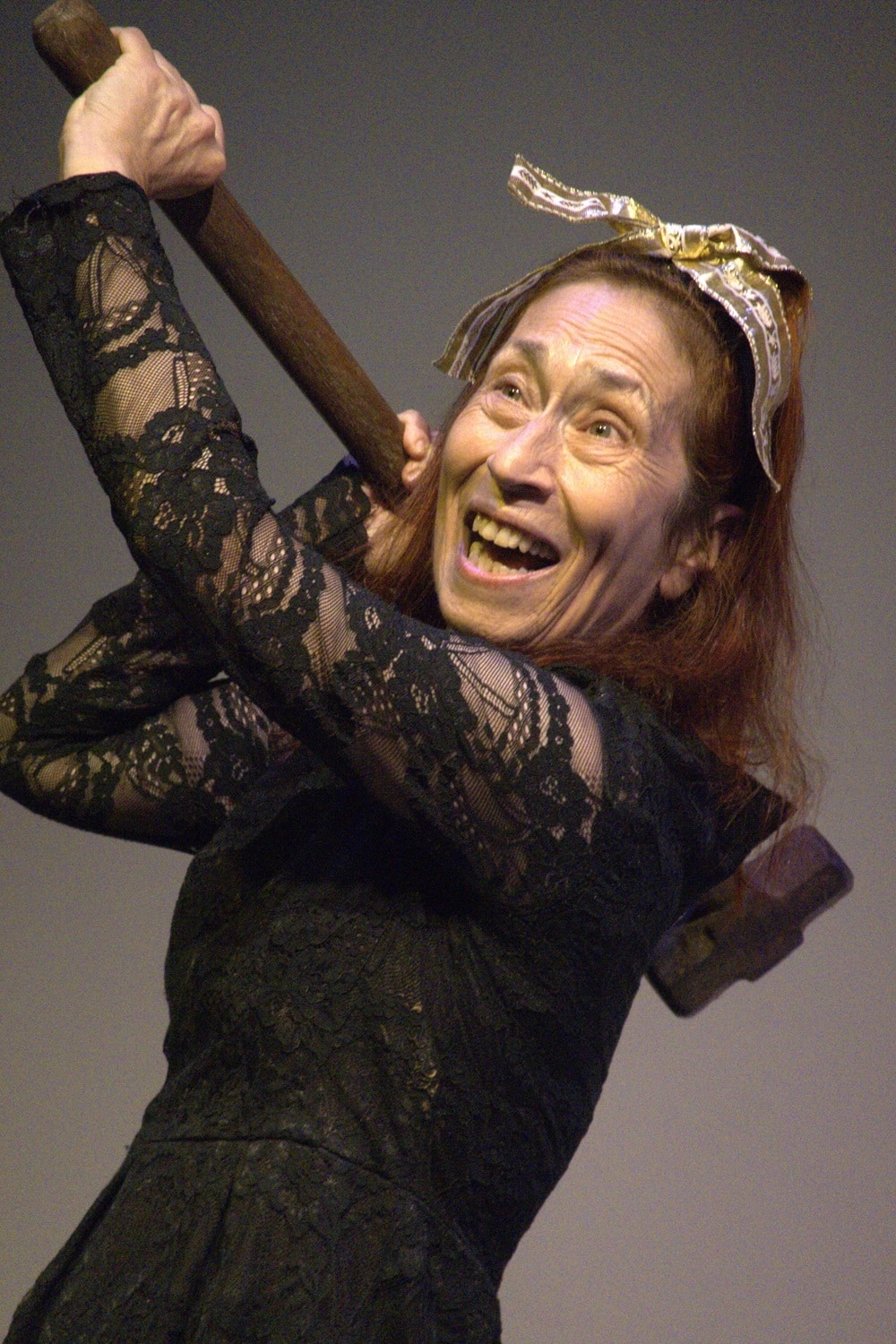
In Wakeup Call, when an old woman sees a neighbour’s home being cleared out by her sons, she becomes worried about her own complicity in this woman’s fate, and her own future. Maree Collie’s writing brings some much-needed humanity to a character who could otherwise be a stereotypical ‘crotchety old lady’. Both writer and actor (Clare Larman) handle the fear of growing old and being abandoned with a deft mix of comedy and solemnity (“What will they toss out first: my life or me?”). The easy-going nature of the character made moments where she snapped feel more palpable, but the multiple instances of her observing exactly what was being thrown out of the house did feel somewhat repetitive. Some of the trains of thought that she expressed also felt like they weren’t fully followed through; it was an enjoyable piece and performance – I just felt that it could have made its themes even stronger.
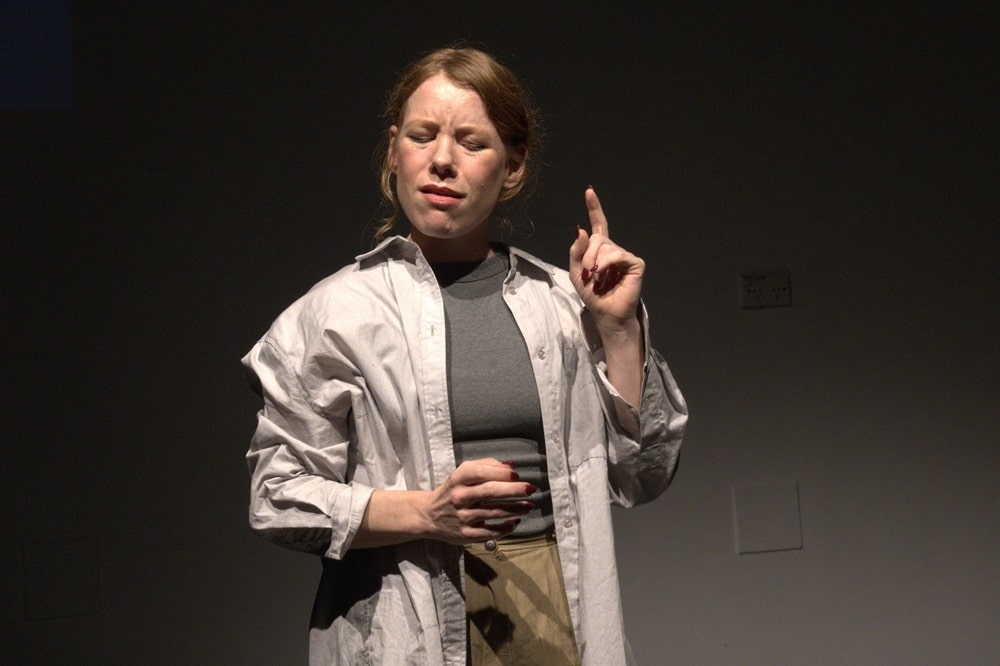
The final piece, Dream Home (written by Louise Hopewell) centres around a woman (played by Charmaine Gorman) who has recently discovered that a woman tragically died years ago in her house. She is haunted less by a ghost and more by the knowledge she now has, and the sense that she is being watched by the dead woman. The writing takes its time, building a sense of intrigue about all characters mentioned and conveying the hesitancy the main character feels about speaking to the dead. Gorman’s performance is fraught with sympathy and confusion; she makes you feel the looming presence of somebody else in the way she speaks, and you feel for the lack of support she’s experiencing. With a silent sequence of lighting a candle, the showcase ends on a quiet, pondering note.
In one way or another, all five monologues see their characters questioning their relationships to their home, family and how they fit into their own lives. While I think both showcases were consistent with each other in terms of the writing and acting, the thematic cohesion in this second set took it from good to great. MWT has created a fantastic format for theatre writers and actors of all levels, and I look forward to seeing it return next year.
To book tickets to Metropolis Monologues Showcase Two, please visit https://melbournewriterstheatre.org.au/.
Photographer: Mina Shafer