If These Walls Could Speak

Dixon And Daughters

Dixon And Daughters Rating

★★★★★

Click if you liked this article

I will never cease to be amazed at what can be done with the right amount of creative genius, even in a small space, and I was particularly blown away as we entered the theatre at Old Fitz. Mia MacCormick’s Dixon & Daughter’s set was immediately impressive with a two-storey set up with two upstairs bedrooms, one open to us with the double bed clearly belonging to someone who has lived there for many years and the familiar bedspread that told the same story. There’s a kitchen in the background, an old style living room (again, with the iconic upholstery of the era on the sofa). We see all the childhood remnants such as rocking horse in storage underneath. It’s a typical house that has seen generations. A house we might all remember but the shell of it is peeled away in parts, symbolic of the here and now and fuzzy, messy, reminiscing that we are about to be pulled into.

Topaz Marlay-Cole’s lighting and Nicky Pardesi’s sound design engage throughout. Darkness pools around the moments that need it most, and characters are isolated by a single source when they are at their most exposed and vulnerable. The transitional soundscapes hold us in the uncomfortable space between scenes, refusing to let us settle, while the pauses punctuated by light shifts carry their own quiet weight. Clever and intentional.

Mary, played by Vanessa Downing, has just returned home. Her granddaughter Ella and daughter Julie are ready to surprise her, while youngest daughter, Bernie quietly prepares them for the reality that Mary is “in a mood.” In these early scenes, Deborah Bruce’s script establishes the architecture of the family with deceptive lightness: Julie as the scapegoat fleeing a bad relationship and fighting an alcohol dependency; Ella as the playful peacemaker trying to offset the formidable dark cloud her grandmother carries into the room. Mary is no-nonsense, wanting nothing more than to get home and back to life. We soon discover she has served six months in prison for something connected to her deceased husband, and from that moment, the unravelling begins.


Downing’s Mary is formidable. There is no softening of the character’s abrasiveness, no easy bid for sympathy, just a woman carrying decades of damage and struggling to articulate the remorse beneath the bluntness.

Linda Nicholls-Gidley as Bernie embodies the daughter who must hold it together at all costs, and we see that fight written into every moment. Sarah Jane Starr arrives as the estranged stepdaughter Tina/Briana, larger than life and glamorous, having stepped into her power and intent on helping Julie do the same. Starr plays the light and shade with real skill, making Briana’s complicated journey entirely her own. Romney Hamilton’s Julie is the loveable screw-up, all flightiness and docility in the early scenes, and then, when the drama reaches its peak, Hamilton delivers a performance that takes your breath away. You genuinely do not see it coming.

Danette Potgieter’s Ella makes her own quiet pivot, moving from the warmth and playfulness of the opening to something altogether more grounded and affecting when the moment demands it. Leigh is a character that Mary introduces into the mix, at first I wondered about this writing choice, I wasn’t sure we needed this character from the school of hard knocks who was providing a lot of comic relief (played joyfully by Rylea Ellis), but I realised that Mary had to bring this outsider in to disrupt the roles and stories running and Rylea plays this very well.

Director Kim Hardwick’s work is full of specificity. Every exchange feels immediate, every relationship fully inhabited. But what struck me most was the blocking. Each character had their physical place within the history of this intergenerational story, allocated to a particular space unless the action required something different. They were connected but always isolated, until they weren’t. It was a brilliant choreography of power and position, making visible what the dialogue could only gesture at.

An all-femme cast is its own kind of power, and this one is clearly working together and holding one another with real care. The dark themes are handled with tenderness and unflinching honesty in equal measure.

Dixon and Daughters is not an easy watch, but it is an important one. It will speak to anyone who has lived as a woman, and to anyone who has loved, nurtured or been shaped by one. This is a story that needs to be told, and the Tiny Dog Productions team has told it with exactly the courage and care it deserves.

To book tickets to Dixon And Daughters, please visit https://purchase.oldfitztheatre.com.au/EventAvailability?EventId=1201.

Photographer: Campbell Parsons

Spread the word on your favourite platform!

The “Energizer Bunny” Definitely Has New Competition!

Odie

Odie Rating

★★★★★

Click if you liked this article

Oide
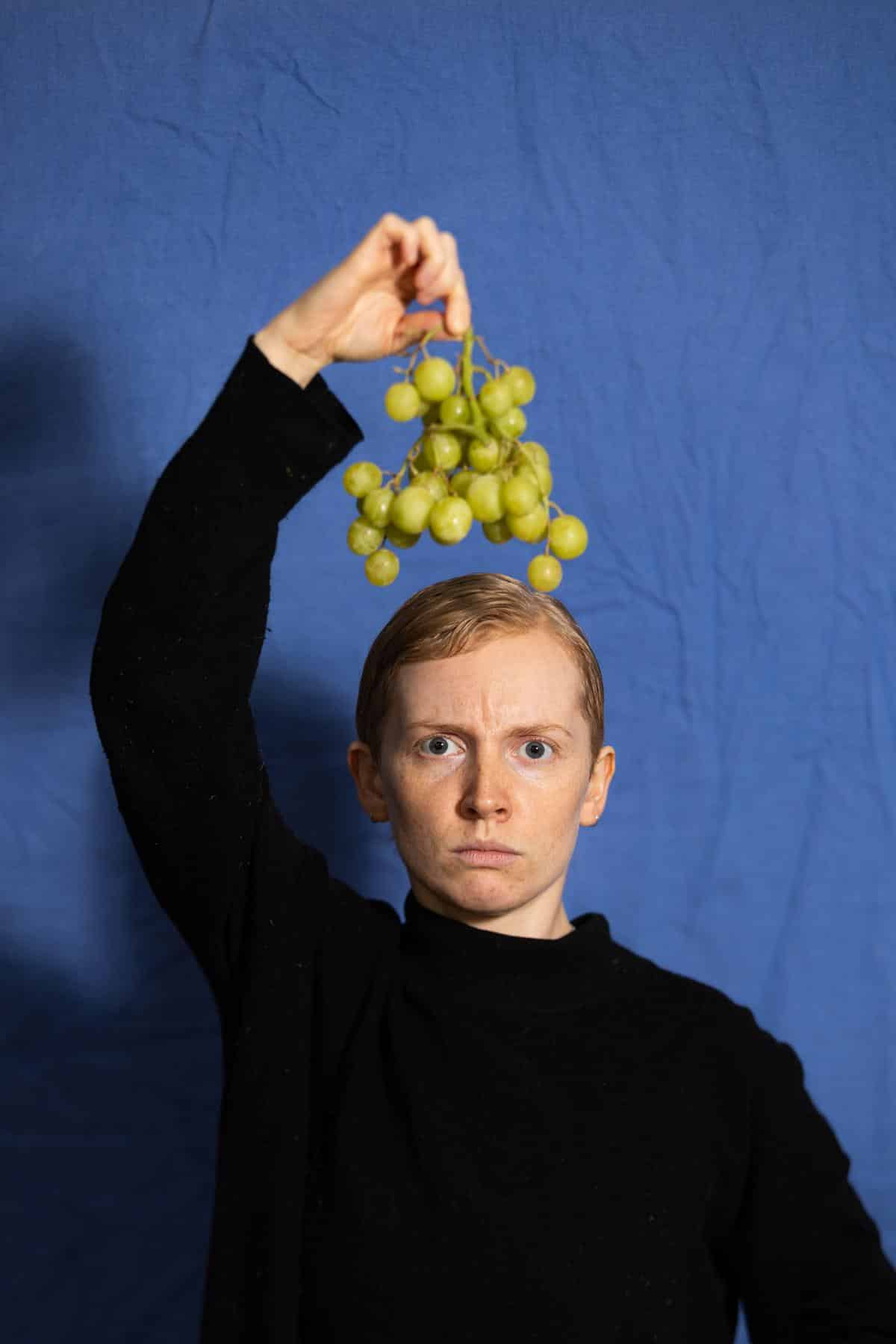
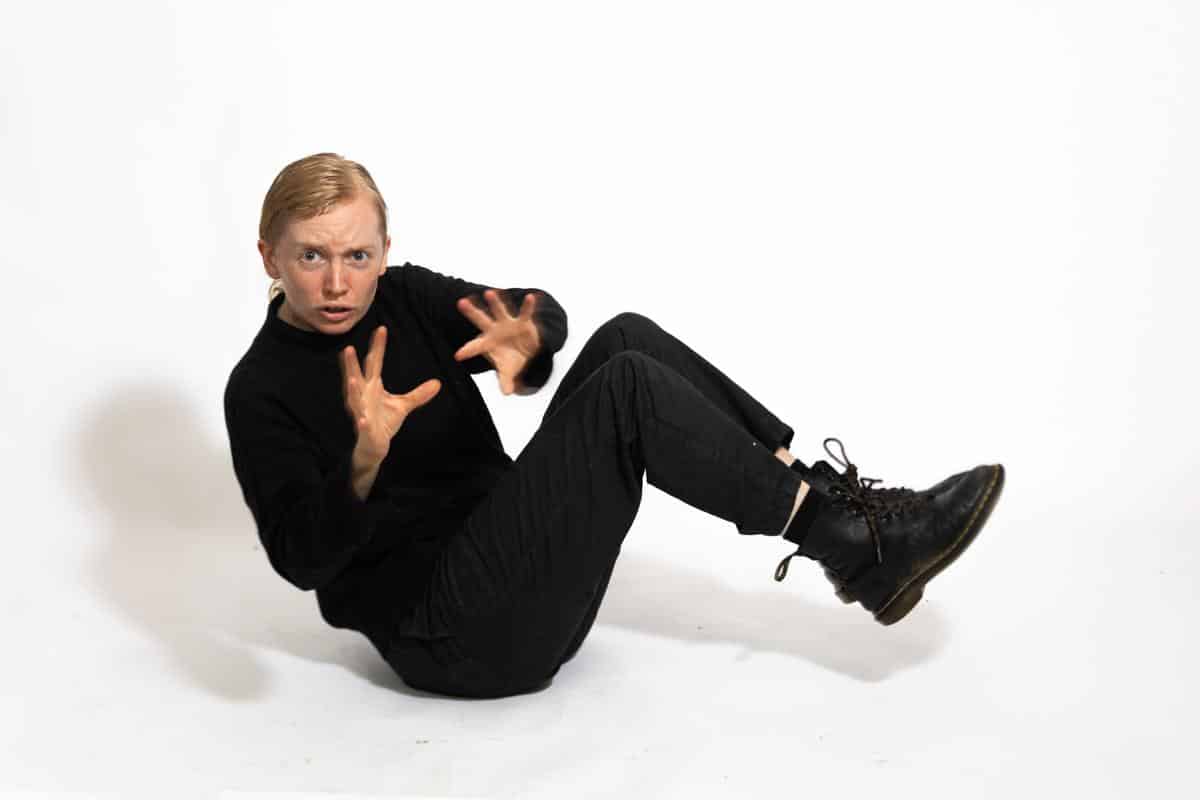
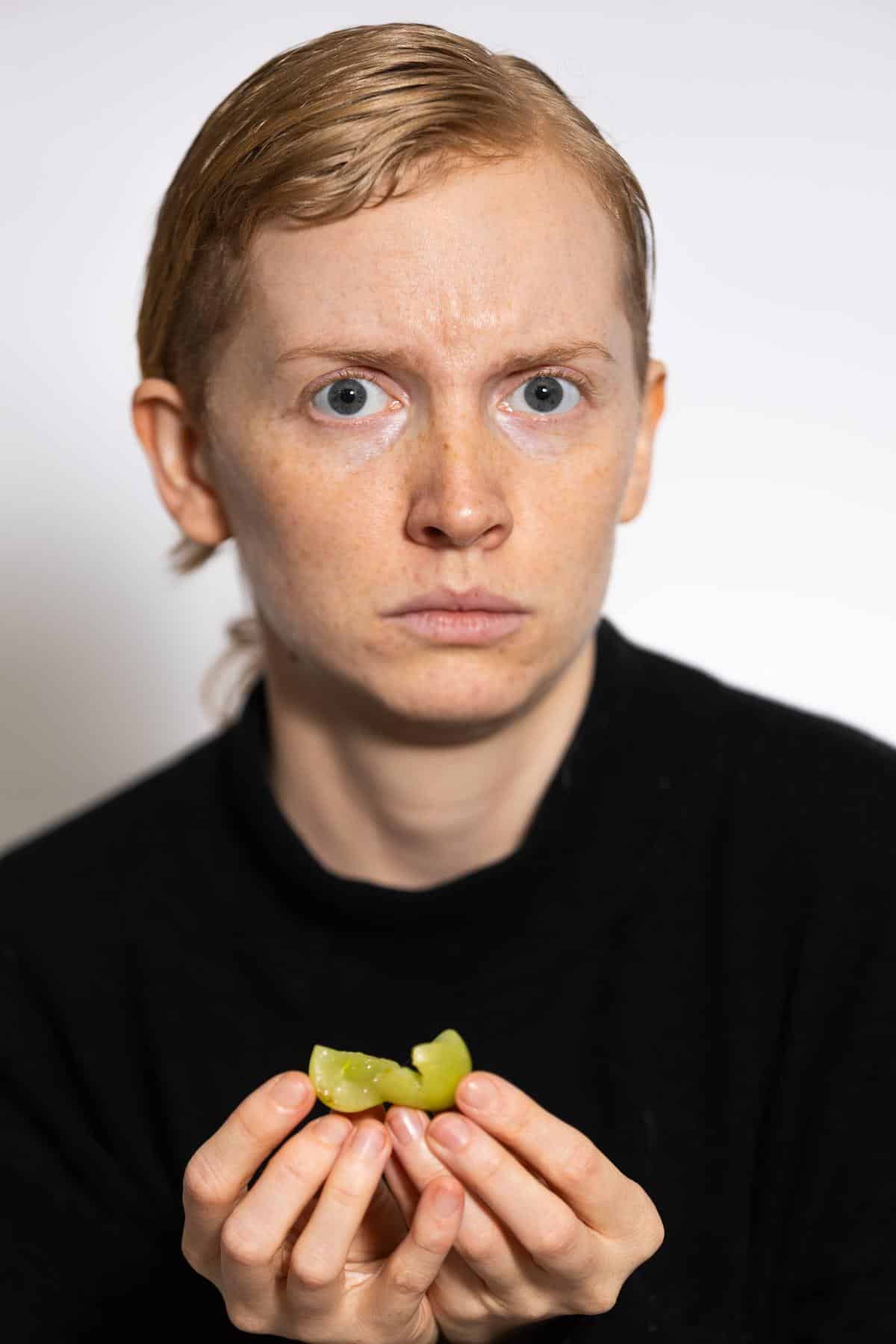
Written and Performed by Emrys Quin
Directed by Emily Farrell

“ODIE: A one-man black comedy epic for the discerning modern hooligan.

In this ‘high language, low brow’ surrealist adaptation of the Odyssey, Odie is a Queensland State of Origin hooligan stranded in Sydney at 1AM after all the trains have stopped.

Surrounded by a hostile cityscape, Odie must resist the siren calls of the pokies, charm 10ft tall sports-commentating sea monsters, and make his way back to his missus, Penny, at the Ithaca Suites.

ODIE is a vigorous, incisive, and hilarious examination of modern Australian identity, masculinity, vice, and mateship; a cultural lampooning for the discerning modern hooligan.”

I think trying to compare this to Homer is a massive stretch. Perhaps this is to do the “journey” that the main character goes on in this spoken word, monologue, one person play.


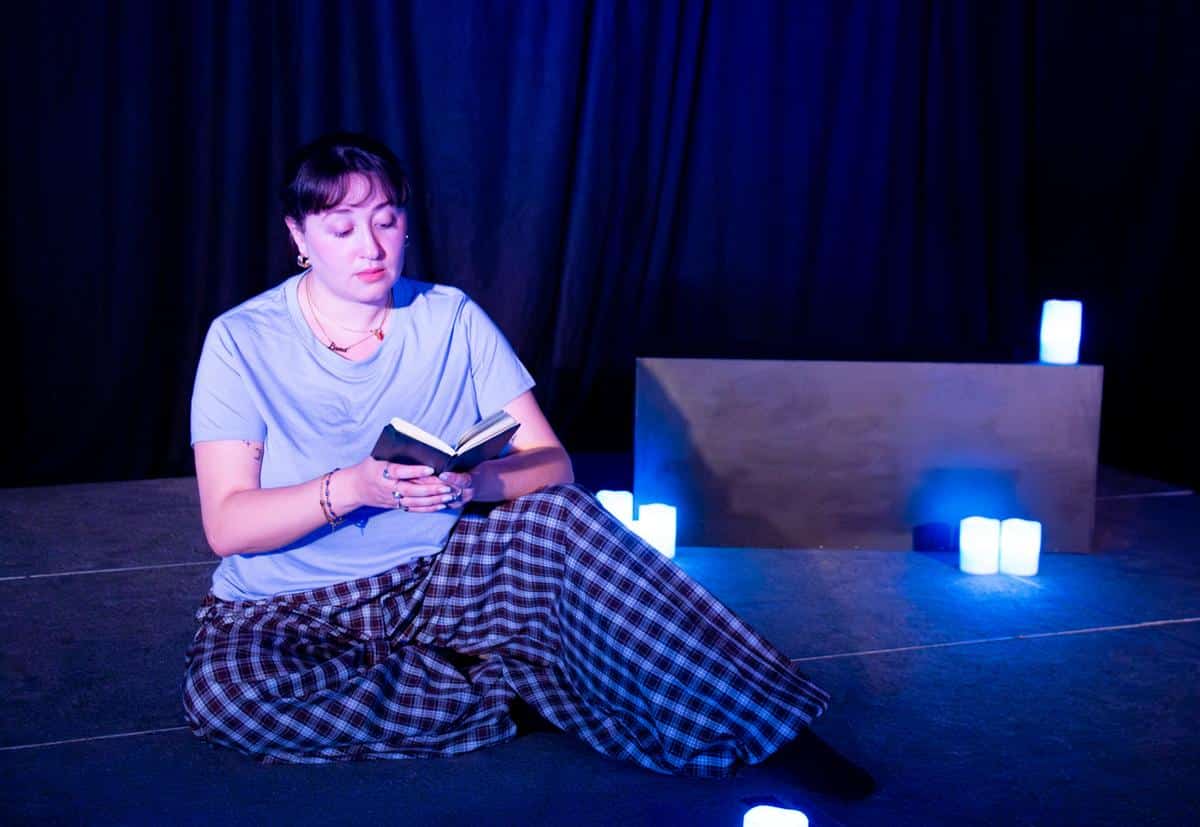
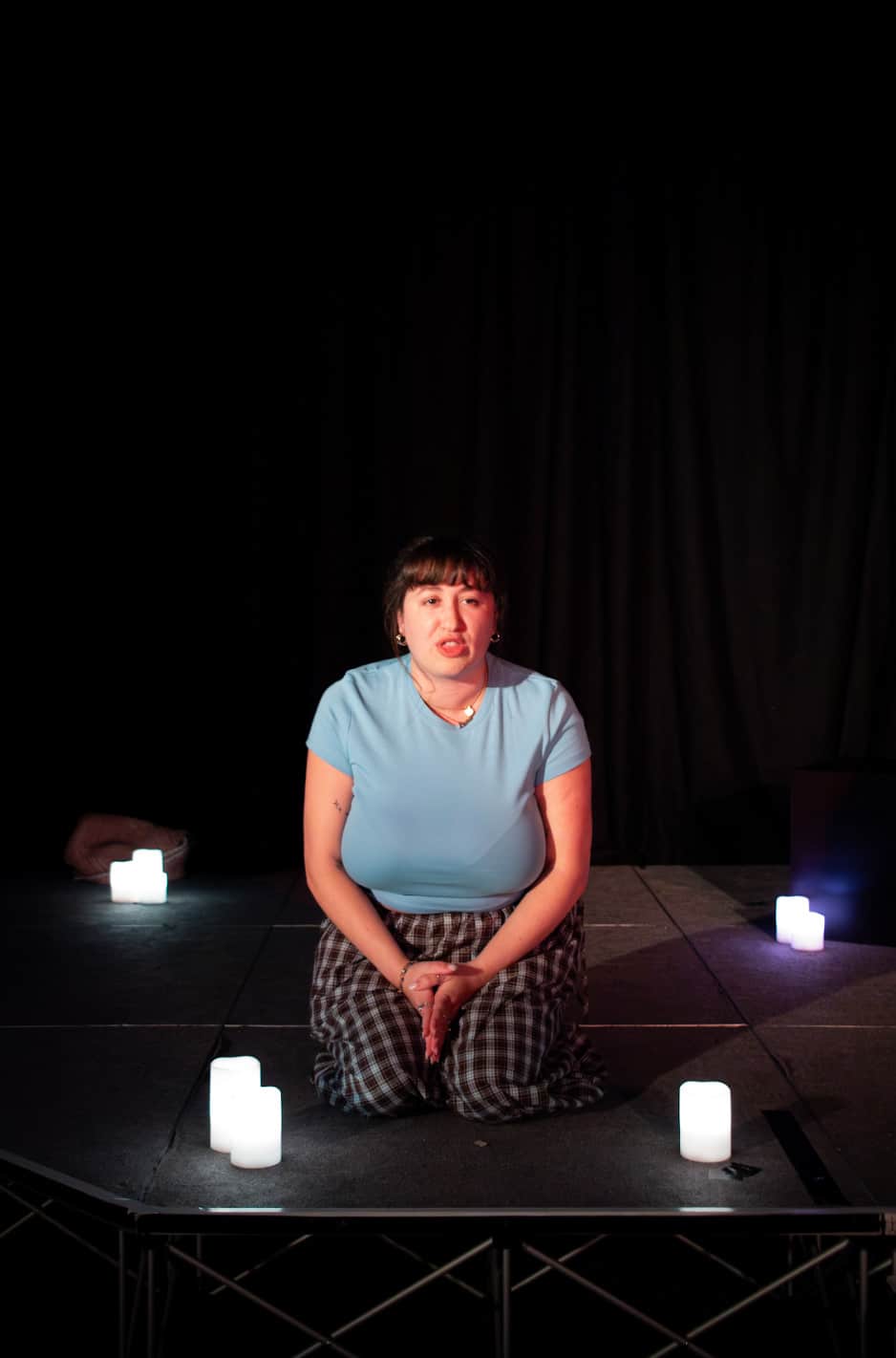
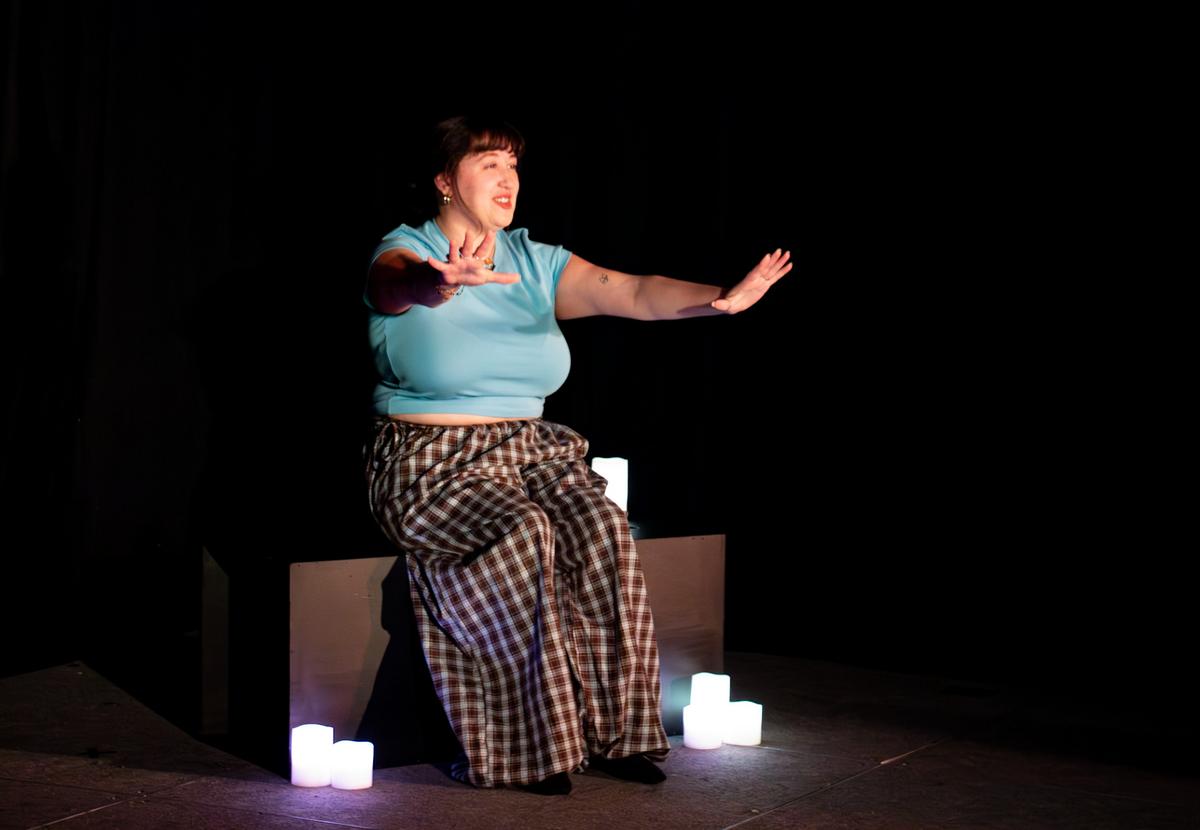
I really have to applaud the high energy level from the performance of Emrys Quin. This performance starts at 100 and stays there for the entire 55 minutes. When he was able to break character at the bows, at the end, you could see how exhausted they were, having put so much into the performance. This is obviously a subject that the writer/performer is extremely passionate about and the level of dedication and focus is to be honoured.

All that being said, this was not a show for me. Sport being the focus of the piece really turned me off. This play made me dislike sport even more so. There are still many good things about this production.

The number of rhyming couplets in simple form, compound and complex forms is absolutely astounding as a piece of written work. The darker themes about all forms of addition really brought a lot of gravitas to work and was weirdly the saving grace of chaos that was being hit at every corner.

I think the space is terrible for a performance like this. The Boom Boom room is essentially a converted office space, with a stage that looks like it would fall apart at any second, an extremely dirty, black curtain behind it, little to no proper stage lighting and no sound proofing, so that you hear everything happening from the other rooms of the other performances, that are happening at the same time. Plus, uncomfortable seating that makes you want to leave after 20 minutes. Some huge improvements could be made by Sydney Fringe Festival for this space in the future.

If you love sport and relentless high energy, this is the show for you.

To book tickets to Odie, please visit https://sydneyfringe.com/events/odie/.

Spread the word on your favourite platform!

Alan Bennett’s Talking Heads

Alan Bennett's Talking Heads

Alan Bennett’s Talking Heads Rating

★★★★★

Click if you liked this article

As we go back to the 1990s, two women visit a library. In the classic Alan Bennett manner of talking, analysing, observing lives that are more than they appear, they lure the audience in with what at first appears to be a nice, friendly middle-class chat. Performed in an actual library and with carefully chosen books on display the atmosphere is one of gentility about to be imploded, as sex is discussed, in the nicest possible way.

The first monologue is ‘Nights in the Gardens of Spain’. Rosemary who is obviously married to a condescending husband is passing by a neighbour’s house, and before she can stop herself, she becomes involved with the neighbour’s life and a murder. As the incident evolves, she questions her own long-term suburban marriage and decides that it is as beige as the cardigan she is wearing.

Fiona Gordon plays Rosemary so convincingly that when she wanders into the library, the audience could be forgiven thinking she was part of their group. Her mild mannered perusal of gardening books, her passion, perfectly establishes a gentle conversation as her she discusses her friendship with her neighbour revealing her own need for independence. As she comes and goes discussing the next stage of the situation, uncomfortable observations of her relationship are revealed.


The second story, ‘Her Big Chance’, follows Travis, an overly optimistic and naive actress who believes through her own skills she has been offered a leading role in an arty German movie. Her genuine belief in her being considered as a professional actress is astoundingly naive when being told at each step to cross another boundary that the audience can see is leading to exploitation. At times, we wanted to stop her or at least warn her as she agrees to each request starting with taking her top off.

Sophie Dillman as Travis, wanders in to the library choosing books about how to get on with people and is absolutely convincing as a silly young woman who is wandering in to saying yes when she should say no. Her acting life hasn’t quite turned out as expected and she is just certain that she will get her next break in a major role but her actions lead to a darker side of movie life. At times we laughed with her observations but at other times, we squirmed when she made foolish decisions.

Each actor delivers aspects of their story and takes turns to return for the next part. A clever direction by Diana Volpe with the actors leaving and returning means the audience guesses at the turn of events. Accompanied by the gentle and beautiful music at intervals by Michael Atherton, the audience almost walked in the shoes of both characters. As Travis states,”Acting is really just giving”.

To book tickets to Alan Bennett’s Talking Heads, please visit https://sydneyfringe.com/events/alan-bennetts-talking-heads/.

Spread the word on your favourite platform!

All Things Must Pass: A Play About The Beatles

All Things Must Pass

All Things Must Pass Rating

★★★★★

Click if you liked this article

1

When we think back in history to musicians who have had a profound influence in their industry, and an even greater effect on people who love them, there are a handful of people. George Harrison, John Lennon, Paul McCartney and Ringo Starr were The Beatles, and at the height of their career in the mid to late 1960’s, they caused what was coined, “Beatlemania”.

It is during this time when “All Things Must Pass”, a play performed by the Lane Cove Theatre Company, focuses on. Written by David Potter and directed by Luke Derrick, this play takes its name as a nod to one of the solo albums released by George Harrison in 1970. This title makes sense on two fronts. One reason being that the play, although featuring all four Beatles, does have a steady focus on George (Matt Clayton). The other reason I think the title suits, was a bit of a play on words. Following John Lennon’s death, the play examined the aftermath of a friend’s murder, and the grief of the remaining members. Towards the end, George mused, “Life doesn’t conclude, it just stops. What does it mean to us?” thinking that everyone passes and “death is taking off your suit”, so life is one thing that simply passes.

The play opens with George in his living room, silent and upset. It has only been a short while since John Lennon was shot. Ringo, (Blake Nicholas), comes to visit and we quickly see the dynamics of these two friends. Nicholas plays Ringo with natural charm, showing his character’s optimism as his tries to gently cheer up his friend. Paul (Rachel Benedict) arrives and soon they are visited by the memory of John (Clayton Moss).

They are soon transported in time back to the 1960’s where all four band members are being interviewed and filmed – bantering on the couch. All four are sitting in a row, squeezed together and completely at ease with each other and with the media. I would say that this scene represented that it was as good as it would get between the band members, and relationships appeared to fracture after this point.

“All Things Must Pass” takes a deeper look into the strained relationships between the four, most notably between Paul and George. It appeared that Benedict’s character Paul was mostly terse and unhappily snarky throughout the entire play, and it may have been purposeful, although this did make him unlikeable. One of his quotes showed arrogance – he snaps at George, “I was the one who made you!” after George brings up that he was unhappy that Paul was suing him. Paul completely refuses to take responsibility for the legal action, blaming his lawyer.


Ringo remained level headed and patient, even playing chess with himself (three games!) as Paul and George recorded in the Abbey Road studios. Nicholas did a great job of portraying Ringo and his laid back character. John, re-joining the three at different times to show the audience what life was like back before he died, appeared later on to take himself away on “trips” (of the pharmaceutical non-legal kind).

Brian Epstein (Nat Jenson) was The Beatles manger and whenever he came onto the stage, he did so in a whirlwind of exuberance, if not a bit over the top. He guided their career and was said to have made their commercial success by putting them into matching suits, securing their record contract and guiding them.

The time periods skipped back and forth throughout the 1960’s and upward, with the intended date projected onto the screen behind the actors. The set was very simple, with a minimalistic look. The screen showed black and white sketches of where they were, sometimes in George’s living room, other tines in the Abbey Road Studio or on a rooftop in London. Costumes were also streamlined. The characters wore suits, with no change of costume.

Matt Clayton was a standout in this play. His Liverpool accent never dropped and his portrayal of George Harrison kept the audience riveted. I was impressed by the monologues that George said, which often gave us an insight into his mental health. His way of coping with life after John died was to become immersed in spirituality. In one scene, he was meditating, repeating the “Hare Krishna” mantra over and over, all the while being drowned out by the increasing volume of noise and chaos of the outside world. In this intense scene, it seemed to be a catalyst for the other times where it was mentioned that the screaming and attention of fans were unwelcome. It culminated in George shouting, “Leave me alone with my thoughts! Just let me die!”

Sara Vencalkova and Anastasia Vokhmyakova completed the cast, playing different roles; the reporters, photographers and other characters which added to this story. This is an original play about another side of The Beatles, about being famous, and mostly about friendship, life and grief.

“All Things Must Pass” is in partnership with The Fringe Festival and is on from 10 -13 September 2026 at Pottery Lane Performance Space.

Time: Approximately 100 minutes with a 15 minute interval.

Tickets: www.sydneyfringe.com/events/all-things-must-pass-a-play-about-the-beatles

To book tickets to All Things Must Pass, please visit https://sydneyfringe.com/events/all-things-must-pass-a-play-about-the-beatles/.

Spread the word on your favourite platform!

Subscribe to What's The Show

Reviews, show news and what is on, straight to your inbox.