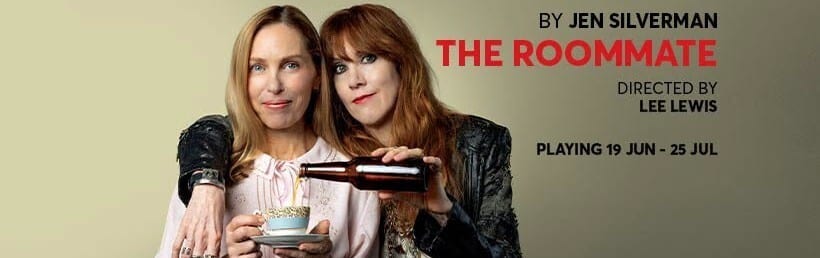
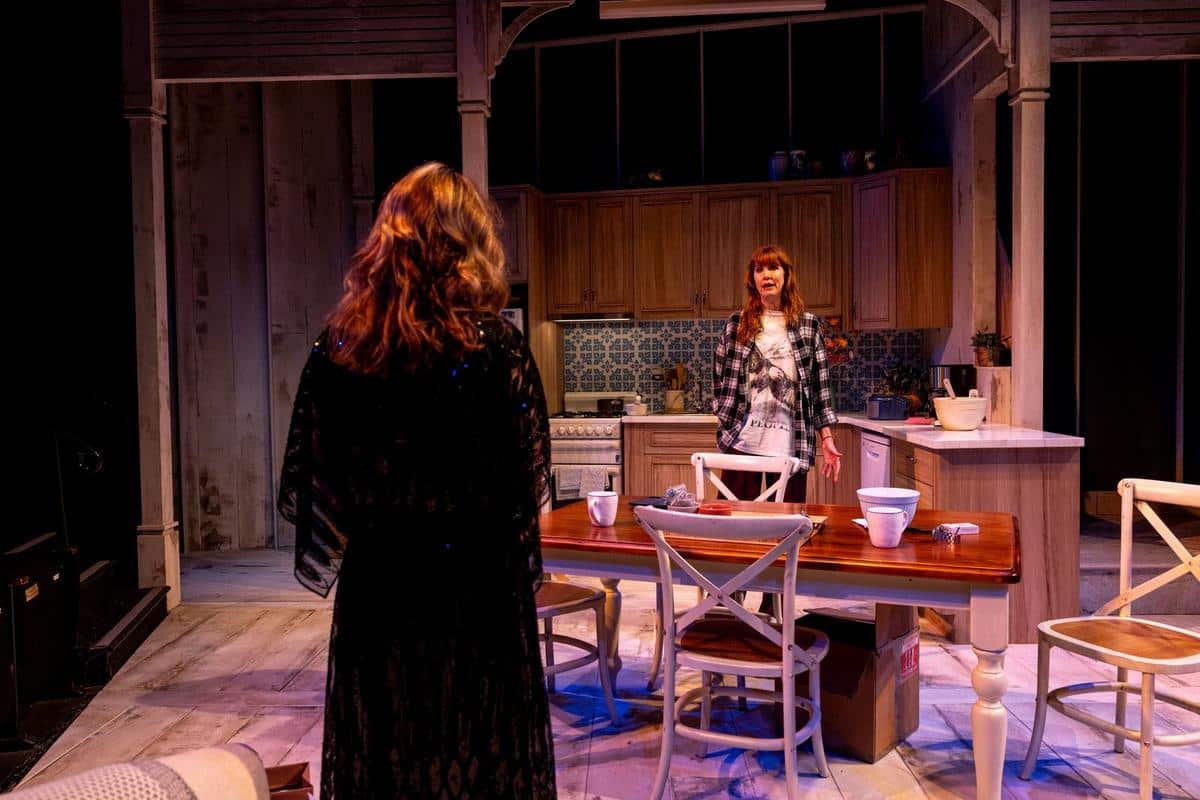
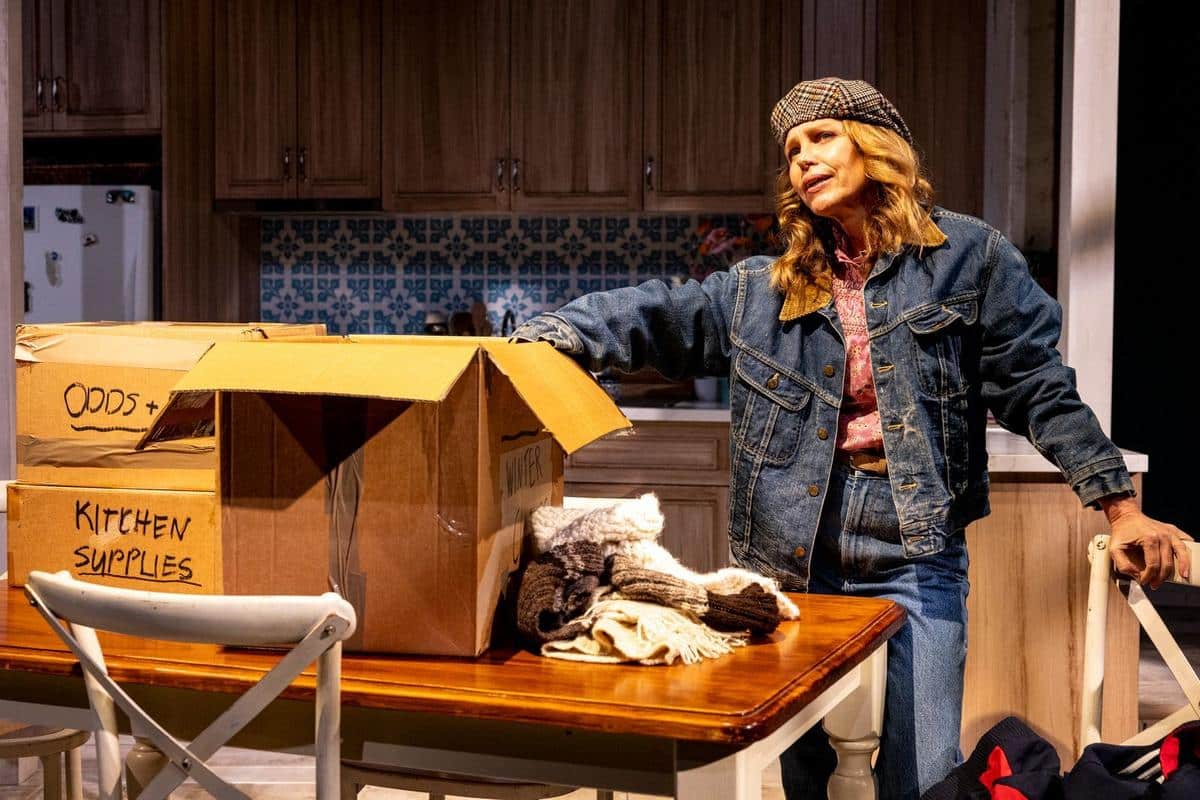
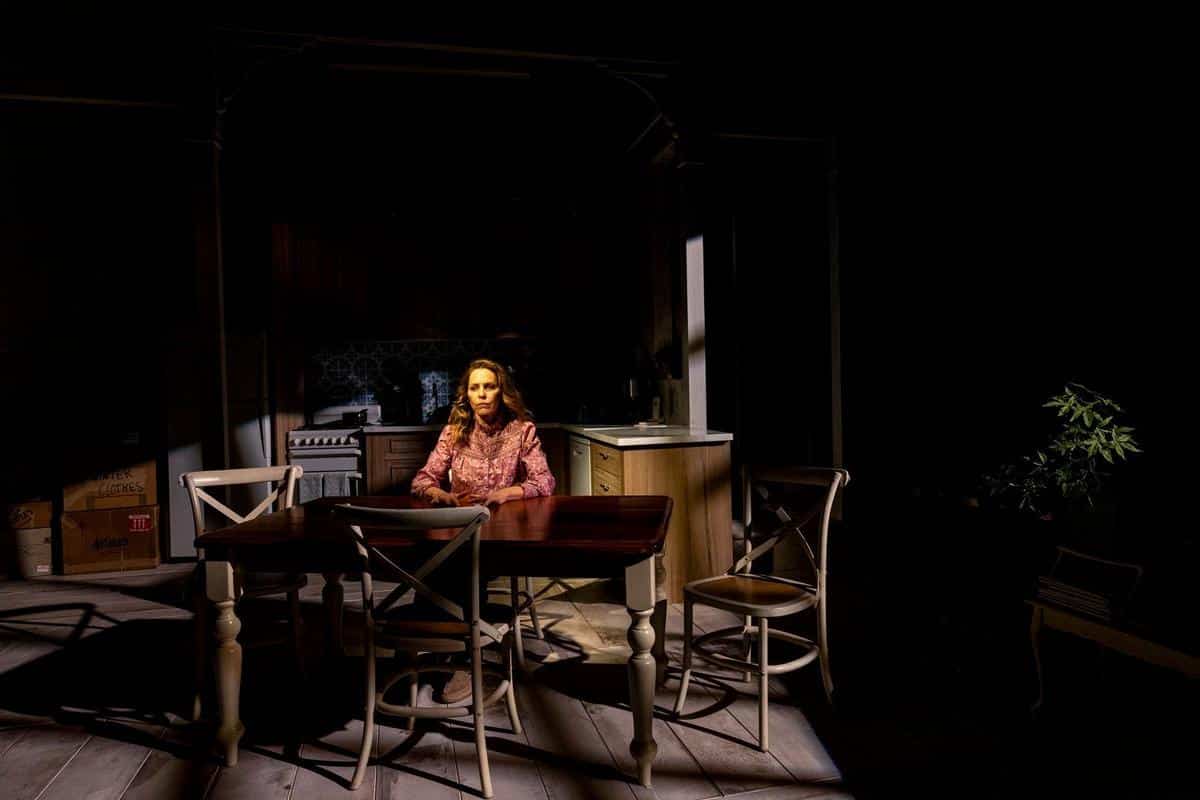
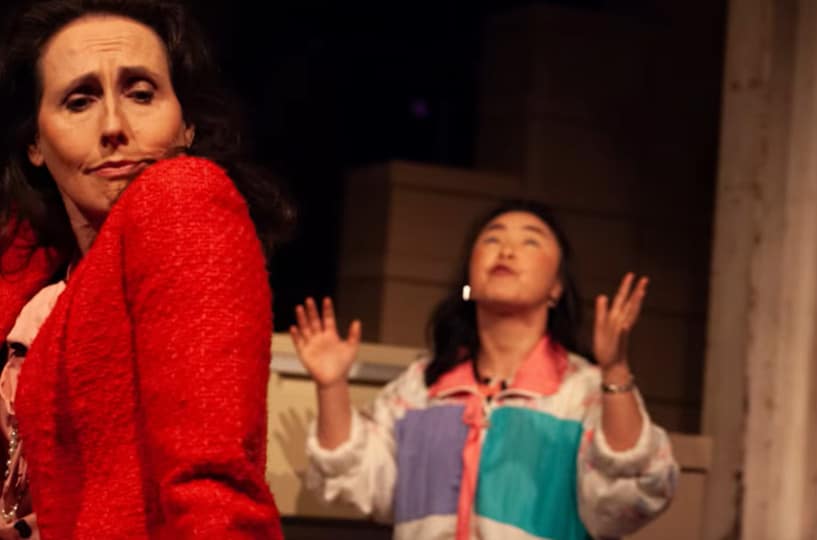
We are taken to the Mid-West of the USA with a very tidy kitchen setting where everything has its place and would for the next umpteen years. Enter Sharon, wonderfully played by Lucy Bell with great comedic timing. Dressed in conservative jeans and the right blouse, her restlessness is evident. Her life is about to be turned inside out and upside down by someone who will reflect the questions she has started to ask herself. Who is she? Like water in a kettle the steam has to be released.
Jen Silverman’s dialogue is vital and clever highlighting one person’s search for freedom and another person demonstrating the price we may pay. The audience was in for a ride.
Robyn, her new roommate, a dry, sardonic and New York weary woman, shows up with obvious secrets trailing behind her. Wonderfully played with a great New York accent, she slowly reveals who she is as Sharon bluntly asks all the wrong questions. In hip New York clothing and announcing that she is alternative, two states and personalities meet. Boxes with Robyn’s hidden past pile up in the neat kitchen stirring Sharon’s curiosity propelling her forward to unleash her inner self. Even the milk has to change as Sharon is introduced to a different way of living and being.
The actors immediately present an uneasy chemistry between the two women revealing to Sharon that her learning French, pretending that she may go to Paris is all about seeking freedom but there is a price to pay. Sharon reflects all that Robyn isn’t and the audience senses that she is seeking the opposite. Searching for a conservative community and escaping her past life, she collides with Sharon and the two set off on a venture and adventure.
As Sharon moves forward and Robyn goes backwards, the kitchen unravels, rubbish is on the floor and boxes and memories are unpacked. Sharon reveals her personality and the audience laughs with her, not at her, and there is a sense of ‘go girl’ as she reveals her alter ego. At the same time, the audience observes with sympathy and empathy as Robyn is focusing on containing her previous way of life but is drawn to Sharon’s exuberant movement in to a new way of being and thinking.
The acting convinces the audience how Robyn is perfect as the foil to Sharon and the repartee between them is fast, funny and poignant at the same time. Distant children only visible on the phone add some sense of both women’s history and issues. Without giving the ending away, both move forward and there is a wonderful twist at the end.
Between The Lines: The James Joyce-Groucho Marx Letters Rating
★★★★★
Click if you liked this article
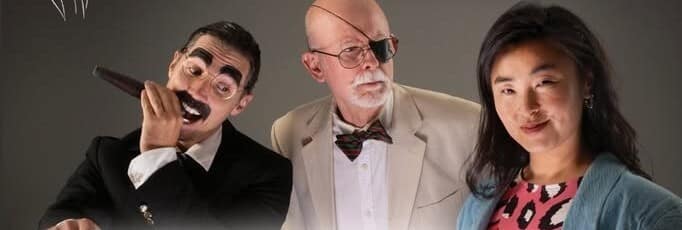
It feels odd to describe a stage show as ‘literary’ and ‘cinematic’. However, that kind of genre blurring perfectly suits the premise of Between The Lines, a show revolving around letters exchanged between James Joyce and Groucho Marx in 1937. If you aren’t familiar with either man’s work, don’t worry. Bloomsday In Melbourne’s annual play (directed by Renee Palmer) gives you more than enough reason to care about these artists and understand why their work and ideas matter. The show doesn’t only care about the things great men create, but also about who gets to keep their legacies alive.
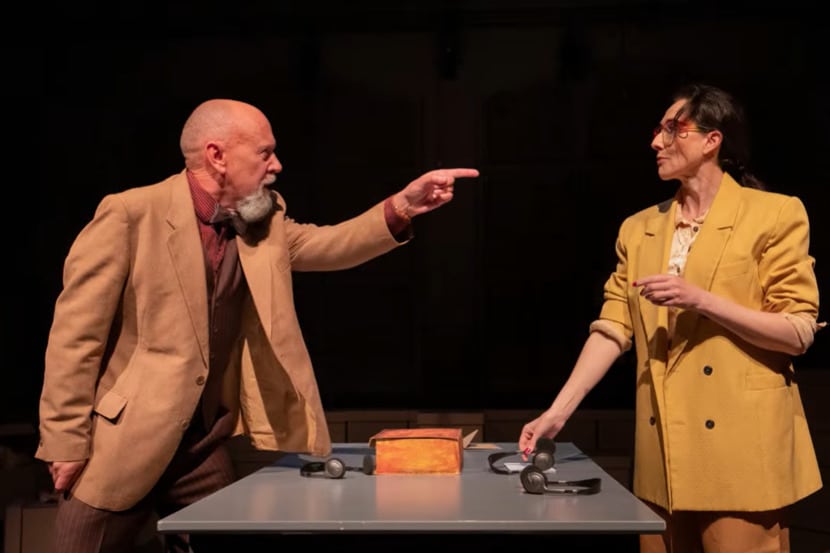
The aforementioned letters in Between The Lines are uncovered in 1987 by Pandora (Seon Williams), a headstrong PhD graduate with an infectious passion for history. Unfortunately, many barriers stand between her and recognition, such as academic snobbery, uncooperative estates and sexism. She recruits renowned Joyce scholar Murray Dalton (Shannon Woollard) to assist her, but they may not be collaborating on as equal footing as they think. The letters themselves are also revealed, with Joyce (Tref Gare) and Marx (Scott Middleton) revealing more and more personal truths about their families, fears and ideas about art.
The show’s design is what gives it the cinematic feel mentioned earlier. The way Joyce and Marx are lit and placed creates exaggerated shadows and a simultaneous sense of distance and closeness, drawing the eye between them as easily as a panning camera. The costumes are loving send-ups of period fashion that still make their characters look stylish. The classical music score gives a great sense of grandeur, especially in scene transitions, though some of the sound effects (such as the pen scratching when letters were dictated) bordered on being distracting. The overall effect reminds me of ‘dark academia’ with its simultaneous glamorization and critique of the world’s intellectual ivory towers.
The cast has cultivated performances that fit well in this heightened world of mind games and artistic politicking. Gare and Middleton portray Joyce and Marx fantastically. Their idiosyncratic writing styles feel so natural when spoken aloud, the chemistry is palpable despite them speaking in letters rather than directly to each other, and one of my favourite parts of the show was how they quietly reacted to the 1987 scenes in the background while watching them unfold. Williams and her mother (Christina Costigan) are likeable and play into the script’s tropes well. I felt like I was watching a sitcom during their scenes at times – even at their most serious there was something comforting about them. The same can’t be said for when Pandora gets in the room with Murray. Woollard makes for a perfectly pretentious villain, and it’s satisfying to watch him at both his worst and at his meekest, when Pandora doesn’t let the world revolve around him.
Steve Carey’s writing style is what makes this show somewhat ‘literary’. This shines in the Joyce/Marx scenes, where their dialogue feels period accurate but still distinct, witty and full of pathos when it needed to be. In the more naturalistic scenes set in 1987, the writing felt a bit slower and more laboured, and at points the trivia and backstory the characters went into seemed superfluous. Also, without spoiling it, while the ending was set up well and made sense for the characters, some parts felt implausible and it diminished the impact of some of the play’s more powerful scenes. Nevertheless, I thought the play balanced its tragic and comic moments well and made some clever parallels between scenes in the two time periods to tie everything together.
Every year, June 16th is marked by Bloomsday, a celebration of James Joyce and his work. This show is part of Melbourne’s Bloomsday programming, and it highlights hat Bloomsday isn’t just a day to revere the brilliant work of one great man, but a time to reflect on history. Through a unique writing style, larger-than-life performances and enticing design choices, Between The Lines brings historical characters alive for us to laugh with, empathize with and critically observe. Legacies are created by people, and one message of this show is that more people should be invited to carry the stories we love forward in time. The team behind this show has certainly proved that they’re worthy keepers of their story.
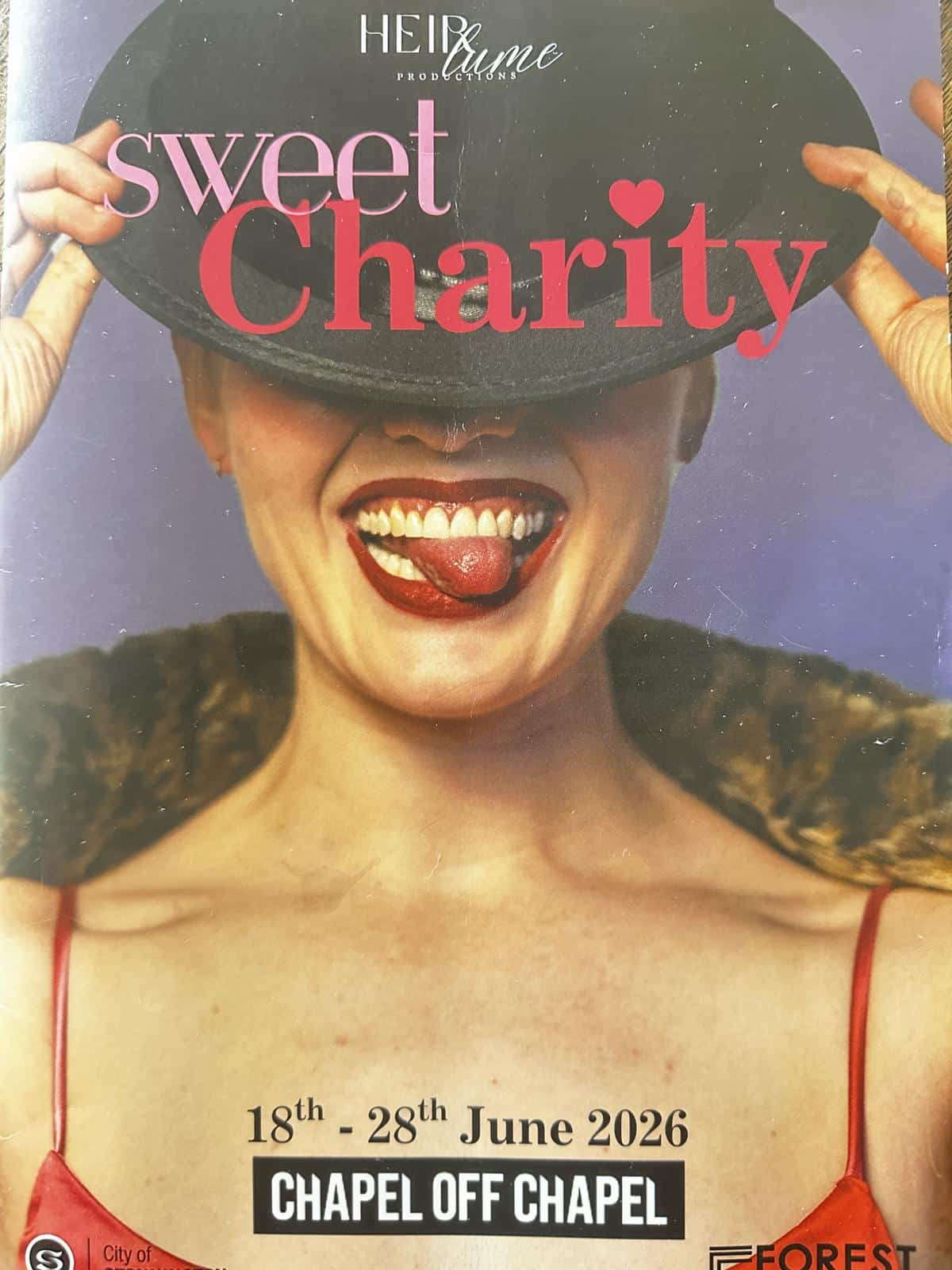
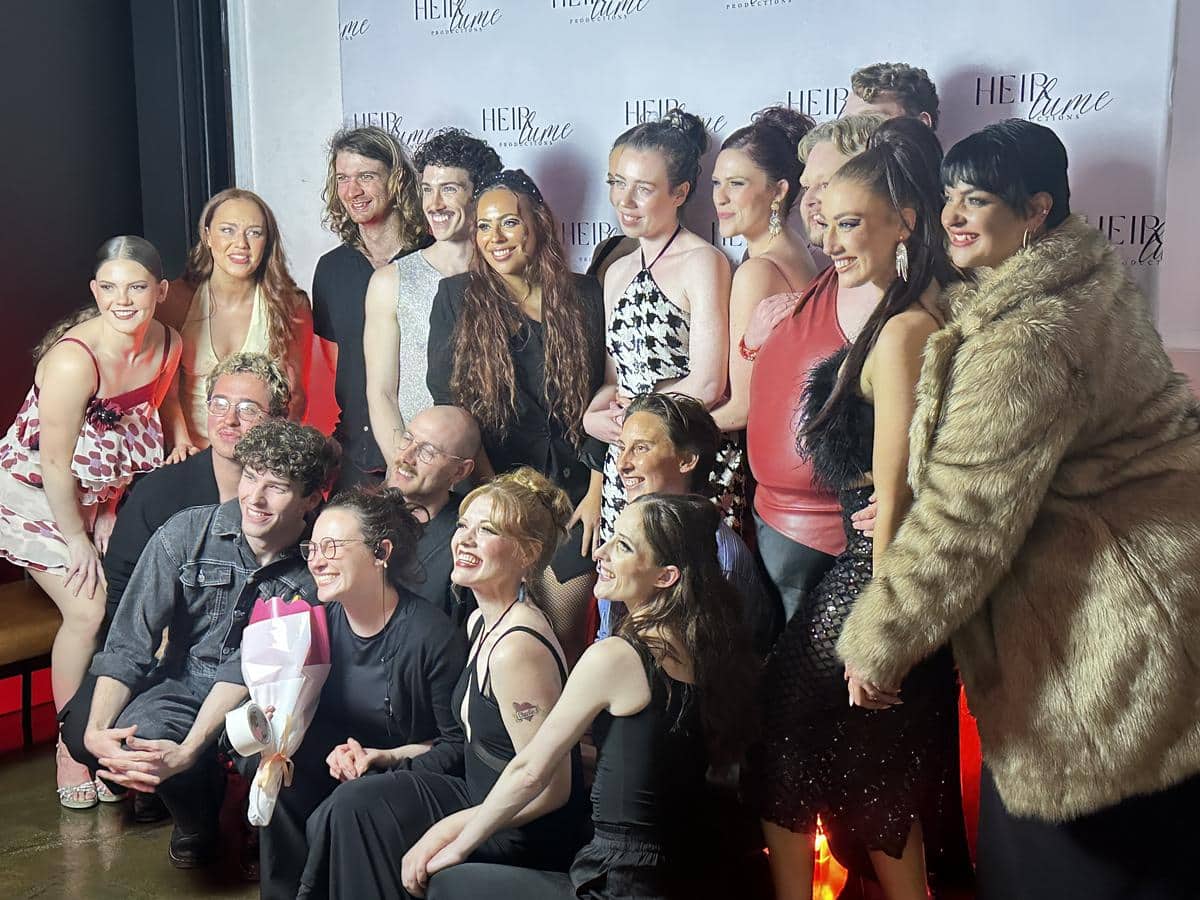
Opening night of Sweet Charity at Chapel Off Chapel, Friday, 19th June, 2026.
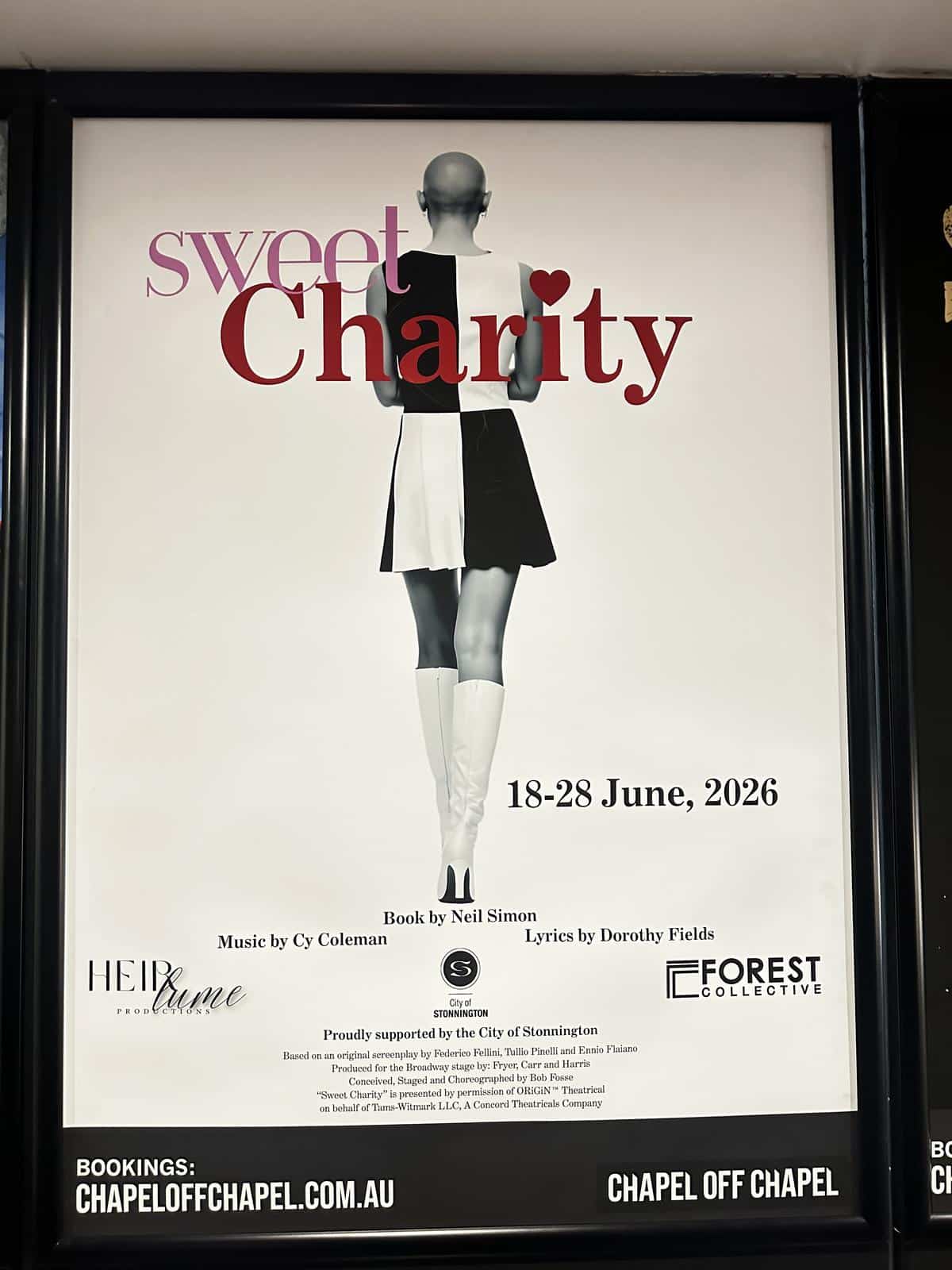
Heirlume Productions presents the iconic Bob Fosse musical, Sweet Charity, with support from Forest Collective, the award-winning Australian arts organisation founded in 2009 by composer and conductor Evan Jay Lawson. Playing at Chapel Off Chapel from 18 to 28 June, this production brings together Heirlume’s theatrical vision with Forest Collective’s musical expertise in a successful and masterful collaboration.
Sweet Charity, written by Broadway legend, Neil Simon, with a great score by Cy Coleman and lyrics by Dorothy Fields, has always been a musical fan favourite.
Taken from the plot of a 1957 Italian film about a streetwalker, Nights of Cabiria (Le notti di Cabiria), Simon’s musical rendition kept four of the film’s landmark moments. Conceived, staged, directed and choreographed by Bob Fosse for his wife, the irrepressible Gwen Verdon, Sweet Charity premiered on Broadway, New York, in 1966 and was nominated for nine Tony Awards with a win for Fosse’s unmistakeable quirky and technical choreography. Let’s just say, Fosse made it his own.
So, no surprise the opening night audience at Chapel Off Chapel were bustling with excitement ready to soak in its many hit songs and, to experience that fabulous Fosse feeling, however, we were not prepared for how tight, fabulous and professional this production and its cast were going to be.
Director, Madison Lee, has reinvigorated the beloved characters and legendary score with a “queer love story and a tale of self-acceptance.” In her Program Director’s Note, Madi reminds us that “Charity Hope Valentine is a woman who wants to be loved completely resisting against a world that has given her very little reason to keep believing….” Except for, “…her chosen family, the people who hold us when we get back up and remind us who we are when the world tries to tell us otherwise.”
Lee has directed a female ensemble so strong and diverse, most playing multiple parts, I haven’t seen the likes of together in years:
Experienced VCA graduate, Erica Wild, fresh back from West End, U.K., embodies Charity Hope Valentine with honesty and sweetness. Wild is hardly ever offstage but gives everything she has to this role, with all her innocence and energy. She is easy to love.
Producer, Heirlume founder and Productions Artistic Director, Manda Rozen-Flannery, says of Charity, “…something feels inherently neurodivergent … about her.” Wild captures this perfectly.
Wild is supported by second leads, Madeline Pratt as Nickie and Hannah Gutierrez Cañon as Helene, playing two seasoned dance hall girls weathered and baffled by Charity’s naivety.
Choreographer and educator, Pratt is powerful in singing, acting and dancing.
For Cabaret performer and former National Latin dance Champion, Cañon, new to the Musical Theatre industry, her dance expertise is obvious.
As is the dance talent of Tyler-Rose Shattock, who charmed us as an excellent Frug Girl in the nightclub scene. Shattock also stands out with all her other characters.
Extremely talented and versatile Sara-Louise Younger plays both the Herman and Daddy characters. Her version of ‘Rhythm of Life’ along with the whole cast, was simply transformational. Singing gospel one minute and opera the next, her range and voice is unique to Australia.
Supported by Alessandra Negro as Ursula, Eden Holmes as Carmen, Lisa-Marie Coad as Betsy and Bridie Erwin-Keirl as Rosie, all playing multiple other roles, the hard work and camaraderie of the whole troupe beams and was just a pleasure to watch.
Clancy Enchelmaier plays the only three male roles, from Charity’s bad choice of boyfriend at the start to movie star, Vittorio, to romantic lead, Oscar. His distinguished voice and range is strong.
This show is also excellent creatively:
The audience was delighted with Jesse Matthews’ choreography. He is resident performer and choreographer for Forest Collective. Matthews paid tribute to Fosse’s unmistakeable 60’s style keeping the line of the classic number, ‘Big Spender’ while adding a touch of difference. Even in this smaller production, the choreography shines and was one of the highlights of this show.
The iconic dance scene from the Sweet Charity movie, titled, “The Aloof” is a perfect blend of elegance, satire, and stylistic brilliance in storytelling. There is no expression on any of the dancers’ faces in “The Aloof”, however, in this production, Matthews / Lee have decided to arm Shattock’s Frug girl with sexiness and smiles, energising us into the vibe of a nightclub, also switching us away from the dim of the dance hall.
Forest Collective Artistic Director, contemporary composer, singer and conductor, Evan J Lawson, and Composer, Pianist and Musical Director, Max Kielly are co-musical directors on Sweet Charity and are sharing time in the conducting of the orchestra, with Orchestrator, Shanon Whitelock. It’s obvious this has been a very successful collaboration.
An energetic score that is usually undertaken by a full orchestra has been executed with precision by this award winning and versatile crew of six musicians, Thomas English on woodwind, Bodhi Scott-Jones on trumpet, Max Kielly on keys, Felix Gilmour on percussion, Benjamin Lamb on guitar and Ian Crossfield on upright & electric bass.
The shows’ Costume Designer, Zachary Dixon, has pieced together items that tell a story throughout each scene, from Charity’s gingham print summer dress – she probably wore from her hick town into the big city dance hall for work – to Nickie and Helene’s Lingerie variations, to Daddy’s hippie church group collections, the costumes are colourful and timely in the best way.
Lighting Designer, Ruben Laine, Sound Designer, Lukas Battey and stage manager, Samara Louise have connected all of these dots seamlessly to present to us a stage of scaffolding representing the dance hall above and the dressing rooms below, as well as the highs and the lows of their lifestyle.
I enjoyed this show so much, I may attend once more. If you can get tickets, hurry up and get them now before they sell out. This show is not to be missed.
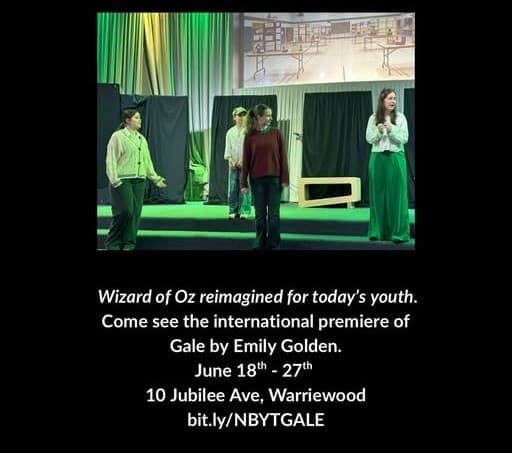
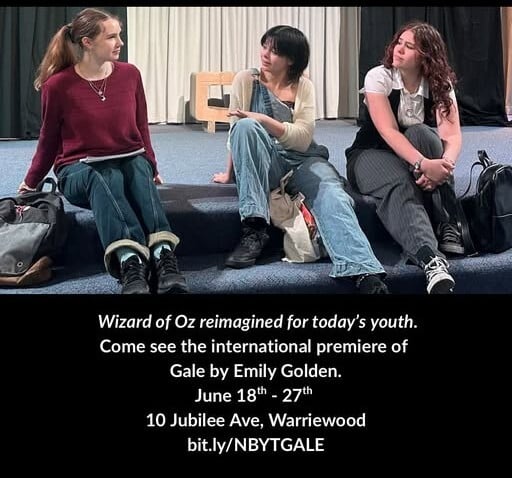
After a devastating windstorm in her hometown, a teenage girl lands – literally and figuratively, in a completely foreign place. Now living with her two Aunties far from home in Seattle, Gale Winters (played by Anastasia) navigates the uncomfortable feeling of treading the unknown halls of high school alone. Anastasia completely encompasses Gale’s character with finesse, showing a vulnerability and later in the play, a strength that shines through. This is a transformation where the audience cheers her on through certain challenges and it is gratifying to see.
Initially, Gale is immediately targeted by the Queen Bee, an arrogant self-appointed leader of an adoring gang. Birdie, played with confidence and the believability of a high school bully by young performer Caitlin, picks on Gale and encourages her gang to say all sorts of insults to her. Caitlin’s Birdie was spot on – she was every “mean girl” ever portrayed in American high school movies, and Caitlin reminded me in looks of a young Helen Hunt.
It is almost immediate when the links are drawn between Gale and Dorothy, from The Wizard of Oz. Some of the insults include teasing her from being from Kansas, even though Gale repeatedly lets them know that she’s “actually from Iowa”. More parallels are drawn between Gale and Dorothy in a scene where she pulls out a little stuffed black dog and in a heartbreaking scene, talks to the dog and tells him she misses him, and is mercilessly teased by the classmates, who nickname her dog Toto. Her little dog who she names as Stormy is lost back home in Iowa, and her family are looking for him. As an audience member, I find myself crossing my fingers and hoping that little Stormy (the name is cleverly noted in relation to the weather as is Gale’s name) is found, recovered safe and sound.
Other parallels to The Wizard of Oz are cleverly woven into this play by playwright Emily Golden. One of Gale’s Aunts is named Aunty Miranda…”Aunty Em” for short, played by Rosie. Both Aunty Em and Aunt Z, performed by Eva, are safe and trusted adults for Gale. The principal of the school is named Mr Ozborne, whose presence the audience never sees – perhaps the head of the school is similar to The Wizard of Oz who is the head of Oz? The science competition which Gale and Birdie take part in is held in The Emerald City, all nods to the well-loved famous tale. But perhaps the most obvious nod to The Wizard of Oz are Gale’s new friends – Leo, who is Birdie’s twin brother played by Emma, Just Tina, played by Ruby and Scarlet, performed by Rylie. Leo has characteristics of The Cowardly Lion and the development of Leo as he gains more courage to stand up to his sister is an important turning point in the story. Gale’s friend Scarlet is reminiscent of The Tin Man and Just Tina could represent The Scarecrow. A standout performance from Emma, Ruby and Rylie as supporting characters was noted.
During times of high stress, Gale would stand in the middle of the stage and desperately chant. “There’s no place like home! There’s no place like home”. During these scenes, the supporting cast would swirl around her holding everyday items, and in the background, a wild stormy scene would erupt accompanied by the sound of angry rain and thunder. Well done to directors Chantal Harrison and Victoria Lockhart and the cast for creating this very effective and meaningful visual scene, representing the heartache of being displaced due to climate change events and the feeling of helplessness. Gale’s science project highlights attention to this as well.
Gale is a story of what it means to find yourself lost in an unknown place, to have the courage to find your own voice in the face of challenges, to discover true friendship and ultimately, a feeling of belonging.
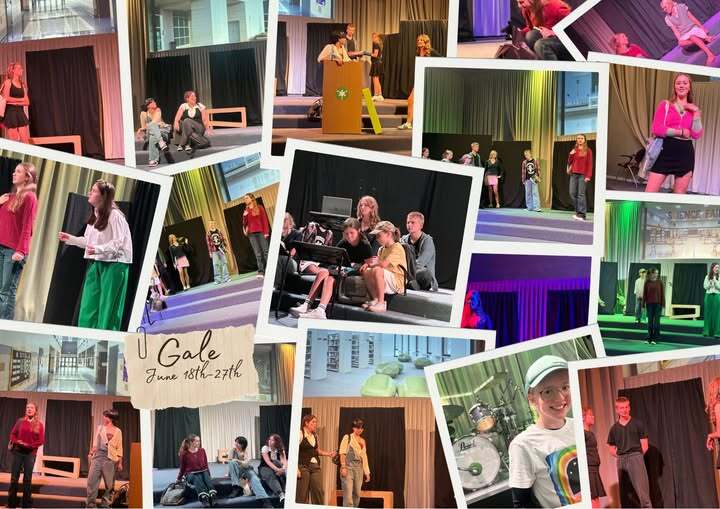
The Northern Beaches Youth Theatre who presented Gale are people aged 12 -17 years old. It is a wonderful achievement for people this young to act and be responsible for the behind-the-scenes of this production – huge congratulations to everyone involved in Gale! If you have a chance to watch this, go and support a refreshingly bright cast and cheer on Gale as she faces an unknown future!
Season: June 18 – 27th June 2026 Venue: 10 Jubilee Avenue, Warriewood