Between Past and Present: A Slow-Burn to Nowhere

Three Sisters

Three Sisters Rating

Click if you liked this article

If procrastination were an art form, the Prozorov sisters would be its masters. Their existential crisis is a painful blend of paralysing indecision and brutal self-reproach—an expression of how exasperating people become when deprived of a meaningful purpose. How many of us hover in limbo, caught between desire and action, never quite taking the leap?

Olga, Masha, and Irina, three sisters trapped in a small town, yearn for the excitement and fulfilment they believe awaits them in Moscow. As they navigate their personal crises, unfulfilled desires, and complex relationships, their dreams remain elusive. Chekhov’s audiences either revel in his brilliance, grow frustrated by the lack of resolution, or sit bewildered- precisely his point.

Any rewrite of Three Sisters is a formidable feat, one that few would dare take on, as its success hinges entirely on execution. Modernising a classic is a delicate balance between reinvention and irrelevance—remove too much of its original context, and you risk transforming a masterpiece into a hollow echo of its former self.

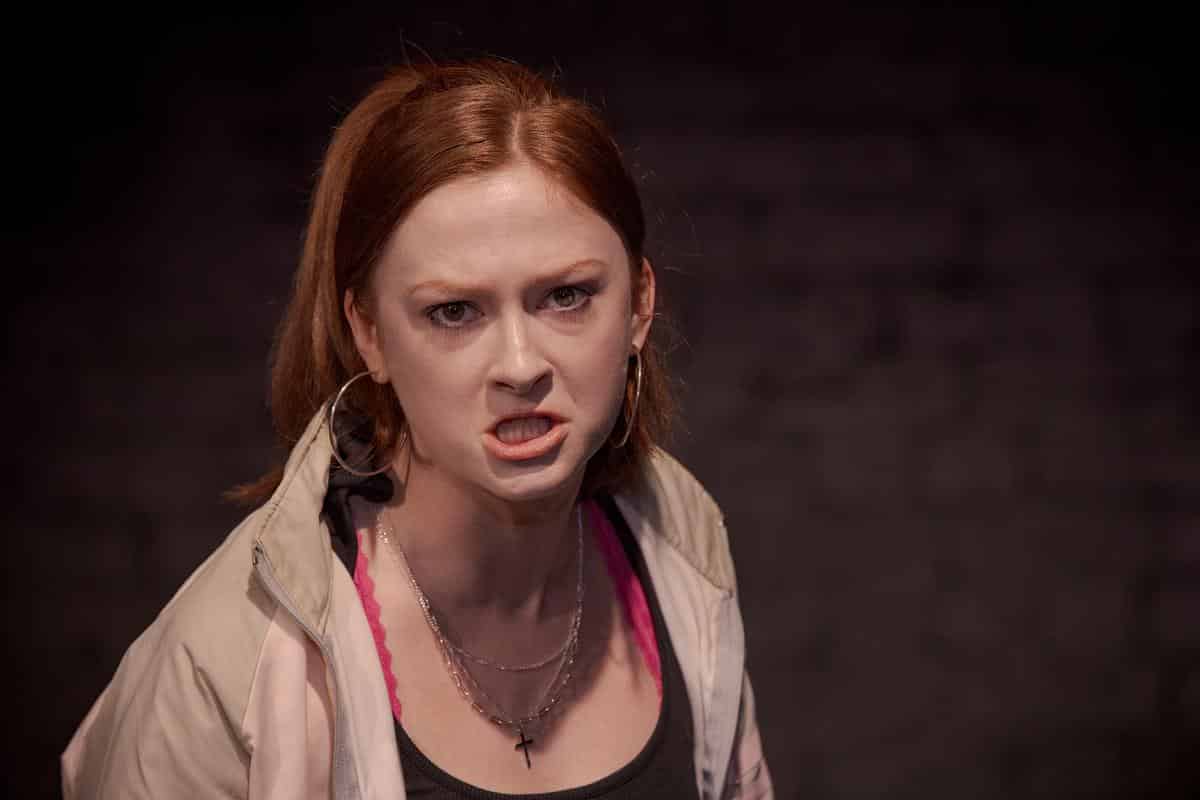
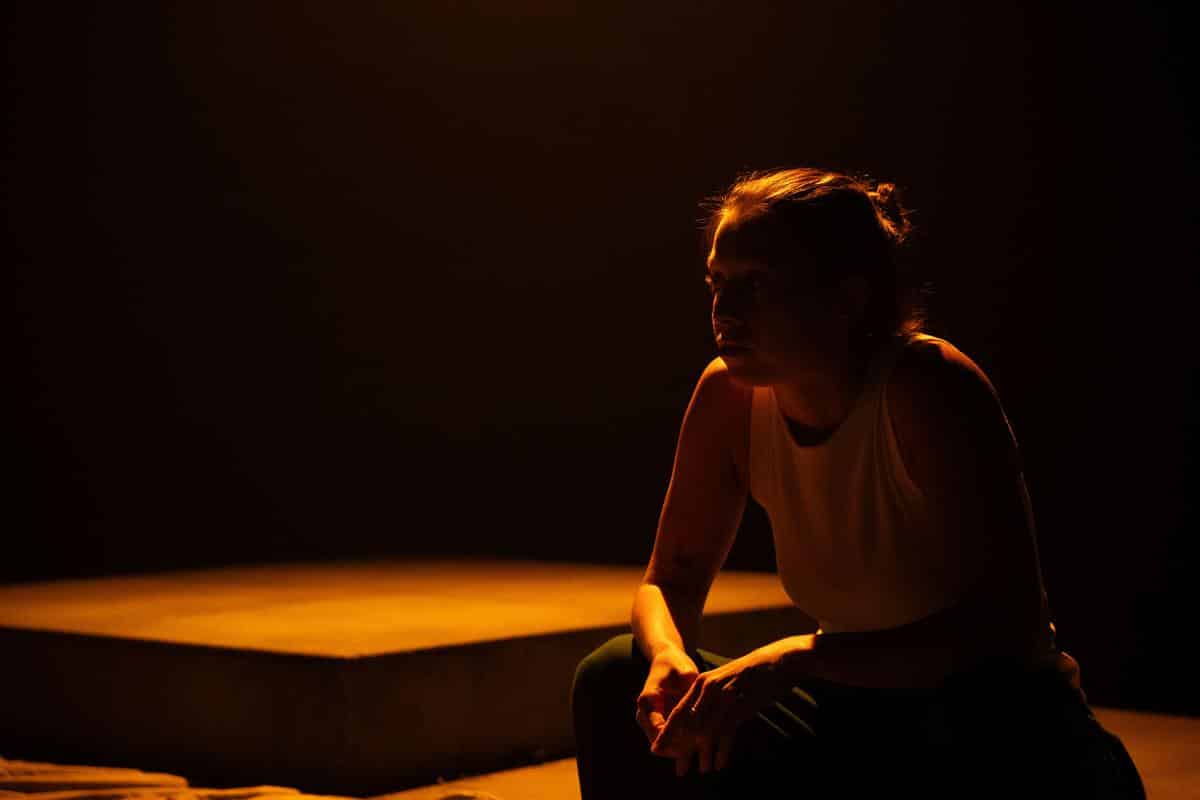
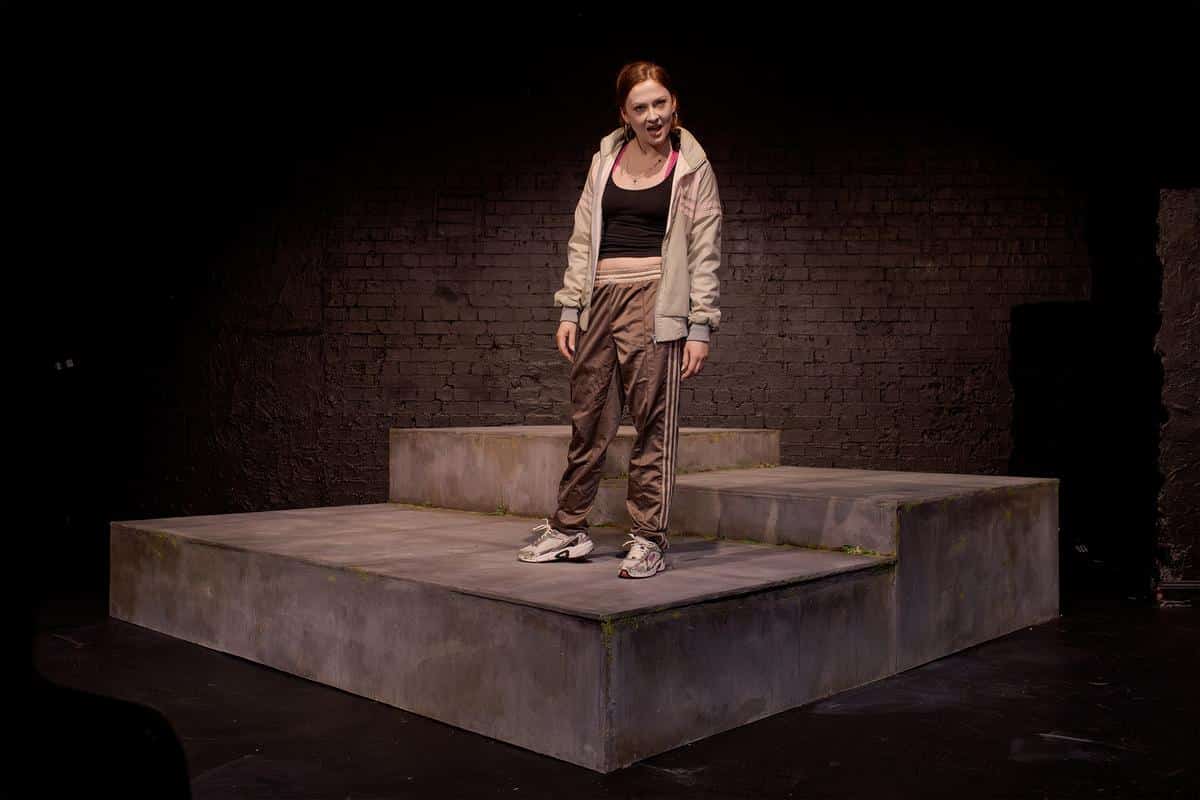
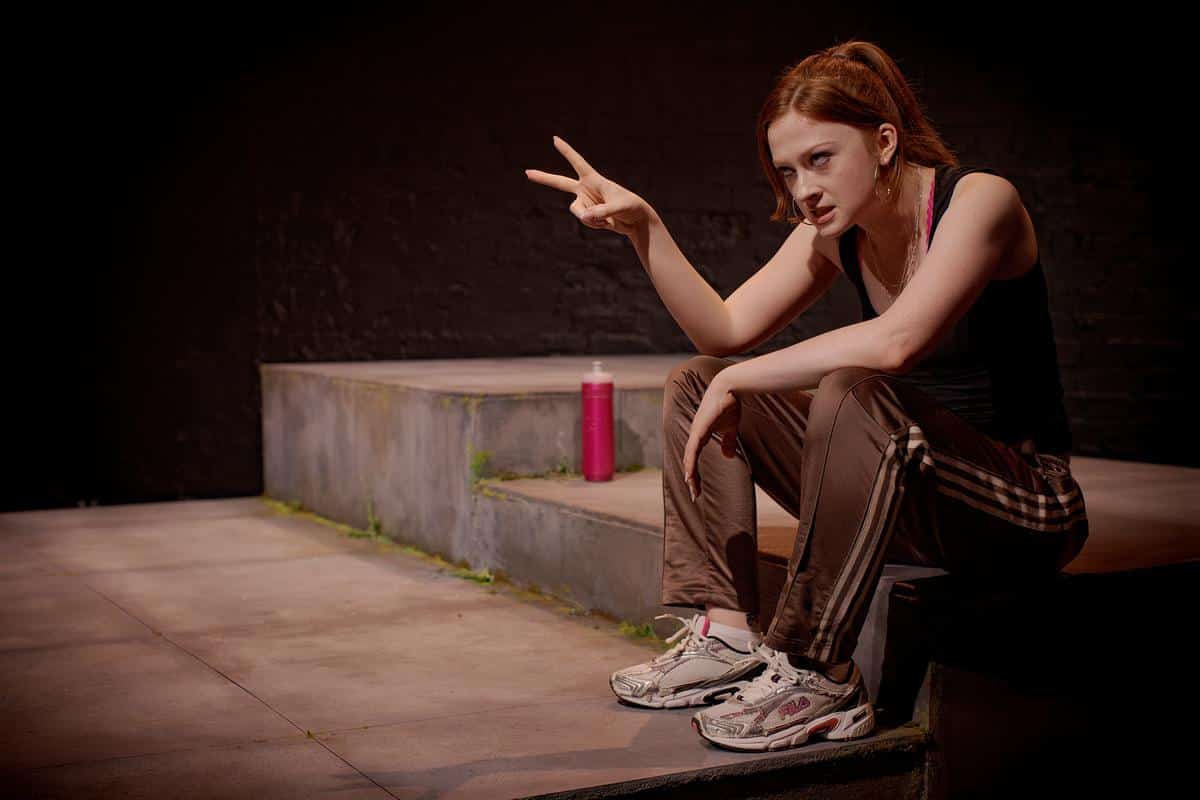
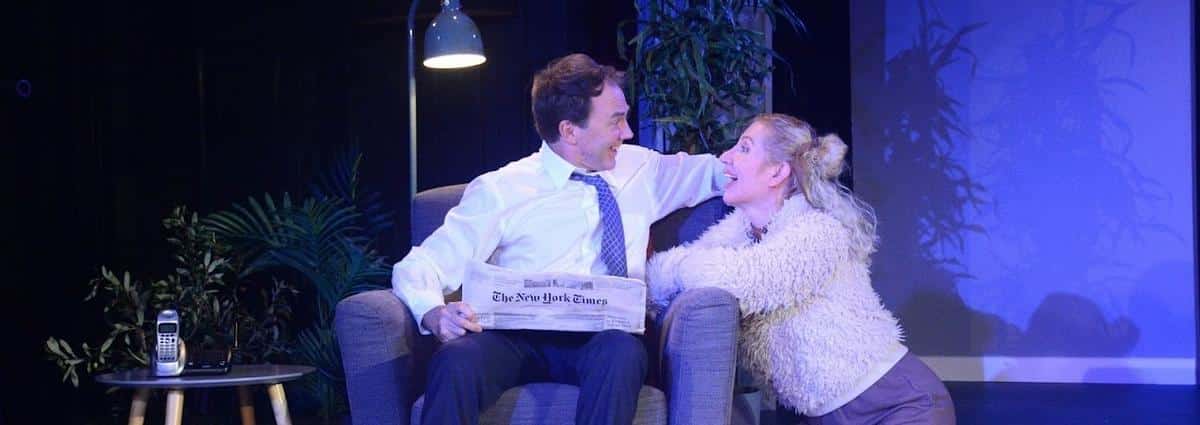
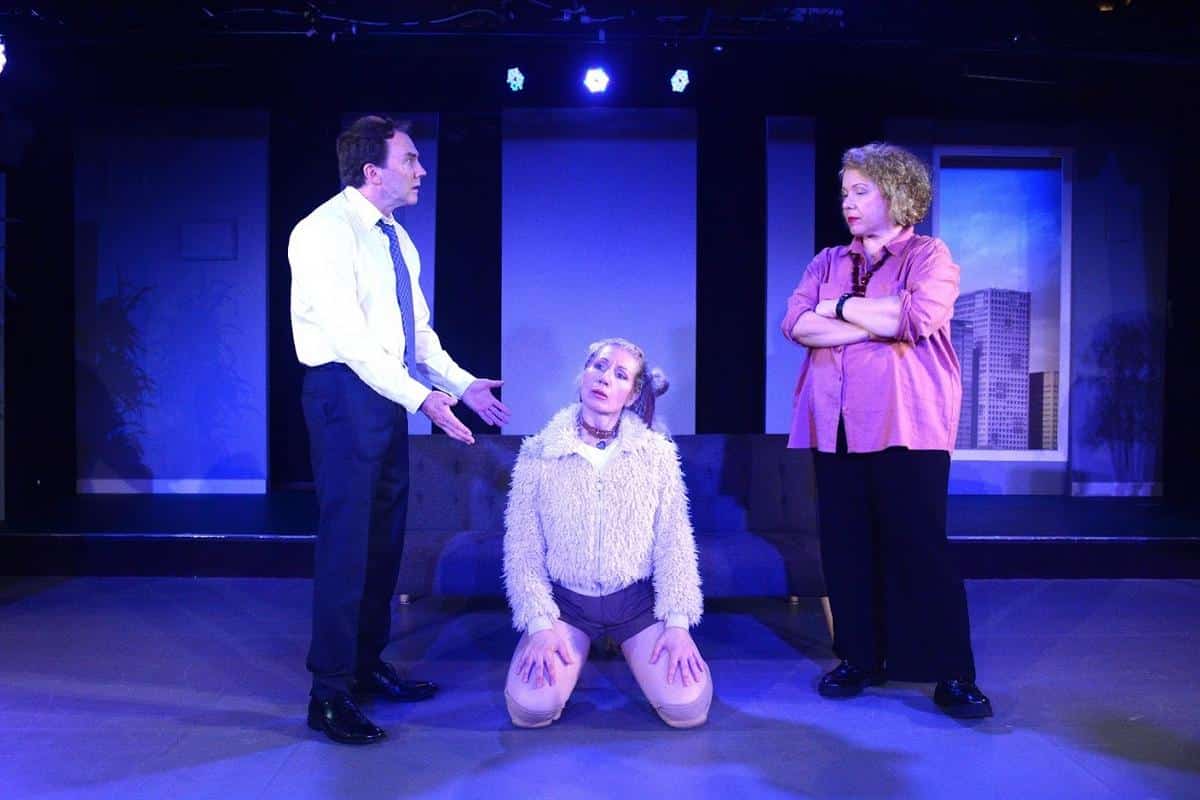
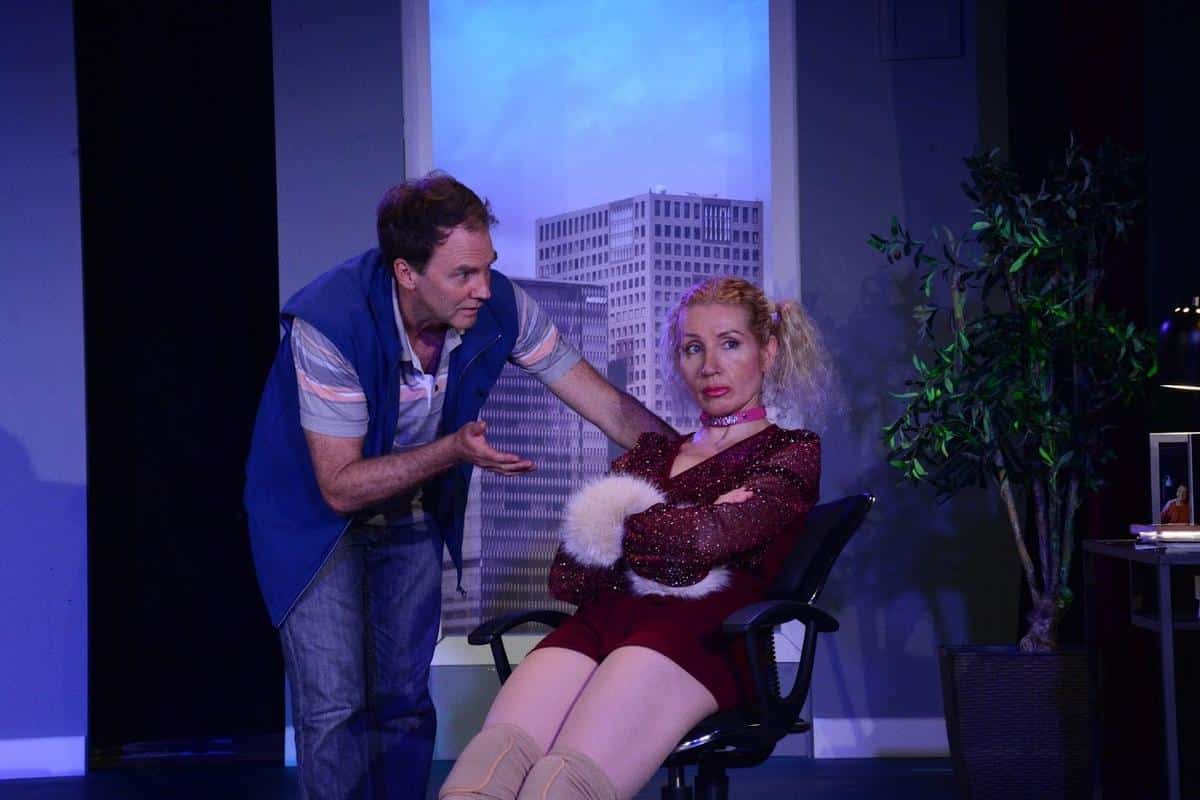
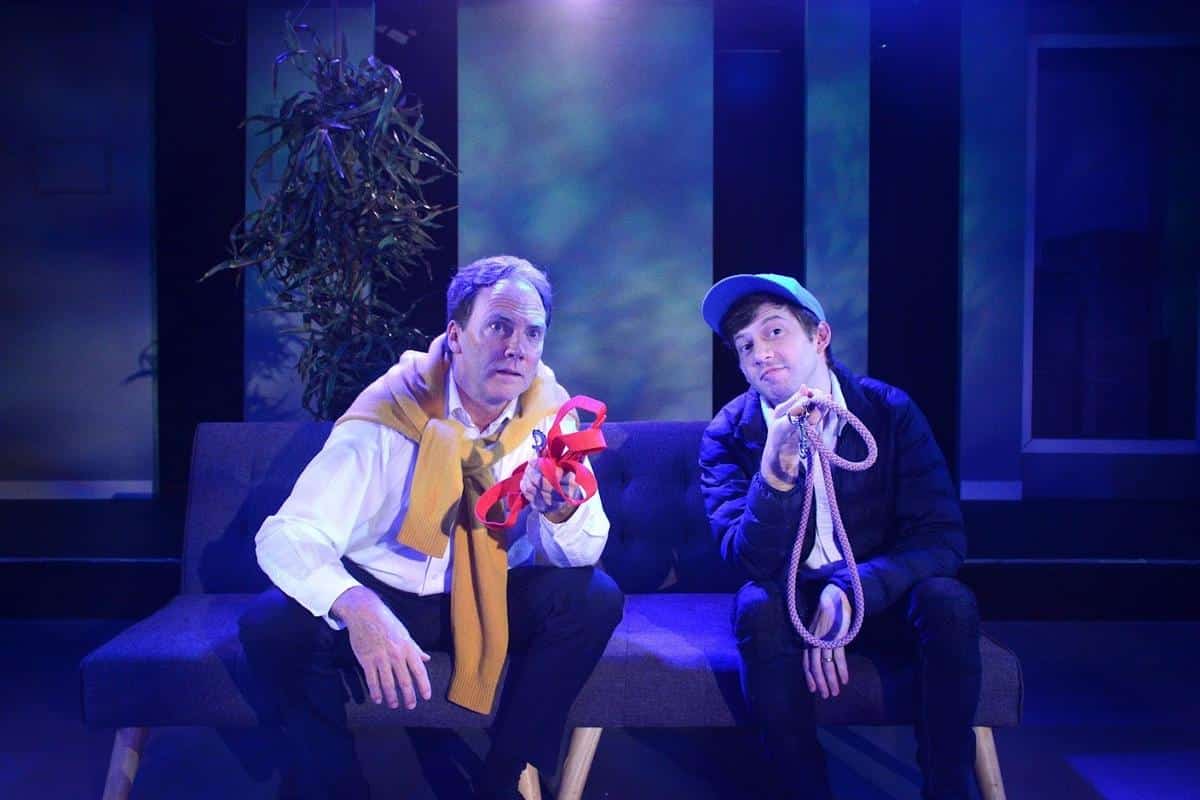
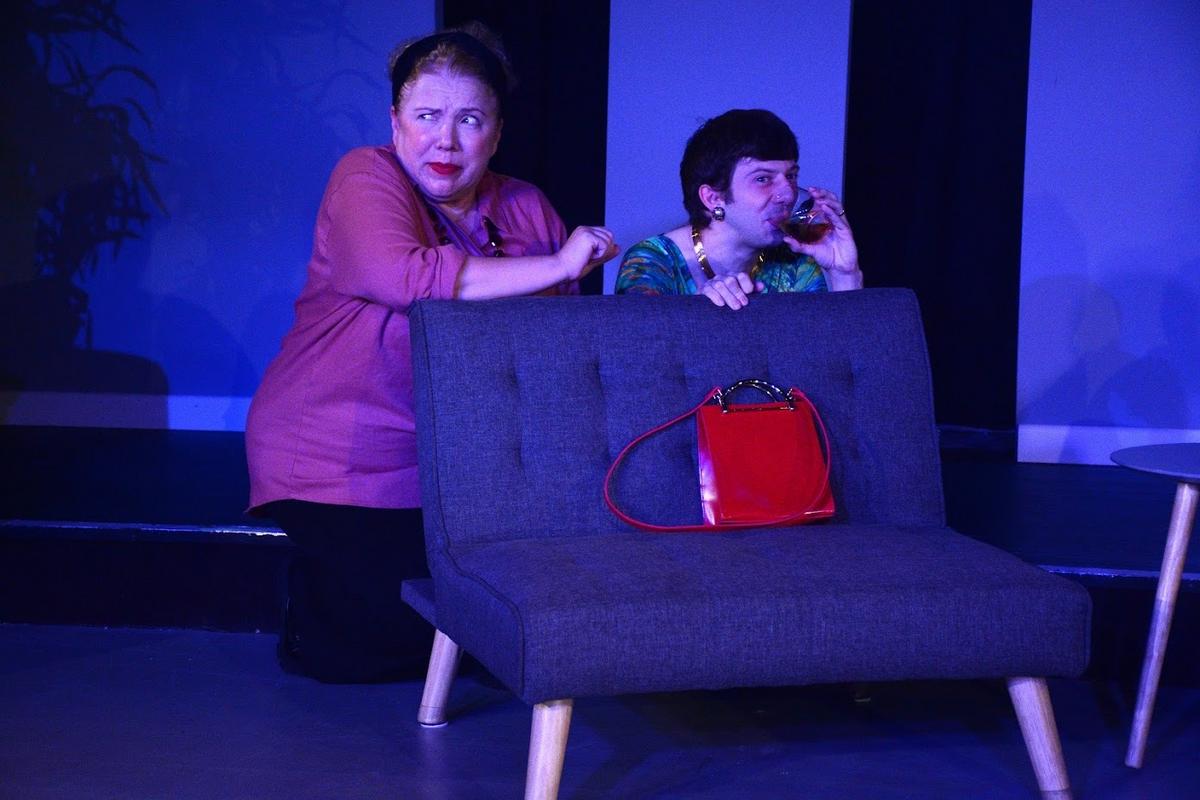
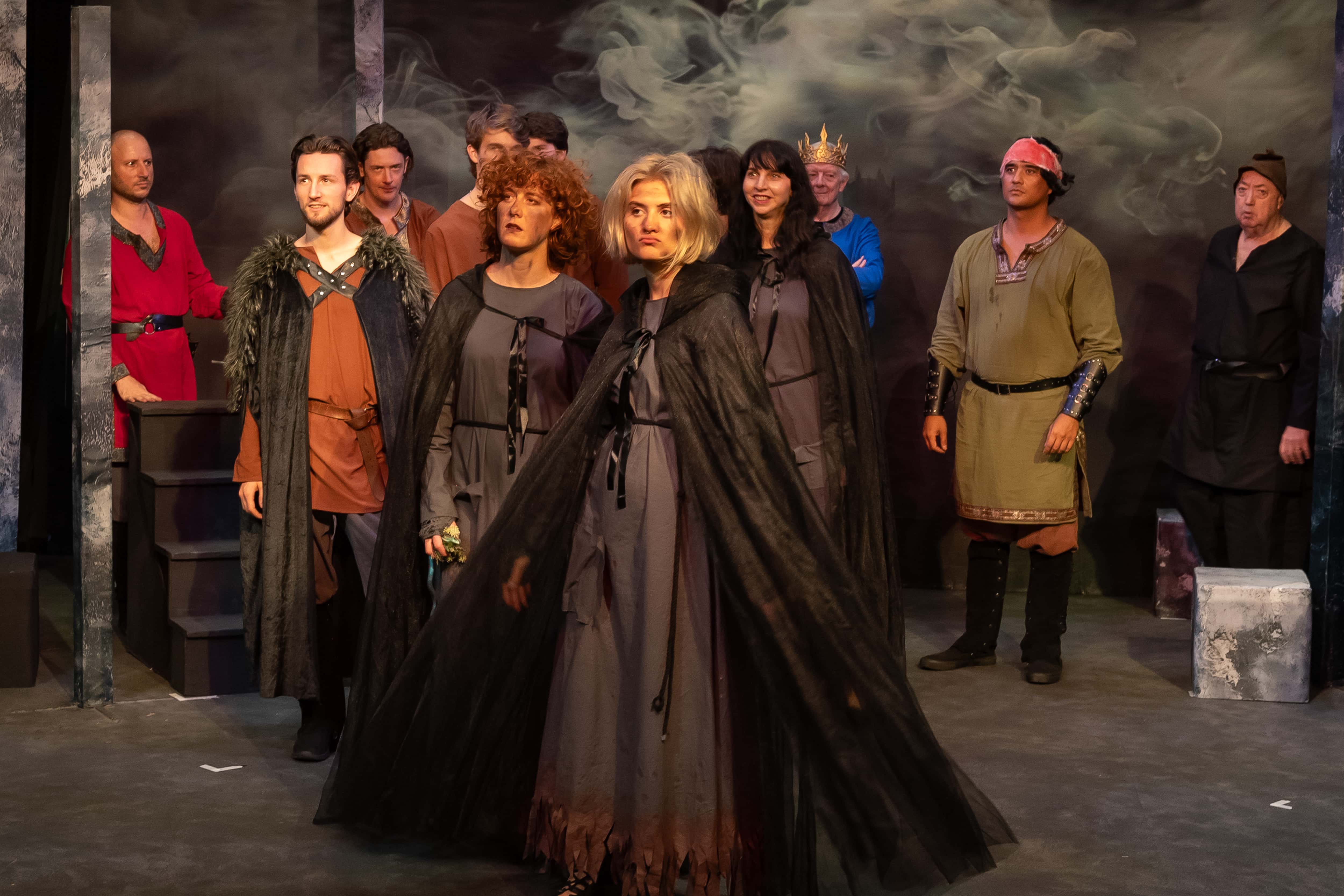
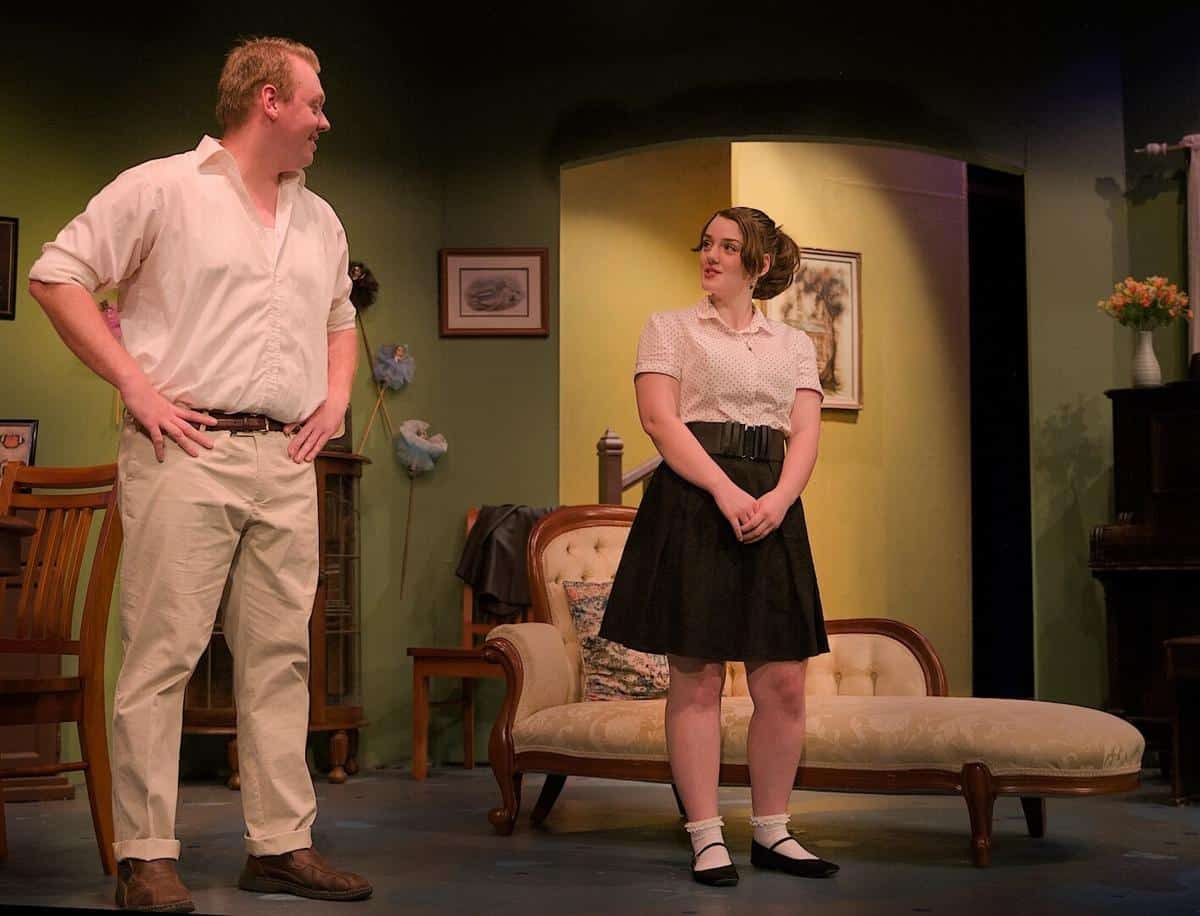
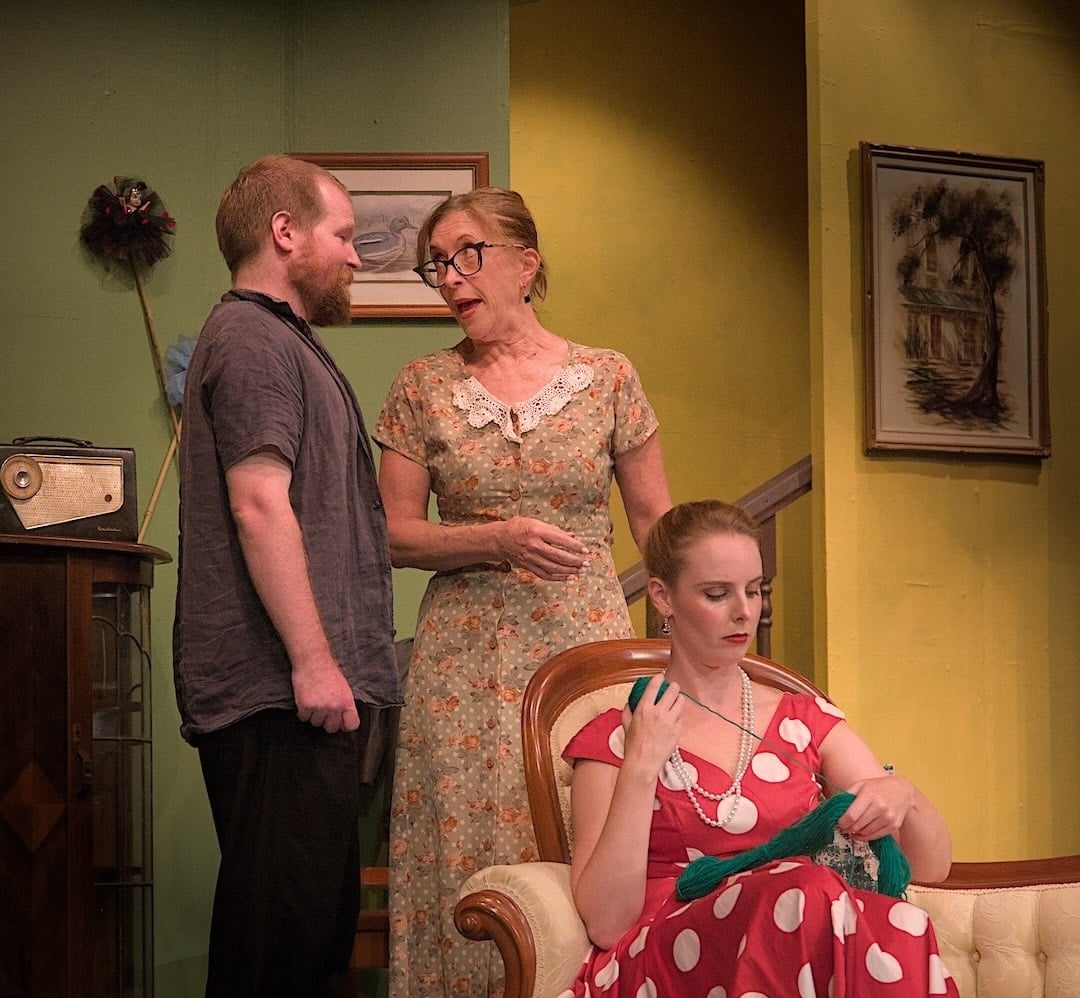
Writer/Director Victor Kalka’s takes on both challenges with Three Sisters at the Flight Path Theatre. He offers an almost claustrophobic platform, where every moment of inaction feels magnified and impossible to escape. The setting is intentionally unclear, blending past and present elements with a mishmash of creative confusion. No choice is fully realised, leaving the audience adrift, unsure where to anchor an emotional or intellectual connection. Chekhov loyalists may find it frustrating, but not in a Chekhovian way.

Three Sisters is deeply rooted in themes of societal constraints, particularly on women, but without the cultural context of Chekhov’s time, their longing for Moscow feels more like reluctance than tragedy. The Russian references remain, yet it feels distinctly un-Russian, as the cast all speak with Aussie accents and engage in very Aussie behaviours. More like a warped, self-flagellating version of Don’s Party, where personal crises and relationship breakdowns unfold amidst a backdrop of awkwardness and denial.


So, while Kalka offers a fresh perspective and some compelling tension, the conundrum ultimately falls short in achieving continuity and a cohesive identity, blurring its sense of direction. A few striking examples of dissonance is the use of Boney M’s ‘Moscow’. The upbeat, disco rhythm playing before the show and during the bows clashes with the quiet desperation of the characters. Plot points are also muddied, such as Olga having the freedom to be financially independent and be a school principal, yet the doctor kills someone by prescribing the wrong medication and faces no legal consequences, highlighting the inconsistency in tone and conflict. As a result, the themes of longing and discontent fail to establish any hard stakes or resonate effectively, diluting the emotional core of the story.

Still, the cast manages to engage with the material with conviction, conveying the emotional exhaustion and deep dissatisfaction of the characters. While not every performance stands out equally, several actors capture the depth and nuance of their roles with skill.

Meg Bennetts, Nicola Denton, and Sarah Greenwood bring a steady, understated energy to the sisters, slowly building the quiet tensions and unspoken desires that define them. Greenwood’s scenes with an intense Alex Bryant-Smith are particularly compelling, producing the most emotional resonance, their chemistry grounding the performance.

Matthew Abotomey as the sisters’ hapless brother Andrei, makes the character likeable, despite some brutally honest lines, finding a way to be relatable. Joseph Tanti, as Irina’s suitor, brings warmth and subtle charm to what could otherwise be a passive role, creating a welcome contrast to the otherwise fraught atmosphere.

Set in a time far removed from 1901 Russia, where women can self-actualise beyond marriage or spinsterhood, we’re ultimately left wondering why the sisters persist in self-loathing and entrapment instead of embracing self-examination. The absence of clear obstacles creates a disconnect, ironically mirroring the sisters’ doubt and lack of coherence. In Chekhov’s original, they’re trapped by both societal expectations and their own emotional paralysis – a defining characteristic of their struggle that feels unfounded here, where social pressures are now largely absent.

The key to a modern adaptation is balancing fidelity to the original with a fresh lens that reveals its enduring relevance. Yet, this production’s purpose gets lost in translation. Perhaps that was Kalka’s intent, but if so, it doesn’t quite reach Moscow.

See https://www.flightpaththeatre.org/whats-on/three-sisters for further details

Spread the word on your favourite platform!

A Riveting Journey of Power, Pride, and Consequences

An Inspector Calls

An Inspector Calls Rating

Click if you liked this article

6

With its first twist, An Inspector Calls locks the audience into an intriguing labyrinth where the seven sins are put on trial and the reckoning begins. Playwright J.B. Priestley elevates what appears to be a straightforward police inquiry into a searing social critique, urging us to examine not just the corrupt elite, but our own part in the drama.

In the midst of their self-satisfied revelry, the Birlings receive an unexpected visit from an enigmatic inspector. A typical inquiry into a young woman’s suicide transforms into a scathing indictment of the far-reaching consequences of individual actions as he methodically unravels a web of arrogance, elitism, and social injustice. It’s a chilling reminder that no one escapes accountability—not even the seemingly untouchable.

While the script can feel wordy at times, with recurring motifs, the pacing unwinds steadily, allowing the tension to build. The choice to divide the play into three acts proves effective, with each act ending on a cliffhanger. The seven-member ensemble is finely tuned, expertly portraying their characters’ flaws and fatuities, ensuring the story remains engaging from start to finish.

Vincent Andriano, as Inspector Goole, serves as Priestley’s mouthpiece, evolving from a cheery, cordial demeanor into an imposing, omnipotent figure and ultimately an avenging angel. As Goole’s forceful nature emerges, his moral authority becomes both gripping and thought-provoking. Andriano’s expert use of pauses and knowing glances heightens the atmosphere most effectively.

Annabel Cotton and David M. Bond portray the Birling patriarch and matriarch, Arthur and Sybil, exuding an undeniable sense of arrogance and entitlement. Both share a striking similarity in their imperious natures, displaying an unyielding superiority that is both aggravating and all-too-recognisable. A distinctly nonchalant coldness.The audience is both repelled and riveted by their haughty hypocrisy.


Thanks to the Inspector’s timely arrival, the younger generation has a chance to break free. Here there is hope. Eric and Sheila Birling both grapple with guilt, slowly awakening to self-awareness and truth-telling. Harry Charlesworth delivers a beautifully nuanced portrayal of Eric, a young man burdened with the weight of his family’s decayed legacy, offering a marked juxtaposition to his parents awful indifference.

Rebecca Liquorish delivers a commanding and layered performance as Sheila, capturing her transformation from naive arrogance to sharp moral clarity, a liberating journey from ignorance to self-expression. Authentic and compelling, Liquorish makes Sheila’s evolution both believable and redemptive.

Meredith Blee portrays Edna, the servant, with quiet dignity, reinforcing the sharp class divide and the Birlings’ indifference to those beneath them. Simon Pearce plays Gerald Croft, Sheila’s fiancé, highlighting how Croft’s seemingly benign demeanor and moral ambiguity mask deeper and more dangerous complacency. He embodies moral convenience, offering just enough charm to deflect scrutiny while remaining complicit in the darker actions of those around him.

An Inspector Calls is the perfect choice to inaugurate the Genesian’s new Rozelle premises. This lovely space effortlessly blends art deco with modern comfort and cutting-edge technology. The production’s Edwardian elegance shines through a rich colour palette and refined set design, with deep, opulent hues capturing the grandeur of the era. Family portraits, more than mere decoration, serve as proud emblems of the Birling dynasty, while Susan Carveth’s sumptuous costumes subtly underscore the social hierarchy.

Co-directors Ali Bendall and Mark Bull have crafted a tightly woven slow-burn, infused with a hint of the supernatural. The conflict between resistance and realisation is what truly holds our attention. We long for each characters’ moment of capitulation, as they squirm beneath the Inspector’s steady gaze and probing words.

This fascinating premise invites us to imagine a world where an inspector holds everyone responsible whereby our actions are judged, with no escape. As Goole states, “We don’t live alone. We are members of one body. We are responsible for each other.” Ultimately, we are all faced with an uncomfortable truth: accountability isn’t reserved for the wealthy, no matter how much we deny it. And one day, it may very well come calling.

For more details on this production, visit https://www.genesiantheatre.com.au/

Spread the word on your favourite platform!

Old Fitz Theatre Presents: Pride and Prejudice (An Adaption)

Pride and Prejudice

Pride and Prejudice Rating

Click if you liked this article

9

Mirror mirror on the wall, who is the most eligible sister of them all?

In an uproarious reinterpretation of Jane Austen’s Pride and Prejudice, this bold and comedic staging brings the iconic family drama to life in a setting as unexpected as it is delightful—the last surviving pub theatre in Australia. The play, set against the backdrop of a family teetering on the brink of financial ruin, centres on the age-old dilemma of marrying off daughters to wealthy suitors. Yet, in a fresh and dynamic twist, every character—rather than just the heroine, Elizabeth—takes centre stage in their own right.

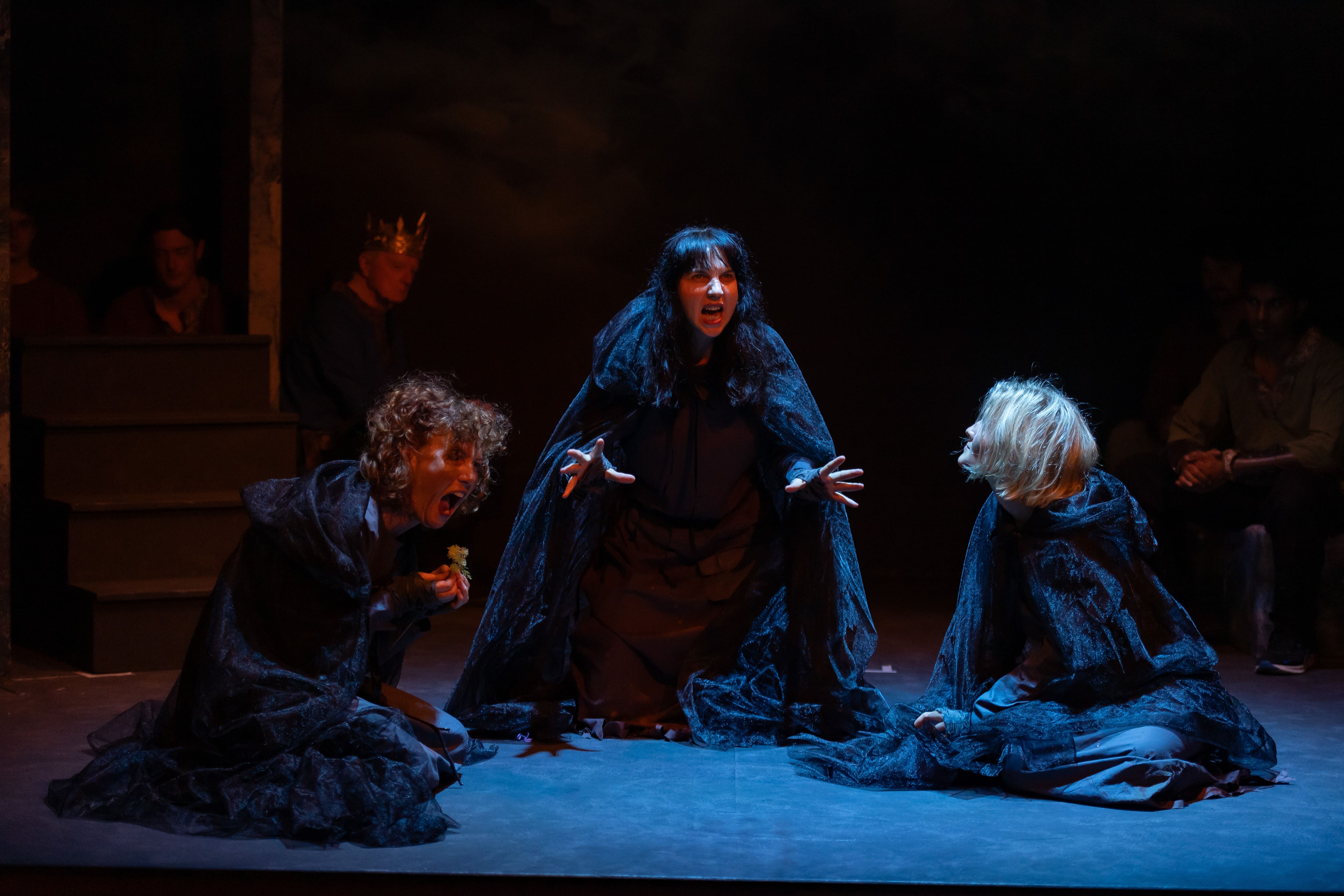
This production’s brilliance lies in its ensemble cast, which delivers such an impeccable balance of humour and nuance that it’s nearly impossible to pick a standout performer. Each actor shines, feeding off the energy of the others in a masterful display of comedy and wit.

Special mention must go to AJ Evans, who plays the frenzied matriarch, Mrs. Bennet. His portrayal is a riotous blend of manic energy and unfiltered desperation, offering some of the evening’s most laugh-out-loud moments. Evans’ comedic timing, coupled with his ability to morph into a character consumed by a single-minded obsession with securing the daughters’ futures, steals the show.


The play’s minimalistic set allows the actors to shine, while clever costume changes and seamlessly executed scene transitions keep the action flowing without missing a beat. You can’t stop laughing and smiling through the performance as it takes you through formal dances, garden appreciation walks and many formal scenes with a reverie of a “bogan” country bumpkin family attempting to snare the big kahuna.

While the dreamy Mr. Darcy remains a figure of quiet earnestness, his stoic presence is overshadowed by the relentless charm of the surrounding characters. The play cleverly balances these serious moments with a playful irreverence that breathes new life into the familiar story. Even the stiffest of characters find their moments of absurdity in this delightful reimagining.

In the end, it’s happily ever after for everyone, bars Mary, the ugly duckling of the family, and it’s impossible not to leave the theatre grinning, still chuckling in a posh English accent. It’s a joyous, uproarious ride from start to finish—one that offers a new lens through which to enjoy a beloved classic.

To book tickets to Pride and Prejudice, please visit https://www.oldfitztheatre.com.au/pride-and-prejudice

Photographer: Phil Erbacher
Spread the word on your favourite platform!

The Collector

The Collector

The Collector Rating

Click if you liked this article

5

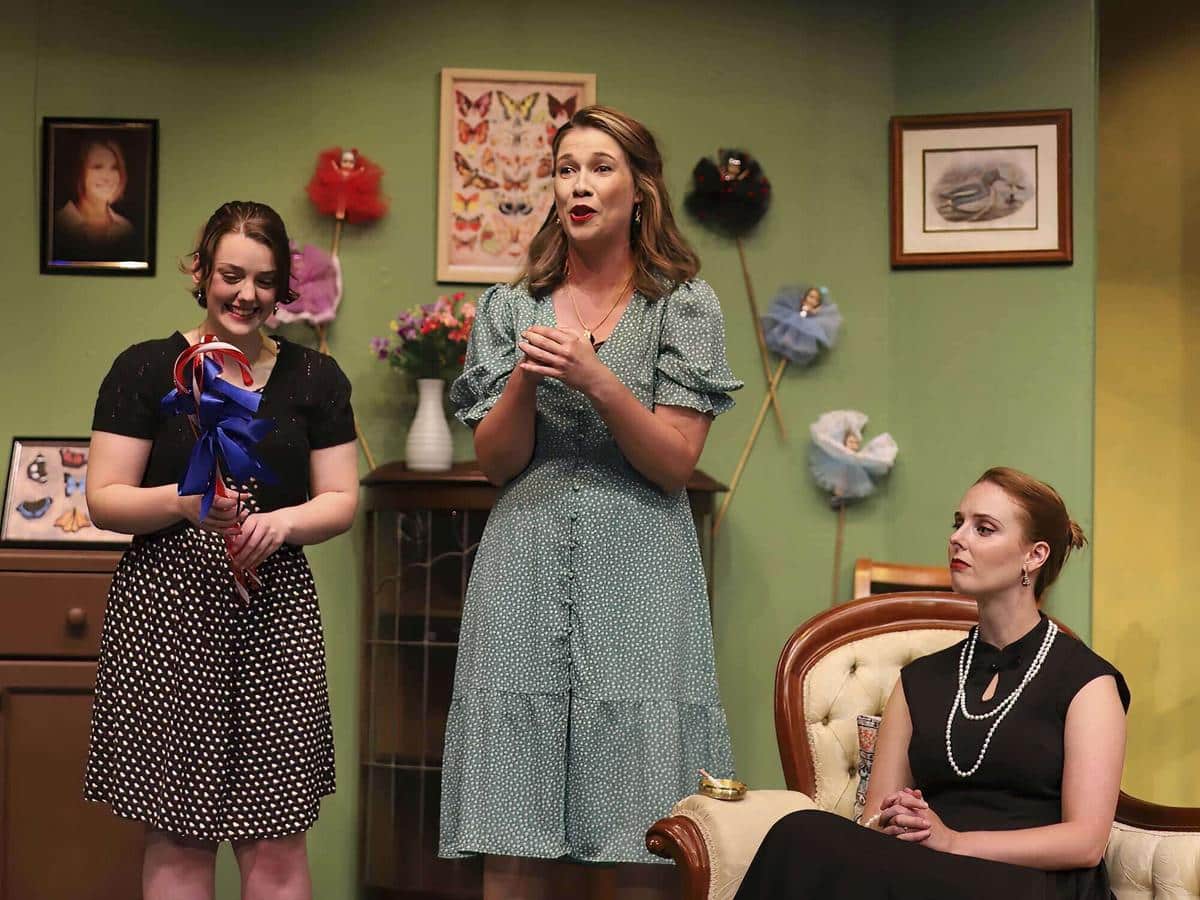
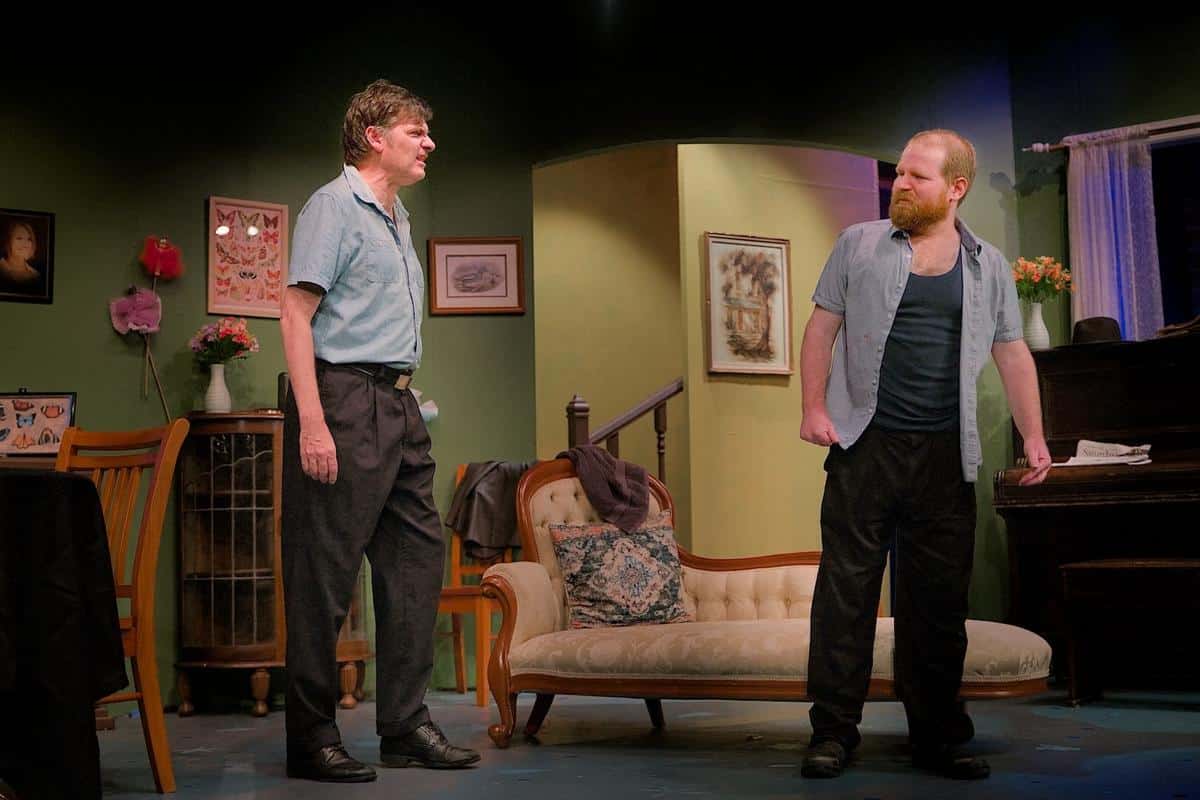
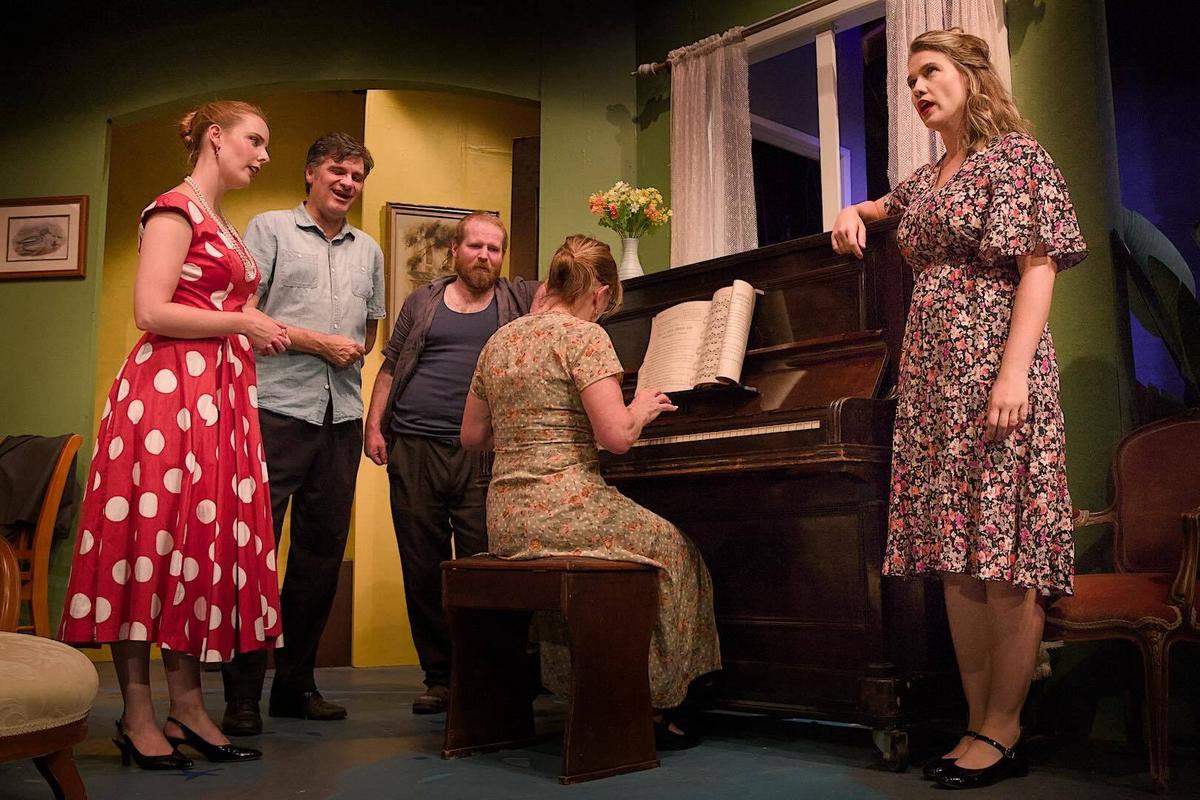
The Collector is a harrowing tale about an emotionally stunted and lonely young man who abducts a young woman and keeps her locked in his basement. In this modified version of Mark Healy’s stage play, adapted from John Fowles’s 1963 novel of the same name, Frederick Clegg, an amateur entomologist, wins the lottery and uses his new wealth to buy an old country house a few hours from Sydney.

In the basement, he imprisons Miranda Grey, a young art student he stalks and then kidnaps after forming an obsession. Frederick plans to spend time with Miranda so she gets to know him and falls in love, but what follows is a haunting exploration of power, obsession, fear, loneliness, and dangerous delusion.

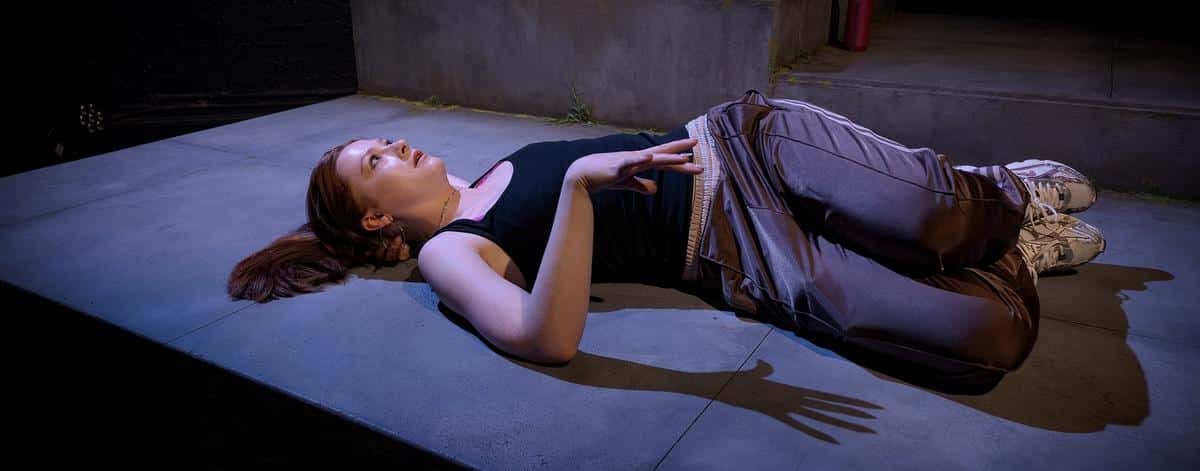
As I entered the tiny theatre in Redfern, I wasn’t sure what to expect. The stage stretches from wall to wall and takes up most of the room while the audience looks down on the set as if trapped in the basement along with the characters. This sense of immersion and intimacy worked to the play’s advantage. I was sitting in the front row, and several times, the performers almost stepped on my feet. Tigran Tovmasian, who plays Frederick, often stared me right in the eyes as he delivered his monologue just a meter away, which was both unsettling and intensely immersive. Frederick, not Tigran, was trying to make me understand.

Tigran was, without hyperbole, sensational. I was genuinely impressed by his embodiment of Frederick, from the tone of his voice to his body language. He almost had me feeling sympathetic. I couldn’t help but appreciate the tiny character details, such as nervously picking at his nails, picking at the table, slumped shoulders, and even his trembling lips during the intensely emotional moments. Underneath the awkward nervousness and polite frustration was a real sense of danger, and you fear what Frederick might be capable of.

This fear was convincingly embodied by AJ, playing Miranda Grey. Her performance carefully balanced Miranda’s complex emotional journey, moving between terror and isolation to anger and violence and the desperate attempts to manipulate Frederick into letting her go.


Ruby Busuttil’s direction wisely gave us several moments of laughter despite the heavy themes, with small jokes and absurd moments lifting the tension at the right moments without sacrificing the integrity of the drama or being disrespectful to the story. While bad directing is obvious, great directing isn’t usually noticeable because you get sucked into the narrative and everything just works. That’s what happened. It wasn’t super-flashy or overly dramatic or trying to show off. It just worked. Ruby also produced the play, bringing together a solid team that supported the performances.

Adrien Stark’s set design was impeccable, and his experience shows. The set itself represents three different spaces without needing a single set change, and it worked convincingly. Despite the theatre being tiny there was still plenty of room for the action to take place. Making use of the theatre’s own walls and pillars, Frederick’s basement was utterly convincing and didn’t look like a cheap theatre set. Everything from the furniture and set dressing to the props used by the characters were detailed and convincing. Supporting this fantastic set design and Alice Chao’s solid stage management was the impressive lighting and AV.

The lighting was beautifully crafted to represent the various spaces and time of day without being overbearing. It wasn’t stage lighting. It was film lighting, with the character’s faces often beautifully lit as if I was watching a movie. Isobel Rabbidge should be commended for their ability to create a truly immersive experience without drawing attention to the technical components of the play, including the correct balance of additional audio effects to support the changes in scenery. This can often be hard to achieve.

The accompanying music composed by Roger Ly generally worked well, although I felt it was a bit heavy-handed in the earlier monologues and distracted me from the performance. But part from this the music was a strong addition to the emotional content and tension of the performance.

The only real weakness of the entire production was the script. It does drag a little from time to time, repeating itself or not diving deep enough into the darker emotional journeys from the novel. But that has nothing to do with this production or its team.

All in all, The Collector is the best produced play I’ve seen this year, and I highly recommend you ‘catch it’ before it’s gone.

The Collector is showing at the Playhouse Theatre, inside The Actors Pulse in Redfern, Sydney, for a limited run until December 1st.

To book tickets to The Collector, please visit https://events.humanitix.com/the-collector

Spread the word on your favourite platform!

Subscribe to What's The Show

Reviews, show news and what is on, straight to your inbox.