A Night Full of Magic and Music

A Magical Guide to Fighting Fascism

A Magical Guide to Fighting Fascism Rating

Click if you liked this article

3

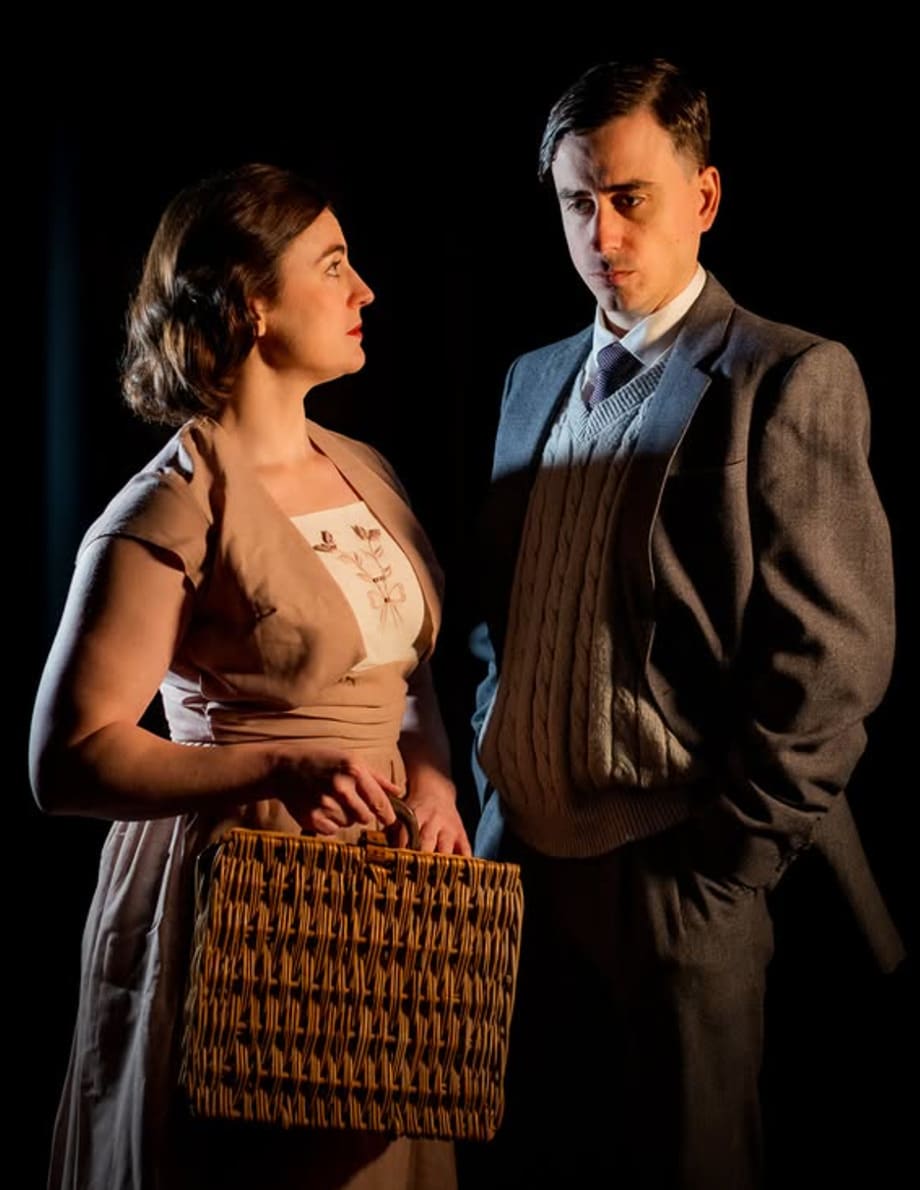
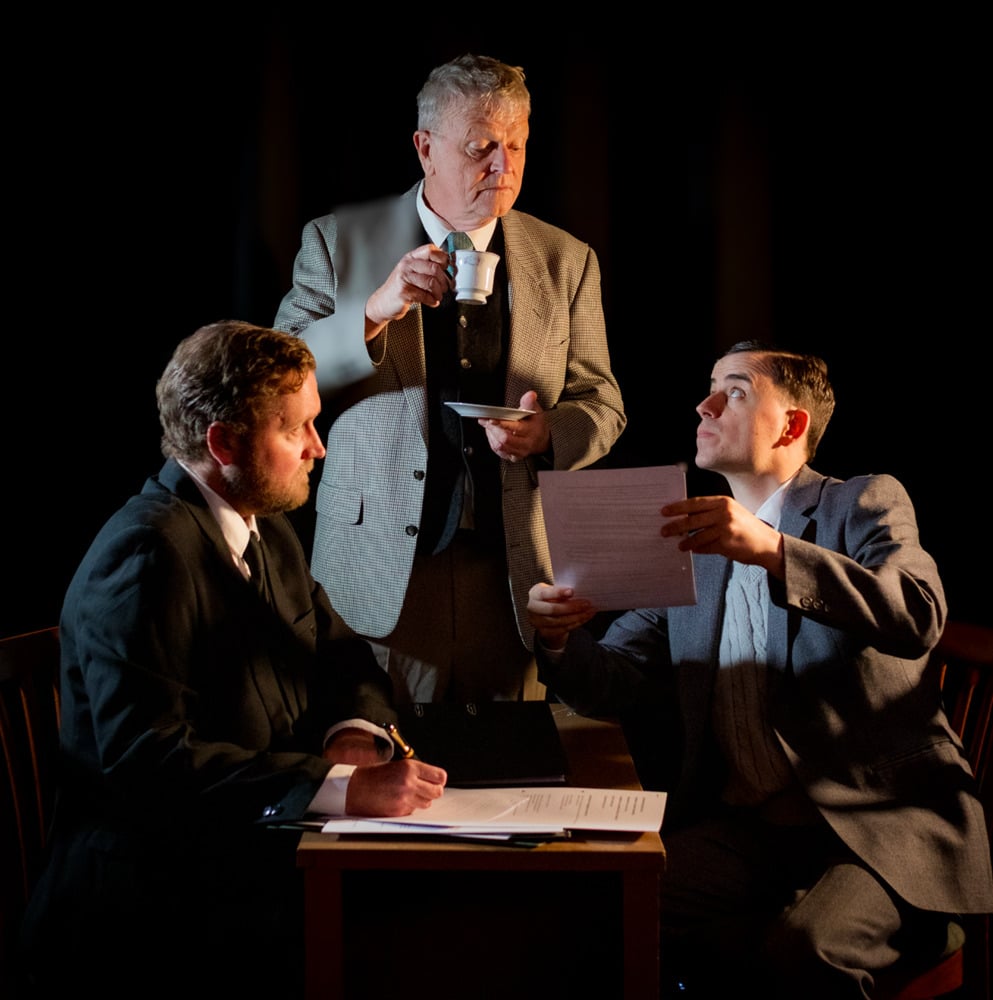
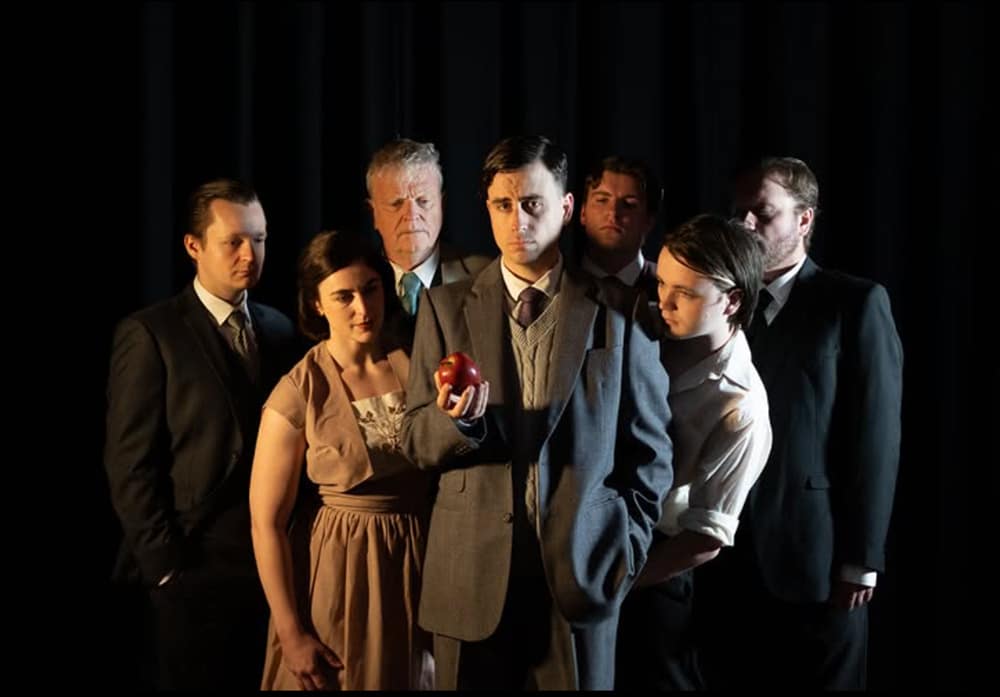
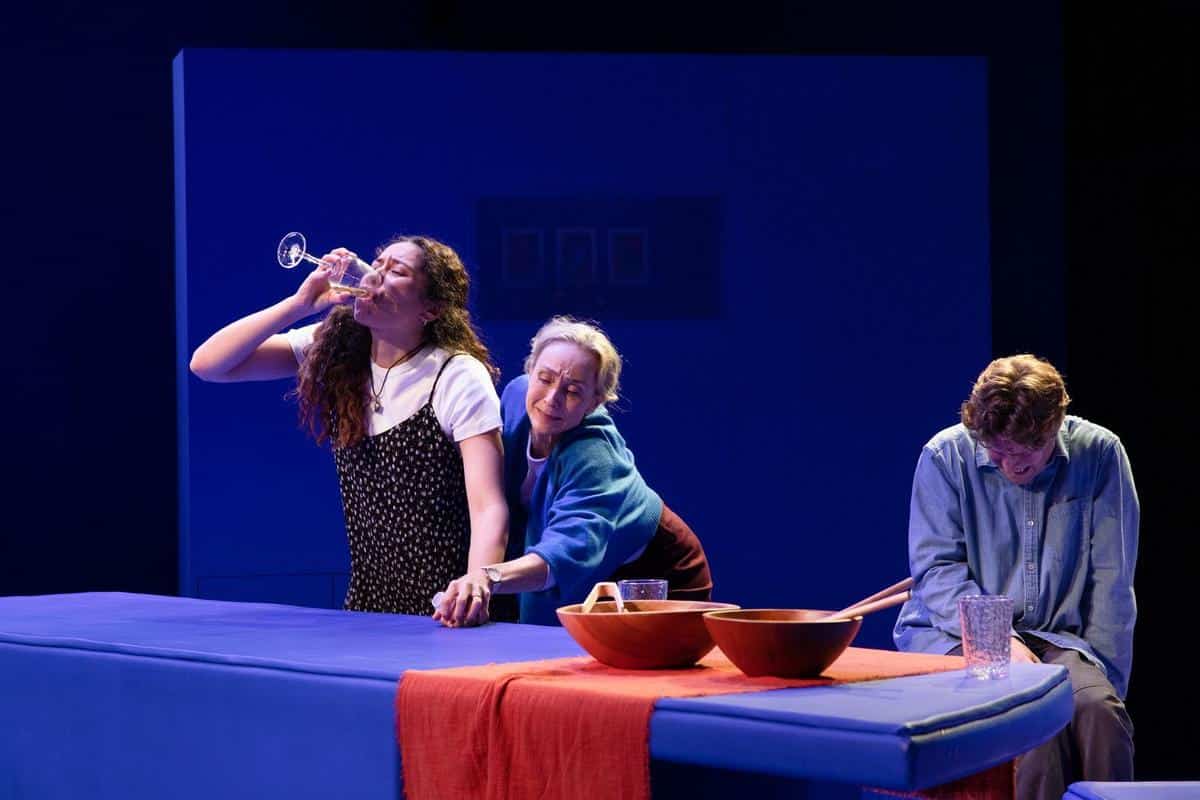
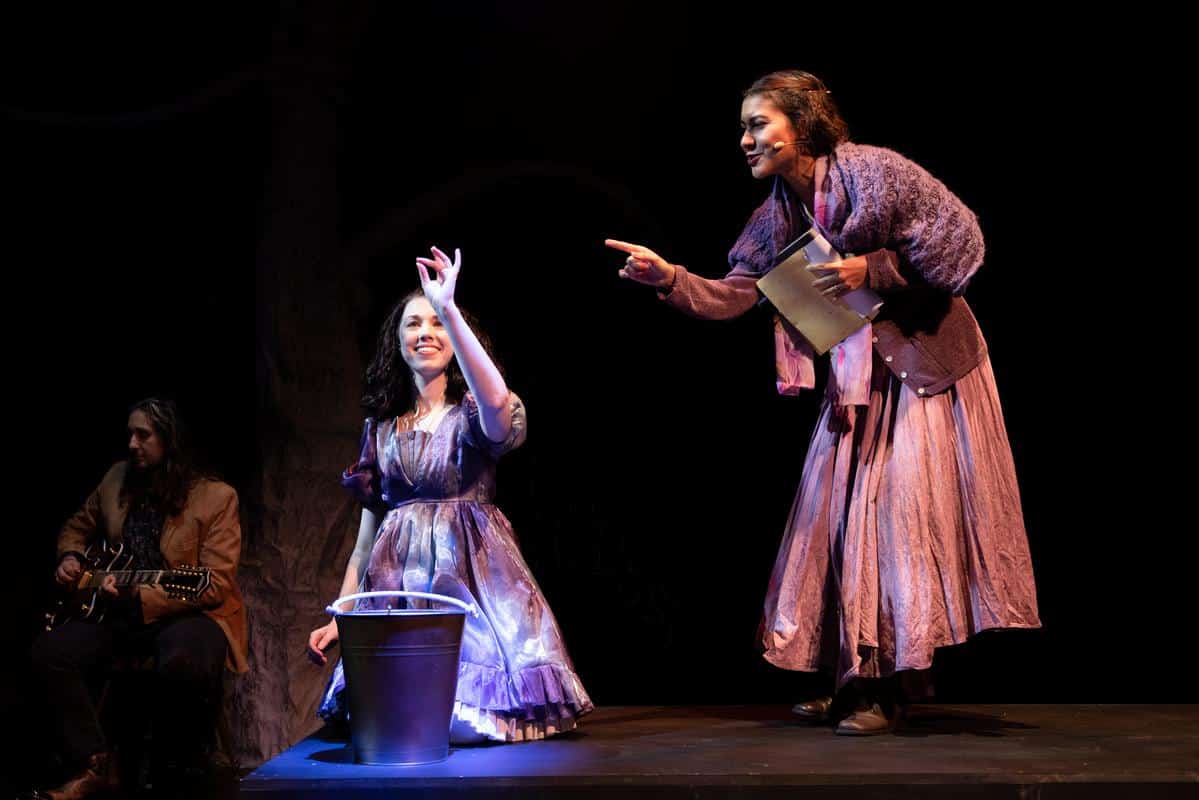
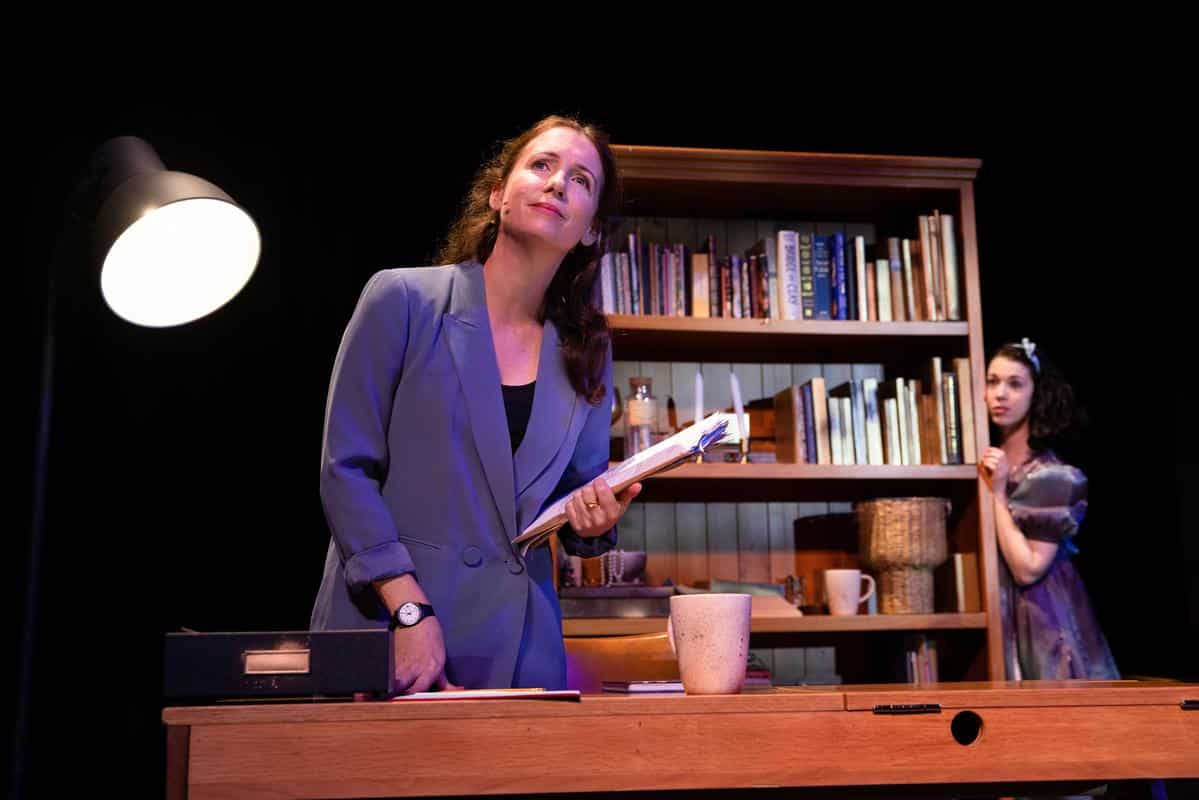
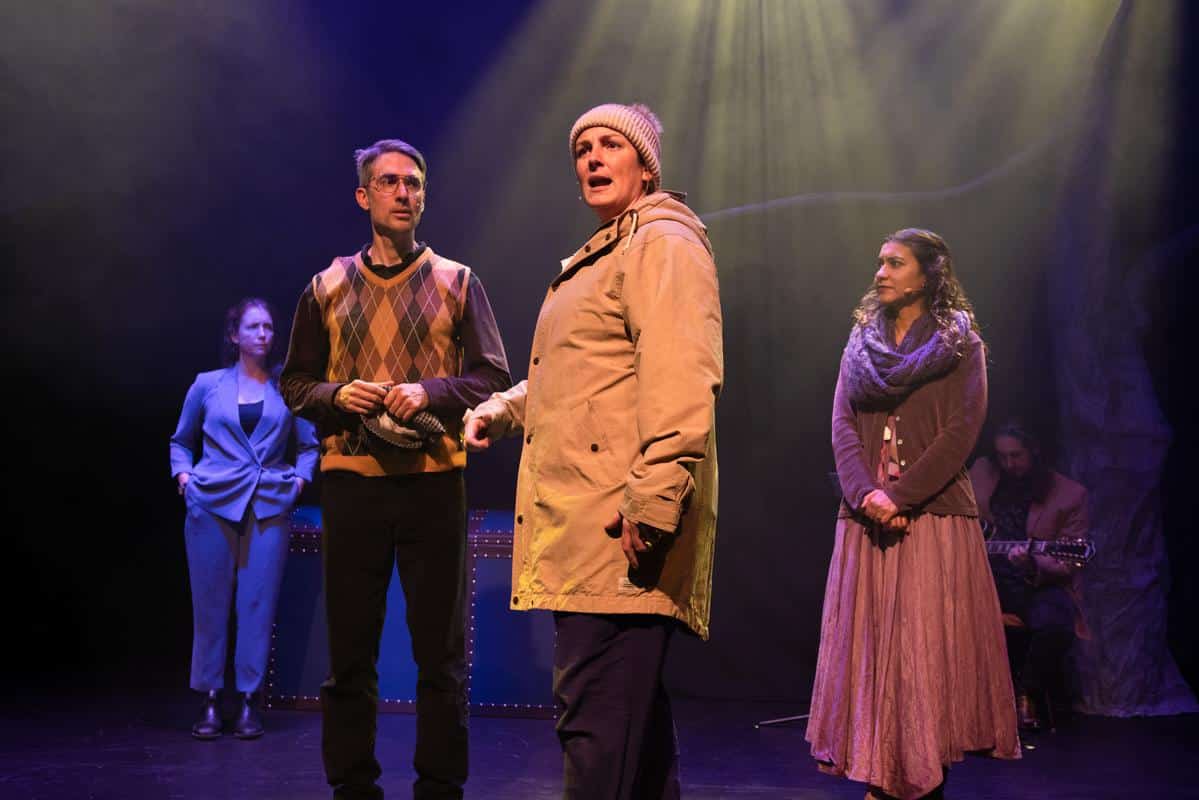
A Magical Guide to Fighting Fascism is a two act play about three women from three different time periods who are all connected based on intriguing historical events. It is written, composed, directed, and produced by Asha Cornelia Cluer, marking her Western Australian debut as a writer and director.

The play opens with a beautiful song sung by Chloë Jean Vincent, who enchants us with her mystical voice, drawing the audience into the performance. From the beginning, the show offers plenty of clever stage effects, leaving the audience to ask, “How did they do that?” As the play took off, something that caught my eye was the use of a screen in the background, using surtitles to translate foreign dialogue to us as well as marking new locations the story takes place in. The play is told using three languages, the majority in English, but it also uses Hebrew and Spanish to tell the stories of the characters. Federica Longo Huntington and Adriano Cappelletta stole the show, bringing lots of laughter from the audience. They play the part of the ensemble, proving to be very versatile as they played multiple roles (and with multiple accents), while the three women from different time periods were played by three different remarkable actresses. Melissa Westlake plays Cote in both flashbacks and her present day – she is able to change her stage age with the use of her expressions and movement, proving to be a powerful actress. Jo Morris plays Mayim, a busy and powerful woman, she encapsulates this character with wonderful integrity. Macy Curtis plays the teenage Javiera. For those who have grown up in Australia, the character is incredibly relatable and she reminds us of our youth, wanting to know more about who we are at the core.


Throughout the show, there is live music performed by Keshet, who is on stage with his guitar during the performance to help tell the story with music. The soft music adds to the magical feeling of the stage along with simple yet effective lighting, such as candles, fairy lights strung in a tree, and spotlights, which were designed by Adelaide Harney. Sound effects, designed by David Stewart, throughout the performance were not overused but perfectly timed when needed. The costumes, designed by Jamie Jewell, were simple yet one-of-a-kind, including a selkie, which is a wonderful show of his creativity.

Although the show was only performed for one night only on June 13th, I sincerely hope there will be a chance in the future for others to watch this beautiful production.

To book tickets to A Magical Guide to Fighting Fascism, please visit https://www.ashacorneliacluer.com/magical-guide.

Spread the word on your favourite platform!

The Playboy of the Western World

The Playboy of the Western World

The Playboy of the Western World Rating

Click if you liked this article

1

First performed in Dublin in 1907, The Playboy of the Western World was written by Irish playwright John Millington Synge, and so scandalous for its time, it was met with protests. Deemed a traditional Irish comedy, the three-act play translates well to modern society as a timeless masterpiece.

In a nutshell, the playboy, Christopher Mahon (Garrison Cox), shows up one night at Pegeen’s (Rebekah Hannah) tavern with a questionable past. He boasts about a grandiose story involving his father, Old Mahon (Ron Arthurs), which elevates him to hero status and gets all the ladies of the village in a flutter, including Widow Quin (Siobhan Vincent), Susan Brady (Kirsty Plews), Honor Blake (Piper Gibson), Nelly (Olivia Keary) and Sara Tansey (Isabella Di Giovanni). In fact, Christopher is such a hit with the ladies that it causes much angst among the men, especially Shawn Keogh (Ian Staunton), who has been promised to Pegeen.

Michael James Flaherty (Gavin Crane), Jimmy Farrell (Stuart Ridgway), Philomena Cullen (Dame Kerry Goode OAM) and Philly Cullen (Ben Vaughan-Sanders) are innocent by-standers, for the most part, who bemusedly watch it all play out from the sidelines.

Reigning from around the globe, mastering the Irish accent is a testament to the talented cast that I really enjoyed once I relaxed into its musicality and lyrical rhythm. 


With all three acts performed in the tavern, with walls crafted from papier-mache, it’s a cosy setting, made all the more atmospheric by Perth’s chilly nights as the train rattles past and planes thunder above. A big thanks to the set design crew, including Jake Newby (also lighting design), Graeme Dick (also stage manager), Nera Camponovo and Paris Jenner.

Directed and performed by Siobhan Vincent, who did a brilliant job of bringing the story to life at the historic Garrick Theatre. Acknowledgement must go to her assistant, Marion West, who also handled props and set dressing, and to Sarah House for stepping in for Siobhan during rehearsals.

Isabella Melbin (assistant stage manager), Conor Barclay (lighting operator), Ricky Penrose (sound operator) all deserve a round of applause. Tamar Basini’s talent and attention to detail for the costumes took me on a journey to the early 1900s.

The Playboy of the Western World is a scintillating tale of seduction, betrayal and violence and as relevant now as it was in 1907.

Performed at the Garrick Theatre in Guildford, get your tickets here. Shows start at 7.30pm from 4th to 20th June, with matinee sessions at 2pm on Sunday 7th, 13 & 14th June.

To book tickets to The Playboy of the Western World, please visit https://www.TAZtix.com.au/garricktheatre/.

Spread the word on your favourite platform!

Robots On The Rise

R.U.R. (Rossum's Universal Robots)

R.U.R. (Rossum’s Universal Robots) Rating

Click if you liked this article

5

Rossum’s Universal Robots is a science fiction play written by Karel Capek and directed by Robrecht Herfkens. It is a four act play with two intervals, lasting about two and a half hours.

This production is set in the past and the main actors really set the tone of the era. Tod Trotman is amazing at delivering continuous dialogue and does a remarkable job with his mannerisms to capture the era. Candice Preston, who plays Helena Glory, is passionate and does a wonderful job with her expressions. She makes the audience feel included with her dialogue. The production includes a wide cast of all ages and the robots do a magnificent job at making you feel on the edge of your seat as they begin to take over the world. The performance of Radius, played by Stephan Pfister, is unnerving. The actors who play the group of managers continue acting in the background, creating realism to the scene. The way they portray the characters after the interval makes them believably older.


Both the set and costumes also do a wonderful job of setting the era. The set painting is a work of art and in between acts, there are massive changes to the impressive set build, giving the audience plenty to look at. The interior and exterior set is very unique, allowing the audience to view both sets at the same time. Lighting changes are infrequent but effective, especially towards the end, when there is a short strobe light sequence. The costumes are simple but effective. The robots wear simple white jumpsuits and the humans wear dresses and suits. As time passes throughout the performance, the costumes and hair changes reflect the passage of time.

Music is scarce but when it is played, our attention is drawn to it. Sound effects during the performance surround the audience, making us feel included. During the intervals, robotic-like music is played for our entertainment and during the second interval, the theater becomes immersive with the theatre staff dressing up as the robots.

It is very interesting to think about how this play was written in the 1920s but still captures the issues of A.I. that are rising today. I think it was an excellent choice of the theatre to choose this play (and to keep it in the era it was written, as opposed to reimagining it in our future) as the themes are still relatable and it is interesting to see how the robot takeover was envisioned in the past. This is a great show for the science fiction lovers among us.

Rossum’s Universal Robots is playing at Roxy Lane Theatre on May 23rd, 24th, 29th, 30th, 31st and June 4th, 5th, 6th, 7th.

To book tickets to R.U.R. (Rossum’s Universal Robots), please visit https://www.taztix.com.au/event/roxylanetheatre/.

Spread the word on your favourite platform!

The Shepherd’s Hut

The Shepherd's Hut

The Shepherd’s Hut Rating

Click if you liked this article

The Black Swan Theatre Company, presents The Shepherd’s Hut at the Heath Ledger Theatre. Adapted by Tim McGarry and directed by Matt Ejertton and taken from the novel by Tim Winton.

Just wow…what a performance. I couldn’t fault it. I was gripped from beginning to end!

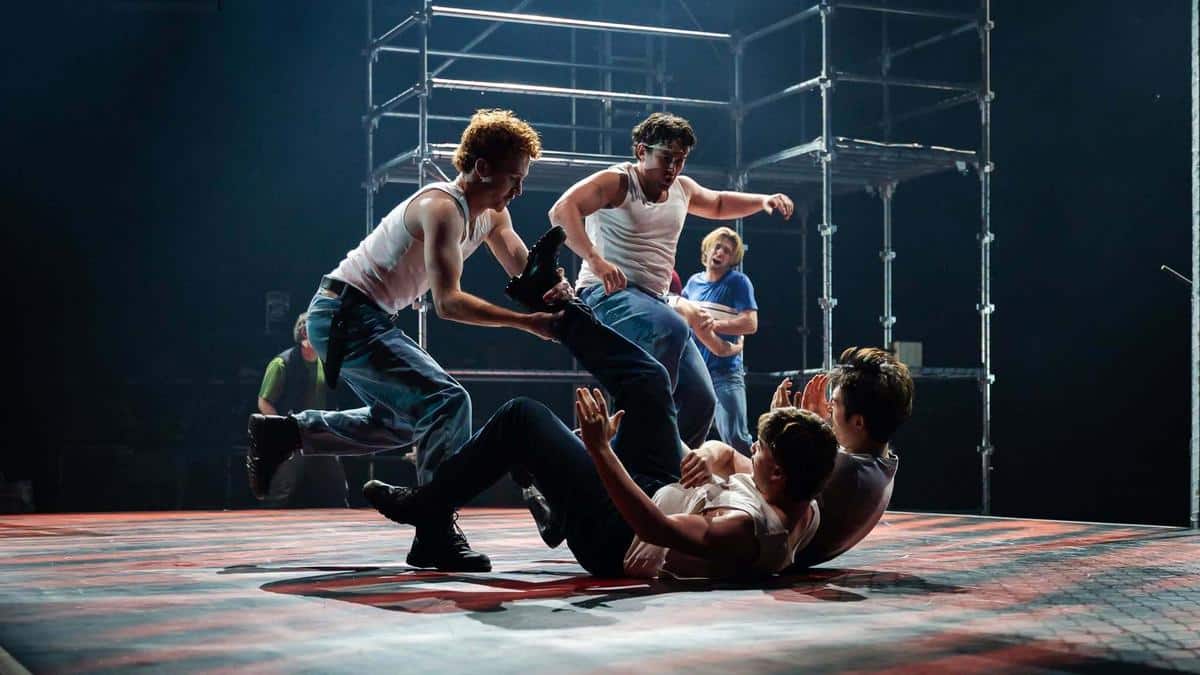
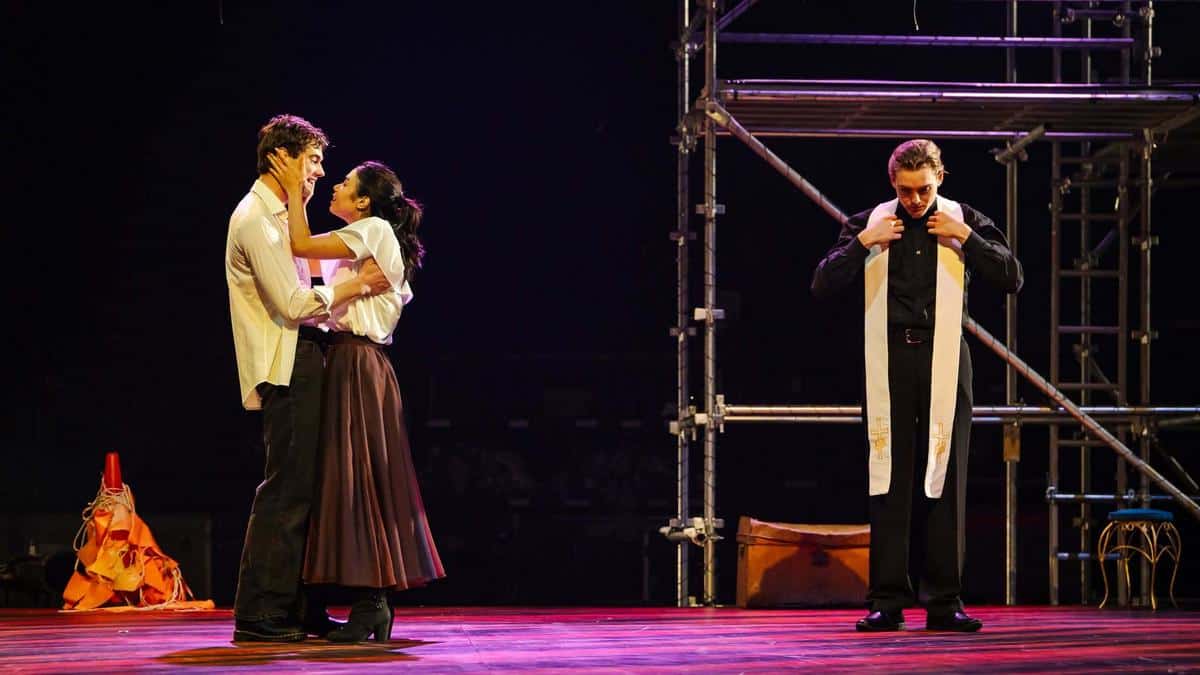
The story follows young Jaxie Clackton through the agonising heat of the desert, only to be matched by the internal agony of his past. While battling to survive the Australian outback, Jaxie stumbles across a dwelling on the edge of a salt lake in the middle of nowhere where he finds Finton McGillis, a disgraced Irish priest. Finton is isolated and desperately seeking salvation from a damaged past, purposely deprived of human contact as punishiment for his sins. The dynamic between Finton and Jaxie is remarkable. The tension, raw emotion and sense of danger between the two, created an atmosphere in the theatre that kept everyone on the edge of their seat.

Finton was played by George Shevtsov, who brought an element of compassion and empathy to the very angry and hot blooded Jaxie, played ever so powerfully by Ryan Hodson. Often I felt like Shevtsov was trying to tame an injured, wild animal. The two very masculine characters pushed each other to the limit and pressed each other until cracks from their past would surface, leaving the audience in a gasp, but raising more questions then answers. Each heated debate between the two drew the audience in even more.


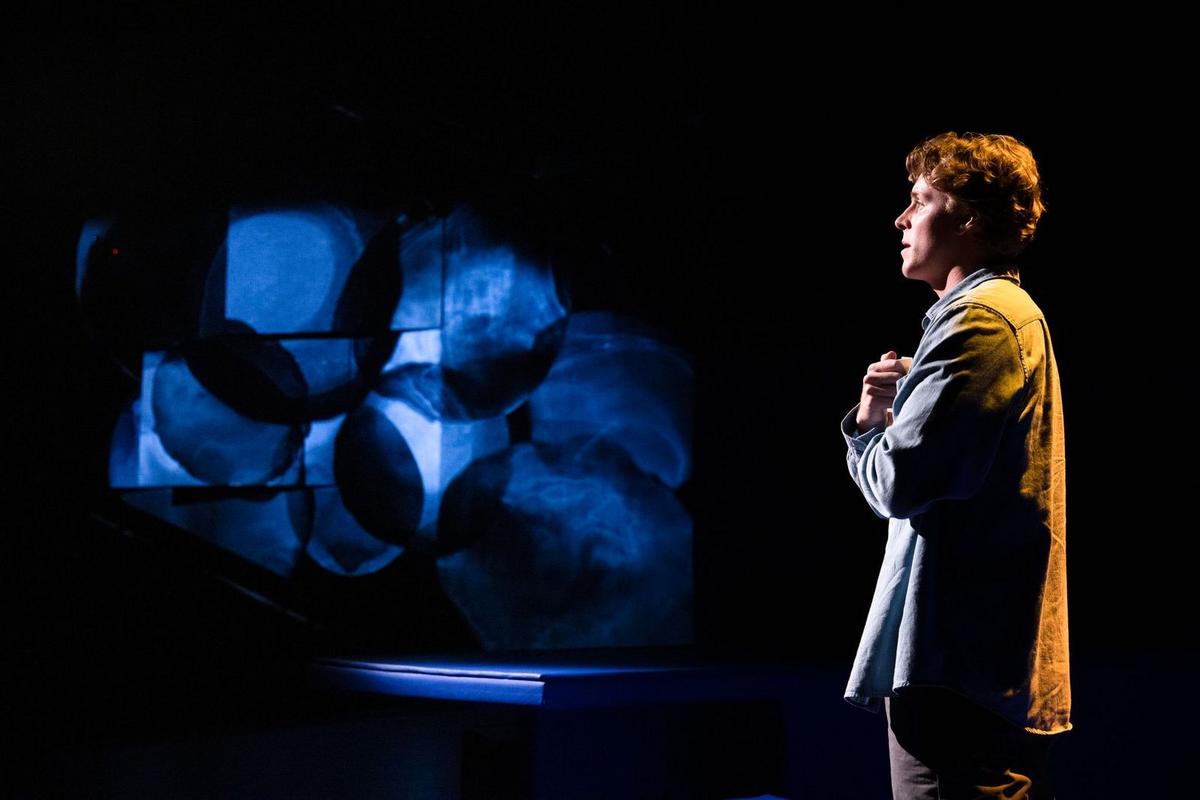
A large sand-covered stage stretched almost endlessly across the space, creating the feeling of the harsh Australian outback. The set design was probably the most simple I have ever seen on a stage. But it added to the raw, exposed landscape, which set the tone and sense of isolation, loneliness and helplessness. The clear sand contrasted beautifully against the textured drapes, which added important visuals when needed and the lighting against the sand and drapes were beautifully orchestrated with the mood.

The stripped-back design felt intentional rather than minimal, as our focus remained on the physical movements and rapid psychological changes of the characters. The brilliant story telling by The Hat (Ben Mortley) and The Hair (Ella Prince) amplified the emotional weight of the performance. With their dynamic tones and rhythm, we were able to imagine ourselves in different scenes instantly.

Personally, I loved how this story is fragile in ego, dangerously honest, and strangely tender. Both men, clearly needing help but refusing to show weakness, are a mark on society and confront young men in crisis and how they respond to fear and trust. Clearly ashamed of their past, they are literally screaming out for redemption but unable to forgive their own sins or the sins of others.

This truly is a powerful play and you must experience it the energy of it. It does however, contain coarse language, adult themes and references (or abstract simulations) to violence including family and domestic violence which can be triggering.

To book tickets to The Shepherd’s Hut, please visit https://blackswantheatre.com.au/season-2026/the-shepherds-hut.

Photographer: Philip Gostelow

Spread the word on your favourite platform!

Subscribe to What's The Show

Reviews, show news and what is on, straight to your inbox.