A Bond Beyond Blood

Sita and Urmila: Unheard Conversations

Sita and Urmila: Unheard Conversations Rating

Click if you liked this article

4

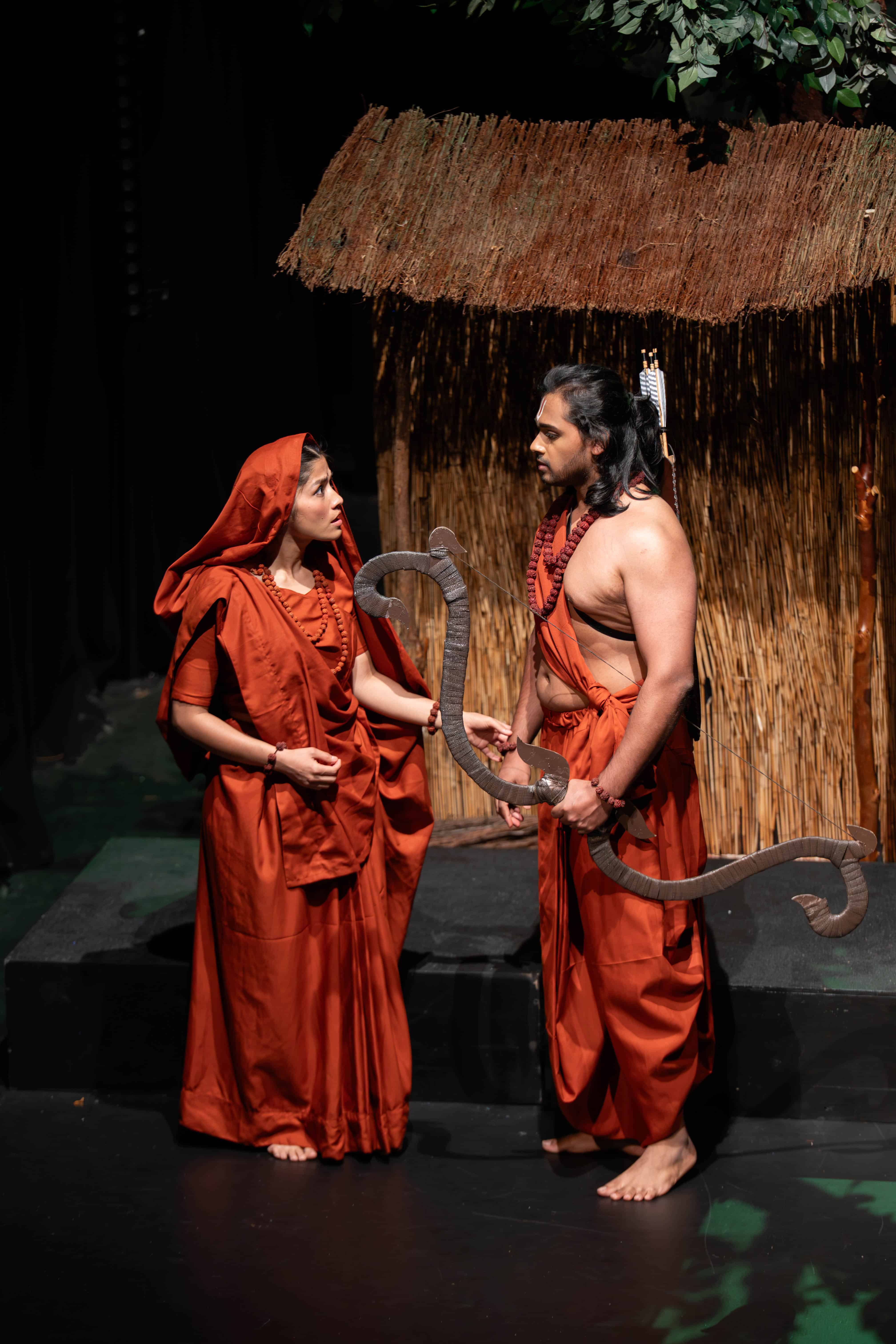
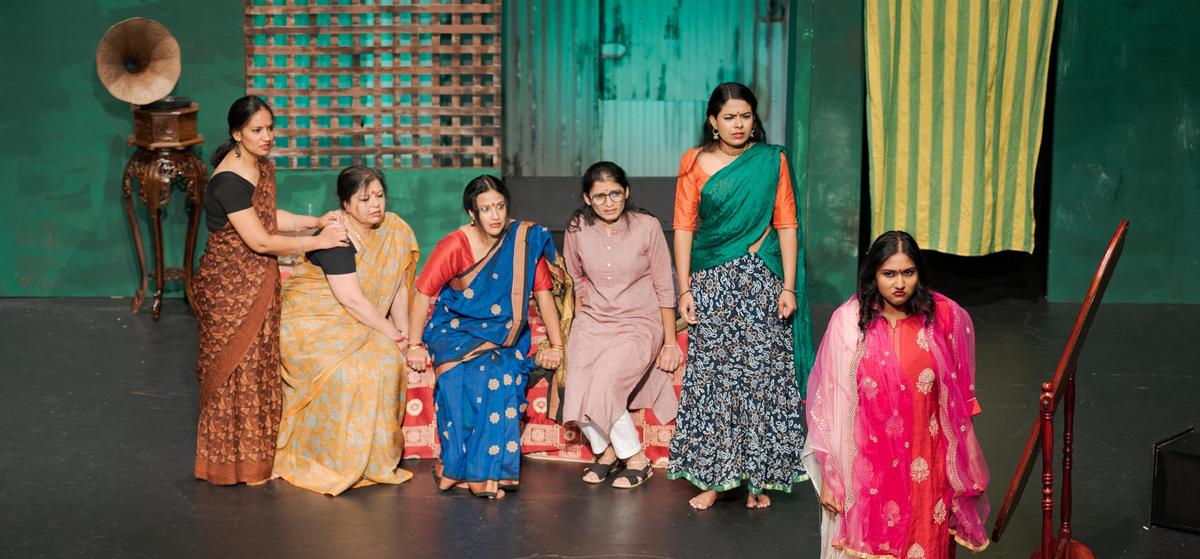
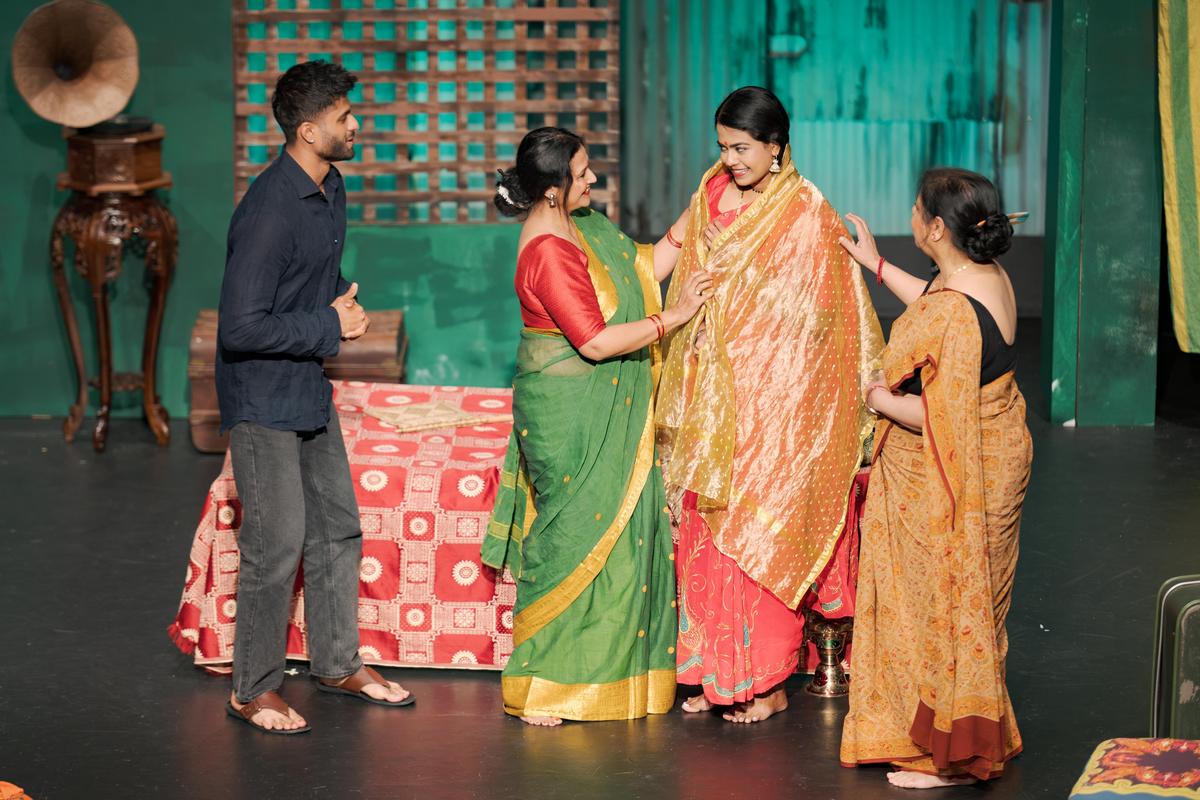
Sita and Urmila: Unheard Conversations is a production from The Great Indian Theatre Company playing at the Nexus Theatre. It is an hour and fifty minutes without an interval. It is the story of two sisters who share a loving bond.

When Prince Ram of Ayodhya wins Sita’s hand in marriage, he reveals he has a vow that he and his brothers must marry from the same family. A solution is made and his brother, Laxman, marries Urmila. When Prince Ram is exiled to the forest for fourteen years, Sita immediately agrees to come with while Urmila must stay behind. Laxman is visited by The Goddess of Sleep and asks to stay awake for fourteen years to protect Ram and Sita. When The Goddess of Sleep says that someone must take his place to sleep, Laxman tells her that Urmila will, who reluctantly agrees. 

The story is written and directed by Sreekanth Gopalakrishnan. I particularly loved the sisters’ bond. Sita is adopted and although they don’t share the same biological family, they say the words “beyond blood”, meaning their love for each other goes beyond their DNA. Karthika Nair gives a stellar and powerful performance as Urmila and she captured my attention in every emotional scene. Prakriti Rayamajhi shows Sita’s character growth beautifully and portrays her journey from a dutiful woman to one who is strong and independent.


Deepti Shukla gives a delightfully cheeky performance as The Goddess of Sleep and children will love Akshay Sheela Nair as Hanuman, a monkey, whose physicality was engaging and entertaining. Ashish Malik and Wilfred Doray play perfectly evil characters and comedy is speckled through the script, giving audiences a chuckle when needed.

The costumes, designed by Param Kaur and Sreekanth Gopalakrishnan, was the first thing that caught my eye. They are beautiful and elegant with intricate designs. Indian music plays throughout the show and throughout scenes but still gives the actors the stage to capture the scene. When Sita and Urmila are separated, the set is cleverly split into two without feeling disjointed.

Dance is also incorporated into the storytelling and Sindhu Nair, winner of the Western Australia’s Multicultural Artist of the Year, brought a unique cultural interpretation of dance to be shared with the audience. The lighting works well with the storytelling, including spotlights to build dramatic tension during intense conversations with the sisters as well as sinister red lighting to highlight the emotions of the scene.

This is a production which would be enjoyed by anyone who has a sister or familial bond who they would do anything for.

To book tickets to Sita and Urmila: Unheard Conversations, please visit https://thegreatindiantheatrecomp.com/.
Spread the word on your favourite platform!

Crimson Gully

Crimson Gully

Crimson Gully Rating

Click if you liked this article

14

Powerful and engrossing, Crimson Gully is a brilliantly written play by Sreekanth Gopalakrishnan.

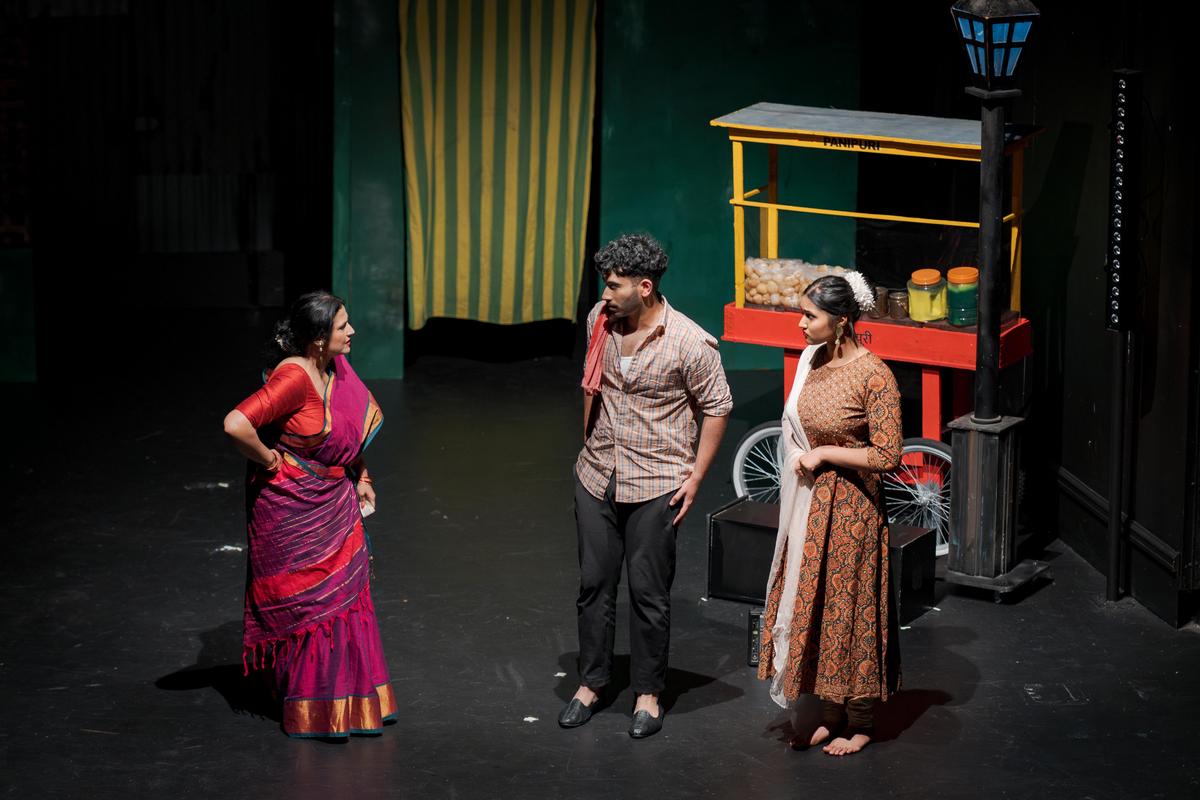
Set in the 1990s, the story centres on a brothel within the fictitious town of Chandapur in India.

Crimson Gully, which translates to Red Light Street, shines a light on the prostitution industry, forcing the audience to look beyond the societal labels associated with the women in the brothel and see them as individuals with complex lives, aspirations and personal battles.

The play opens with the young and popular worker, Muskaan, performing a traditional South Asian dance known as Mujra to the clients.

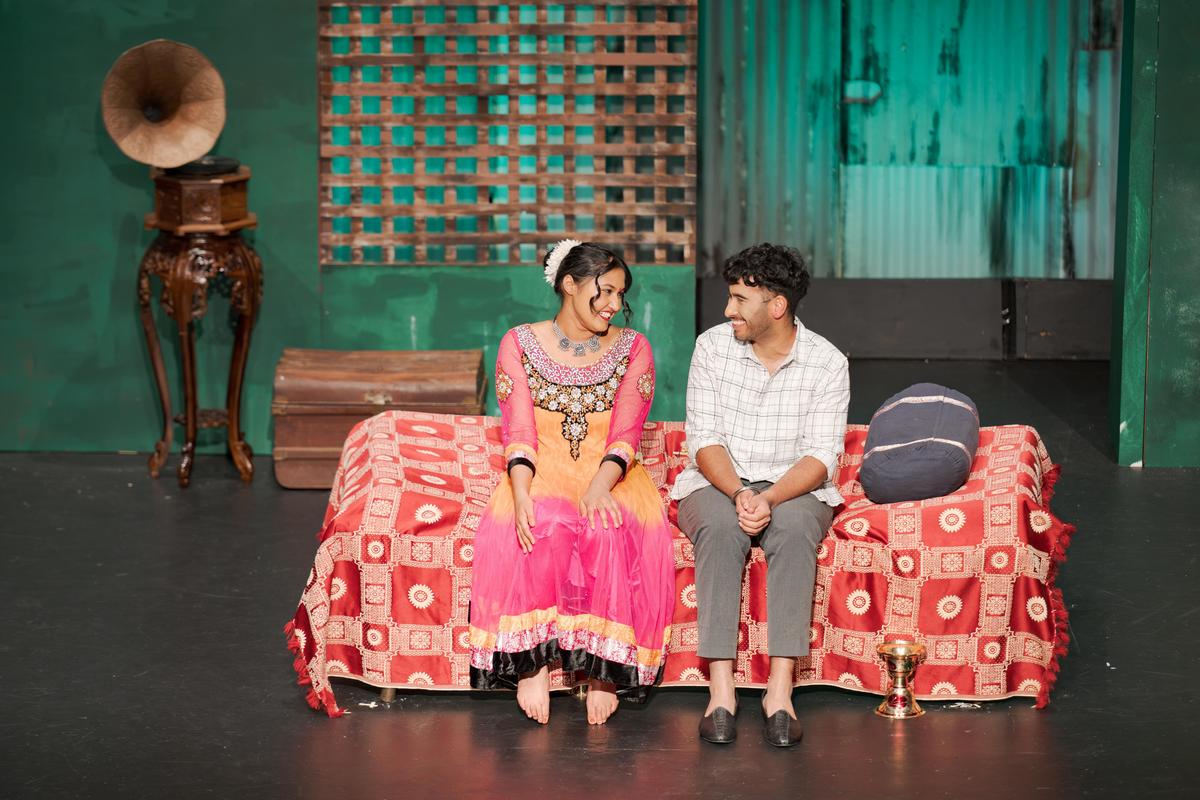
Having born and grown up in the brothel, Muskaan accepted her fate and circumstances long ago but she does not see herself as a victim but rather a person who unlike the other girls, has chosen to remain in the brothel. However, deep inside she longs for another life but does not believe she is worthy of it.


Then there is Champa, who did all the things that society expected of her as a woman. She met a man, got married and had a child but lost it all when her husband died and she was left cleaning up the destruction and financial mess he left behind. Without any education or qualifications, she finds herself in the brothel, the only way she knows how to make a living.

The young and innocent Mansi, from a seemingly good family, shows the viewers how girls like her end up in the brothel through no choice of her own. Much like Champa’s situation, it also proves that marriage is not always the answer to a attaining a better life.

Jamuna, the eldest, having spent most of her life in the brothel, now just serves as the caretaker and cook.

Taai is the madam of the brothel. Initially, viewers may think of her as a villain but as the story evolves it’s clear that she is as much of a victim as the rest of the women, trapped in her circumstances and in many ways acts as their protector.

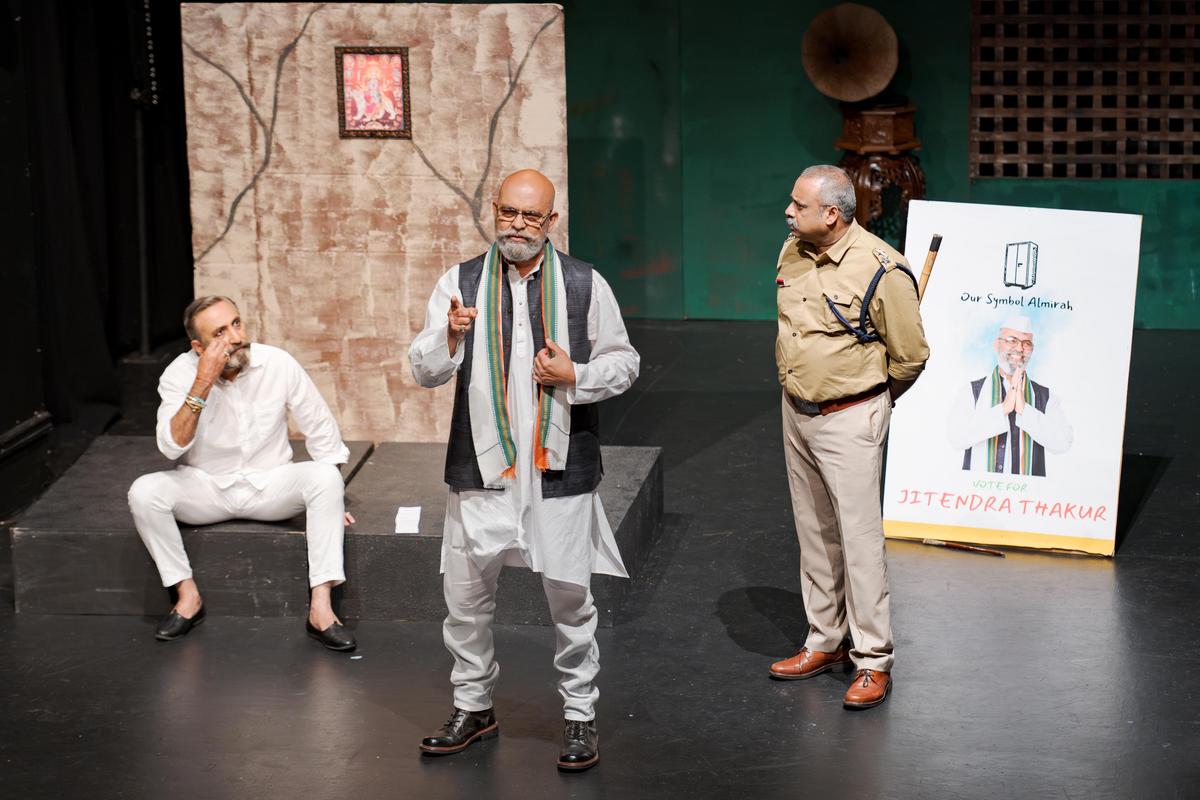
It is the few people at the top driven by greed and power, in this instance all men, that keep the women trapped in their unfortunate circumstances and other men in line. The simmering tensions build up to a dramatic climax that does not disappoint.


Gopalakrishnan, who also designed and directed Crimson Gully, does not shy away from bringing to the forefront weighty topics such as political corruption, human trafficking, misogyny, and poverty and how they are all interconnected.

Inspired by the DW documentary India’s Prostitution Village, Gopalakrishnan provides a realistic account of the industry. It is a story which could take place in any culture and in any country but the elements of greed and corruption remain the same. Crimson Gully provides an insight into how corruption from the top can trickle down and poison society as a whole.

The Great Indian Theatre Company brings the story to life, with all cast members delivering solid and powerful performances. Crimson Gully is not to be missed.

Photographer: Albert Antony Roy

Spread the word on your favourite platform!