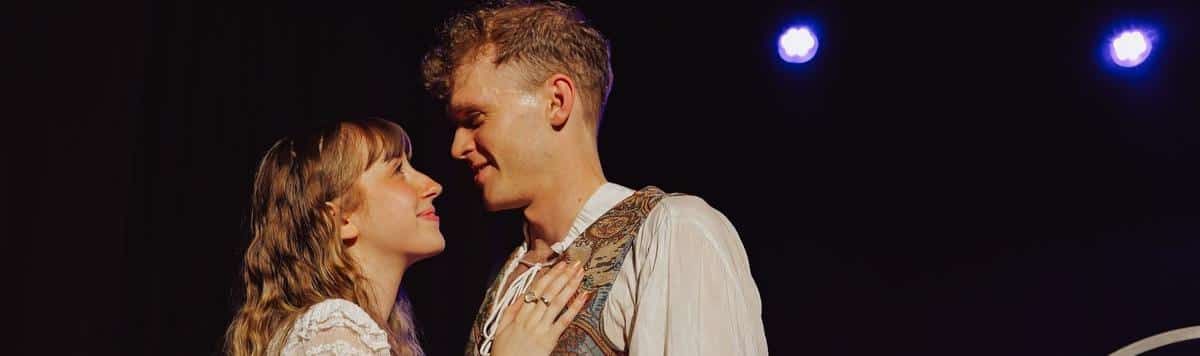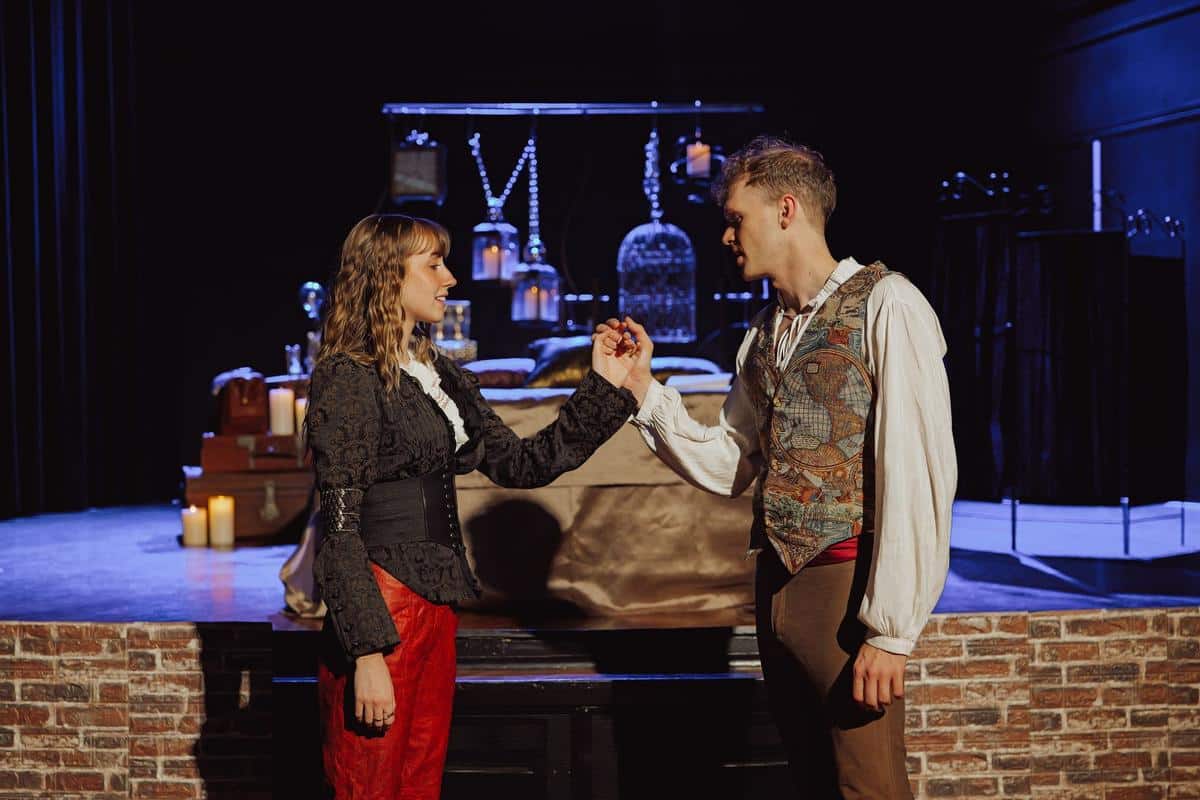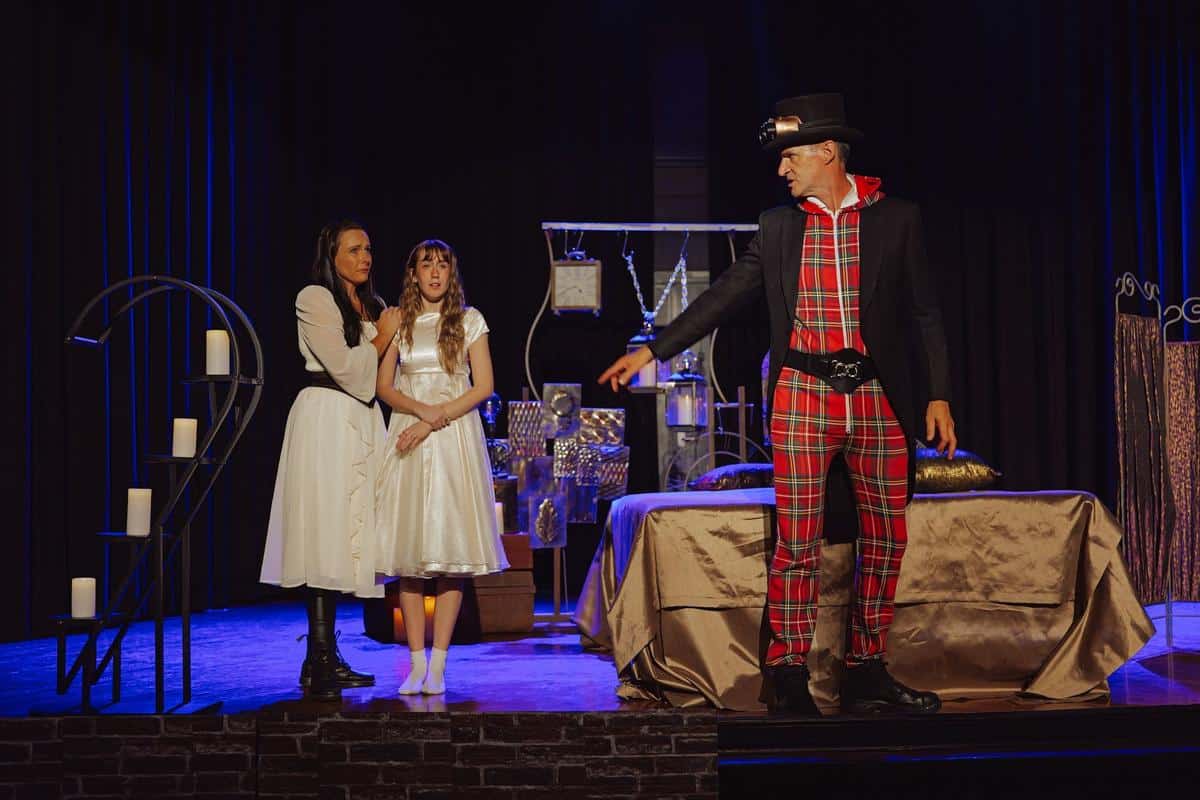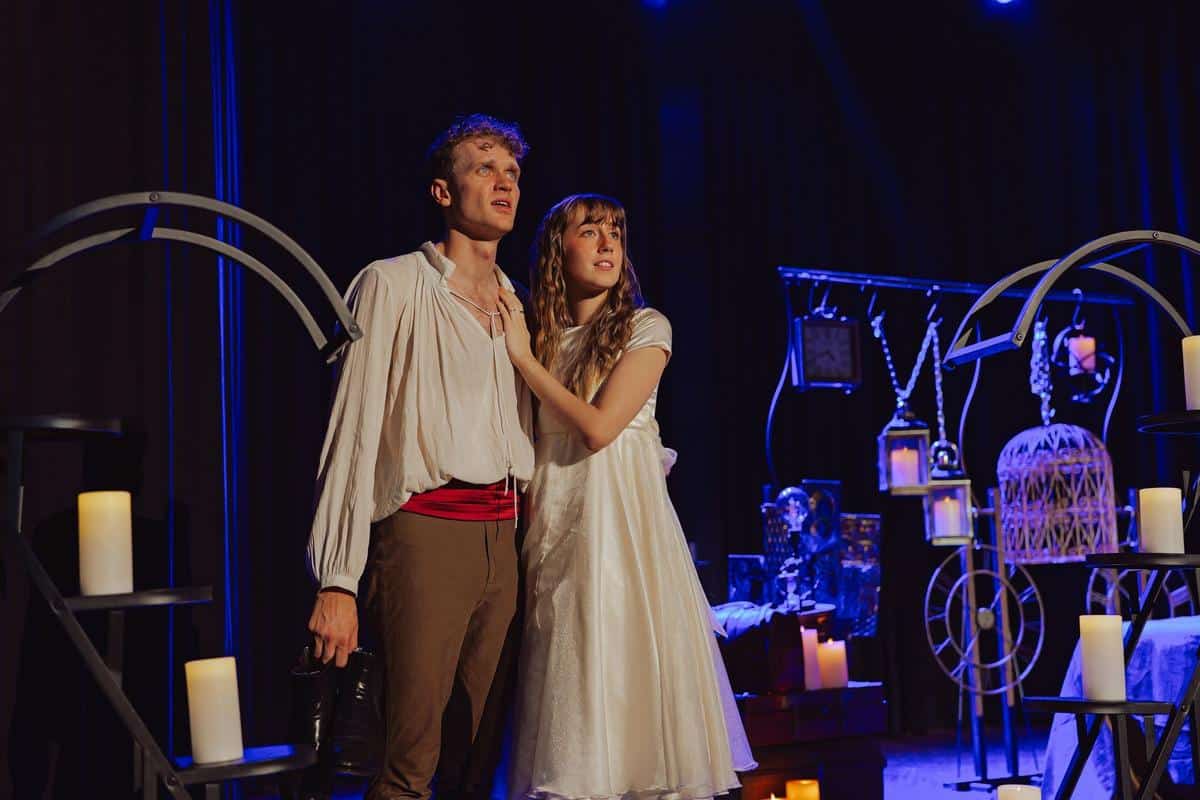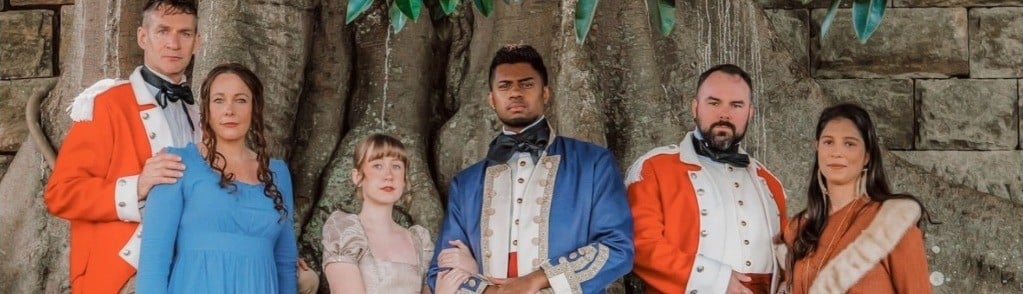
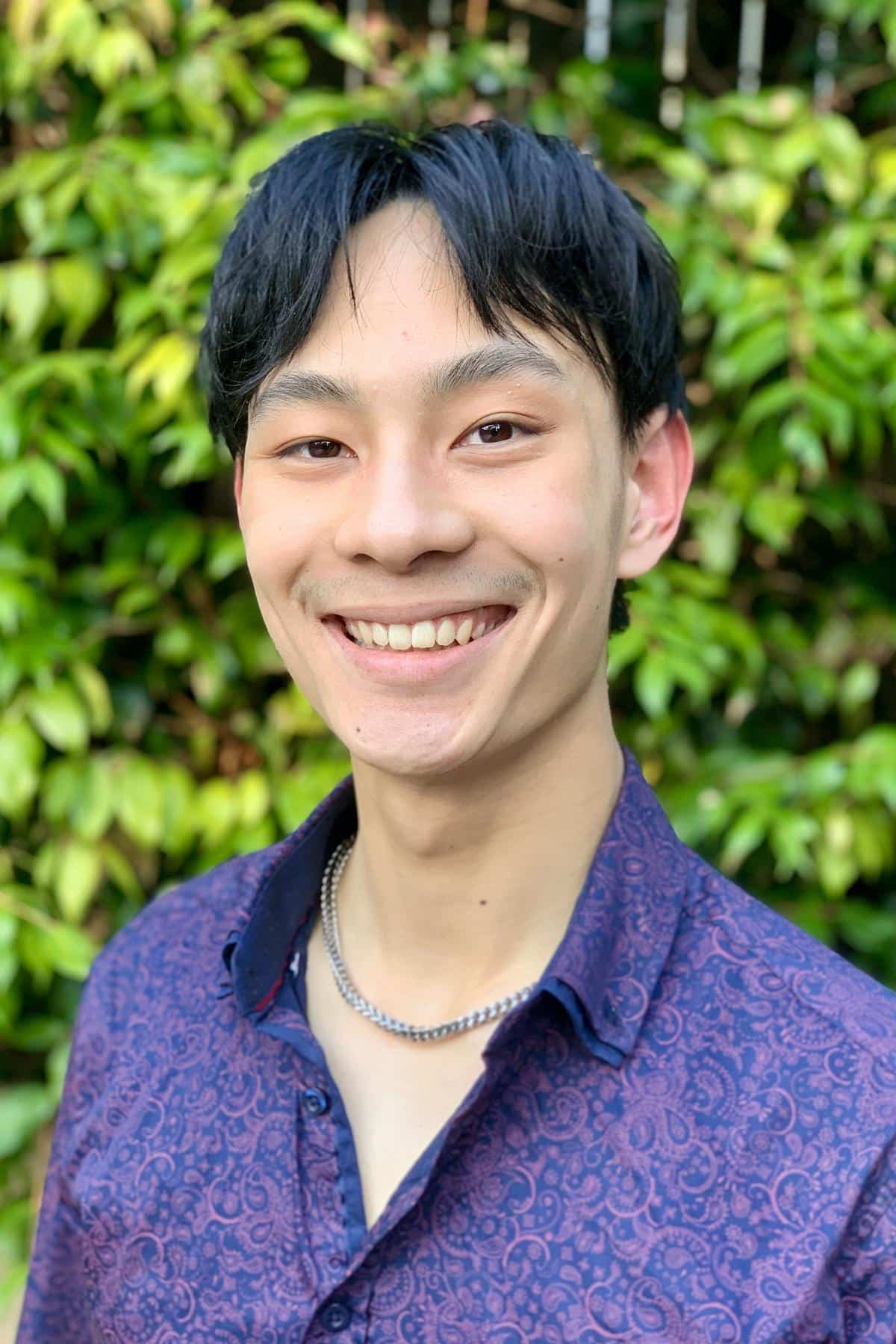
Behind Come You Spirits’ production of Othello is composer Nicholas Pang, a creative talent whose work crosses theatre, film and video games. Bringing Shakespeare’s famous tragedy into the setting of early colonial Australia presents an unusual opportunity for musical interpretation. In this interview, Pang takes us behind the scenes of the production, revealing how he works with directors, the challenges of composing for live theatre and the artists who have influenced his career.
Meet The Composer – Nicholas Pang
What is this production or project about?
Come you Spirit’s Othello is a retelling of the famous Shakespearean work with an early colonial Australian twist.
This adaptation reframes Shakespeare’s most searing tragedy within a world of first encounters, shifting power and cultural collision, where love and jealousy unfold against the backdrop of devastating change.
The heart of the story sees Othello navigating leadership, trust, prejudice and betrayal. Deception runs rampant and echoes the power struggles of the young colony.
How would you describe the musical world of this work?
It’s something of a fusion between orchestral and drone/ambient music! Drone music is a minimalist genre defined by long-held, sustained tones, notes or tone clusters that play continuously or with very slow, subtle variations. It is meditative and hypnotic, dense and heavy yet cinematic.
How do you collaborate with a director or creative team when writing for the stage or screen?
Josephine, the director of Othello wanted to bring in elements of Australian culture by collaborating with First Nations artist Uncle Col Lyons. We combined my music with his live recorded didgeridoo and clapsticks, often scored to soulful dancing on-stage. Hearing Uncle Col play the didgeridoo left me in such awe, an almost spiritual feeling as this was the first time I heard the didgeridoo performed live. His original music is integral to this theatre production and connects and grounds it to Country.
Charles, the musical director of Othello has been very kind and informative with his approach in letting me know the brief. To start composing, Charles wrote out 14 different musical keys from C Major to B Minor and described each one using certain phrases or emotions. Eg. C Minor – Despondent home, textured and dark, anger and fear, danger. “this was my home, it is no longer a safe place.”
From there, using the suite of low orchestral instruments such as the tuba, french horn, double bass and synth pads, I would riff around the key and create rough melodies that suited the description. Charles would also let me know what colours each key corresponds to, and that would help my compositional process significantly!
What is the most challenging cue or section you had to write, and how did you solve it?
Because Othello’s music lends itself to minimalist drone music, any instrument that is high pitched takes away from the dialogue. A lot of the more “major key” music first had oboes or piccolos to represent a more feminine energy, but there was a lot of frequency overlap with the actors voices. This was challenging for me as I thought that the pieces weren’t unique enough. But luckily, after hearing all the music together with the actors, I realised that the music conveys the same emotions to the audience as it would’ve with a piccolo. After all, music is created to enhance the performance!

How does writing music for performance differ from writing concert music?
As I’ve often written music to suit specific story beats or animations, composing for theatre has been more of a freeing experience! It’s less about getting the melody exactly on time and more about communicating particular emotions. Because Othello’s music is more ambient than say, a cinematic orchestral composition, the audience will focus less on the music which is the intended result. For example, the song “Dark Heartbreak” is full of the same 30 second repeating motif stretched over many minutes. It’s designed to be performed like this because the repetition keeps the music feeling endless and meditative, instead of being jumpy and taking the audience out of an immersed state.
What do you want the audience to feel when the music is working at its best?
Haha well it really depends! In the play’s worst moments I want the audience to feel tense, uncomfortable and uneasy, immersed in the music and action. In it’s most peaceful moments, I would like the audience to feel a sense of meditative stillness or awe for the characters. Overall, I want them to be spellbound by the atmosphere and fully engaged with this sensory experience.
Who are the composers or artists who have shaped the way you think about your craft?
My inspirations are:
– John Powell (How to Train your Dragon)
– Christopher Larkin (Hollow Knight, Silksong)
– Borislav Slavov (Baldur’s Gate 3, Divinity 2)
– Ludovico Einaudi (Minimalist pianist)
– RADWIMPS (Your Name, Weathering with You)
– Yuki Hayashi (My Hero Academia)
Each of these musicians have done wonders for my creativity and essentially changed my life!
What is next for you creatively?
As a versatile composer and sound designer, my next projects dive into the realm of video games! My music will be heard in the mobile game “SlingBug” releasing Q1 2027. I’m also working as a sound designer on a tactile puzzle game called “Aberrate Inc.” coming to Steam, also in Q1 2027!
Is there anything else you would like to share?
I hope everyone enjoys Othello! Come you Spirits have been an excellent organisation to work with and who knows, you might hear my music again in their future theatre productions.
I’m a composer and sound designer for film, video games and theatre, so my repertoire for these works can be found on my website, www.nicholaspang.com
Please check out my Showreels on the home page!
Our thanks to Nicholas Pang for sharing his experiences and offering a fascinating look at the work that goes into creating an original theatrical soundtrack. With two video game projects scheduled for release in 2027, his career continues to develop across different creative industries.
Audiences can discover his latest theatrical work in Come You Spirits’ production of Othello at Darling Harbour Theatre. Visit the theatre’s website for performance details and ticket information.