The Shepherd’s Hut

The Shepherd's Hut

The Shepherd’s Hut Rating

Click if you liked this article

The Black Swan Theatre Company, presents The Shepherd’s Hut at the Heath Ledger Theatre. Adapted by Tim McGarry and directed by Matt Ejertton and taken from the novel by Tim Winton.

Just wow…what a performance. I couldn’t fault it. I was gripped from beginning to end!

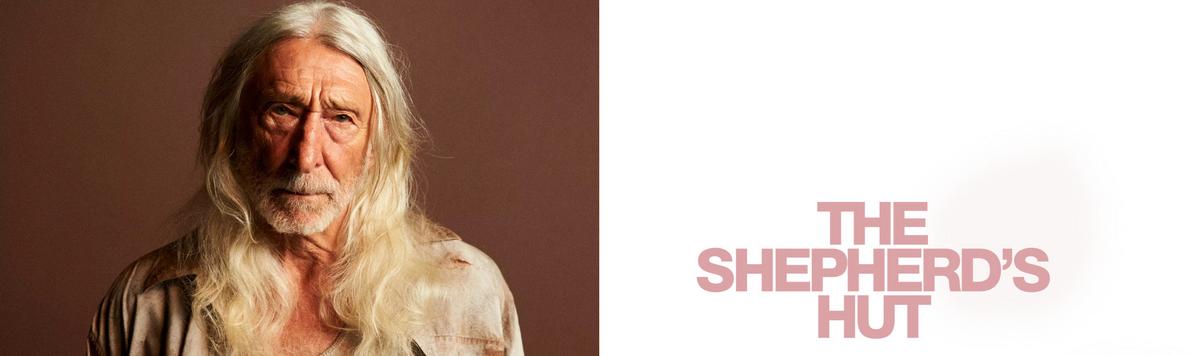
The story follows young Jaxie Clackton through the agonising heat of the desert, only to be matched by the internal agony of his past. While battling to survive the Australian outback, Jaxie stumbles across a dwelling on the edge of a salt lake in the middle of nowhere where he finds Finton McGillis, a disgraced Irish priest. Finton is isolated and desperately seeking salvation from a damaged past, purposely deprived of human contact as punishiment for his sins. The dynamic between Finton and Jaxie is remarkable. The tension, raw emotion and sense of danger between the two, created an atmosphere in the theatre that kept everyone on the edge of their seat.

Finton was played by George Shevtsov, who brought an element of compassion and empathy to the very angry and hot blooded Jaxie, played ever so powerfully by Ryan Hodson. Often I felt like Shevtsov was trying to tame an injured, wild animal. The two very masculine characters pushed each other to the limit and pressed each other until cracks from their past would surface, leaving the audience in a gasp, but raising more questions then answers. Each heated debate between the two drew the audience in even more.


A large sand-covered stage stretched almost endlessly across the space, creating the feeling of the harsh Australian outback. The set design was probably the most simple I have ever seen on a stage. But it added to the raw, exposed landscape, which set the tone and sense of isolation, loneliness and helplessness. The clear sand contrasted beautifully against the textured drapes, which added important visuals when needed and the lighting against the sand and drapes were beautifully orchestrated with the mood.

The stripped-back design felt intentional rather than minimal, as our focus remained on the physical movements and rapid psychological changes of the characters. The brilliant story telling by The Hat (Ben Mortley) and The Hair (Ella Prince) amplified the emotional weight of the performance. With their dynamic tones and rhythm, we were able to imagine ourselves in different scenes instantly.

Personally, I loved how this story is fragile in ego, dangerously honest, and strangely tender. Both men, clearly needing help but refusing to show weakness, are a mark on society and confront young men in crisis and how they respond to fear and trust. Clearly ashamed of their past, they are literally screaming out for redemption but unable to forgive their own sins or the sins of others.

This truly is a powerful play and you must experience it the energy of it. It does however, contain coarse language, adult themes and references (or abstract simulations) to violence including family and domestic violence which can be triggering.

To book tickets to The Shepherd’s Hut, please visit https://blackswantheatre.com.au/season-2026/the-shepherds-hut.

Photographer: Philip Gostelow

Spread the word on your favourite platform!

mil-aa-qa

mil-aa-qa

mil-aa-qa Rating

Click if you liked this article

5

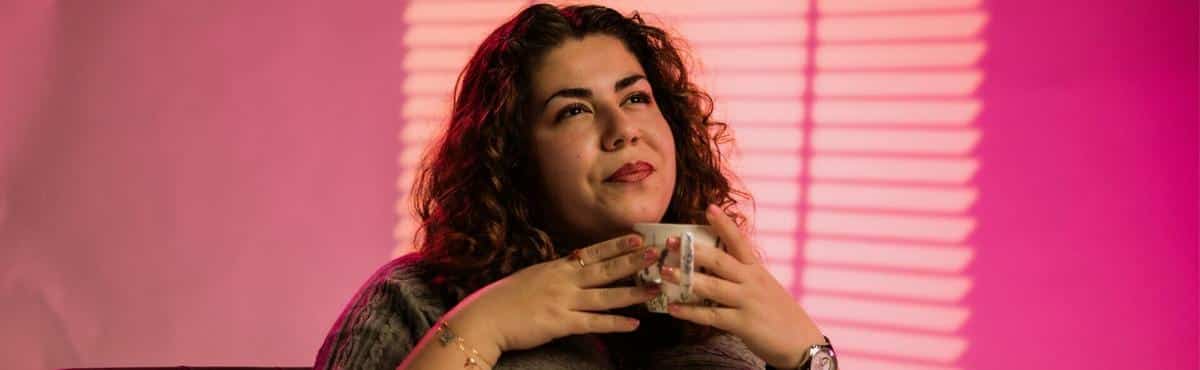
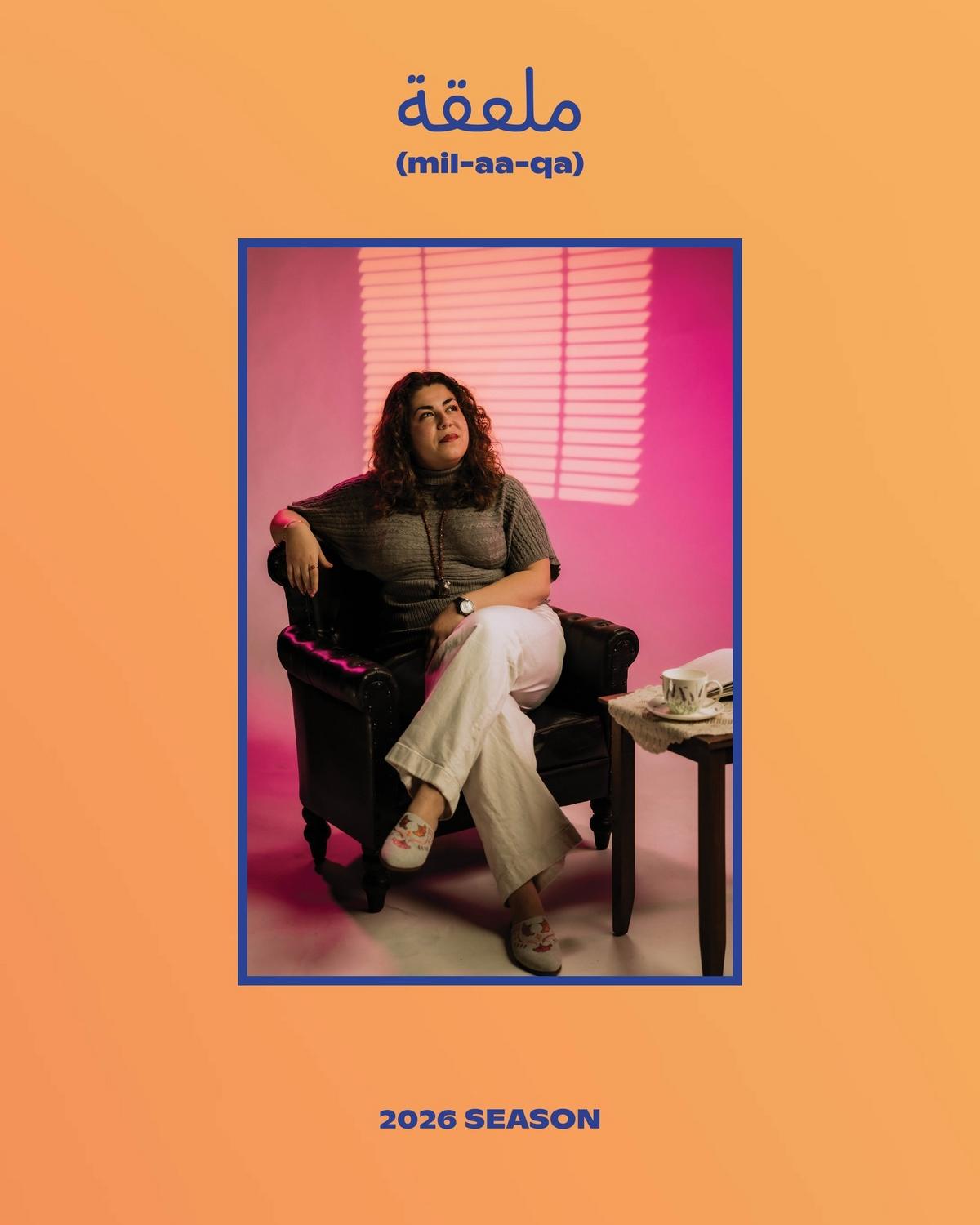
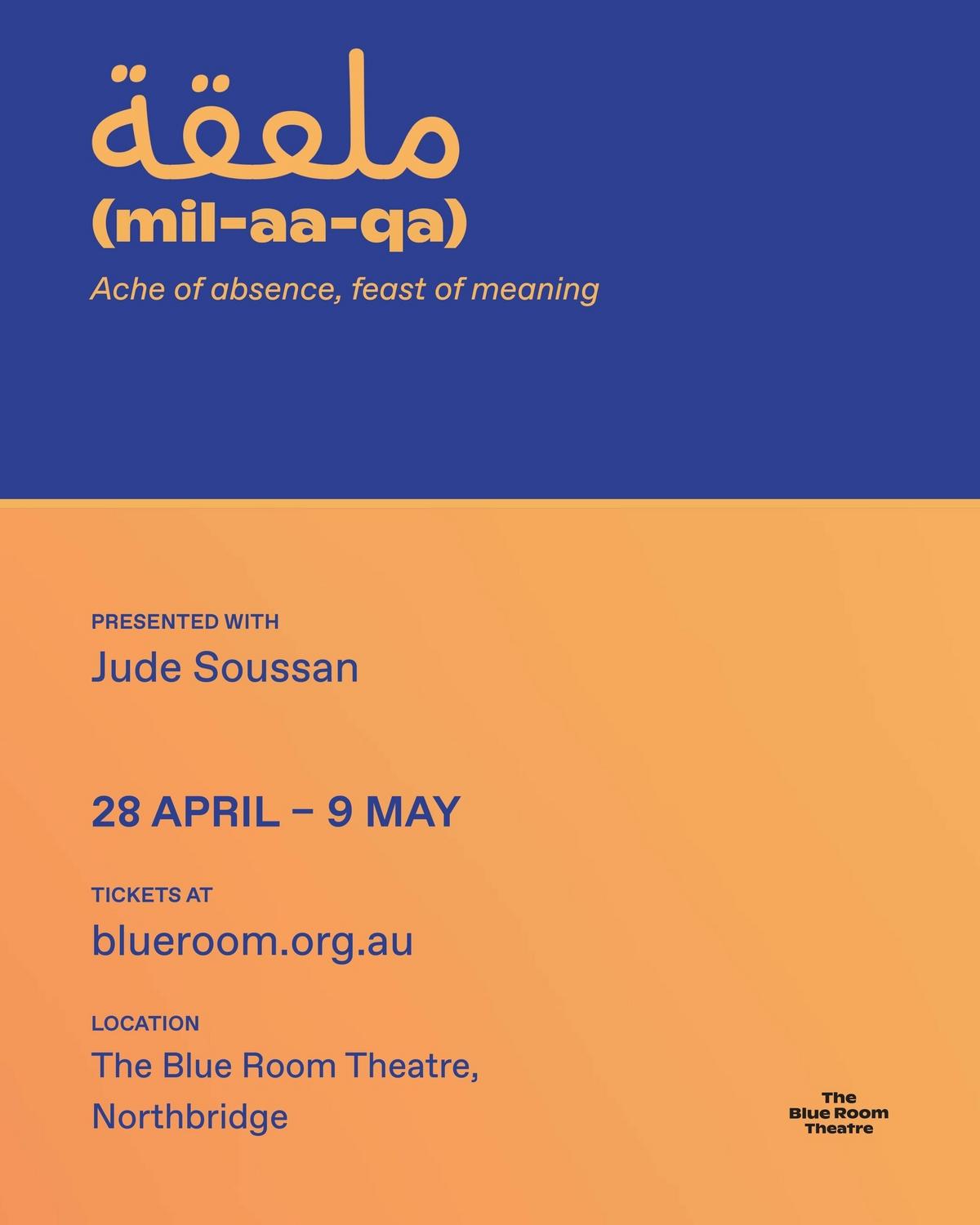
‘Mil-aa-qa’ is a live studio cooking show, written and performed by Jude Soussan at The Blue Room Theatre. It was a pleasantly different experience from beginning to end. Jude, being the main character of two, explores food, chronic illness, culture and self-love, through an intimate and deeply personal lens, while being filmed by camera operator and AV assistant, Alleyne Aviles. The show within a show, reflects on how cooking and sharing meals can become one of the purest expressions of care, especially when living with dietary restrictions like coeliac disease. If cooking is your love language, you will also resonate with this show.

‘Mil-aa-qa’ transformed the intimate performance space into a Lebanese domestic kitchen. The mood felt warm and homely, while ‘Aunty’ (Jude) sings ‘Al Bostah’ while cutting onions as we entered. Bowls of spices, vegetables and traditional cookware were on display and the wider set extended into a carefully curated family living area. Generations of family history and inherited tradition were on display as framed personal photographs, floral prints, spice racks, lace doilies and dark wooden cabinets gave the room that cosy atmosphere you’d expect in grandma’s kitchen.


Through stories of growing up Lebanese while navigating illness and the social pressures usually unappreciated in Lebanese culture, Jude reveals the emotional complexity of food – both nourishing and harmful. During ‘ad-breaks’, Jude interacts with the audience, treating them as part of the show. A discussion on the impact of coeliac disease, the comorbidities of depression associated with the disease and what constitutes respectful behaviours reveal that there is much opportunity to educate on this topic. Jude successfully provided that education without lecturing, giving layers to the show, being both entertaining and thought-provoking.

‘Mil-aa-qa’ created an intimate theatrical world that felt authentic, emotionally layered and quietly cinematic. The show celebrates resilience and the longing to preserve traditions of hospitality and shared meals with people you love, but also highlighting that when you are not being considered, that can quickly turn into resentment. Jude achieves maintaining her passion for food on her own terms by being more creative with her cooking. So what begins as struggle, transforms into healing and cultural reconnection.
When the show ends, do not run out the door like we almost did. The audience were delighted to be invited by producer, Anja Starkiss, to try a warm bowl of her delicious cooking in the foyer. I’d tell you what it is, but I think you’d better try it for yourself!

‘Mi-aa-qa’ is showing at The Blue Room Theatre until May 9th.

To book tickets to mil-aa-qa, please visit https://blueroom.org.au/events/%d9%85%d9%84%d8%b9%d9%82%d8%a9-mil-aa-qa/.

Photographer: Apurva Gupta

Spread the word on your favourite platform!

Secret Life of Humans

Secret Life of Humans

Secret Life of Humans Rating

Click if you liked this article

6

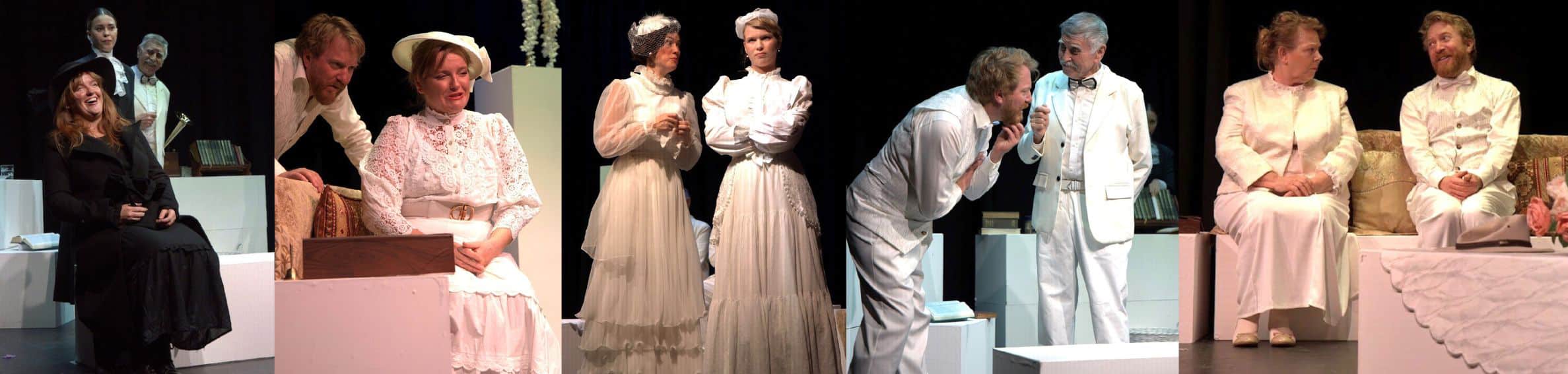
Secret Life of Humans is an award-winning play by David Byrne that explores six million years of human history through the lens of a personal family mystery. Directed by Audrey Poor, the Joondalup Encore Theatre Society launched their first show last night to an intimate but captivated audience at the St. Stephens Theatre.

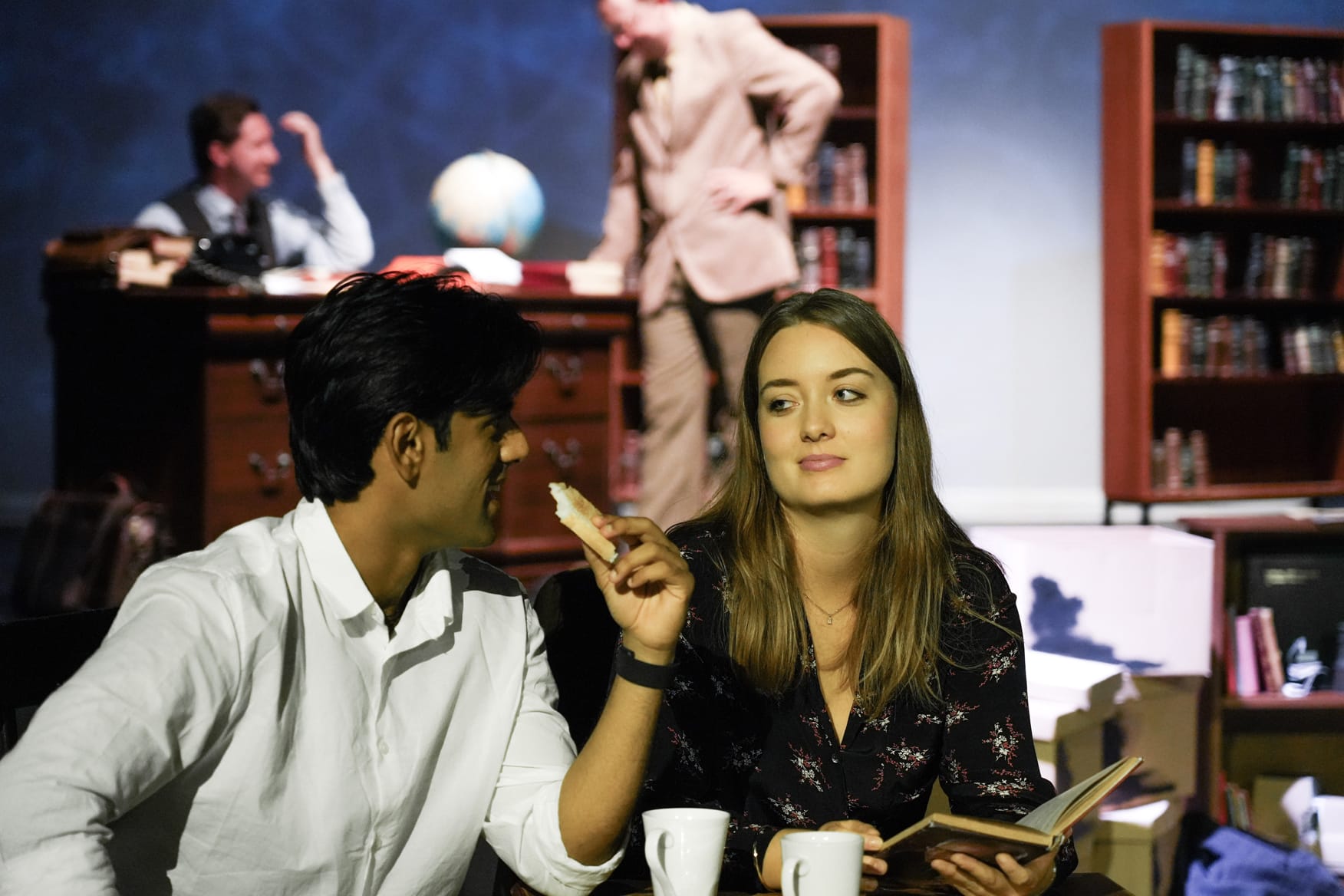
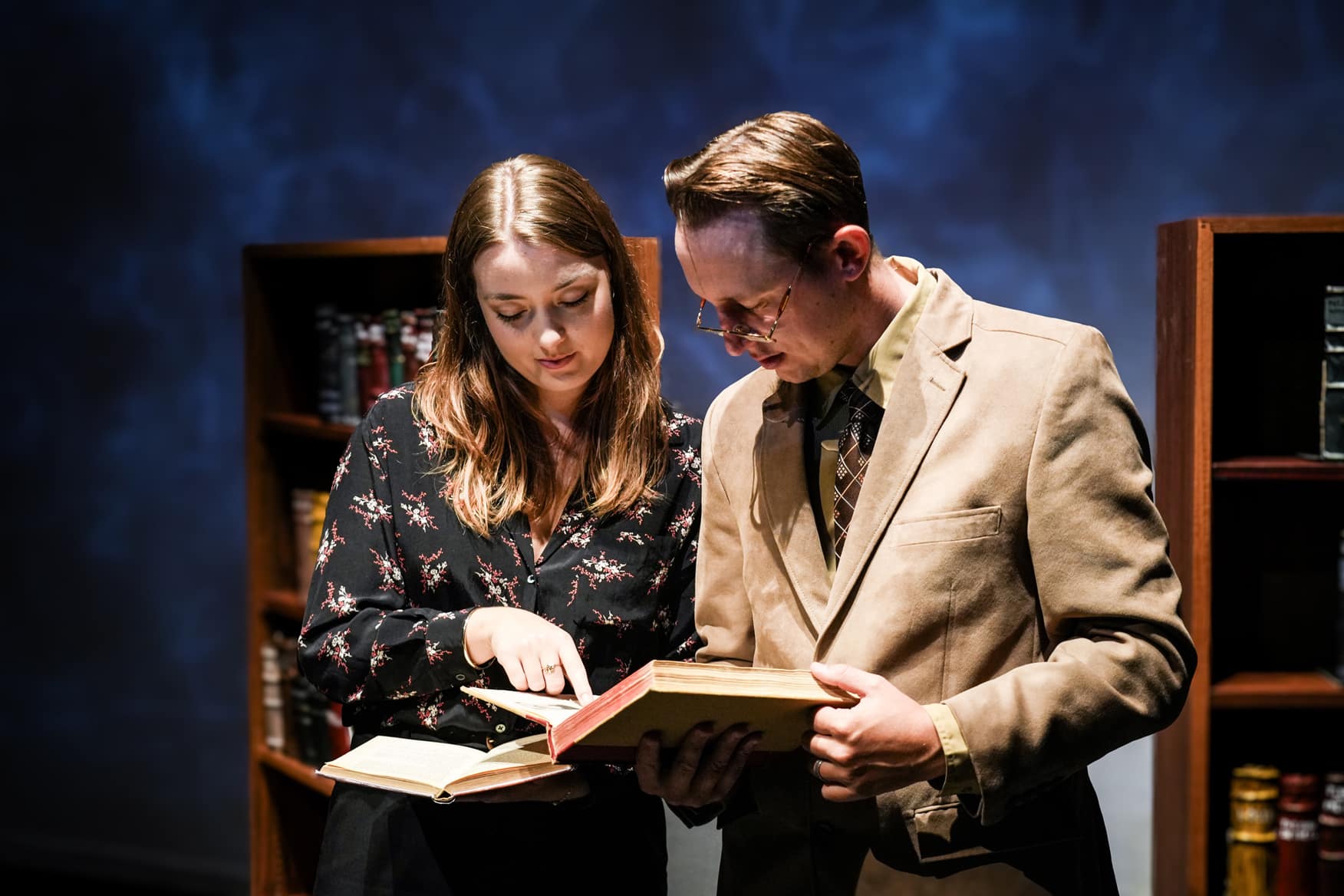
The story follows Jamie Bronowski (played by Jash Kapoor), the grandson of the famous scientist and broadcaster Dr. Jacob Bronowski (Oliver Rogers) known for the Ascent of Man). In the present day, Jamie goes on a Tinder date with Ava (Melissa Humphries), a research scientist who is secretly an expert on his grandfathers work.

Ava introduces the show by speaking directly to the audience, where we sit as students in a lecture room. The plot unfolds as Ava takes us back two weeks-on a Tinder date. She fakes an interest in Jamie, in order to retrieve his grandfather (Dr. Bronowski’s) secret files, hidden in his old family house which Jamie is conveniently staying at. Locked since 1949, they now discover documents revealing Bronowski’s hidden role in World War 2. The shocking revelation exposes Bronowski, as a significant influence in the deaths of hundreds of thousands of innocent civilians due to his work calculating the mathematics behind ‘saturation bombing’ to maximise civilian casualties, the opposite of his public image as a humanistic, progressive scientist.


Oliver was brilliant in capturing the essence Jacob in his younger years, a mid-century mathematician, supported by his colleague, George (Zai Cook) and wife, Rita (Leila Le Map). The trio danced around a subtle side story that moved attention away from the impact of the conflict and more towards possible secrets of his personal life. Due to the turning point of the story it begged to question, which revelation was more threatening for his grandson, Jamie? It poses questions on the morality and ethics of the human condition.

The staging beautifully captures The Secret Life of Humans as a collision between intellect, memory, and lived experience, all cleverly put together by before-mentioned, Audrey Poor.

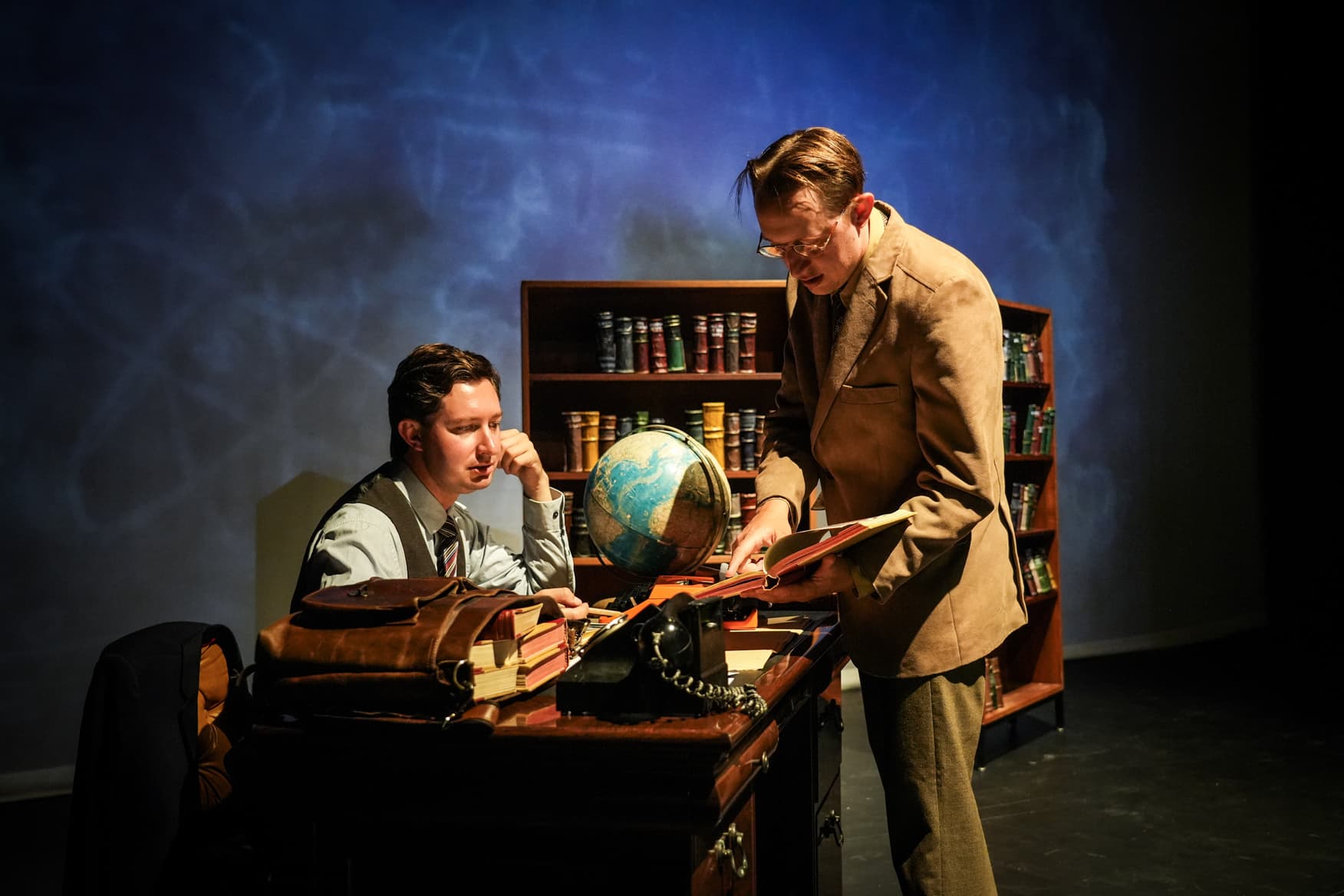
The set is split into three distinct worlds, all existing at once. Upstage, the raised platform functions as a professor’s study or scientific archive, with a formal desk, globe, bookshelves, and a blackboard-like wall covered in equations and symbols. It suggests the space of the deepest thinking intellectuals, on the cusp of answering life’s great questions, leading the modern day human into the new world.

It contrasts with downstage, representing today, and more familiar territory, a smaller kitchen-style table used for reading, working, drinking coffee. The scattered storage boxes bridging the two levels feel symbolic of memories, generations and stories yet to unpack.

Together, along with the performers standing in different times, create a visual metaphor for the many layers of human existence—the personal, the intellectual, and the social. The wide open central floor becomes a space where these worlds can intersect and eventually does. It’s a thoughtful, atmospheric design that feels perfectly aligned with a show about what it means to be human.

To book tickets to Secret Life of Humans, please visit https://www.taztix.com.au/event/jets/.

Spread the word on your favourite platform!