Celebrate Sir David Attenborough’s 100th Birthday With The Australian Museum

Feature-Bloodsuckers: Nature's Vampires

The Australian Museum (AM) is marking the 100th birthday of its beloved Lifetime Patron, Sir David Attenborough, by offering free entry to the latest exhibition Bloodsuckers: Nature’s Vampires across this weekend, from Friday 8 May to Sunday 10 May 2026.

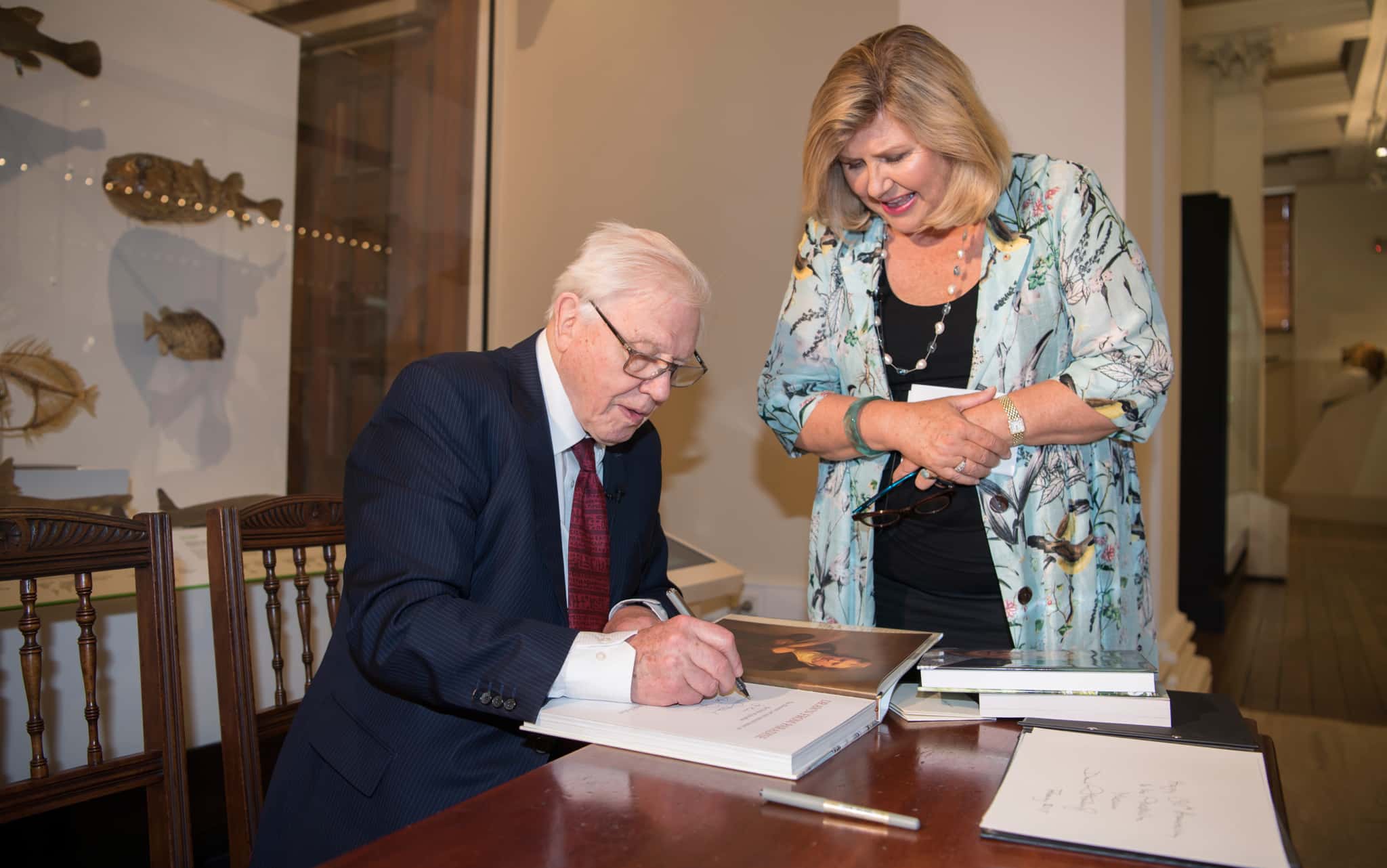
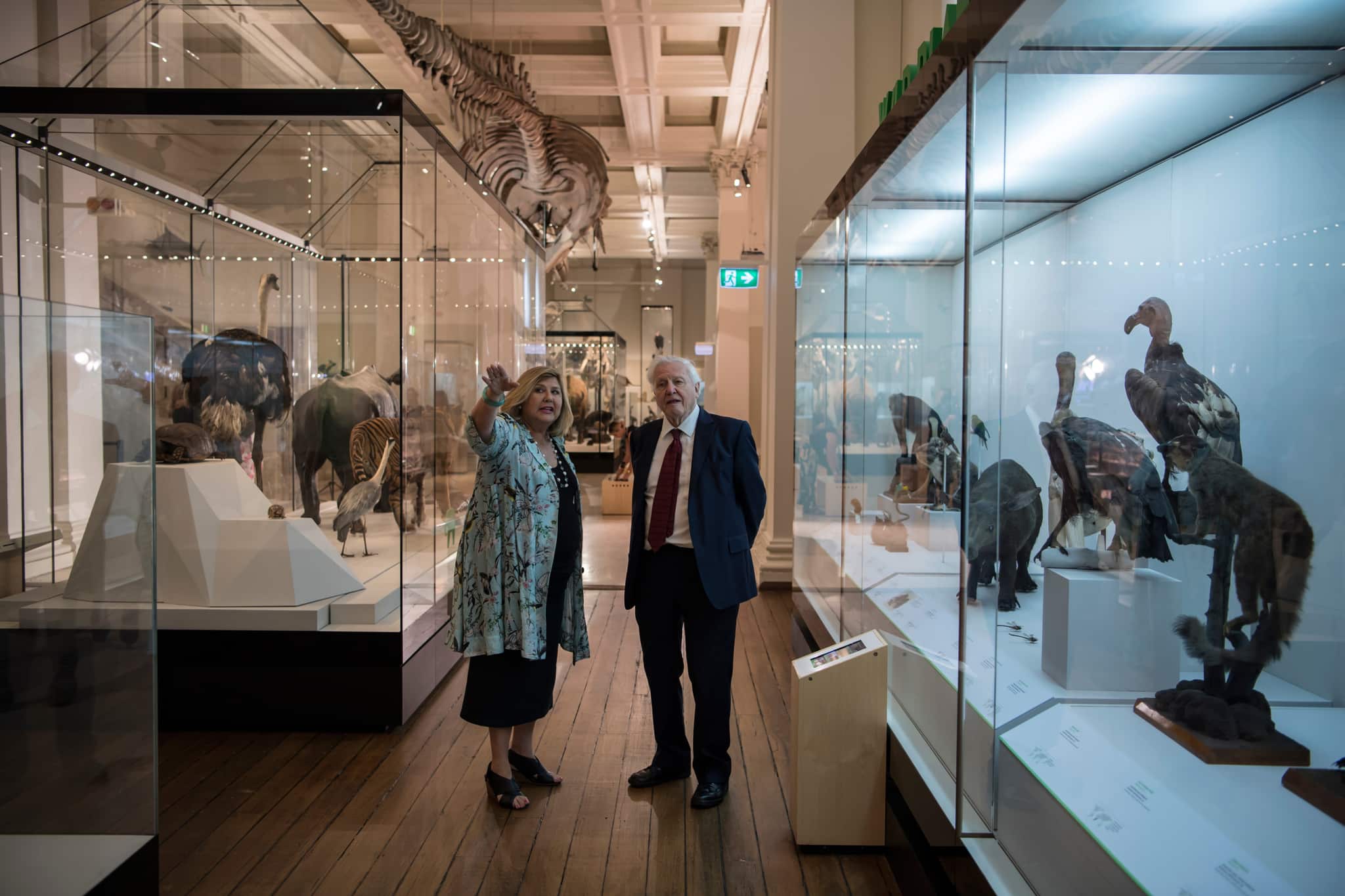
In 2017, the Australian Museum awarded Attenborough its Lifetime Patron honour in recognition of his remarkable contributions to scientific communication and advocacy. He has supported the AM for more than 40 years, including touring the AM’s fossil collections, giving lectures to AM members and featuring the AM’s Lizard Island Research Station in his Great Barrier Reef documentary. In 2017, AM scientists also named the newly identified Tasmanian semi slug after him, Attenborougharion rubicundus, which he said might be the “most beautiful slug in the world”.

Director and CEO of the Australian Museum, Kim McKay AO said Sir David Attenborough had enjoyed a long career of sparking curiosity and awe in the natural world and revolutionised the public’s relationship with nature.

“Sir David Attenborough has spent his lifetime reminding us that our fate is tied to the fate of every creature on Earth, and he encourages us to understand just how remarkable the planet is. What better way to celebrate his 100th birthday than by making it possible for everyone to experience that same kind of wonder at the Australian Museum.
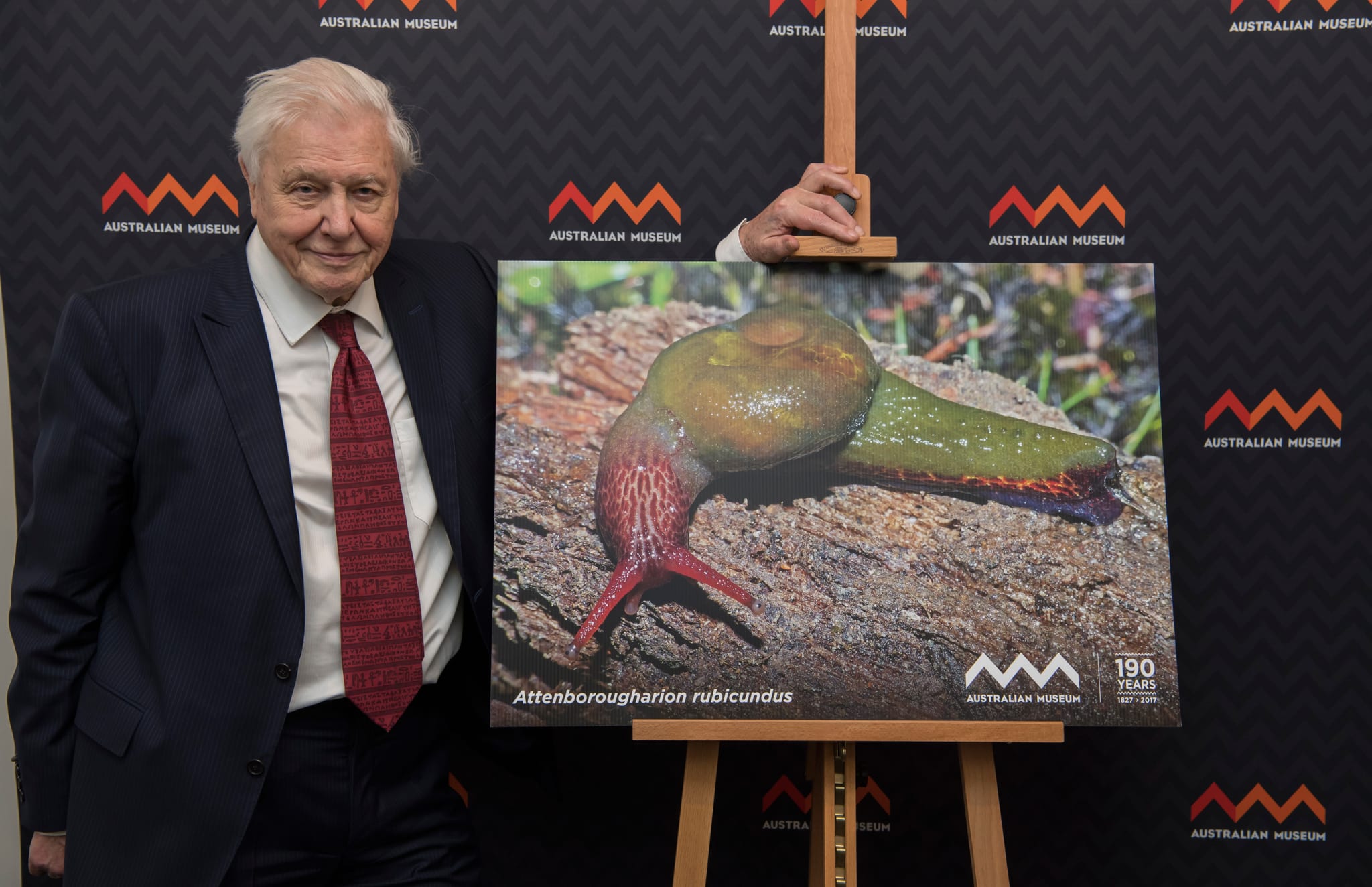
“Bloodsuckers: Nature’s Vampires is exactly the kind of exhibition Attenborough would love, it’s surprising, scientifically rich, and full of creatures most people overlook and underestimate, and this weekend, it’s free,” McKay said.

The AM is also asking visitors to share their best wishes to one of the world’s most important environmental advocates either online via the AM’s website or in person with activity stations set up in the main hall for letter writing and picture drawing. The messages will be gathered up and set to him to enjoy.

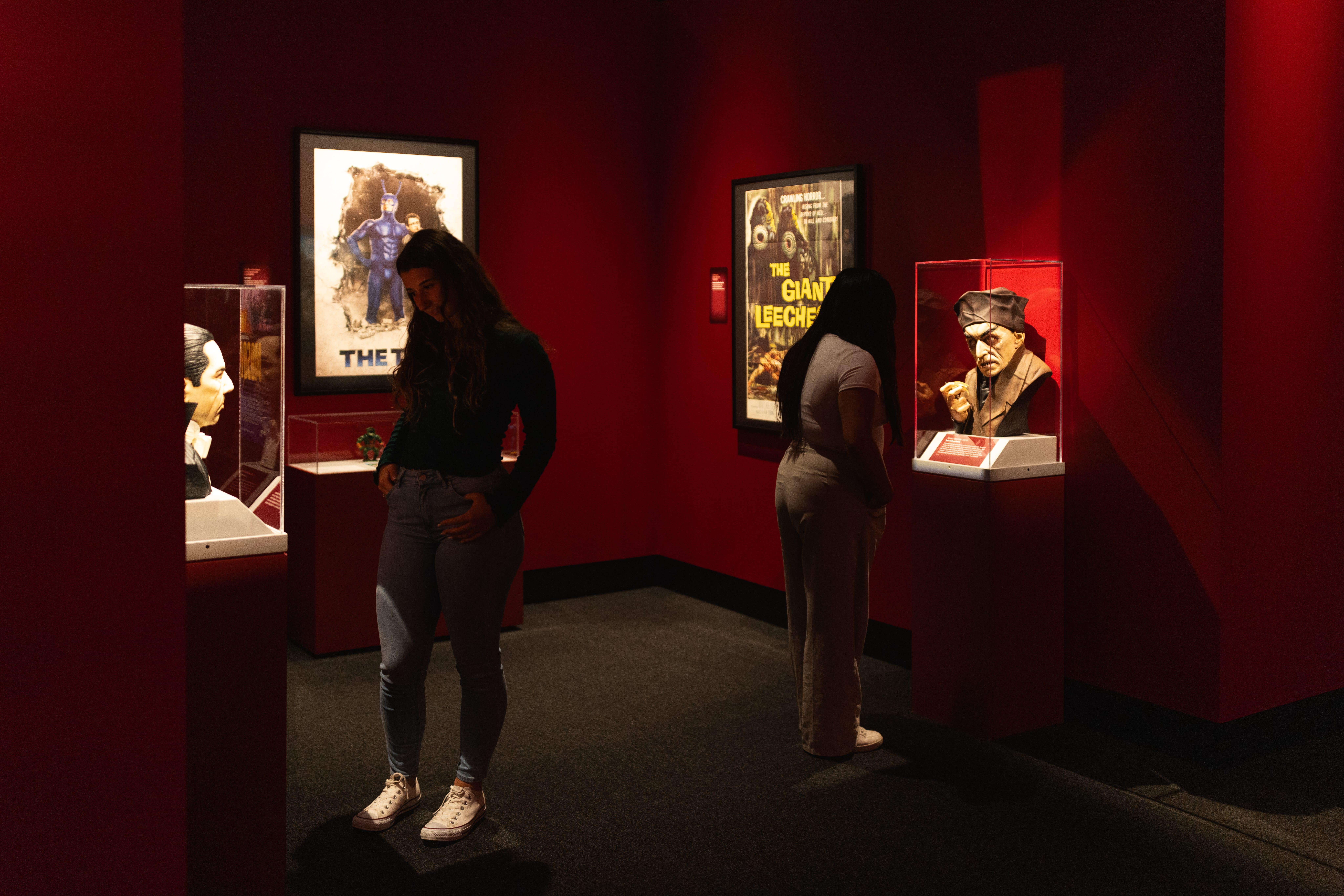
Currently showing at the AM, Bloodsuckers: Nature’s Vampires is a deep dive into the creatures that have fascinated and inspired humans for centuries. From vampire bats and leeches to mosquitoes and ticks, the exhibition explores the biology, folklore and ecological importance of animals that feed on blood, precisely the kind of encounter with the natural world that Sir David has championed throughout his extraordinary career.

Free entry to Bloodsuckers: Nature’s Vampires runs from Friday 8 May to Sunday 10 May 2026. Visitors are encouraged to book online to secure their preferred timeslot. Bookings are available via the Australian Museum website.

Bookings are available via the https://australian.museum/exhibition/bloodsuckers/
 

Spread the word on your favourite platform!

Bloodsuckers: Nature’s Vampires Revealed At The Australian Museum

Feature-Bloodsuckers: Nature’s Vampires

Feel the fascination when Bloodsuckers: Nature’s Vampires, a globally acclaimed, award-winning exhibition opens at the Australian Museum in time for the autumn school holidays. Join the waitlist today to skip the queue when this gripping exhibition opens on Thursday, 2 April.

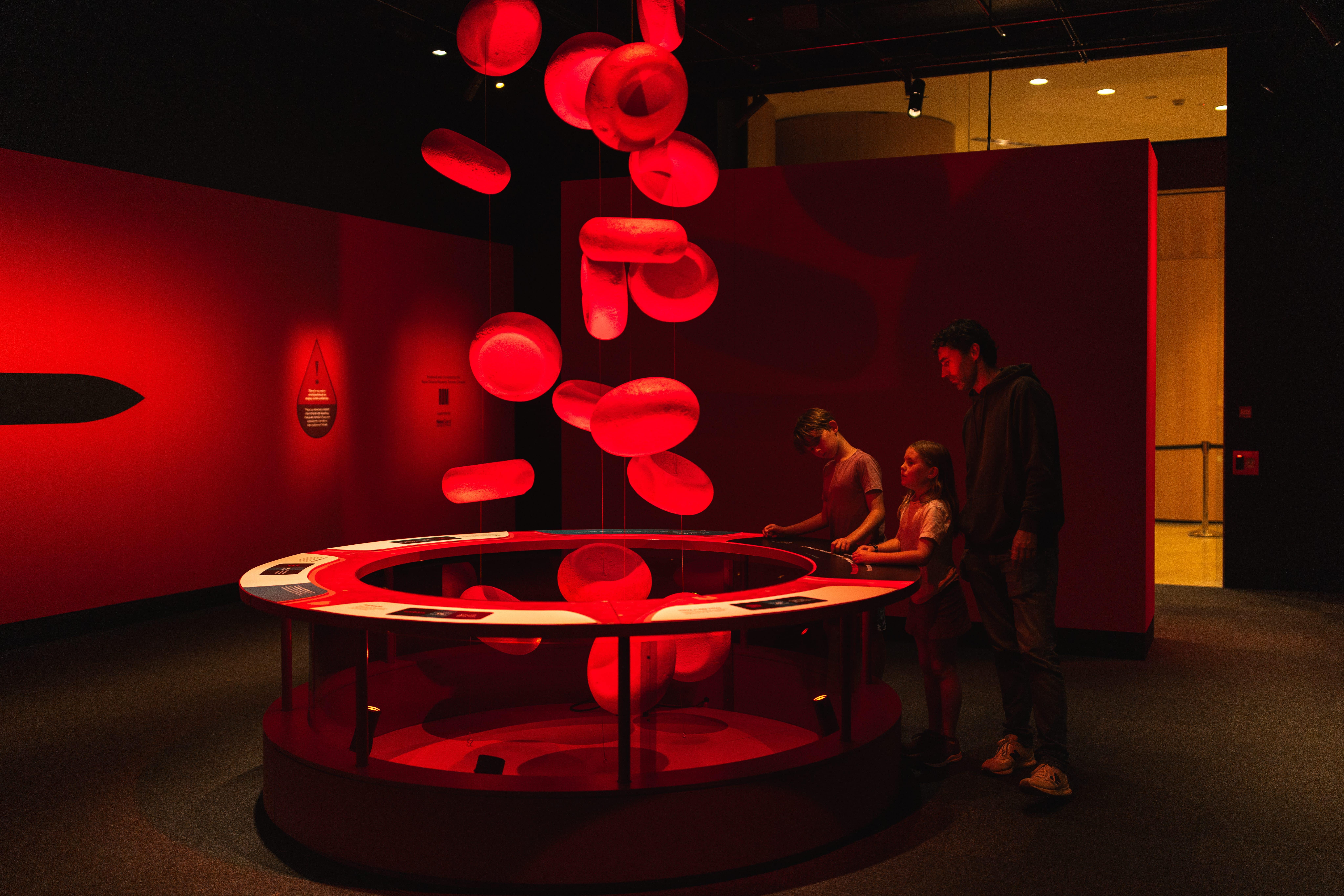
Bloodsuckers: Nature’s Vampires is an immersive exhibition featuring more than 100 objects, specimens, large-scale models, digital interactives and installations, offering an experience where science, pop culture and curiosity converge. The exhibition was developed by the Royal Ontario Museum.

Director and CEO of the Australian Museum, Ms Kim McKay AO, said the exhibition would bring visitors face to face with some of nature’s most sophisticated micro-predators, but with a new appreciation.

“Some of nature’s most extraordinary survivors often give people the creeps, but this new exhibition, Bloodsuckers: Nature’s Vampires, showcases just how astonishing these species are. They have mastered the art of survival in ways that are impressive, demonstrating the power of evolution in action, playing critical roles in maintaining healthy ecosystems.

“By bringing this exhibition to Sydney, we’re inviting people to look beyond the misconceptions and engage with the science that shapes our world. Inspiring curiosity and deepening visitors’ understanding of biodiversity is at the heart of the Australian Museum’s mission,” Kim McKay said.

Featuring everything from vampire bats to black flies, plus oxpeckers, candiru catfish and medicinal leeches, the exhibition also explores bloodsuckers’ impact on literature, mythology and popular culture. And for the first time, Bloodsuckers will also highlight the special Australian bloodthirsty insects that can be found across the continent.

WHAT TO EXPECT: Visitors will journey through nine immersive sections exploring:
• The biology of blood and why it is such a powerful food source
• The evolution of bloodfeeding over millions of years
• How to live safely and confidently with bloodfeeding species

JOIN THE WAITLIST: With strong global attendance across the exhibition’s international tour and significant interest already building, visitors are encouraged to register for the Bloodsuckers: Nature’s Vampires waitlist today to receive discounted tickets, priority booking access and exclusive updates.

The exhibition was named Overall Winner at the American Alliance of Museums 2019 Excellence in Exhibition Awards and received Merit Awards at the 2021 Society for Experiential Graphic Design Global Design Awards.

Join the waitlist now at: australian.museum/exhibition/bloodsuckers/
General Public tickets go on sale 18 March 2026.
Advanced adult ticket priced from $28
Advanced children’s (4-15 years old) tickets priced from $15
Exhibition opens 2 April 2026.

Bloodsuckers: Nature’s Vampire’s is proudly supported by hotel partner, Pullman Sydney Hyde Park.

Pullman Sydney Hyde Park is offering family-of-four accommodation packages for Australian Museum visitors, including tickets to Bloodsuckers: Nature’s Vampires exhibition, buffet breakfast, overnight accommodation, and an activity pack for children. The hotel is only a three-minute walk from the Australian Museum.

Spread the word on your favourite platform!