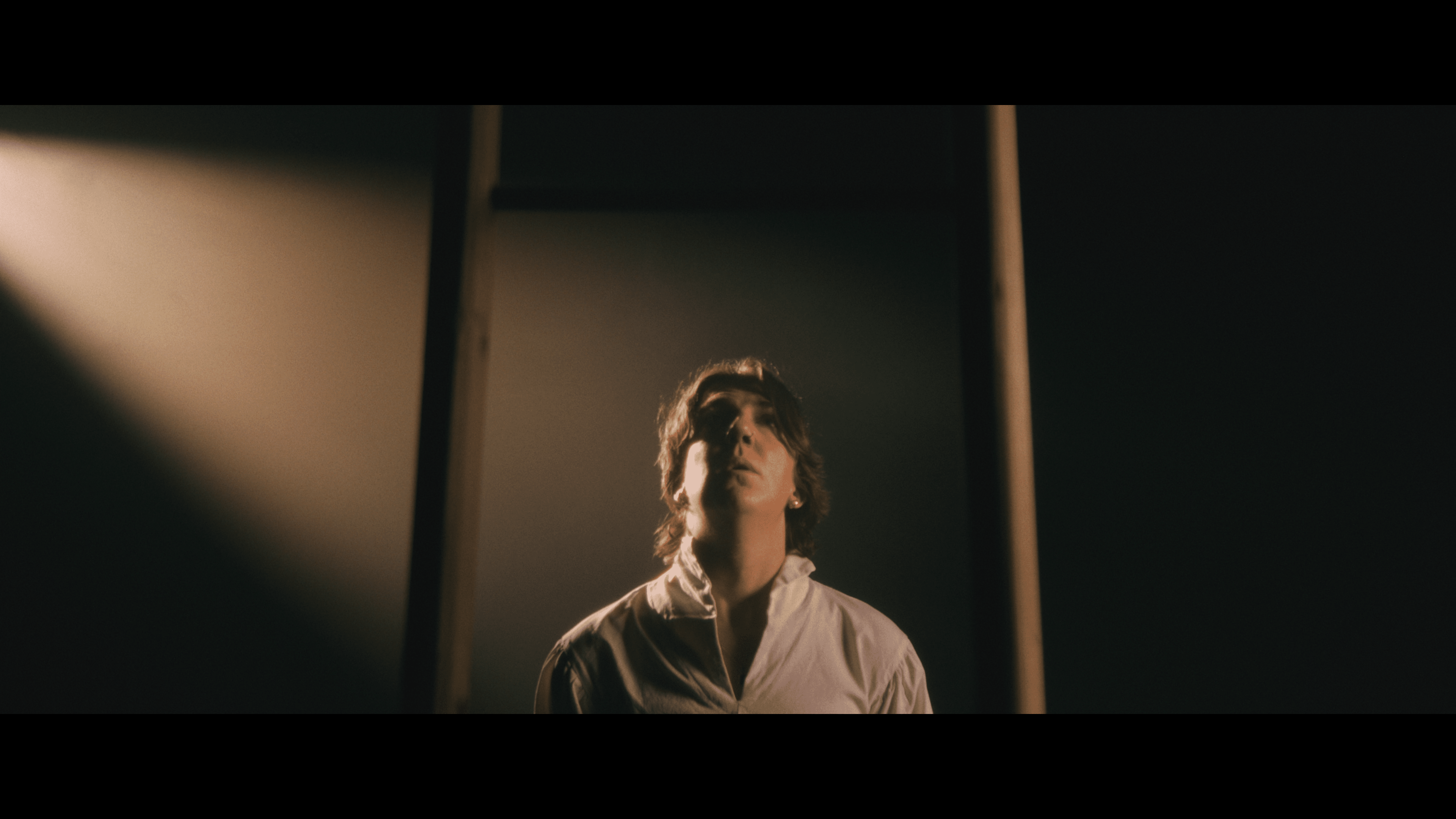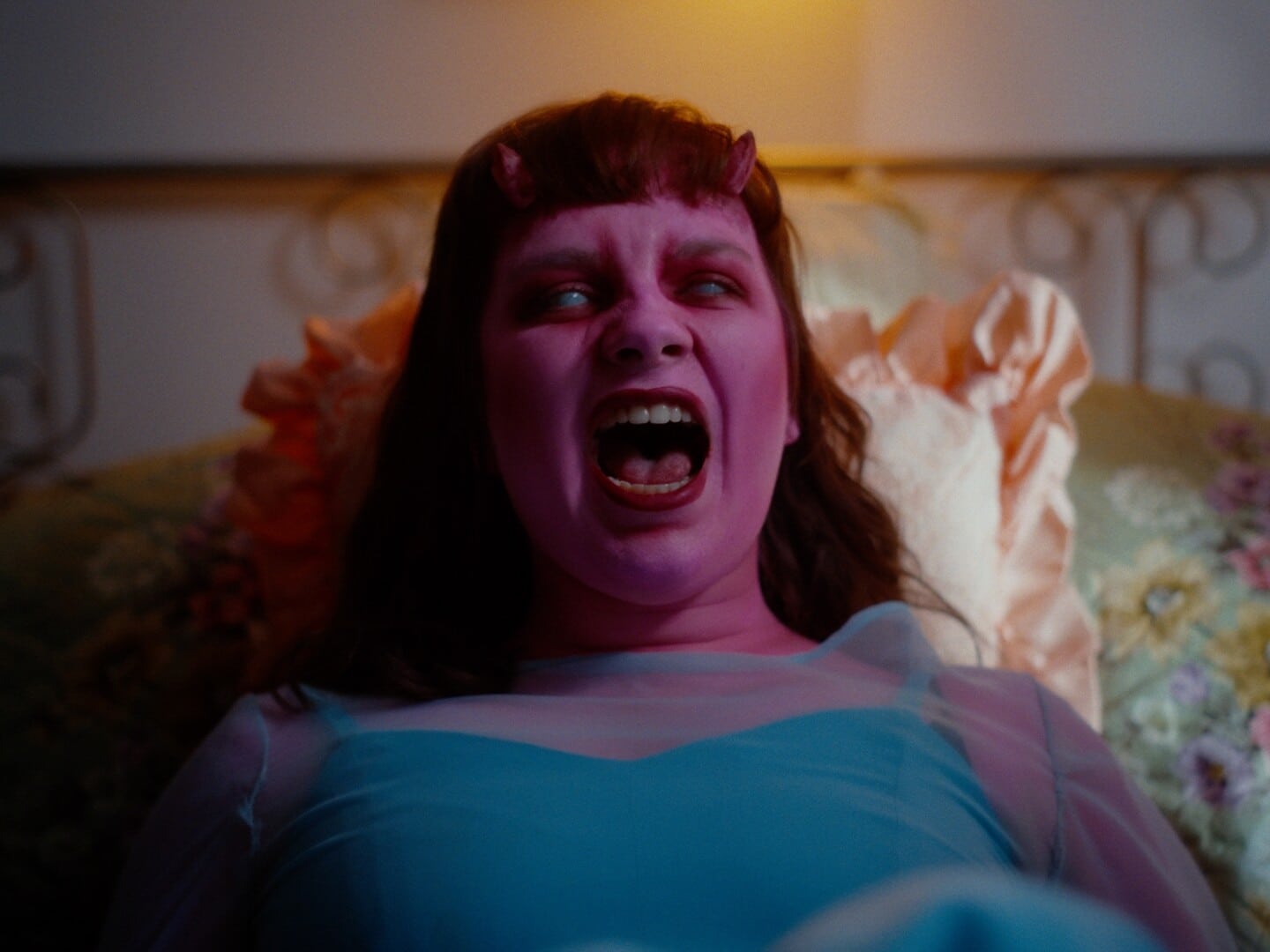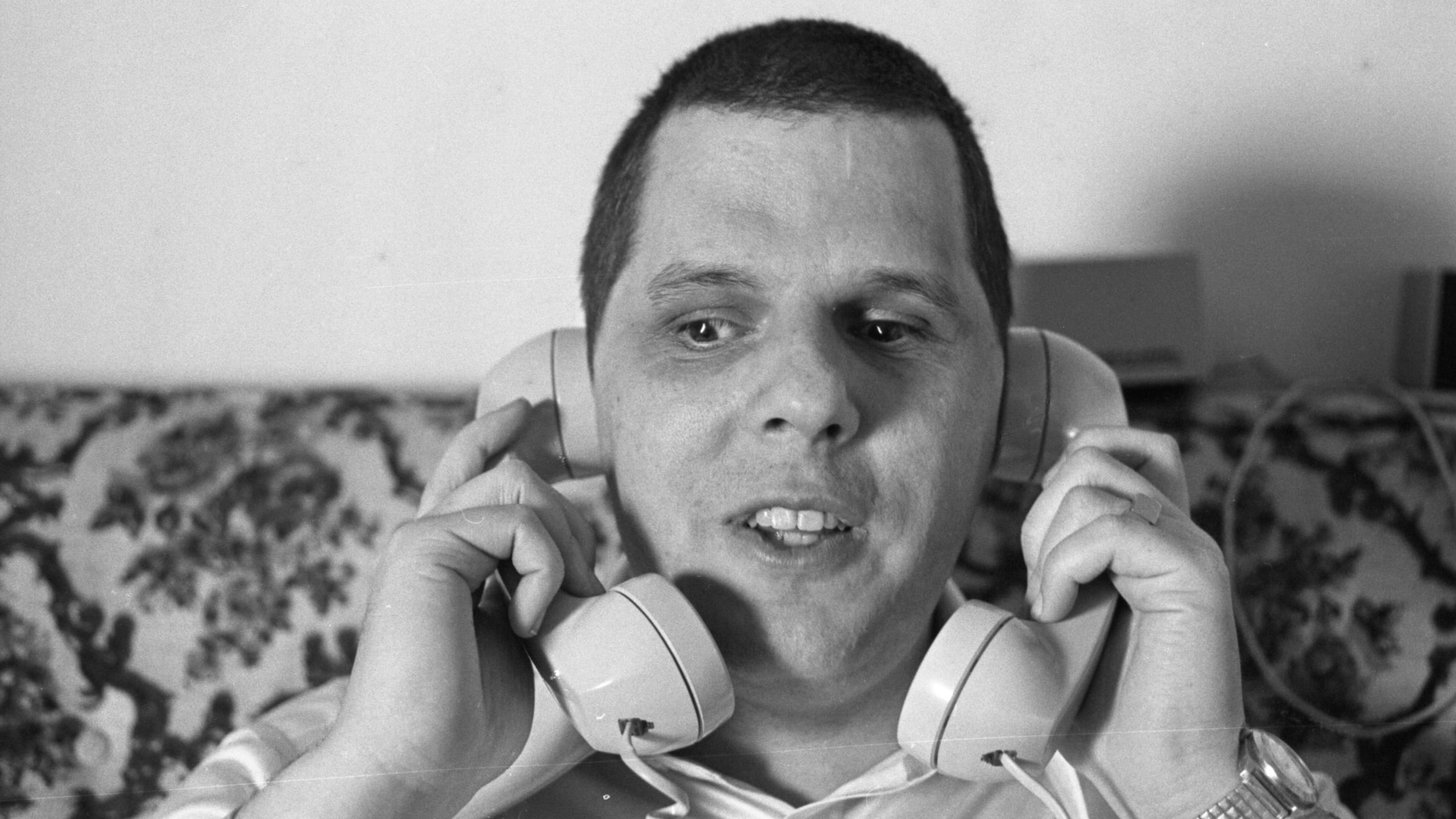
Christopher Bryant’s creative practice spans the stage, the page and academic research. In this edition of Meet the Performer, we chat with the writer and performer about New Balance, created with Emma Palackic, and the care, curiosity and collaboration that shape his approach to theatre.
Meet The Performer – Christopher Bryant
What is this production or show about?
New Balance is a contemporary performance about the intersection of queerness and disability: about navigating the world as a queer person with disability, about being a marginalised queer person who experiences further marginalisation through disability. Its script is woven together from intersecting anecdotes from the queer-disabled community about the universality of growing up deemed ‘different’.
How would you describe what you do to someone encountering your work for the first time?
I am a playwright and performance-maker – I make weird, queer, disabled performance works like New Balance with my collaborator Emma Palackic, and I have a more traditional playwriting practice as well. I am also an author and sometime-academic: I hold my Ph.D. in disability and playwriting representation, and have worked as a disability consultant for mainstage companies in Sydney.
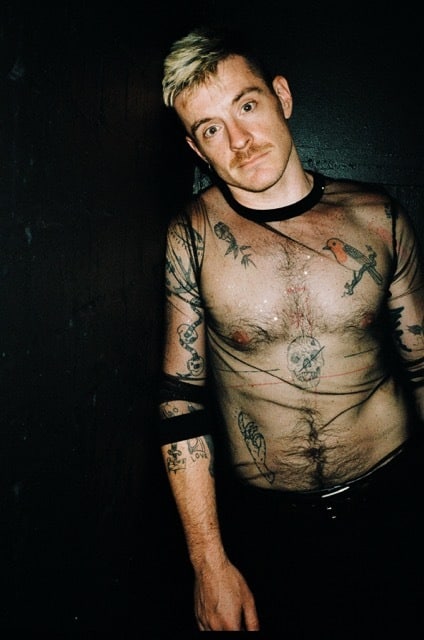
What is your process for getting ready before you step on stage?
I give myself a good amount of time to warm up my vocals – I have terrible diction in my everyday life so I have to make a concerted effort to get things up to shape! And then a lot of stretching while listening to a playlist that mirrors the emotional journey of the show. Then as a focus exercise I speed run the text for myself – I’m probably too paranoid about forgetting lines, five seasons in, but I’d rather be prepared than not!
How do you look after your physical and emotional health during a demanding run?
Living with a TBI means I need to make sure I’m always getting a lot of sleep. I always attempt to meditate, and run the script each day to ensure it’s still in my head. Emotionally, I’ve not run into any issues, which is wonderful. The show Emma and I did before New Balance was more directly about my experience getting hit by a car & acquiring a disability, performed in intimate venues with minimal theatricality. It was successful, but by the end of its run I needed to stop touring the show – I was essentially retraumatising myself each night. Conversely, Emma and I were very intentional in crafting New Balance – and while it goes to some dark places, the show overall is full of abstraction, humour, and a lot of projection & design, which all work to separate my emotions from the show itself.
What do you think makes a performance truly connect with an audience?
Truth and specificity – both in what’s being performed, and the performance itself. Across New Balance’s seasons I’ve consistently had audience members talk to me after the show with some variation of: “I’ve had a very different life, but when you talked about x, it made me think about my own experience in a different way.” I think sharing honestly about specific experiences I’ve been through actually allows audiences to see themselves in the show.
What has been your favourite performance or role so far in your career?
This feels like a cop-out answer, but getting to bring New Balance back in 2023. We made the first version of the show in 2020 at Theatre Works, a few weeks before the country shut down. There were a lot of good ideas in it, but ultimately it needed more time to cook – and Emma and I were stretched incredibly thin, shooting for the sky on a budget made from working extra shifts. Getting to return to it later, we were able to be more intentional: change the parts we wanted to, deepen the philosophical enquiry in the text, and make the show overall much more effective. By turn, that made it so much more fun to perform: to get to spend time with each audience performing a show I’m so proud of, it’s just fun!
Have you ever had to improvise or adapt during a live performance? What happened?
The most recent I can think of was during the 2023 season of New Balance when all the tech suddenly went kaput! For about 10 minutes I somehow just bantered with the audience before picking the show up where it’d stopped – I didn’t even realise what I’d done until after the show when people congratulated me on keeping it together. It’s something I’ve gotten much better at across the last 10 years having performed in so many different locations, to audiences of 2 and audiences of 200. (It’d just be nice if I could be that calm in my everyday life, too!)
Thank you to Christopher for taking us behind the scenes of New Balance and sharing his perspective on life as a working artist. Catch the show at Melbourne Fringe, with tickets available through the festival.